The 1970s were a time of bell-bottoms, big hair, and disco, but the food? Not so great. While the fashion was on fire, the bizarre dishes of the ’70s—like Jell-O salads and strange diets—are best left in the past. Grab your platforms and let’s take a quick trip through the weird world of ’70s cuisine.
Hamburger Helper
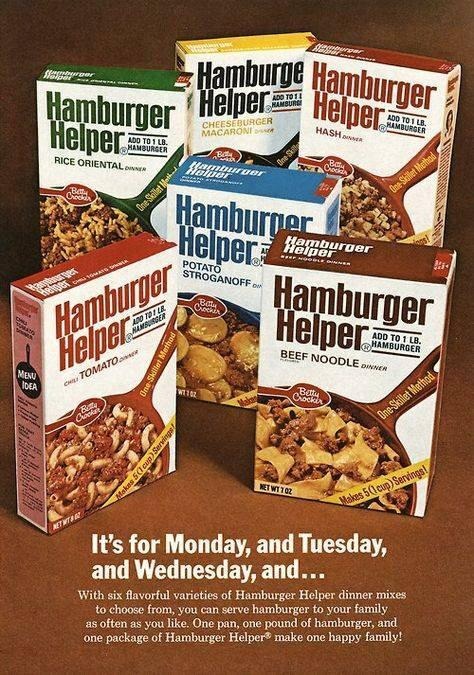
Cooking for the family after a long day was a challenge for many in the 1970s, but the arrival of Hamburger Helper in 1971 was a game-changer. It became a hit for its convenience, offering dried pasta and packets of powdered sauce and seasonings in one box. American families loved it, and soon Tuna Helper and Chicken Helper followed. Today, though, only the original Hamburger Helper still holds its place as a favorite.
Grins & Smiles & Giggles & Laughs
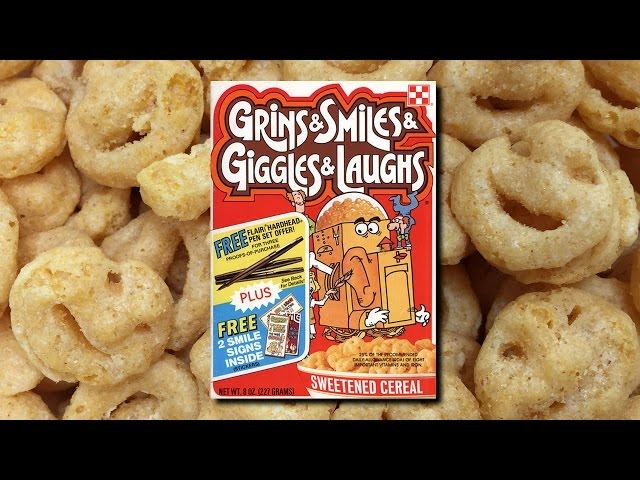
Released in 1976, Grins & Smiles & Giggles & Laughs was a quirky cereal from Ralston. According to the story on the box, Cecil the robot would make the cereal whenever someone made him grin, smile, giggle, or laugh. Each box included fun prizes like joke books and paint kits, all for just 72 cents. Despite its charm, the cereal didn’t last long and was discontinued after only a year.
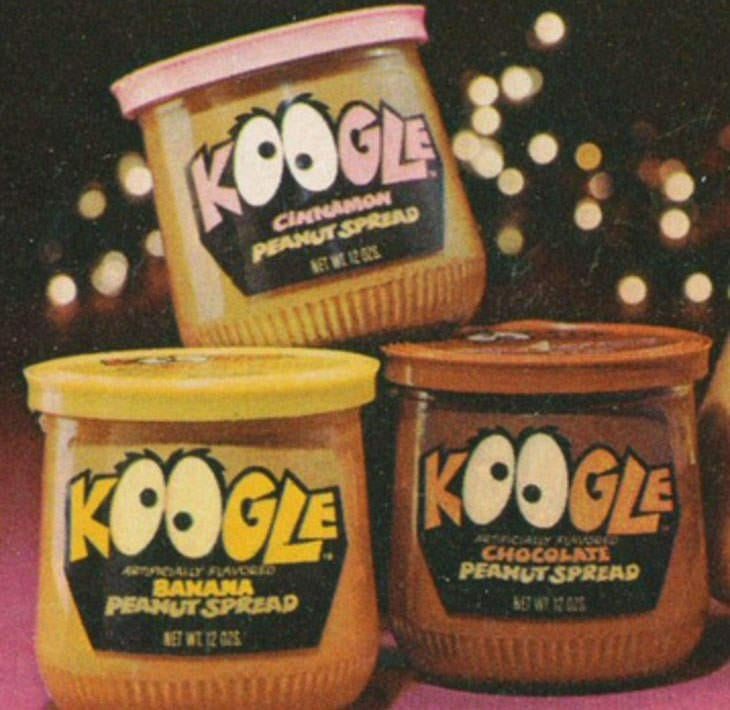
Kraft introduced Koogle in 1971, a peanut butter spread similar to Nutella. Its key appeal was that it didn’t make your mouth sticky like regular peanut butter. Available in four flavors—chocolate, banana, vanilla, and cinnamon—Koogle was a hit with kids, thanks in part to its quirky alien mascot with four eyes, messy blue hair, and a big “K” on its chest. Despite its popularity, Koogle was discontinued in the late 1970s, bringing an end to this fun and tasty treat.
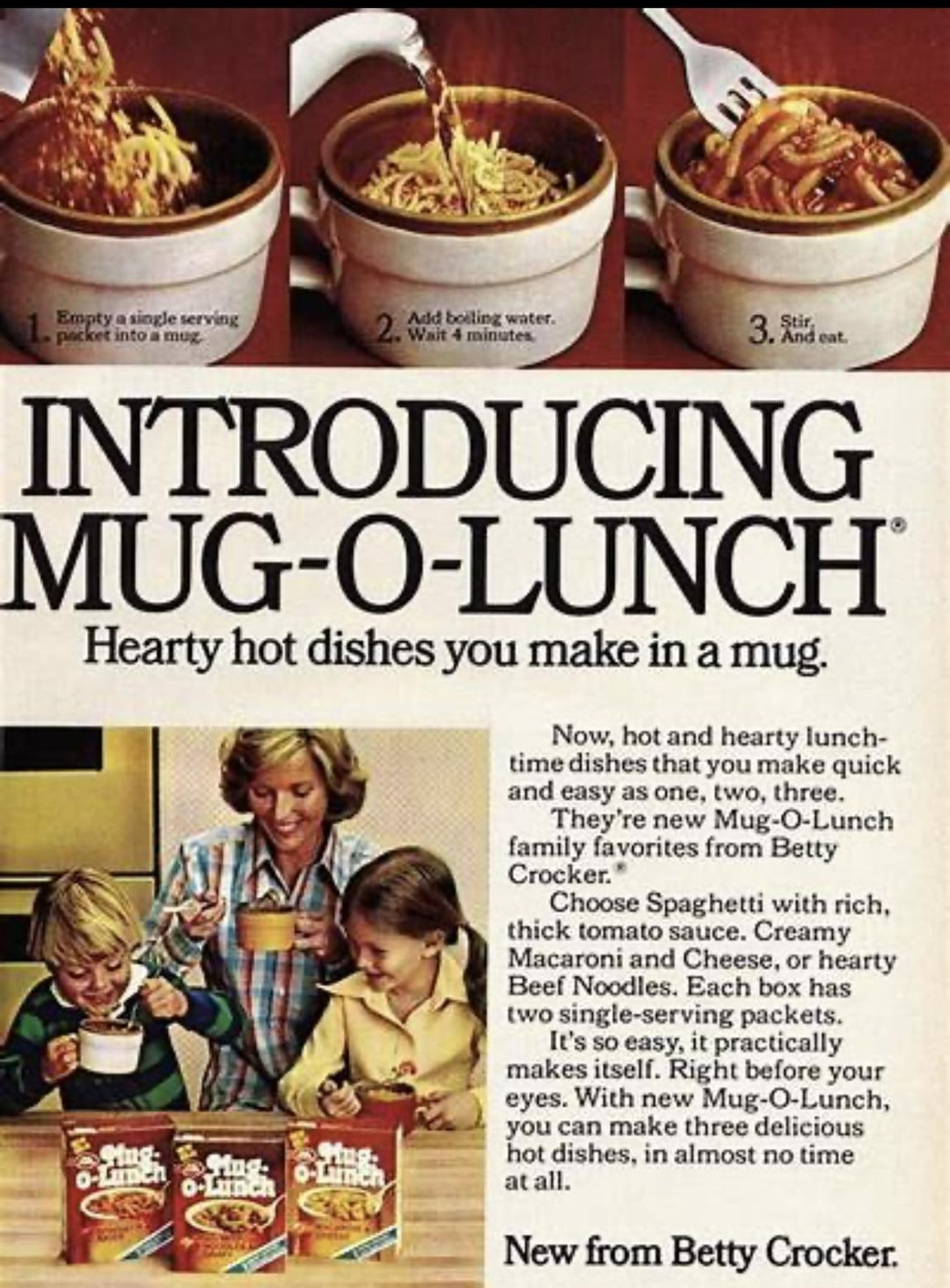
With instant noodles in high demand, Betty Crocker introduced Mug-O-Lunch in 1977. Available in four flavors—Macaroni & Cheese, Beef Noodle, Chicken Noodle, and Spaghetti—it was as simple as adding boiling water. However, the small portions were a problem. While enough for a kid, adults needed at least three to feel full, and no one wanted to boil water that many times. It quickly became clear that making real mac and cheese was easier, leading to the downfall of Mug-O-Lunch.
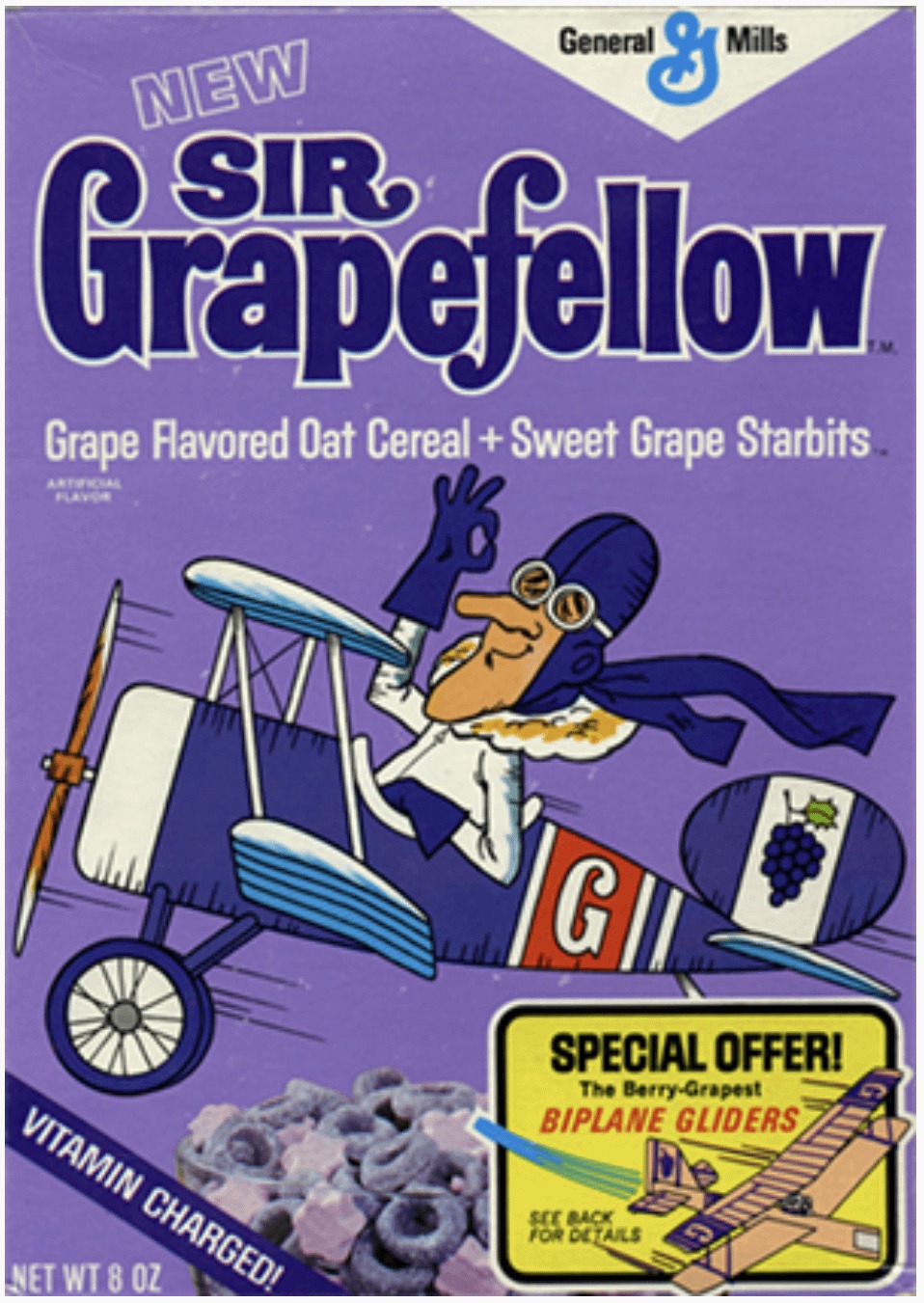
Released by General Mills around 1972, Sir Grapefellow cereal had a brief but memorable run. This grape-flavored cereal, complete with marshmallows, gave kids a breakfast treat like no other. However, Sir Grapefellow’s downfall was its taste—resembling grape-flavored cough syrup with an overwhelming artificial smell. Despite the initial excitement, it wasn’t long before this cereal disappeared from shelves for good.
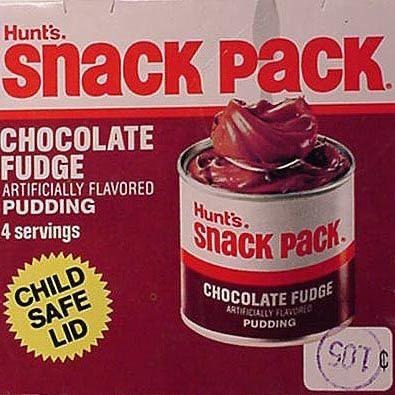
In 1968, Hunt’s introduced Snack Pack pudding in eight flavors, including banana, chocolate, vanilla, and butterscotch. It was an instant hit with parents in the 1970s, offering a quick, mess-free treat for kids that was also portable. However, the sharp metal lids on the cans posed a safety hazard. A safer, more child-friendly can was introduced a few years later, followed by Snack Pack Jack with his pudding can-shaped cap. By 1984, these changes became the standard.
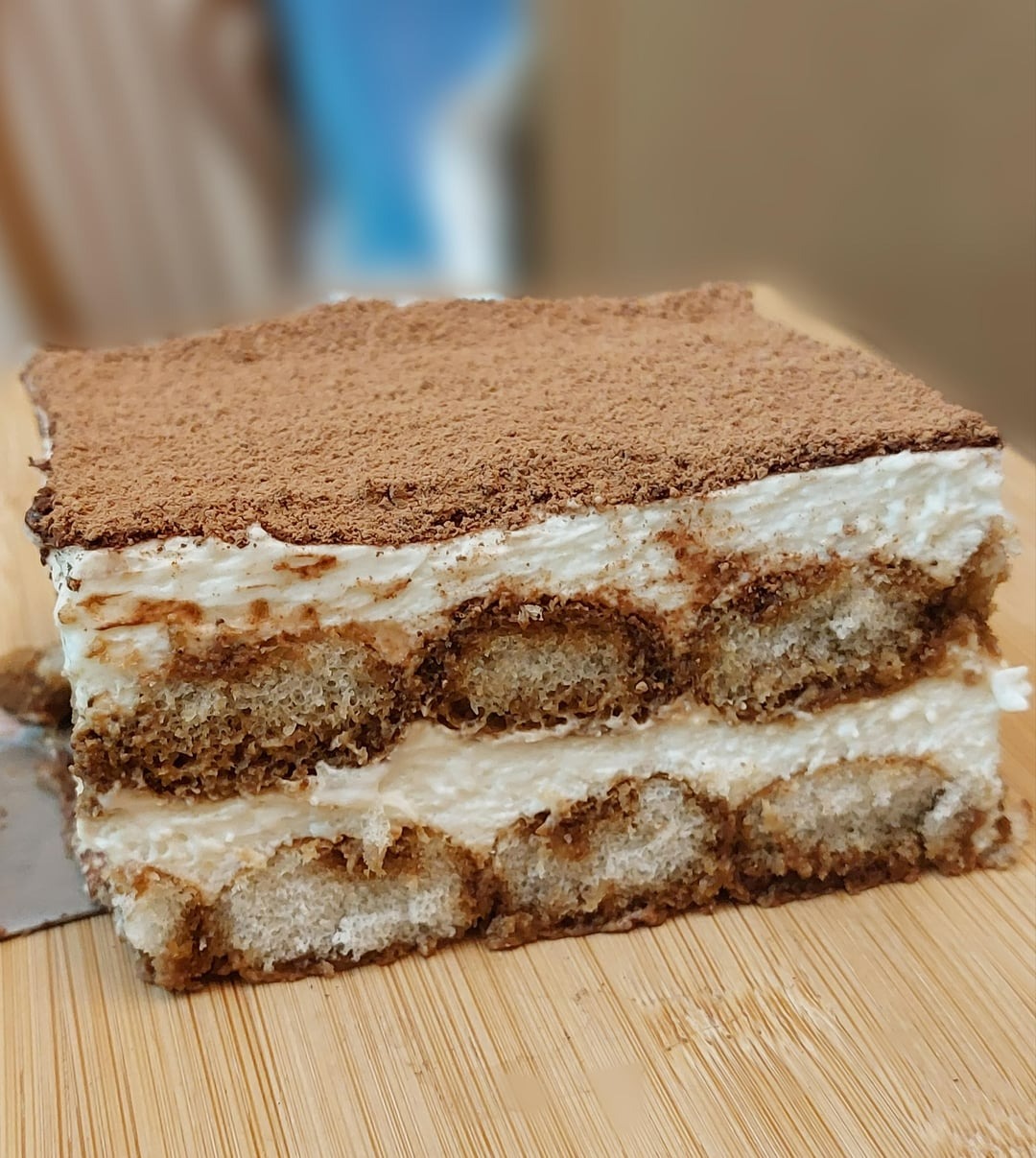
Tiramisu is an old dessert, but its modern version is credited to pastry chef Robert Linguanotto of Le Beccherie in Treviso, Italy. In 1968, he combined espresso, mascarpone, eggs, and Marsala-soaked ladyfingers, creating a dessert sensation that took the 1970s by storm. While still popular today, the quality can vary greatly. In some places, like Olive Garden, you might find a cheaper version made with spongecake and lower-quality alcohol, and most home bakers in the 1970s weren’t aiming for gourmet results.
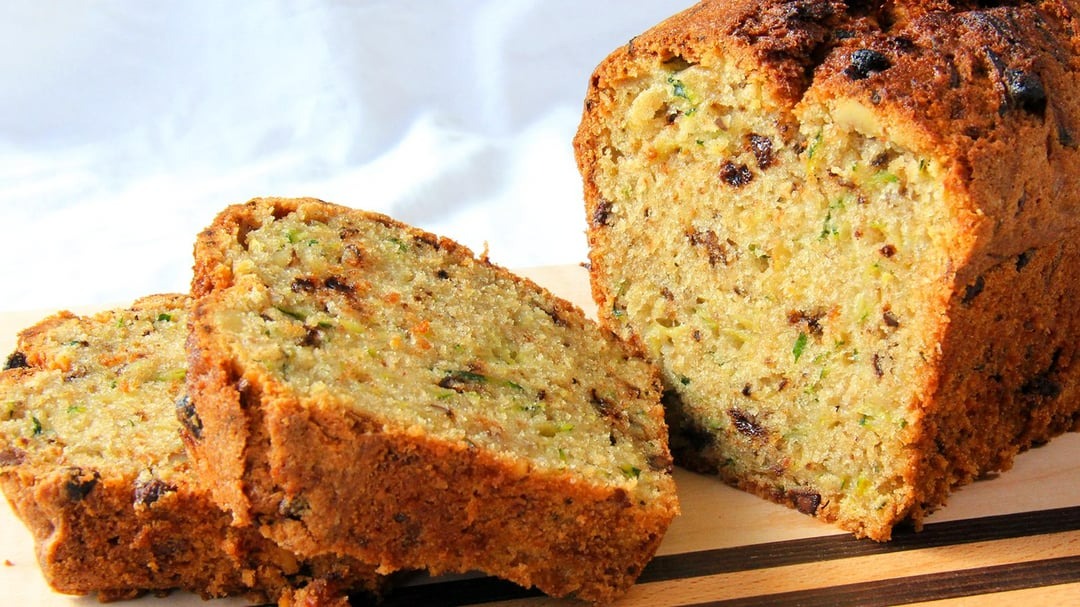
Have you ever grown zucchini? If you have, you probably found yourself with an abundance of it during the season. So, what to do with all that zucchini? In the 1970s, many people turned to zucchini bread. Its mild flavor made it a great addition to cake, keeping it moist and healthy. Along with carrot cake and banana bread, zucchini bread was often enjoyed as a breakfast or after-school snack, allowing you to indulge with a clear conscience.
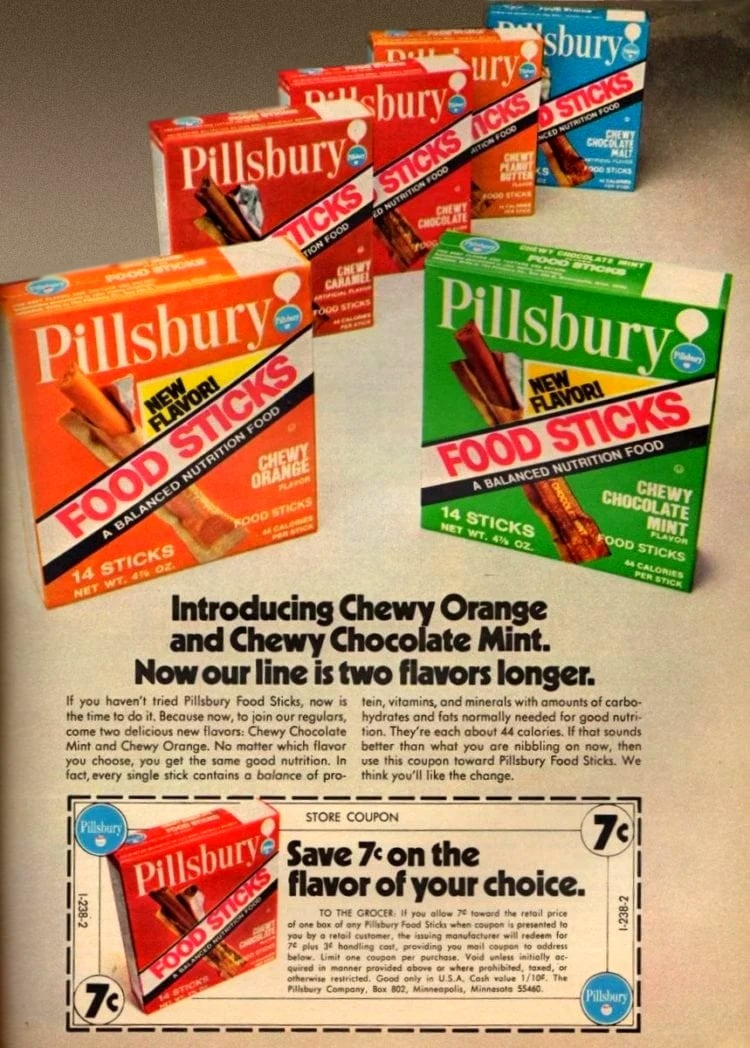
Manufactured by Pillsbury, Space Food Sticks were originally developed as a snack for the Apollo Space Mission, designed to meet government nutritional standards. Unfortunately, they tasted like dog food. In 1971, after Aldrin and Armstrong walked on the moon, Pillsbury revamped the recipe, adding more flavor. White Wings then packaged them in space-age foil, enhancing the astronaut appeal and turning them into a popular snack.
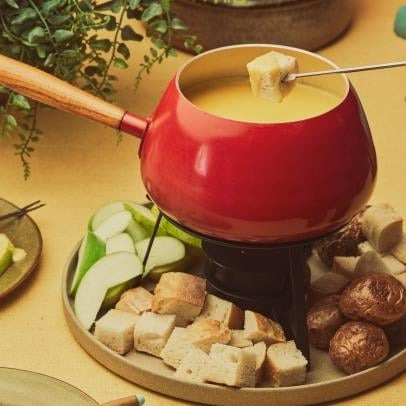
Fondue is still a favorite at ski resorts and certain restaurants, but in the 1970s, it became a full-blown craze. Who could resist a big bowl of melted cheese served with fresh bread? This communal dish brought people together in a fun way. While fondue had been popular in Switzerland since the early 1700s, it gained traction in the U.S. after being promoted by the Swiss Pavilion’s Alpine restaurant at the 1964 World’s Fair in New York. If you lived in a colder state during that time, you likely enjoyed fondue.
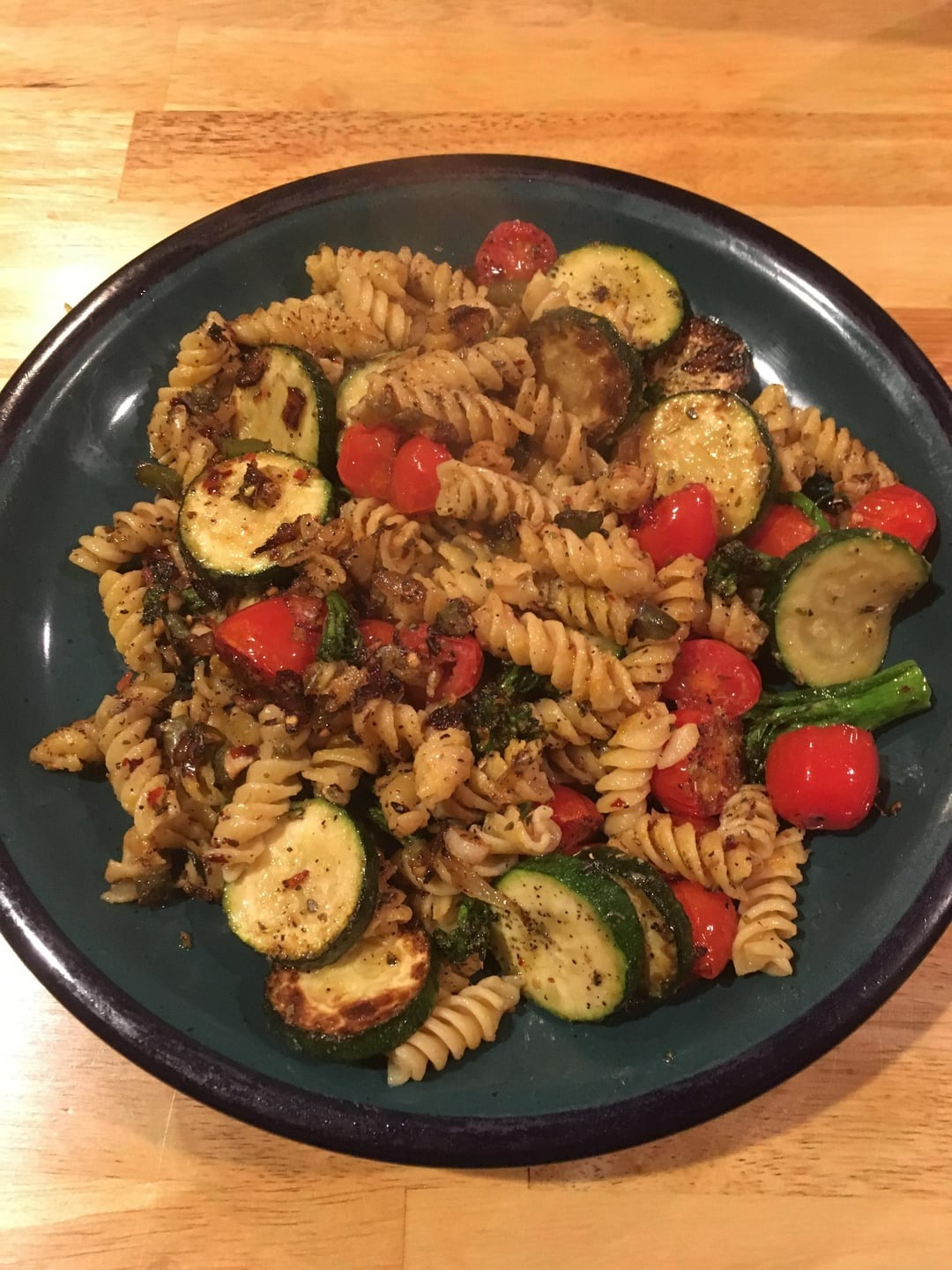
Pasta primavera may sound fancy, but it’s a simple dish made with pasta and fresh vegetables. It gained popularity in the 1970s after being featured on the menu at Le Cirque, a New York restaurant led by head chef Sirio Maccioni. Typically made with flat tagliatelle noodles, the pasta is tossed in butter, cream, and cheese, then mixed with fresh vegetables. Its debut created quite a stir in Manhattan, and before long, families began making this easy dish at home.
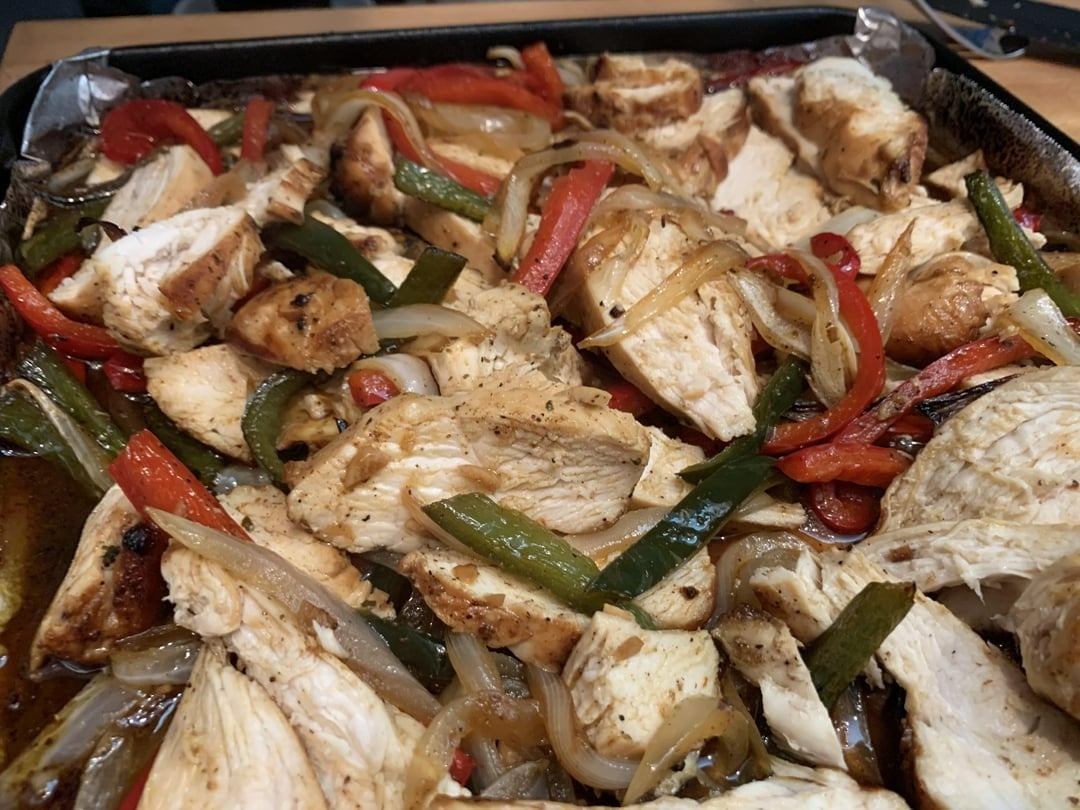
Fajitas are everywhere today, but they were much less popular in the 1970s. This Tex-Mex dish started to gain traction in the mid to late ’70s as diners became more willing to explore new flavors and cuts of meat. Fajitas were the perfect introduction to this broader culinary landscape, featuring strips of grilled beef or chicken cooked with bell peppers and onions, served on soft flour tortillas with sour cream, salsa, and guacamole. What’s not to love? The fajita craze continued into the ’80s and ’90s.
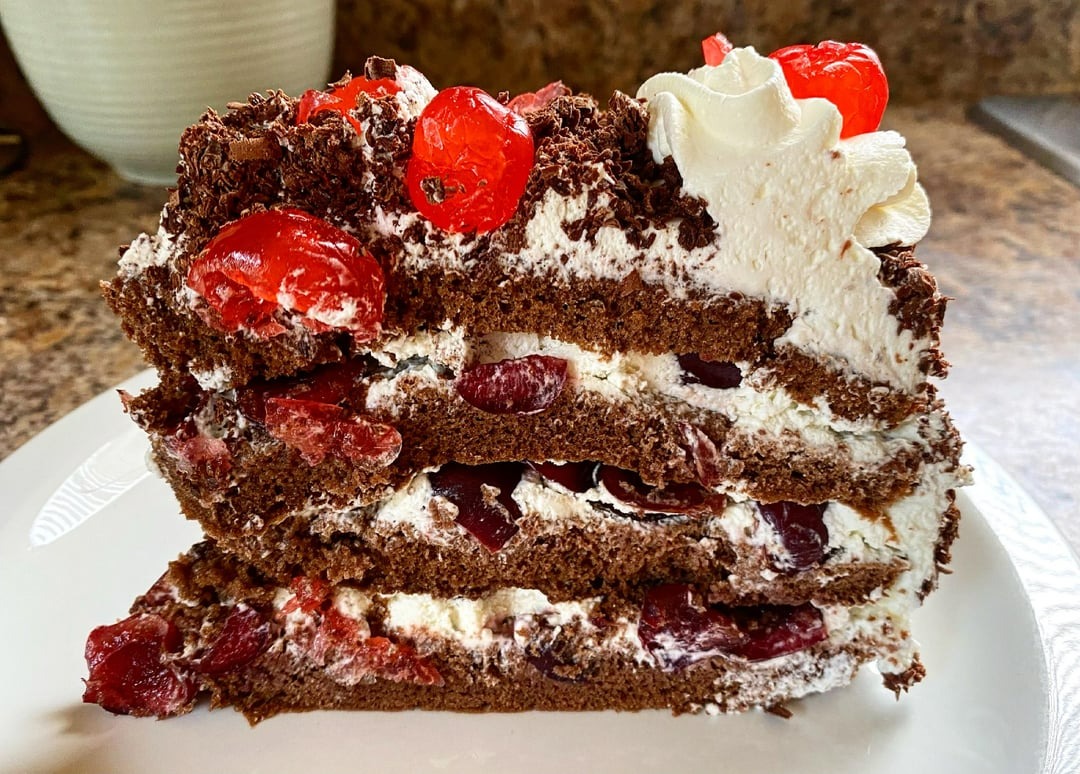
Black Forest Torte had been a staple in Germany for decades before making its way to the U.S. in the 1970s, where it quickly became a standout dessert. This delicious cake features layers of chocolate cake, whipped cream, and is topped with Maraschino cherries and chocolate shavings. The fun didn’t stop there; it was also drenched in Kirsch, a clear liqueur made from sour cherries. Back in the day, making one of these cakes would draw everyone to the kitchen. Today, you can easily find them pre-made in most grocery stores.
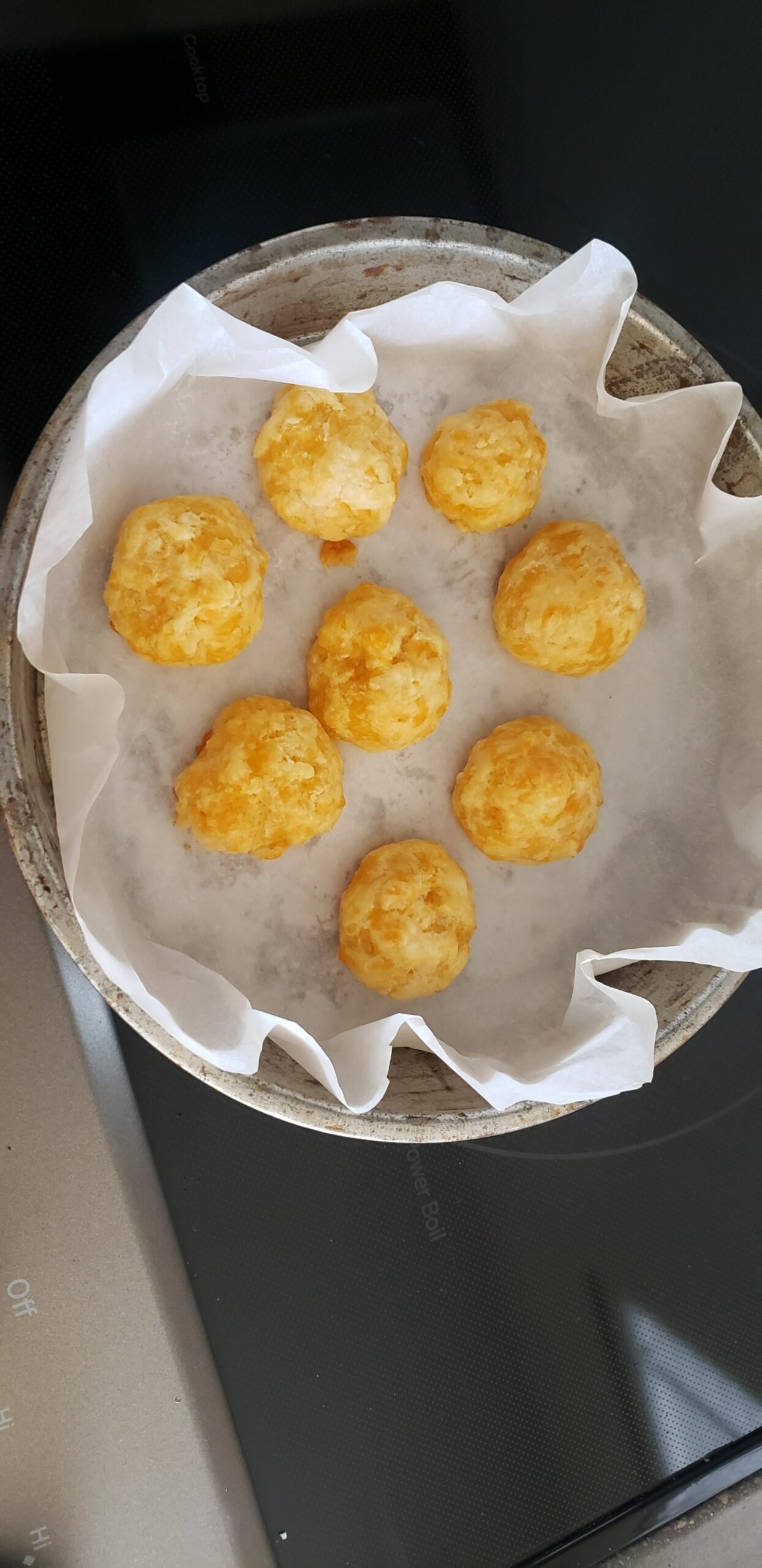
The 1970s were full of quirky fads, and cheese balls were one of the best. The trend of shaping cheeses into balls or logs by rolling them in plastic wrap and coating them in toppings took off during that era. Most recipes used soft cheeses, which were blended together and formed into fun or whimsical shapes. These cheese balls or logs were then rolled in black pepper, herbs, and sometimes even nuts! Served with crackers, it was a delightful snack that captured the spirit of the decade.
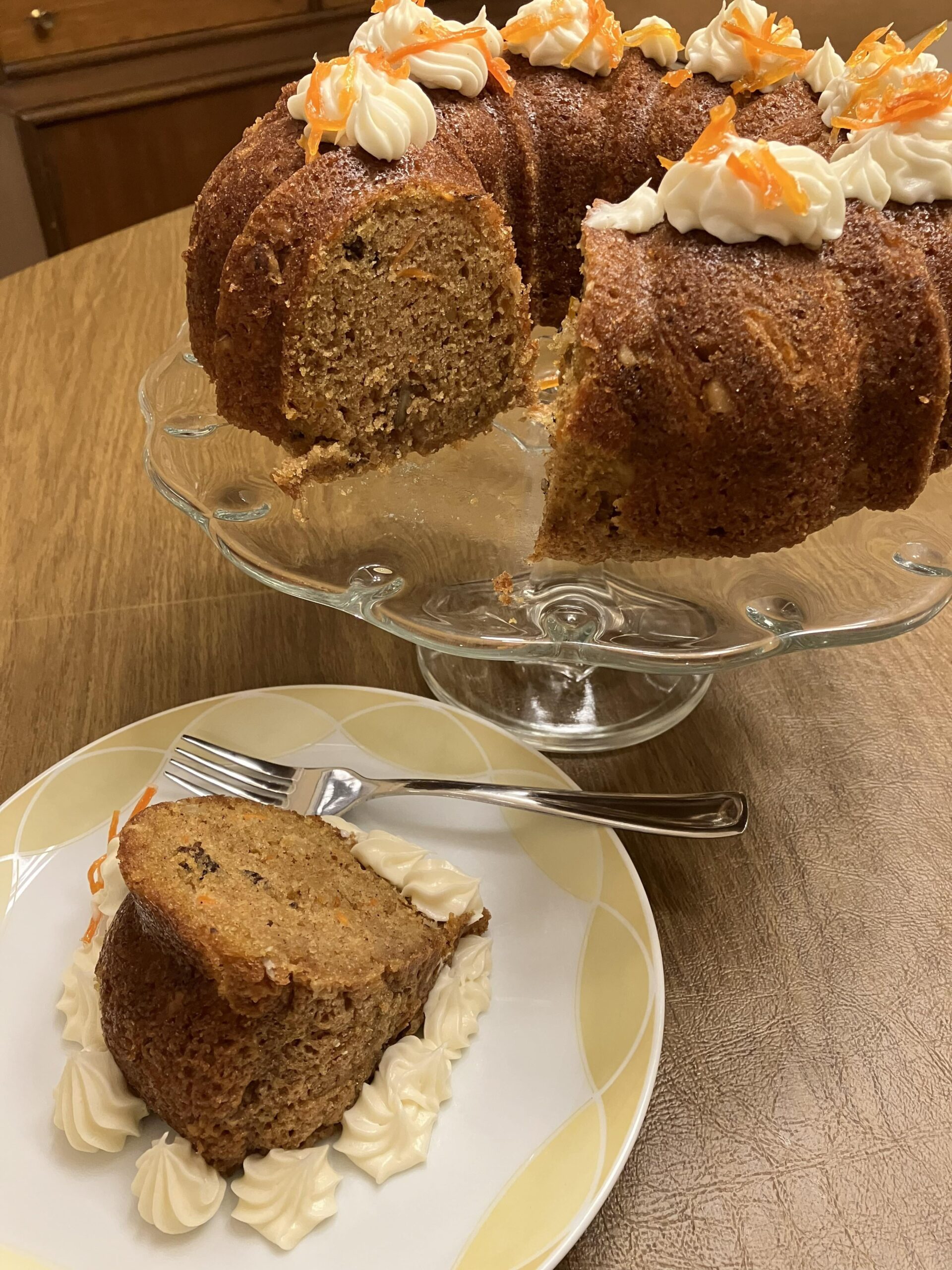
In the 1970s, America recognized its weight problem and introduced a dessert that claimed to be both tasty and “healthy”: carrot cake. However, it was far from healthy, loaded with sugar and cream cheese frosting. Interestingly, carrot cake dates back to the late 16th century, and its true origin is debated—some say England, others France, and some even Switzerland. Regardless, carrot cake became a significant dessert in the 1970s.
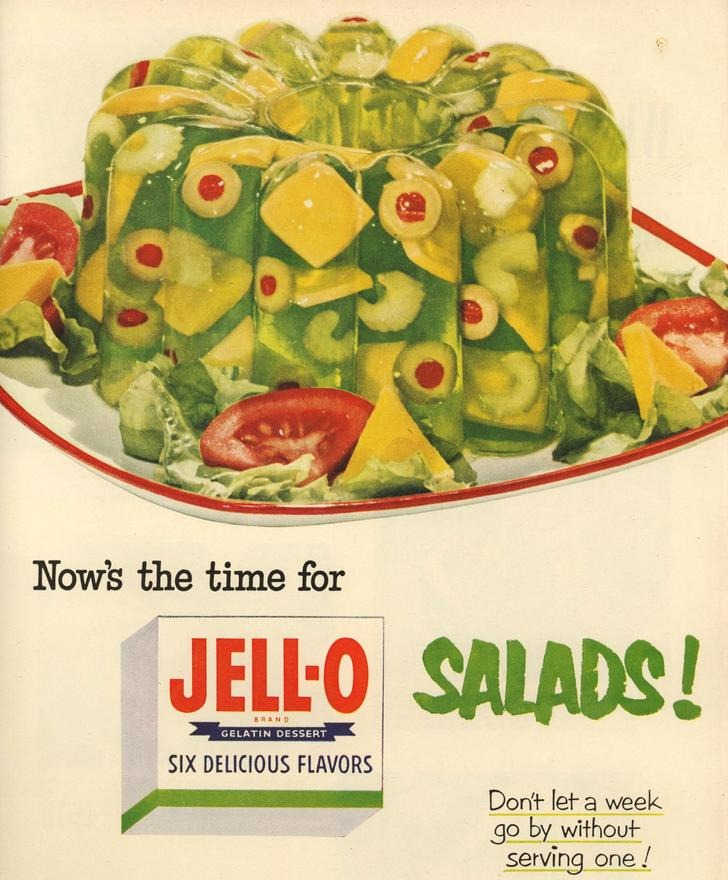
Americans have long loved Jell-O, but the Jell-O “salad” is a whole different story and, in hindsight, pretty unappetizing. Surprisingly, the combination of savory ingredients suspended in gelatin didn’t deter home cooks, who embraced Jell-O salads, incorporating items like aspic, salmon, and even cheese. Some got creative, forming Jell-O into shapes like doughnuts and loaves. However, as nutritional information became more prominent, the Jell-O salad fell out of favor.
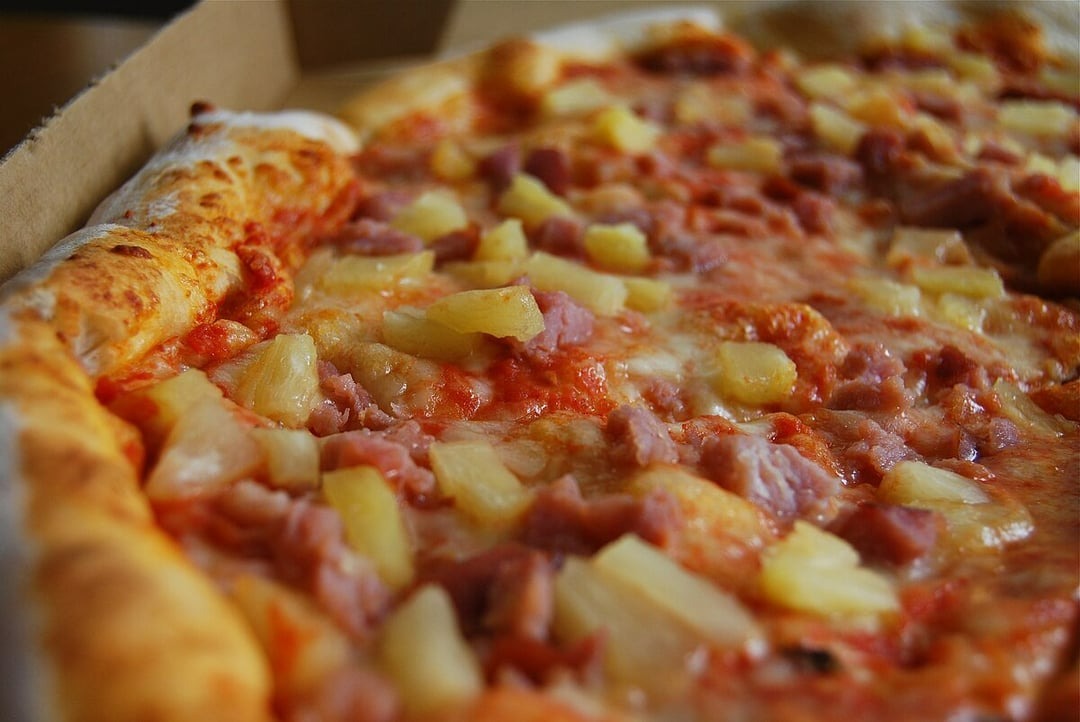
This wasn’t about a single dish but rather a single fruit. When pineapples started appearing on plates in the 1970s, mainland Americans reacted as if they were encountering a monolith from *2001: A Space Odyssey*. They wondered, “What is this? What does it do? Is it a threat?” Spoiler: it wasn’t; it was just a sweet addition to many meals, including chicken and, most famously, pizza. The 1970s gave us Martin Scorsese and disco, but it also introduced the polarizing Hawaiian pizza.
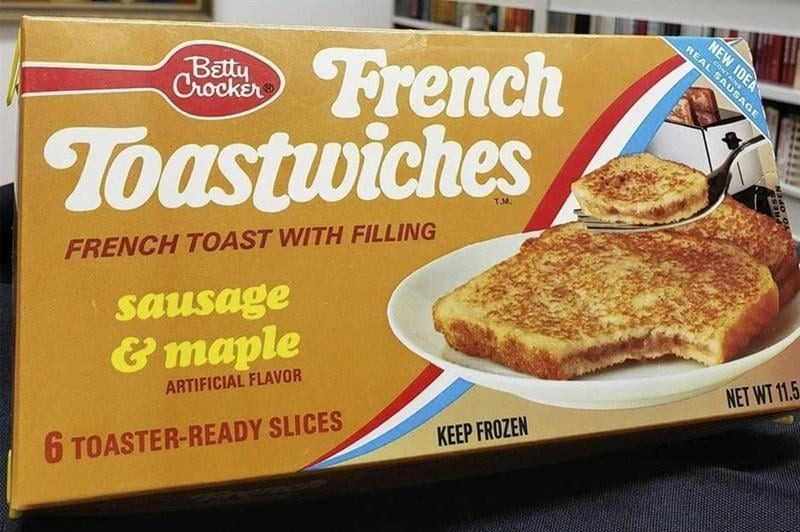
Toast is a universally loved food, and Toastwiches were no exception in the 1970s. During a time filled with fancy pineapple dishes and fondue, Toastwiches offered a refreshing change. Popular options included Betty Crocker’s sausage and maple syrup-flavored French Toastwiches, grilled cheese Toastwiches, and the less-than-stellar Pizzaburger Toastwiches. Today, you can still find these in the frozen aisle of any grocery store.
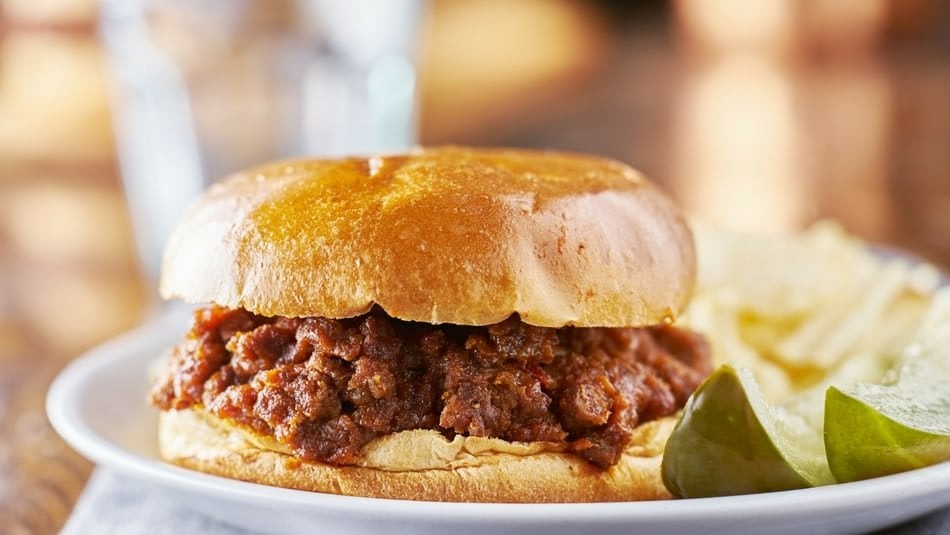
Sloppy Joes have become iconic in American food culture. While their popularity may have waned, they still evoke nostalgia for many who remember carefree childhood meals. Hunt’s Manwich Original Sloppy Joe Sauce was introduced in the late 1960s and gained immense popularity throughout the 1970s. The combination of tomato sauce, minced beef, and a hamburger bun was irresistible, making it a staple in many households.
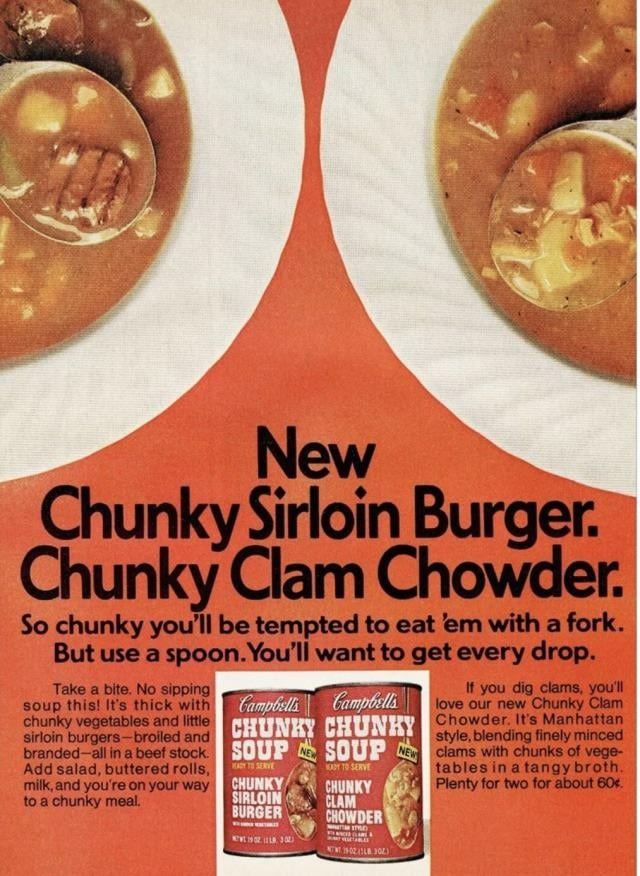
You’re likely familiar with Campbell’s Soup, whether it’s been a staple in your pantry or featured in countless art pieces. While Andy Warhol popularized Campbell’s Tomato Soup in the 1960s, Chunky Soup became the star of the 1970s. Launched in 1971, it was marketed as a “meal in a can,” with the tagline “soup so chunky you’ll be tempted to eat it with a fork.” Options included chunky chicken, beef, turkey, and vegetable varieties.
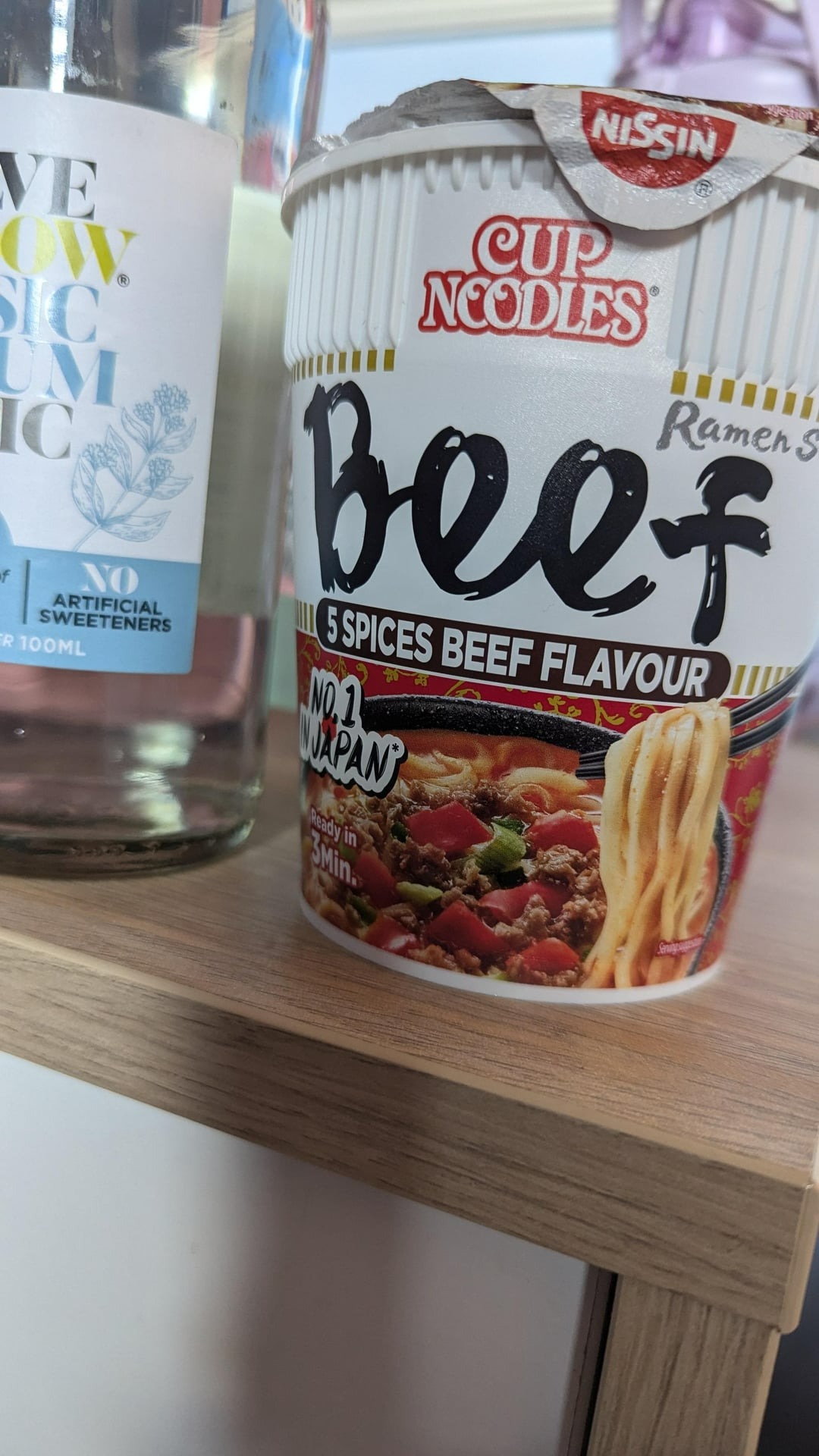
It’s hard to picture a world without instant noodles, especially with entire store aisles dedicated to various flavors. Before the mid-20th century, noodles were primarily a traditional Asian staple. Enter Cup Noodles, invented in Japan in the 1950s and making their way to the U.S. in 1971. They quickly became a massive success, selling over 40 billion cups since their launch—more than five times the Earth’s population.
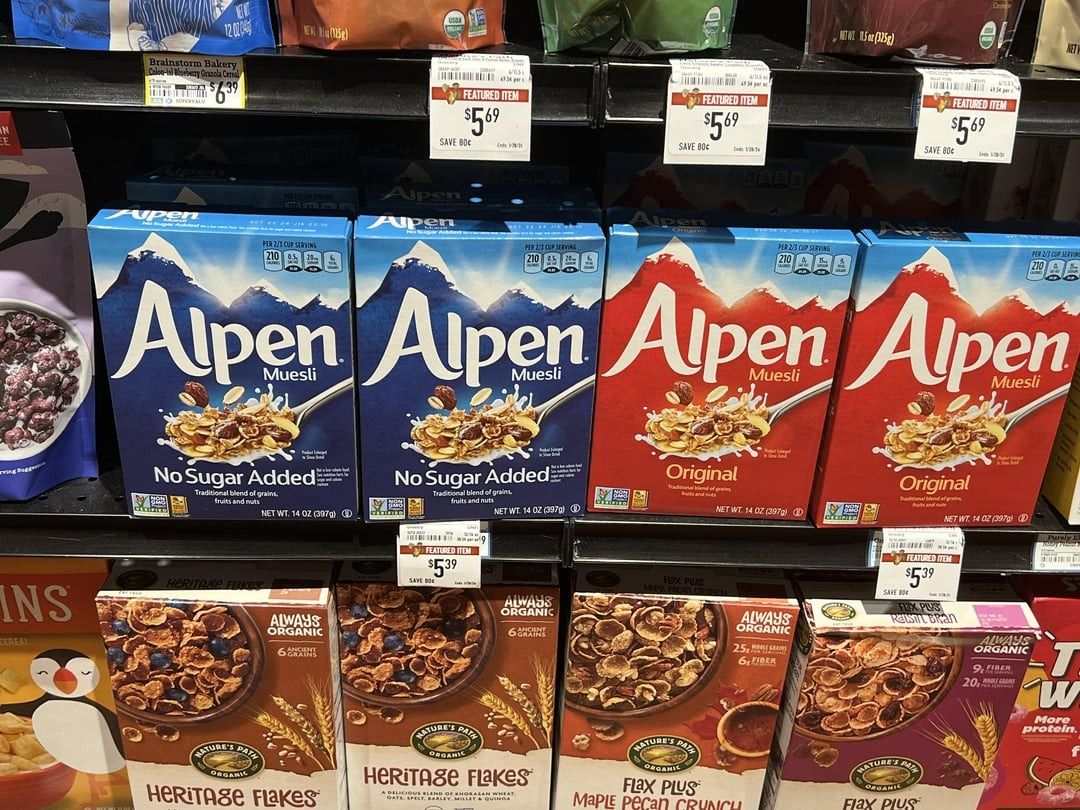
Americans love their cereal, but many options are high in sugar, like Lucky Charms and Frosted Flakes. When muesli came onto the scene, it changed the game. Alpen cereal was created by a Weetabix board member inspired by Swiss muesli during a family ski trip. Launched in 1971, Alpen was a health-conscious revolution in the 1970s and remains popular today.
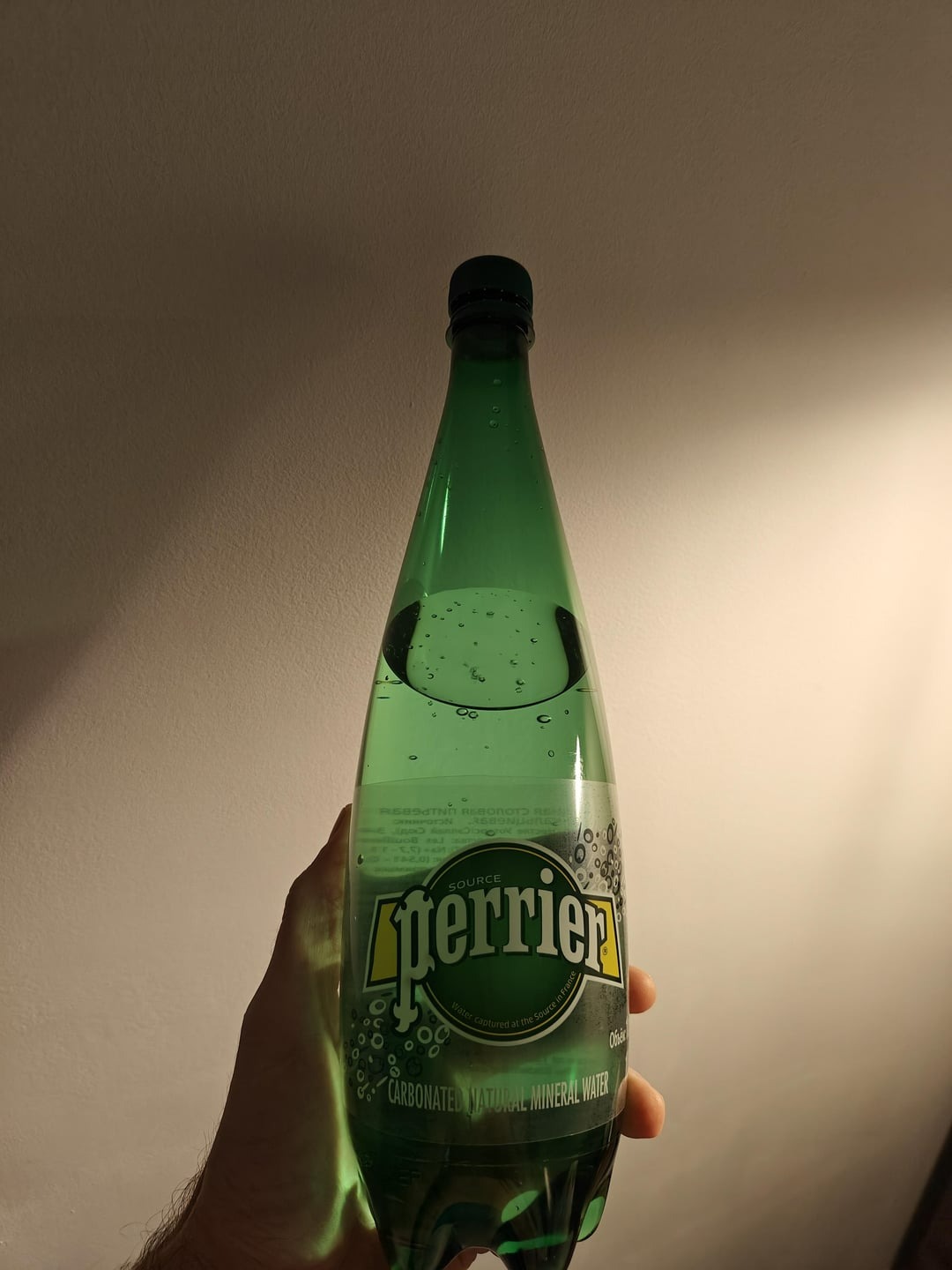
Who wants plain tap water? Not Americans in the 1970s! This decade saw the rise of sparkling water, with Perrier leading the way. Sourced from a spring in southern France, Perrier hit the U.S. market in the mid-70s, quickly becoming a status symbol for affluent Americans and those aspiring to join the middle class.
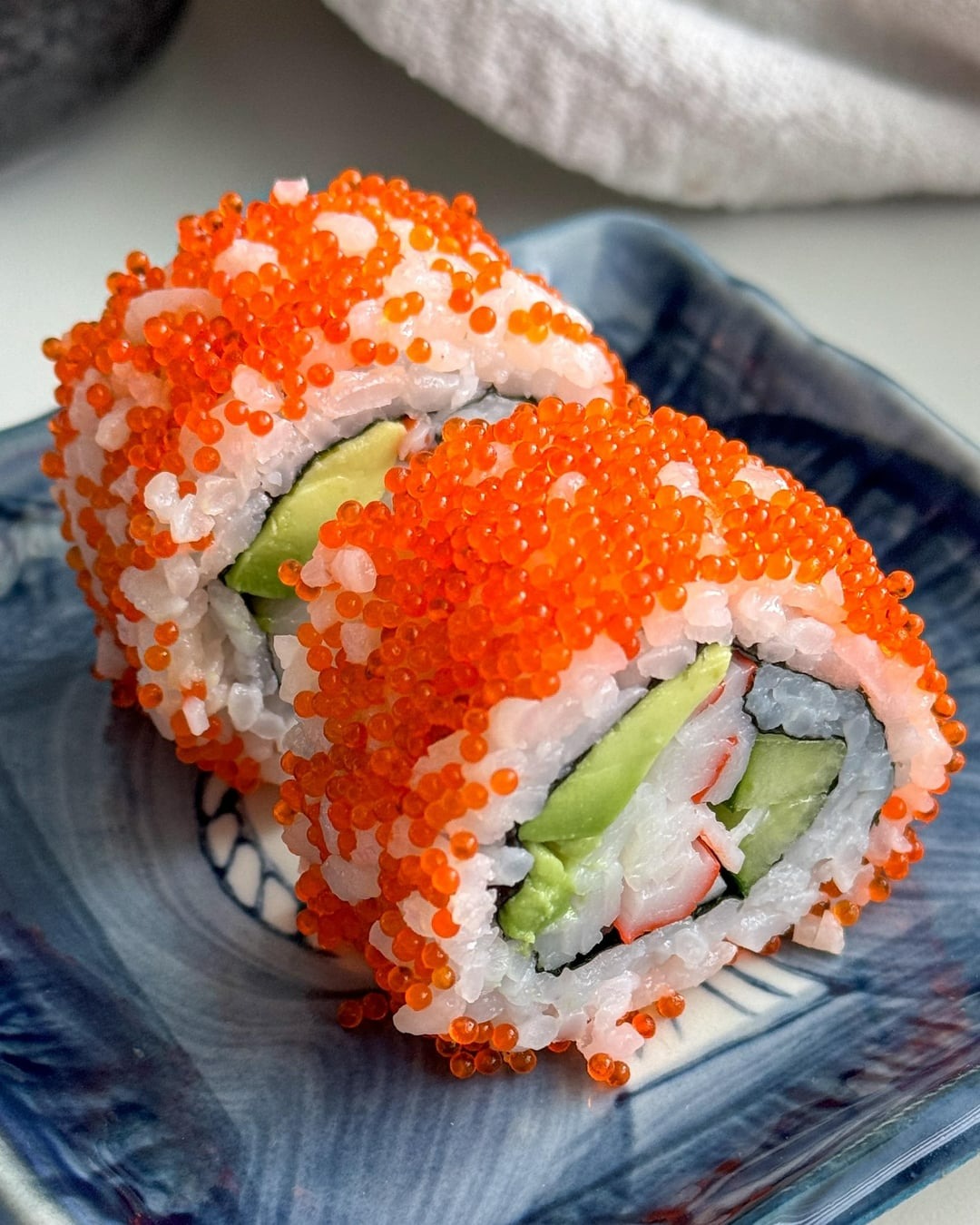
Today, sushi stands as one of America’s greatest multicultural success stories, but its journey began around the turn of the 1970s. Early American sushi wasn’t traditional; it was more reflective of a middle-class American’s interpretation. The California Roll, typically made with nori (seaweed) and filled with ingredients like cucumber, crab, and avocado, became a staple. While many chefs have claimed to have invented “American sushi,” the credit likely goes to the LA restaurant Tokyo Kaikan for popularizing this fusion dish.
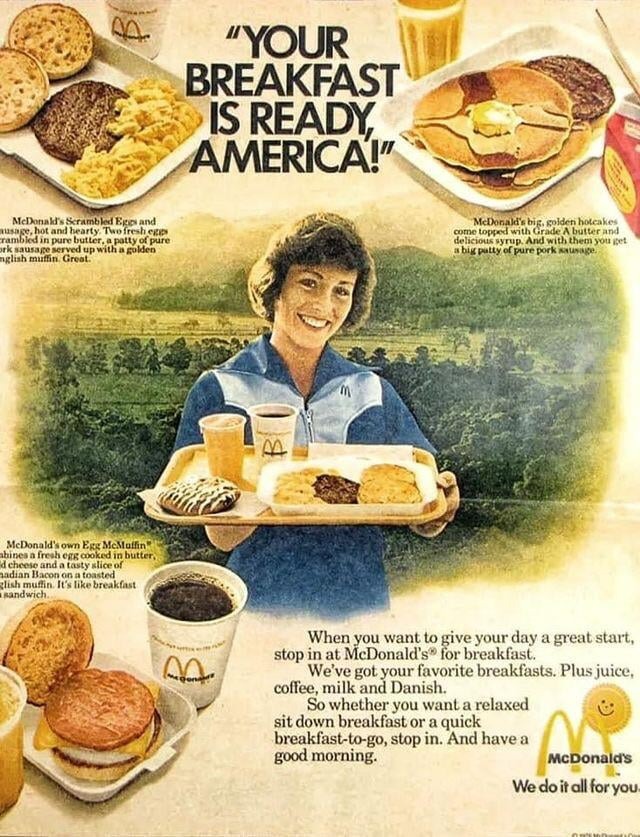
Today, it’s hard to imagine a morning commute without an Egg McMuffin, but in the 60s and 70s, McDonald’s was primarily an evening dining option. The concept of eating a burger first thing in the morning seemed unappealing until 1972. That’s when McDonald’s introduced the Egg McMuffin, transforming breakfast fast food. This perfectly round fried egg, paired with bacon and American cheese on a toasted English muffin, became a classic staple. It’s now a beloved way to start the day, especially on those chilly Monday mornings.
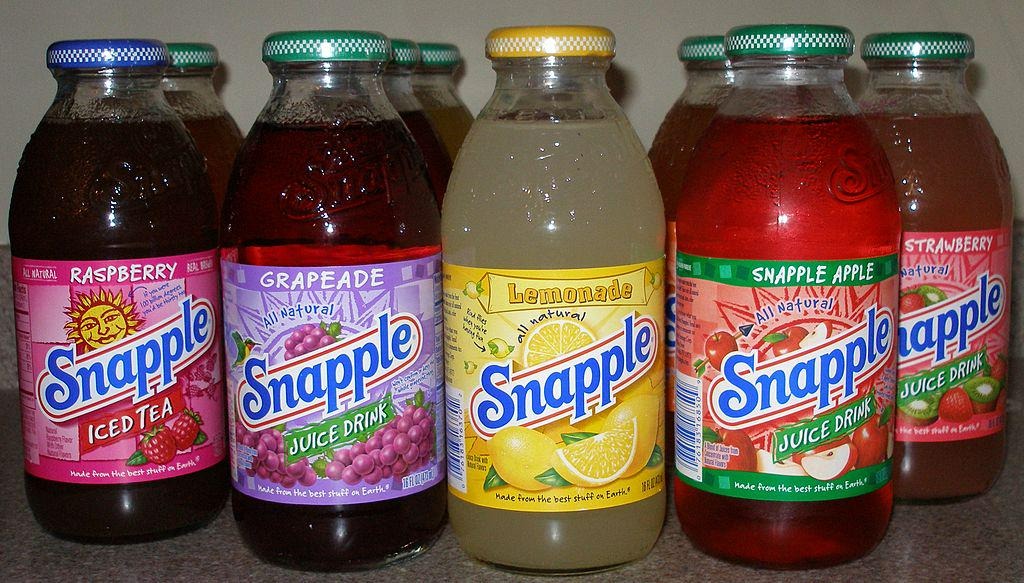
One of the earliest mentions of iced tea can be traced back to Naples, Italy, in 1823, when Marguerite Countess of Blessington wrote about enjoying a cup. Fast forward nearly 200 years, and iced tea has become a beloved beverage worldwide. In 1972, Snapple entered the market as one of the first iced tea brands to challenge Big Soda by promoting health benefits. Known for its memorable advertising campaigns and the “real facts” printed under its bottle caps, Snapple has remained a staple in the iced tea market.
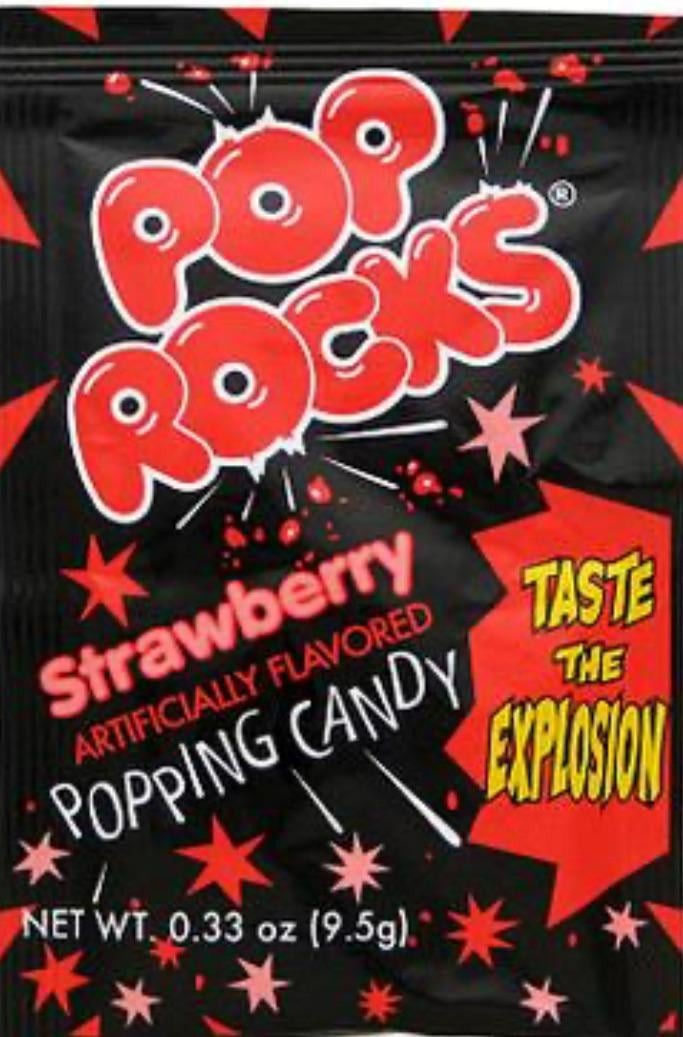
Pop Rocks became a beloved childhood sensation when they hit the market in 1975. Kids flocked to stores with their pocket money to buy these unique candies that crackled and popped in their mouths. The fun came from the sound and sensation created by carbon dioxide trapped inside sugar crystals. When bitten, the gas escaped, creating a delightful popping noise and tingly feeling. This candy was not just a treat; it was an experience that sparked excitement among children, leading to many tales shared with friends about their latest sweet discovery.
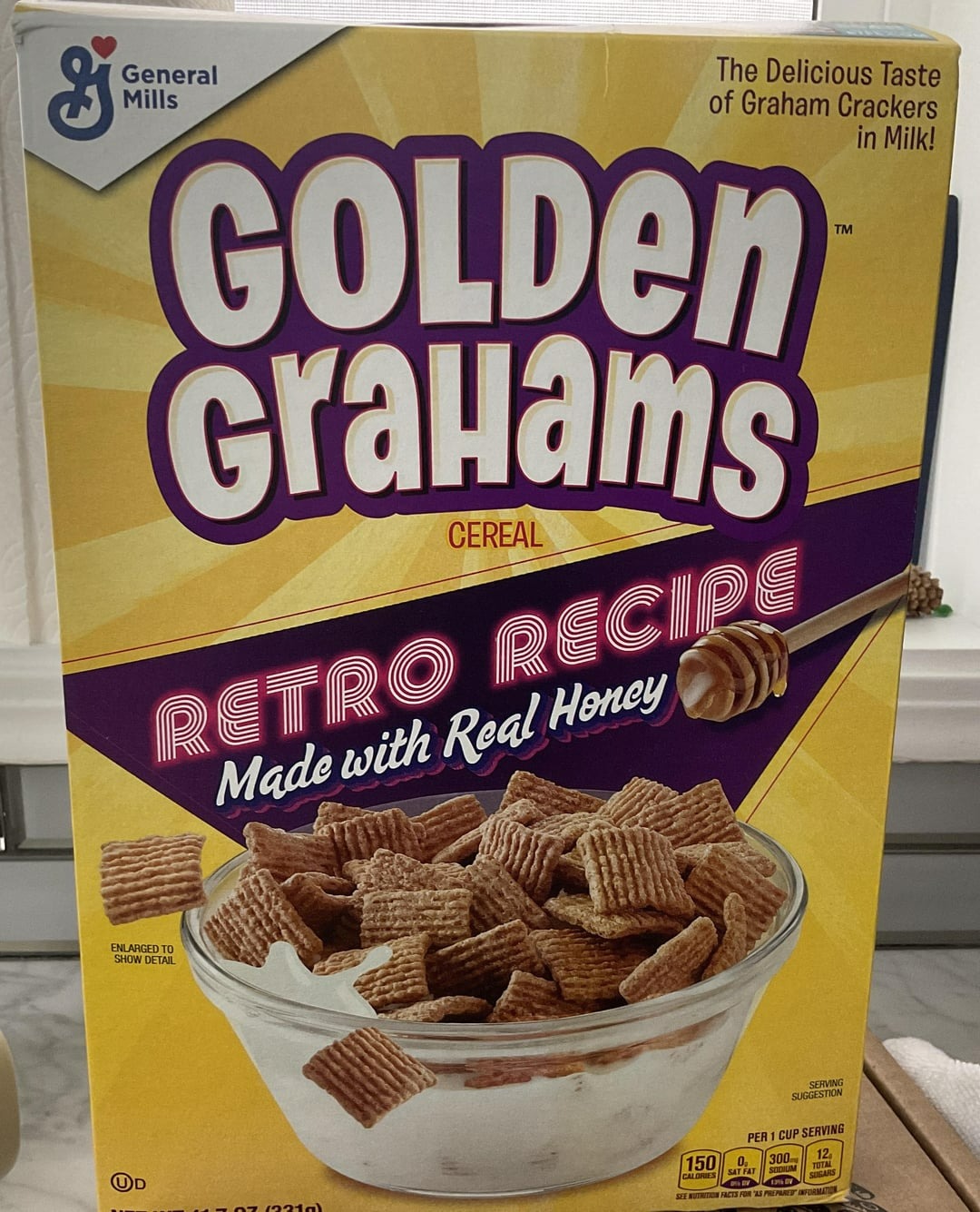
About half of Americans enjoy cereal for breakfast daily, with Battle Creek, Michigan, earning the title of the Cereal Capital of the World due to its home to major manufacturers like Kellogg’s and Post. Golden Grahams, launched in 1975, contributed significantly to these statistics, quickly becoming a favorite among both kids and adults. In 1978, *Woman’s Day* featured an advertisement suggesting that Golden Grahams could be mixed with nuts for a delicious snack option without the need for milk, further boosting their popularity.
Boston, often referred to as the Athens of America, is not only known for figures like Mark Wahlberg and John F. Kennedy but also for inventing the beloved jelly bean in 1861. Confectioner William Schrafft originally sent them to soldiers during the American Civil War. The Jelly Belly brand, introduced in 1976, took jelly beans to new heights, using natural purée to create an array of flavors, including grape, green apple, root beer, and cherry. Today, Jelly Belly offers over 50 different varieties, making them a staple in the candy world.
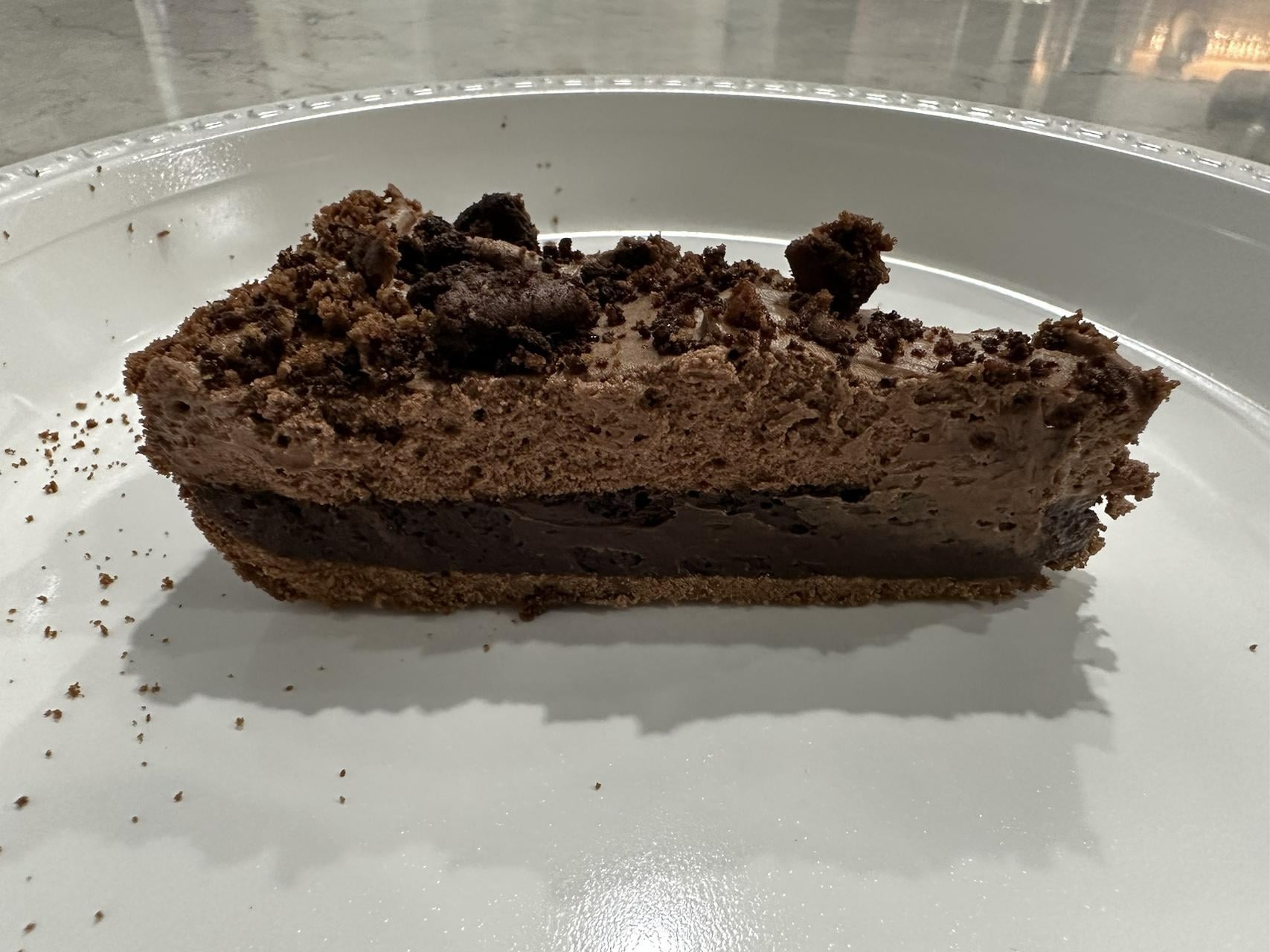
Mississippi mud pie is a decadent chocolate dessert that features layers of cake, pudding, biscuit, ice cream, whipped cream, and liqueur, all resting on a cookie crust base. Popularized in the 1970s, this indulgent treat has its roots in the southern states but has since gained fans across the country and beyond. The name comes from its dense, rich appearance, which is said to resemble the banks of the Mississippi River. Fortunately, it tastes far better than its muddy namesake!
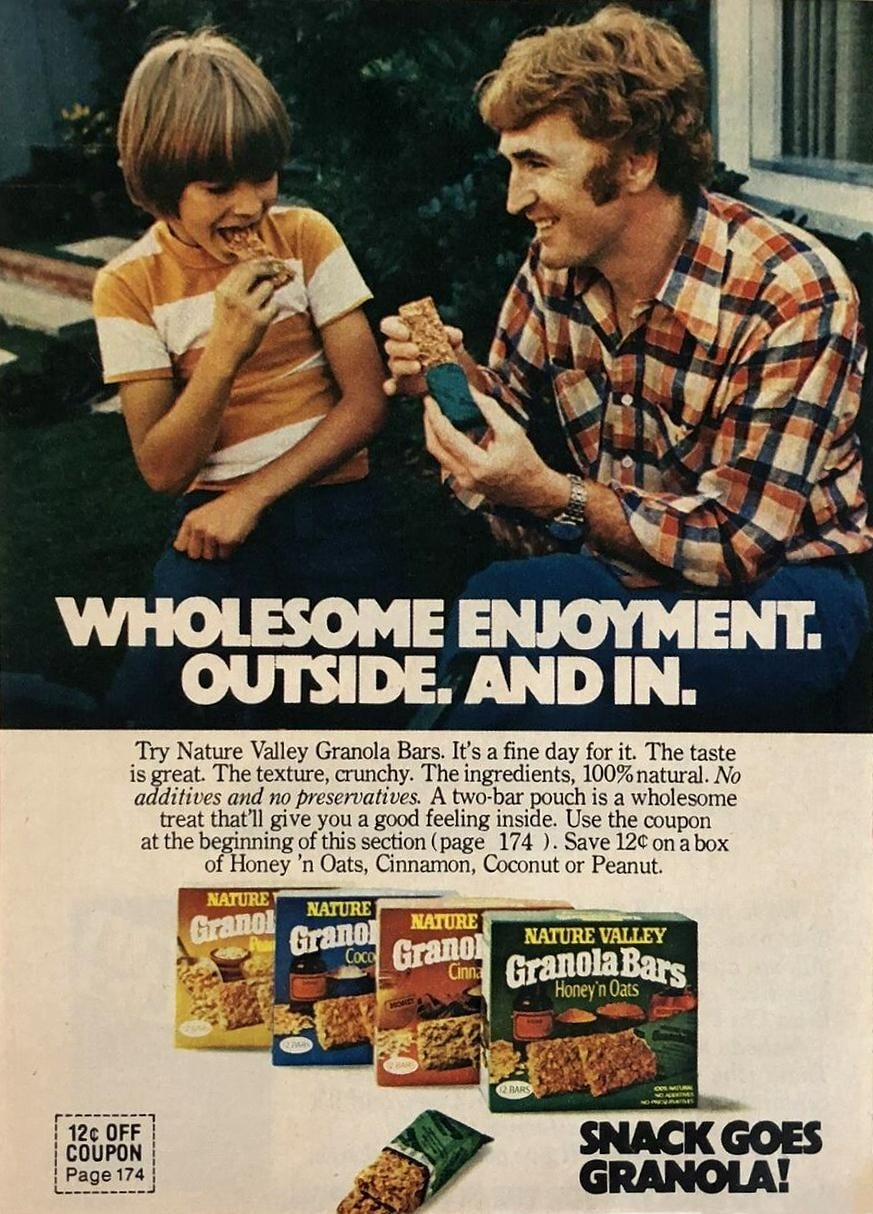
Granola, originally known as Granula, was invented in 1863 by Dr. James Caleb Jackson at the Jackson Sanitarium in New York. This early version consisted of sweetened whole grain products that were crumbled and baked until crispy. Fast forward over a century, and granola took on a new form with the creation of granola bars. Nature Valley pioneered the mass production of these bars, revolutionizing breakfast by allowing customers to enjoy a quick, convenient meal on the go.
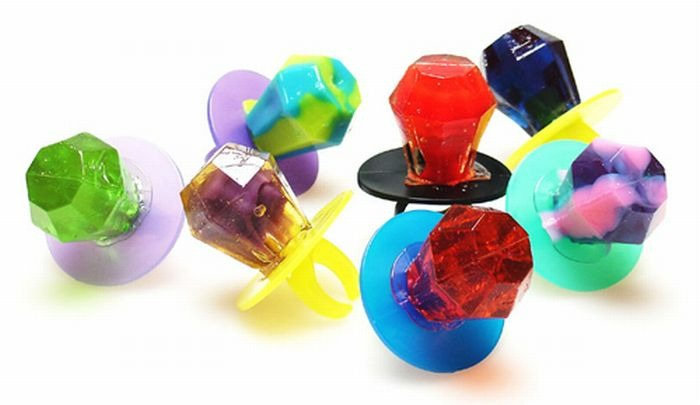
In 1971, a seismic shift occurred in the world of candy with the release of *Willy Wonka & the Chocolate Factory*. This film not only captured the imagination of children but also sparked a movement towards interactive candy experiences. One standout creation from this era was Ring Pops, manufactured by Topps. These large, jewel-shaped candy rings were so hefty that they could be cumbersome to wear. However, their longevity made them a great value, allowing kids to enjoy the sweet treat for an extended period.
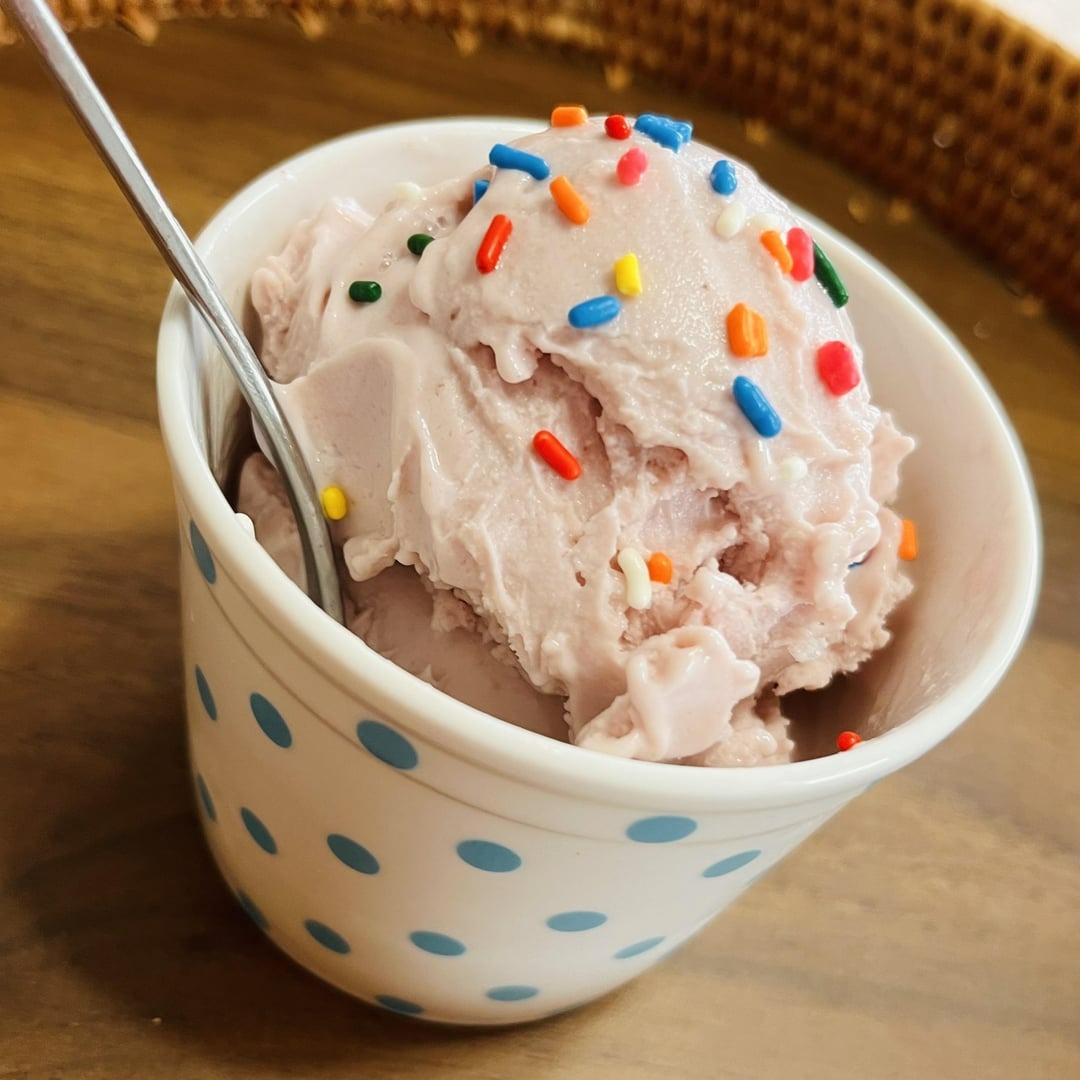
Before the advent of frozen yogurt, many people were left to enjoy the plain, runny variety, which lacked the delightful coolness and texture that frozen yogurt brings. Thankfully, the 1970s changed all that! The first frozen yogurt was created at Hood Dairy in Lynnfield, Massachusetts. Initially, the recipes were a bit too tart and resembled regular yogurt too closely for public taste. However, after some experimentation and refinement, the perfect recipe was developed, paving the way for the soft, refreshing treat we enjoy today.
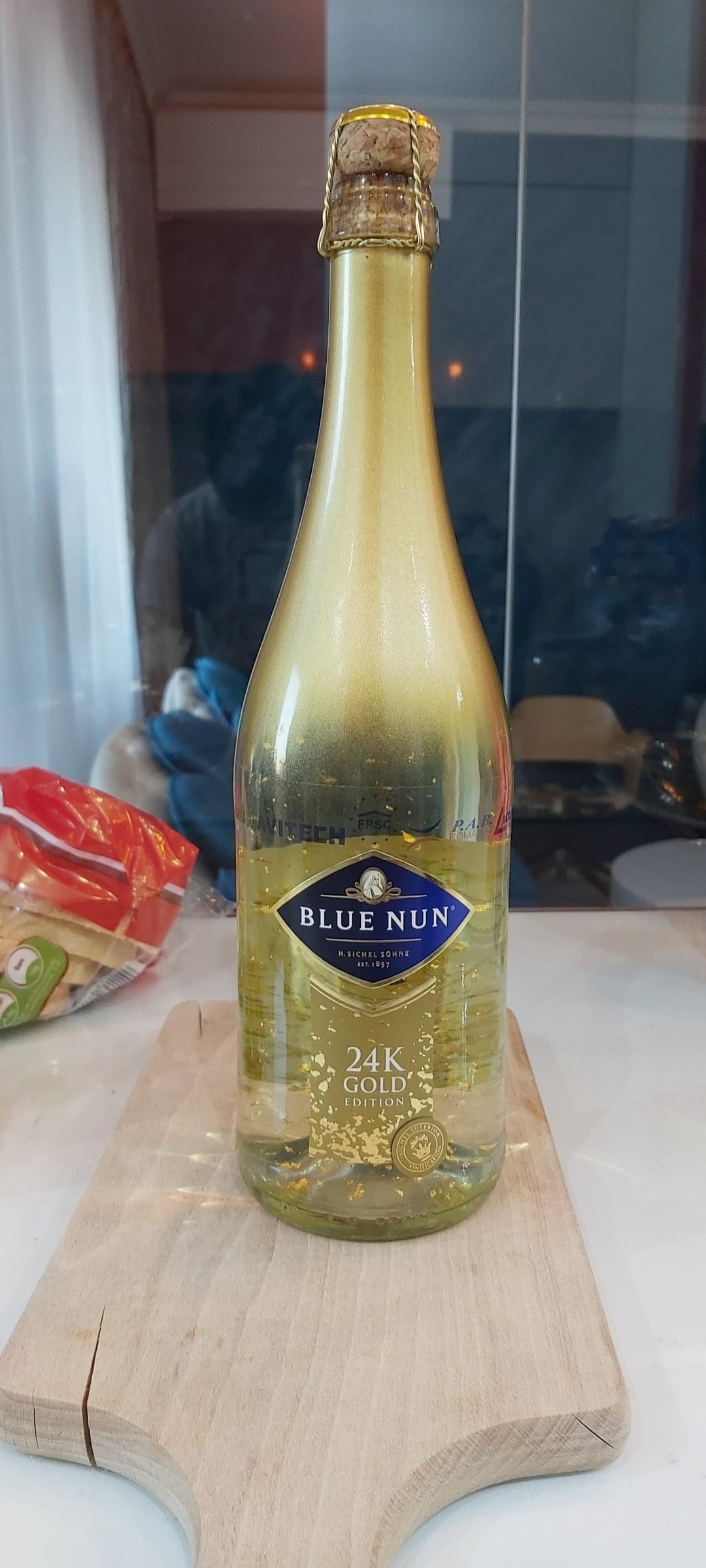
Blue Nun may be a punchline today, but it was a cultural phenomenon in the 1970s and 80s. Iconic musicians like David Bowie and Rod Stewart were known to indulge in this sweet, fruity German wine, making it synonymous with the rock ‘n’ roll lifestyle. After World War II, Blue Nun gained immense popularity in the UK and the US, thanks in part to its affordable price, comparable to some red Bordeaux wines. The peak of its popularity came in 1984, when sales in the US surpassed an impressive 1.25 million cases, solidifying its status as a staple among wine enthusiasts and casual drinkers alike.
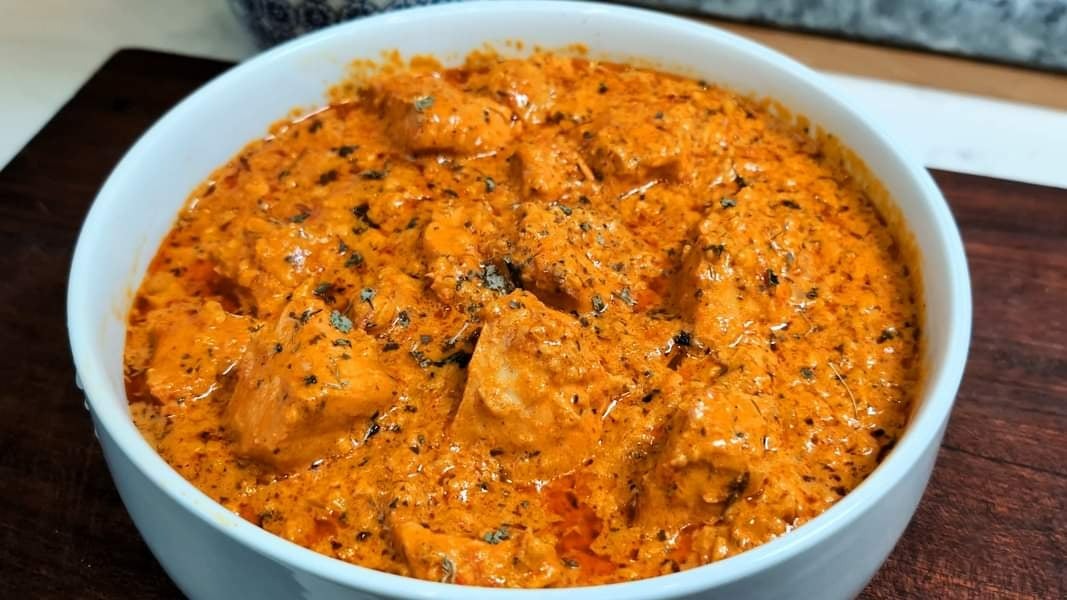
Chicken tikka masala is a culinary symbol of multicultural Britain, having emerged from Anglo-Indian kitchens in the 1970s. This dish features marinated chicken, cooked in a blend of yogurt and spices, then grilled and served in a rich, creamy tomato gravy. It’s become a beloved favorite, often topping the lists of the UK’s most popular dishes, surpassing traditional staples like fish and chips or Sunday roast.
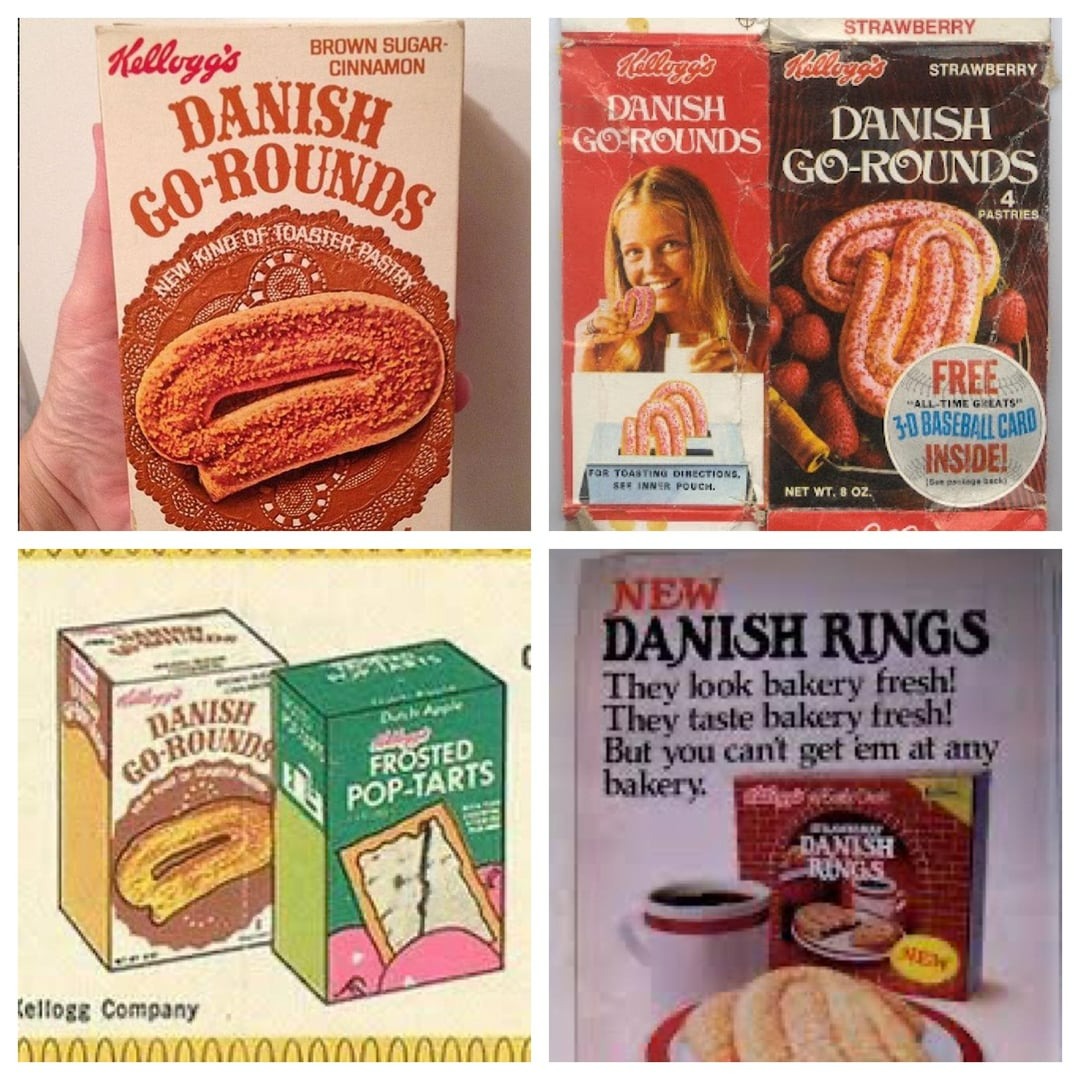
Kellogg’s launched Danish Go-Rounds in 1968, inspired by Pop Tarts and featuring a variety of fruit fillings encased in a circular pastry. Flavors included strawberry, blueberry, and cinnamon, and they were marketed as a fun alternative to traditional Danish pastries. However, the product struggled to gain popularity due to packaging issues that caused them to fall apart easily. In 1977, Danish Go-Rounds were discontinued and replaced by Danish Rings, which featured a new shape created by stamping the pastry instead of tucking the filling inside and coiling it.
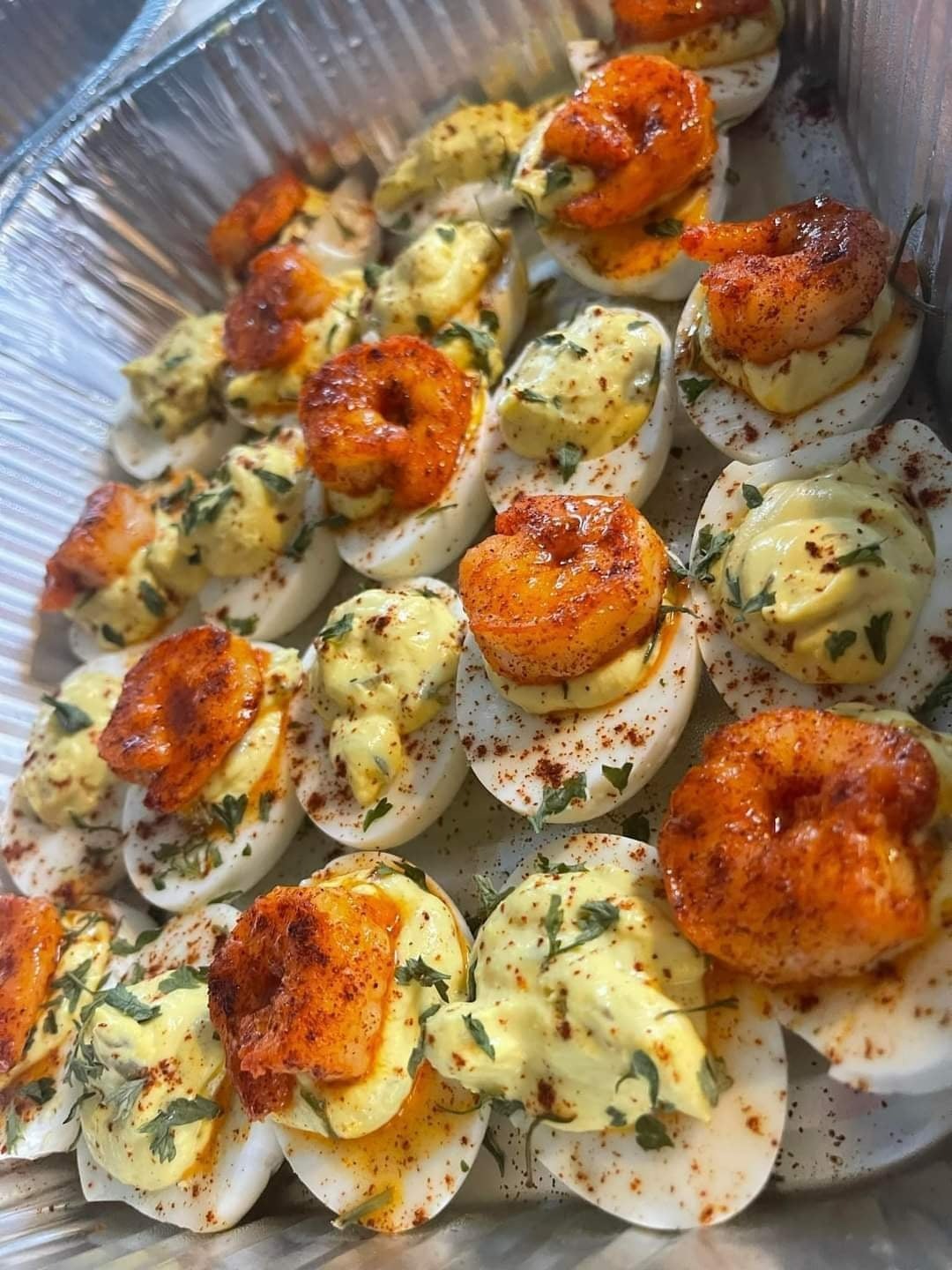
Deviled eggs, sometimes referred to as salad eggs, eggs mimosa, or dressed eggs, have been a popular appetizer since Ancient Rome, but they truly surged in popularity during the 1970s. The term “devil” refers to spicing up the dish. They became a cocktail party favorite, further fueled by the popularity of the harvest gold deviled egg Tupperware container, which was an essential kitchen item for many Americans at the time. While recipes for deviled eggs in the U.S. can be traced back to 1896, the 1970s marked a significant moment in their cultural presence.
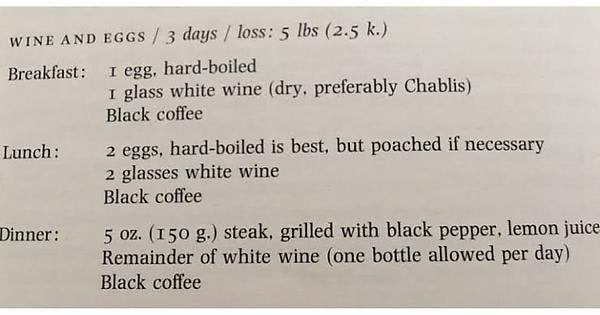
One of the most notorious entries on this list is the wine and eggs diet promoted by Vogue magazine in 1978. Authored by Helen Gurley Brown, the diet suggested that women seeking weight loss should consume a bottle of wine daily, along with steak, eggs, and coffee. Brown championed this “diet,” and it gained some traction among women of the time. However, it was later revealed to be highly questionable, as relying solely on wine and eggs is devoid of essential nutrients necessary for a healthy lifestyle. While the idea may have seemed appealing, the reality was far from sustainable.
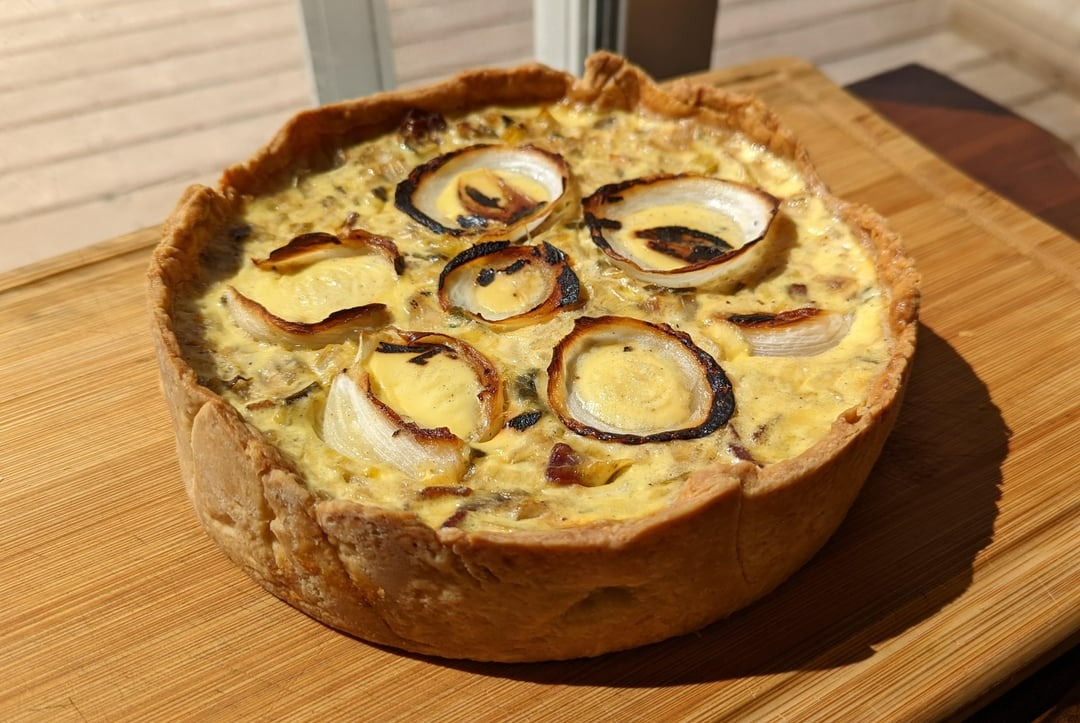
Quiche may have existed before the 1970s, but it was during this decade that it truly gained popularity and became a culinary staple. This savory French pastry dish, typically filled with meat or vegetables and baked in a custard of eggs and milk, divided opinions—some loved it, while others were not fans. The surge in interest is often attributed to a particular edition of *The Joy of Cooking*, which included a quiche recipe, as well as the influence of renowned chef Julia Child. Regardless of its origins, quiche became a beloved dish that defined the culinary landscape of the 1970s.
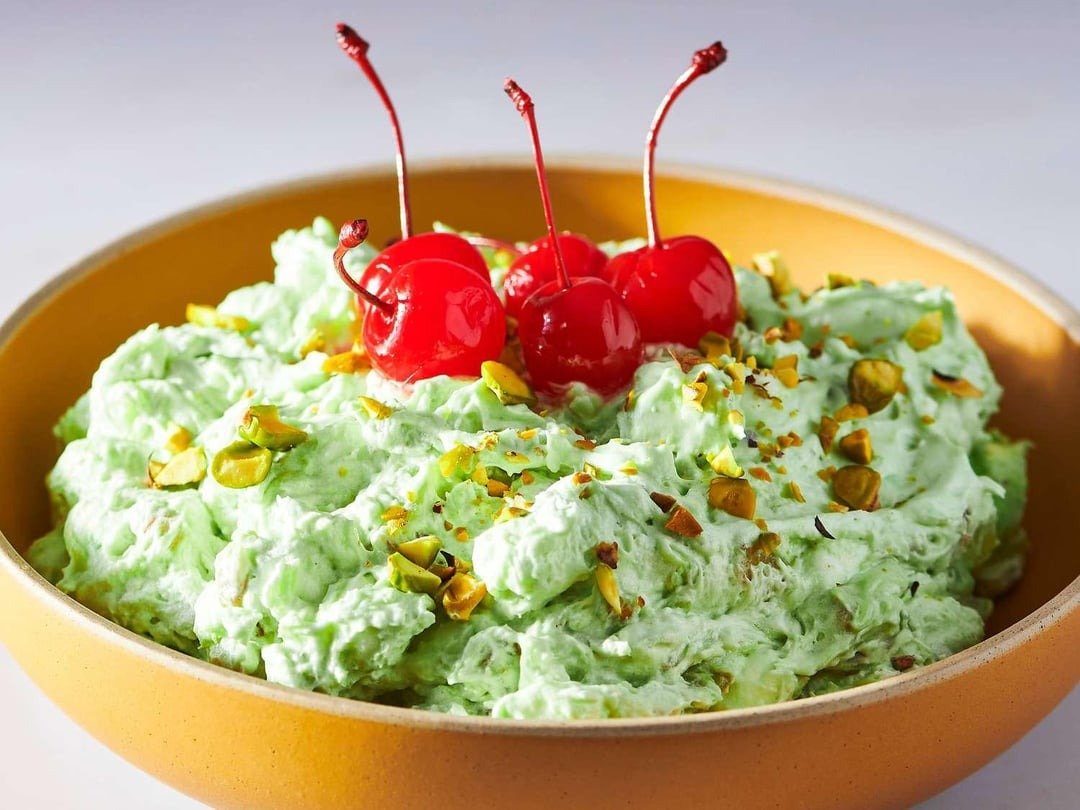
You heard it right! Watergate Salad is a sweet concoction that combines canned pineapple, whipped cream, marshmallows, and Kraft’s pistachio pudding, often served as a dessert rather than a traditional salad. This quirky dish emerged in the 1970s and took the culinary world by surprise, earning a reputation that was as puzzling as its name. The origins of the name are unclear; some suggest it was named after a chef at the Watergate Hotel, while others think it might reference the infamous Watergate scandal of 1973.
25 Strange 70s Food Trends We Still Can’t Believe Existed
Eduardo Gaskell
10.15.24
The 1970s were a time of bell-bottoms, big hair, and disco, but the food? Not so great. While the fashion was on fire, the bizarre dishes of the ’70s—like Jell-O salads and strange diets—are best left in the past. Grab your platforms and let’s take a quick trip through the weird world of ’70s cuisine.
Hamburger Helper
Cooking for the family after a long day was a challenge for many in the 1970s, but the arrival of Hamburger Helper in 1971 was a game-changer. It became a hit for its convenience, offering dried pasta and packets of powdered sauce and seasonings in one box. American families loved it, and soon Tuna Helper and Chicken Helper followed. Today, though, only the original Hamburger Helper still holds its place as a favorite.