Cleaning can be a daunting task, but with the right strategies and techniques, it can become a more manageable and even enjoyable endeavor. Professional cleaners share a range of cleaning tips and tricks that will help you maintain a clean and organized living space with greater ease and efficiency. Let’s begin with:
Remove sticky goop with a razor blade
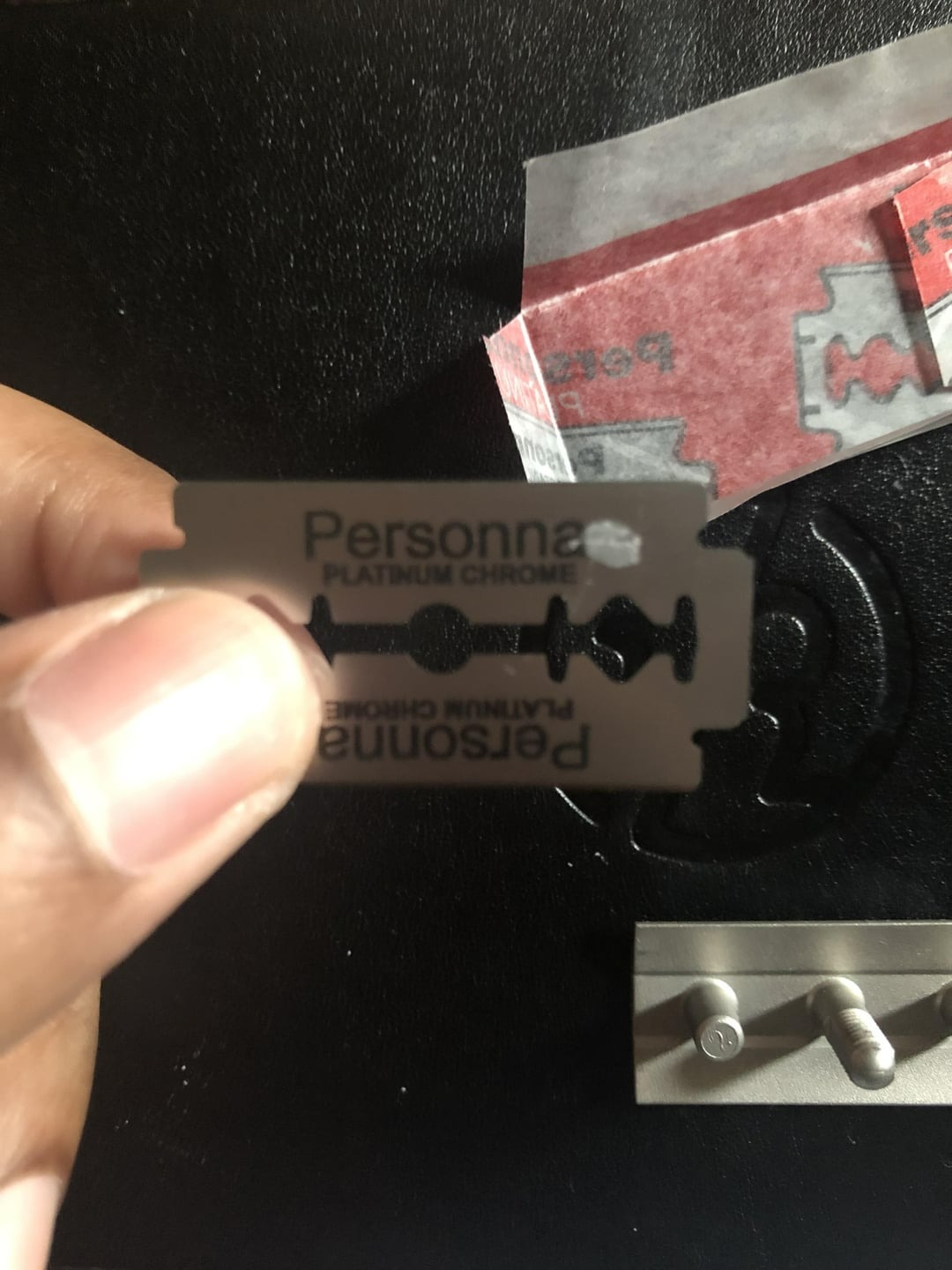
Use a razor blade as a scraper for tasks like removing tape, glue, and stubborn adhesives such as fluorescent price tag stickers. Employing a razor blade scraper, which features a dull blade enclosed in a plastic holder for easy sliding, proved to be his preferred method for handling these tasks.
Ditch the paper towels
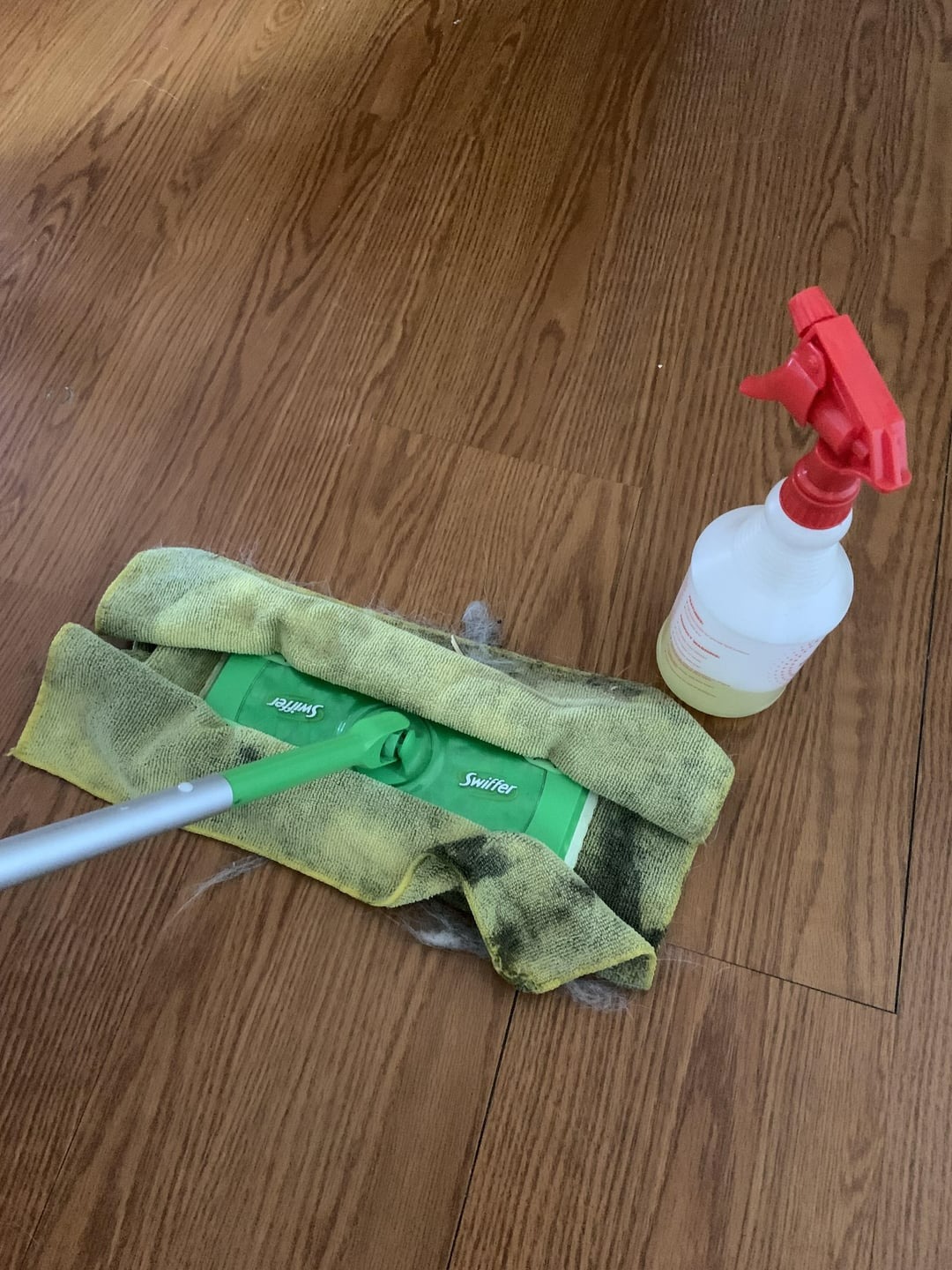
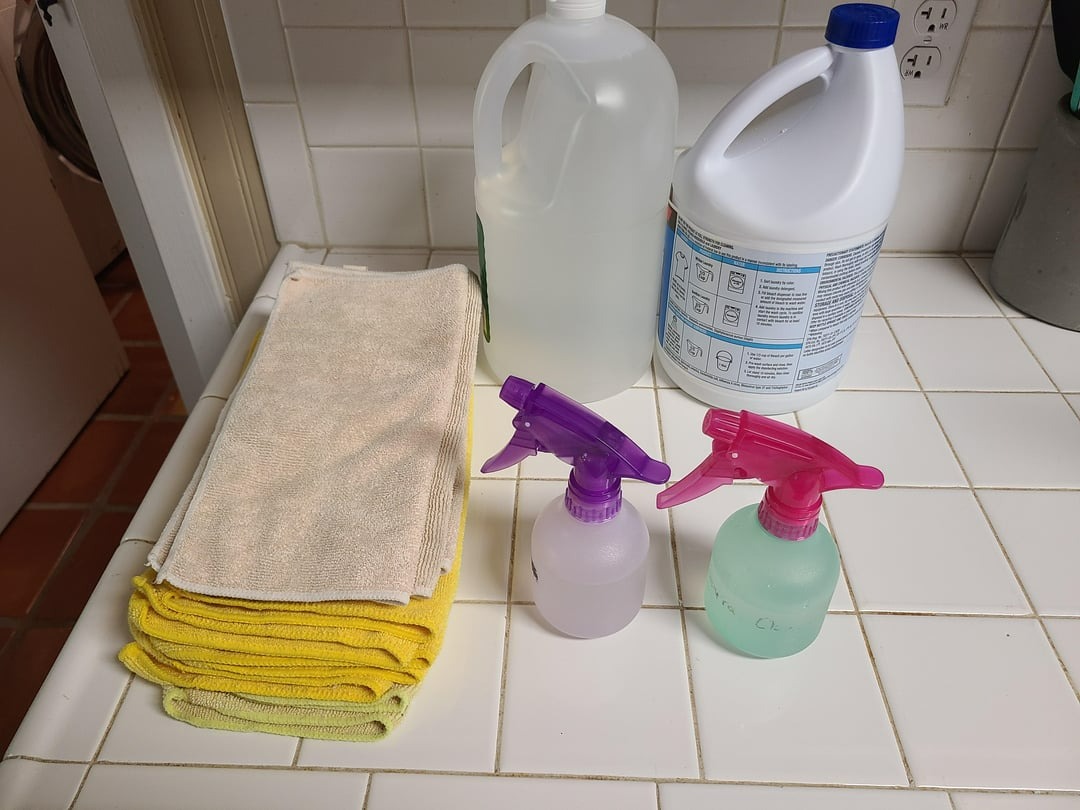
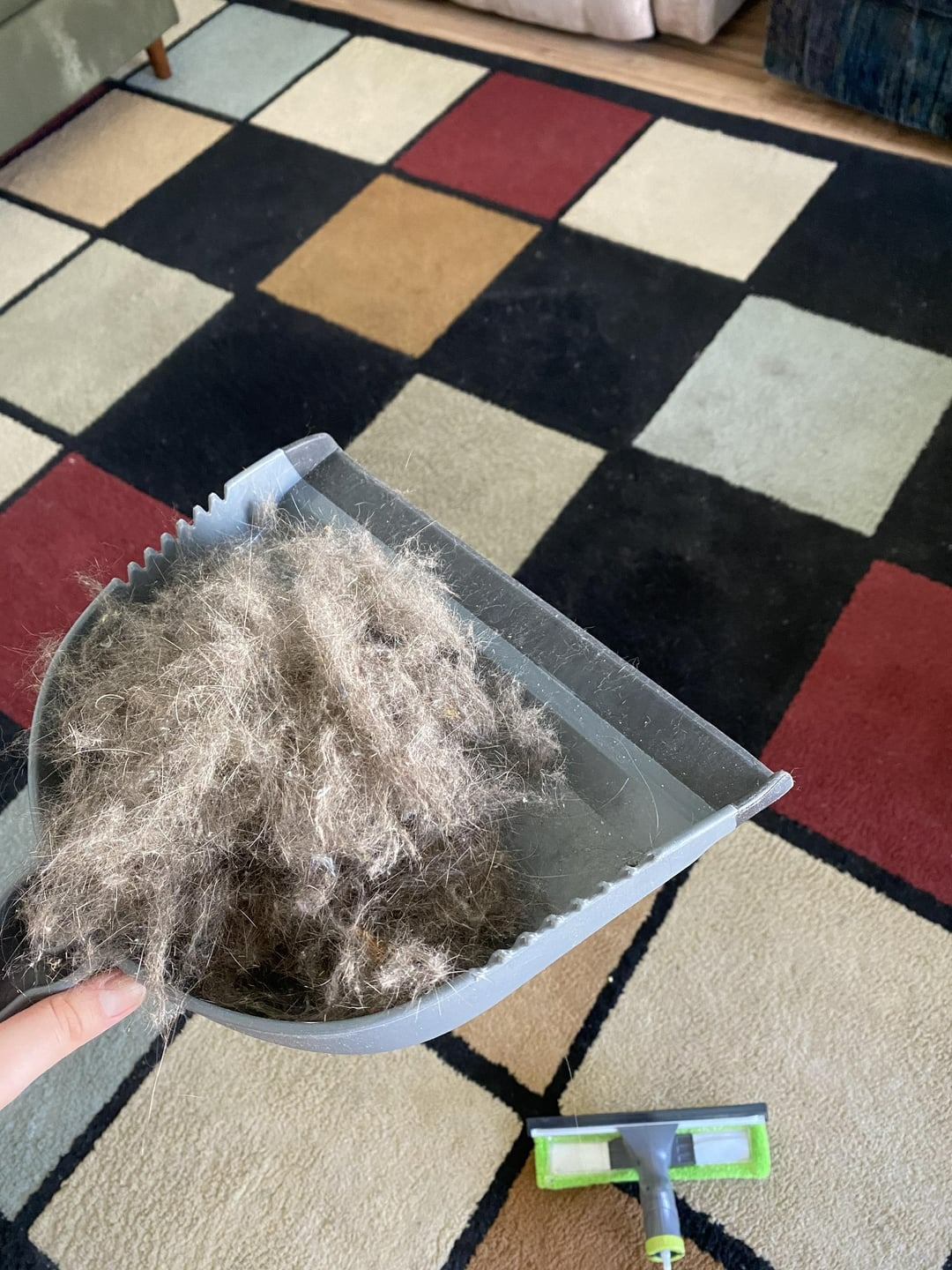
Ditch paper towels, pre-treated wipes, and polyester rags for cleaning. Instead, use 100% cotton facecloths, which efficiently absorb water and effectively remove cleaning soap. For tasks like cleaning walls and mopping floors, attach a soapy facecloth to a Swiffer broom, replacing it every five minutes from a bucket of soapy cloth rags to ensure no dirty water is reintroduced. Using polyester or microfiber cloths merely pushes soap around rather than providing effective cleaning.
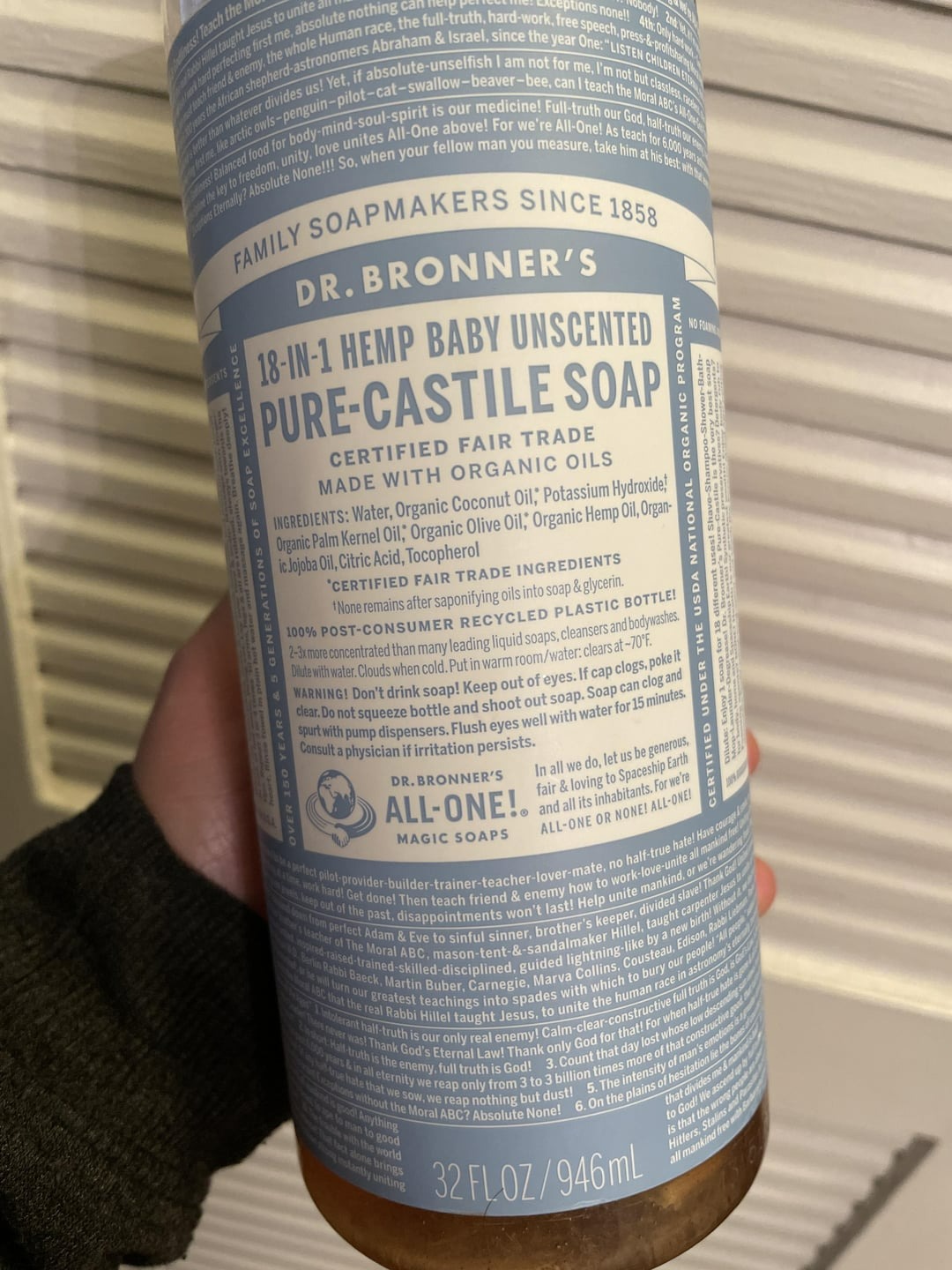
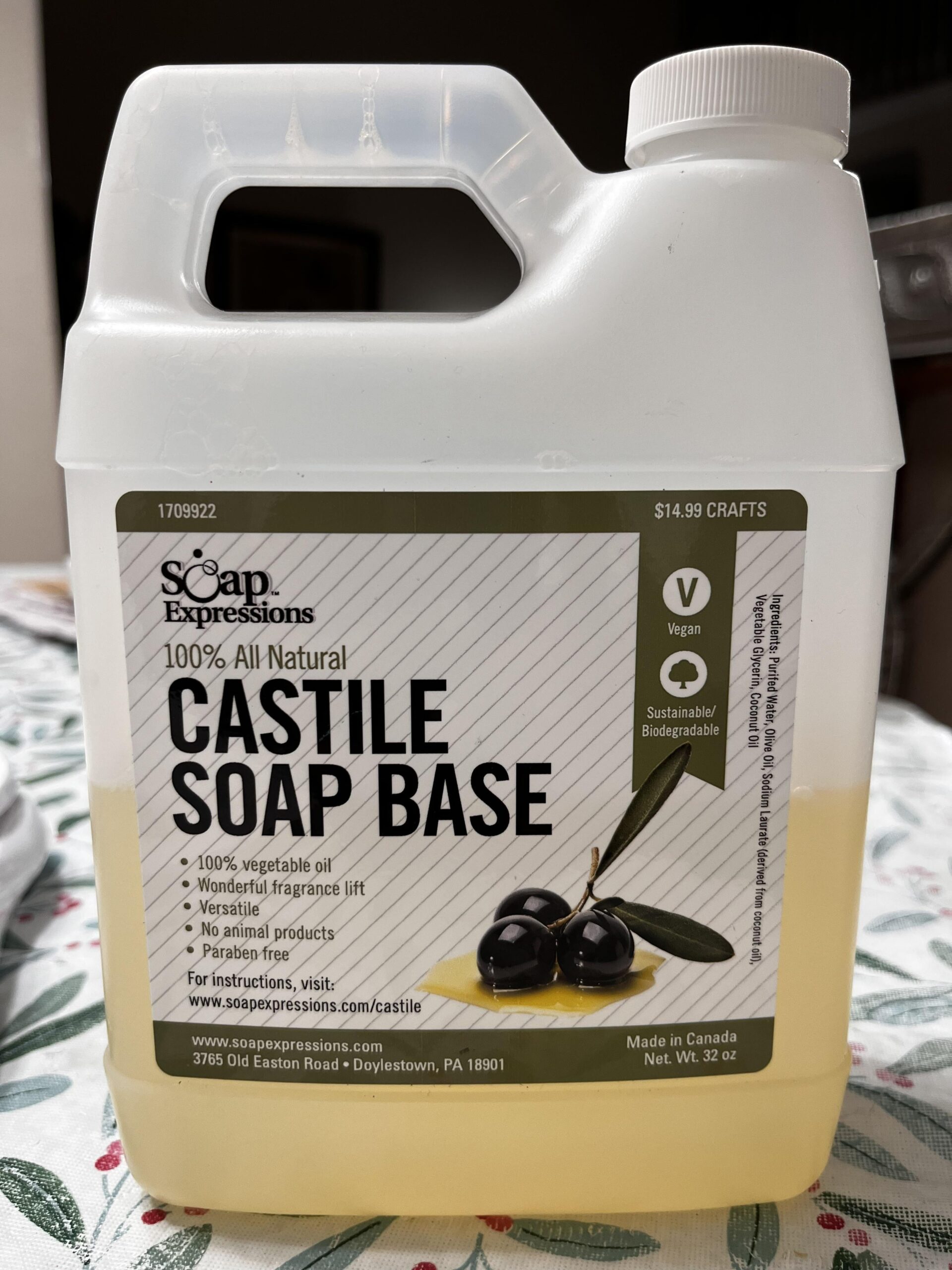
Creating a cost-effective homemade cleaner is simple and effective. Just mix 1/4 cup of unscented baby Dr. Bronner’s Pure-Castile Soap with 1/4 teaspoon of your preferred essential oil. Add this mixture to a quart of water in a spray bottle. Add scents like lavender, eucalyptus, or lemongrass, with around 10 drops of 100% pure essential oil for antibacterial properties and a delightful fragrance. This DIY solution offers a budget-friendly alternative to store-bought cleaning products.
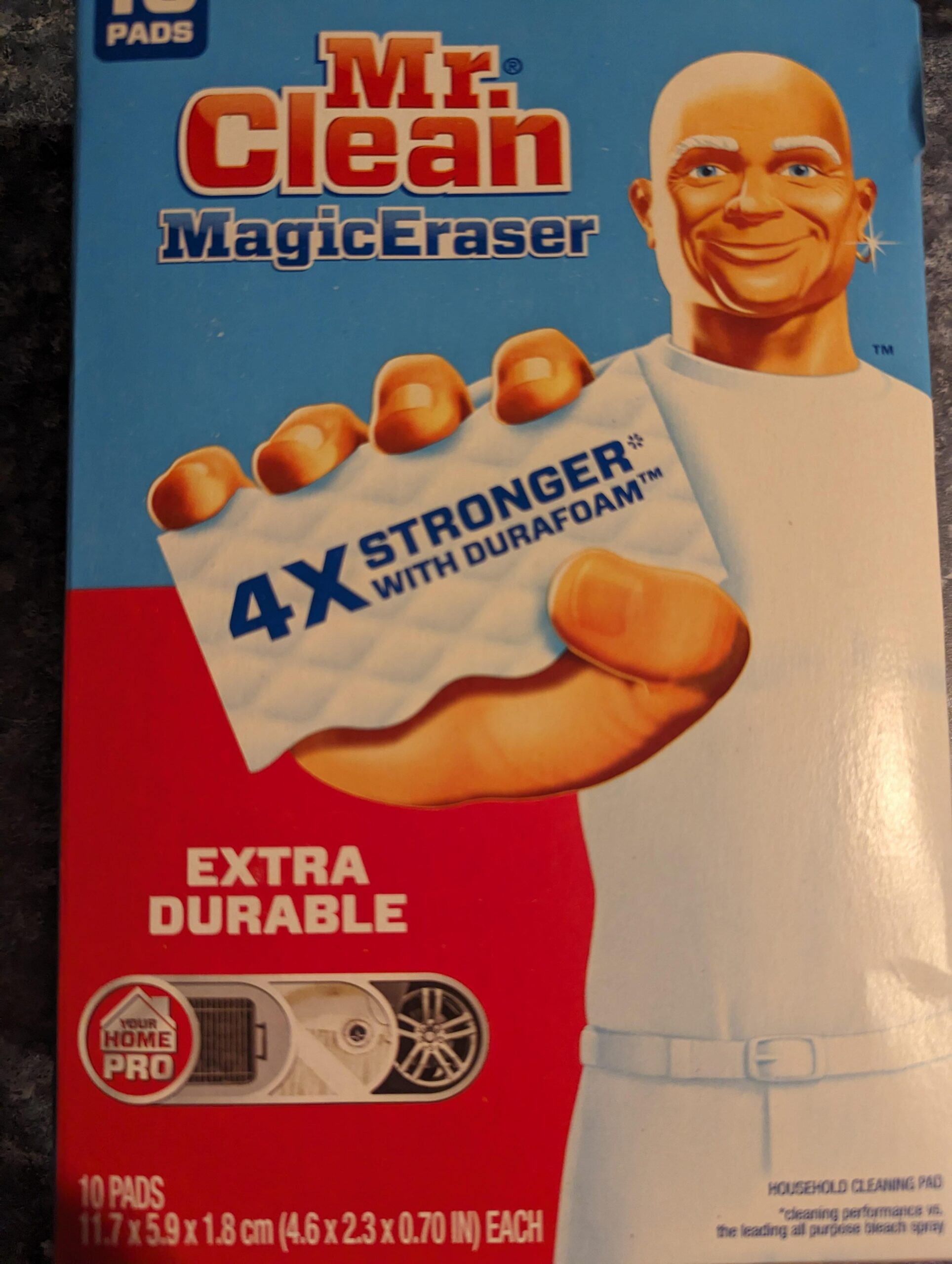
Durafoam pads, branded as Magic Erasers, are essential cleaning tools, particularly for surfaces like tile and metal enamel, such as stoves. Despite not being environmentally friendly or inexpensive, their powerful cleaning capabilities make them an exception for him. To maximize their lifespan, cut each Magic Eraser in half, as smaller pads wear out more evenly than their full-size counterparts.
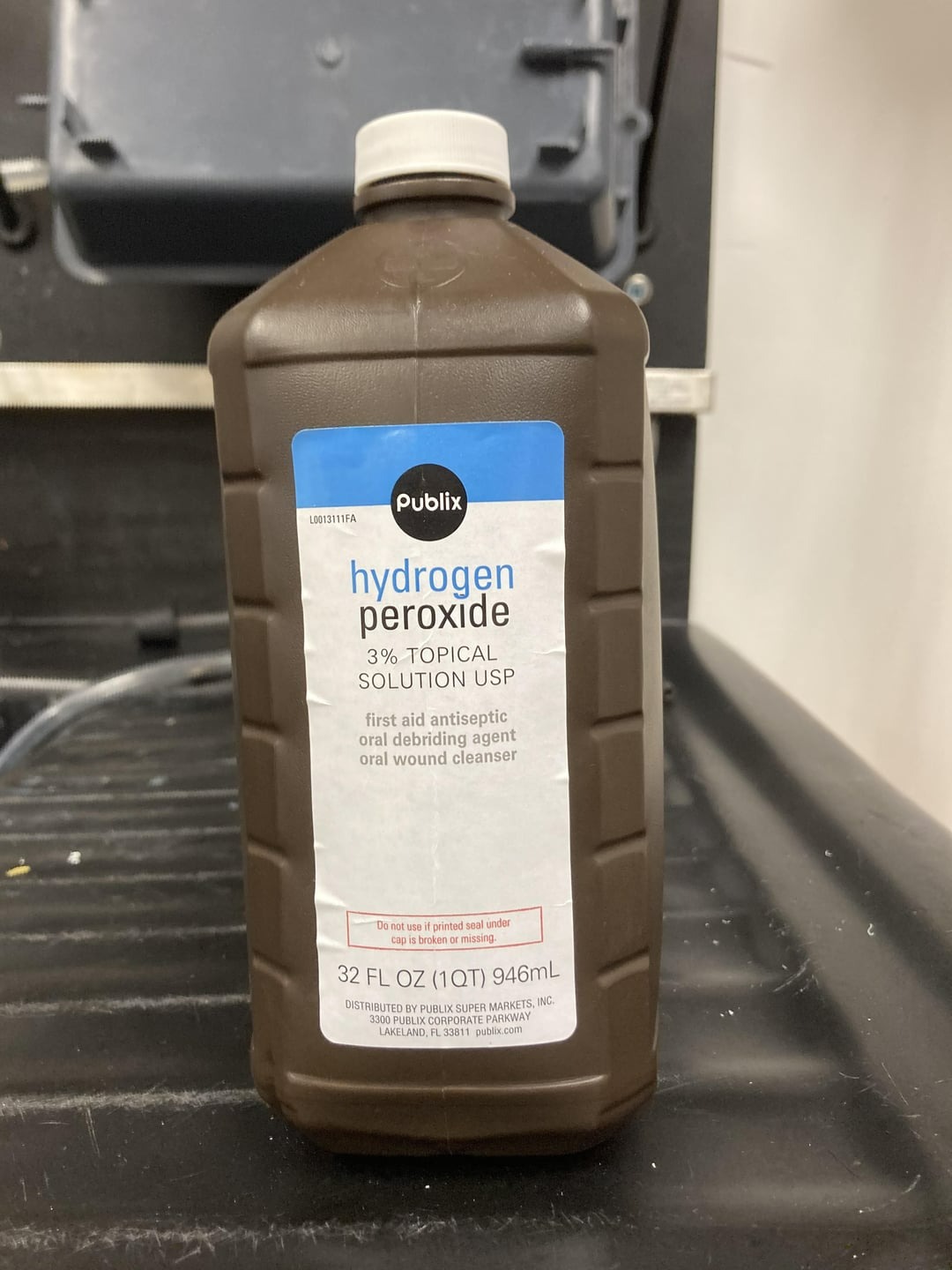
Hydrogen peroxide’s utility extends beyond treating skin cuts and scrapes; it’s also effective for erasing grime and cleaning the bathroom. Combine hydrogen peroxide with water in a 1:1 ratio, occasionally adding a drop of soap to enhance the mixture’s binding properties. Applying the solution with a spray bottle, which can be purchased at a hardware store or repurposed from an empty product bottle, allows for easy and efficient use. This cleaning solution is suitable for disinfecting the entire bathroom, including the shower stall and bathtub.
To clean glass, combine vinegar and rubbing alcohol
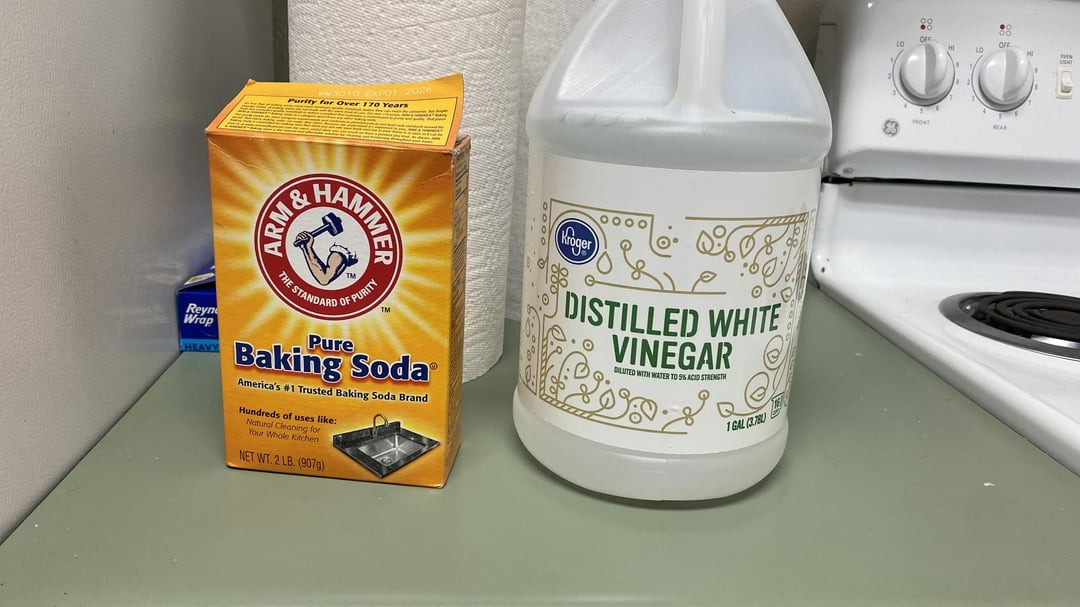
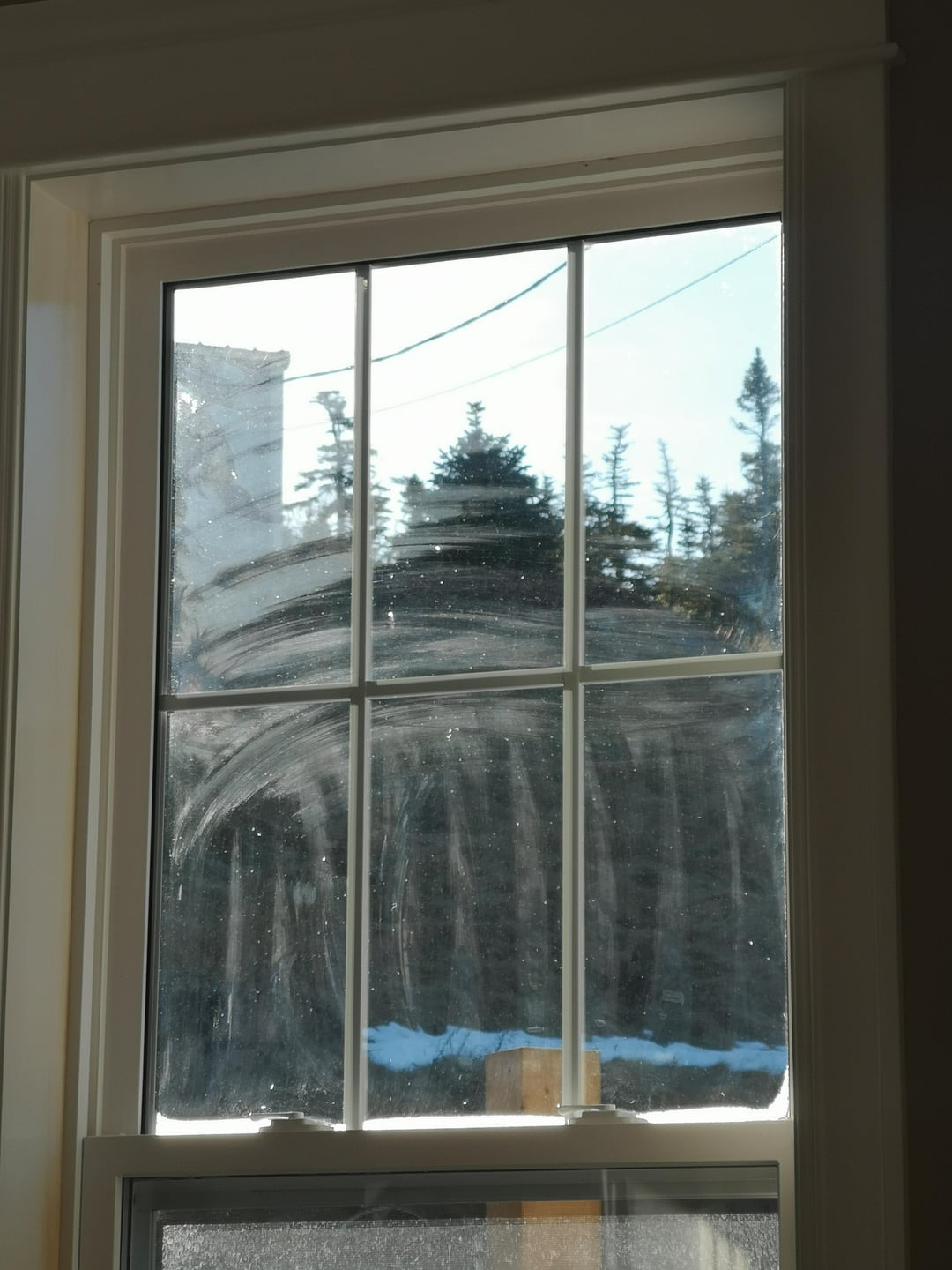
Save money on glass cleaner with this easy professional cleaning tip: create a mixture of 50% white vinegar and 50% isopropyl alcohol. The alcohol component helps the cleaner dry faster. If you’re not a fan of the vinegar scent, a few drops of lemon essential oil can mask the strong smell.
Skip the store-bought polish and opt for a homemade, oil-based solution to dust wood furniture. When wood furniture appears dry, an oil application can rejuvenate its deep and rich appearance. This approach also works wonders for dull marble and stainless steel. Use a food-grade oil like olive oil for safety and convenience. Mix one part oil, one part castile soap, and two parts water to create an effective and natural cleaning solution.
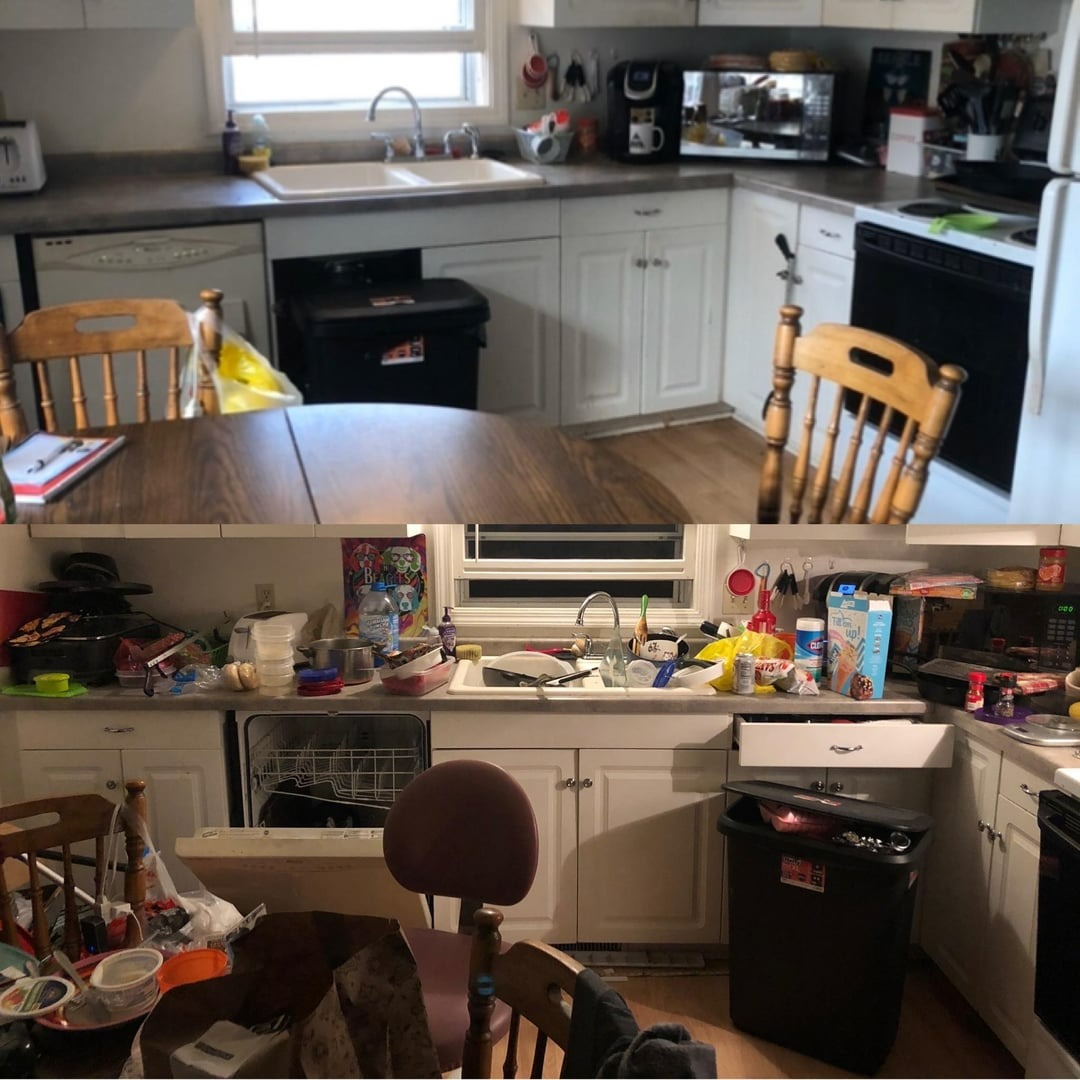
When faced with a big mess, start immediately without overthinking it. Although cleaning a large project can be physically demanding, it’s not complicated. For those struggling, try to break down the project into manageable steps. Additionally, rethink your relationship with cleaning, viewing it as a therapeutic activity that not only benefits oneself but also serves as a way to help others.
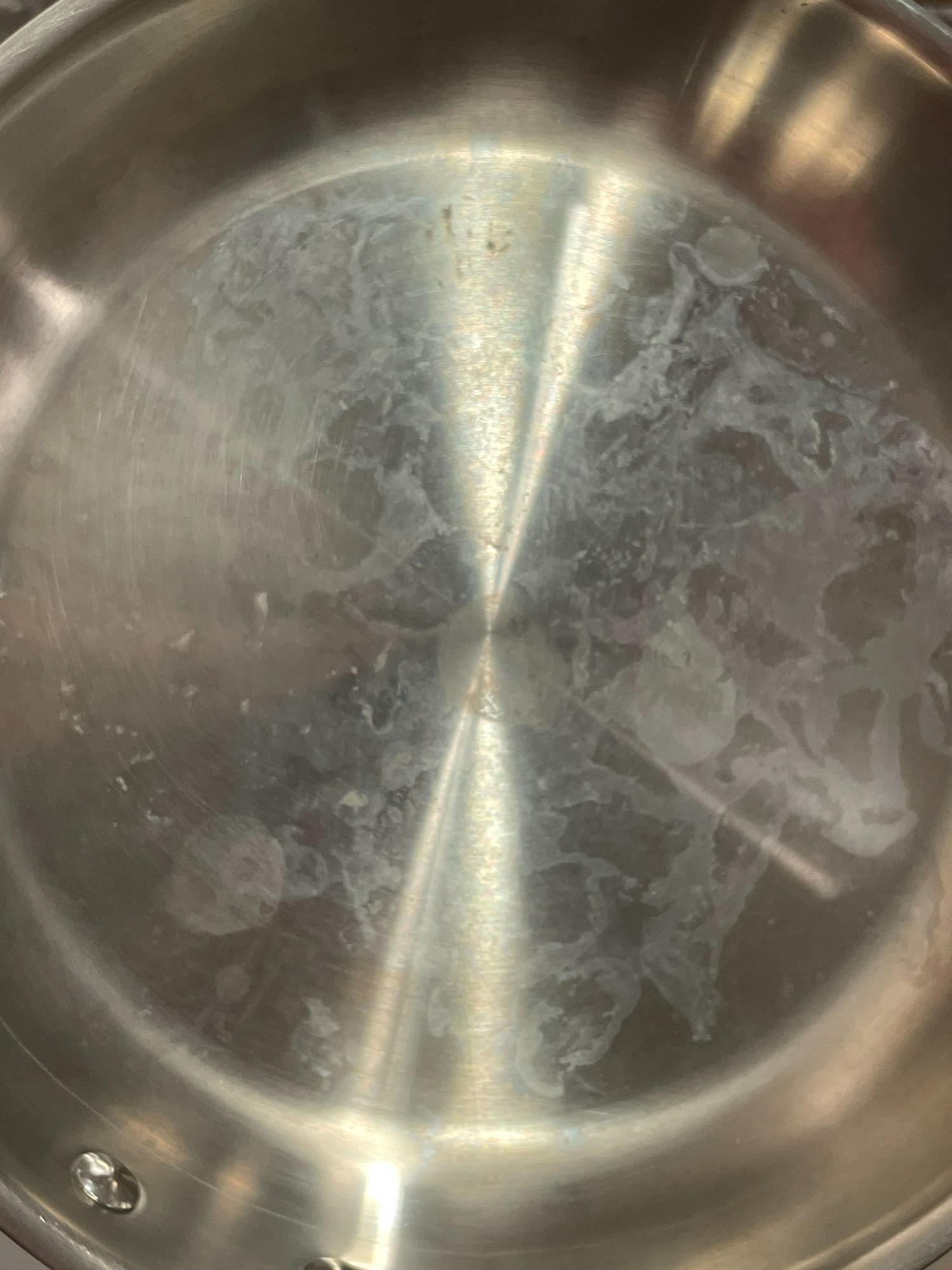
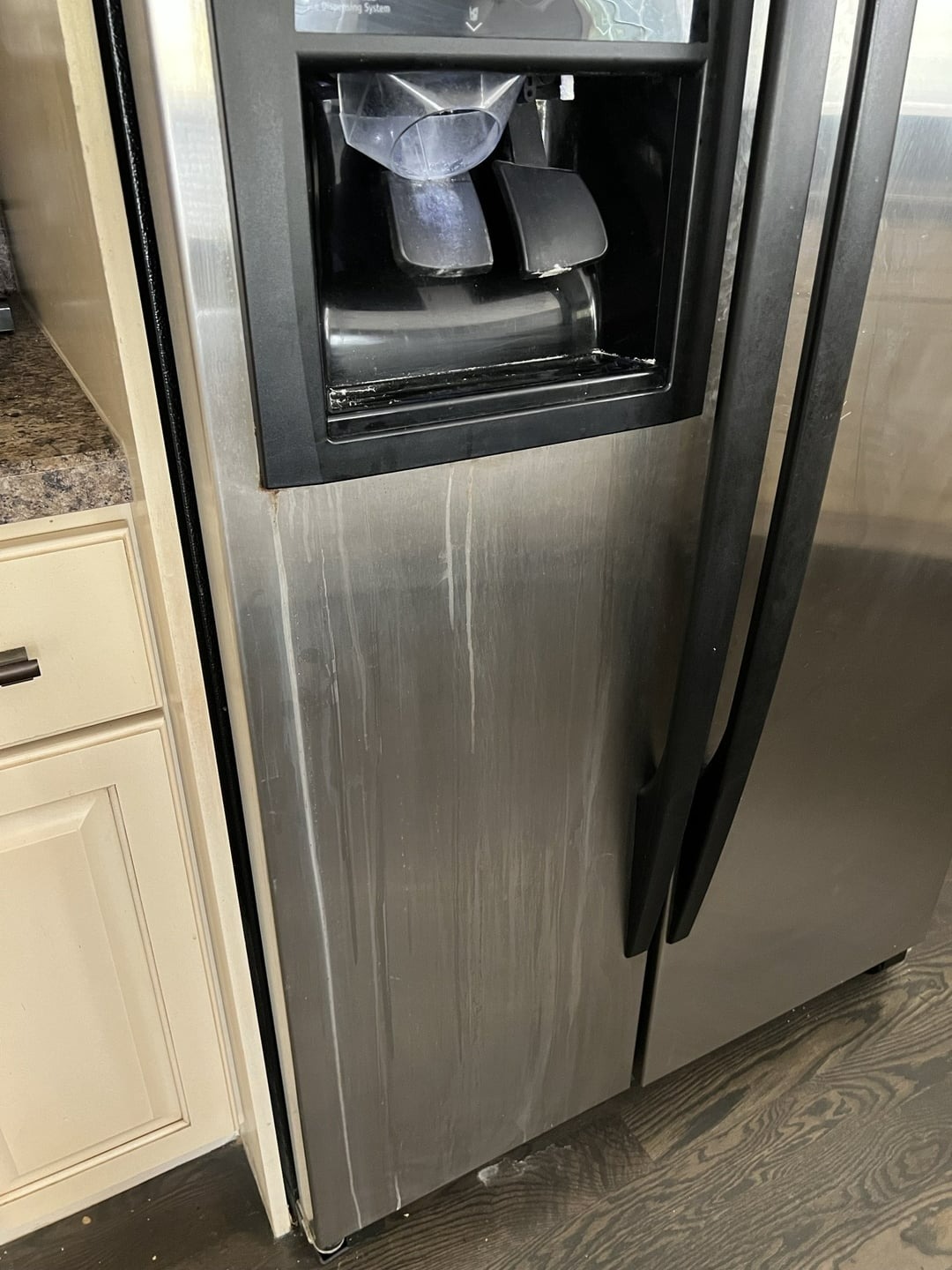
Create a solution of equal parts vinegar and water to clean stainless steel appliances. This mixture removes fingerprints and smudges without leaving streaks.
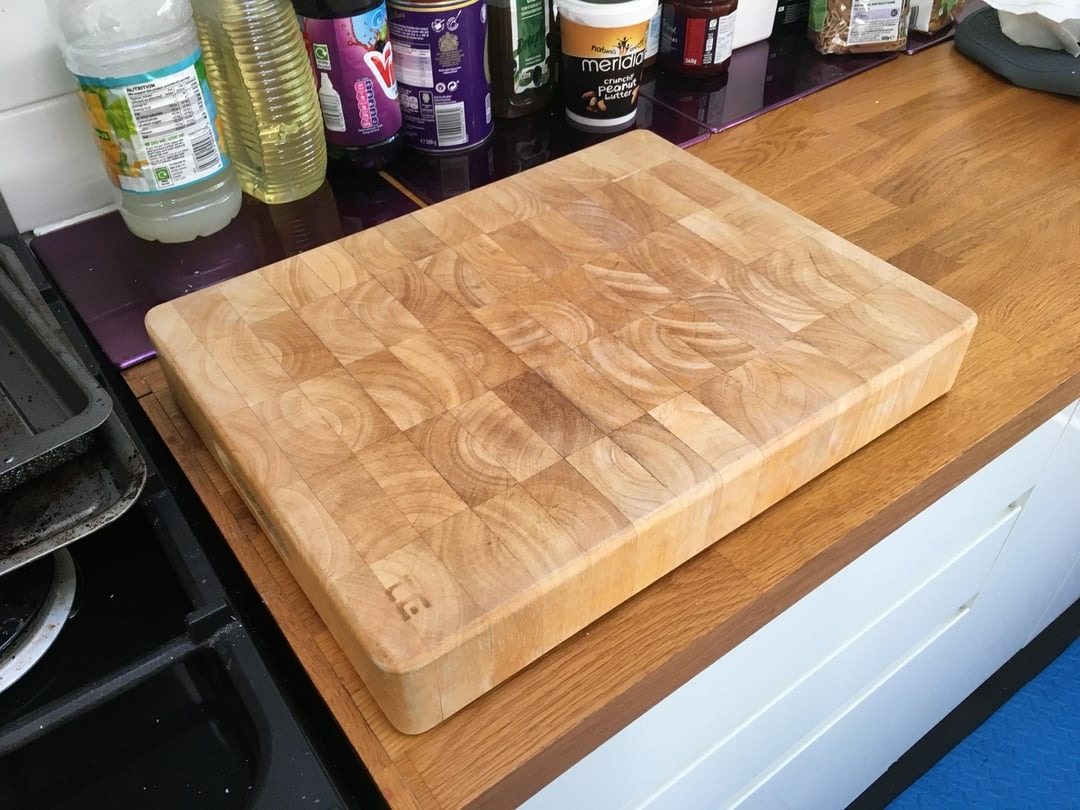
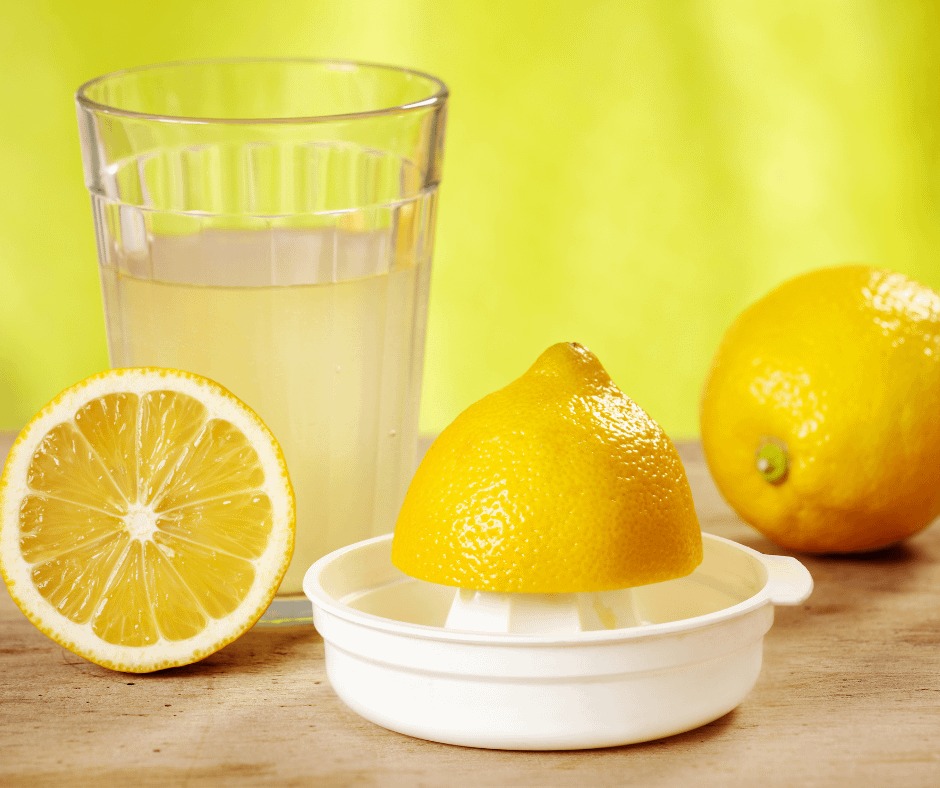
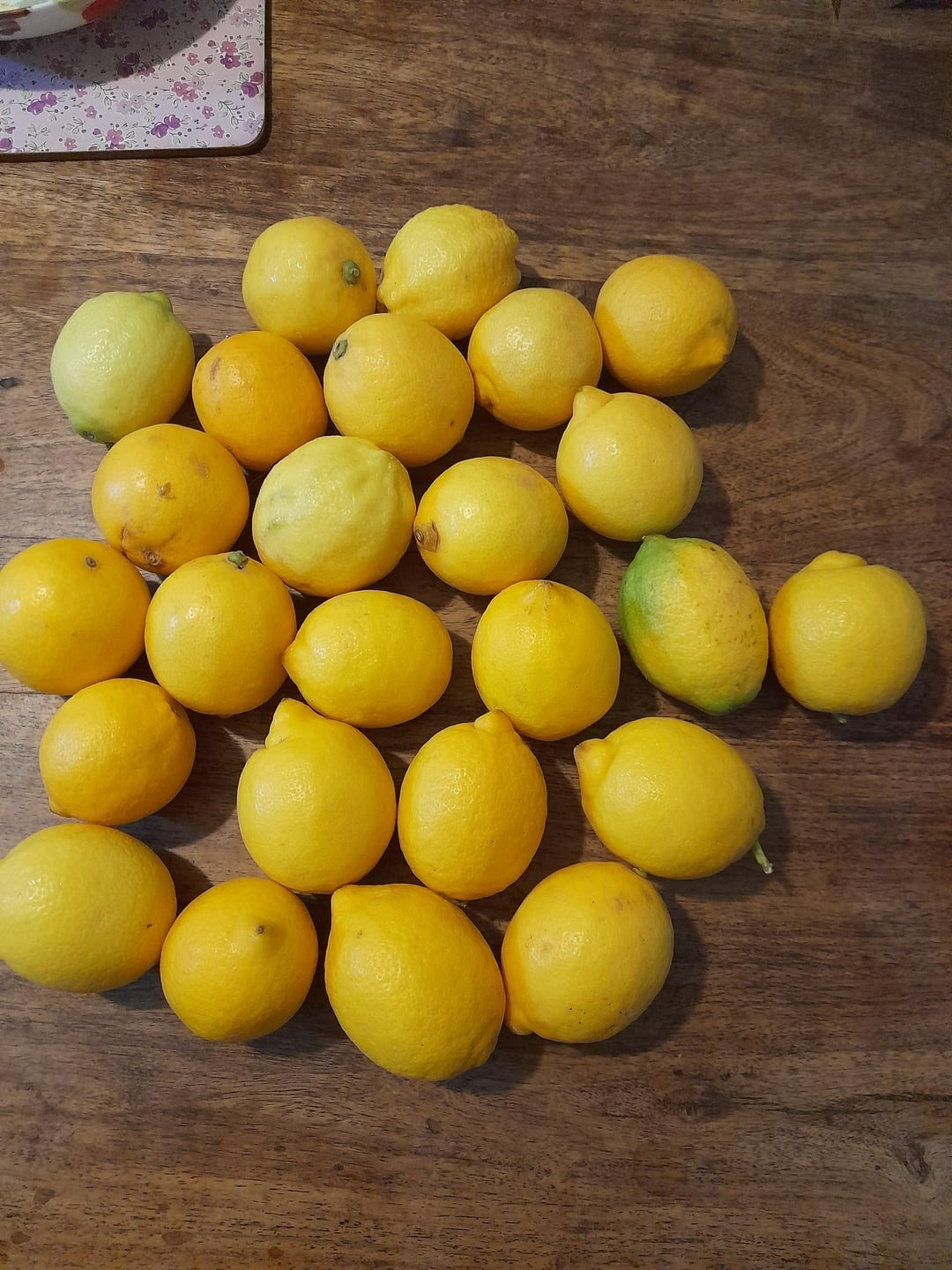
Rub a cut lemon sprinkled with salt over wooden cutting boards to clean and deodorize them. The lemon’s acidity and salt’s abrasiveness make for a natural cleaning combo.
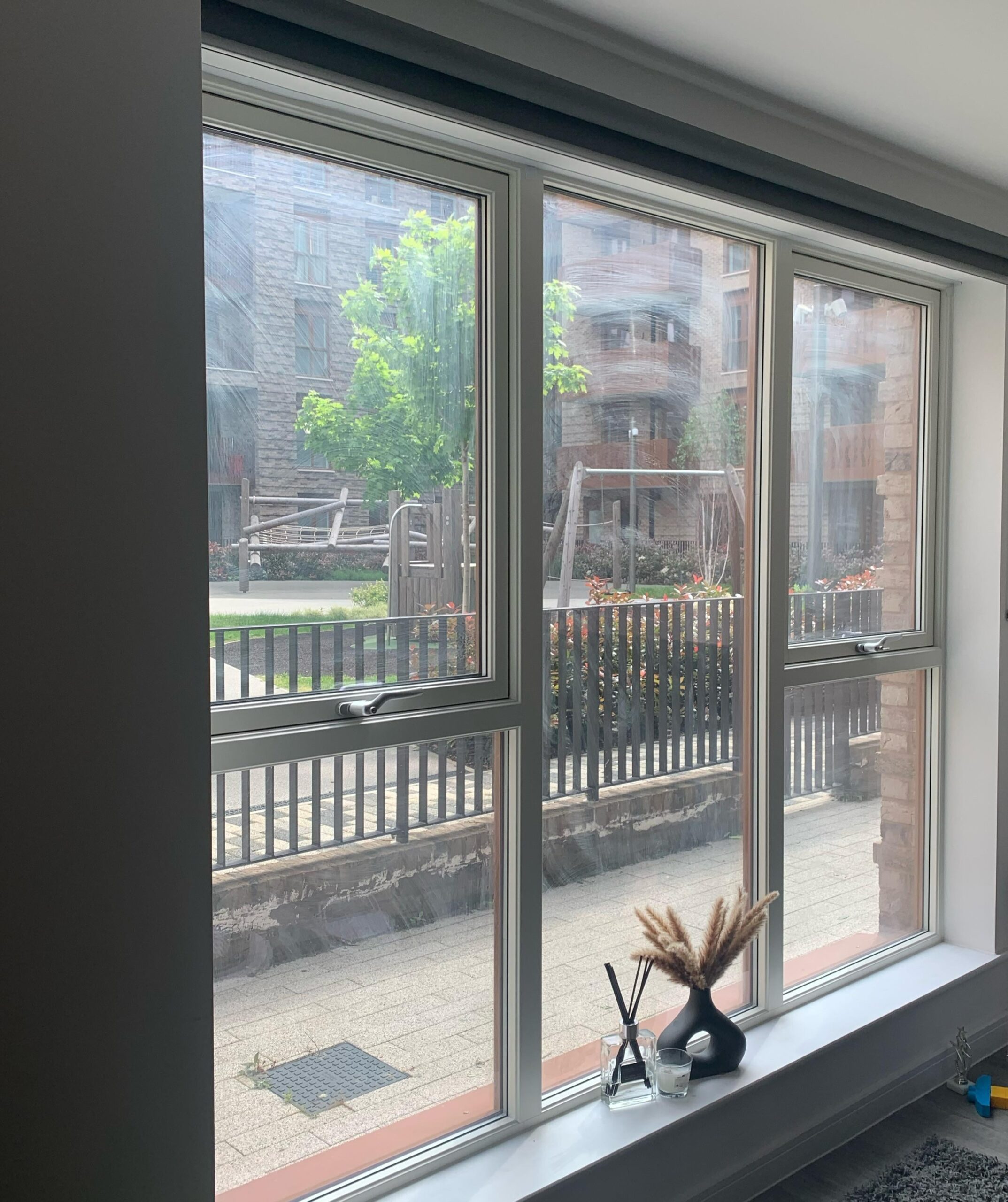
Mix water and cornstarch to create a streak-free window cleaning solution. The cornstarch acts as a gentle abrasive, helping to remove dirt without leaving streaks.
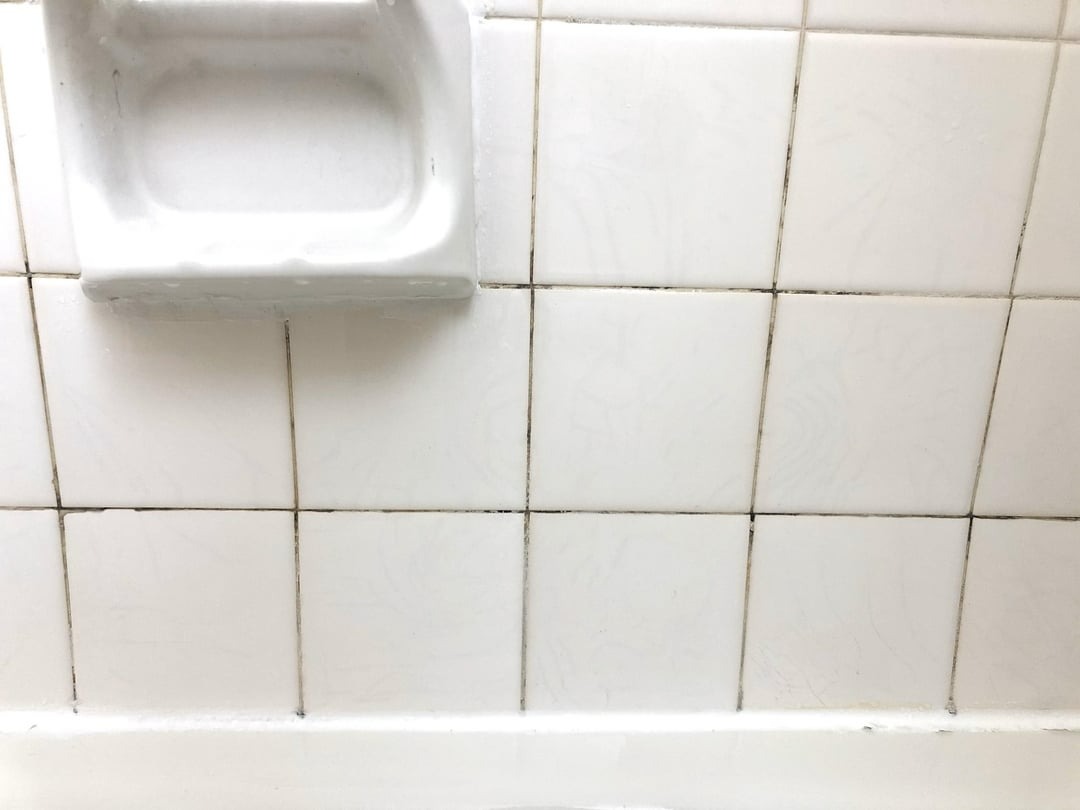
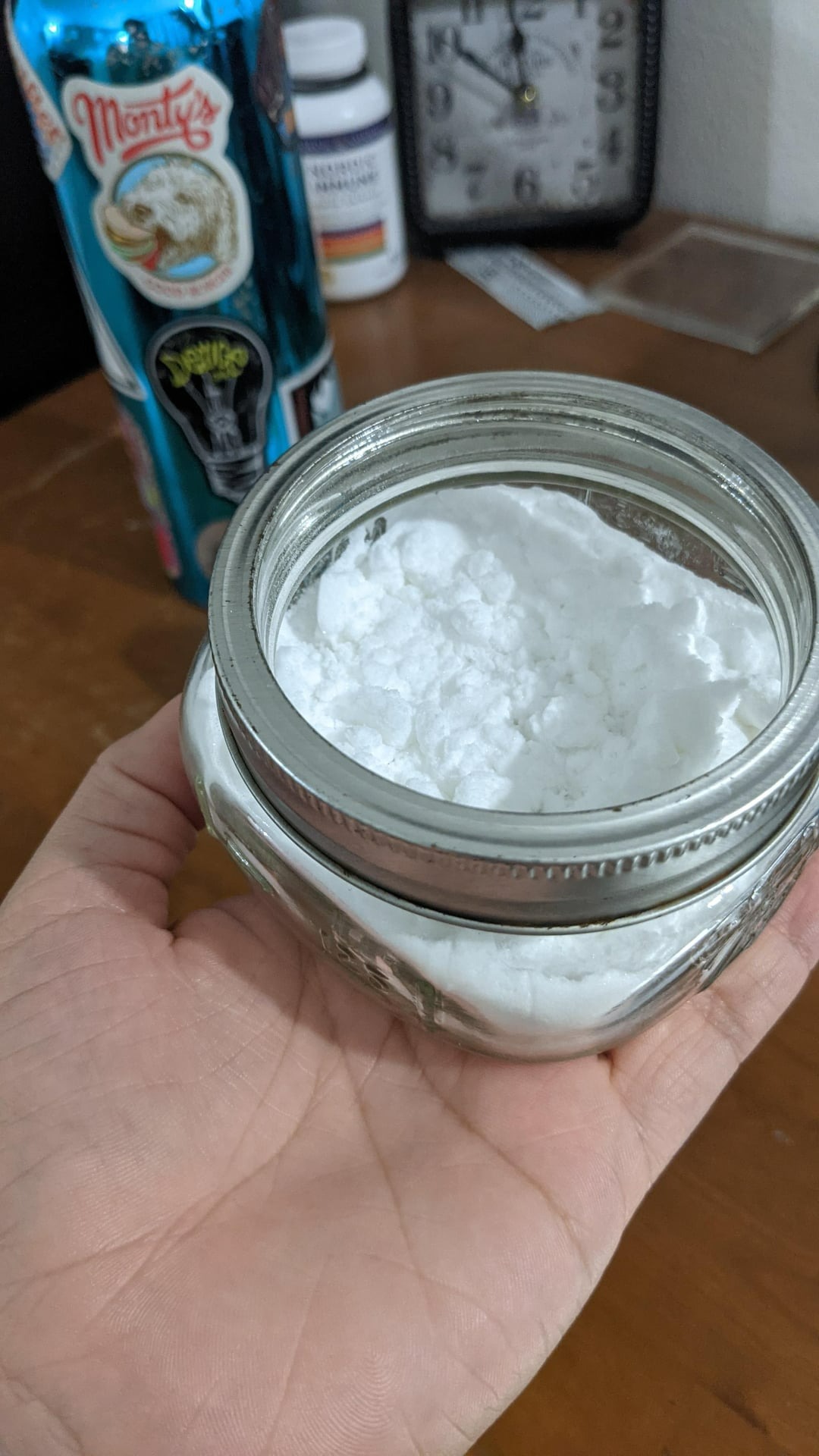
Clean grout by applying a paste of baking soda and water, scrubbing with an old toothbrush. This method effectively removes grime from tile grout without harsh chemicals.
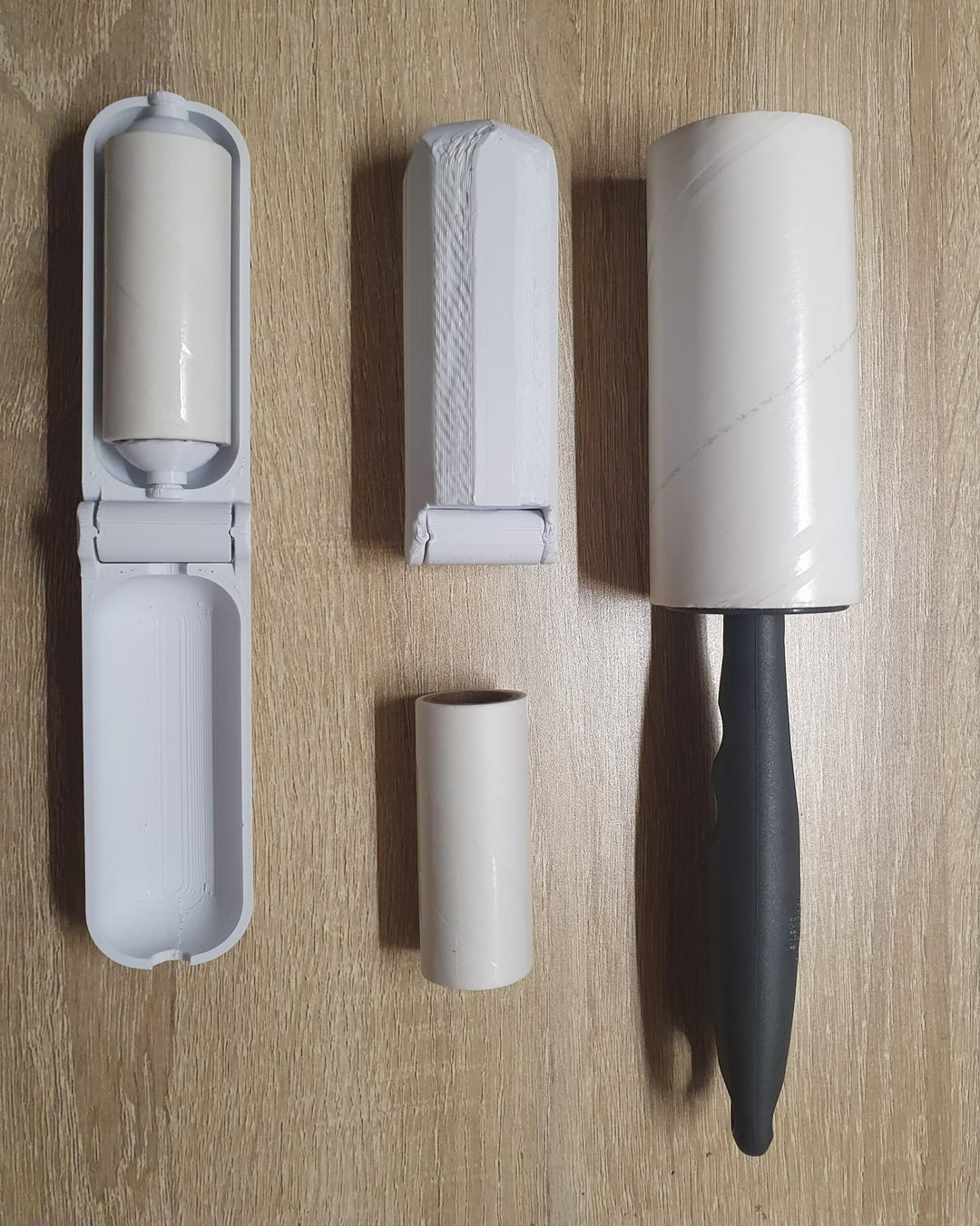
Use a lint roller to easily clean dust and lint off lampshades and other fabric surfaces. It’s a quick and effective way to tidy up without damaging delicate fabrics.
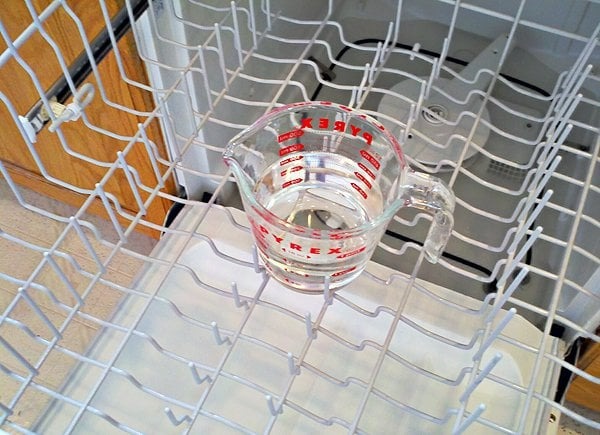
Run your dishwasher empty with a cup of vinegar placed on the top rack. This helps to clean and deodorize the interior and remove any built-up residue.
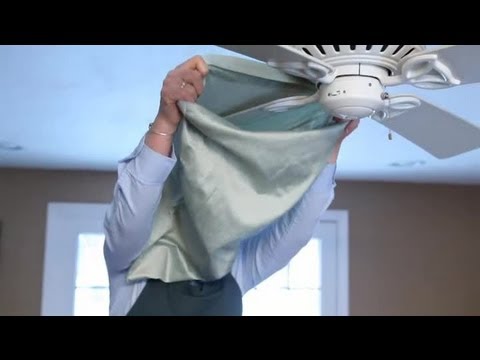
Slip a pillowcase over each blade of a ceiling fan and wipe. The dust stays inside the pillowcase, preventing it from falling onto furniture or the floor.
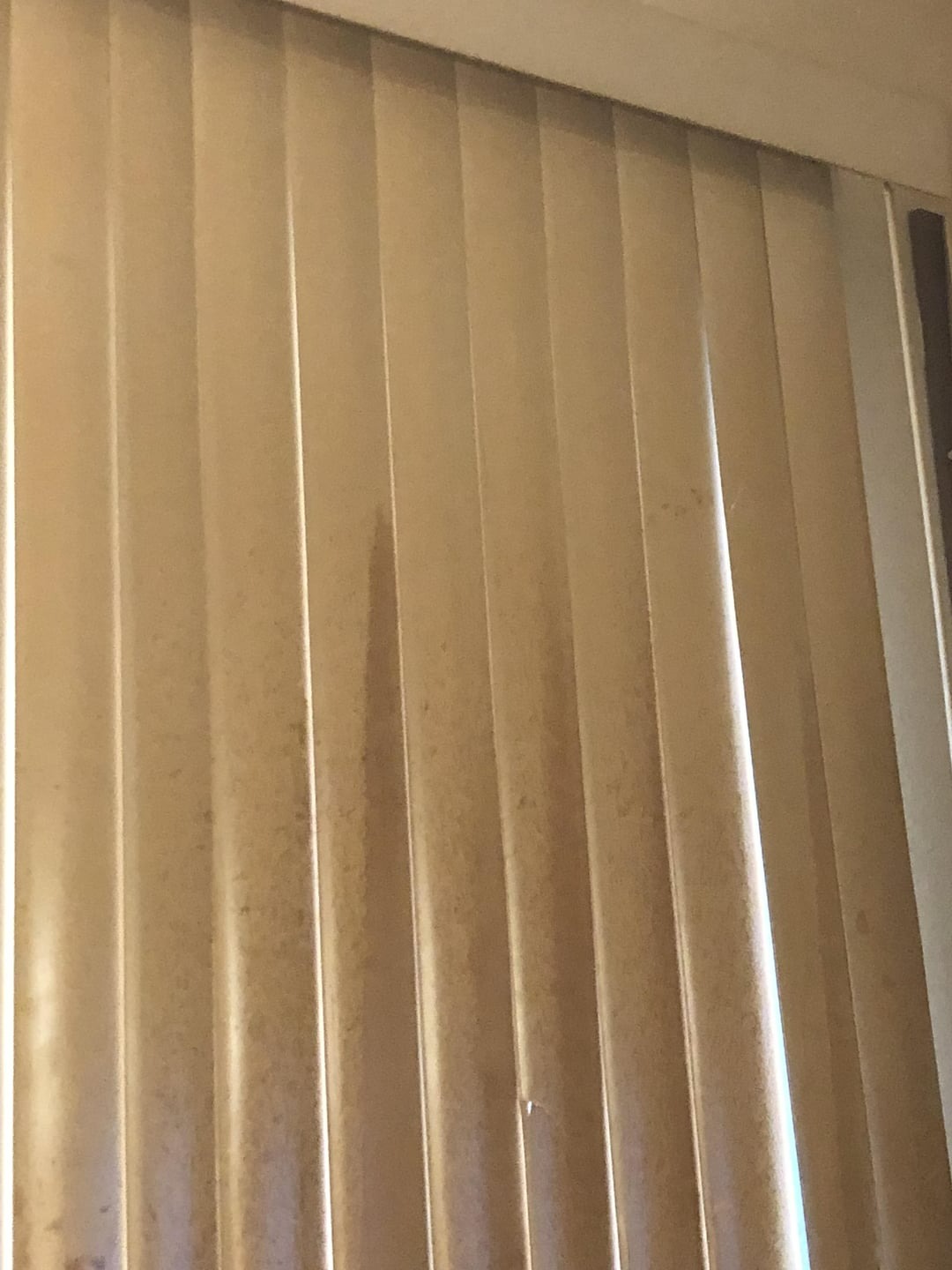
Clean blinds using a mixture of vinegar and water, wearing an old sock as a glove. This method allows for easy cleaning of each slat and avoids harsh chemicals.
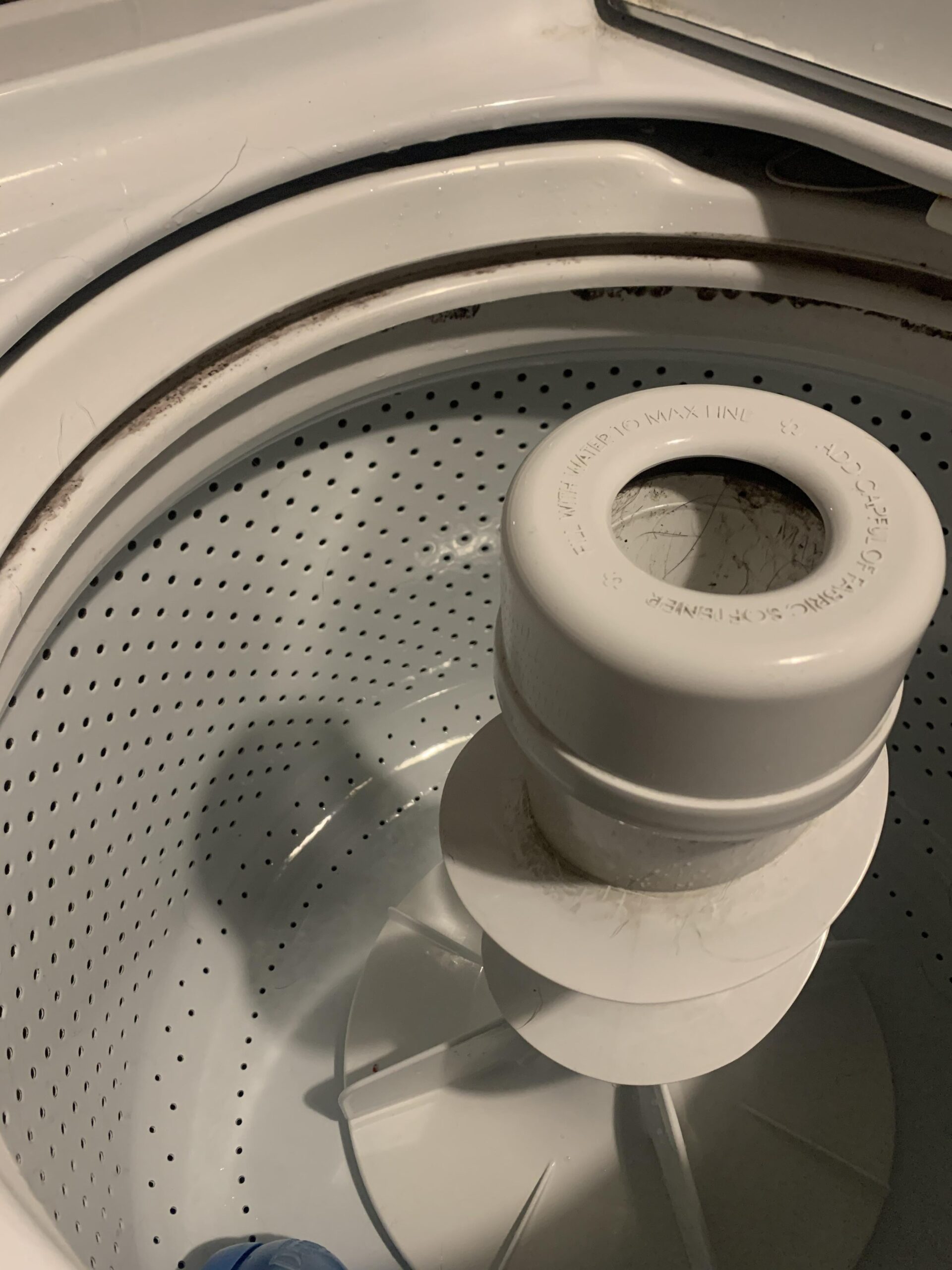
Run a hot cycle with vinegar and baking soda in your washing machine. This combination cleans and deodorizes the machine, removing detergent residues and odors.
Veteran house cleaner shares 25+ cleaning tips the pros keep secret
Eduardo Gaskell
01.08.24
Cleaning can be a daunting task, but with the right strategies and techniques, it can become a more manageable and even enjoyable endeavor. Professional cleaners share a range of cleaning tips and tricks that will help you maintain a clean and organized living space with greater ease and efficiency. Let’s begin with:
Remove sticky goop with a razor blade
Use a razor blade as a scraper for tasks like removing tape, glue, and stubborn adhesives such as fluorescent price tag stickers. Employing a razor blade scraper, which features a dull blade enclosed in a plastic holder for easy sliding, proved to be his preferred method for handling these tasks.