Traveling by plane can be exhausting, but with a few clever hacks, you can streamline the experience and make it much more enjoyable. From packing tips to in-flight comfort tricks, these ideas will help you navigate everything from airport security to mid-flight snags, so you can focus on enjoying the journey.
The Best Times to Fly to Avoid Turbulence
Some days and times are better to fly than others for various reasons. If you’re sensitive to turbulence, consider booking a morning flight. This might seem odd, but since temperatures are cooler in the morning, there’s less atmospheric heating from below, which can trigger unstable conditions like storms, winds, and turbulence. So, flying in the morning often means a smoother ride. If you’re looking to save money, timing matters too: international flights tend to be cheaper on weekdays rather than weekends.
The Truth About Airplane Blankets
With an increased focus on germs, staying comfortable while flying might seem challenging. Here’s a simple tip: skip the blanket offered by flight attendants. These blankets aren’t always freshly laundered, so it’s better to play it safe. Instead, wear a cozy sweater, long pants, and socks to stay warm. If you have room in your carry-on, consider packing your own compact travel blanket—there are plenty of lightweight, space-saving options designed for travelers.
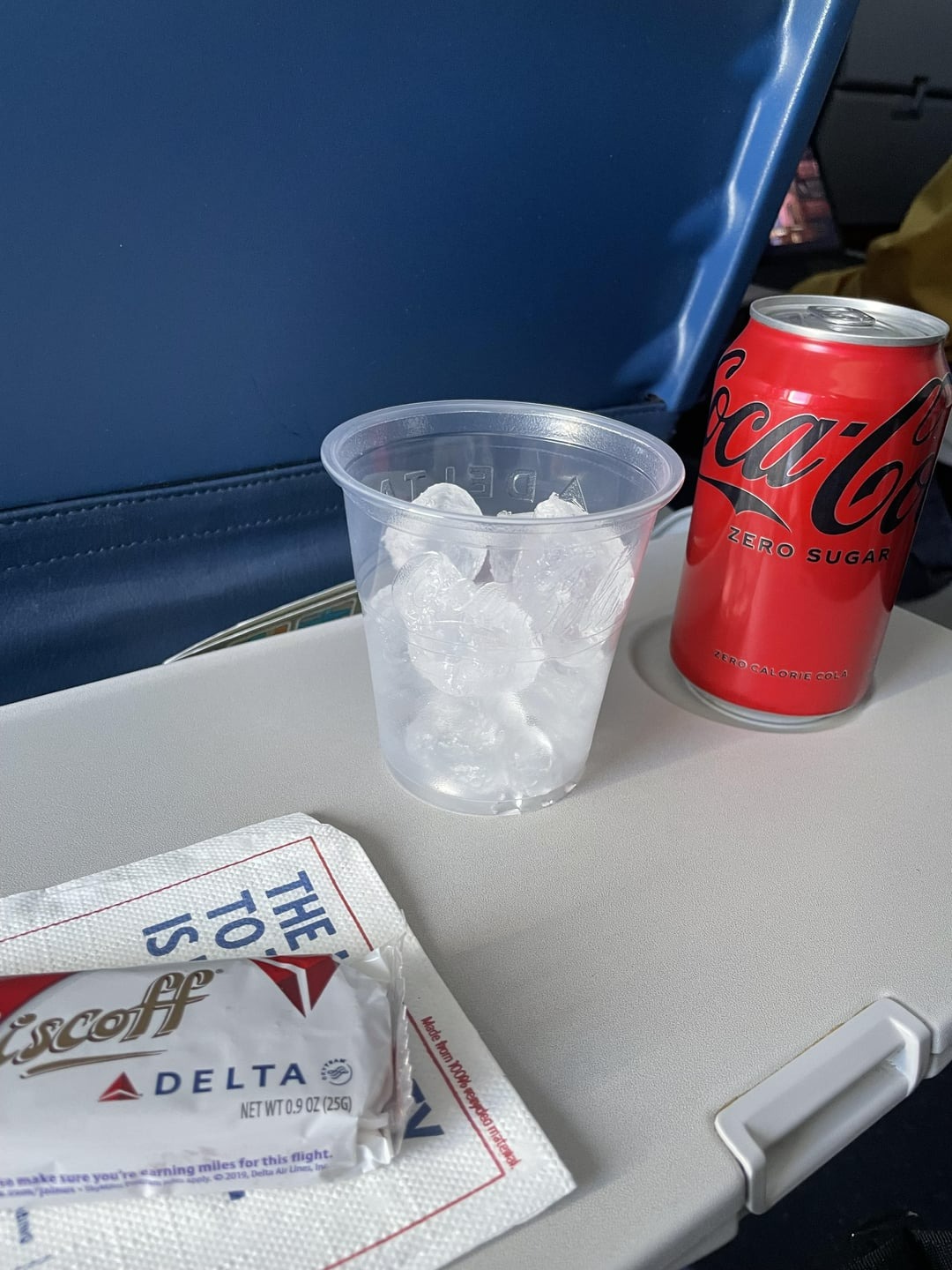
When flight attendants come around to take drink orders, a cold glass of ice water might sound refreshing—but it’s worth reconsidering. According to insiders, the ice is made from the plane’s water tank, which isn’t cleaned often. Flight attendants themselves avoid drinks with ice, so it’s probably wise to follow their lead. Next time you’re ordering, stick to a drink without ice for peace of mind.
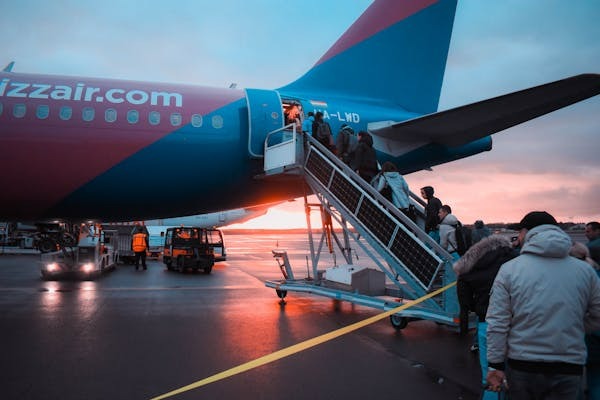
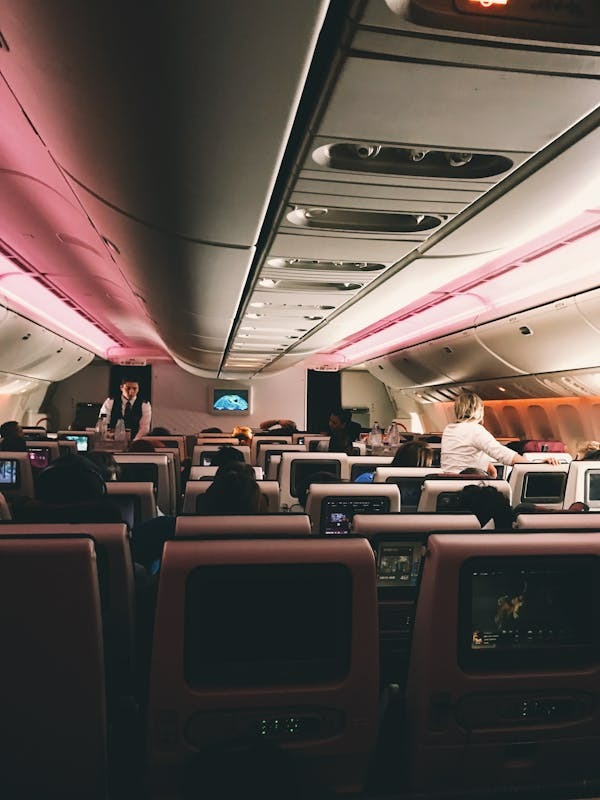
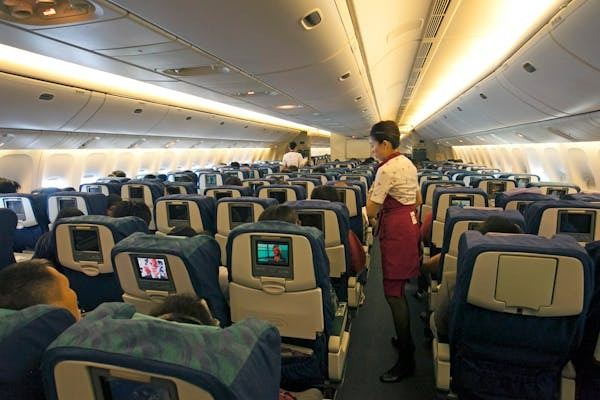
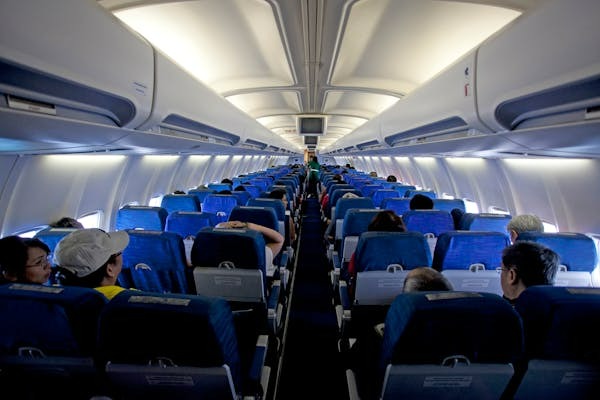
Flying is often exciting, especially with the anticipation of exploring a new destination. But turbulence can turn that excitement into anxiety, sometimes leading to stress, nausea, and even dizziness. The plane’s intense shaking can feel alarming, even though it’s safe. To reduce discomfort, avoid seats in the back of the plane, where turbulence is felt most. Instead, opt for a seat above the wings—this area tends to be more stable and can help make your flight smoother.
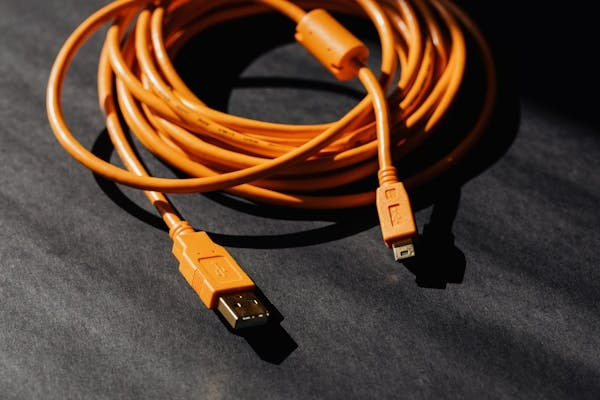
You’ve made it through security, found your gate, and finally sit down, ready to relax with some music—only to find that your phone is dead. Don’t panic! Many airports now have charging stations in each terminal, so you can power up your device before boarding. If you’re in an older airport without a designated charging center, check for a TV nearby; most have USB ports that you can use to charge your phone in a pinch.
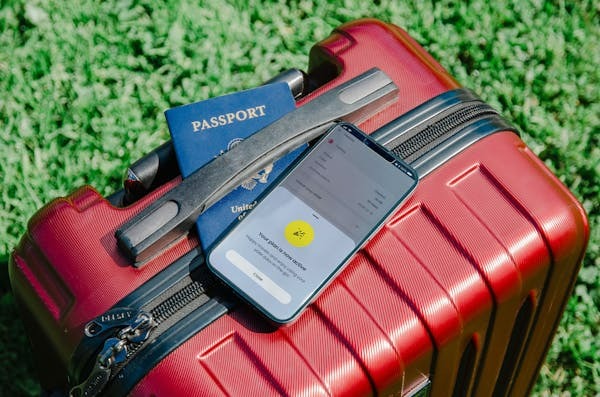
Having scans of your essential documents is a smart travel tip that can save you a lot of hassle if something gets lost. A digital or printed copy on hand can be incredibly useful, especially if you prefer to keep your passport safely locked in your hotel room. Many places, like bars, clubs, or casinos, may still require ID, so having a scanned copy on your phone or a printed version in your wallet ensures you’re prepared without risking the original document.
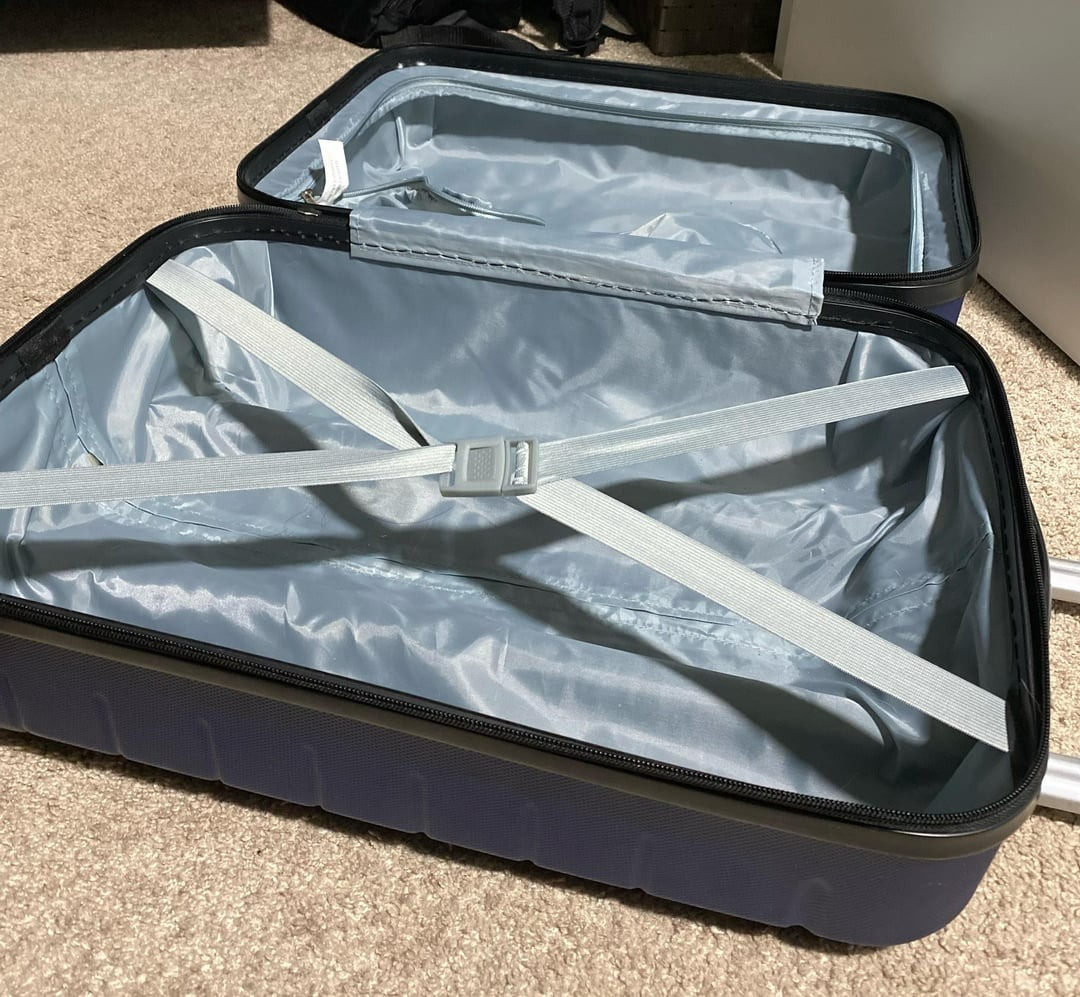
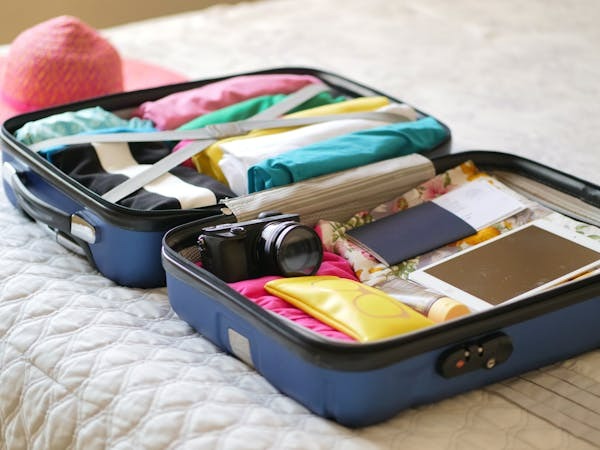
Packing light is great, but packing smart can make all the difference! To maximize suitcase space, start by rolling your clothes instead of folding them; rolling reduces bulk. For shoes, try filling them with small items like tank tops, socks, or underwear to save space. Also, place heavy, bulky items like sweatshirts and towels at the bottom of your suitcase before adding other items—this setup helps compress everything and creates more room for the rest of your essentials.
This smart device can greatly ease your travel worries, especially when it comes to the fear of lost luggage. Once you check your bags, you trust they’ll make it to your destination, but if they don’t, your only option has been to file a claim and wait. Now, with luggage trackers, you can monitor your bags’ location right from your phone! It’s a game-changer—if anything goes wrong, you’ll know exactly where your bags are, bringing peace of mind to your journey.
Why You Should Mark Your Luggage as Fragile When Checking in
Worried about packing fragile items in your suitcase, like a special dish or a bottle of perfume? A simple trick to protect your valuables is to mark your baggage as “fragile” when checking in. This label signals the cargo crew to handle your suitcase with extra care. Plus, fragile-labeled bags are typically placed on top of other luggage in the cargo hold, so they’re loaded last and often come out first at baggage claim—giving you quicker access and greater peace of mind.
Traveling can be stressful, and it’s easy to overlook details like the different wall plugs in a new country. If you arrive and realize you can’t charge your phone, don’t panic! A quick solution is to check for a USB port on the TV in your hotel room. You can use that to charge your phone until you find the right adapter. Remember, travel challenges are common, and there’s usually a simple fix to ease your worries!
Have you ever struggled to sleep on a flight because of crying babies or loud noises? It can be frustrating when all you want is a little rest. A great solution to this problem is investing in noise-canceling headphones. They’re a lifesaver on long flights, allowing you to drift off without distractions or enjoy your favorite music with clarity. Noise-canceling headphones can transform your flying experience into something much more enjoyable, and their compact size means they can easily fit in your carry-on or even your pocket.
Worried about your luggage getting soaked in bad weather? If you find yourself caught in the rain and don’t have a waterproof suitcase, there’s a simple and effective solution: garbage bags! You can use them in several ways to protect your belongings. Cover your suitcase with a garbage bag, making holes for the wheels to keep it mobile. Alternatively, line the inside of your suitcase with garbage bags to create a barrier against any moisture that seeps in. For extra protection, you can also pack your items into a garbage bag and then place that inside your suitcase. It’s an easy way to keep your belongings safe and dry!
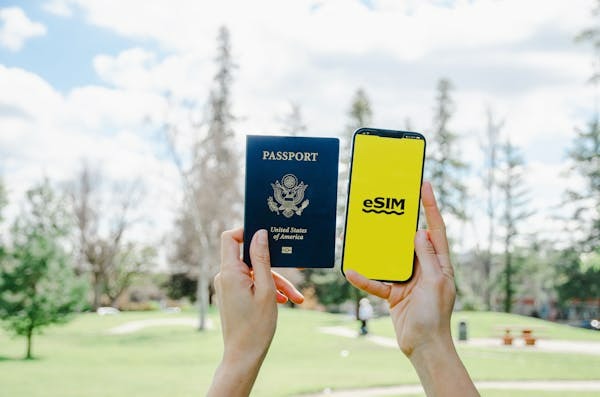
The ultimate way to ensure a smooth travel experience abroad is to purchase an international SIM card. Arriving at your destination without service can quickly turn into a nightmare, leaving you unable to contact anyone or navigate your new surroundings. That’s why it’s crucial to have cell service and data access arranged before you travel. With an international SIM card, you can step off the plane fully prepared and confident, eliminating the stress of finding an overpriced cellphone shop at the airport. Enjoy your trip without the hassle of connectivity issues!
Before booking your plane ticket, here’s a top tip to secure the best price: be aware that airline and flight booking websites track your cookies and search history. If they notice you frequently searching for a specific flight, they may increase the price due to high demand. To avoid this, use private or incognito browsing mode. This simple trick can help you find significantly cheaper flights than what you might see otherwise. Give it a try the next time you’re ready to book!
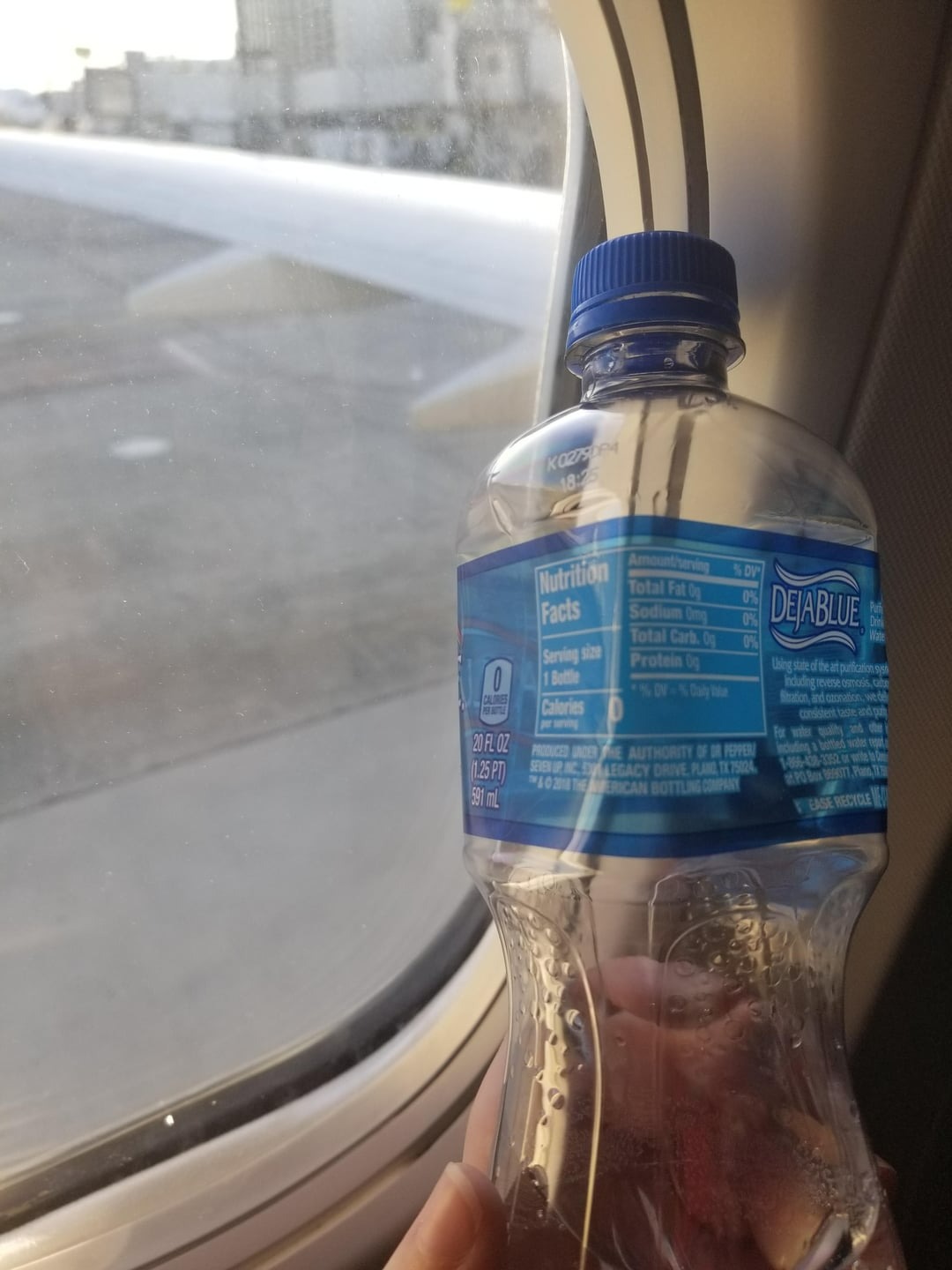
Remember all those times you had to toss out perfectly good water or chug an entire bottle just to get it through security, only to find yourself making frequent trips to the tiny airplane bathroom? Those situations are far from ideal! Luckily, there’s a fantastic loophole to avoid these inconveniences: freeze your water bottle the night before your flight. Since frozen beverages aren’t considered liquid, they can pass through security with no problem. Say goodbye to wasted water and hello to a refreshing drink once you’re on board!
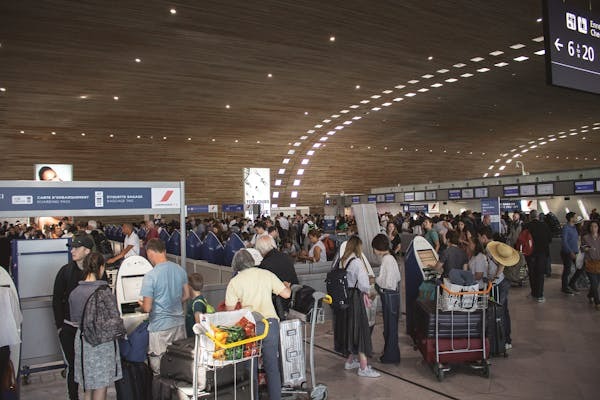
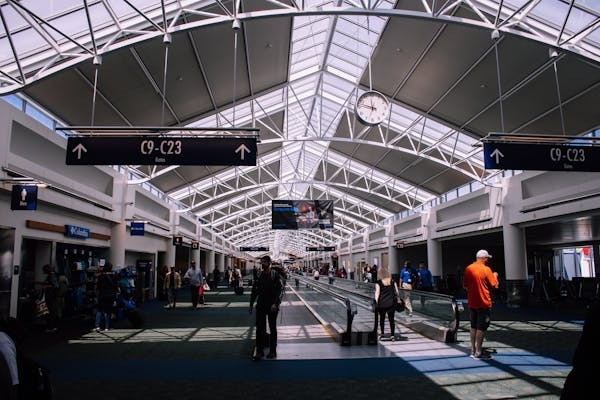
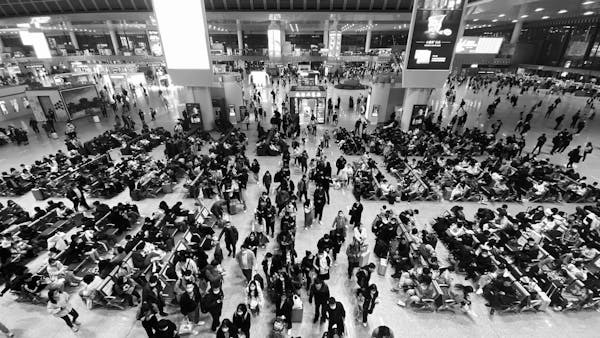
One of life’s most frustrating experiences is waiting in long airport lines, and since the pandemic, those lines have only gotten longer. If your flight is suddenly canceled, you might find yourself surrounded by dozens—if not hundreds—of fellow travelers trying to rebook, which can quickly become overwhelming. But here’s a handy hack that many overlook: instead of enduring the long wait at the ticket counter, step aside and call your airline’s customer service line. By explaining your situation, they can often rebook your flight right over the phone, saving you time and stress.
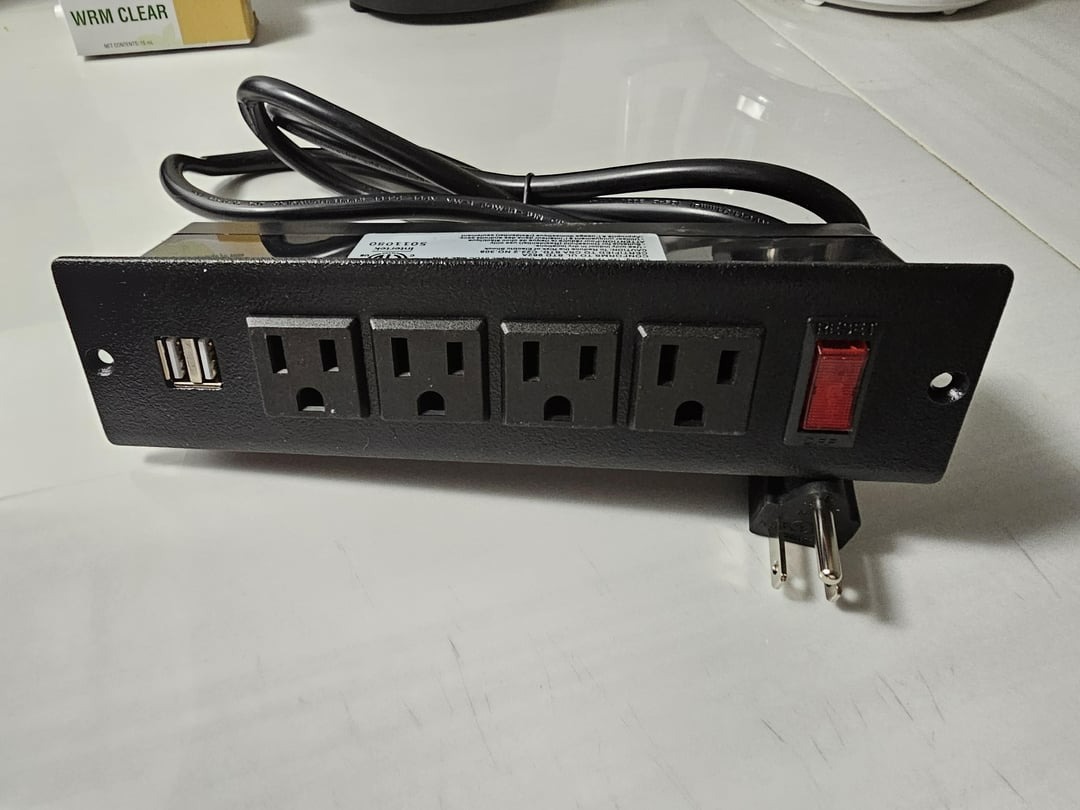
Here’s a simple yet potentially life-saving tip for travelers: while a portable charger is handy, it will eventually need to be plugged in, leaving you to hunt for an outlet in the airport. Instead of scouring the terminal for a single outlet and taking turns charging your devices, consider bringing your own power strip. This foolproof solution ensures you have enough outlets to charge your phone, laptop, and Bluetooth earbuds all at once. Plus, you might even make a friend by sharing an outlet with a fellow traveler!
While flying opens up a world of possibilities and takes you to new destinations, it does have its downsides. On longer flights, stagnant blood circulation can lead to swelling in your feet and hands. Although this isn’t usually serious, there are several ways to ease discomfort and prevent it both before and during your flight. Before boarding, consider doing some yoga or basic stretches to get your body moving. Once you’re on the plane, make a point to get up periodically and walk around to promote blood flow. These simple actions can help you feel much better by the time you land!
A smart travel hack is to add a checked bag to your booking when you purchase your ticket. This is usually much cheaper than paying for checked luggage at the airport. If you happen to forget and arrive at the airport without pre-paying, an experienced traveler’s trick is to use your phone to access the airline’s app or website and pay for your checked bag there. This can save you money and help you avoid the high prices and long lines often found at the airport!
This next trick might be the most intriguing one on the list because it taps into psychology, making you feel like a genius for hacking human behavior. It’s a reliable strategy! When you’re at the airport and faced with multiple security lines, always opt for the lines on the left. Most people naturally gravitate toward the right side because they are right-handed and tend to use their dominant side when choosing a line. By choosing the left, you’ll be joining the less crowded path, allowing you to breeze through security more quickly!
For frequent travelers, finding time to wash clothes and the cost of dry cleaning can be a hassle. Nobody wants to return home with a suitcase full of musty, sweaty garments. Fortunately, there’s a straightforward solution: pack a few scented dryer sheets in your luggage. Place them in your suitcase or between your worn clothes, and these sheets will absorb unpleasant odors, keeping everything smelling fresh until you can do your laundry properly.
On long-haul flights, the sleeping masks and plastic earbuds provided can be of poor quality, often slipping off your face or breaking easily. Instead of relying on those, consider creating your own travel comfort kit! Bring your favorite quality earbuds, a good eye mask, and some cozy socks or slippers. This way, you’ll be well-prepared without spending extra money on subpar products that may have been used by others. Plus, you’ll have the comfort of items that you know are clean and effective!
Airplanes are cramped spaces where everyone shares the same circulated air, raising concerns about germs. To minimize your risk of getting sick, it’s advisable to keep the air conditioning vents above you fully open. This allows for better air circulation, helping to disperse any airborne germs. While it might feel a bit cold, it’s one of the best strategies for staying healthy during your flight. Remember to sanitize your hands regularly and pack a sweater to stay warm!
Traveling often means long days and nights in airports and planes, which can leave you feeling sweaty and unrefreshed. To combat this discomfort, it’s wise to pack extra essentials in your carry-on. Always include additional undergarments like underwear and socks, and consider bringing an extra outfit to change into upon arrival. Small travel-sized toiletries, such as deodorant, toothpaste, and perfume, can also help you feel revitalized after a long journey. While it may not be a substitute for a proper shower, these items can make a significant difference in helping you feel more comfortable during your travels.
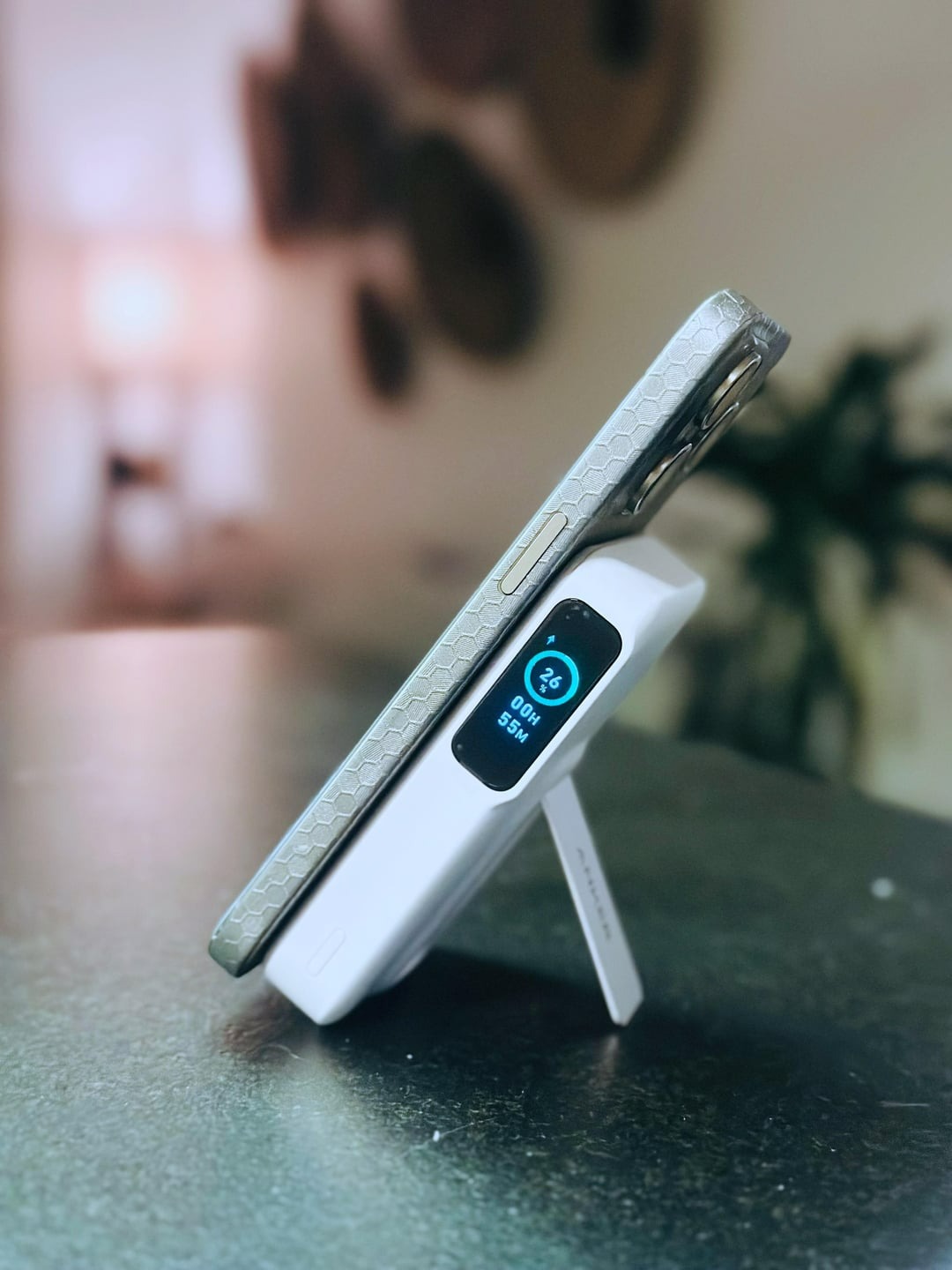
If you don’t have a portable charger yet, it’s time to consider investing in one! These handy devices have become essential for modern travel, allowing you to keep your devices powered up on the go. You won’t have to worry about that dreaded “20% battery left” notification anymore. There are many options available, from budget-friendly to high-end models that can charge your devices multiple times. Just pick one that fits your price range and has good reviews, and you’ll be all set.
It’s a common dilemma: no one wants to be stuck in the middle seat on a flight. It’s often cramped, and navigating around sleeping passengers to use the restroom can be quite awkward. To improve your chances of avoiding that uncomfortable situation, consider using seat alert websites. These platforms can notify you when a seat becomes available due to cancellations or changes, giving you the opportunity to switch to a more desirable spot.
As airlines continue to scale back on complimentary services, it’s essential to find ways to enjoy your favorite beverages without spending extra. A simple yet effective solution is to visit a grocery store before your trip and stock up on teabags, instant coffee, or flavored drink powders. These items are lightweight and won’t take up much space in your luggage. Once you’re on the plane, all you need to do is request hot or cold water from the flight attendants, and you can whip up a delicious drink at cruising altitude.
Pre-flight prep can feel overwhelming, with endless tasks from work responsibilities to managing household duties. It’s tempting to cut a few corners, but one step that shouldn’t be overlooked is packing snacks for the journey. While it may seem like an extra hassle, having snacks on hand can be a lifesaver, both for your stomach and your budget. Airport and in-flight food options are often overpriced and limited, so bringing your own snacks ensures you’ll have something you like without the hefty price tag.
Traveling, whether for family, business, or leisure, is exciting—but getting sick on the road is something no one wants. Luckily, a few easy steps can help protect you from germs while you’re in transit. Always carry hand sanitizer and disinfectant wipes in your carry-on for quick access. Airplanes are high-traffic environments, with seatbelts, tray tables, and armrests touched by countless people daily. A quick wipe-down of these surfaces when you get to your seat can make a big difference.
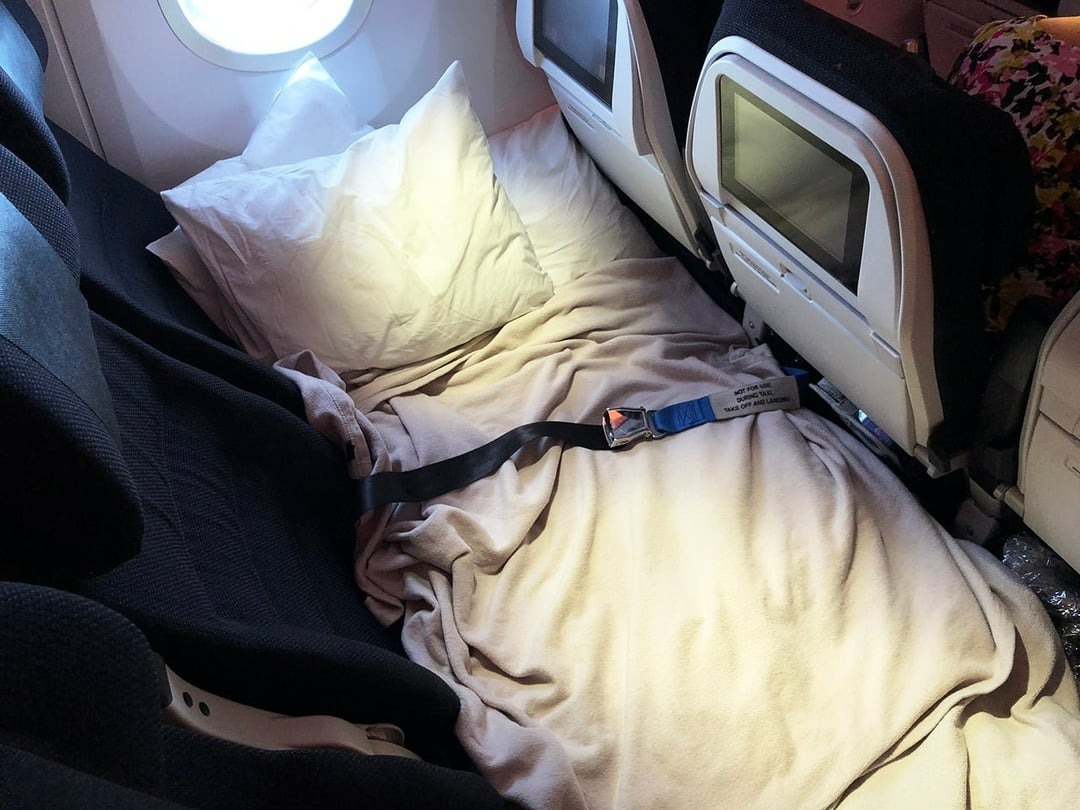
Sleeping on flights is notoriously difficult, often leaving travelers feeling drained upon arrival. New Zealand Air has tackled this problem with a game-changing innovation: a section of their planes with convertible “Skycouch” seats. These economy seats transform into a bed by flattening an entire row, giving travelers a comfortable space to stretch out and truly rest. This setup is especially beneficial for families with kids, who can lie down comfortably.
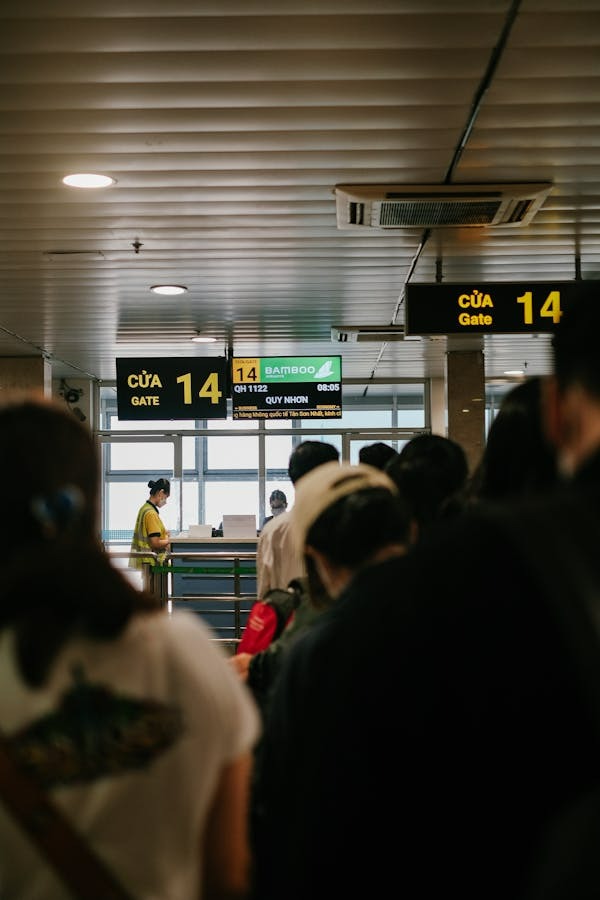
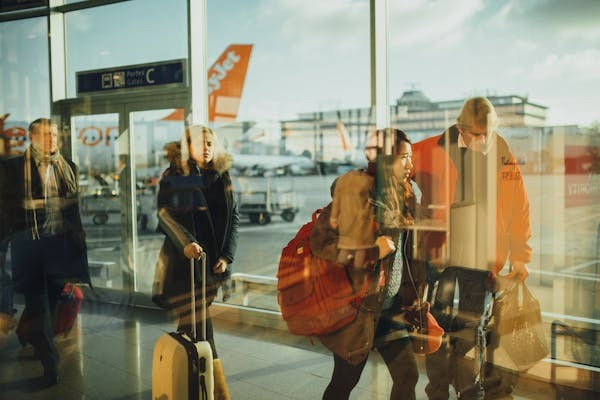
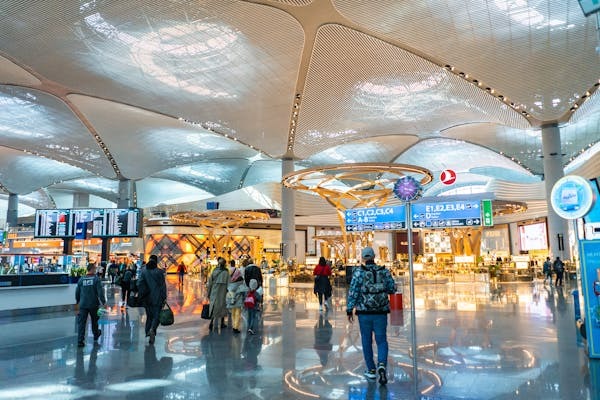
We’ve all heard the advice to arrive early for flights, yet it’s easy to cut it close and risk missing your departure. Between the rush through airport security, removing electronics, shoes, belts, and sometimes jewelry, it’s more time-consuming than expected. To avoid this hassle and reduce stress, stick to the recommended arrival times: two hours before national flights and three hours before international flights. With this buffer, even if security lines are long or you need extra time to organize your belongings, you can get through calmly without the fear of missing your flight.
While tempting, soda isn’t the best choice to drink on a flight. The high altitude combined with carbonation can cause uncomfortable bloating or gas, as the change in pressure affects your body. Instead, opt for water or juice when the flight attendants come by. Staying hydrated with non-carbonated drinks keeps you refreshed and comfortable, making for a more pleasant flying experience. So save the soda for after you land, and enjoy a smoother journey in the air.
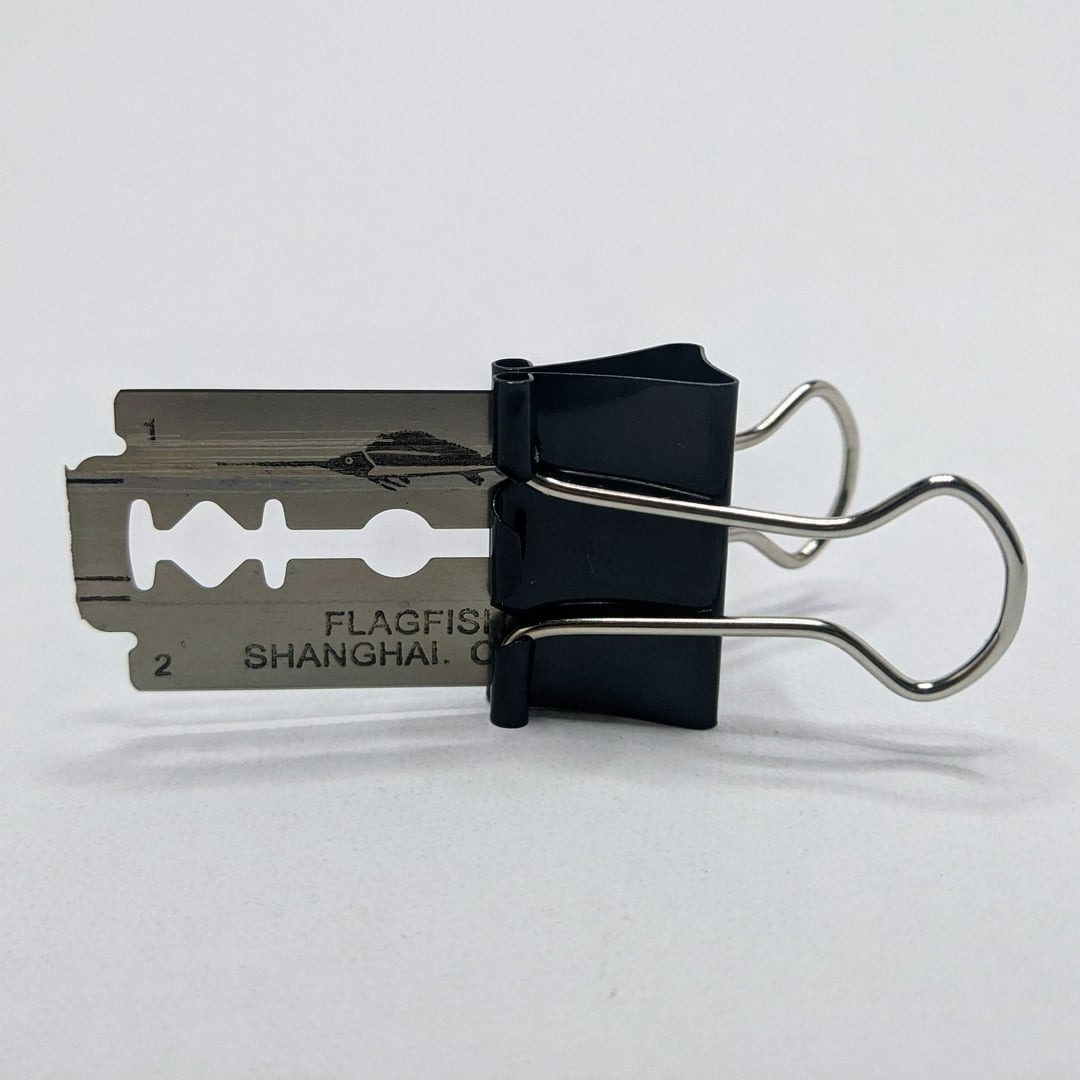
Brand-new razors often come with a protective plastic cover, but it’s easy to misplace. Since razors can be pricey, we don’t want to buy a new one each time we travel. If you’ve lost the cover, there’s a simple solution: use a binder clip. Just snap a binder clip over the blade for instant protection. It keeps your fingers safe and saves you the hassle of replacing an otherwise perfectly good razor.
Airports and airplanes can be surprisingly chilly, even when it’s warm outside. To stay comfortable, always check the weather at your destination and plan for the time spent in transit. A smart approach is to dress in a shirt and pants, then pack a layering piece like a jacket, sweater, or scarf in your carry-on. This way, if it gets cold, you’ll have an extra layer handy, and if it’s warm, you’re dressed lightly enough to stay comfortable. Being prepared with layers ensures you’re ready for any temperature changes during your journey.
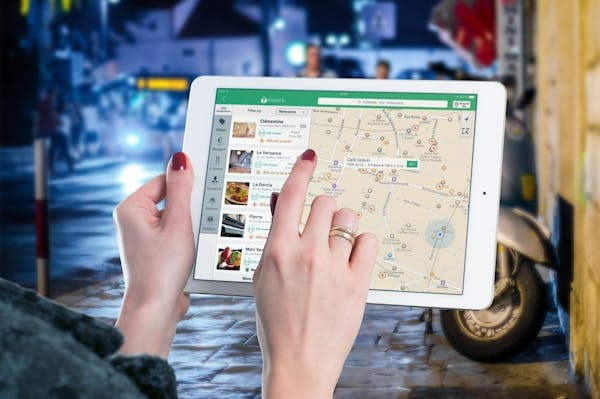
Global SIM cards and travel phone plans are popular, but they don’t always work right away, or setting them up can feel overwhelming when you’re jet-lagged. Here’s a simple solution: download maps from Google Maps before you travel. While connected to Wi-Fi at home or the airport, download maps for the area you’re visiting. This way, you can access these maps without Wi-Fi, and the app often still tracks your location, making it easy to navigate to your hotel or find a nearby restaurant. With offline maps, you’ll have directions at your fingertips even if your phone plan isn’t set up yet.
Staying hydrated is essential every day, but it’s especially important when flying. The dry cabin air on airplanes speeds up dehydration, making you feel thirstier and causing your skin to dry out. To avoid feeling unwell mid-flight, aim to drink your usual eight cups of water—and even more if possible. Booking an aisle seat can make it easier to stay hydrated since you can move freely to the bathroom without disturbing others. Prioritizing water over dehydrating drinks like coffee or alcohol will help you feel better and more refreshed once you land.
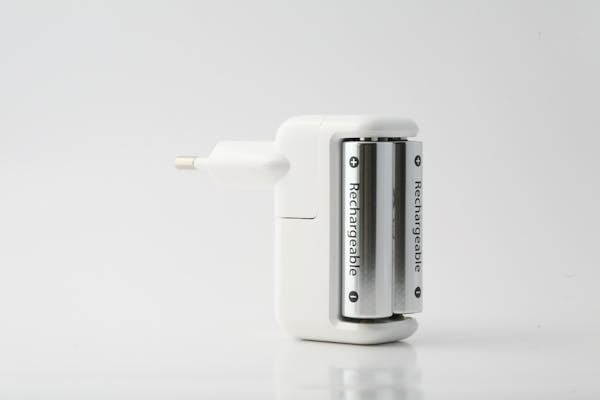
Rechargeable batteries may not be the first thing that comes to mind when packing, but they can be lifesavers in unexpected travel situations. From powering your camera to running a flashlight or even a remote for the AC in a hostel, they offer versatility. They’re also eco-friendly, letting you recharge and reuse rather than constantly buying disposables. Just be sure to pack a battery charger as well, so you’re always prepared and avoid the hassle of hunting for new batteries.
Many travelers can relate to the delightful surprise of boarding a flight only to find that the seat next to them is empty. While it often feels like luck is the only factor at play, there’s a clever strategy to boost your chances of scoring that extra space. If you’re traveling with a companion, instead of booking seats directly next to each other, choose a window seat for one person and an aisle seat for the other in the same row. This arrangement minimizes the likelihood of someone opting for the middle seat, which most people avoid. If a middle passenger does end up sitting between you, you can always swap seats with them and still sit together.
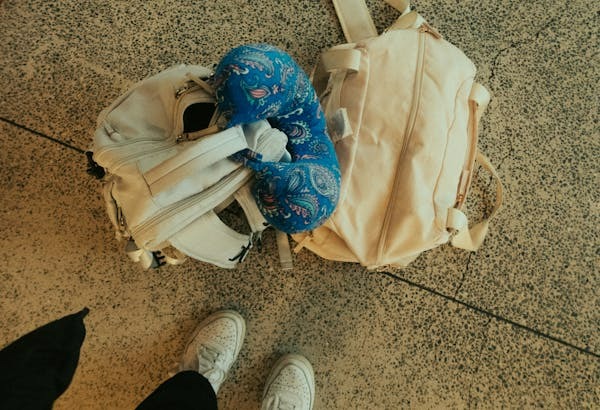
For frequent flyers, particularly backpackers who often opt for hostels or couch surfing, efficient packing is key to a hassle-free experience. When staying for just a few nights, unpacking everything can be cumbersome and unnecessary. Instead, consider a strategic approach to packing: only unpack the items you need for the day or the moment. This way, you can keep your bag organized without the hassle of rifling through it constantly. To make things even easier, place the essentials you’ll need most frequently at the top of your backpack.
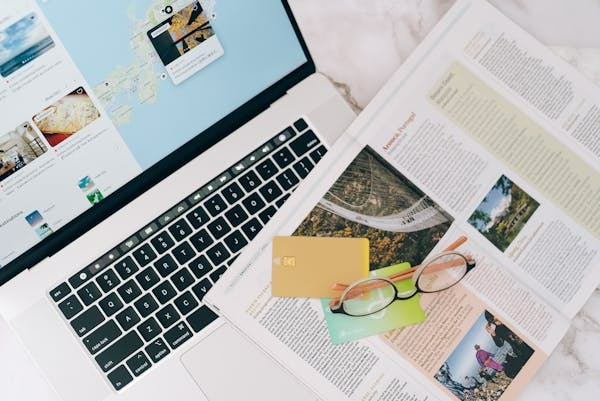
Many travelers tend to depend heavily on travel agents and tour guides when planning their trips, but using Google can be your best ally in this process. While it might feel overwhelming to organize your own itinerary, relying on guides can often be an expensive choice, and they typically recommend the most common tourist attractions. By doing some research beforehand, you can significantly enhance your travel experience. The internet is a treasure trove of information, allowing you to discover lesser-known spots, unique restaurants, and hidden gems that are off the typical tourist path.
Flight Attendant Shares 15 Airplane Hacks to Make Flying So Much Easier
Eduardo Gaskell
11.04.24
Traveling by plane can be exhausting, but with a few clever hacks, you can streamline the experience and make it much more enjoyable. From packing tips to in-flight comfort tricks, these ideas will help you navigate everything from airport security to mid-flight snags, so you can focus on enjoying the journey.
The Best Times to Fly to Avoid Turbulence
Some days and times are better to fly than others for various reasons. If you’re sensitive to turbulence, consider booking a morning flight. This might seem odd, but since temperatures are cooler in the morning, there’s less atmospheric heating from below, which can trigger unstable conditions like storms, winds, and turbulence. So, flying in the morning often means a smoother ride. If you’re looking to save money, timing matters too: international flights tend to be cheaper on weekdays rather than weekends.