


Welcome to the dark side of household products! You might think your bleach and shampoo are loyal allies, but after their expiration dates, they start plotting against you.
We’ll uncover the surprising – and sometimes hilarious – ways expired items can go from helpers to hazards. Let’s find out which products need to retire gracefully before they stage a household revolt!
Canned foods
Source: pixabay
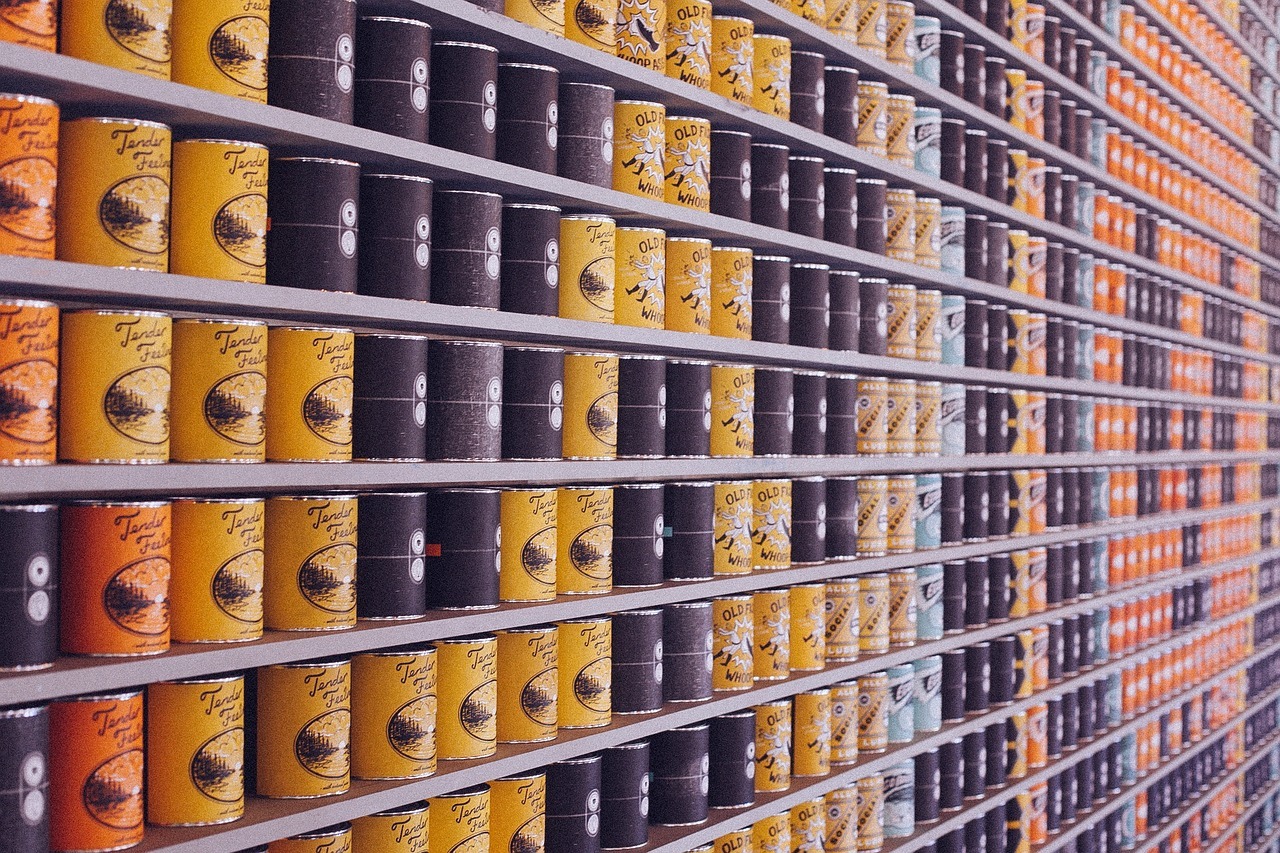
Always pay attention to the expiration dates on canned goods, but if a can is damaged or rusty, it’s safest to discard it right away.
The great thing about canned foods is their long shelf life – they’re preserved to last far beyond fresh items, so cans of fish, vegetables, and beans can often survive in your pantry for years. However, they’re not invincible! To keep them at their best, store cans in a cool, dry place.
Flat irons
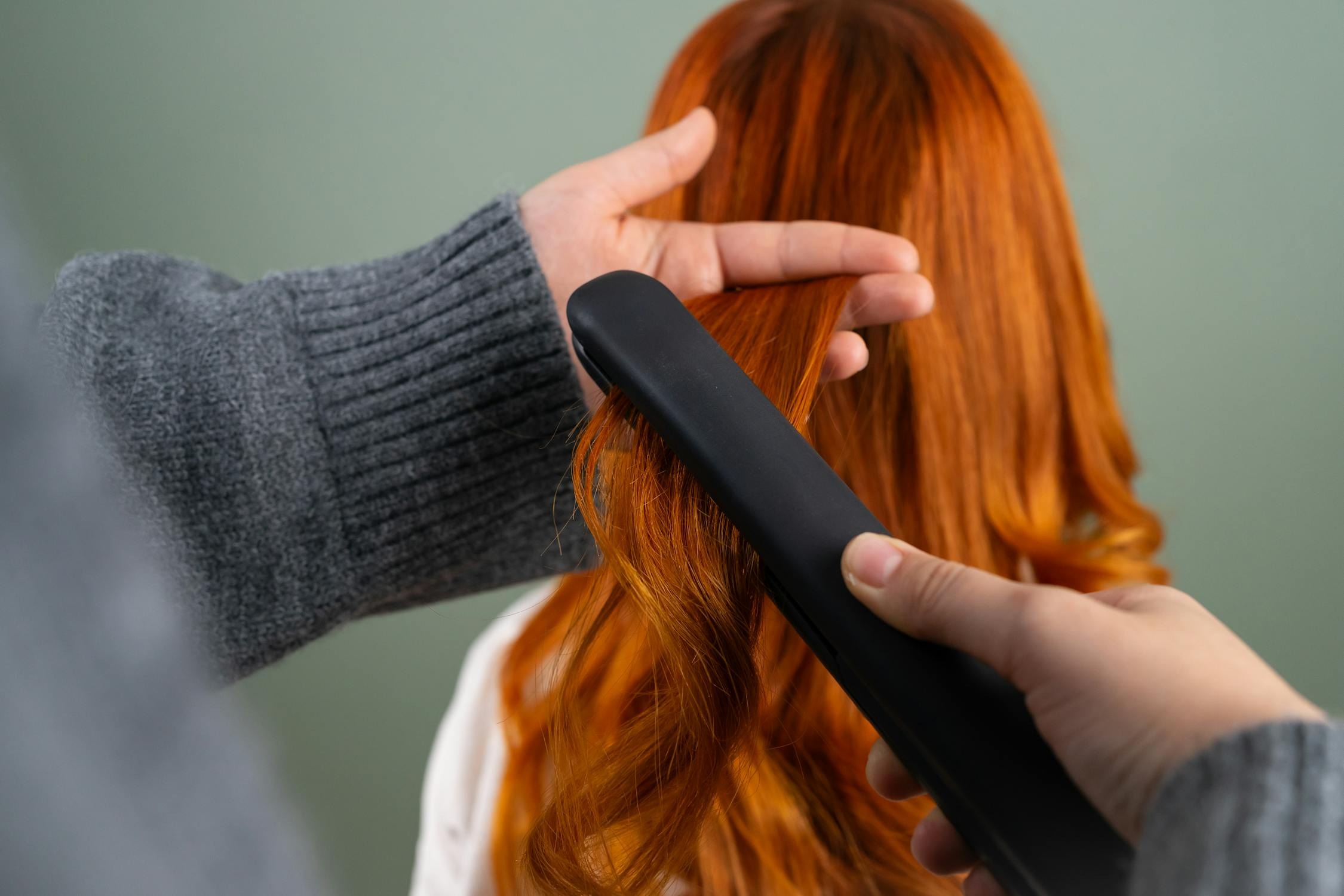
By now, it’s no secret that electronics don’t last forever—they’re bound to give in to age eventually. Hair straighteners are no exception, but there’s an extra reason to keep track of their expiration. As they age, the heating and protective elements start to wear down, which can cause serious damage to your hair. When the ceramic coating thins out, you might notice more breakage, not to mention the increased risk of electrical fires with an older pair of straighteners.
Sugar
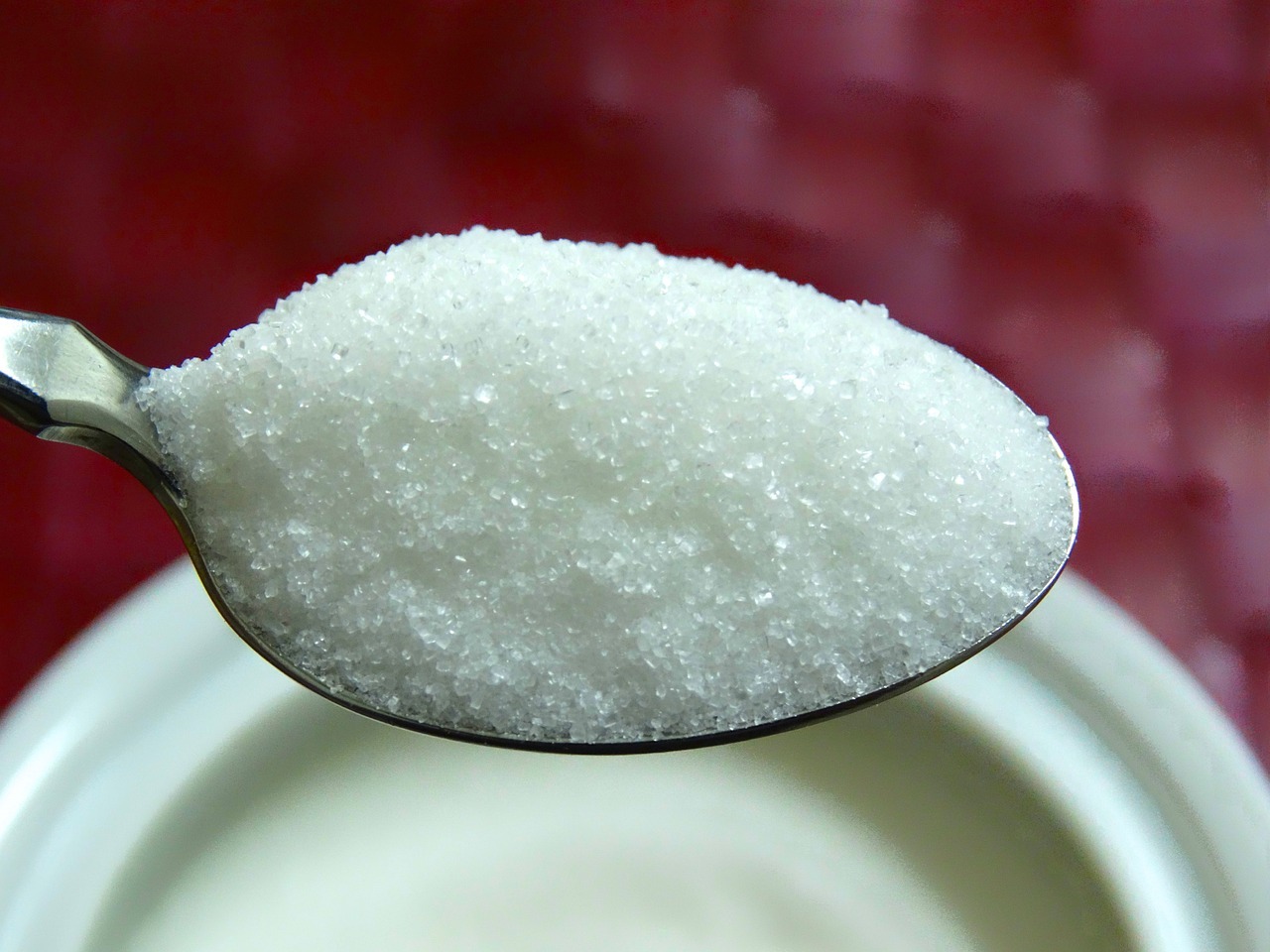
Can you even call it a kitchen without sugar? It’s a must-have for bakers, coffee-lovers, and anyone who likes a sticky-sweet sauce. But if you’re not reaching for sugar too often, remember it does have an expiration date—usually about two years. After that, it starts to clump up and harden, and the flavor shifts, often turning bitter or even metallic.
Cleaning solutions
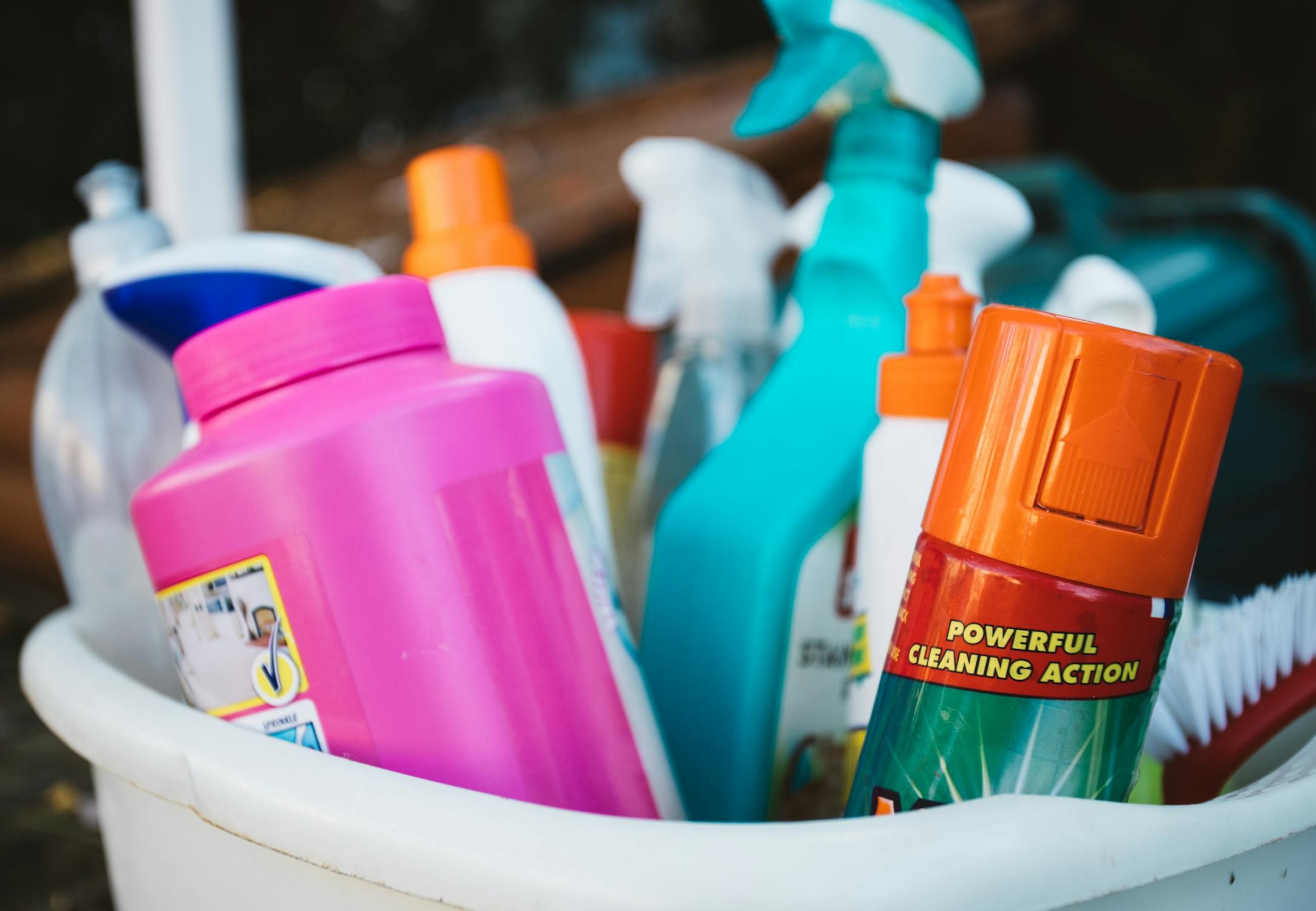
It might be surprising, but even high-grade chemical cleaning products come with expiration dates. So, if your cleaning cupboard is stocked with bleach, sanitizer, laundry detergent, mold remover, and more, it’s worth checking what’s still in date. Using expired cleaners is basically a waste of time since their formulas degrade over time, losing the effectiveness you count on for a good clean.
Undergarments
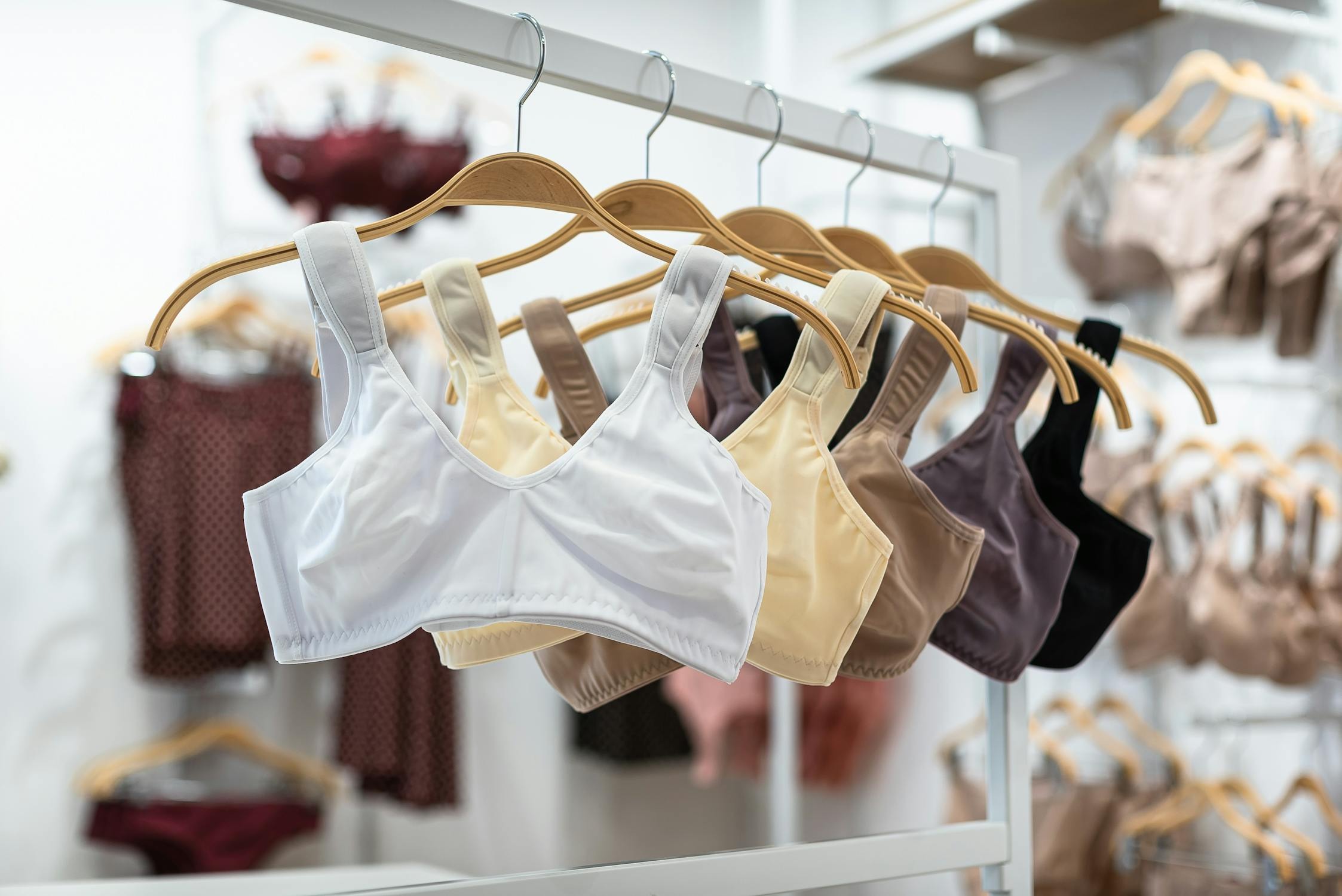
For many, a bra is an essential part of getting ready each day, providing support and lift for comfort. A quality bra can last a few years, but they do have a shelf life. Over time, the elasticity fades, the support weakens, and, before long, that pesky underwire may start poking you. Typically, an everyday bra should be replaced every 1-2 years. Luckily, affordable options are easy to find these days, so refreshing your collection doesn’t have to break the bank.
Disposable razors
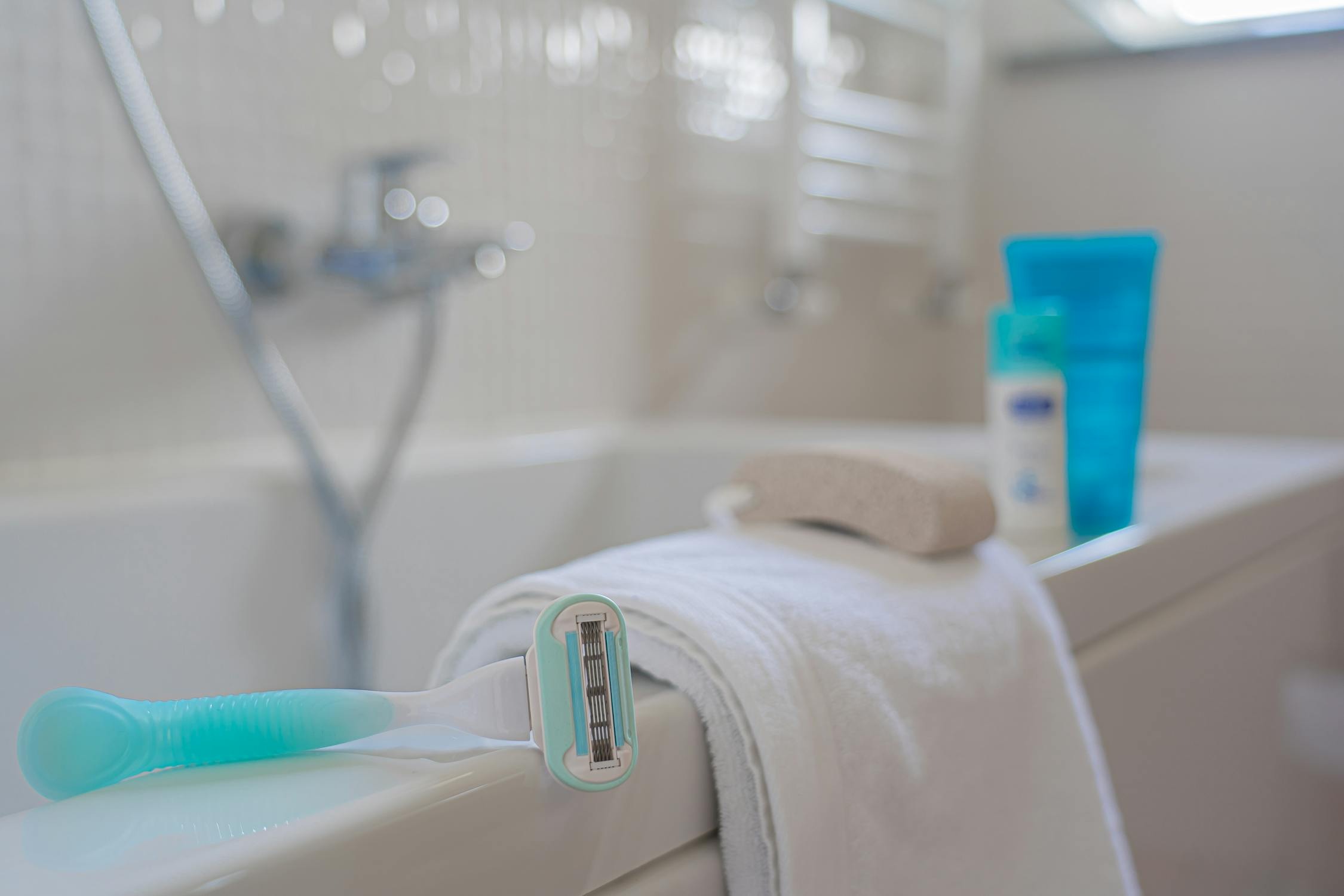
Disposable razors are a budget-friendly option for a quick, efficient shave, but they’re not built for long-term use. They’re ideally good for about 10 uses; pushing beyond that raises your risk of infection. Prolonged contact with soapy water makes them dull and prone to rust. A blunt, rusty razor not only increases the chance of cuts but can also lead to irritated, infected skin that may take time to heal.
Seasonings
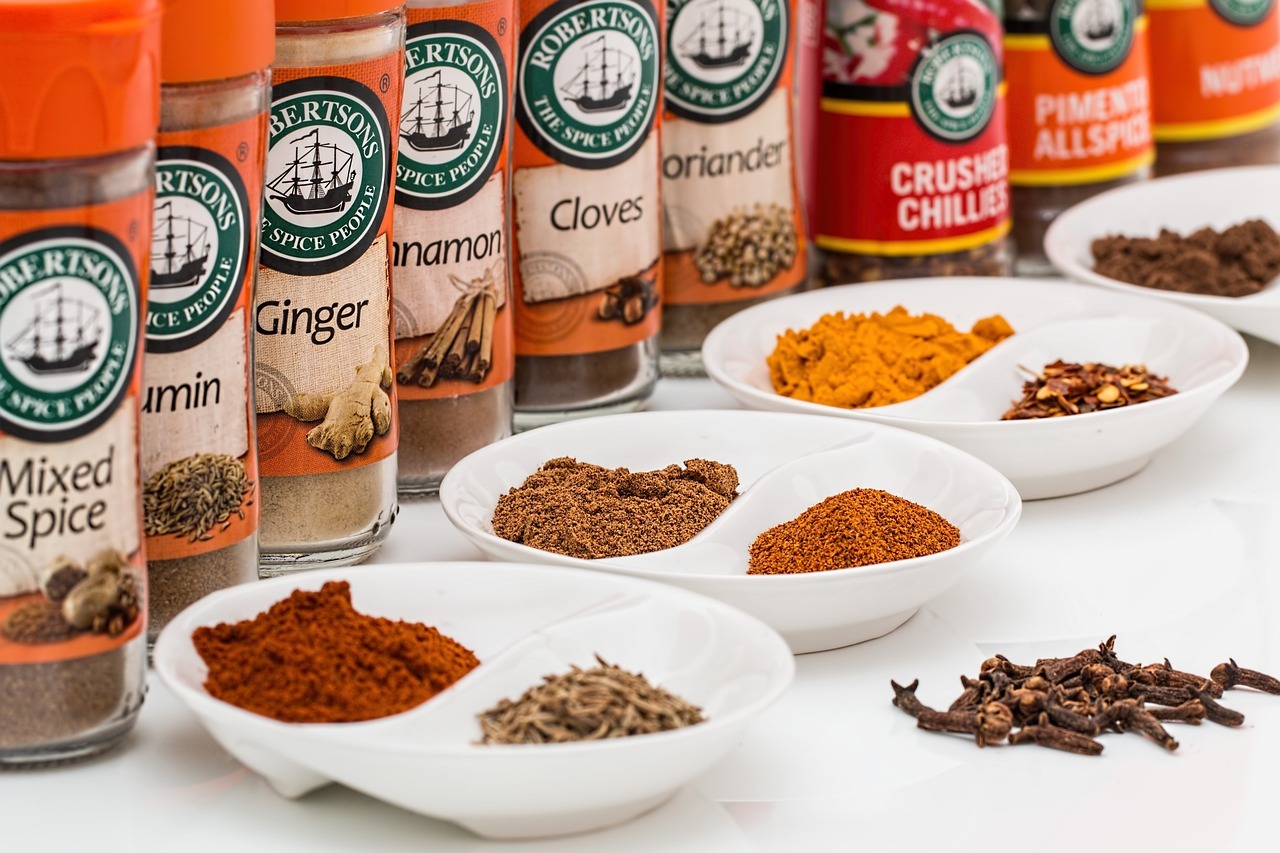
Who doesn’t have a special spot for spices at home? Whether it’s a spice rack or a full drawer, it’s easy to accumulate jars that seem to last forever. But even spices have an expiration date! Typically, they’ll keep their flavor for about 1 to 3 years, though it varies by type. It’s a good idea to check the labels and give your spice stash a refresh every now and then.
Certain cooking oils
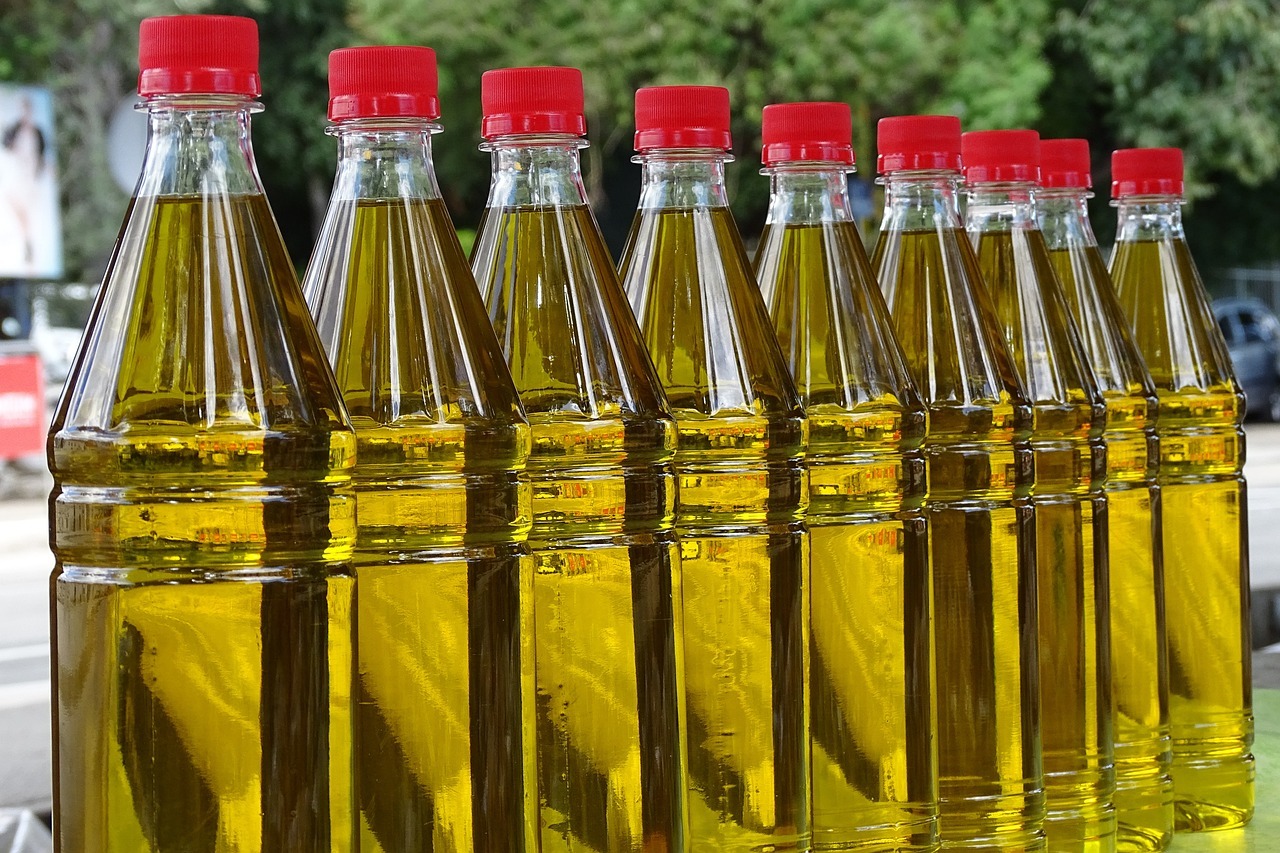
It’s easy to think of cooking oil as a long-lasting pantry staple, and you might even stock up in bulk. But unfortunately, oil doesn’t last forever! Once opened, it’s only safe to use for about six months. Beyond that, using expired oil can pose health risks. Signs of consuming old oil can show up quickly, with symptoms like abdominal pain, nausea, and other gastrointestinal issues.
Fire extinguishers
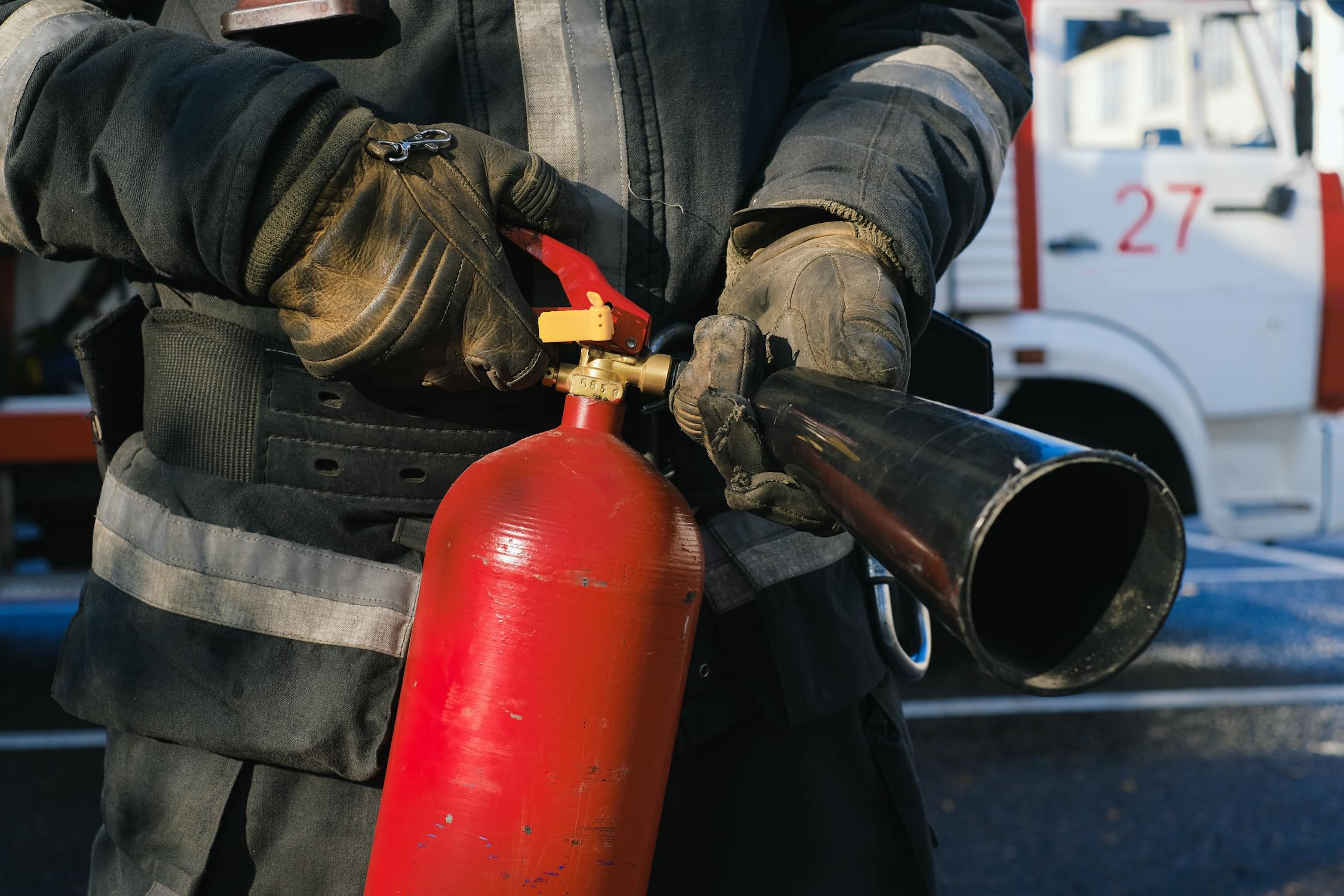
It goes without saying that fire extinguishers are crucial safety tools. In an emergency, a working fire extinguisher can make all the difference in protecting lives and property. That’s why it’s essential to check that yours is up-to-date and ready to use. When you purchase one, you’ll usually be informed of its expiration date, and some models even have a handy sticker on the front with this information.
Toiletries
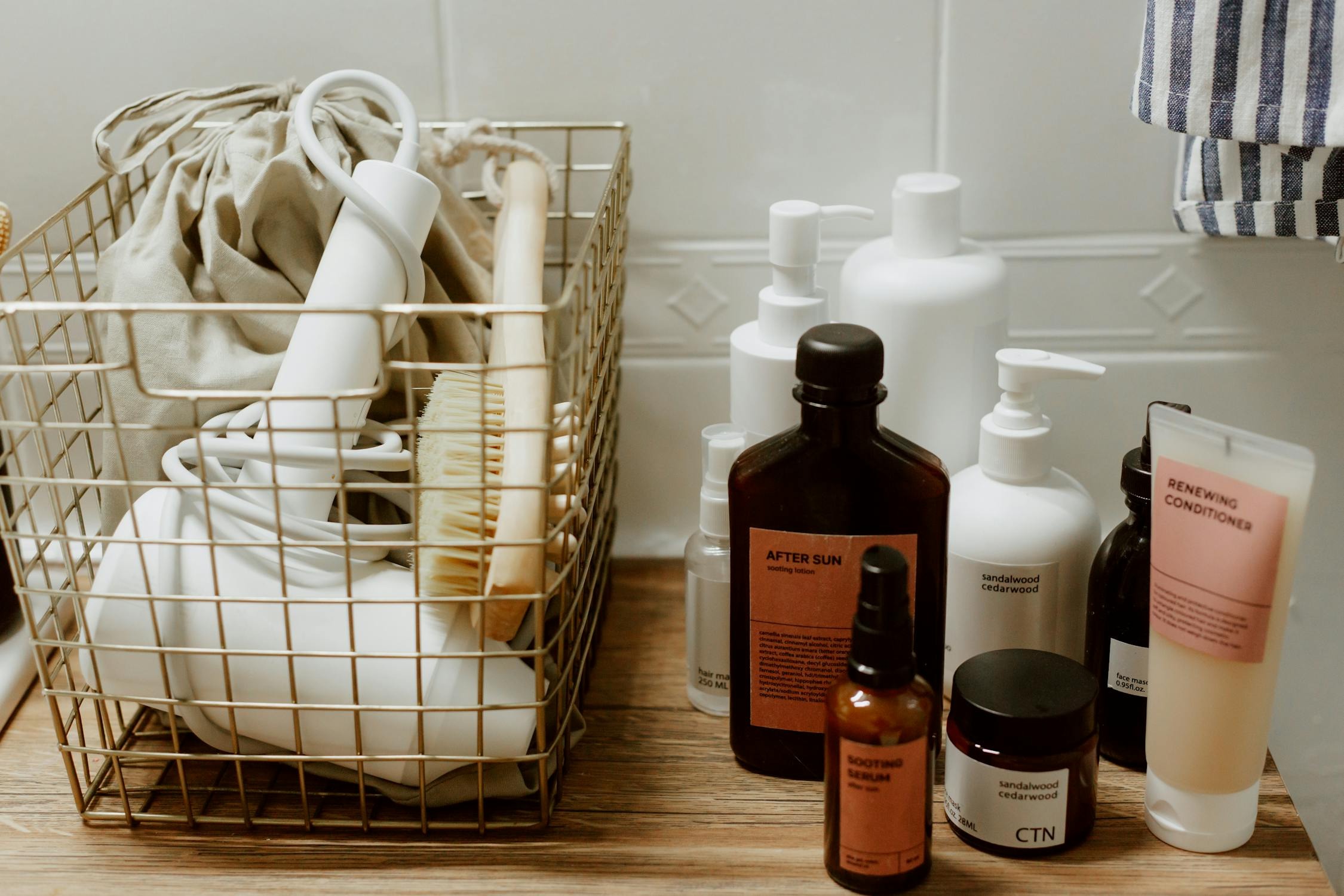
Who doesn’t have a stash of deodorants, shampoos, and hair products at home? We’re guessing you’re nodding along (and smelling fresh!) because these toiletries are household essentials. While you might get through them quickly, it’s important to use them before they expire. Using expired products can mean reduced effectiveness, and worse, they might leave you with irritated skin or greasy, dull hair.
Makeup
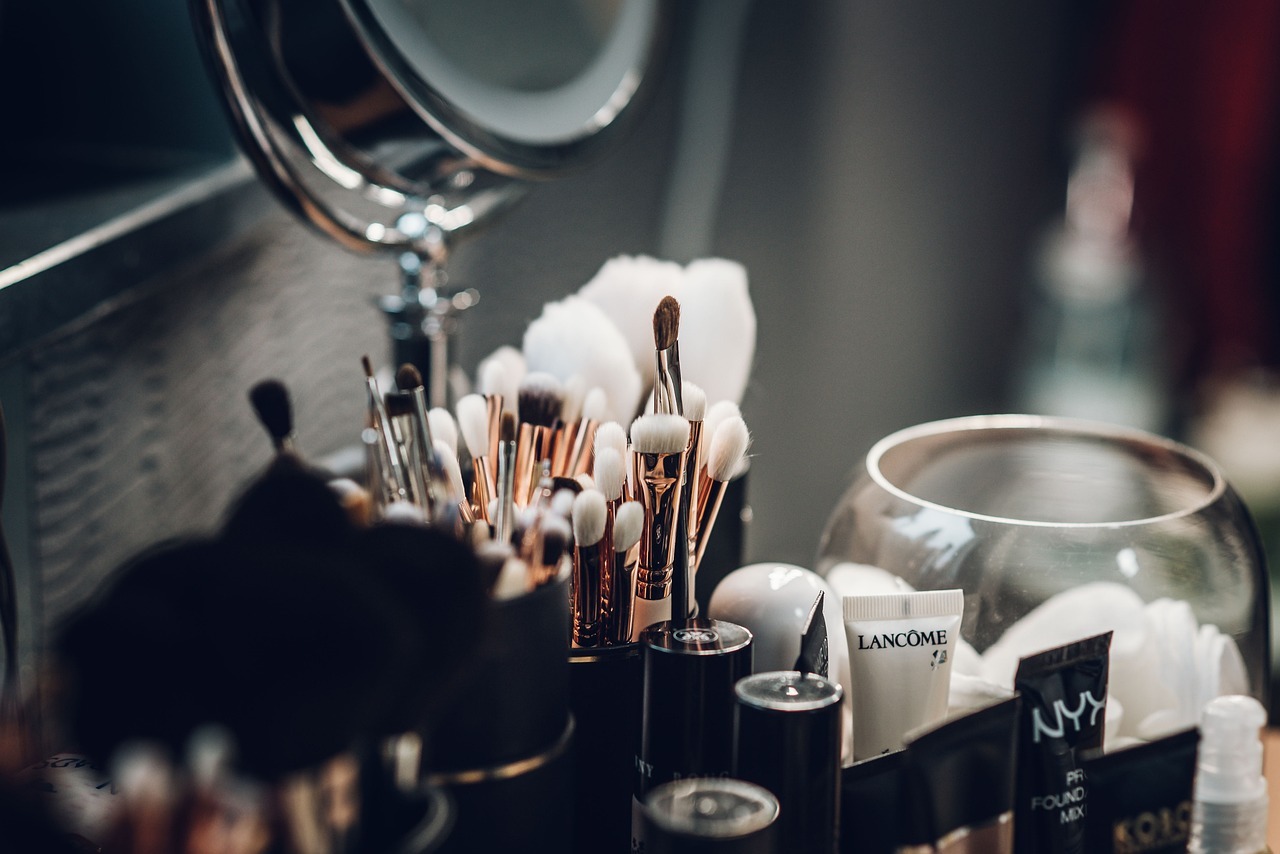
It’s no surprise that cosmetics made the list! Many of us have probably tried using expired makeup, but it’s risky business. Cosmetics can easily become a breeding ground for bacteria, especially when used with brushes and blenders. So, it’s important to clean your tools regularly and keep track of expiration dates. Using old makeup can lead to skin rashes, breakouts, and even infections—this is especially common with expired eye makeup.
Bike helmets
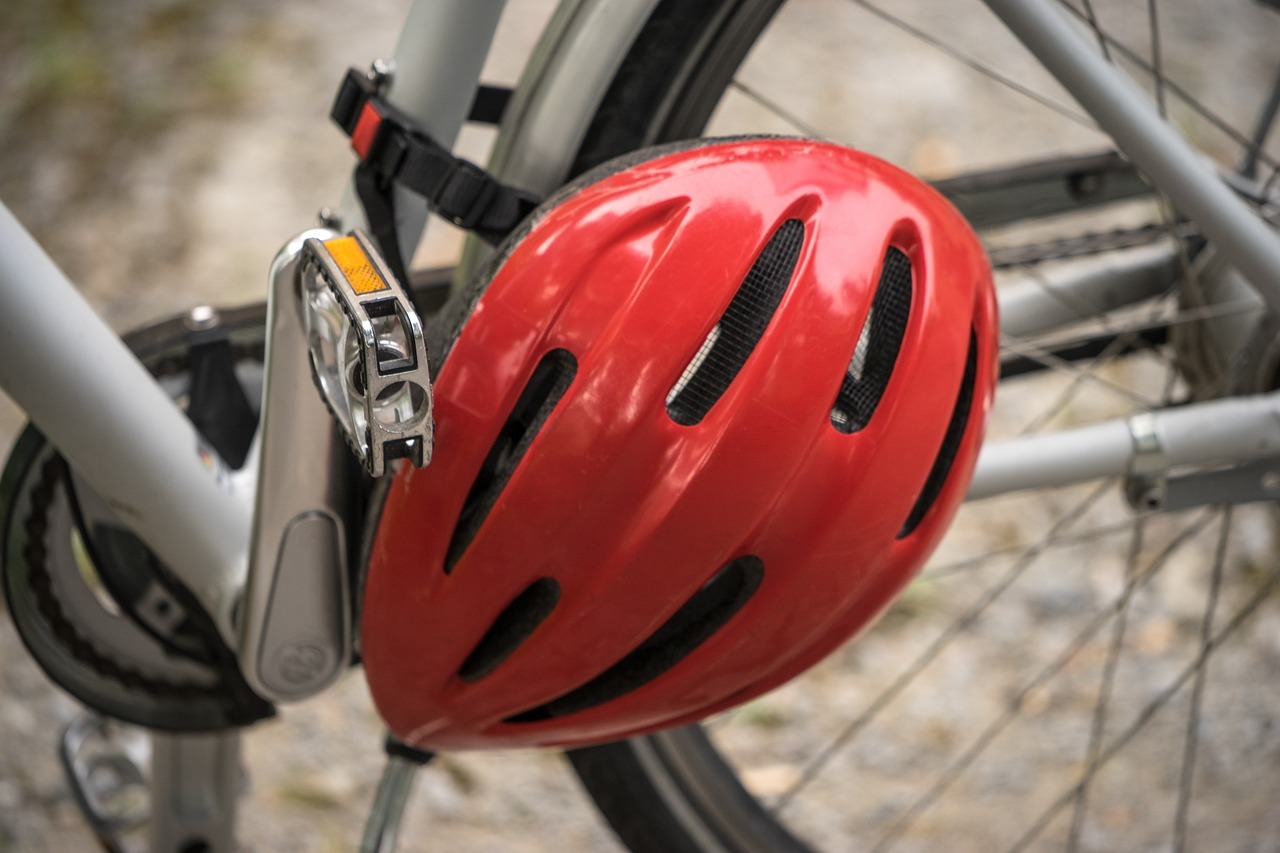
We all know that wearing a helmet is essential when riding a bicycle. Even the most skilled cyclists understand that safety comes first, whether on the road or tackling mountain trails. But did you know helmets need to be replaced periodically? Bicycle helmets have an expiration date because their protective materials degrade over time, reducing their ability to shield your head. So, it’s important to keep track of when your helmet is due for replacement.
Sponges and scrubbers
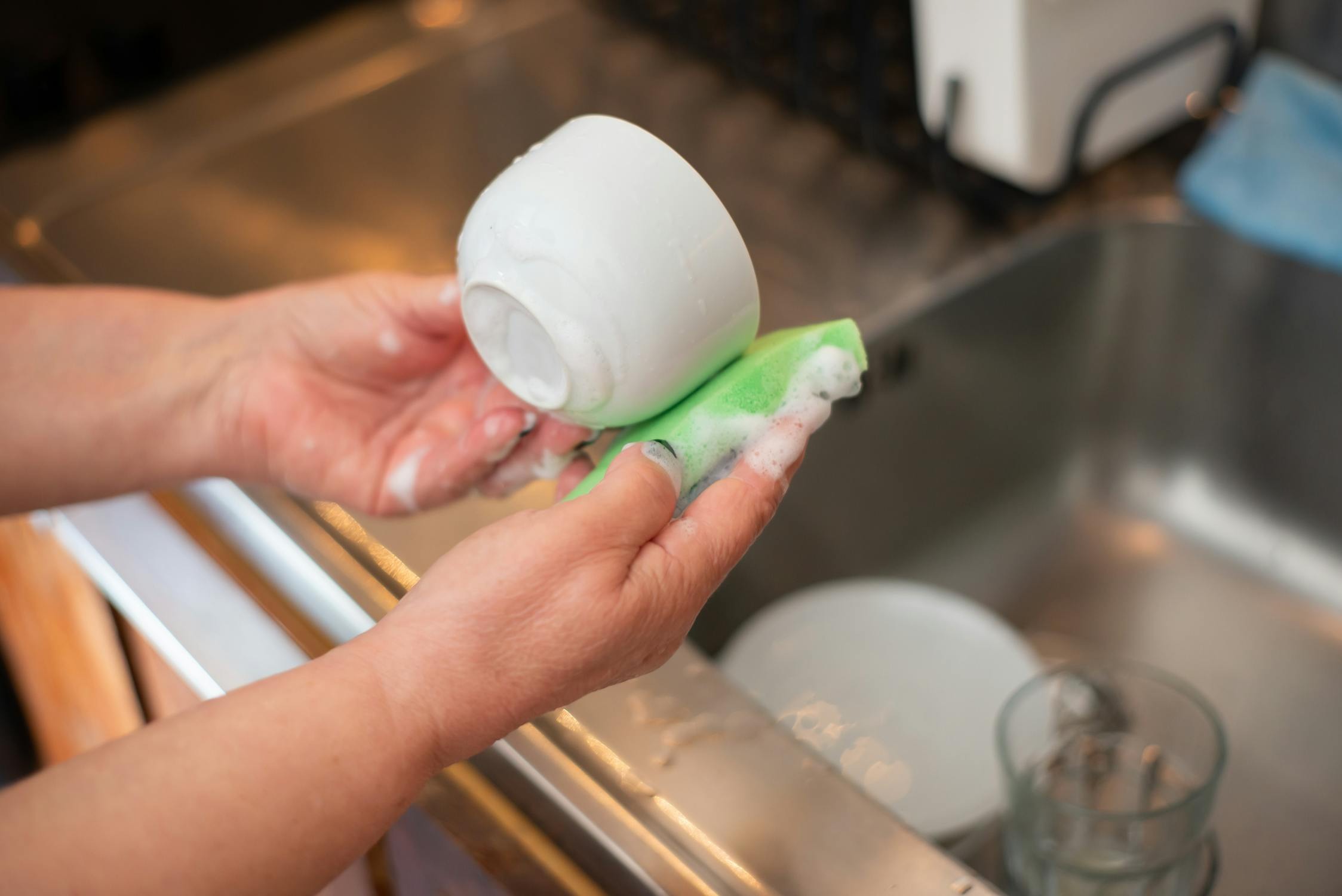
It’s easy to think of kitchen sponges as always being clean since they’re used for washing, right? But that’s not quite true! Sponges handle bacteria-laden dishes daily, then often sit damp on the countertop until the next use, making them breeding grounds for germs. To lower the risk of exposure to E. coli and other harmful bacteria, it’s recommended to replace your kitchen sponge at least once a month—or even more often.
Pillows
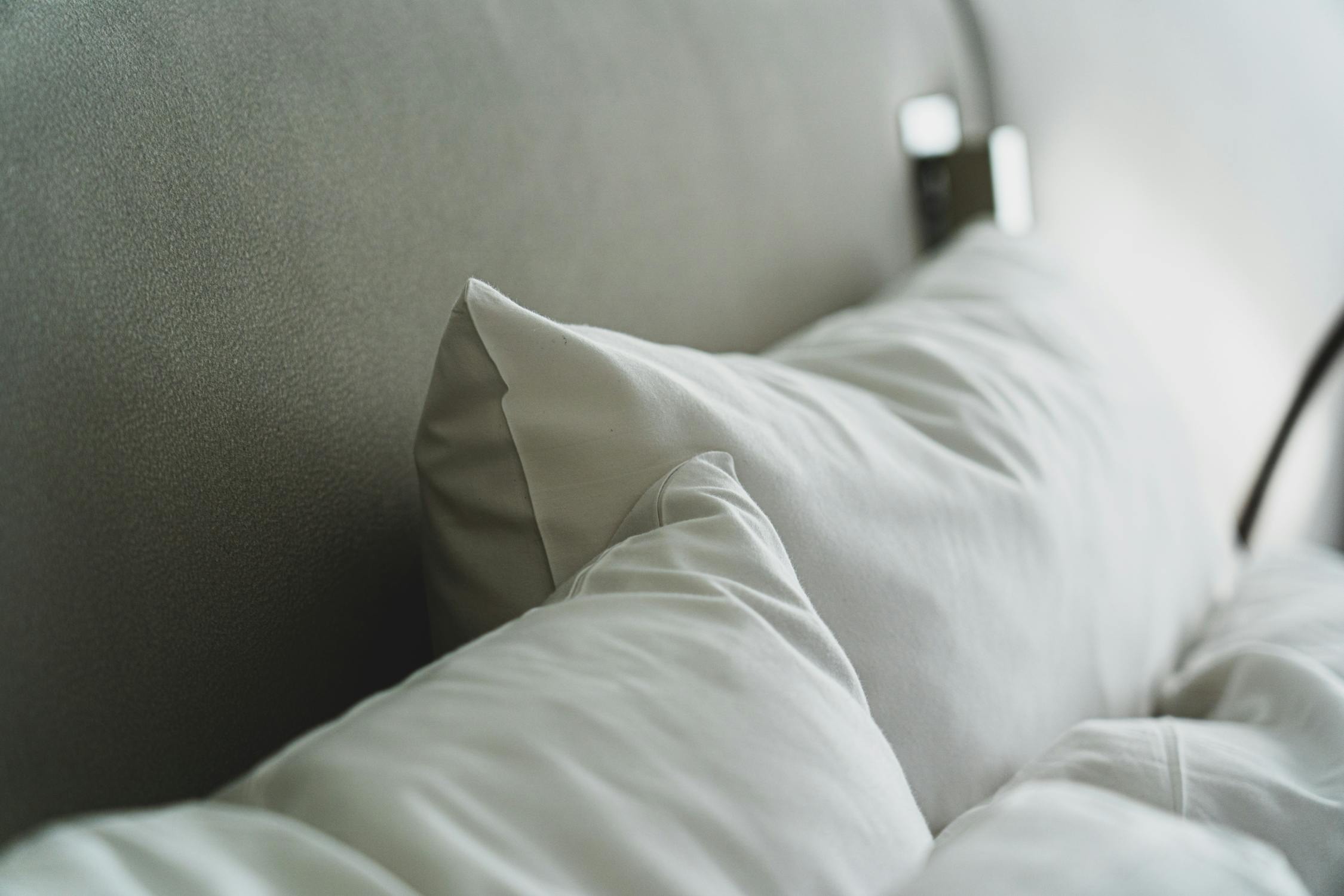
Chances are, you spend at least eight hours every night on your pillows, leaving behind sweat, drool, and skin cells. Though it sounds unpleasant, pillows can only handle so much! That’s why it’s recommended to replace them about three years after purchase. Besides the increased risk of bacteria buildup, pillows tend to lose their shape over time, so swapping them out every few years will keep things fresh and comfortable.
Shower curtains
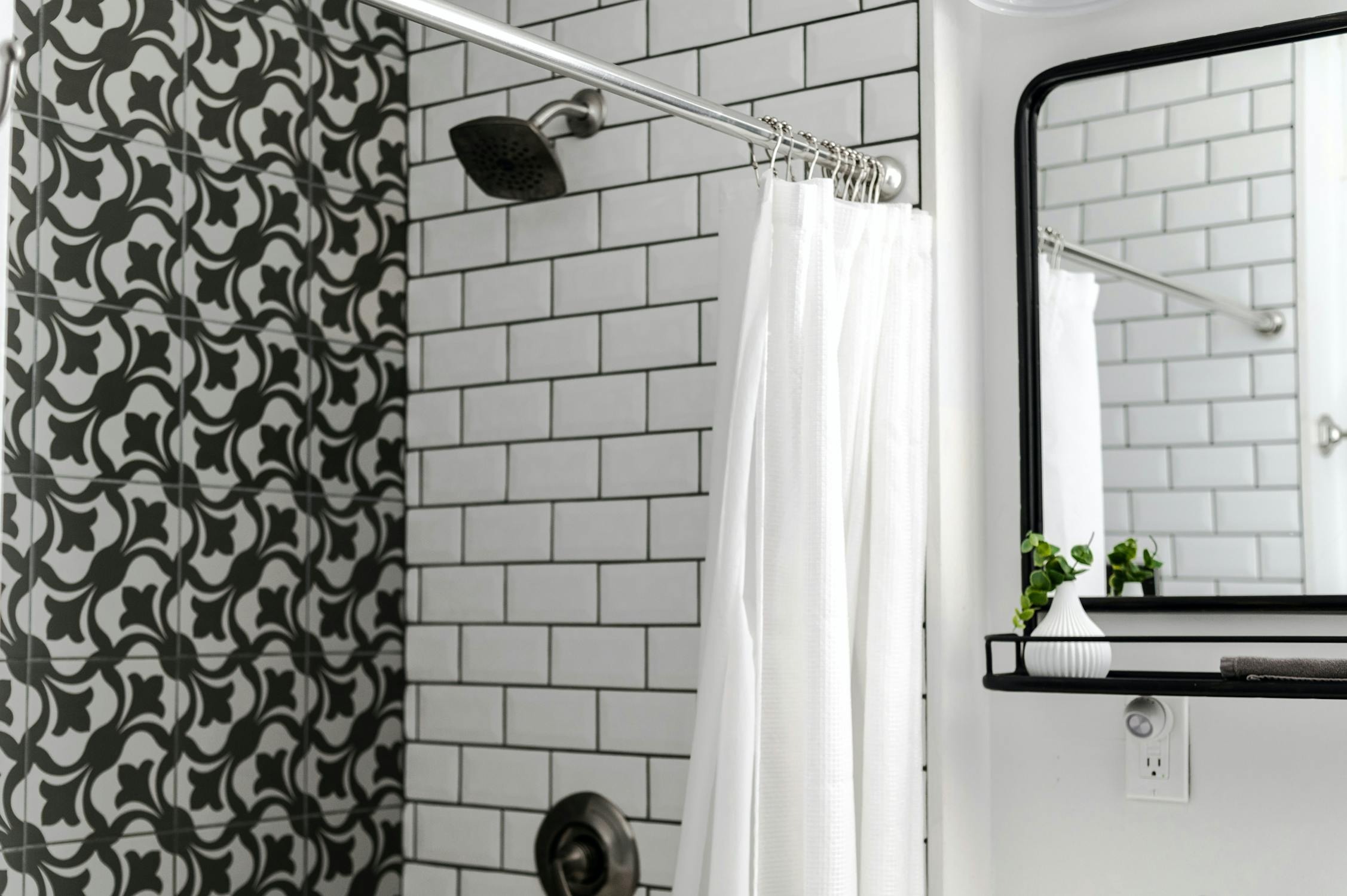
Shower curtains are a bathroom essential, offering practicality and privacy. However, they need regular replacement due to constant exposure to water, shampoos, and lotions, which can quickly lead to mold and mildew buildup. For your health, it’s best to replace your shower curtain when you notice discoloration that regular cleaning can’t remove. When that happens, it’s time for a fresh one!
Toothbrushes
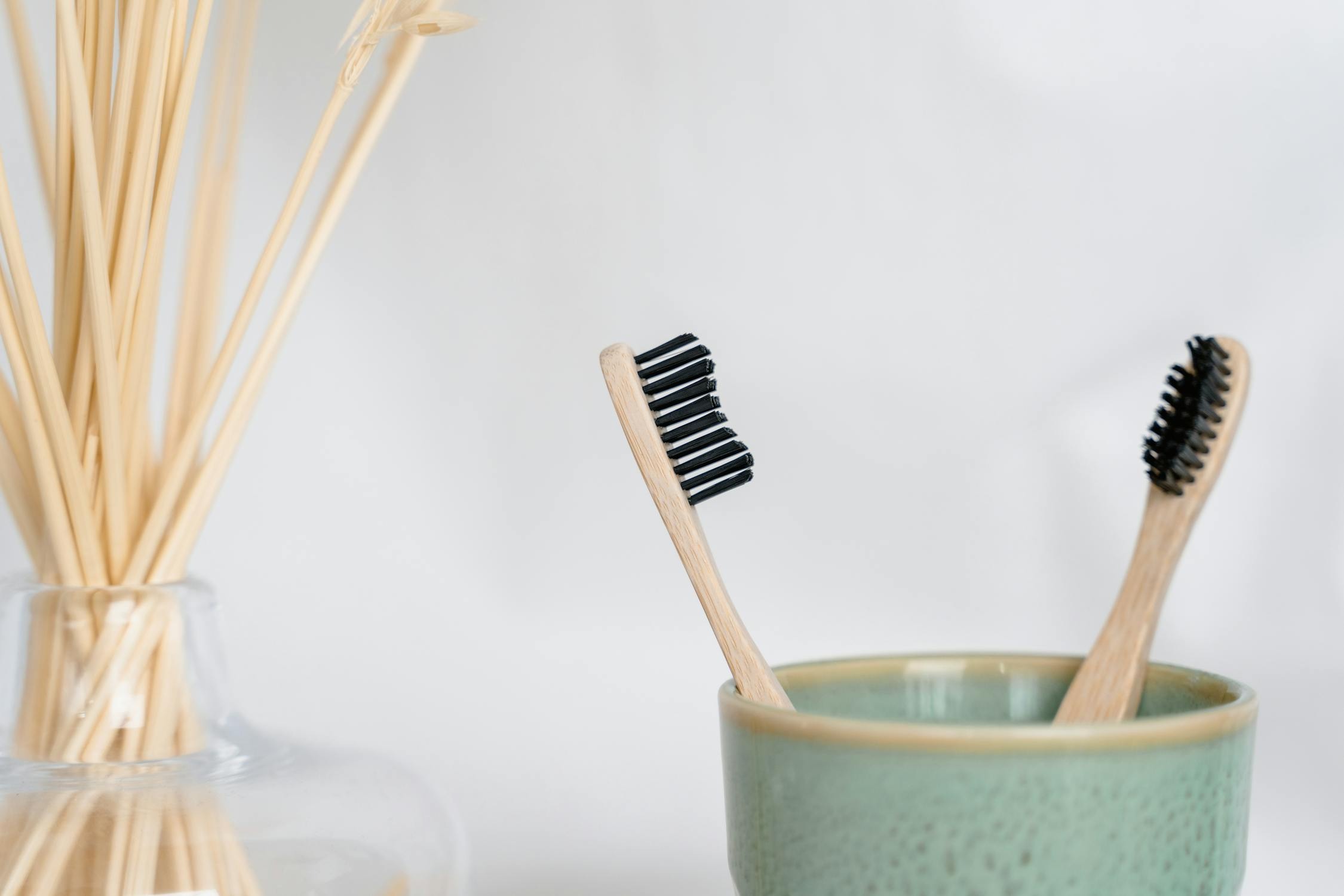
When you think about it, regularly swapping out your toothbrush makes a lot of sense. Toothbrushes are constantly exposed to bacteria, toothpaste, and water, and without proper drying, that bacteria can multiply. Using a bacteria-laden toothbrush could lead to frequent mouth and tooth infections. While each toothbrush is different, it’s generally recommended to replace yours every three months—or sooner if you’re experiencing infections.
Sandals
Chances are, you’ve got sandals and shoes tucked away that have been around for years. While it’s great to hang on to a favorite pair, it’s worth remembering that even sandals have a shelf life. Over time, shoes lose their cushioning, grip, and support, making them uncomfortable and less safe. You may also notice weakened buckles and straps, which can be risky. Experts suggest replacing sandals yearly, or at least keeping an eye on the tread and support as they wear down.

Coffee
If you can’t start your day without a steaming cup of coffee, you’re not alone! That first caffeine boost is magical, so it’s no wonder you like to keep coffee stocked at home. Just be careful not to overstock, as coffee does expire—especially fresh beans. Coffee beans retain their full flavor for about a month before they start to lose potency, so if you like your coffee bold, aim to finish what you have before buying more.
Skillets
Anyone who’s bought a new frying pan knows they’re an investment—not exactly cheap if you want good quality! Even so, frying pans don’t last forever. Experts recommend replacing them every 3-5 years to ensure they’re in top shape, especially non-stick pans, as their coating eventually wears off. When this happens, not only does food start to stick, but it can also impact the taste of your meals.
Glassware
Many households treasure glassware that’s been around for decades, and if it’s still intact, why not keep it? However, cracked glassware is a different story. Not only is it potentially dangerous—it could shatter with a single slip—but it’s also a health risk. Cracks can harbor bacteria, making them unsanitary for regular use. For safety and hygiene, it’s best to discard cracked glassware.
Flour
No kitchen is complete without flour! Whether it’s for baking bread or coating fried chicken, you likely have some on hand. But have you checked the expiration date? Staying on top of flour’s shelf life is crucial, as expired flour can be a health risk. Typically, it lasts about six months to a year. After that, it may start to develop mold—definitely not something you want in your next batch of fried chicken!
Bug repellent spray
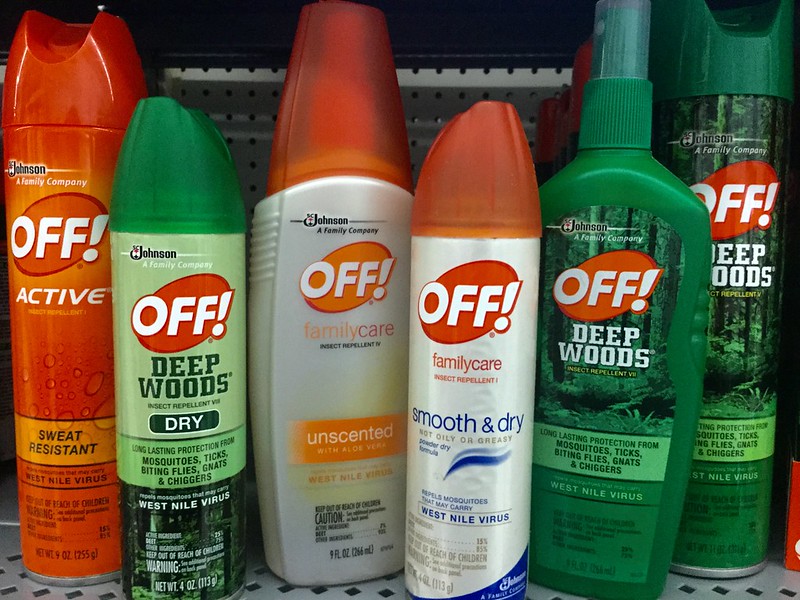
If you live in a bug-heavy area, bug spray is likely your go-to defense. You may even have a whole stockpile ready for the summer! While that’s smart, it’s important to use bug spray before it expires. Bug spray generally has a two-year shelf life, after which it loses effectiveness—so even if you don’t check the date, you’ll know it’s expired when it stops working.
Baby pacifiers
Pacifiers can be a lifesaver for parents, calming children and helping toddlers drift off to sleep. But while they’re essential for families with young kids, pacifiers don’t last indefinitely. Along with regular cleaning, they should be replaced at least once a month. Latex isn’t meant for long-term use, especially when chewed on, as it can eventually crack and create a breeding ground for bacteria.

Batteries
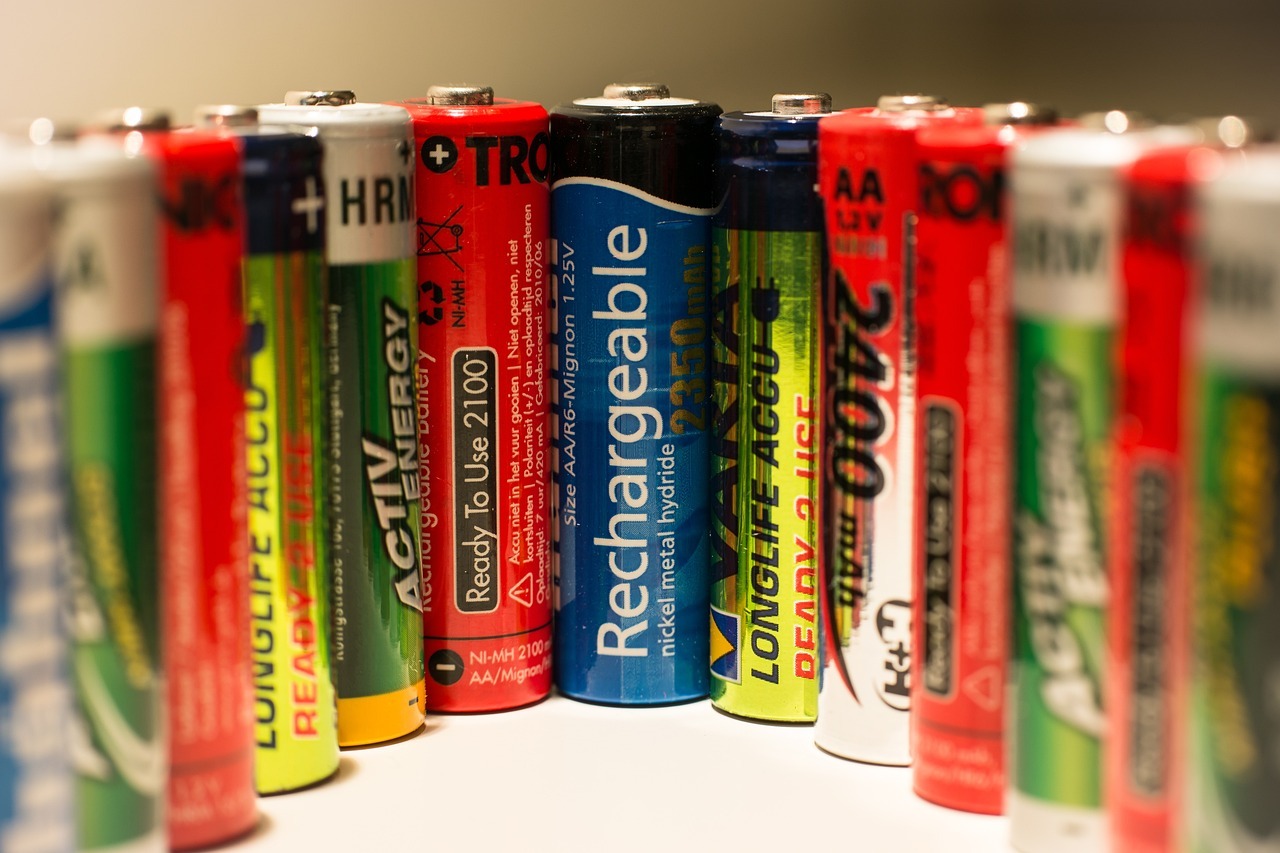
When you buy a pack of batteries, chances are you’re not checking the expiration date—maybe you didn’t even realize they had one! But every battery pack includes a recommended replacement date, and it’s important to stick to it. Ignoring it can lead to battery corrosion and acid leakage, which can damage your electronics. Plus, leaking battery acid can cause skin irritation and burns, so it’s best not to risk it.
Mattress
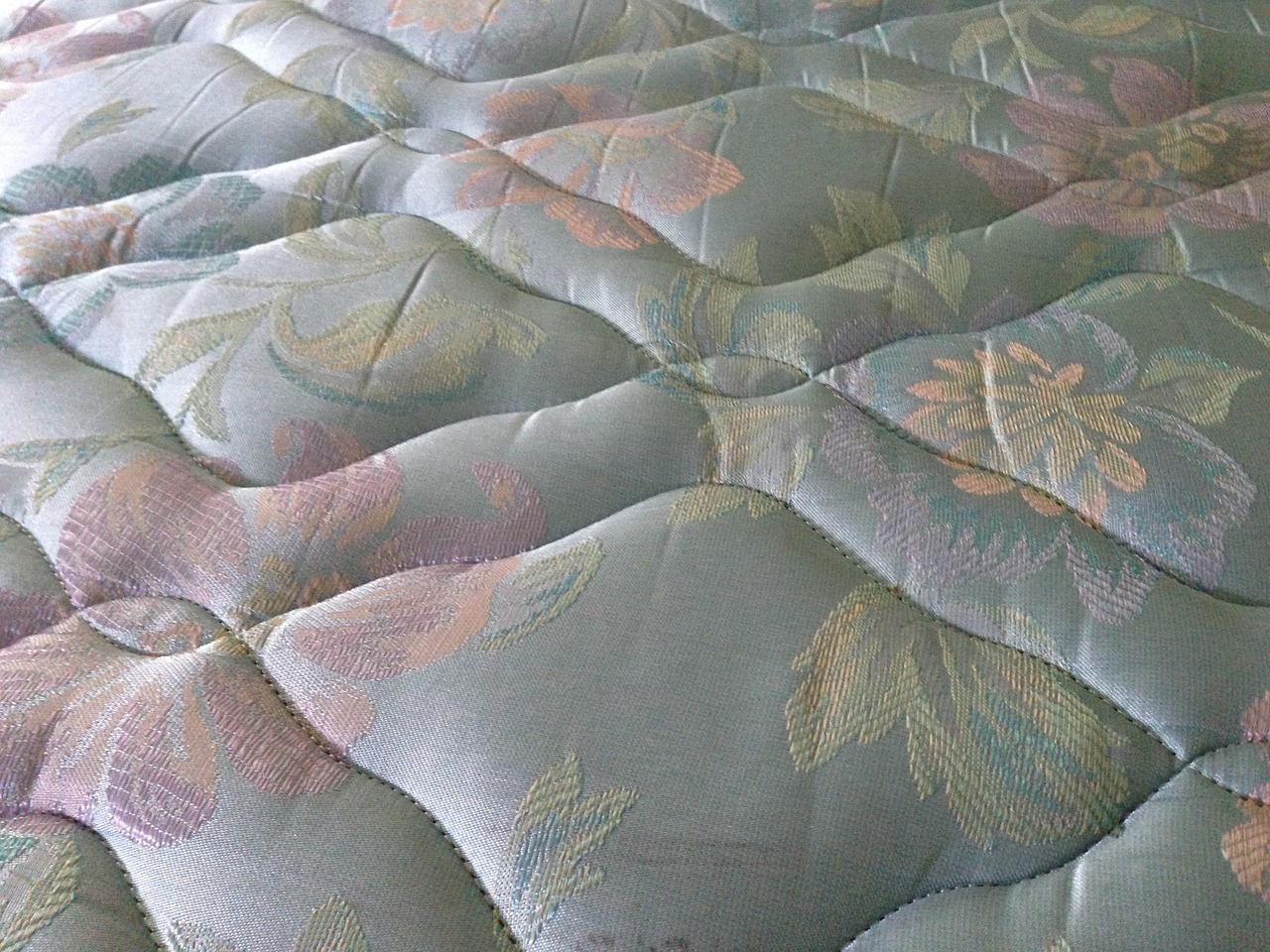
We all know how essential a good mattress is—it helps you sleep soundly and provides much-needed support, especially for a sore back. While it’s great to enjoy a quality mattress, it’s equally important to know when it’s time to replace it. Generally, mattresses should be swapped out every eight years. An aging mattress can lose its firmness and support, becoming lumpy and potentially leading to poor sleep and even back or neck pain.
Washing machines
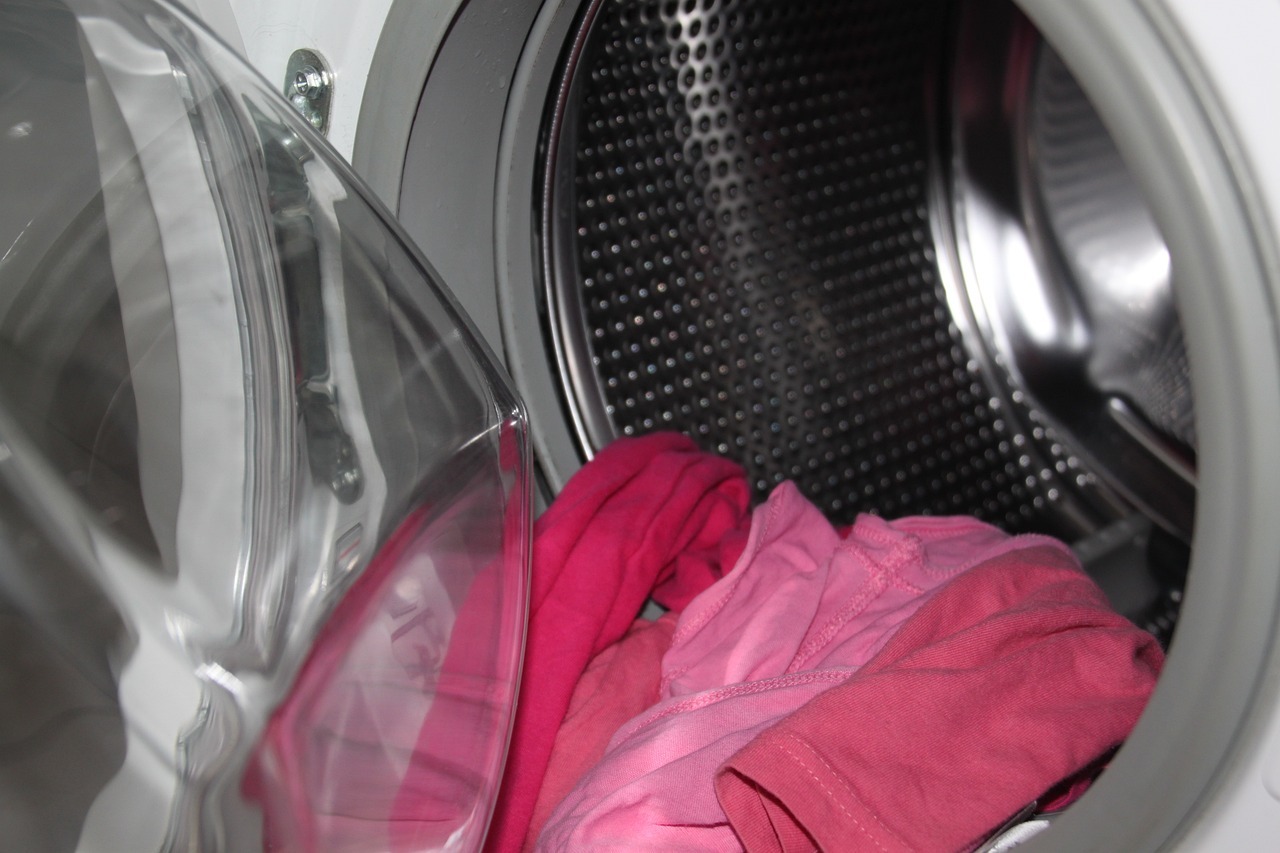
A washing machine is no small investment, so naturally, you want to get the most out of it. While it’s great when a large appliance lasts, it’s also important to remember that washing machines have their own expiration. As they age, their performance declines, and they can even become a fire hazard. Experts recommend replacing your washing machine every eight years to ensure it’s both efficient and safe for your home.
Shower gel
If you’re firmly on team shower gel over soap, here’s something to keep in mind. While it might not take you three years to finish a bottle, shower gels do expire three years after purchase. This is useful to remember if you’ve got a stash from holiday gifts waiting to be used! Once expired, shower gels may develop an odd smell and won’t lather as well. So, be sure to enjoy them in time!
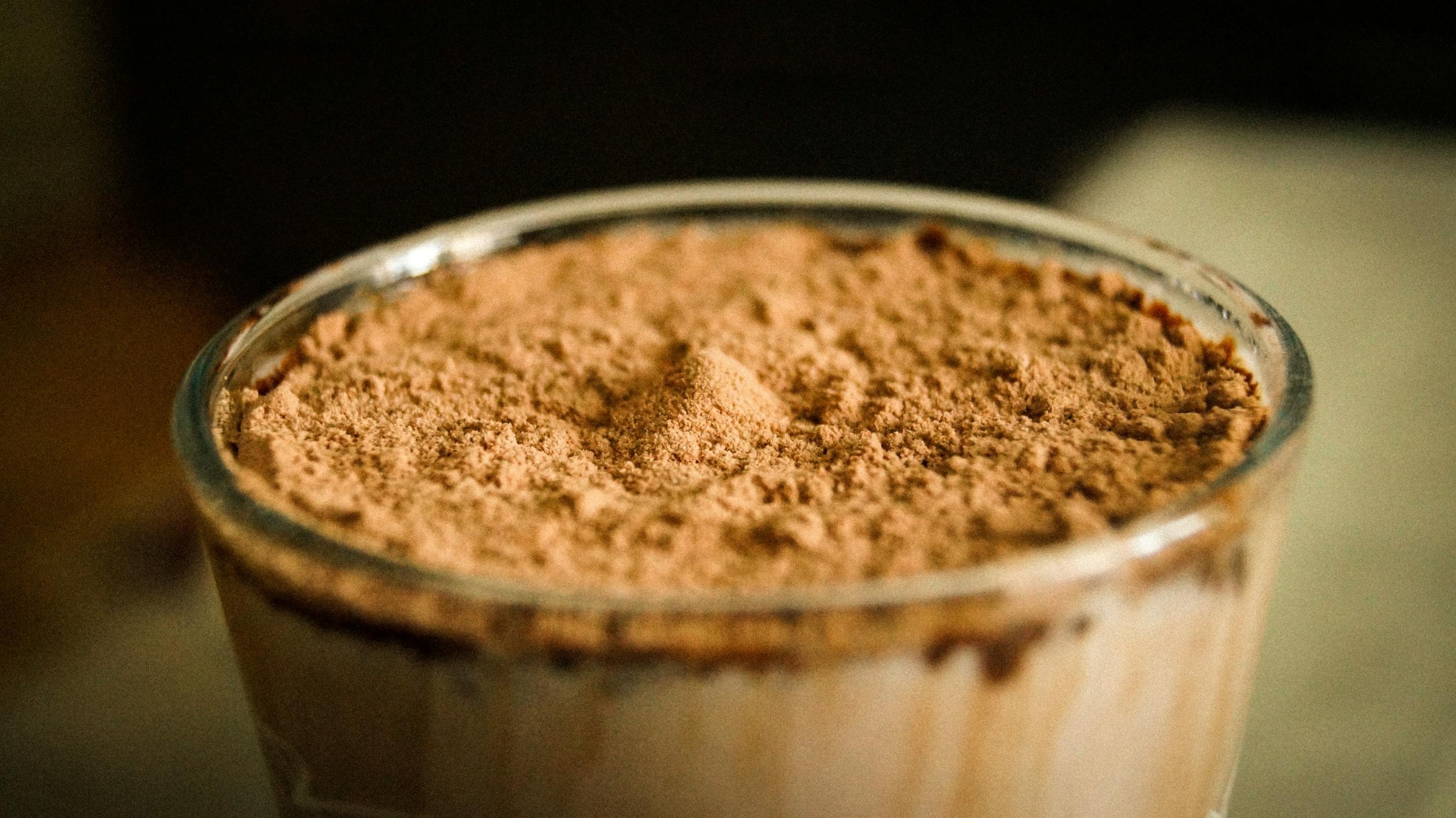
Protein powder
Protein powder is a relatively recent but hugely popular addition to the world of food and supplements. From bodybuilders to vegan athletes, many use it to boost protein intake, as it’s easy to digest and often adds great flavor to shakes and smoothies. However, protein powder does have an expiration date—and it’s not very long. After two years, unused protein powder can become stale and form hard clumps, so keep this in mind if you’re not using it regularly.
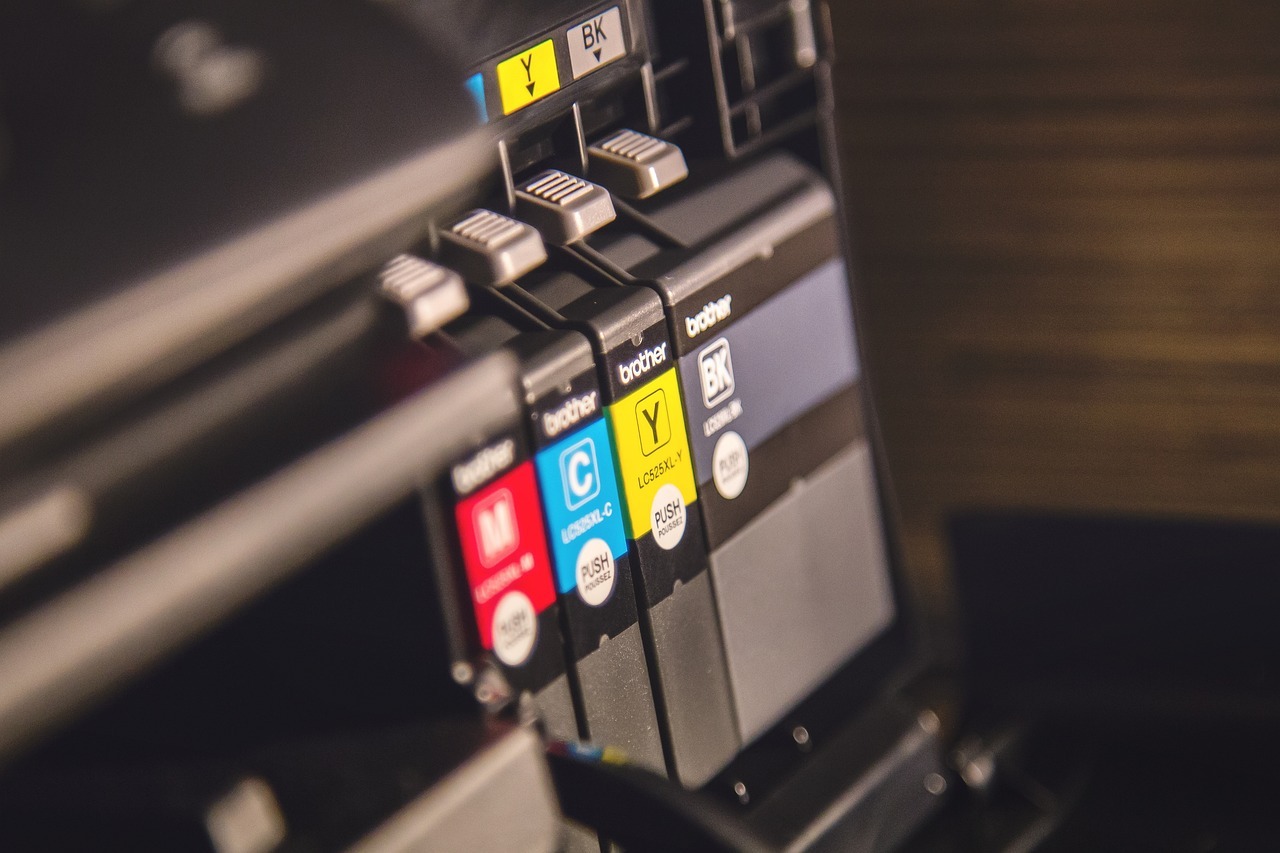
Printer ink
Buying in bulk can be a great way to save money, especially with prices on the rise. It might be tempting to stock up on items like printer ink, but this isn’t always the best move. Printer ink expires faster than you might think, and expired ink can dry out, leading to clogs and strange printouts. So, while bulk buying can be cost-effective, be cautious with items like printer ink to avoid printer issues.
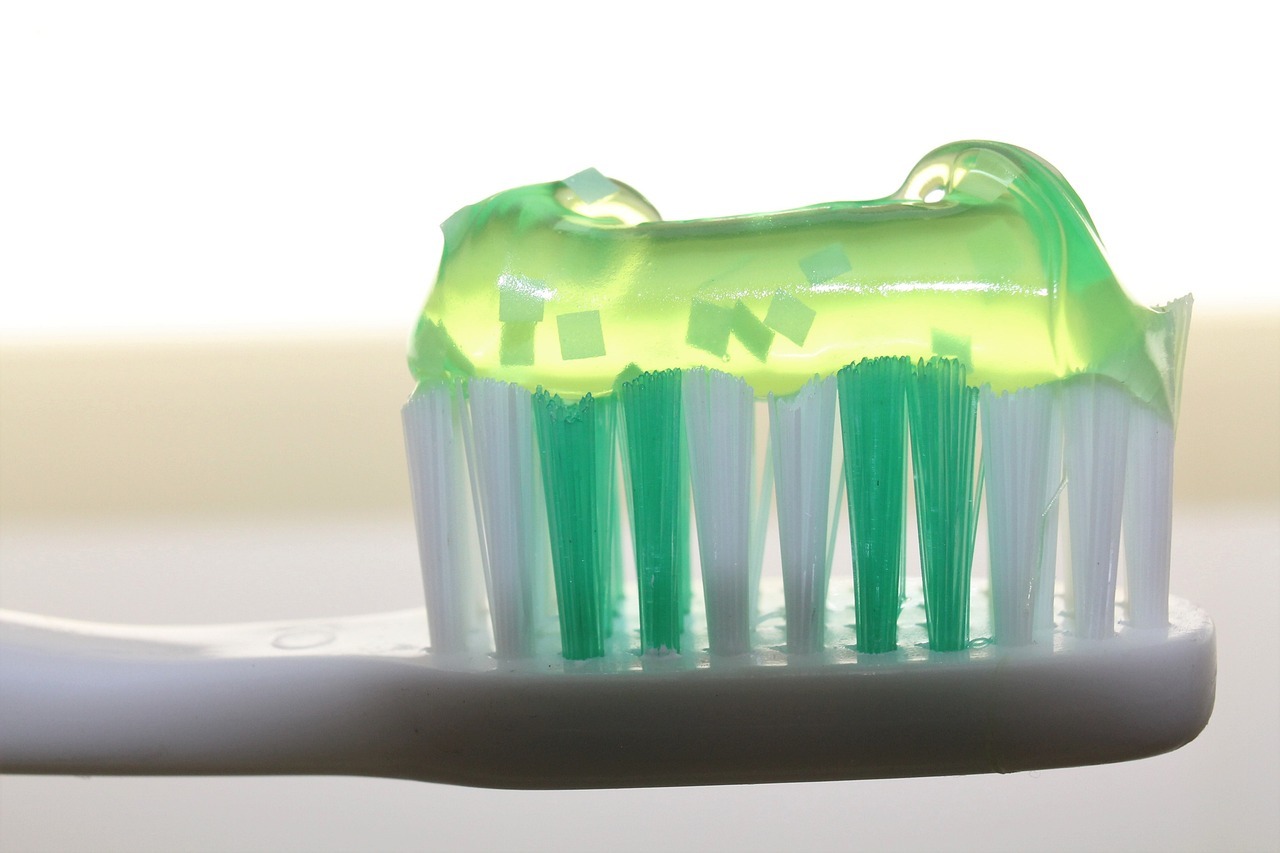
Toothpaste
If you’re brushing daily, it’s unlikely you’ll take years to finish a tube of toothpaste—you probably go through several each year. But if you like to stock up on bathroom essentials, be careful not to buy too much toothpaste at once, as it expires after two years. Expired toothpaste may look and taste off, but more importantly, the fluoride (the active cleaning ingredient) loses its effectiveness, meaning it won’t clean your teeth as well.
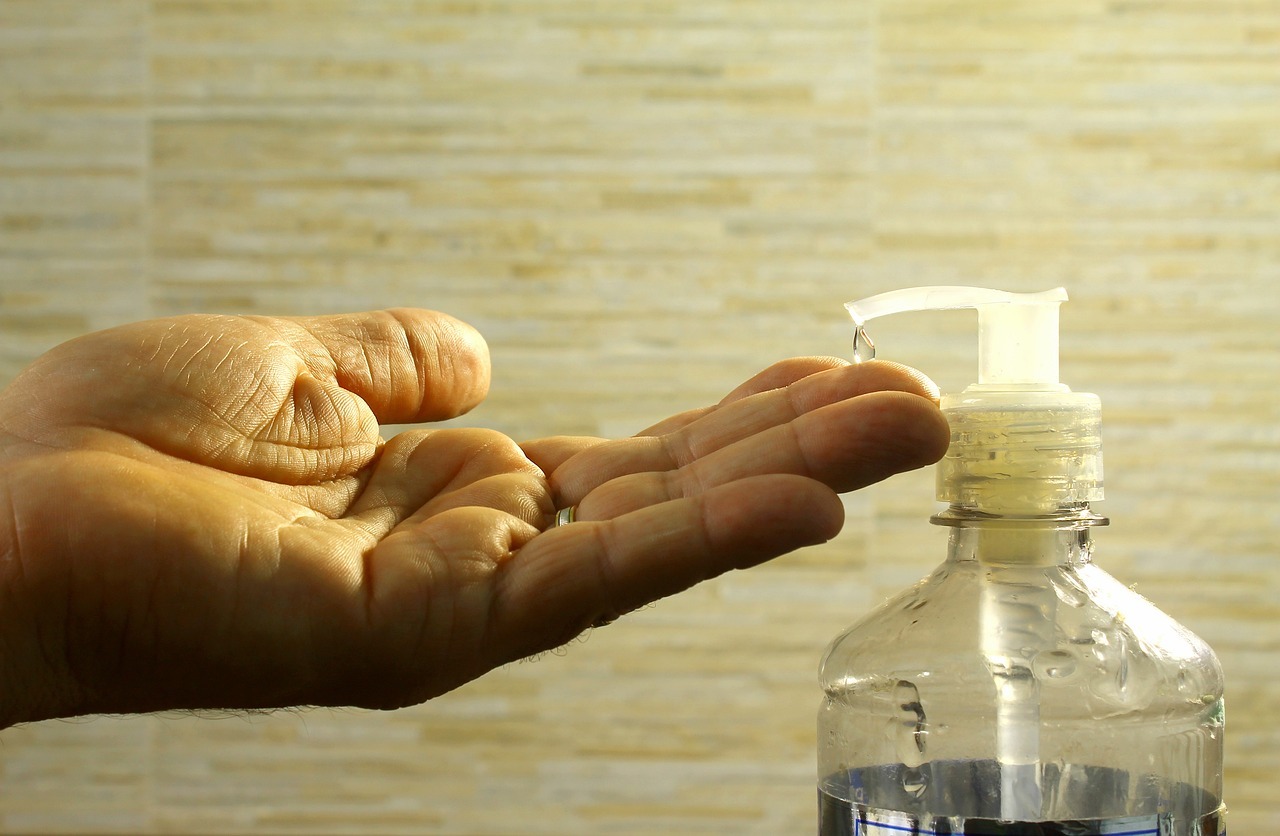
Eyedrops
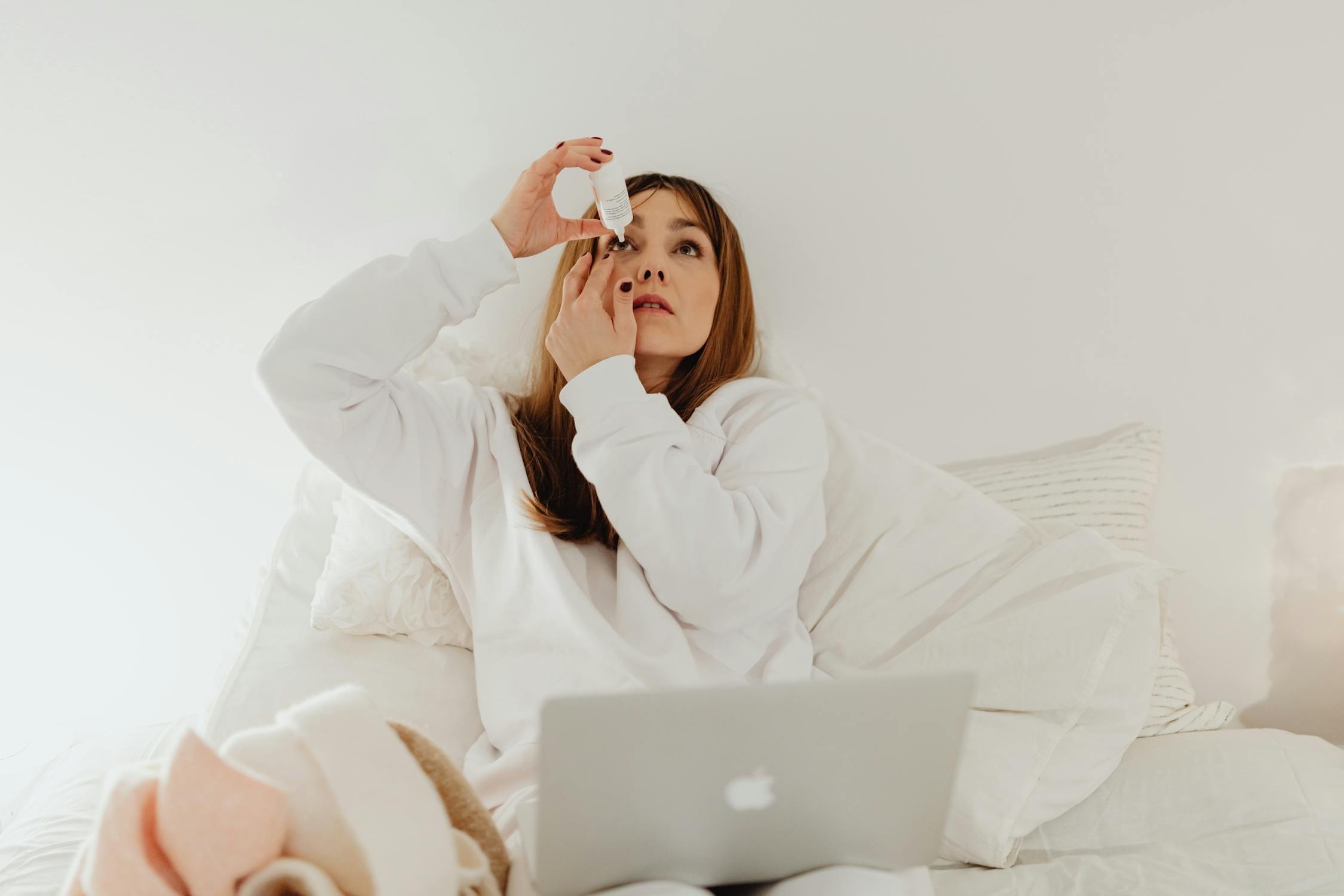
If you’ve ever bought eye drops, you’ve probably only used them briefly to soothe dry eyes or treat an infection, then stored them away just in case. However, if you have old eye drops sitting in your cabinet, it’s time to toss them! Eye drops shouldn’t be kept for more than four weeks. Using expired drops may reduce effectiveness and could even lead to bacterial infections, which might require—you guessed it—new eye drops!
Boxed wine
Is there anything better than a big box of wine? Whether it’s stored in the fridge or cupboard, one key thing to know is that boxed wine isn’t like bottled wine. While a bottle can age gracefully for decades, boxed wine doesn’t last nearly as long. It’s best to drink it within 6 to 8 months, as many boxes contain bisphenol, which can pose health risks if consumed after expiration.

Sunscreen
We probably don’t need to remind you of the importance of sunscreen—it’s essential whether you’re on vacation or just out for a stroll. However, it’s crucial to stick to in-date sunscreen, as most expire after three years. To be sure you’re using effective sunscreen, check the bottle for an expiration date when you buy it. If it’s not visible, make a note and set a reminder to replace it on time.

Medicine
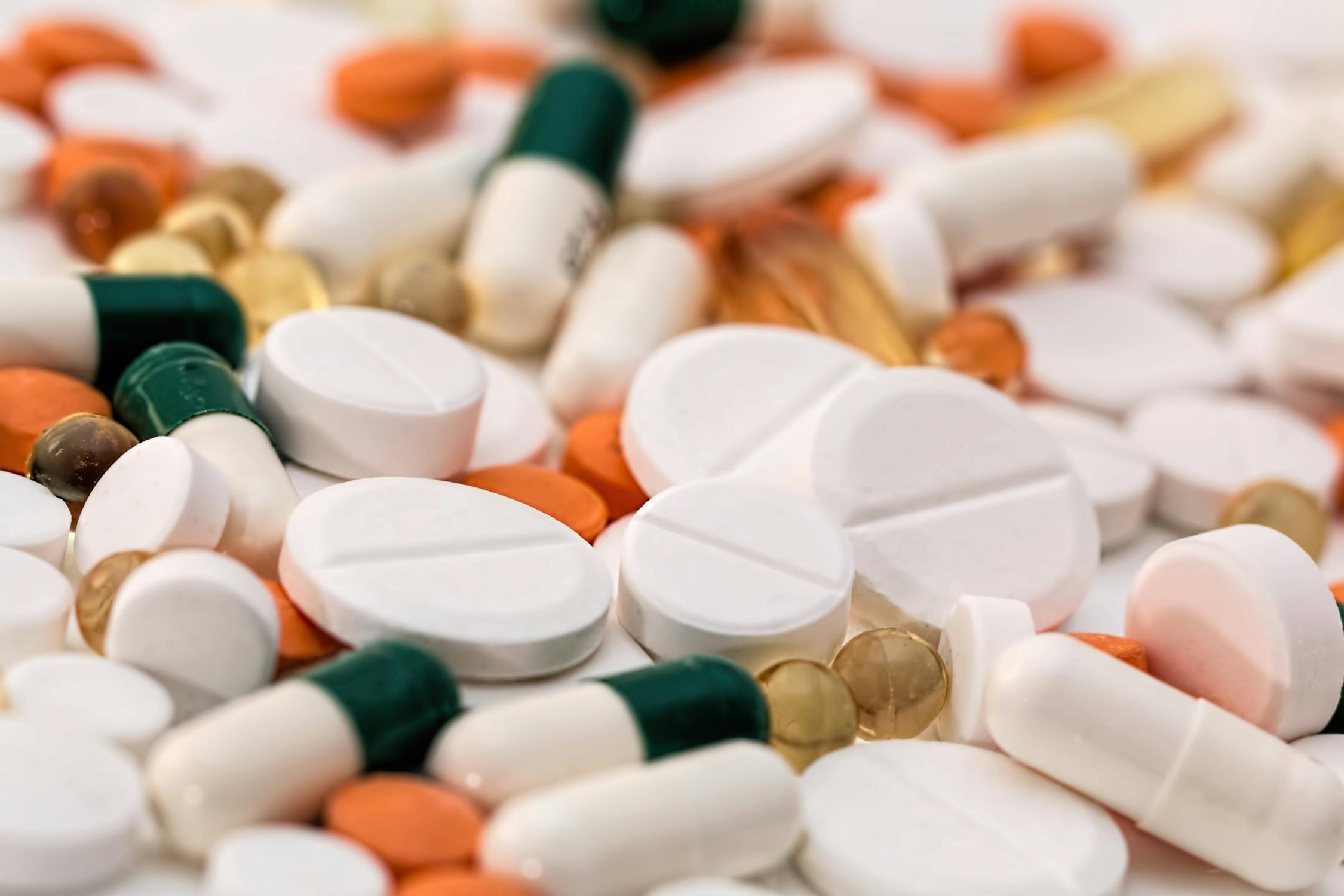
While some may ignore expiration dates, it’s essential not to take that risk with medication. Designed to treat your health issues, medicines can become dangerous if used improperly—some, like liquid antibiotics and insulin, may even turn toxic after expiring. Keeping track of your medicine’s expiration dates is crucial. When in doubt, consult your doctor for guidance; it’s not worth risking your health with expired medication.
Extension cords and cables
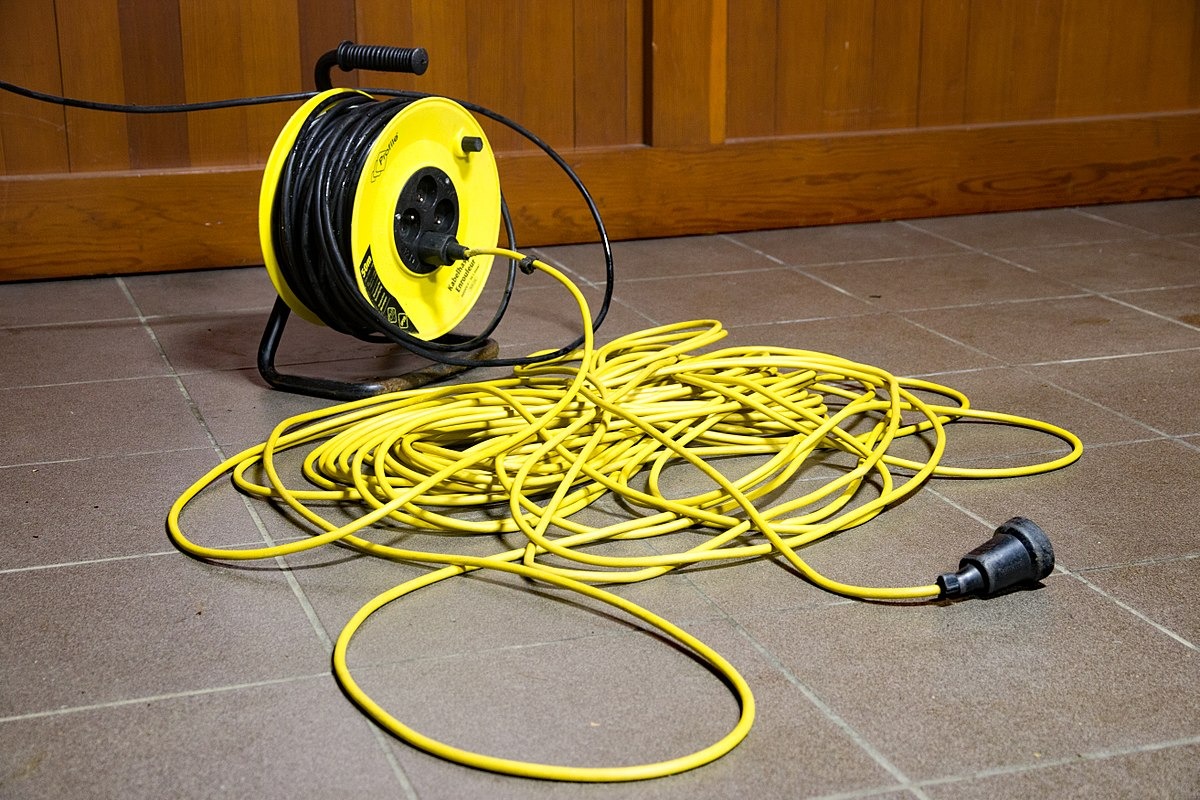
Our lives are filled with electronics, so it’s no surprise our homes are packed with cables and extension cords. While it’s easy to think they’ll last indefinitely, it’s wise to replace them every few years, especially if you notice any wear and tear. Cables that are placed underfoot or beneath doorways require extra caution—each knock or scrape increases the risk of them becoming a serious fire hazard.
Running shoes
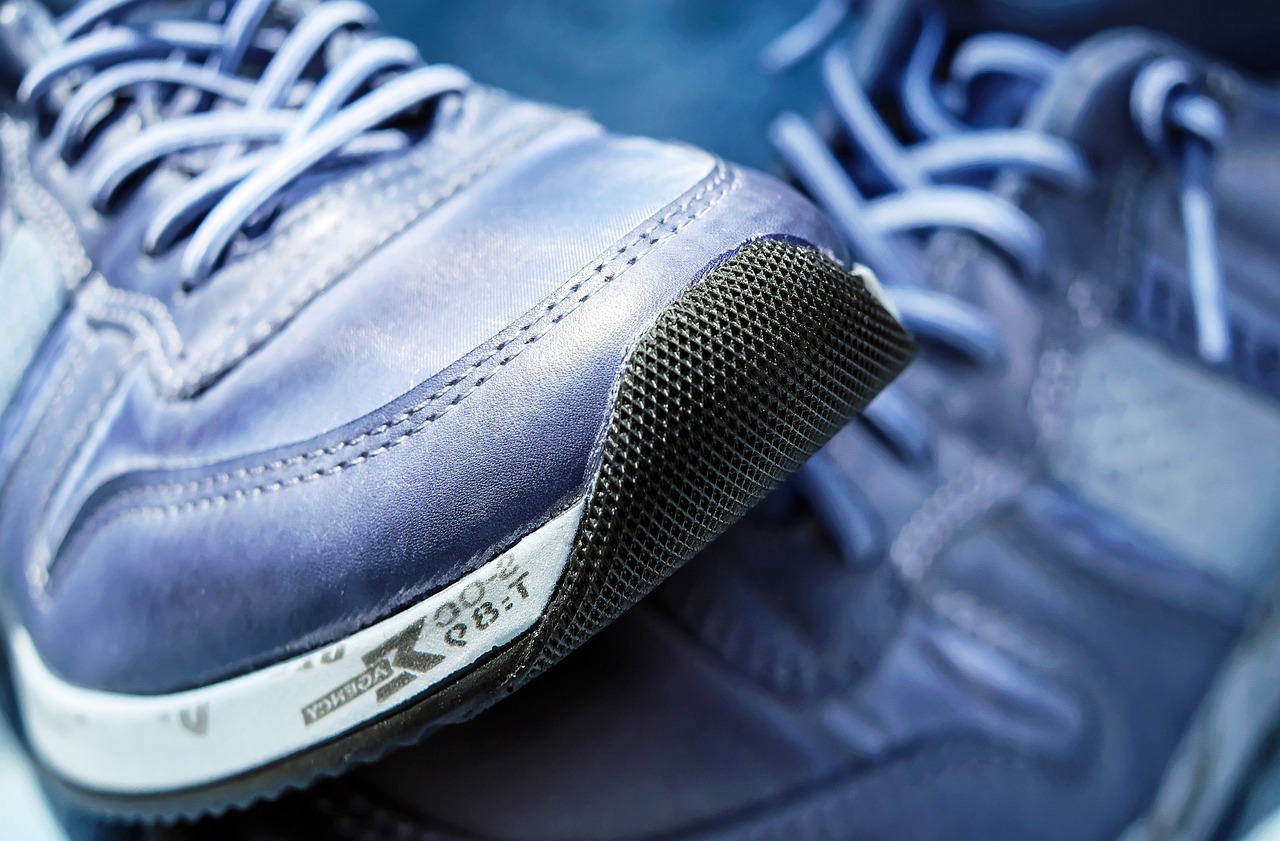
Whether you’re an avid runner or just dusting off those decade-old running shoes from your closet, it’s important to be aware of the risks that come with worn-out footwear. Over time, the cushioning in running shoes compresses, and the support deteriorates, reducing their ability to absorb impact. This might not seem critical, but worn shoes can lead to joint and muscle injuries. To avoid this, it’s best to replace your running shoes every few years.
Vitamins
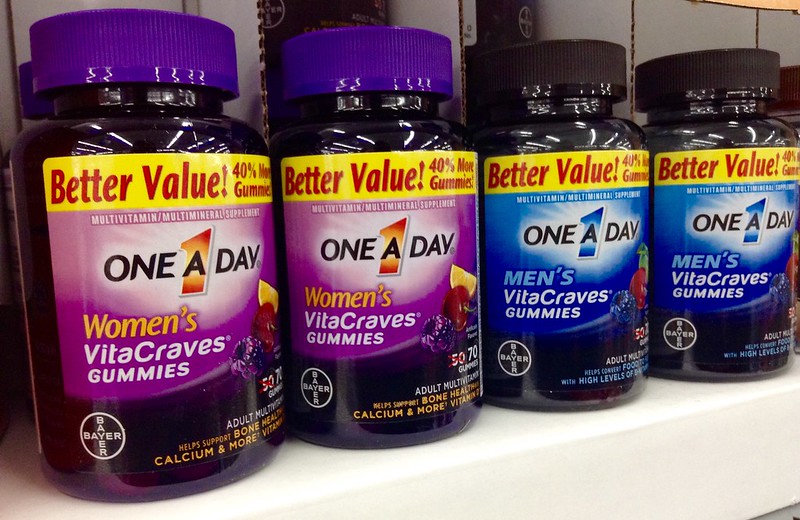
Vitamins are generally beneficial, helping to fill nutritional gaps and support your health, which is why many people take them. The only downside? They come with an expiration date. While expired vitamins aren’t harmful, studies show they lose potency over time and may not be as effective. So, it’s a good idea to periodically check your vitamin cabinet and toss any that are past their prime.
Sunglasses
Got a favorite pair of sunglasses you’ve been wearing for decades? When you find a style that suits you perfectly, it’s tough to let go. But if those sunglasses are still hanging around, it’s time to replace them! Over time, sunglasses lose their ability to block harmful UV rays, putting your eyes at risk. To keep your eyes fully protected, experts recommend replacing your sunglasses every two years. So, consider this your perfect excuse to go shopping!

Smoke detectors
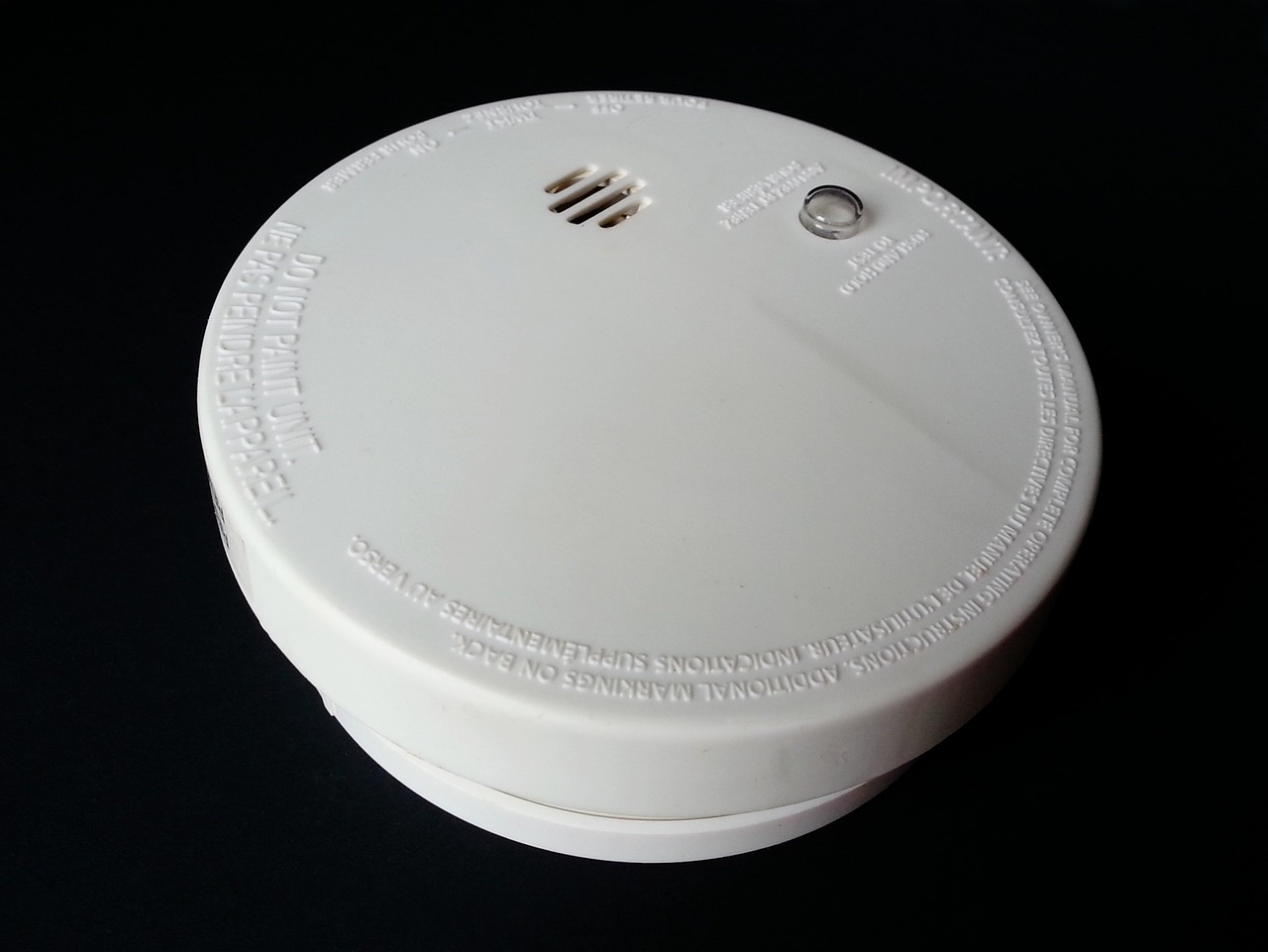
Every home should have a smoke detector—if you don’t, it’s essential to install one right away. But simply having one isn’t enough; smoke detectors have a limited lifespan. This isn’t just about battery life—over time, they lose sensitivity to smoke, reducing their effectiveness and putting your household at risk. Fire officials recommend replacing smoke detectors every 10 years to ensure optimal safety for you and your family.
Car seats
If you have children or plan to in the future, their safety is paramount. While it’s illegal to transport a child without a proper car seat, many people don’t realize that car seats come with an expiration date. Once past this date, the materials lose their protective qualities, which could put your child at risk. It’s wise to keep track of when you purchase a car seat and how long it’s been in use—especially if it’s a hand-me-down.

Please SHARE this with your friends and family.


