


Babies constantly surprise new parents, alternating between laughter and shock. From the moment they’re born, they display remarkable traits that prove they’re not just adorable, but also repositories of surprising facts. Even if you think you know your little one inside out, their astonishing abilities and quirks make you ponder about the workings of these tiny beings. Here are some of their incredible abilities to marvel at.
Born with the ability to swim

Your newborn possesses innate swimming abilities, a skill they reveal naturally. Witness it firsthand by enrolling them in swimming classes. Watch as they demonstrate techniques like holding their breath underwater and splashing playfully with their tiny arms and legs.
Be amazed at the other amazing facts about babies and newborns when you keep reading!
A newborn’s body has nearly 300 bones

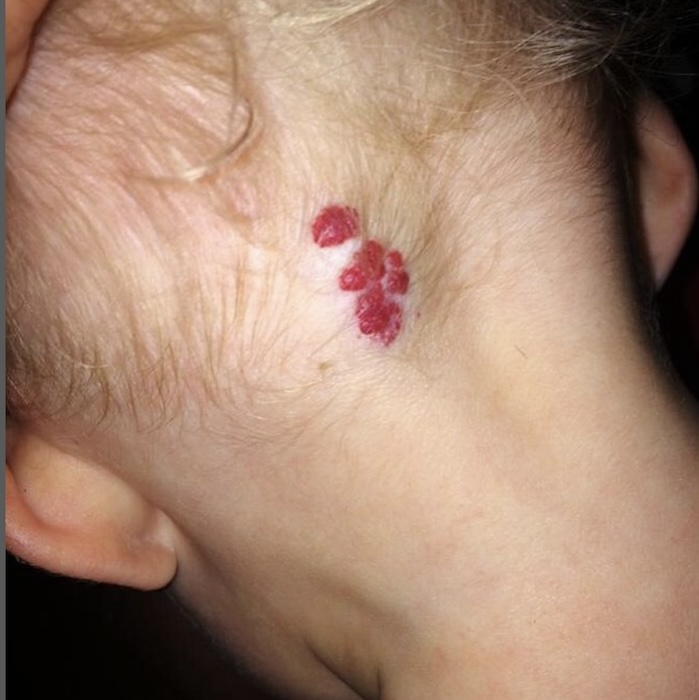
The common birthmarks
Cry without tears

Limited vision

First poop doesn’t stink

Stop breathing

Right side = Favorite

Born without the kneecaps

Unorganized sleeping pattern

Your scent is the favorite smell of your baby

Newborns are great students

Womb experiences are remembered

Fine hair falls out completely

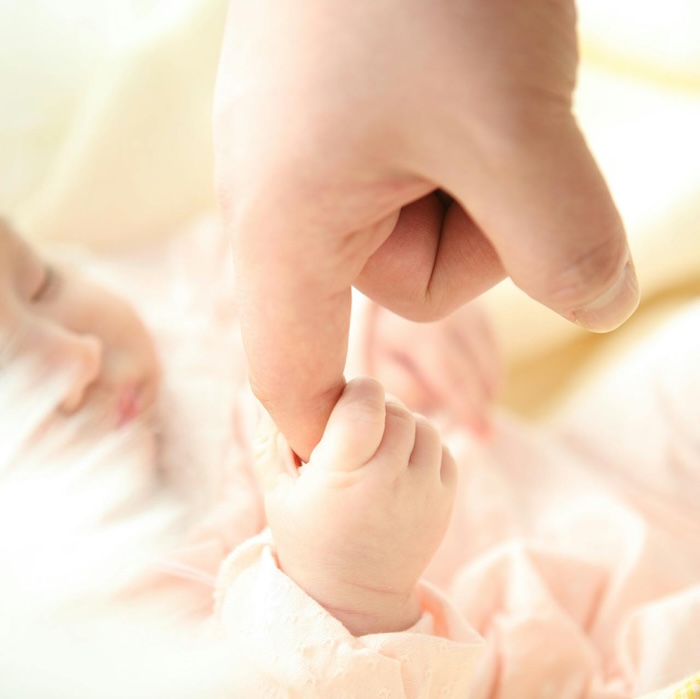
Super-strong grip
Newborns possess a surprisingly strong grip from birth, a reflex known as the Palmar grasp reflex. When you place your finger in the palm of a baby, they can grip it with significant strength, sometimes enough to support their own body weight for a brief moment. This reflex is thought to be a primal one, linking back to our ancestors who needed to cling to their mothers for safety.
Moro reflex
This instinctive reaction, also known as the startle reflex, occurs when a baby feels a sense of falling. The sudden extension and then retraction of the limbs is a protective measure. Although this reflex may look startling to parents, it’s a normal sign of a baby’s neurological development and usually fades as the baby grows.

Can breathe and swallow at the same time
Until about 7 months old, babies have the unique ability to breathe and swallow simultaneously. This is possible due to their larynx’s high position in the neck, which changes as they grow, making this dual action impossible in adulthood.

High heart rate
The normal heart rate for a newborn is between 120 to 160 beats per minute, considerably faster than an adult’s. This rapid heart rate supports their equally fast metabolism, helping to fuel their growth and development.

Sleep with their eyes open
It’s common for newborns to sleep with their eyes partially or fully open due to nocturnal lagophthalmos. While it might appear eerie or concerning to parents, it generally doesn’t affect the baby’s sleep quality or health.

Born with more taste buds
With up to 10,000 taste buds, newborns can taste a wider array of flavors than adults. These extra taste buds, located not just on the tongue but also around the mouth, begin to disappear as the child ages, concentrating the sense of taste primarily on the tongue.

Natural swimming reflexes
In addition to holding their breath, newborns demonstrate reflexive swimming movements when placed in water. These automatic actions are part of an innate survival mechanism, though reliance on them in water is not advised.

Rapid growth rate
The first year of life sees a baby tripling their birth weight and growing about 10 inches in length. This rate of growth is unmatched at any other time in life, highlighting the importance of nutrition and health during this stage.

Blue eyes at birth
The eye color of most Caucasian babies at birth is blue, due to the undeveloped state of melanin. As the baby grows and is exposed to light, melanin accumulates, potentially changing their eye color based on genetics.

Large head size
The proportionately large head of a newborn accounts for about ¼ of their body length, a feature that facilitates brain growth and development during the early stages of life.

Very flexible bodies
Newborns’ remarkable flexibility, including the ability to do splits and put feet in mouths, is thanks to their cartilaginous skeletons which are yet to fully harden into bone.

Hiccupping frequently
Frequent hiccupping in newborns is normal and helps them to expel excess air swallowed during feeding. It’s a reflex action that even occurs in the womb, preparing the diaphragm for breathing outside it.

Breathing rate
A newborn’s rapid breathing rate of 30 to 60 breaths per minute is a necessity for their high oxygen needs, supporting their intense growth and metabolic rate. This rate decreases during sleep but remains higher than that of adults.

Distinct cries for different needs
Research indicates that babies’ cries are not uniform but tailored to communicate specific needs such as hunger or discomfort. Attentive parents can learn to distinguish these cries, aiding in responsive caregiving.

Can distinguish languages
Newborns can distinguish between different languages mere hours after birth, a testament to the sophisticated auditory processing capabilities they develop in the womb. This early language recognition supports the foundation for later language learning.

Sensitive to touch
Touch is a crucially developed sense at birth, with newborns showing heightened sensitivity, especially around the mouth, palms, and soles. This sensitivity is critical for bonding and initiating breastfeeding, marking touch as an essential means of communication and learning for the infant.

Please SHARE this with your friends and family.


