


According to the World Health Organization, 422 million people worldwide have diabetes. While there are medications to help manage it, these alone can’t stop the disease from getting worse. Because of this, people with diabetes need to make major changes to their diet to keep their insulin levels in check. But what can they eat? The rules are strict, and even foods and drinks that seem healthy can be harmful. Read on for a healthier diet!
Diet Soda
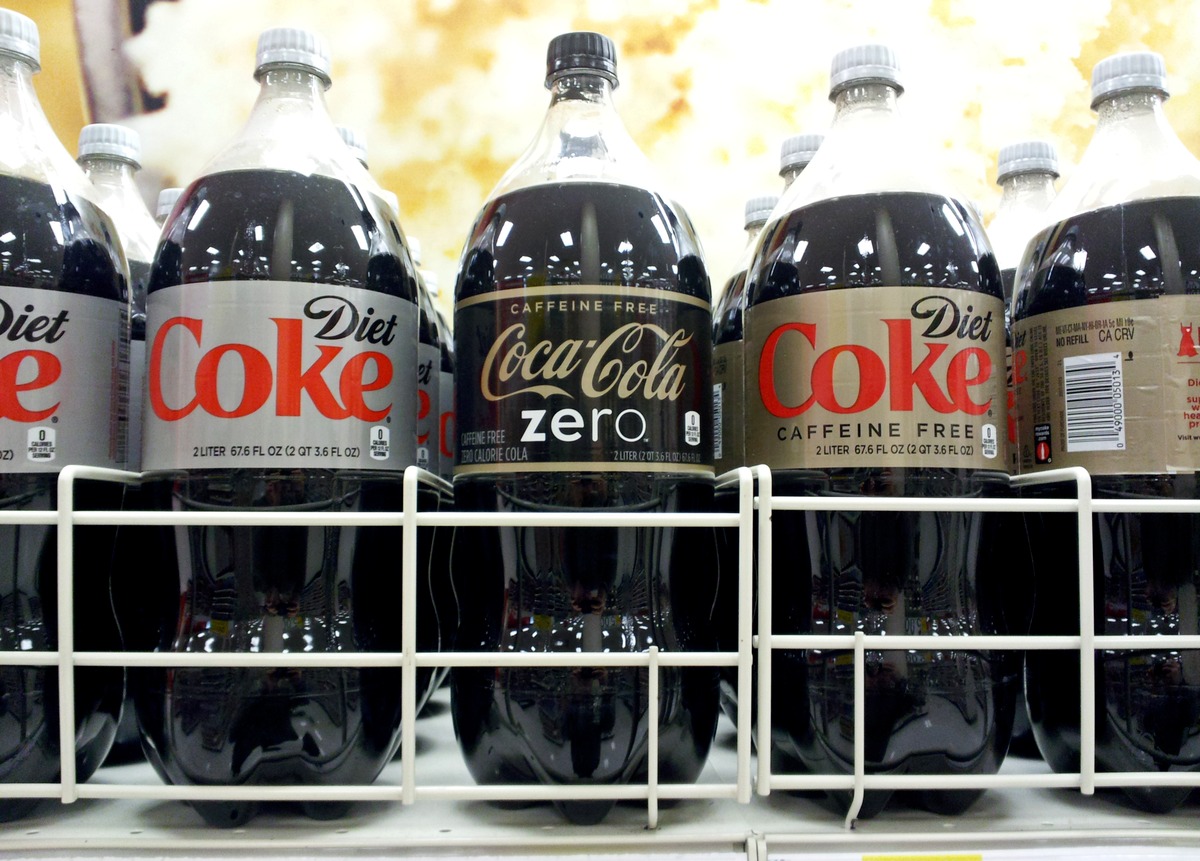
When diabetics choose between regular soda and diet soda, they often opt for diet soda. However, both options have downsides, and avoiding soda altogether is better for maintaining healthy insulin levels. The American Diabetes Association found that people who drink diet soda are 67% more likely to develop type 2 diabetes. Additionally, diet soda can increase the risk of diabetic retinopathy, which can lead to blindness in those already diagnosed with diabetes.
Artificial Sweeteners
Low-Fat Milk

Flavored Yogurt
Canned Fruits and Vegetables

Coffee

Dried Fruit
High-Salt Cheese

Fast Food
When you think of fast food, burgers and fries likely come to mind. While these foods are cheap and tasty, they can be harmful to the health of diabetics. Fast food tends to be high in saturated fat, carbohydrates, sodium, and sugar, all of which can cause spikes in blood sugar levels. Diabetics should strive to avoid these spikes and maintain healthy nutrient levels.
However, this doesn’t mean diabetics can’t eat fast food at all. Many chains now offer healthier options with lower carbohydrates and fats. It’s often possible to find a healthier alternative on the menu that fits into a diabetic-friendly diet.

Fat-Free Salad Dressing
In the food industry, we’re often encouraged to opt for ‘fat-free’ options under the assumption they’re healthier. While fat-free salad dressings do contain less fat, they often compensate with added sugars or salt. On the other hand, full-fat dressings can provide healthy fats essential for normal bodily function, as research suggests.
So, when choosing dressing for your salad, consider that the full-fat option might actually be healthier, especially for diabetics.

Cereal Bars
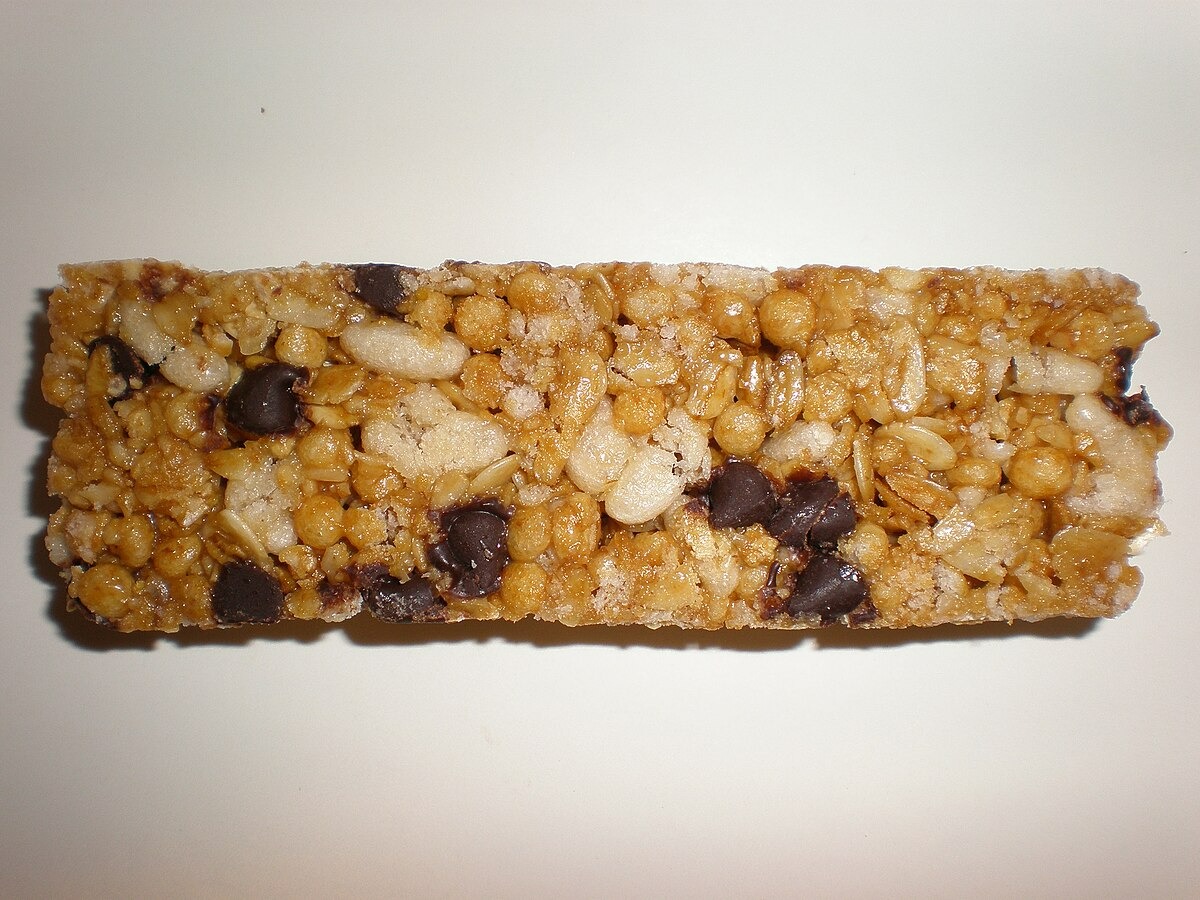
Cereal bars are widely favored for on-the-go snacks or light lunches, but while some are marketed as healthy, many are actually quite unhealthy. These bars often contain high levels of carbohydrates and sugar, resembling candy bars more than nutritious snacks. This includes popular brands like Nature Valley and Quaker Oats, which can cause spikes in blood sugar.
For a healthier alternative, nutrition experts typically recommend opting for fruits and nuts instead of cereal bars. These options provide more balanced nutrition without the excessive sugars and carbs found in many cereal bars.
French Fries
French fries are a beloved snack worldwide, but they pose significant health risks, especially for diabetics. While potatoes are nutritious in moderation, frying them in unhealthy oils adds trans fats that can cause substantial spikes in blood sugar due to the combination of carbs from the potatoes.
Even a small serving of French fries can adversely affect blood sugar levels, making it advisable for diabetics to avoid them whenever possible. Going for homemade, healthier alternatives that are not fried can provide a better choice for managing blood sugar levels effectively.

Orange Juice
Many people believe fruit juice is as nutritious as fresh fruit, but it’s crucial to note that fruit juices are high in sugar, calories, and carbohydrates. For those with type 2 diabetes, it’s recommended to avoid fruit juices to prevent health complications.
If you make your own juice from fresh oranges and ensure it’s 100% juice, small amounts can be consumed occasionally. Alternatively, consider purchasing low-sugar options when buying orange juice to better manage blood sugar levels.

Energy Drinks
Energy drinks are notorious for their high sugar, caffeine, and additive content, designed to provide a quick energy boost. For diabetics, avoiding such spikes is crucial, making it advisable to steer clear of energy drinks entirely. Scientific research supports this, with studies showing that a single energy drink can spike blood glucose levels by as much as 30%.
Additionally, some energy drink brands may not disclose all ingredients, posing further risks for those needing to carefully monitor their intake.

Potato Chips
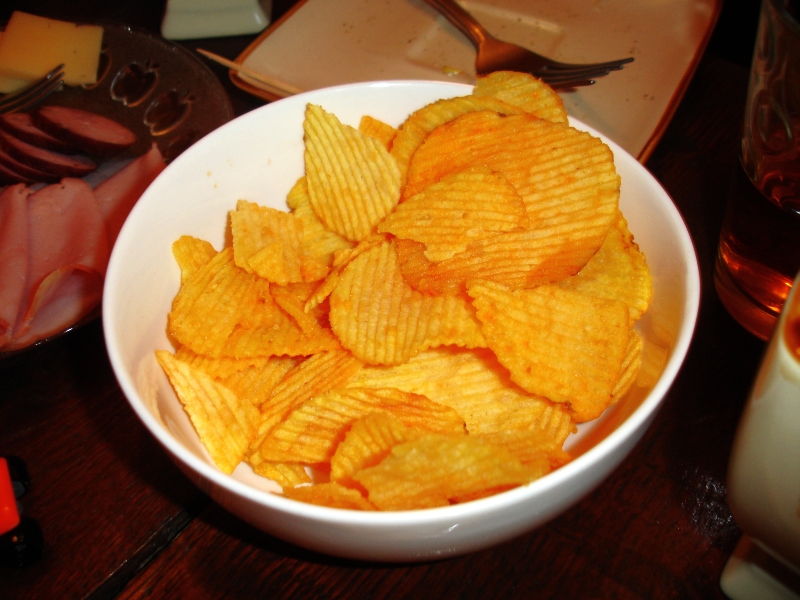
Potato chips are a popular snack but are not ideal for diabetics due to several reasons. They are deep-fried, which adds unhealthy fats, and are often seasoned with high levels of salt and sugar. This combination can lead to spikes in blood sugar and salt levels, affecting insulin requirements and glycemic control.
Additionally, the high salt content in potato chips can make them addictive, leading to overconsumption. It’s important for diabetics to exercise moderation and control when it comes to eating chips to manage their health effectively.
Sports Drinks
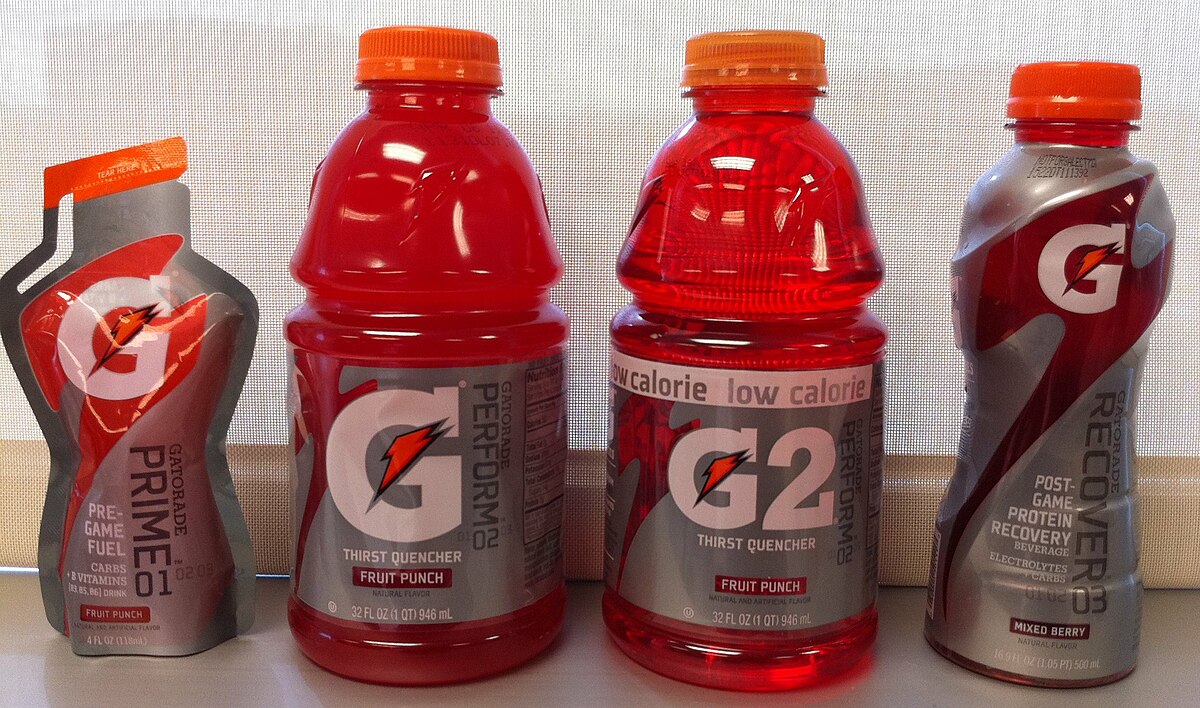
Sports drinks are popular for rehydration and energy replenishment among non-diabetics, but they are generally not suitable for those with diabetes. These drinks can cause significant fluctuations in the body’s internal systems, which is concerning for diabetics managing their blood sugar levels.
However, there are now diabetic-friendly sports drinks available that are formulated without caffeine and sugar. These alternatives are tailored to meet the needs of diabetics, providing hydration and electrolyte replenishment without compromising blood sugar control.
Pre-Packaged Baked Goods
It’s a common misconception that diabetics can’t enjoy any foods, including pastries and sweets. In reality, diabetics can consume most foods in moderation, including homemade treats that are low in fat and tailored to be diabetic-friendly. However, the situation differs with pre-packaged pastries and sweets.
Pre-packaged baked goods often contain extra preservatives to extend shelf life. They also tend to be high in refined carbohydrates, which convert into sugar in the body, requiring increased insulin production.

Flavored Oatmeal
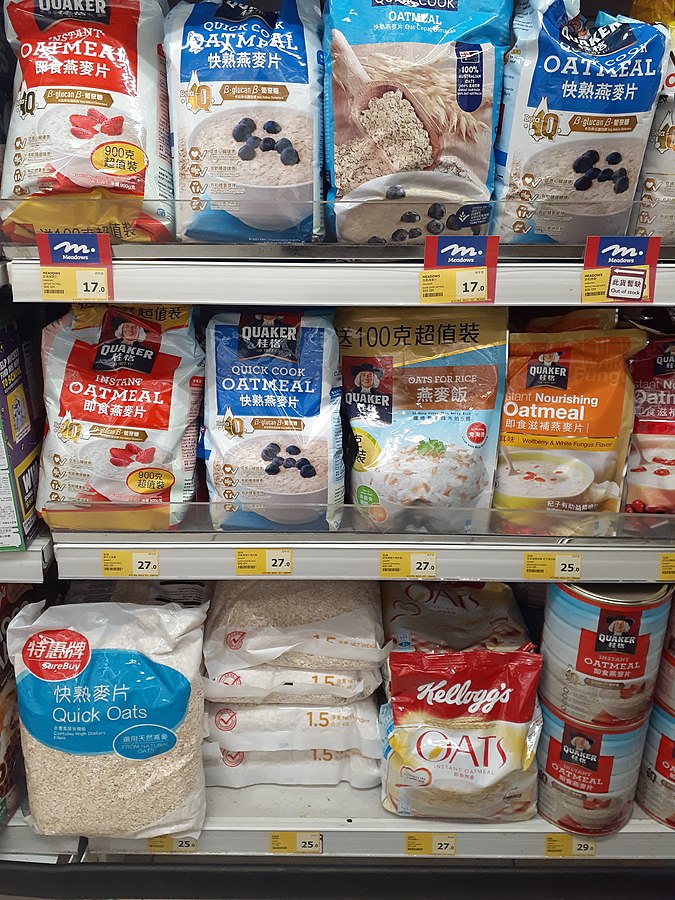
Oatmeal is often recommended as a great breakfast choice for diabetics because it’s nutritious and a slow-release food that helps maintain blood sugar levels. However, flavored oatmeal can be problematic. It typically contains added sugars and preservatives, which can spike blood sugar levels.
If you prefer flavored oatmeal, it’s better to flavor it yourself using fresh and natural ingredients like homemade granola, nut butters, and diabetic-friendly toppings. This way, you can enjoy a tasty breakfast while still maintaining control over your blood sugar levels.
Processed Meats
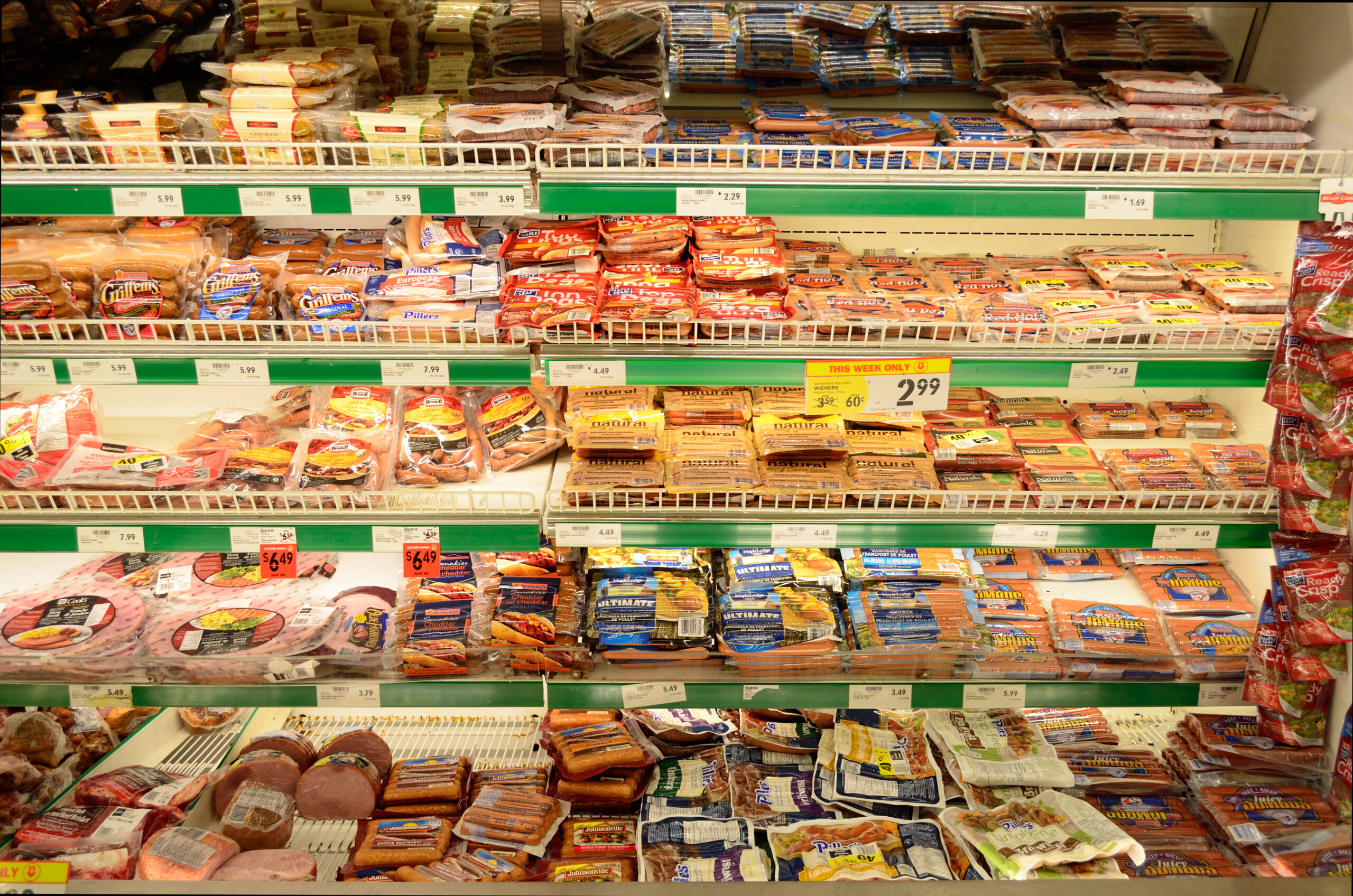
Diabetics don’t need to adopt a vegetarian diet, but it’s advisable to limit processed meats, especially for those who are diabetic or at risk of developing type 2 diabetes. Research from Harvard University shows that consuming processed meats can increase the risk of type 2 diabetes by 19%. Processed meats are high in preservatives and salt, which can negatively impact health.
Fresh meat is generally a healthier option for diabetics compared to processed meats, as the latter can also contribute to insulin resistance.
White Bread
You’re absolutely right. White bread isn’t as healthy as wholegrain bread, especially for people with diabetes. White bread has a higher glycemic index and can cause rapid spikes in blood sugar levels due to its sugar content, requiring more insulin production.
On the other hand, wholegrain bread is rich in fiber, which is beneficial for diabetics. Fiber helps regulate blood sugar levels by slowing down the absorption of sugars into the bloodstream. This makes wholegrain bread a better choice as part of a balanced diet for managing diabetes effectively.

Muffins
You’re spot on. When it comes to muffins, there are healthy options and less healthy options for diabetics. Good muffins made from wholegrain flour and grains are rich in fiber, vitamins, and nutrients, which can benefit blood sugar control. On the other hand, bad muffins often contain high levels of sugar, preservatives, and unhealthy ingredients that can cause spikes in blood sugar levels.
Diabetics can enjoy a good muffin as an occasional treat, especially if it’s made with wholesome ingredients.

Fruit Smoothies
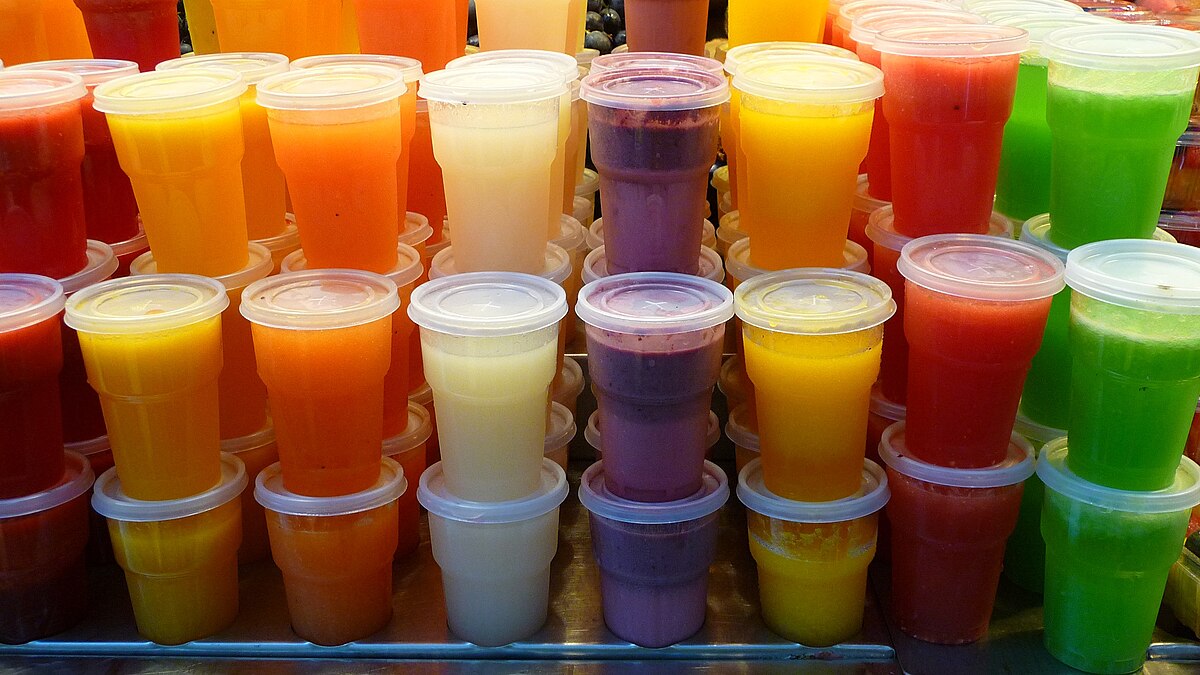
Smoothies are often praised for their health benefits due to their high fruit content, but diabetics should approach them with caution because fruits contain natural sugars that can impact blood sugar levels. While natural sugars are healthier than added sugars, they can still cause spikes in blood glucose levels, especially in smoothies made from multiple high-sugar fruits.
For diabetics craving a smoothie, a healthier option is to replace some of the fruits with vegetables and protein. This helps balance the sugar content and adds fiber, which slows down sugar absorption.
Chargrilled Meat
Barbecuing can be enjoyable, but it’s important for diabetics to be mindful of how they prepare their grilled meats. Chargrilling meat at high temperatures can lead to the formation of compounds that may increase insulin resistance and potentially harm cell receptors, worsening diabetes over time.
To minimize these risks while still enjoying barbecue, it’s advised to prevent meat from charring excessively. If some parts of the meat do become charred, simply trim off the burnt areas before consumption.

Country Fried Steak
Country fried steak, while beloved for its comfort food appeal, isn’t ideal for diabetics due to several reasons, especially the use of white flour breading. This type of breading can cause significant spikes in blood sugar levels due to its high carbohydrate content. Additionally, the consumption of white flour can contribute to digestive issues and is generally less beneficial for overall health.

Cinnamon Rolls
Cinnamon rolls are a delicious treat, but they are high in sugars and fats, making them one of the least ideal foods for diabetics. Consuming cinnamon rolls regularly can lead to significant spikes in blood sugar levels and contribute to unhealthy levels of saturated fats and added sugars.
Some health experts caution that a single cinnamon roll can contain more saturated fat and added sugars than what’s recommended for a diabetic to consume in an entire day.

Honey
You’re right. While honey does contain more nutrients than refined sugar, it can still cause significant spikes in blood sugar levels, making it less than ideal for those with diabetes. Research has shown that honey can raise blood sugar levels rapidly, often within 30 minutes of consumption.
Moderation is key when it comes to using honey as a sweetener for diabetics. While it may offer some nutritional benefits compared to table sugar, it’s important to be cautious and mindful of its impact on blood sugar levels.

Sugar-Free Coffee Creamer
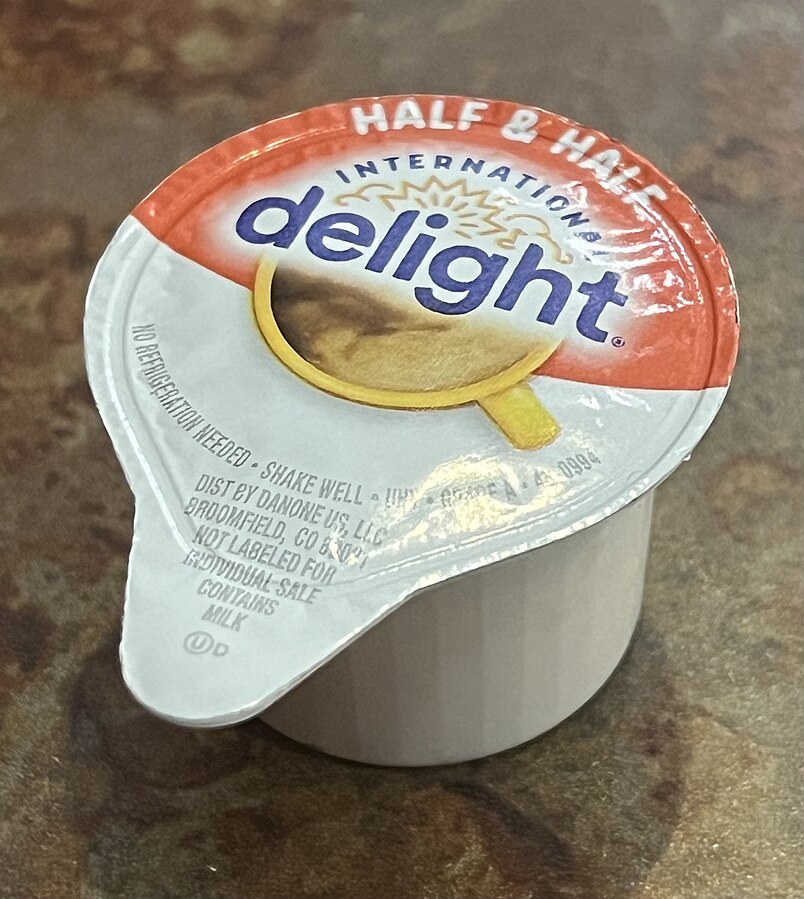
It’s true that many people enjoy creamer in their coffee, and for diabetics, choosing the right type of creamer can make a difference in managing blood sugar levels. While sugar-free creamers may seem like a healthier option, they often contain artificial sweeteners that can still impact blood sugar levels.
Instead of sugar-free options, nutritionists often recommend using half and half in coffee for diabetics. Half and half provides a creamy texture without the added sugars or artificial sweeteners found in many sugar-free creamers. It primarily contributes fat rather than sugar, which can be a better choice for those looking to maintain stable blood sugar levels.
Flavored Popcorn
Popcorn can indeed be a healthy snack option for diabetics when prepared in a plain and simple manner. It’s low in calories and additives, making it a satisfying and tasty choice. However, the health benefits diminish when flavored varieties are chosen, as they often contain ingredients like butter, salt, candy, chocolate, or caramel, which can lead to rapid spikes in blood sugar levels and may also impact blood pressure.
To enjoy popcorn in a diabetic-friendly way, making your own popcorn at home without adding excessive butter, salt, or sugary toppings is recommended.

Nutella
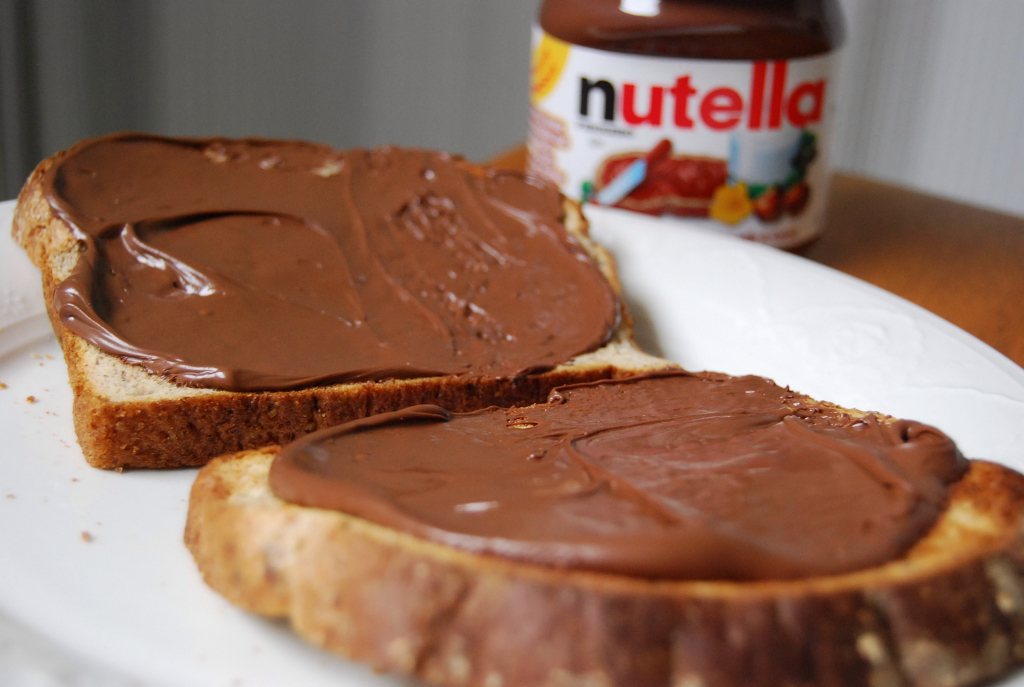
Nutella, with its creamy texture and sweet taste from cocoa and hazelnuts, is a beloved spread for many, but it’s not an ideal choice for diabetics due to its high sugar and vegetable oil content. These ingredients can lead to significant spikes in blood sugar levels, making it less suitable for those managing diabetes.
While many Nutella alternatives on the market may have similar ingredients, it’s possible to create a homemade, diabetes-friendly hazelnut spread.
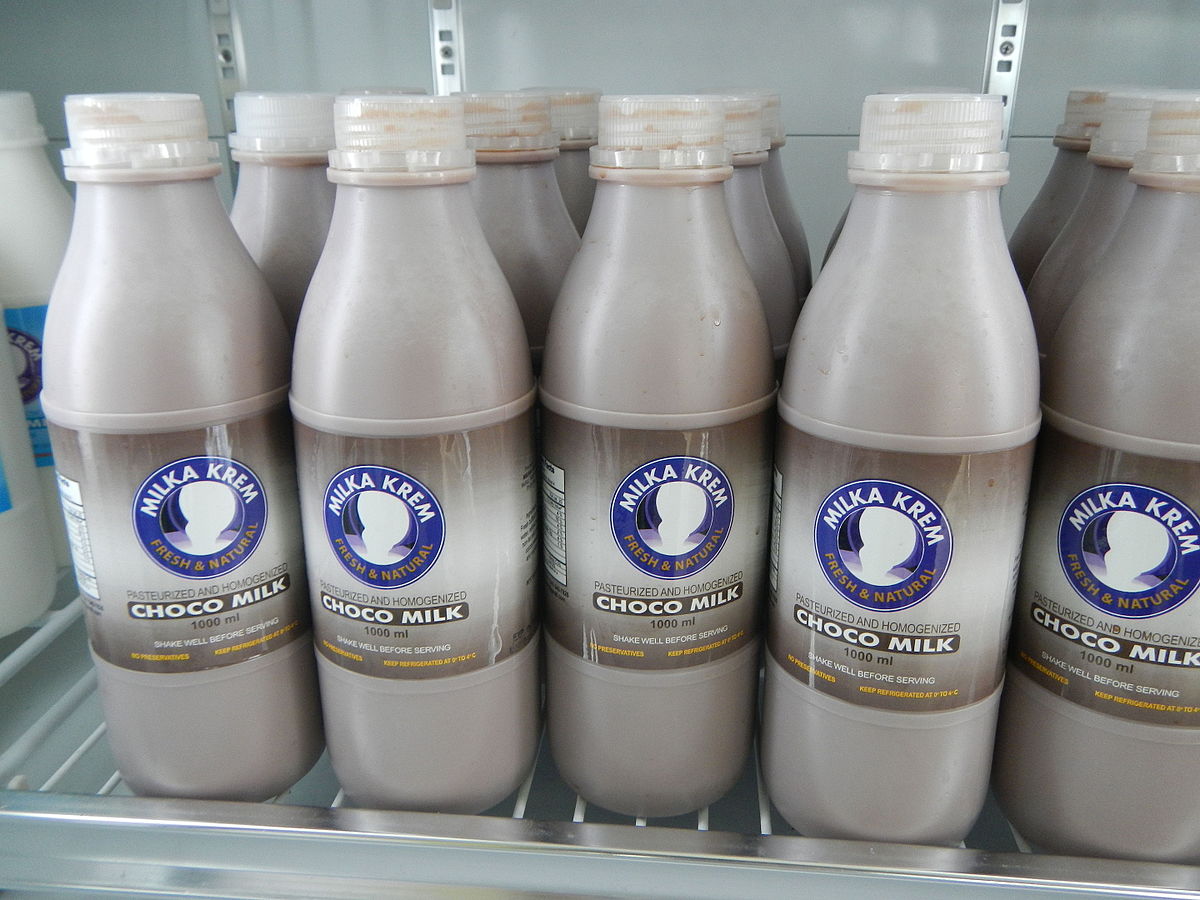
Chocolate Drinks
You’re right. Store-bought hot chocolate mixes and chocolate milk can be high in sugars, which can lead to spikes in blood sugar levels, making them less suitable for those with diabetes. However, you can still enjoy a diabetes-friendly version by making your own.
To make a healthier hot chocolate or chocolate milk, use raw cocoa powder, which is lower in sugars compared to pre-packaged mixes. Combine it with full-fat milk or a milk alternative that’s unsweetened and suitable for diabetics. For sweetness, go for natural sweeteners like stevia or erythritol, which have minimal impact on blood sugar levels.
Cereal
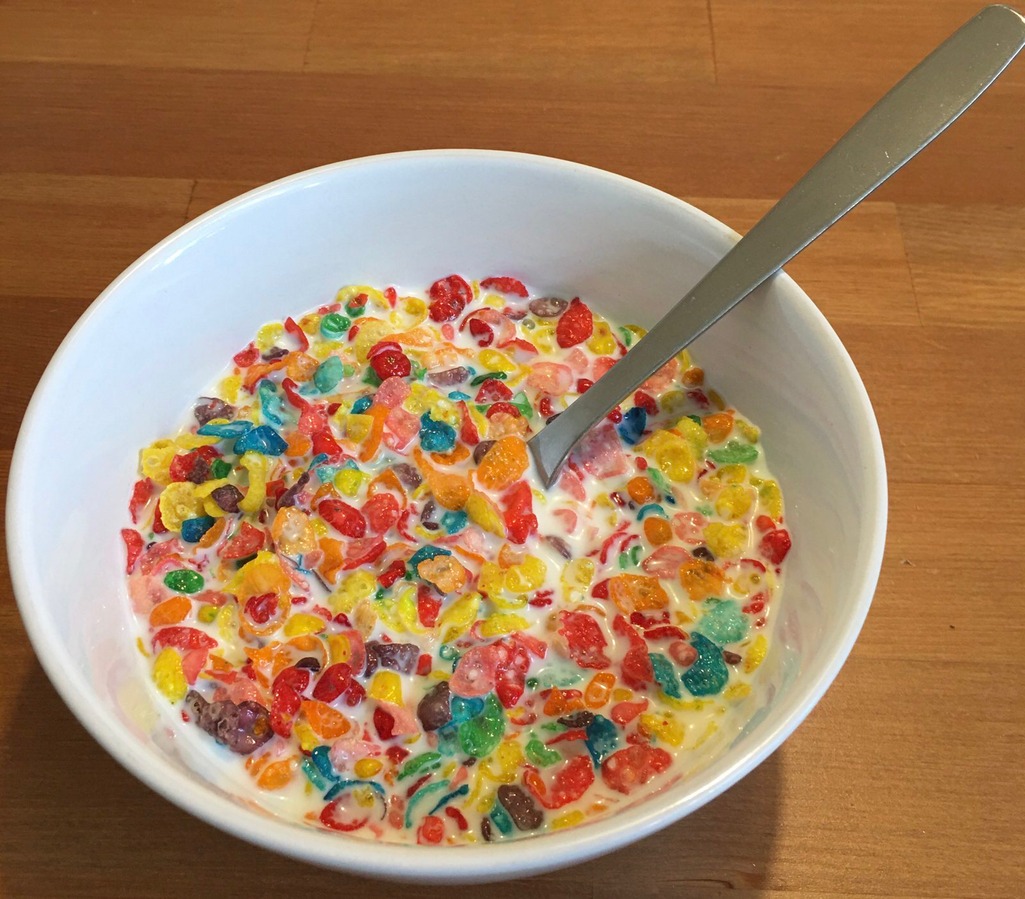
You’re absolutely right. Cereal can still be part of a diabetic’s diet, but it’s crucial to choose wisely due to the high sugar content in many commercial varieties. For instance, cereals like Frosties can contain excessive amounts of sugar, which can cause significant spikes in blood sugar levels, not ideal for diabetics.
Opting for diabetic-friendly cereals is a better choice. These cereals are typically low in sugar, high in whole grains, and packed with fiber. They may not be as sweet as sugary cereals, but they provide sustained energy and better blood sugar management. Look for cereals labeled as low-sugar or those that prioritize whole grains and fiber on the ingredients list to make a healthier choice for your breakfast.
Jam and Jelly
It’s advisable for those managing diabetes to avoid these sugary spreads to maintain stable blood sugar levels and avoid potential insulin resistance.
While no-sugar-added or sugar-free jams and jellies may seem like a healthier option, it’s important to note that they often contain alternative sweeteners like fructose, which can still impact blood sugar levels. These alternatives may not provide the health benefits expected and could still lead to undesirable effects for diabetics.

Alcohol
You’re absolutely right about the relationship between alcohol and diabetes. Alcohol can have complex effects on blood sugar levels, both raising them initially due to its carbohydrate content and potentially causing a drop later, especially if consumed in excess. For people with diabetes, monitoring blood sugar levels closely while drinking is crucial to avoid dangerous fluctuations.
Moderation is key when it comes to alcohol consumption for diabetics. Drinking in moderation means limiting intake to safe levels that won’t drastically impact blood sugar levels.

Vegetable Oil
For diabetics, choosing the right cooking oil is important for managing overall health and blood sugar levels. Soybean oil, often high in unhealthy fats and associated with potential weight gain, should generally be avoided by those with diabetes due to its potential negative impact on health outcomes.
Additionally, when selecting oils at the grocery store, it’s crucial to avoid oils labeled as “partially hydrogenated.” These oils undergo a process that can produce harmful trans fats, which are known to increase the risk of heart disease and negatively impact cholesterol levels, particularly concerning for individuals managing diabetes.

Saltines
Saltine crackers, despite their simplicity, may not be the best choice for those managing diabetes due to several reasons. Firstly, they are typically made from enriched flour, which is quickly converted into sugar in the body, potentially causing spikes in blood sugar levels. This rapid conversion can be detrimental for diabetics who need to regulate their blood sugar carefully.
Additionally, saltine crackers often contain oils that can contribute to weight gain if consumed in excess.

Please SHARE this with your friends and family.


