


Starting your day with the right breakfast can set the tone for your energy levels and overall health. However, not all breakfast foods are created equal. Some options can lead to energy crashes, increased hunger, or even digestive issues later in the day. In this guide, we’ll explore the foods you should steer clear of for breakfast to help you make healthier choices and fuel your body for success.
Low-Fat Yogurt

While low-fat yogurt is often praised for its high protein and prebiotic content, it frequently hides a significant downside: a higher amount of added sugar than regular yogurt, which is meant to improve its taste. As a result, its low-fat nature may leave you feeling less satisfied.
Sugary Cereals
Although sugary cereals provide a quick breakfast solution, they aren’t the healthiest choice. Loaded with highly processed ingredients and added sugars, these cereals can increase the risk of heart disease and type 2 diabetes. Instead, try choosing whole-grain cereals or other nutritious breakfast options to start your day off right while still enjoying convenience.

Source:
cottonbro studio via pexels
Muffins
Don’t let the fruit and oat toppings deceive you; muffins aren’t always a healthy option. According to the American Heart Association, these seemingly nutritious breakfast items can contain high levels of sugar, fat, and calories, which may pose long-term risks to your heart health.

Source:
castorly stock via pexels
Pancakes
While a delicious stack of pancakes is hard to resist, they’re not the most nutritious option. Made with refined white flour and low in protein and fiber, these tasty treats often fail to keep you full, leaving you feeling hungry again much sooner.

Source:
sydney troxell via pexels
Avocado Toast
Avocado toast is celebrated for its healthy unsaturated fats and fiber, but it lacks sufficient protein as a breakfast option. To enhance its nutritional profile, try adding an egg, which will transform it into a more satisfying and well-rounded meal with a better balance of nutrients.

Source:
wendy wei via pexels
Buttered Toasts
Savoring the delightful mix of crunchy toast topped with melted butter can certainly lift our spirits. However, while this treat is tasty, it doesn’t do much for our overall health. Buttered toast is typically high in refined carbohydrates and fats, which may increase the risk of heart disease and contribute to mood disorders.

Source:
iryna varanovich via pexels
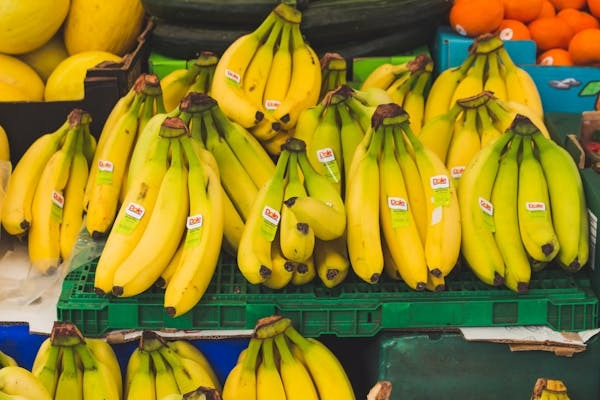
Bananas
Bananas are a great snack during the day, but they might not be the best choice for breakfast. Their high sugar content can lead to a spike in blood sugar levels when eaten on an empty stomach, which may contribute to the development of type 2 diabetes over time.
Source:
dom j via pexels
Hash Brown Patties
Choosing pre-fried hash browns for breakfast can increase your calorie intake significantly. Additionally, this fried food option may contribute to intestinal inflammation, according to the National Institutes of Health. It’s important to consider these factors when deciding on this morning choice.

Source:
rdne stock project via pexels
Bagels
Bagels are a widely loved breakfast option, but they are often high in carbohydrates and calories. Made mainly from refined white flour, bagels may lack the nutritional value needed to start your morning off on a healthy note.

Source:
anna tarazevich via pexels
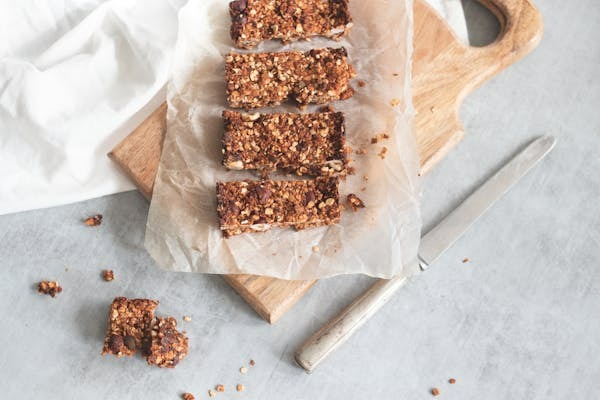
Energy bars
You might assume that sweet treats are a great way to kickstart your morning, but our bodies aren’t equipped to handle large amounts of sugar right after waking up. Slow-release carbohydrates provide sustained energy and help gently wake us as we transition from sleep. In contrast, energy bars may give a quick boost that fades rapidly.
Source:
annelies brouw via pexels
Skim milk
Milk has been a breakfast staple worldwide for centuries, thanks to its rich nutrient and fat content. The fat in milk is beneficial, as it contains positive cholesterol and high iron levels that support the body upon waking. Research indicates that skim milk loses many of these advantageous components with minimal benefits in return.

Source:
engin akyurt via pexels
Fruit juice
Mass-produced fruit juices are often packed with sugar, especially when paired with sugary cereals. While they are rich in nutrients and essential vitamins like A and C, you can get those benefits—and more—by opting for whole fruit instead. Choosing one over the other may be a healthier approach for breakfast.

Source:
as photography via pexels
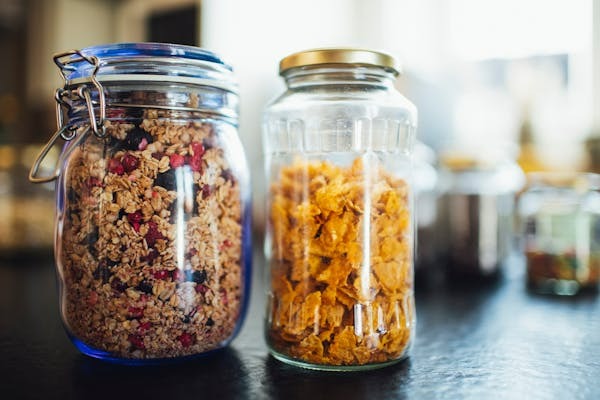
Pre-prepared oatmeal
While ready-made instant oatmeal packets are convenient and tasty, they often contain more sugar than fiber, especially with added flavorings. Overnight oats offer a simple alternative that can be prepared in advance, saving time in the morning while ensuring you get plenty of fiber, a crucial ingredient for a healthy breakfast.
Source:
markus spiske via pexels
Pop-tarts
It’s no secret these are unhealthy—no one needs that explained. Bright colors like that certainly don’t come from nature, but it’s the addictive artificial ingredients that make them so appealing. Designed with children’s fast metabolisms in mind, these sugary options don’t provide a balanced, nutritious breakfast.

Source:
Evan-Amos via Wikimedia Commons
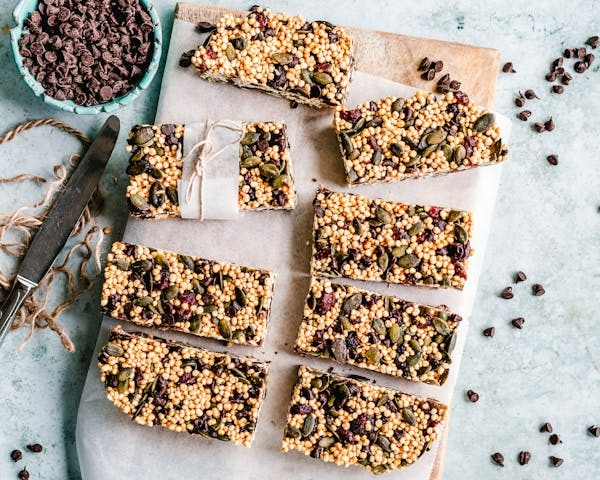
Granola bars
Granola bars are a popular breakfast choice, but they’re more suited for a mid-afternoon snack. Unlike regular granola, they lack sufficient fiber, and their high sugar content provides a quick energy spike that fades almost as quickly as it begins. Nutritionally, they don’t offer the lasting fuel you need to start your day.
Source:
ella olsson via pexels
Margarine
Margarine gained popularity when saturated fats were blamed for various health issues. However, with modern understanding, we now know the situation is more complex. While margarine is often lower in saturated fats, it’s typically high in trans fats due to its production process—and trans fats are known to be genuinely harmful to our health.

Source:
Felicity Tai via Pexels
Scones
Though it might evoke the charm of a quaint British countryside breakfast, the reality is that the recipe is mostly butter and sugar. To make matters worse, it’s traditionally topped with whipped cream and jelly, turning it into a fat and sugar overload. With little to no fiber, it won’t keep you full for long, making it far from an ideal morning meal.

Source:
Benson Kua from Toronto, Canada via wiki
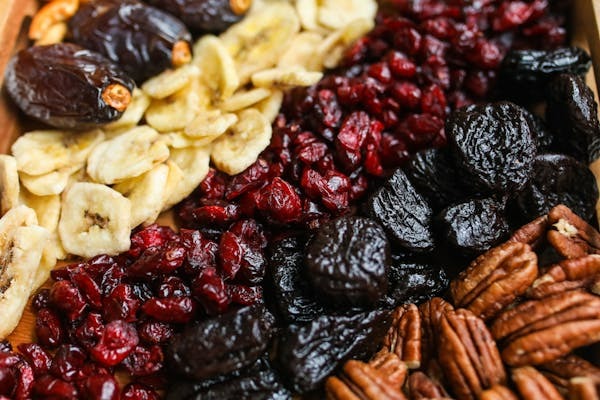
Dried fruit
Often paired with cereals, oatmeal, or eaten alone as a quick snack, dried fruit presents a hidden downside. The drying process accelerates the fruit’s ripening, converting starches into sugars and softening the texture. As a result, these high-sugar slices can spike your blood sugar and lead to more sweet cravings throughout the day.
Source:
Polina Tankilevitch via Pexels
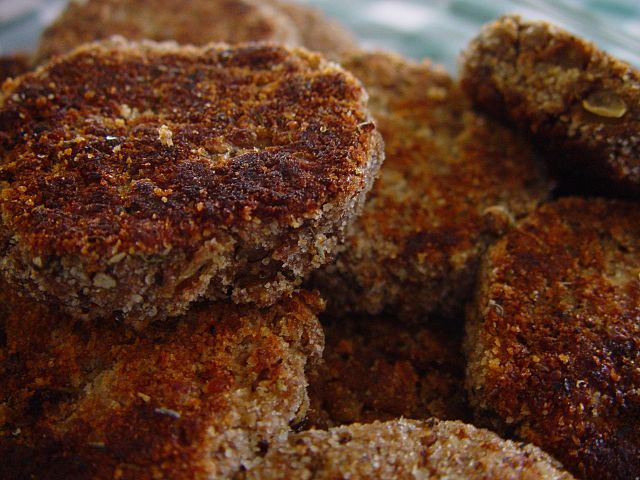
Sausage patty
As a processed red meat, sausages are among the unhealthiest foods, no matter the meal. While they provide a cheap and convenient source of protein and fat, sausage patties undergo even more processing to enhance shelf life and freezing capabilities. This extra processing strips away many of the limited benefits they might have had, making them an even less nutritious choice.
Source:
PDImage via wiki
Bacon
The key scientific finding about bacon is that no direct link between its fats and negative health outcomes has been conclusively proven. However, before celebrating with a bacon milkshake, it’s important to be cautious. The processing of bacon matters—most varieties are brined in sugar solutions and/or smoked for preservation, and consuming these in excess can still have health risks.

Source:
Nicolas Postiglioni via Pexels
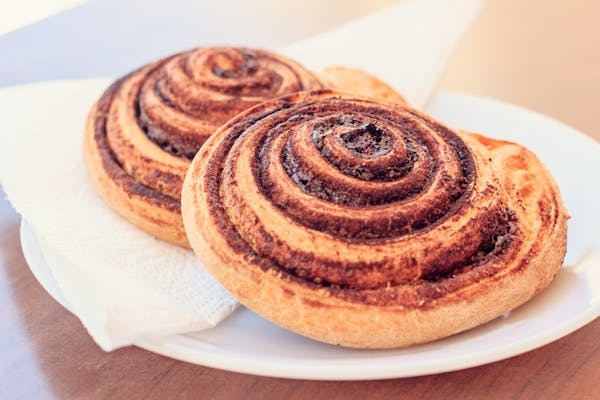
Cinnamon roll
These breakfast options seem to exist to exploit a legal loophole in nutrition. They’re packed with as much sugar as you can handle in the morning, contain some fiber because they’re bread, and the high calorie count should, in theory, keep you full until lunch. While all of this is technically true, in a monkey paw-type twist, eating these for breakfast will leave you feeling both full and oddly malnourished until mid-afternoon.
Source:
pixabay via pexels
Biscuits and gravy
Soul food at its best, this indulgent southern breakfast classic can be enjoyed occasionally, but it often contains enough sodium for an entire day. While savory scone biscuits smothered in thick, roux-based sausage gravy are hard to resist, this calorie-rich and nutrient-poor option should never become a regular breakfast choice.

Source:
jeffreyw via Wikimedia Commons
Fried egg
Fried eggs can be unhealthy depending on how they’re prepared. Using butter can negate many of the egg’s high protein and low-fat benefits, making olive oil a better alternative for healthier fats. It’s important to use some form of pan lubrication, as high heat can oxidize the fats, potentially leading to inflammation.

Source:
Mengha Mangal via Pexels
Shakshuka
This hearty and spiced egg dish is delicious and has gained popularity for breakfast and brunch. However, similar to fry-ups, while the individual ingredients are fine on their own, the combination can lead to an excess of unhealthy components. The tomato sauce commonly used often contains high levels of sugar, which isn’t ideal for the morning.

Source:
Nataliya Vaitkevich via Pexels
Banana Bread
Banana bread is a quick and easy recipe that’s great for honing your baking skills. However, it might not be the best choice for breakfast. Typically, it contains only a few grams of protein per slice and is high in sugar. That said, using healthier flour can help mitigate some of these issues.

Source:
Airin Party via Pexels
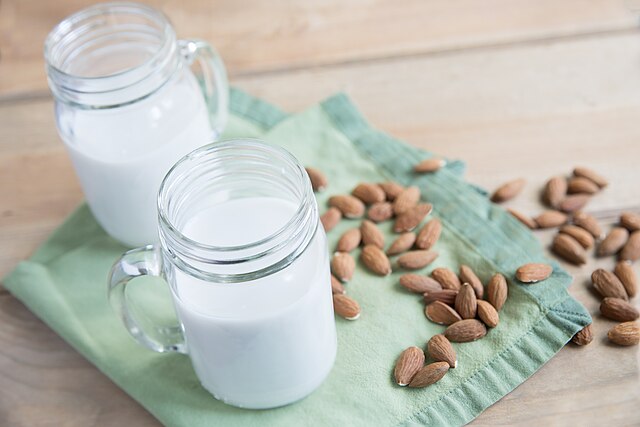
Almond milk
Milk substitutes have improved significantly, offering many alternatives to dairy. However, almond milk may be the least beneficial option for breakfast. It has one of the lowest protein contents among nut milks, which is essential for starting your day. As a result, it won’t keep you full for very long.
Source:
Kjokkenutstyr via wiki
Just coffee
With time and budget constraints, many people rely on a cup of coffee to both satisfy hunger and boost energy. While it can be effective and convenient, coffee on an empty stomach won’t sustain you for long. If your morning routine only allows for a drink, consider opting for a fresh fruit smoothie, which provides fiber and long-lasting energy to keep you fueled throughout the day.

Source:
lisa fotios via pexels
Waffles
The unhealthy aspects of waffles largely stem from the tempting toppings they’re often served with, such as syrup, sugar, bacon, and melted butter. However, there are ways to make a waffle breakfast more nutritious. Using alternative flour in the batter and topping them with fruit, yogurt, and seeds can transform them into a much more wholesome meal.

Source:
pixabay via pexels
Breakfast burrito
Breakfast burritos are one of the Earth’s most convenient inventions, offering a complete meal that can be enjoyed at the office or during a commute. However, they are often packed with ingredients like red meat, eggs, cheese, and hash browns, which, while filling, are high in unhealthy fats. Additionally, the white tortilla wrap lacks nutritional value, making this combination less healthy than the individual components might suggest.

Source:
Polina Tankilevitch via Pexels
Home fries
Whether you call it a hash or home fries, the concept remains consistent: sautéed potatoes, onions, garlic, and bacon create a hearty dish. While the flavors are undeniably delicious, this shallow-fried, deeply filling option lacks significant nutritional value. Unlike healthier choices, such as oysters, this mixture of oils and fats may satisfy your taste buds but doesn’t offer much in terms of nutrition.

Source:
horizon content via pexels
Beignets
A New Orleans delicacy as rich as the city’s jazz scene, beignets are best enjoyed at state fairs, where the quick sugar rush helps fuel your attempts at winning a goldfish before time runs out. While few would consider fried carbs and sugar a healthy breakfast option, they can be a delightful treat after a nutritious meal, like quinoa, making them a fun indulgence rather than a morning staple.

Source:
Keesha’s Kitchen via Pexels
Quiche
Despite its fancy name and delicate presentation, many people mistakenly believe that quiche is a lower-calorie meal option. However, the combination of shortcrust pastry, eggs, cream cheese mousse, and added ingredients like bacon is often packed with salt, saturated fat, and a significant calorie count. In reality, it can be quite the nutritional deception.

Source:
Malidate Van via Pexels
Bread Pudding
Warm, buttery, and soft as a pillow with a hint of crispiness, this dish represents the ultimate warm breakfast treat. However, the recipe typically starts with a loaf of sweetened white bread, which isn’t the healthiest foundation. While it’s often accompanied by fresh fruit, this addition only escalates the overall sugar content of an already astronomical dish.

Source:
Amanda Lim via Pexels
Breakfast casserole
One of the key reasons for the popularity of slow cookers, breakfast casseroles allow you to enjoy a mix of all your favorite breakfast items without the accompanying guilt. Ingredients like cheese, eggs, potatoes, sausage, and bacon come together in a single dish, essentially combining everything you might find on a diner’s breakfast menu. However, it’s important to be cautious, as this combination can lead to a significant amount of sodium.

Source:
MarkTraceur via Wikimedia Commons
Pre-prepared sandwiches
In those moments when you’re running late and can’t even grab a fast-food breakfast, resorting to store-bought sandwiches can be a viable option. However, the wide variety can be misleading. Most mass-produced sandwiches rely on ultra-refined flours for soft bread and are loaded with sodium to enhance the flavor of the fillings. It’s important to be mindful of these factors when choosing this quick breakfast solution.

Source:
valeria boltneva via pexels
Doughnuts
While doughnuts may seem like the perfect complement to your morning coffee, even the freshest, homemade varieties are not the best way to start your day. As expected, they are high in sugar and calories, but they also offer little else nutritionally. With minimal healthy fats, low fiber content, and quick-digesting refined sugars, doughnuts leave you lacking the essential nutrients needed for a balanced breakfast.

Source:
alexander grey via pexels
Smoked Salmon
Smoked foods pose several health risks. While smoking was an early method of food preservation, it unfortunately introduces carcinogens and nitrates into the meat. Additionally, the rough, mineral-rich exteriors of smoked meats can often harbor bacteria, making them a common source of foodborne illnesses. As a result, it’s important to be cautious when consuming these products.

Source:
public domain pictures via pexels
Spanish Omelette
A staple on tapas and brunch menus, the Spanish omelet is a budget-friendly, easy-to-make, and highly filling breakfast option. While the combination of potatoes and onions provides fiber and minerals, the issue lies in the fact that it’s bound in eggs and deep-fried. Eggs serve as excellent emulsifiers, allowing fats and water to combine, which often results in a dish that absorbs a significant amount of oil, adding to its calorie content.

Source:
Mikegz via Pexels
Leftover takeout
We’ve all been there—grabbing a hastily microwaved pizza for a late breakfast after a long night. While it’s safe to eat the next morning if stored properly, this likely unhealthy meal can weigh heavily on your stomach, as your body and metabolism are just starting to kick into gear for the day.

Source:
Jacoby Clarke via Pexels
Mango
As with all healthy ingredients on this list, context matters significantly for mango. While it boasts the second-highest sugar content among fruits and is one of the most widely consumed, its delicious nectar is primarily due to its natural sugars. To enjoy mango responsibly, it’s best to keep serving sizes small and pair it with fiber to help balance its sweetness.

Source:
Timur Weber via Pexels
Please SHARE this with your friends and family.


