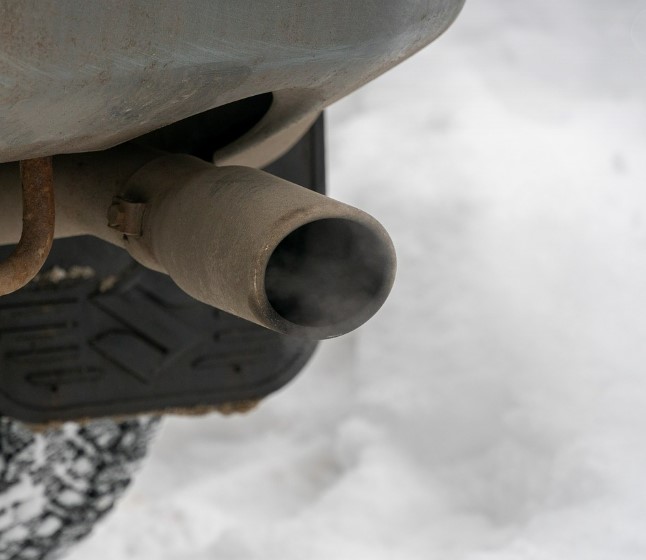
Get ready to giggle and learn something new! Farting is a natural part of life, but there’s a lot more to it than you might think. From surprising health benefits to the science behind those quirky sounds, here are some incredible facts about farting that will totally surprise you!
Culinary Culprits
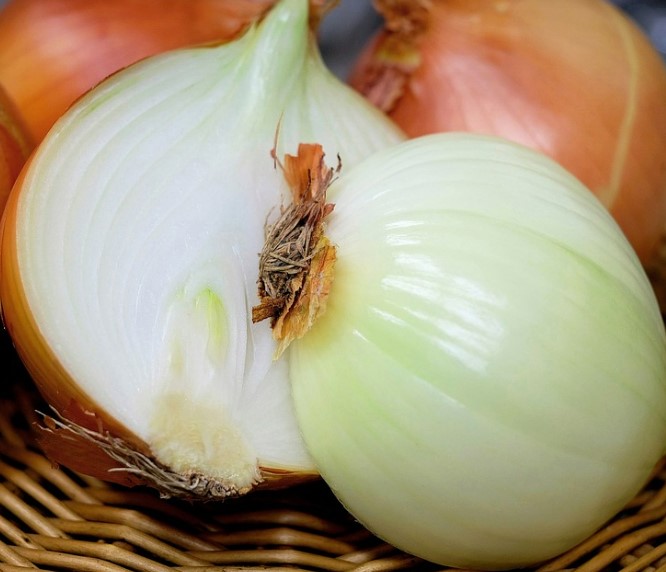
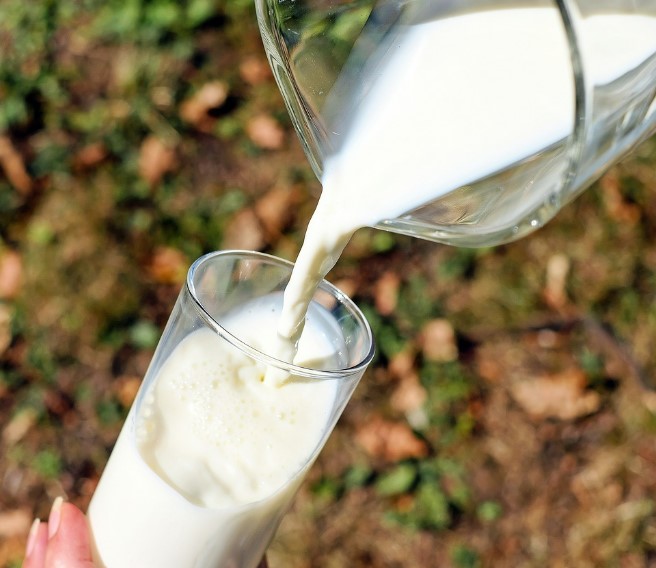
Ever wondered why some meals seem to cause more gas than others? Foods like beans, onions, and dairy contain complex carbs and sugars that can be tough on our digestive systems. As these foods ferment in your gut, they produce gas, which can be difficult to hold in. It’s all thanks to the chemistry of digestion at work!
Shower Steam and Scent Amplification
Ever wondered why a fart seems to smell stronger in the shower? It’s because warm, humid environments amplify odors! The heat helps gas molecules spread faster, while the increased moisture makes your nose more sensitive to smells. So, during your next hot shower, get ready for an intense olfactory experience!
Do quiet farts have the strongest scent? Not really. The intensity of the odor is determined by sulfur-rich foods in your diet, not the sound. A quiet one can be just as harmless as a loud one, or it might be surprisingly potent. It all comes down to the sulfur—sometimes, the quiet ones just sneak up on you!
Believe it or not, the average person passes between 14 to 23 farts each day. Far from being unusual, it’s a natural part of digestion as your body breaks down food. So, the next time you feel one coming, just remember—it’s your stomach doing its job, keeping your digestive system running smoothly!
Who has the edge in the flatulence game—men or women? It turns out that men usually produce more gas, thanks to larger meals and faster digestion. However, women might have a more pungent scent, influenced by their diet and hormonal changes. So, it’s really anyone’s guess, making every whiff a surprise!
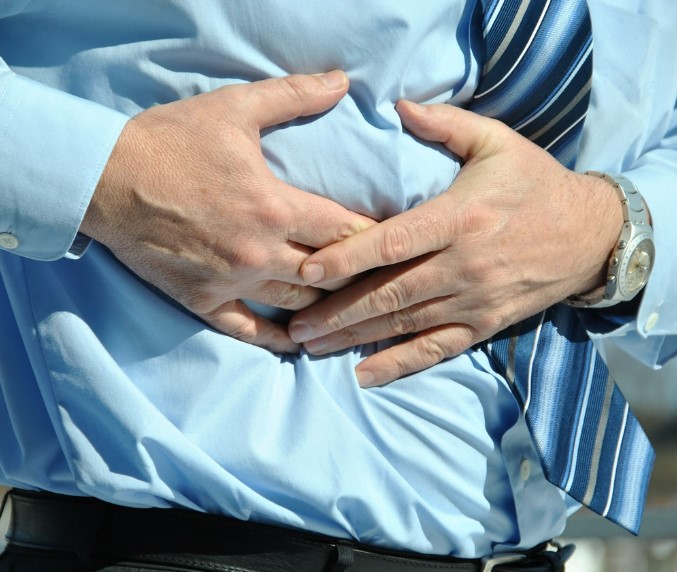
While holding in farts might seem like good manners, it can lead to discomfort! Suppressing them can cause bloating, stomach aches, and even more pressure as the gas builds up. Eventually, it has to escape one way or another. So, unless you’re in an urgent situation, it’s better for your body to just let it out and avoid the internal turmoil.
Ever wondered how fast a fart travels? It’s faster than you might think—around 10 feet per second, or roughly 7 miles per hour! This quick release helps your body relieve internal pressure swiftly. So, the next time you’re feeling embarrassed, just remember, it’s simply your body working efficiently!
Inside your intestines, a bustling community of bacteria works hard to break down complex carbs that your body can’t digest on its own. These tiny helpers play a vital role in maintaining digestive health, and the natural gases they produce are the reason behind each fart you release.
Holding in a fart might seem necessary at times, but it can lead to unpleasant side effects like stomach cramps and bloating. Eventually, the gas will find a way out. Unless you’re in a high-stakes situation, it’s usually better to let it go and spare yourself the discomfort.
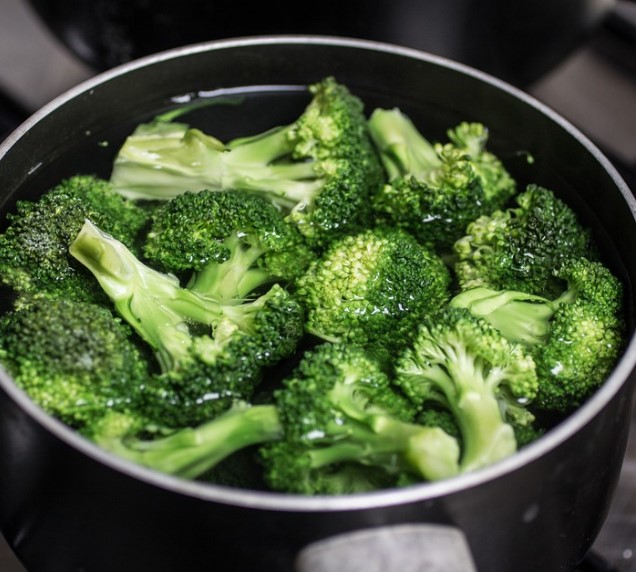
Ever wonder why some meals leave you extra gassy? High-fiber foods like beans, broccoli, and whole grains are common culprits. They aren’t fully digested until they reach the large intestine, where gas production ramps up. If you have a big day ahead, you might want to plan your menu wisely!
What causes flatulence to have its unique odor? The answer lies in chemistry. Sulfur-based compounds, like hydrogen sulfide, are the main culprits. These gases are produced by bacteria in your intestines as they break down food, creating that unmistakable aroma that’s hard to miss.
Ever noticed a fart that smells like rotten eggs? Sulfur is to blame! Foods like broccoli, eggs, and garlic are rich in sulfur, which your body breaks down during digestion. This process produces sulfur gases, leading to the unmistakable odor that everyone scrambles to deny.
Why is such a universal act like flatulence rarely talked about? Despite being completely natural, it’s surrounded by social taboos. Breaking these stigmas can foster healthier conversations about digestion and well-being. Normalizing this topic is a simple step toward greater health awareness and acceptance!
Did you know that farting can actually signal good health? Passing gas regularly shows that your digestive system is working efficiently, releasing built-up gas as it processes nutrients. So, instead of holding back, appreciate it as a sign that your digestive tract is functioning just as it should!
Frequent farting may seem amusing, but it’s actually a sign of a healthy gut! It shows your digestive system is efficiently breaking down fibrous foods. Each release of gas signals that everything is functioning smoothly, making it more than just a funny moment—it’s a key indicator of good digestive health.
Farting is a universal phenomenon that transcends cultural boundaries. From being humorously depicted in ancient texts to serving as a comedic trope in modern films, it carries different meanings across societies. While often a source of laughter, this natural act is shaped by traditions and societal norms, reflecting its unique place in human culture throughout history.
Your furry friends experience flatulence too! Dogs and cats can pass gas due to factors like diet, excitement, or stress. While it may seem amusing, paying attention to their gassy moments can offer clues about their health and diet. It’s a reminder that even these occasional toots are part of your pet’s overall wellness.
Imagine flatulence in space, where gravity doesn’t play a role—it’s a real challenge for astronauts! In zero-gravity, gases don’t disperse like they do on Earth, and without gravity to guide them, they can linger in the confined spacecraft environment. This creates a unique problem that astronauts must manage, making flatulence an unexpected but necessary consideration during missions.
If you find yourself feeling gassier during flights, there’s no need to worry! The change in cabin pressure at high altitudes causes the gases in your stomach to expand. This is a common issue for travelers, and while it can lead to some uncomfortable moments, know that it’s a shared experience. Understanding this can help ease any mid-flight anxiety about unexpected gas emissions.
If you’re dealing with frequent or excessive gassiness, there’s good news! Your diet plays a key role in managing flatulence. Certain foods, like beans and specific vegetables, can contribute to increased gas production. By identifying these triggers and making a few thoughtful adjustments to your meals, you can achieve a more balanced digestive system and reduce those uncomfortable, embarrassing moments.
It might surprise you, but chewing gum can actually contribute to gas build-up. The act of chewing often leads to swallowing excess air, which adds to the gas in your digestive system. If you’re looking to reduce bloating, try switching to sugar-free gum and be mindful of how often you chew to help keep that gas in check.
That fizzy soda you’re enjoying might be contributing to your gassiness. The bubbles in carbonated drinks are filled with carbon dioxide, which can lead to gas build-up in your digestive system. To reduce bloating, try cutting back on the number of carbonated beverages you have throughout the day.
Did you know that passing gas while you sleep is completely normal? As your body relaxes during deeper stages of sleep, gas can be released naturally. Instead of stressing about nighttime flatulence, embrace it as a regular part of resting and know you’re not alone in this!
Fiber is great for digestion, but it can also contribute to more gas. Insoluble fiber, found in foods like vegetables and whole grains, ferments in your digestive tract and can produce extra gas. To keep both your digestion and gas levels balanced, it’s helpful to manage your fiber intake thoughtfully.
Ever felt more gassy after a milkshake? It could be due to lactose intolerance. When your body struggles to digest the sugars in dairy, they ferment in your digestive system, leading to gas. Understanding lactose sensitivity can help you manage those unexpected gassy moments more effectively.
Surprisingly, your workout routine could be triggering more than just a rush of endorphins! Exercise stimulates movement in your digestive tract, which can accelerate digestion and lead to increased gas production. So, don’t be surprised if you find yourself letting out more gas during or after your workout session.
Ever wonder why some farts are loud while others go unnoticed? It all comes down to how relaxed or tense you are when releasing gas. A slow, controlled release tends to be quieter, helping you avoid the embarrassing moment when everyone hears exactly what just happened!
From iconic films to beloved sitcoms, fart humor has become a timeless comedic staple. Scenes like those in Blazing Saddles showcase how fart jokes have universal appeal, making audiences laugh across generations. Whether in slapstick or stand-up comedy, this humor continues to bring joy, proving that a good fart joke never goes out of style.
Your diet plays a key role in gas production. Foods high in fiber, such as beans, lentils, and vegetables, are well-known culprits. Carbonated drinks and sulfur-rich foods like broccoli can also contribute to increased gas. Being mindful of what you eat can help you manage your digestive experience and keep things a little more discreet.
Beans have earned their gassy reputation mainly because of their high fiber content and complex sugars like raffinose. These components are difficult for the intestines to break down, leading to the production of methane gas. This makes beans a true test for the digestive system, highlighting their notorious ability to cause flatulence.
Get ready to giggle and learn something new! Farting is a natural part of life, but there’s a lot more to it than you might think. From surprising health benefits to the science behind those quirky sounds, here are some incredible facts about farting that will totally surprise you!
Culinary Culprits
Ever wondered why some meals seem to cause more gas than others? Foods like beans, onions, and dairy contain complex carbs and sugars that can be tough on our digestive systems. As these foods ferment in your gut, they produce gas, which can be difficult to hold in. It’s all thanks to the chemistry of digestion at work!