


In a world where first impressions matter, the clothes you wear can speak volumes about your style and self-perception. While some brands elevate your look, others might unknowingly undermine it, making even a well-dressed individual appear less polished.
Curious to know which clothing labels could be holding you back from looking your best? Let’s explore the brands that could be sending the wrong message, so you can make informed fashion choices.
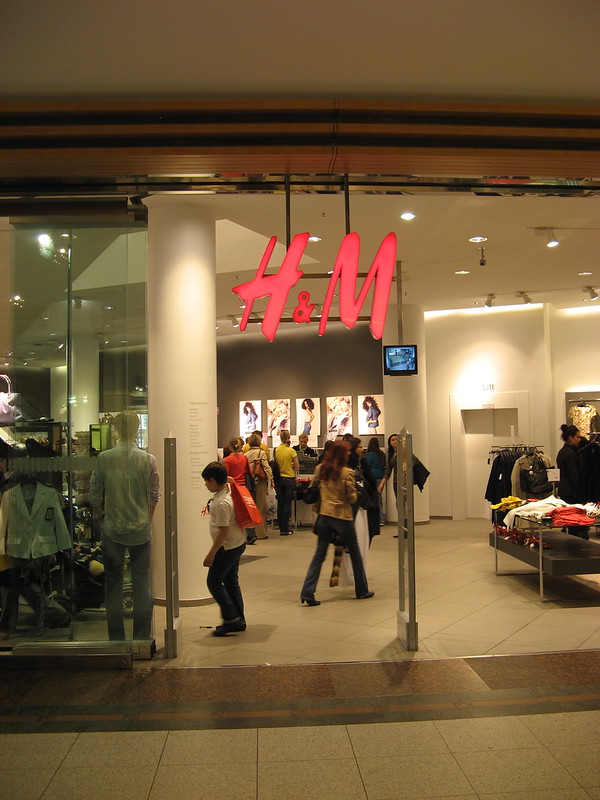
H & M = fast-fashion faux pas
Source: Flickr
H&M is often seen as a symbol of fast fashion, making it a brand to avoid if you don’t want to come across as looking cheap.
Luckily, there are many other high street options that provide better quality clothing while still being just as affordable.
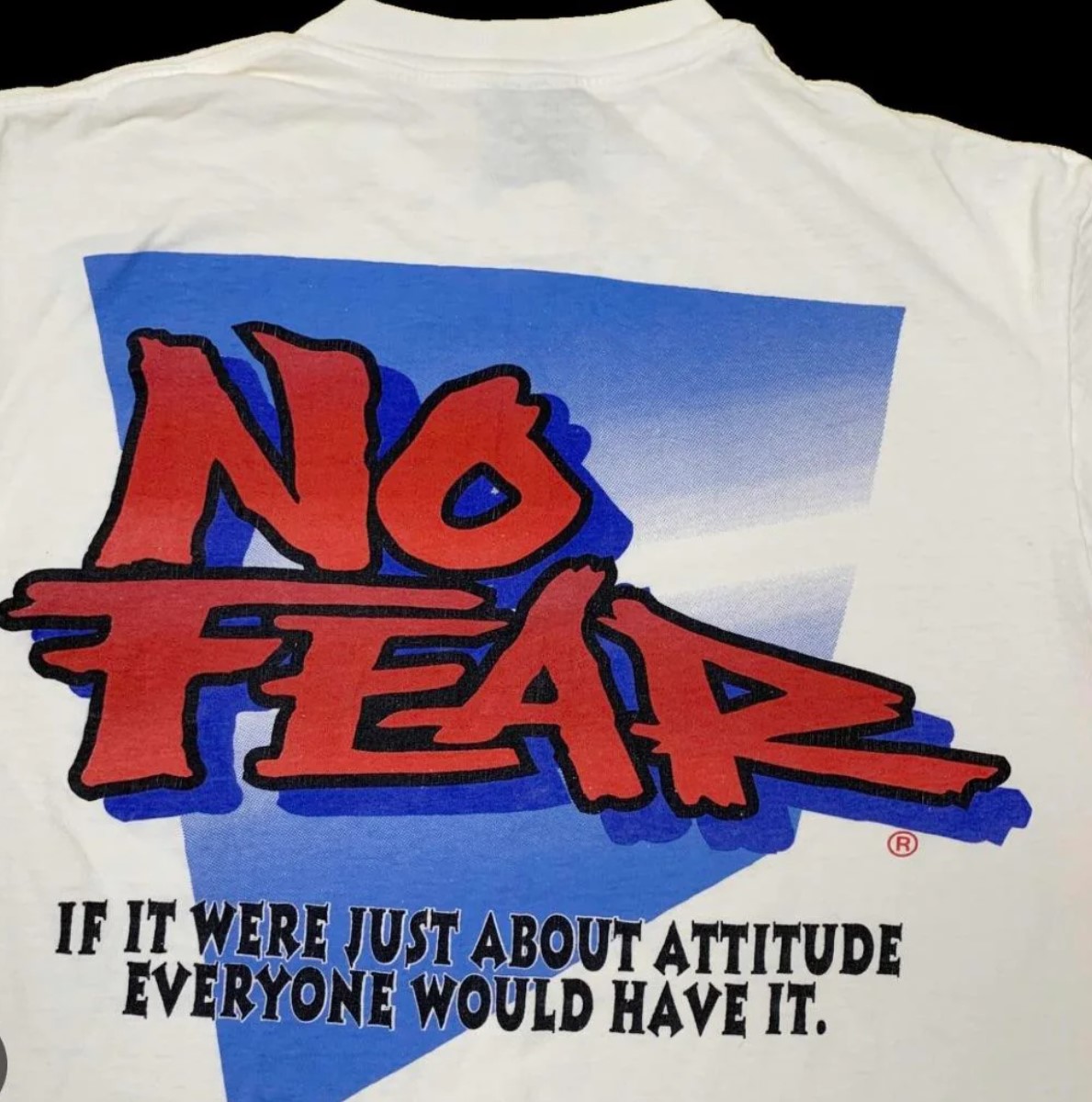
No Fear is now a no-go
No Fear was once a top brand among skaters, but it lost its edge when it attempted to expand its audience. Now, its clothing and shoes are sold at Walmart, which hardly signals a sense of luxury.

It’s not all Gucci
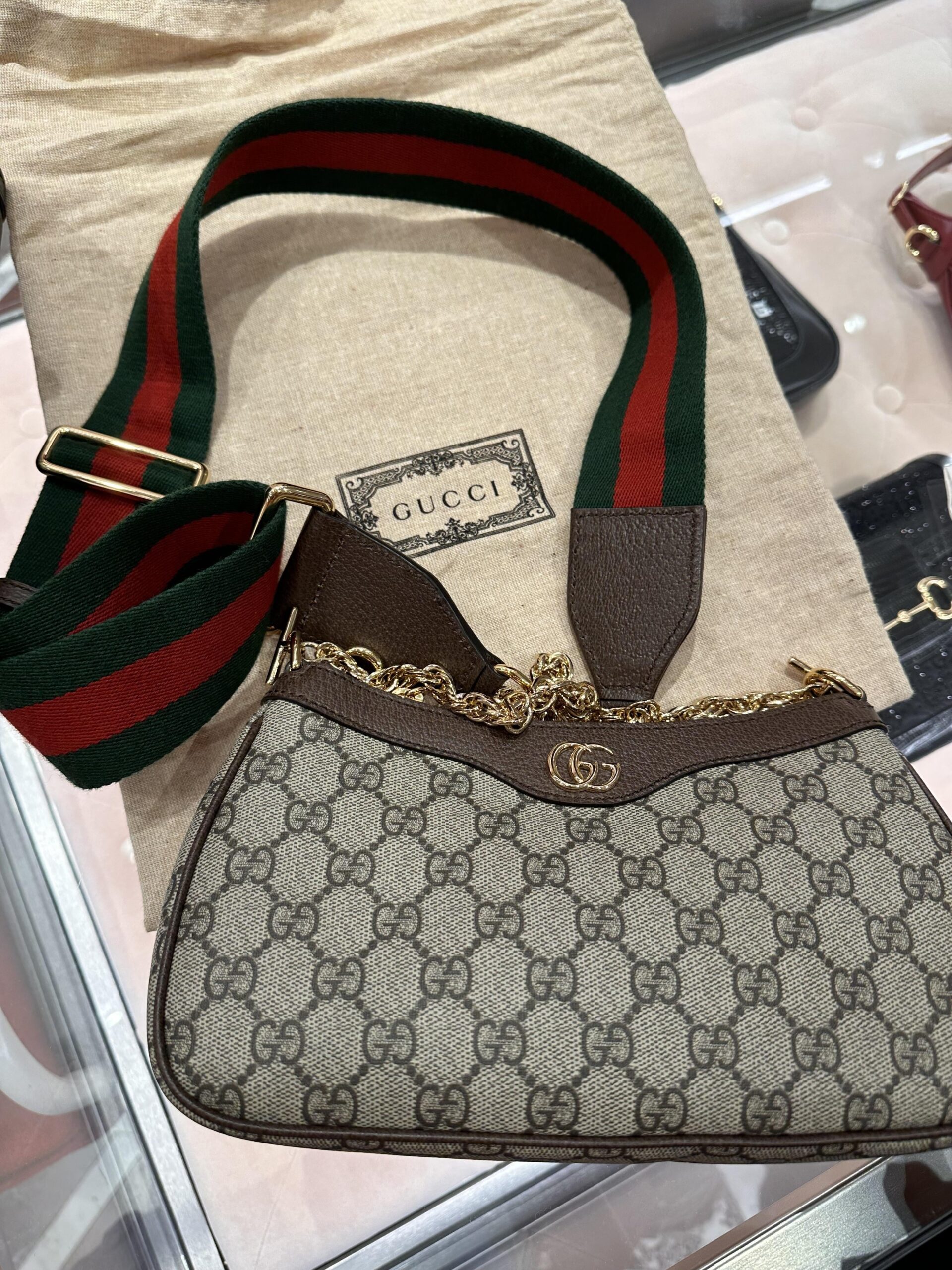
Gucci may be a symbol of luxury, but that doesn’t necessarily mean it will make you appear affluent.
In fact, some Gucci pieces—especially the brand’s signature belts—have become so overexposed that many people are likely to assume you’re wearing a knockoff.

Reebok
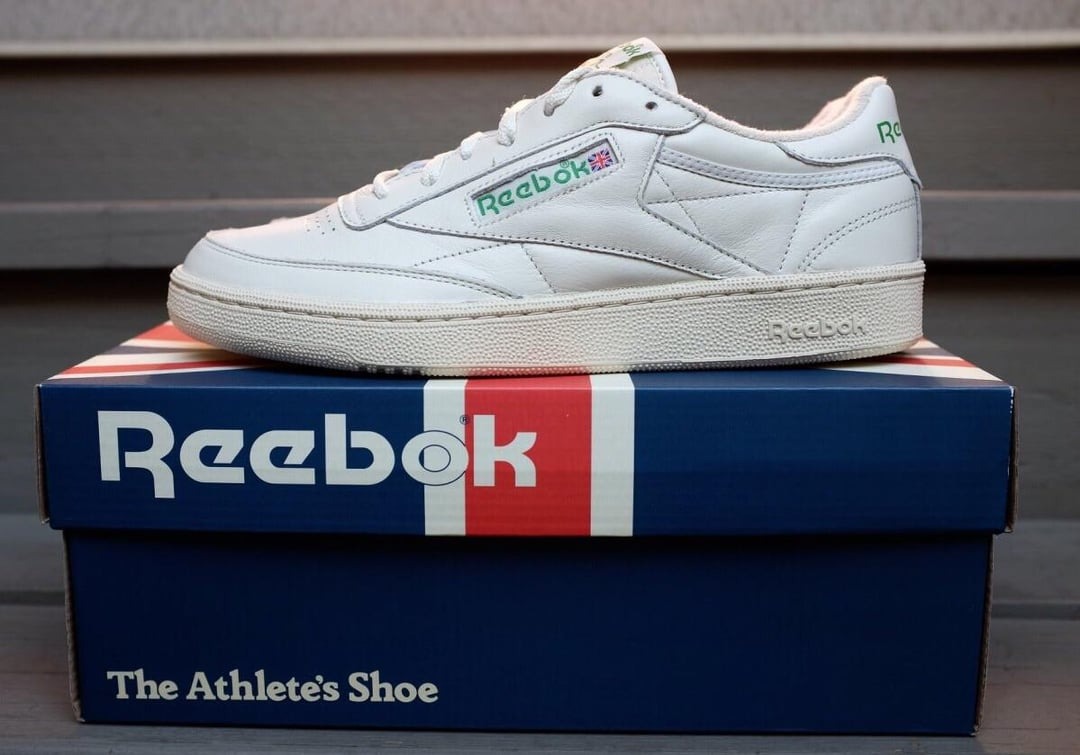
In the early 2000s, Reebok was considered a strong competitor to premium sneaker brands like Adidas, Nike, and New Balance.
However, in recent years, the brand has lost market share to its rivals, leading to price cuts and a shift toward selling in discount stores.

Moschino
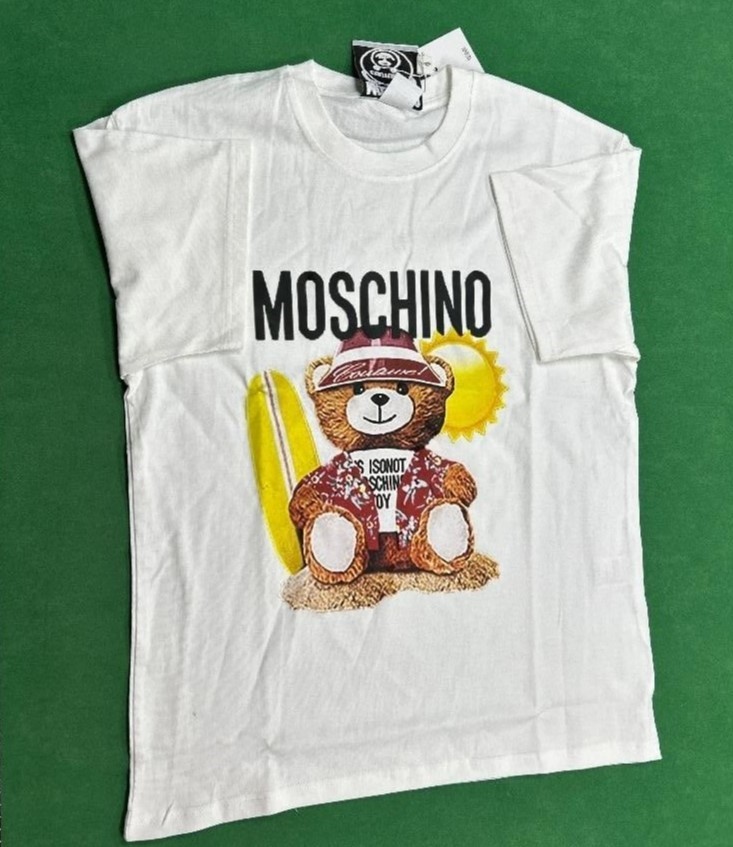
Once a highly exclusive Italian fashion house, Moschino now caters to shoppers looking to appear affluent without breaking the bank.
The brand has made this clear by recently launching a collection explicitly called Moschino Cheap and Chic.

Primark
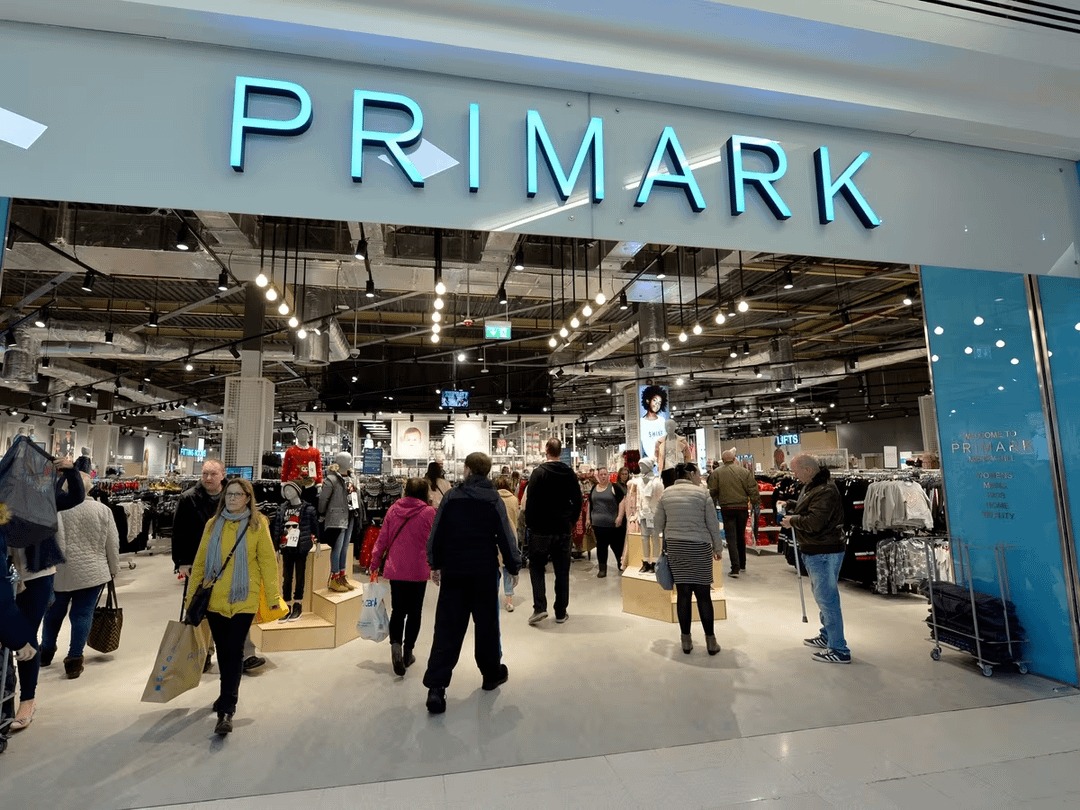
Primark dominates the discount clothing market, with prices that are low even by fast fashion standards. Although shopping there might save you some money, the trade-off is that others may perceive you as stingy.

Athletic Works is now a Walmart Special
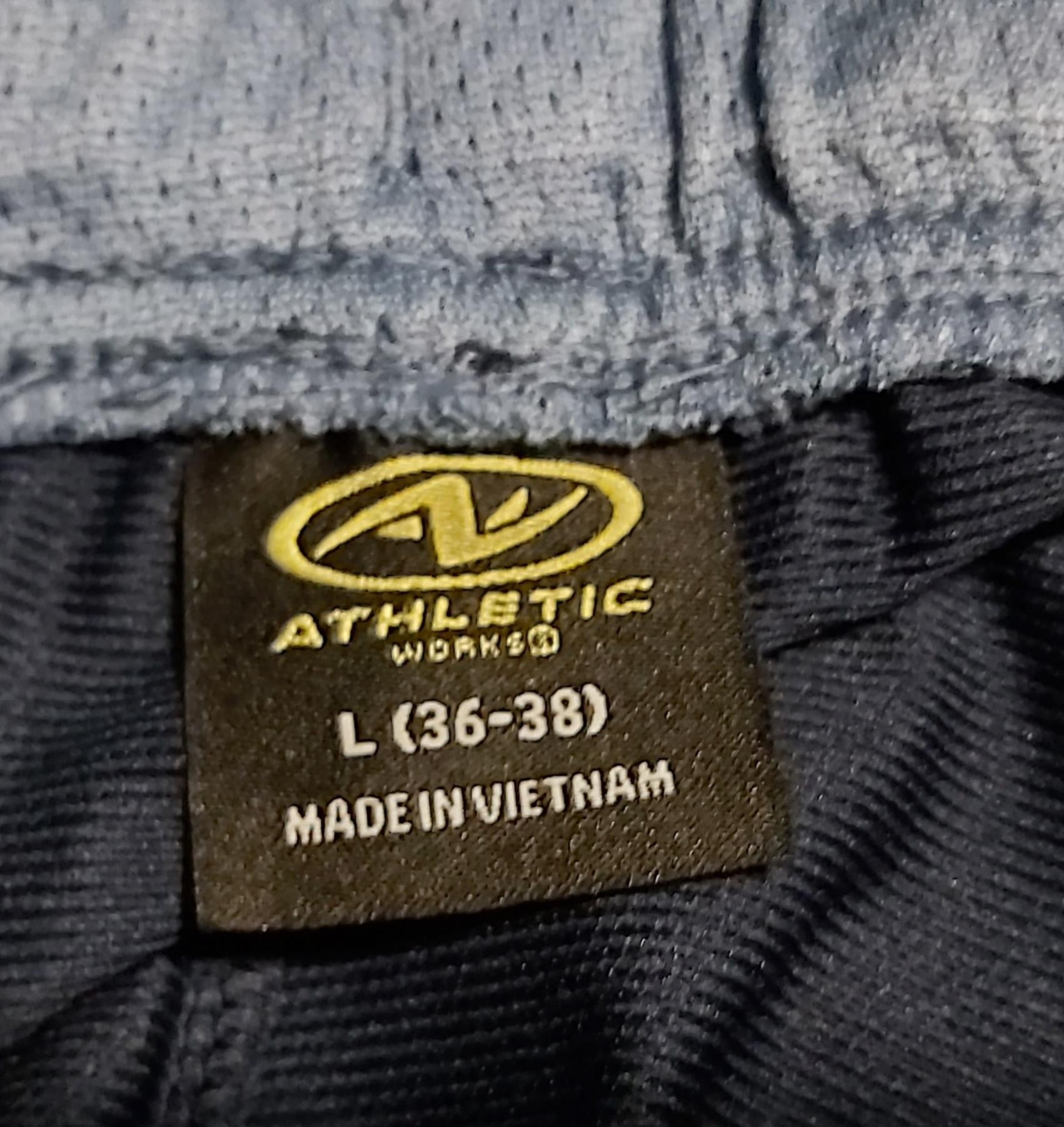
Gymwear is hugely popular right now, with brands like Lululemon and Gymshark commanding high prices for essentials like leggings and sports bras.
Not surprisingly, Walmart has joined the trend with its Athletic Works line, offering great value, but at the cost of making you appear cheap.

Balenciaga
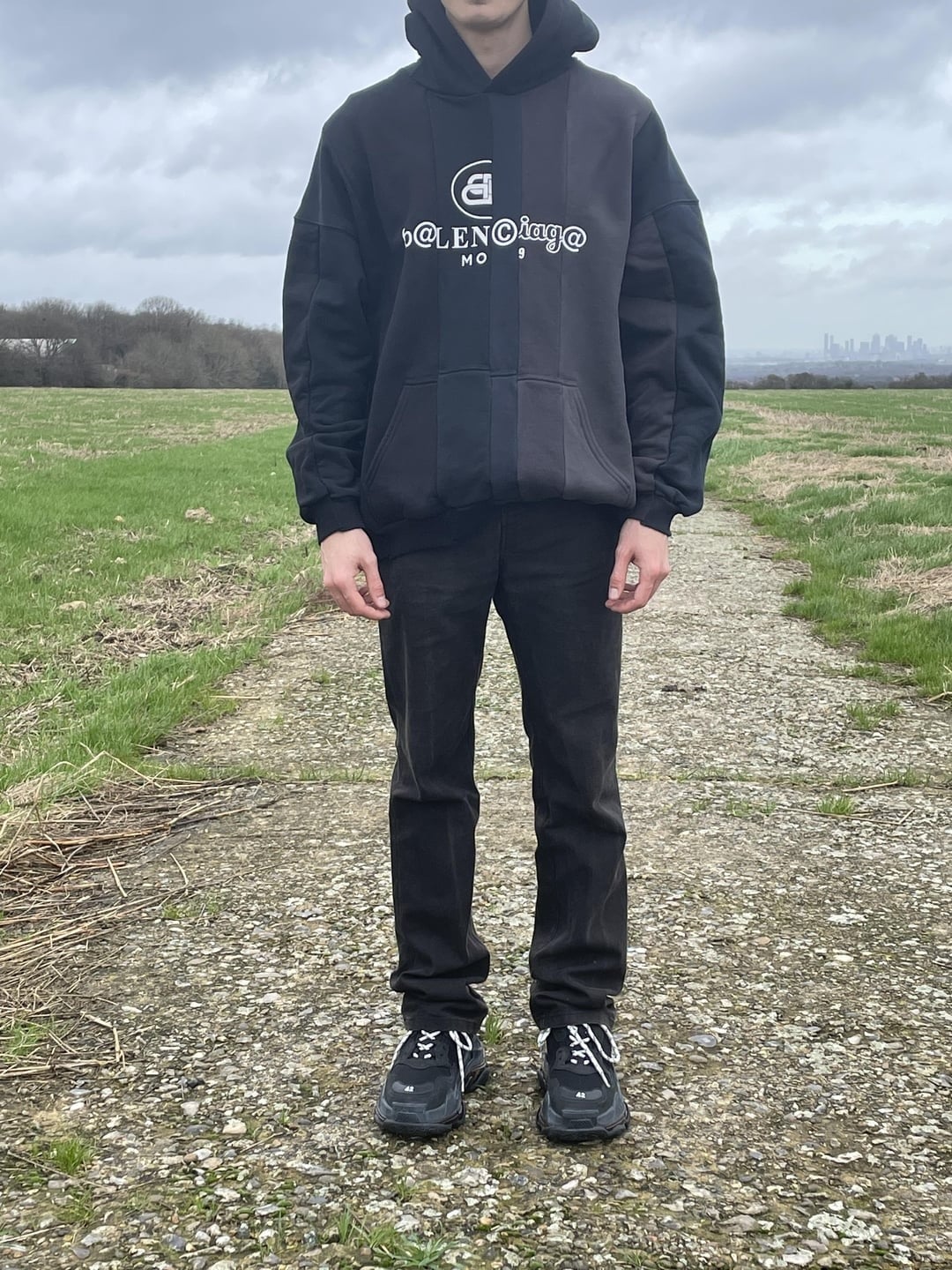
Known for its avant-garde designs and provocative marketing, Balenciaga has established itself as one of the edgiest brands in luxury fashion. However, this bold approach has also contributed to a flood of counterfeit products, making it likely that, even if your Balenciaga pieces are genuine, many will assume they’re fake.
Recently, the brand faced significant public backlash over inappropriate child imagery in its campaigns, further damaging its reputation.

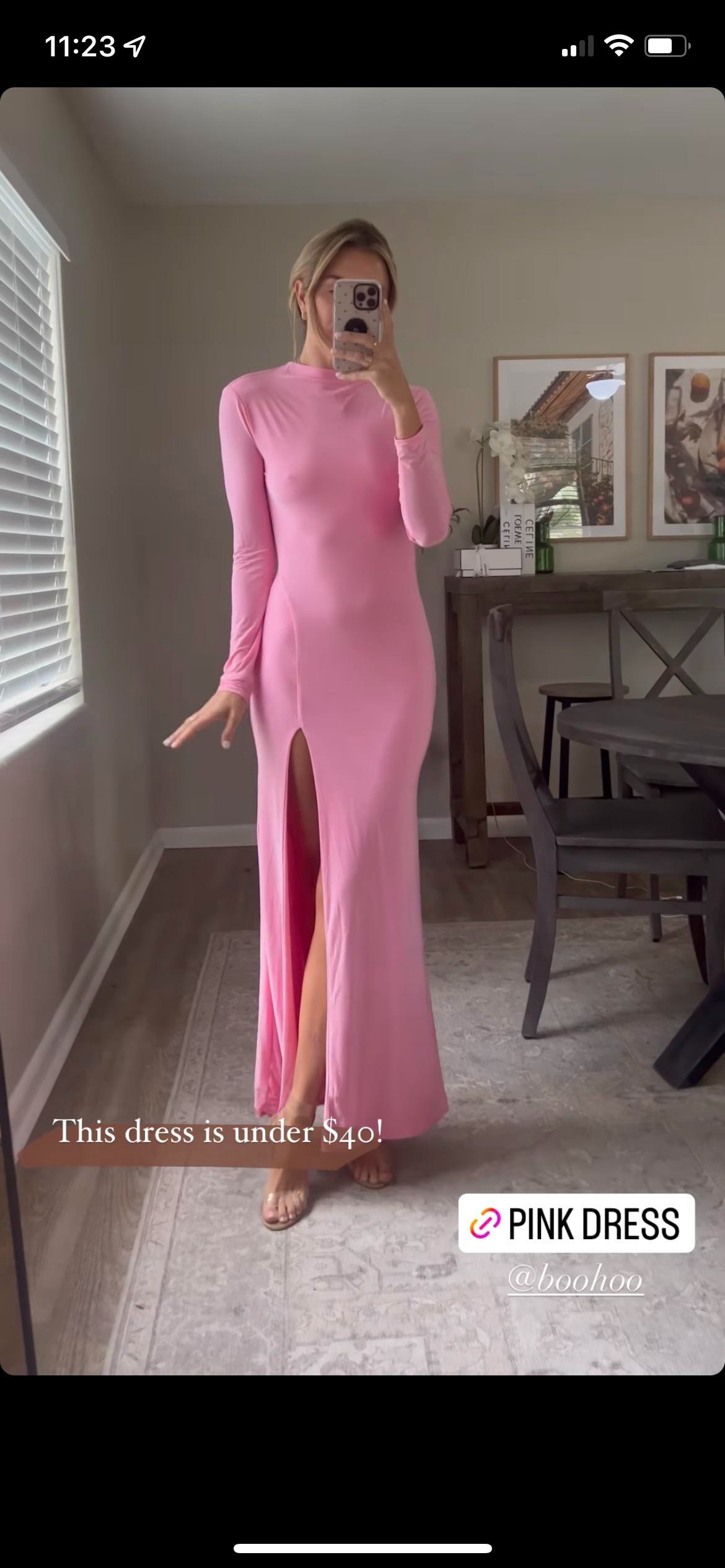
Boohoo
Through collaborations with high-profile celebrities and influencers, Boohoo has managed to give its inexpensive, mass-produced clothing an air of sophistication. Yet, anyone who has purchased from the e-commerce giant knows that Boohoo’s clothes are far from classy in person.

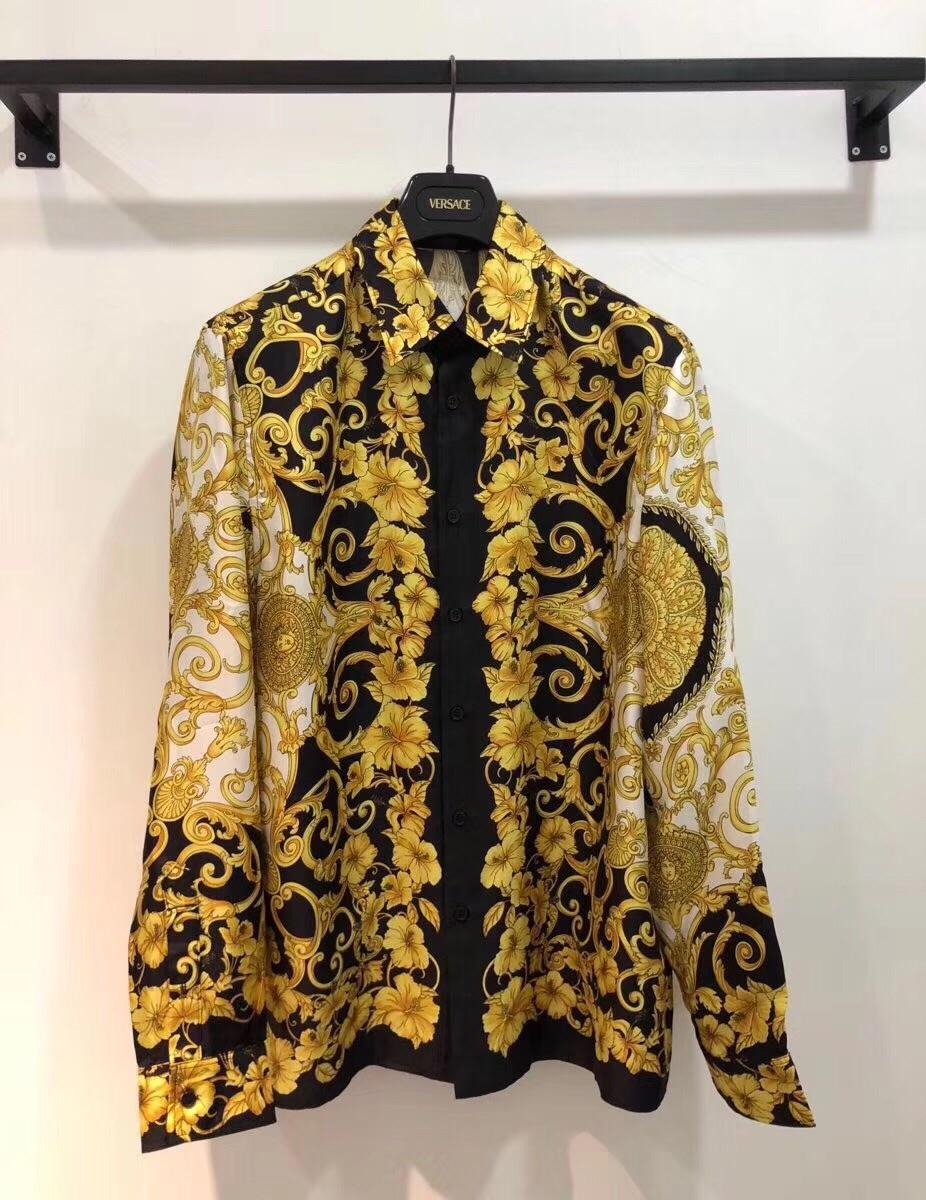
Versace
Though Versace clothing remains fairly pricey, the brand has recently lowered its prices to attract a more mainstream audience. Consequently, Versace is now often perceived as a label for those trying to appear wealthier than they actually are.

SHEIN
Like many other Chinese clothing retailers, Shein offers prices that seem almost unbelievable—and for good reason. While the brand’s clothing is undeniably affordable, the poor quality is glaringly obvious to anyone who takes a closer look.

Dsquared2
In the 2010s, Dsquared2 was a staple on the red carpet, frequently worn by celebrities who rose to fame during that era. However, the brand’s recent rebranding efforts have fallen flat, with many critics arguing that its introduction of more affordable lines has tarnished its once-classy image.

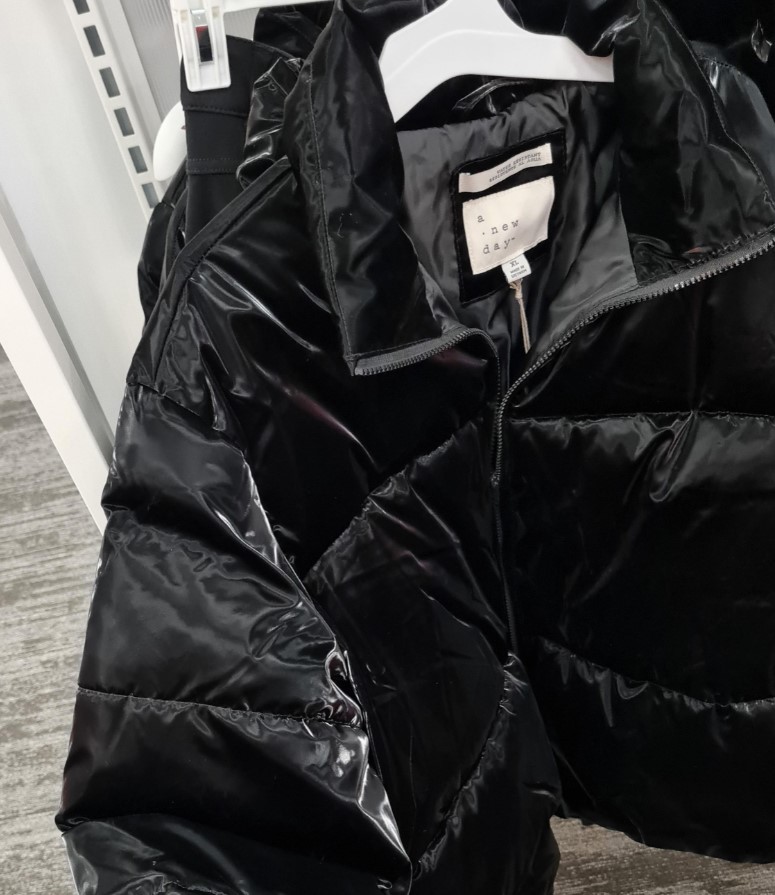
A New Day
Target offers around 45 of its own clothing brands, which are ideal for budget-conscious shoppers, but most of them tend to make you appear cheap. The biggest culprit is A New Day, primarily because it tries to appear far more upscale than it really is.

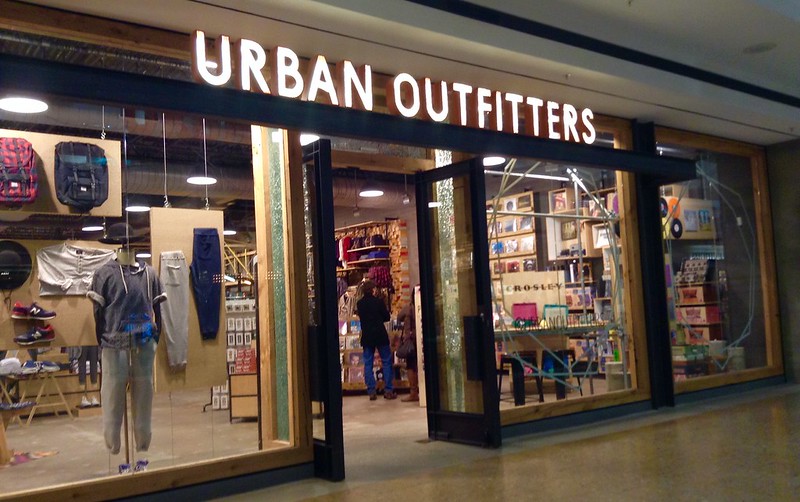
Urban Outfitters
Although Urban Outfitters carries many well-known quality brands, its own-label products are undeniably fast fashion.
However, the brand’s prices are higher than most high street retailers, often misleading shoppers into believing they’re paying for higher quality.

ASOS
ASOS initially launched as a marketplace for other brands, but it has since expanded to create its own clothing lines. These include Dark Future, Reclaimed Vintage, and ASOS 4505, all of which share one common trait: they look undeniably cheap.

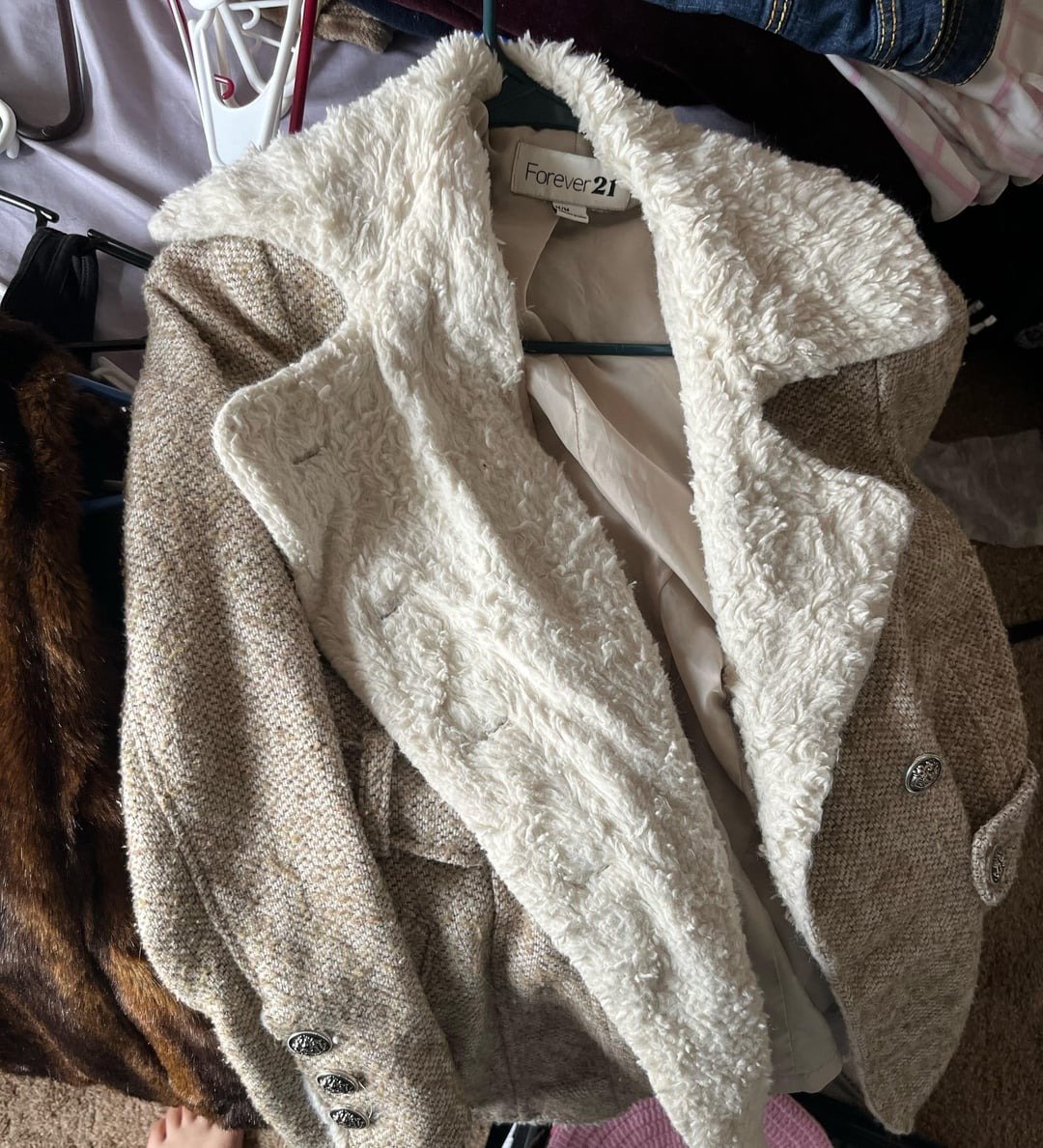
Forever 21
Despite its cheerful name, wearing Forever 21 clothes past your twenties is hard to pull off. If you’re on a budget, opt for second-hand pieces from brands like Ralph Lauren instead. You’ll get better quality and a more age-appropriate look.

Uniqlo
Uniqlo, already a leading clothing retailer in Japan, has recently expanded its presence in the Western market. However, due to widely publicized reports of the brand’s unethical labor practices, wearing Uniqlo clothing may give others the impression that you’re skimping on ethics as well as cost.

Zara
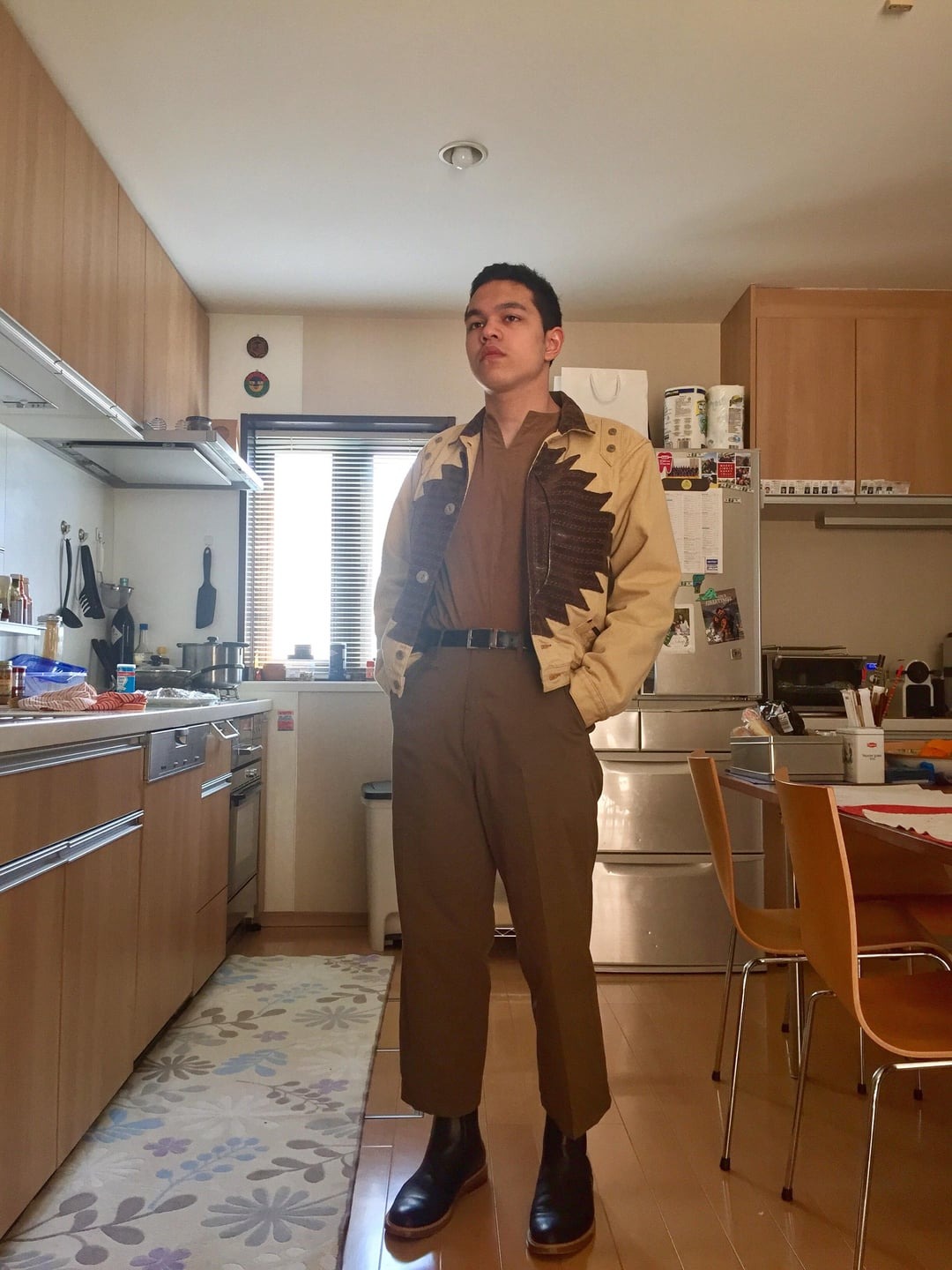
Zara has strategically set itself apart from other high street retailers by mimicking trends from luxury brands. However, like any fast fashion brand, it relies on mass production, and the quality of its clothing clearly reflects this.

Fashion Nova
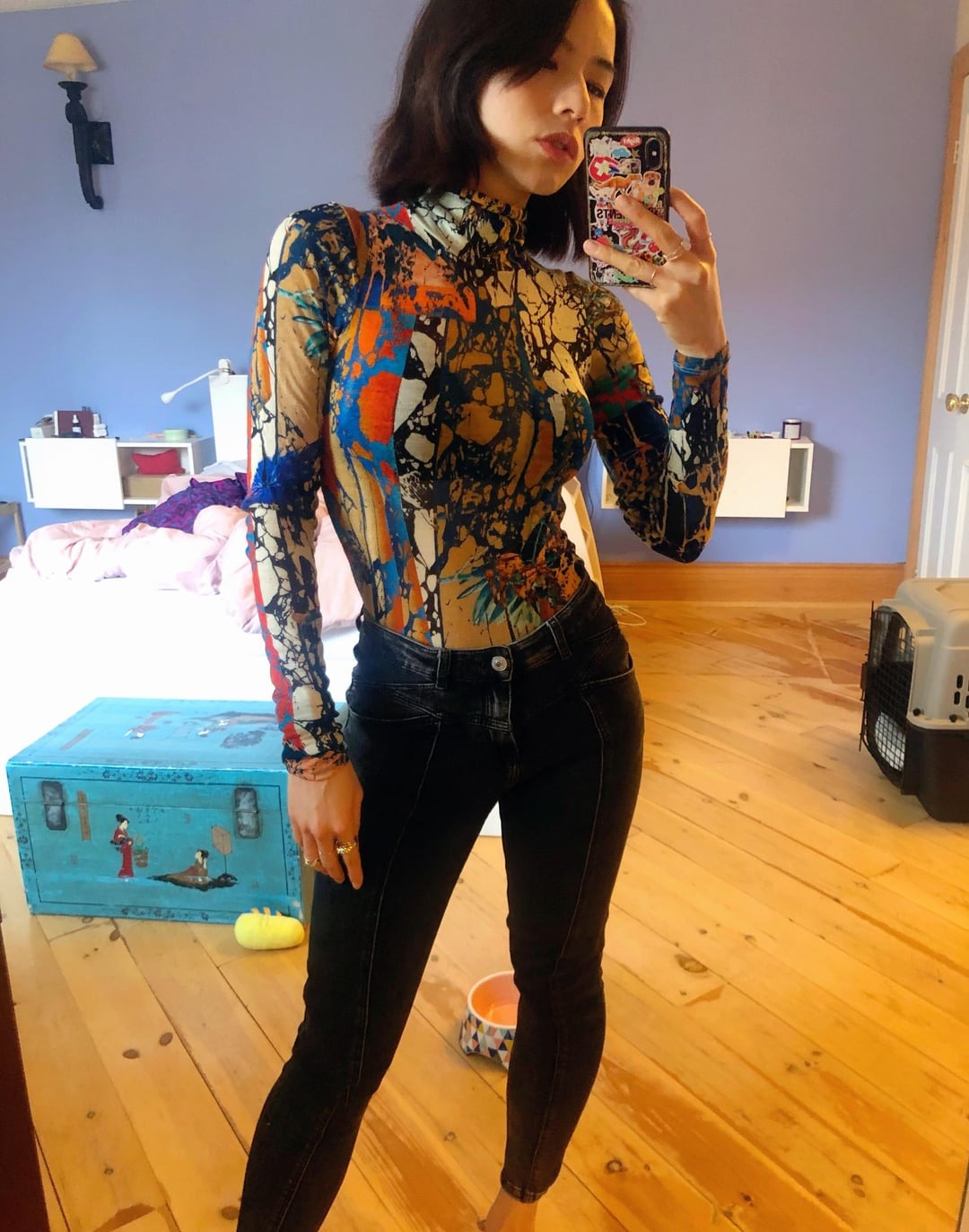
Despite Fashion Nova’s efforts to enhance its image by sponsoring glamorous celebrity events, its clothing is far from luxurious. The brand’s products are mass-produced using low-cost labor and inexpensive fabrics, a practice that, unfortunately, is all too common in the industry.

Levis
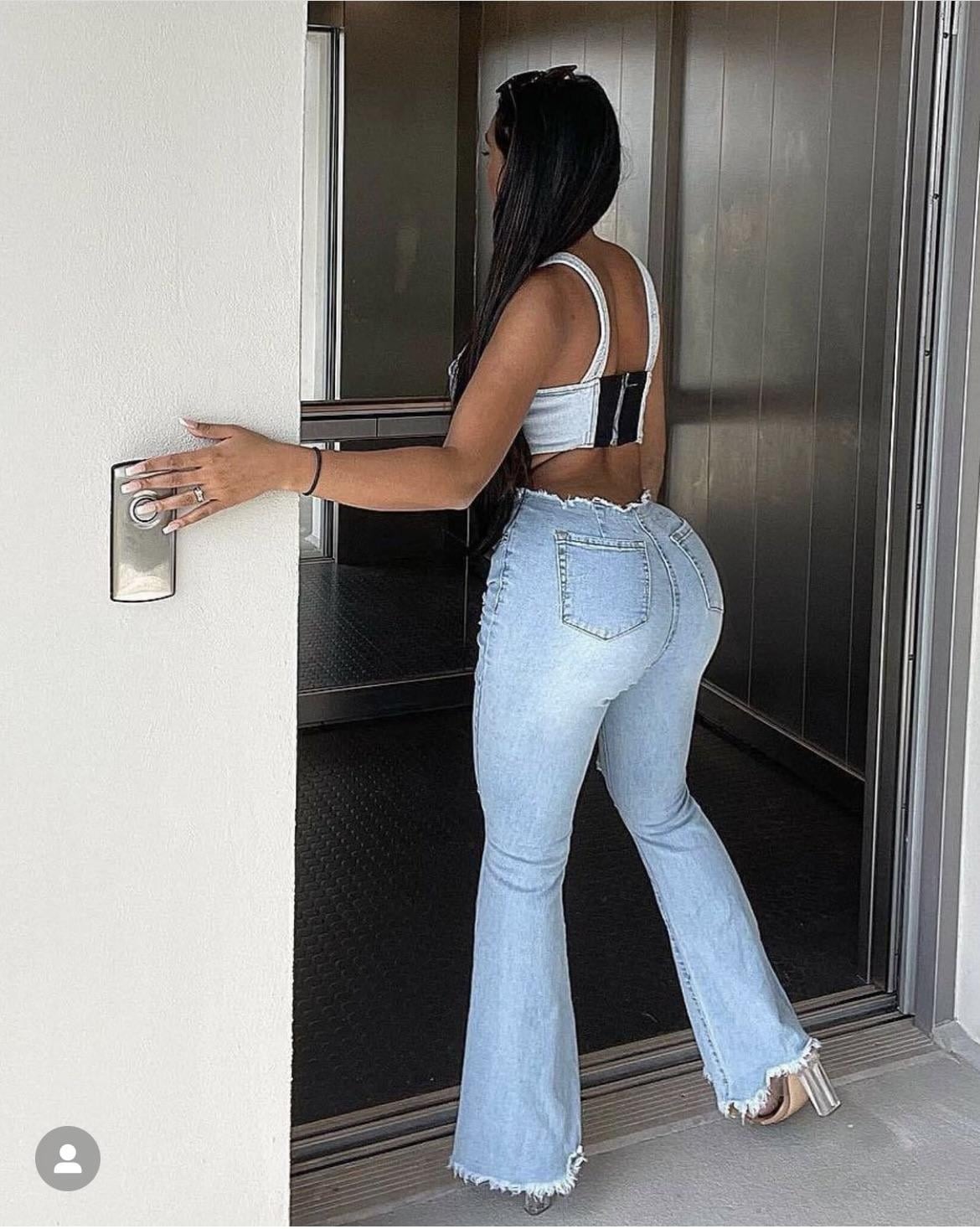
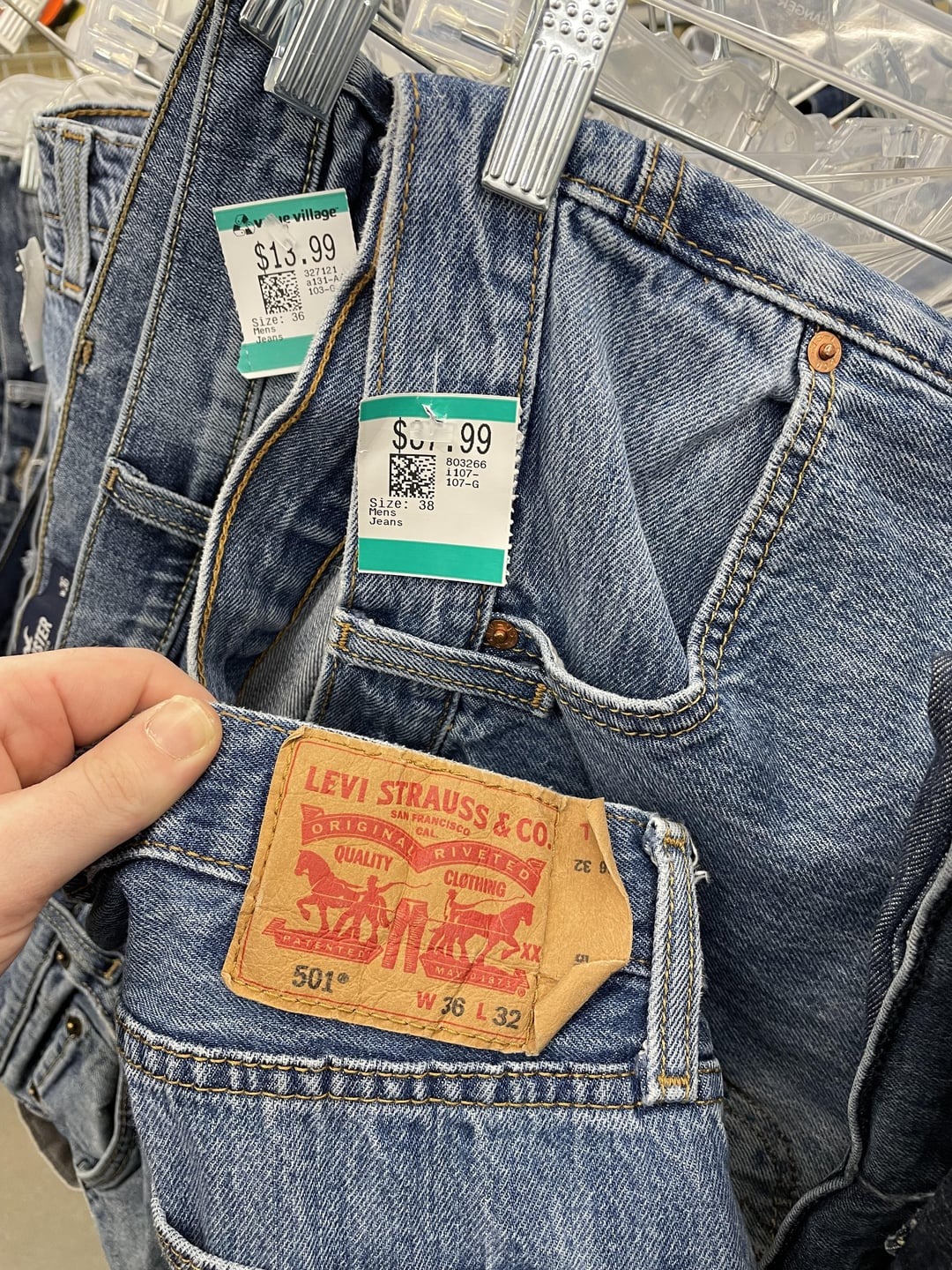
For more than a century, Levi’s was regarded as one of the most iconic manufacturers of men’s jeans in the U.S. However, its reputation for quality has gradually declined, with the discovery that Levi’s shares the same Mexican factory as GAP serving as the final blow to its once-pristine image.

Abercrombie and Fitch
Although Abercrombie & Fitch aims to attract teens and young adults with disposable income, its clothing is actually fairly affordable. However, the brand’s overt effort to cater to affluent shoppers can make you come across as trying too hard to look wealthy.
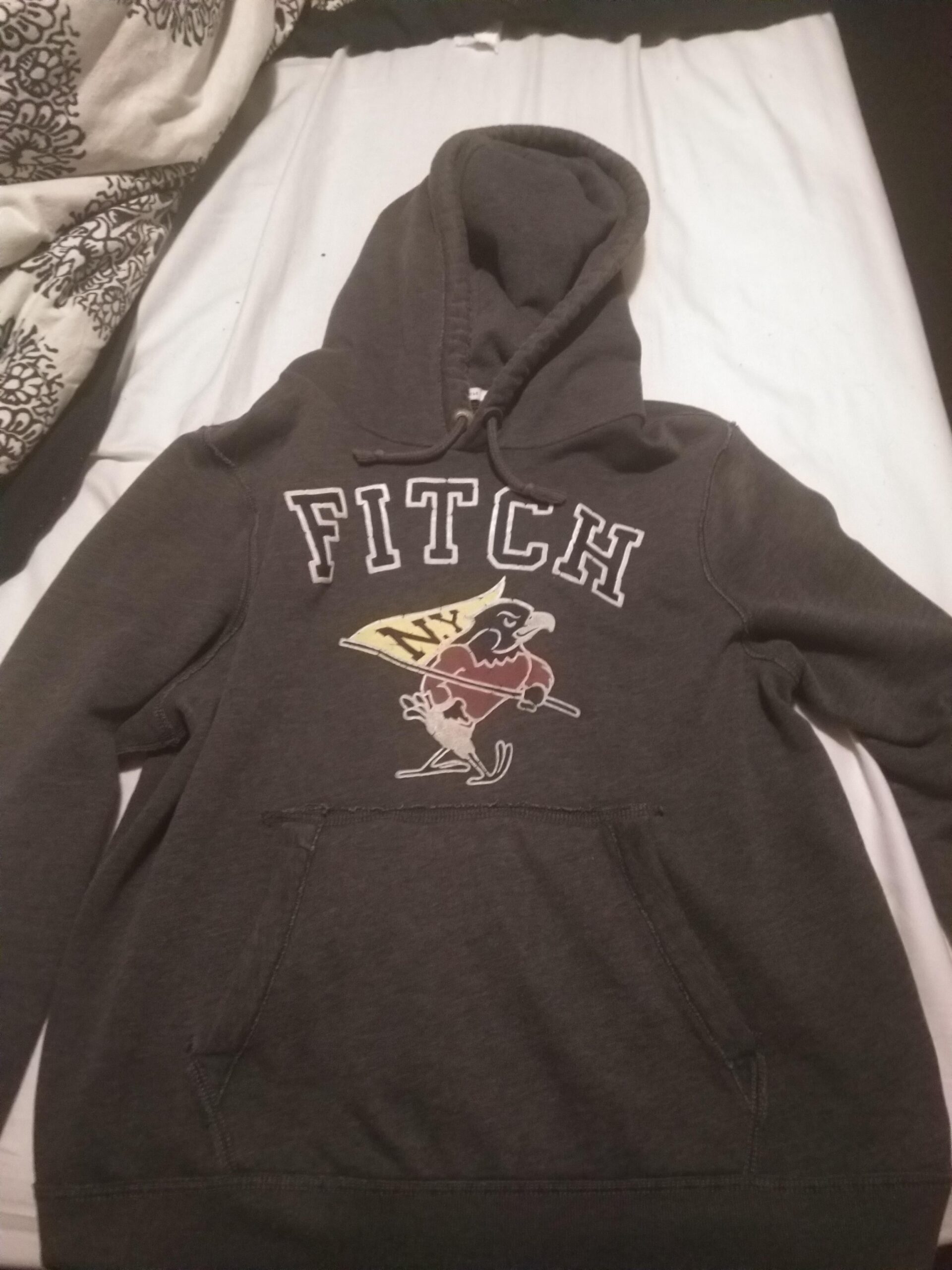

Missguided
Missguided, a UK-based clothing brand aimed primarily at young women, has emerged as a major player in the fast fashion industry. Similar to its key competitors, Missguided keeps prices attractively low by relying on inexpensive labor in developing countries and cutting corners on material quality.
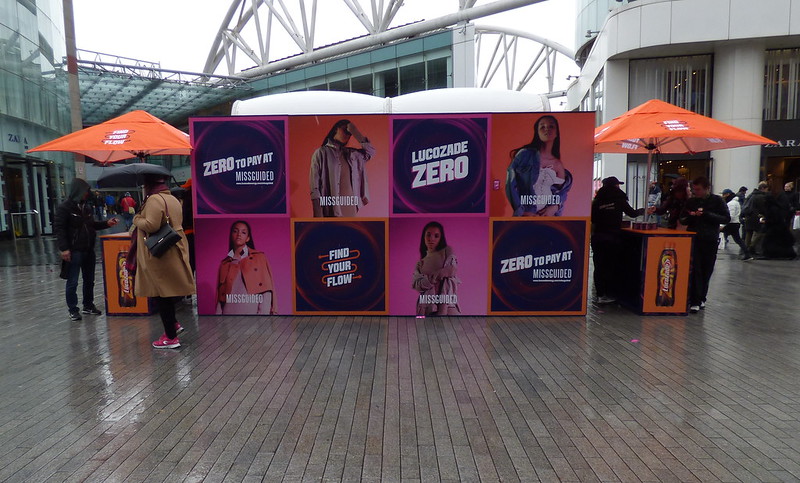

Áeropostale
In the early 2000s, Áeropostale stores were a staple in nearly every shopping mall across the U.S. Though now available exclusively online, the brand is experiencing a resurgence in popularity, despite the clearly low quality of its clothing.
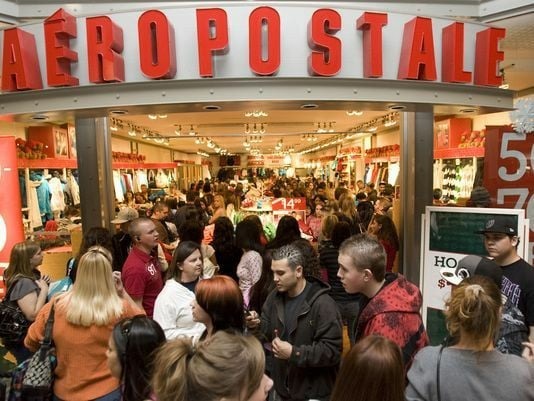

American Eagle
Founded well before the rise of fast fashion, American Eagle was once renowned for the durability of its clothing. However, those days are behind it. As the brand’s popularity began to decline in the mid-2000s, it attempted to stay relevant by cutting costs, sacrificing quality in the process.
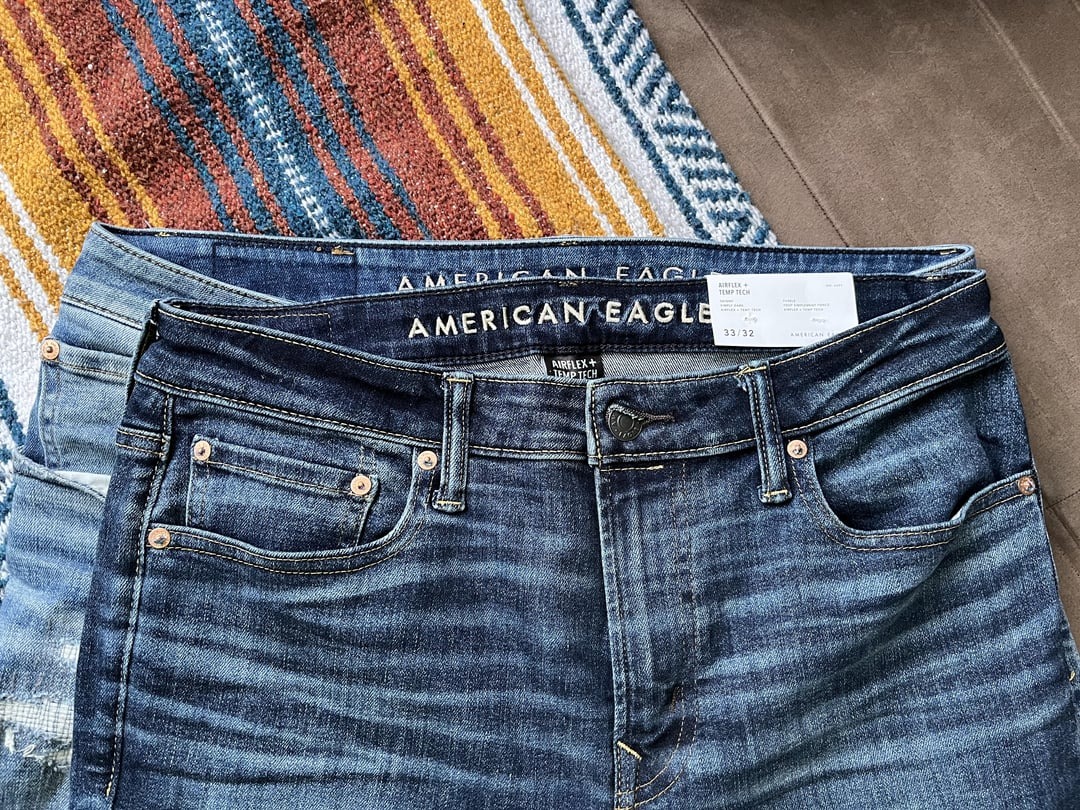

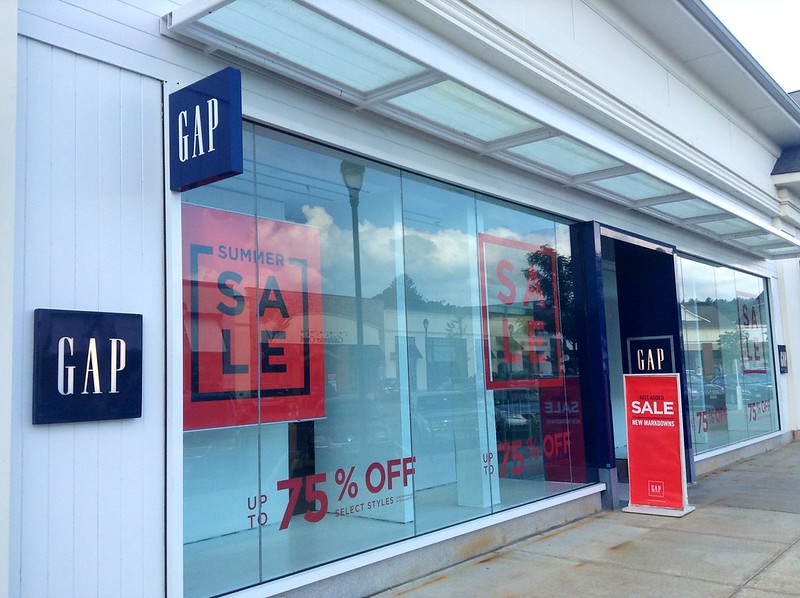
GAP
GAP has tried multiple times to shift its image away from being seen as a budget retailer, most notably through its collaboration with Kanye West. Despite these efforts, they have largely fallen flat, and the reality is that wearing GAP still gives the impression that you can’t afford higher-end brands.

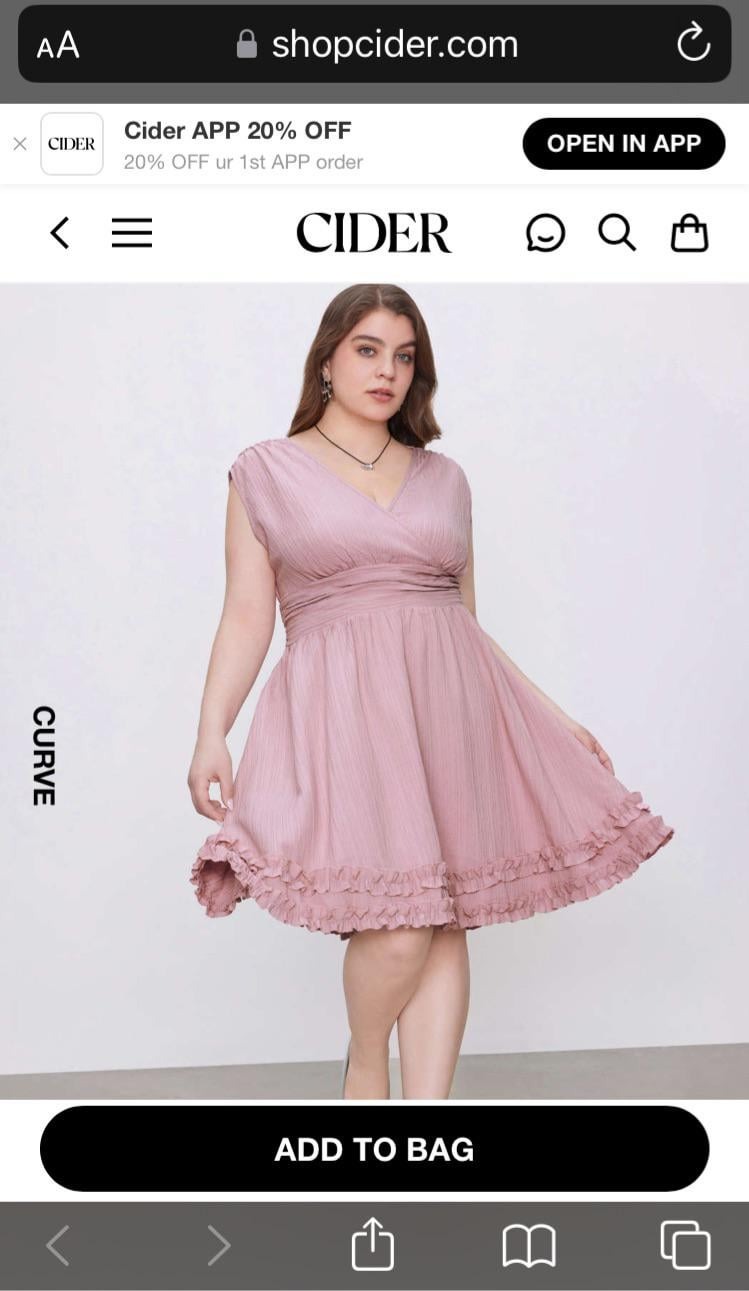
Cider
CIDER’s rapid rise can be largely attributed to its savvy use of social media, allowing the Chinese brand to amass millions of followers in no time. Although its marketing has driven substantial profits, customers often voice dissatisfaction with the noticeably poor quality of its clothing.

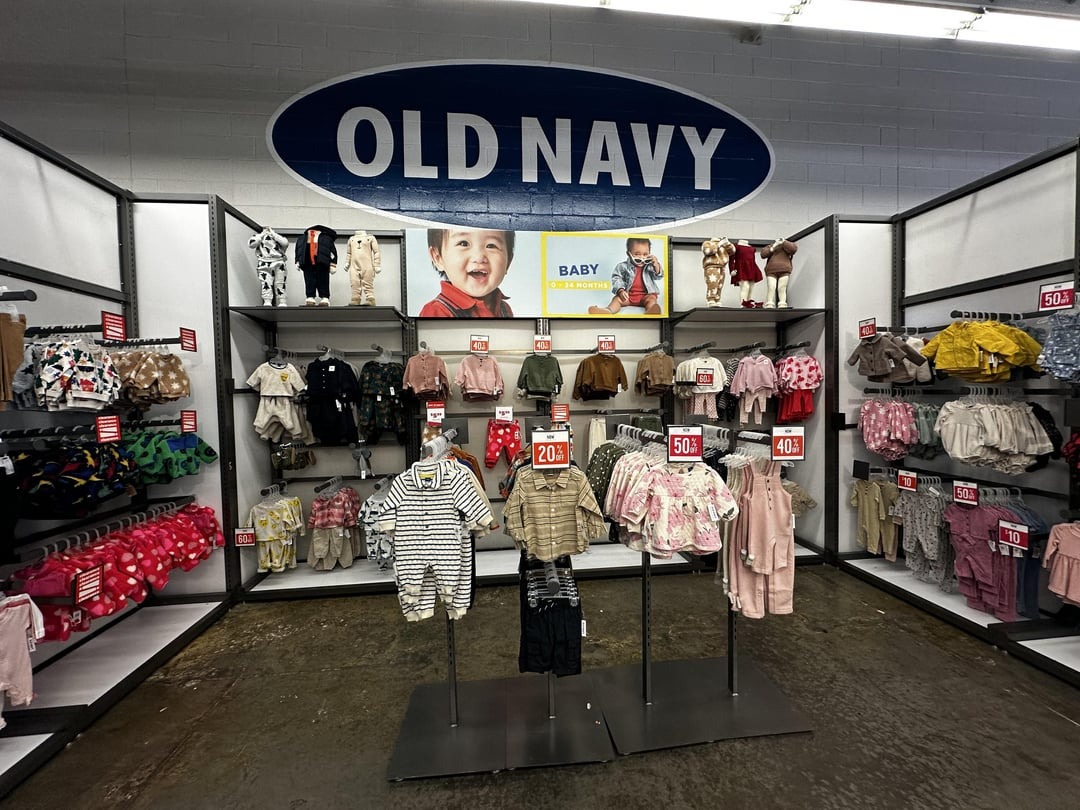
Old Navy
In the early 90s, GAP CEO Millard Drexler launched GAP Warehouse to tap into the emerging discount clothing market. However, when GAP’s image began to decline due to the association, Drexler rebranded the offshoot as Old Navy.

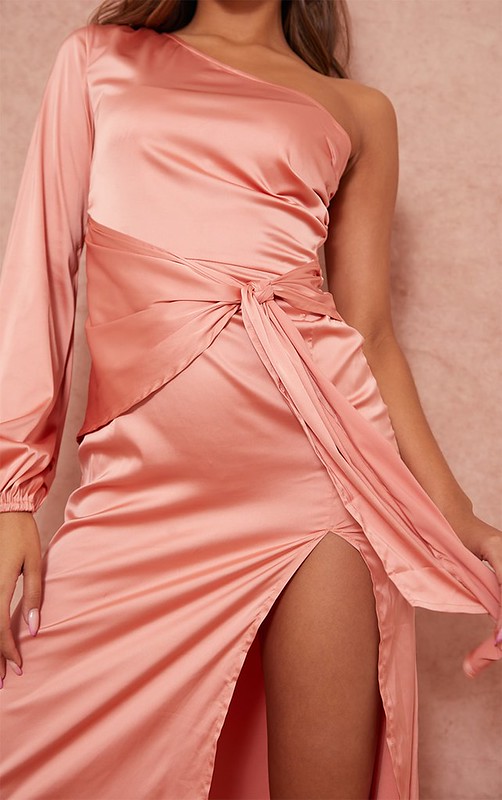
PrettyLittleThing
PrettyLittleThing initially launched as a competitor to Boohoo, but has since been acquired by its former rival. The brand has been embroiled in numerous cheap labor controversies, leaving it with a rather tarnished reputation.

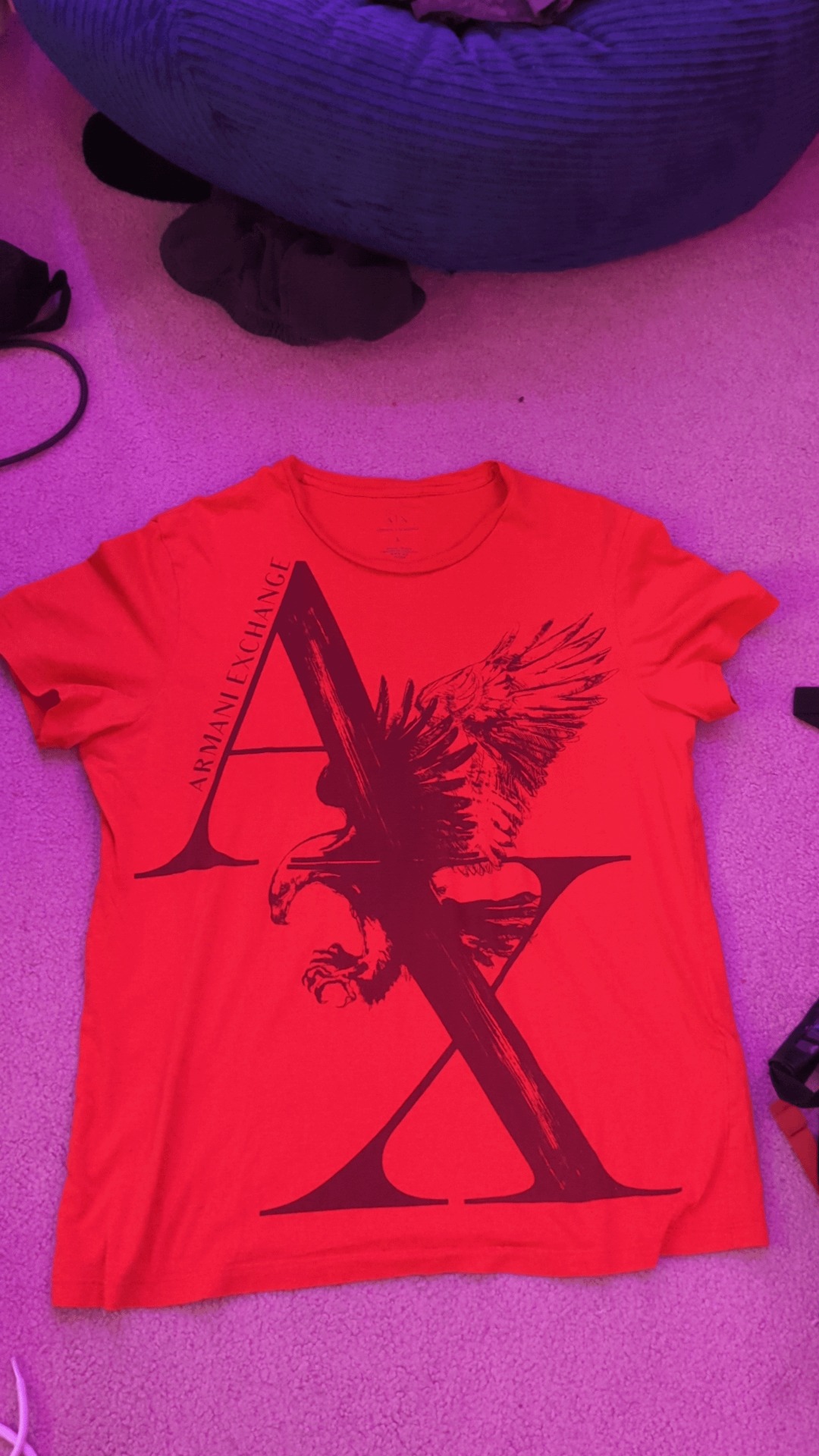
Armani Exchange
Armani is known for its high-quality luxury apparel, but the same can’t be said for its offshoot, Armani Exchange. Although Exchange is marketed towards younger consumers, it’s essentially a way for those who want to sport the Armani logo without paying for the true luxury experience.

Topshop
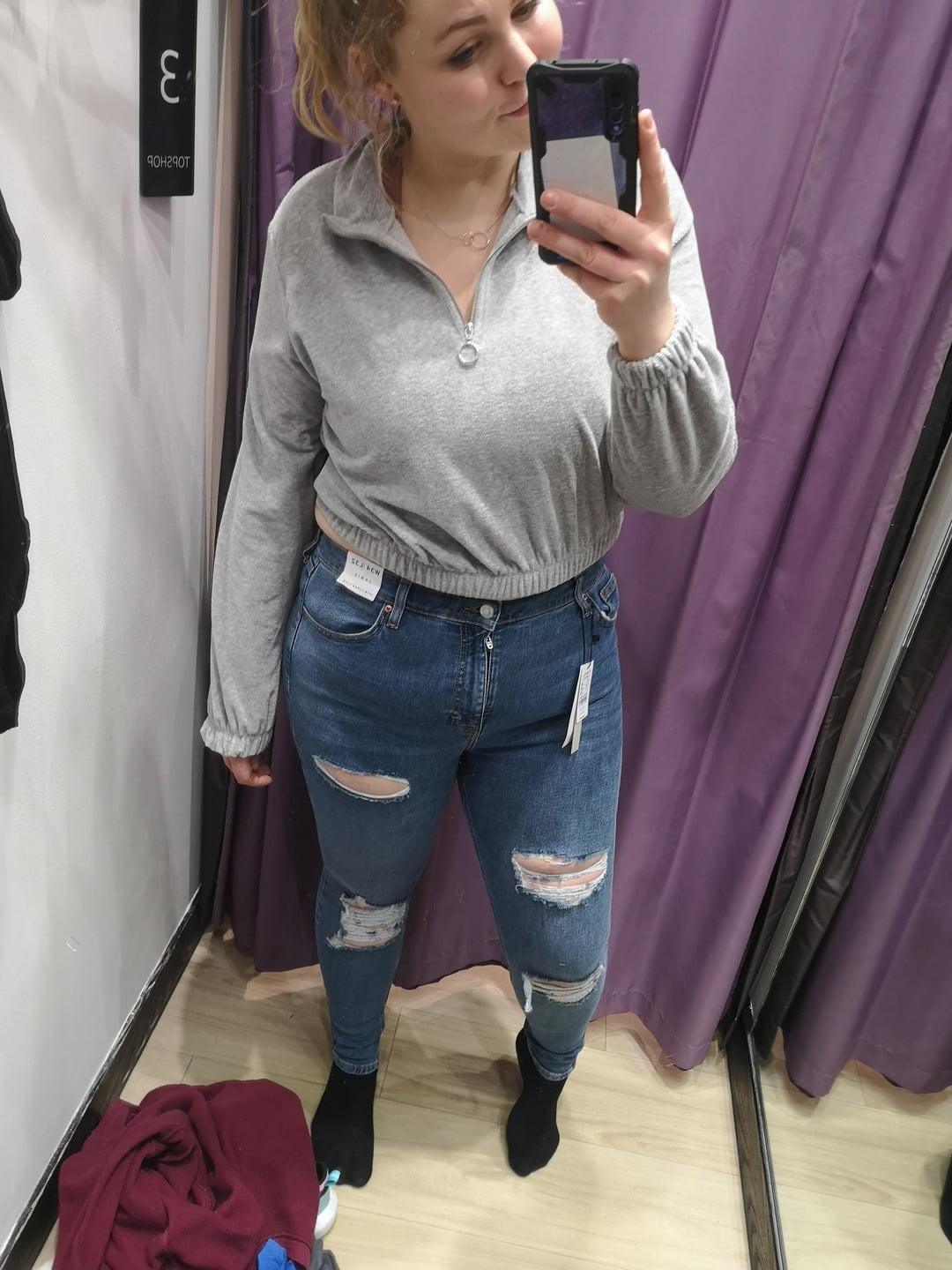
Though Topshop no longer has a high street presence, it’s still available online through ASOS, which acquired the struggling brand to prevent its collapse. Aside from that, not much has changed—Topshop remains a fast fashion label known for its affordability, often at the expense of quality.

Wish
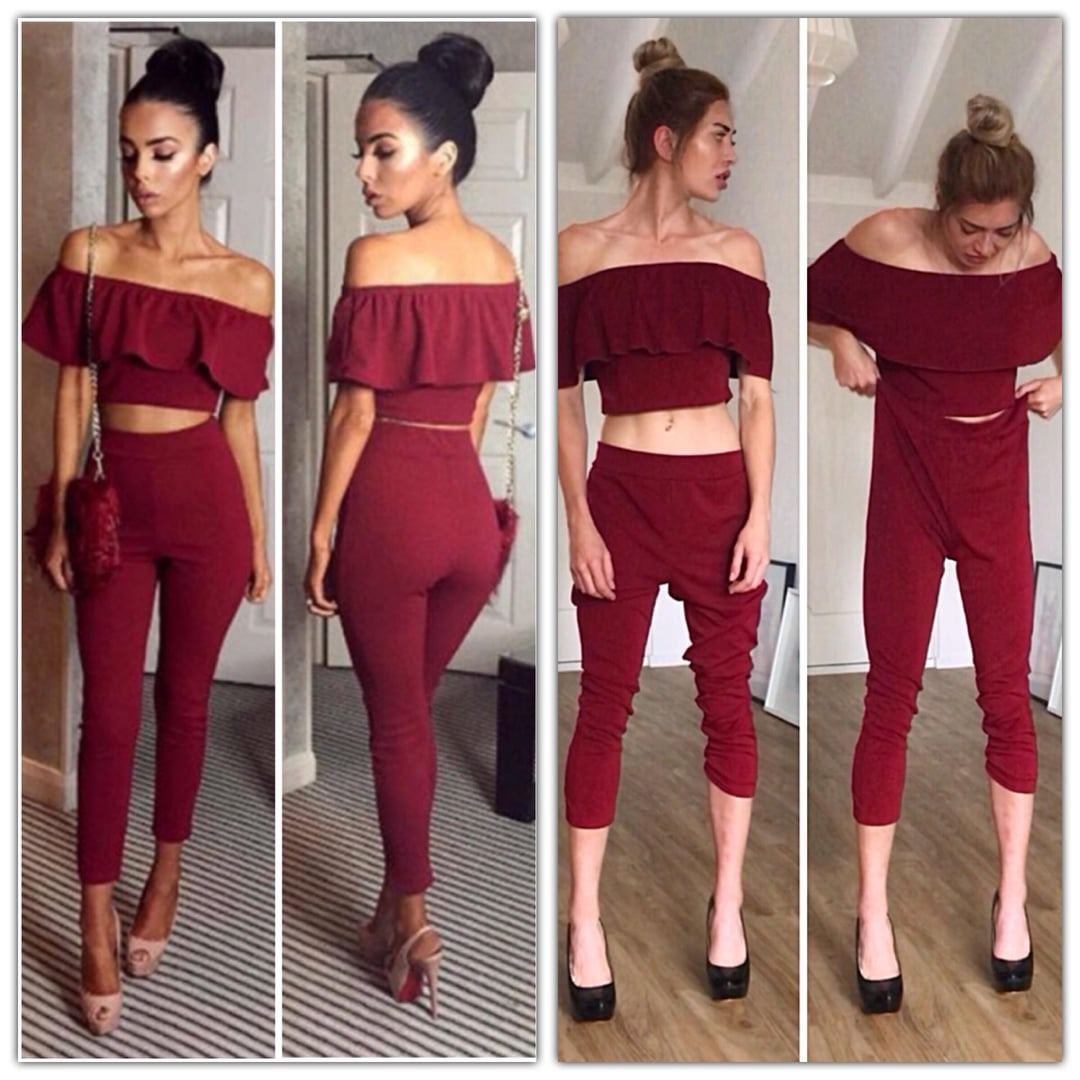
As one of the first e-commerce giants to rise from China, Wish has become notorious for the laughably poor quality of its products. Although the clothing sold on Wish typically lacks logos, it’s instantly clear that they’re hastily made from the cheapest materials available.

Brandy Melville
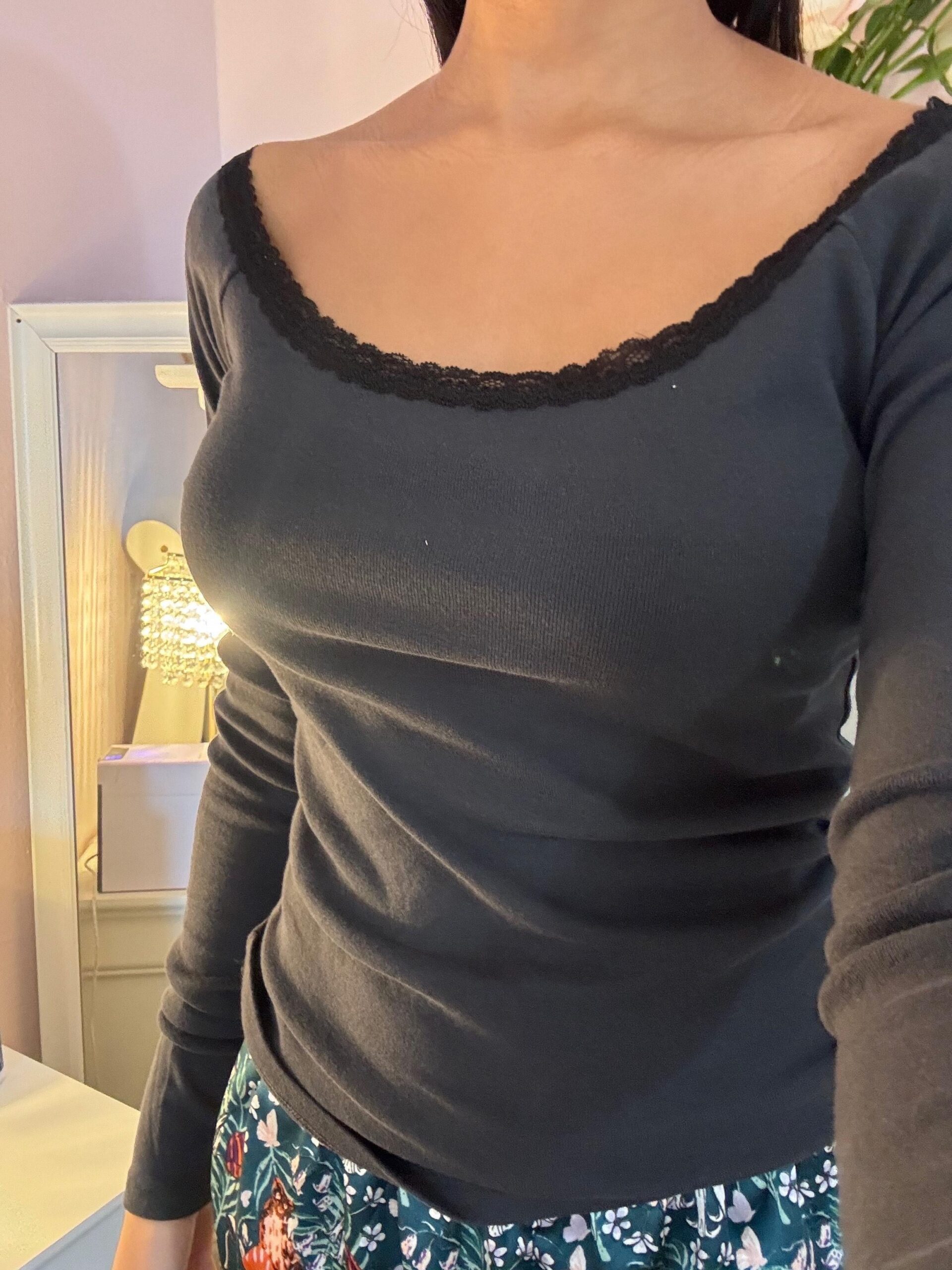
Similar to many brands on this list, Brandy Melville was once known for producing high-quality clothing. However, it’s evident that the brand has compromised quality for profit, with its apparel now appearing in various discount stores.

GUESS
After exiting the high street, GUESS has tried to reposition itself as a mid-range brand for style-conscious shoppers. While it has seen some success, the brand continues to struggle with shedding its reputation as a retailer of affordable, mass-produced clothing.

Victoria’s Secret
Once the leading name in lingerie, Victoria’s Secret is now recognized for offering low-quality products at premium prices. As this becomes more common knowledge, owning a set of Victoria’s Secret lingerie might not convey the same level of sophistication you once believed.

Garage
Canadian retailer Garage has been gradually expanding into the U.S., catering to young women shopping on a budget. However, like many fast fashion brands, Garage’s low prices come at the expense of quality, with most of its products having a distinctly cheap appearance.

Temu
While Temu isn’t strictly a clothing brand, it offers a vast selection of apparel, often at extremely low prices. It might be difficult to identify if a piece of clothing is from Temu, but if someone does recognize it, you’ll likely come across as a serious cheapskate.

Hollister
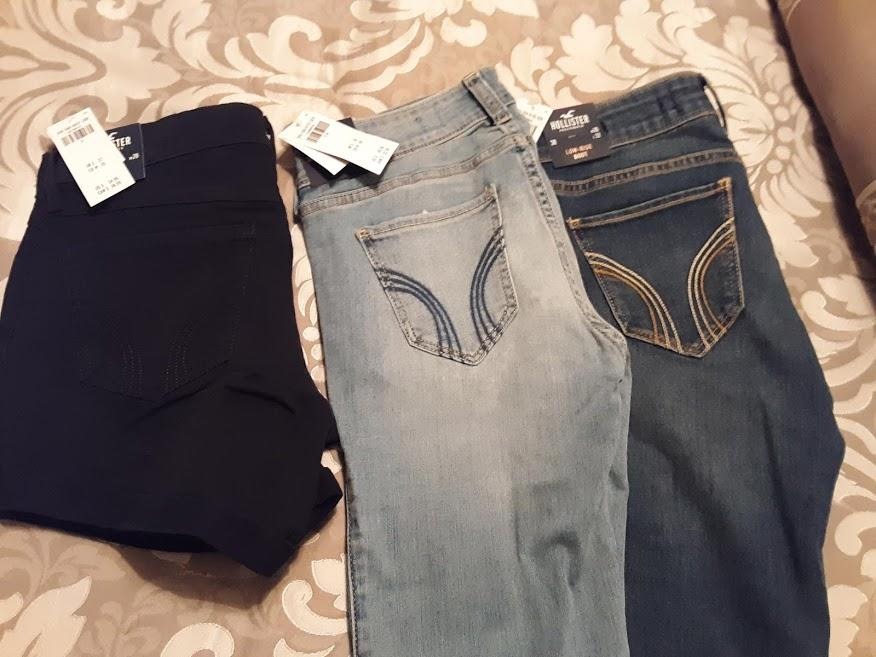
Hollister has tried to set itself apart from other mall-based fast fashion brands by embracing surf culture. However, it’s not fooling anyone, and neither will you if you’re seen wearing clothing emblazoned with the Hollister logo.

Hot Topic
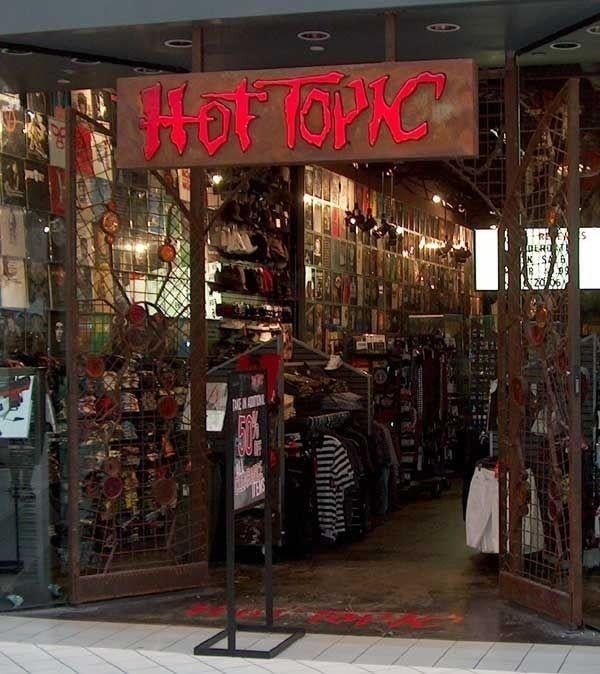
After falling out of style for several years, Hot Topic has recently regained popularity with a new generation of teen shoppers. However, the brand remains much the same as it was in the early 2000s—still offering budget clothing that looks noticeably low in quality.

Romwe
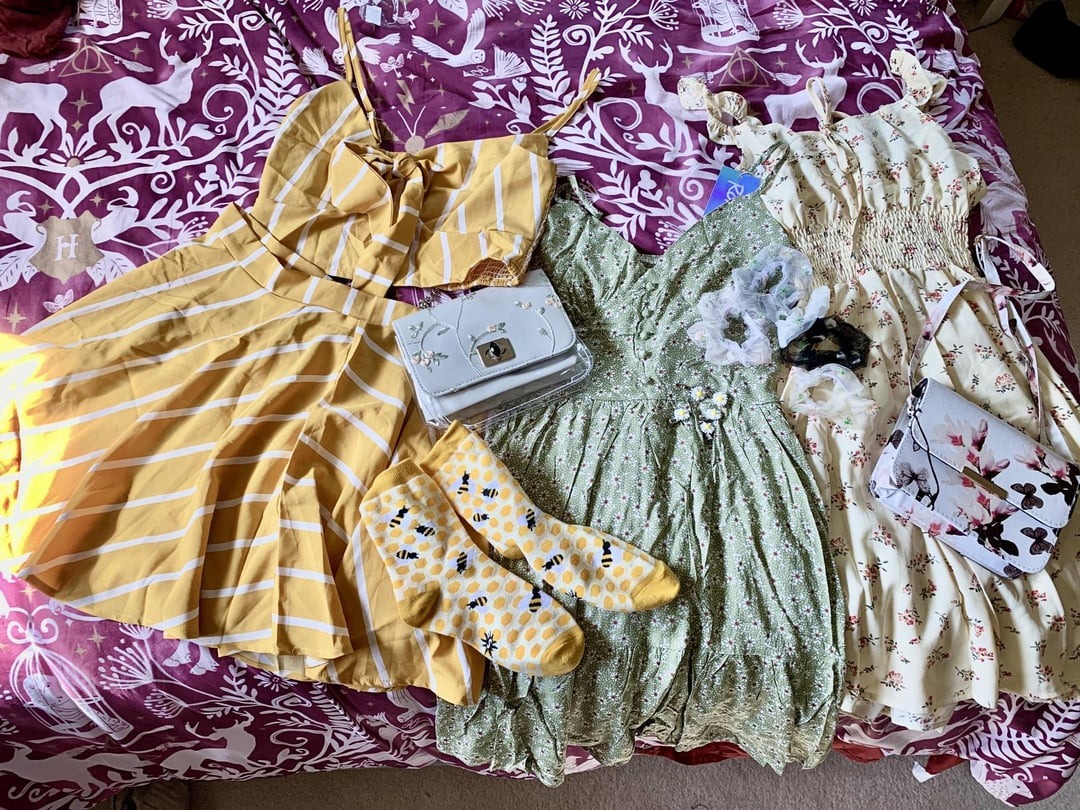
Romwe’s acquisition by Shein in 2014 says all you need to know about the brand. With prices starting as low as $1, according to its website, it’s no surprise that wearing Romwe’s clothing will likely make you appear cheap.

Mango
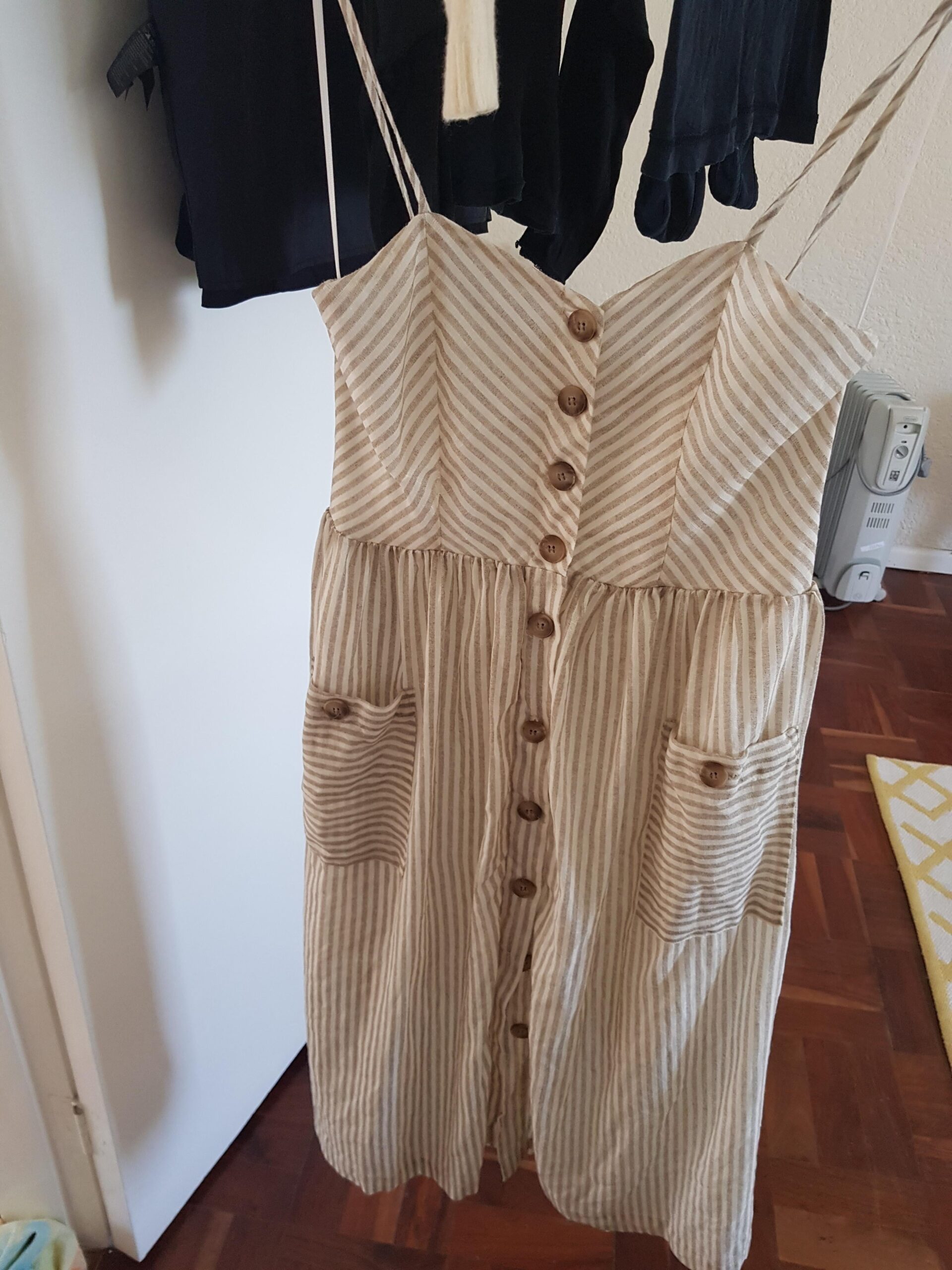
Much like Zara, Mango is a Spanish clothing brand that has gained significant traction in the fashion world in recent years. However, Mango also offers mass-produced fast fashion, with its higher price tags bearing little relation to the actual quality of its clothing.

Please SHARE this with your friends and family.