


Finding spiders in your home can be unsettling, but they often enter in search of food and shelter. They’re usually harmless but the sight of them is enough to scare anyone, even full size adults. Here are tips on how to get rid of these creepy crawlies. If infestations persist, consider contacting a pest control professional.
Seal Entry Points
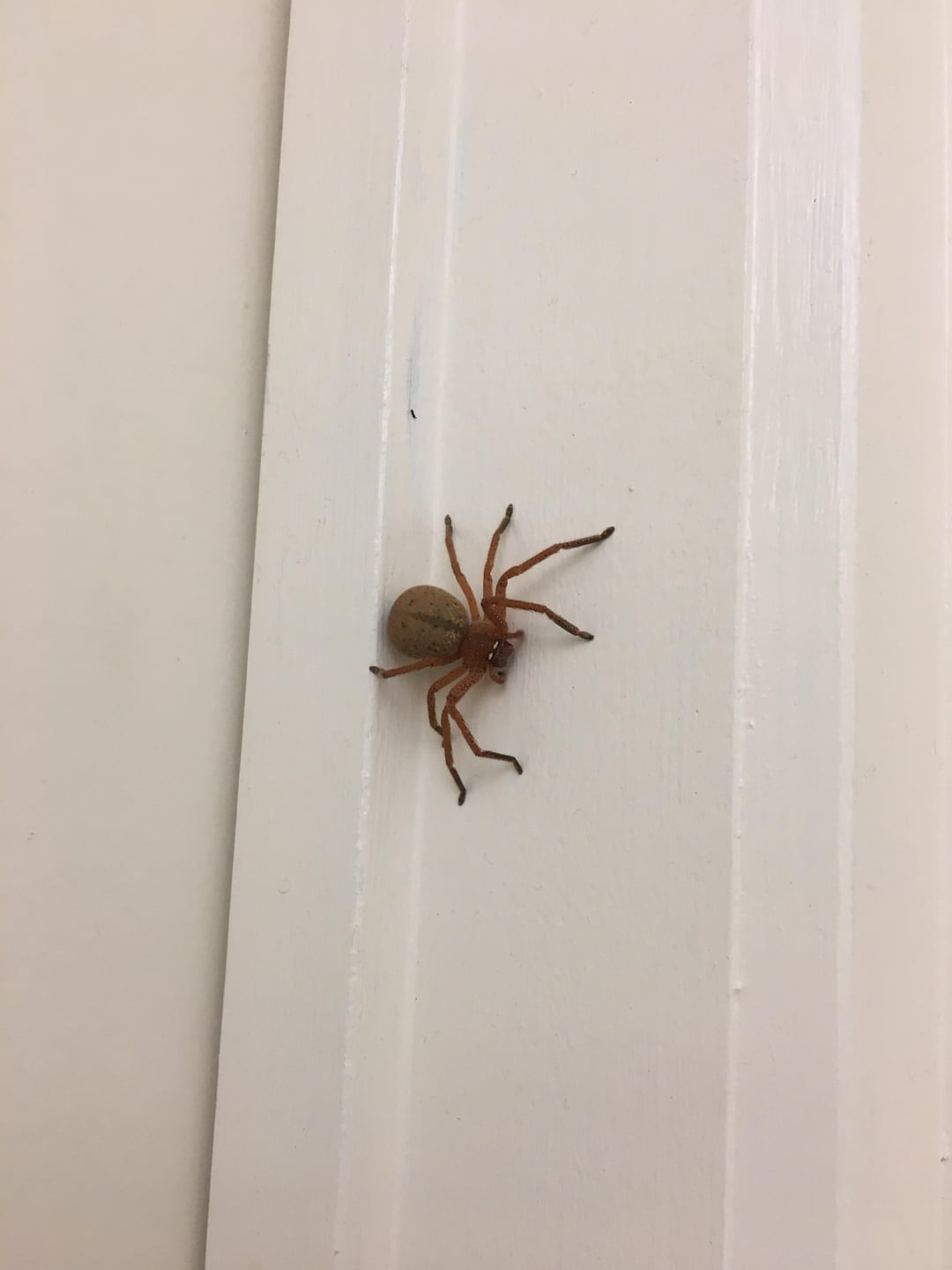
Spiders often enter homes through tiny cracks and crevices in walls, floors, and foundations. By meticulously sealing these entry points with caulk, you create an effective barrier against spider intrusion. This method not only keeps spiders out but also helps prevent other pests from entering your home.
Regular inspection and maintenance of these seals are crucial for long-term effectiveness. Pay special attention to areas around pipes, vents, and electrical outlets, as these are common entry points often overlooked. By making your home less accessible, you significantly reduce the likelihood of spider infestations.
Install Door Sweeps
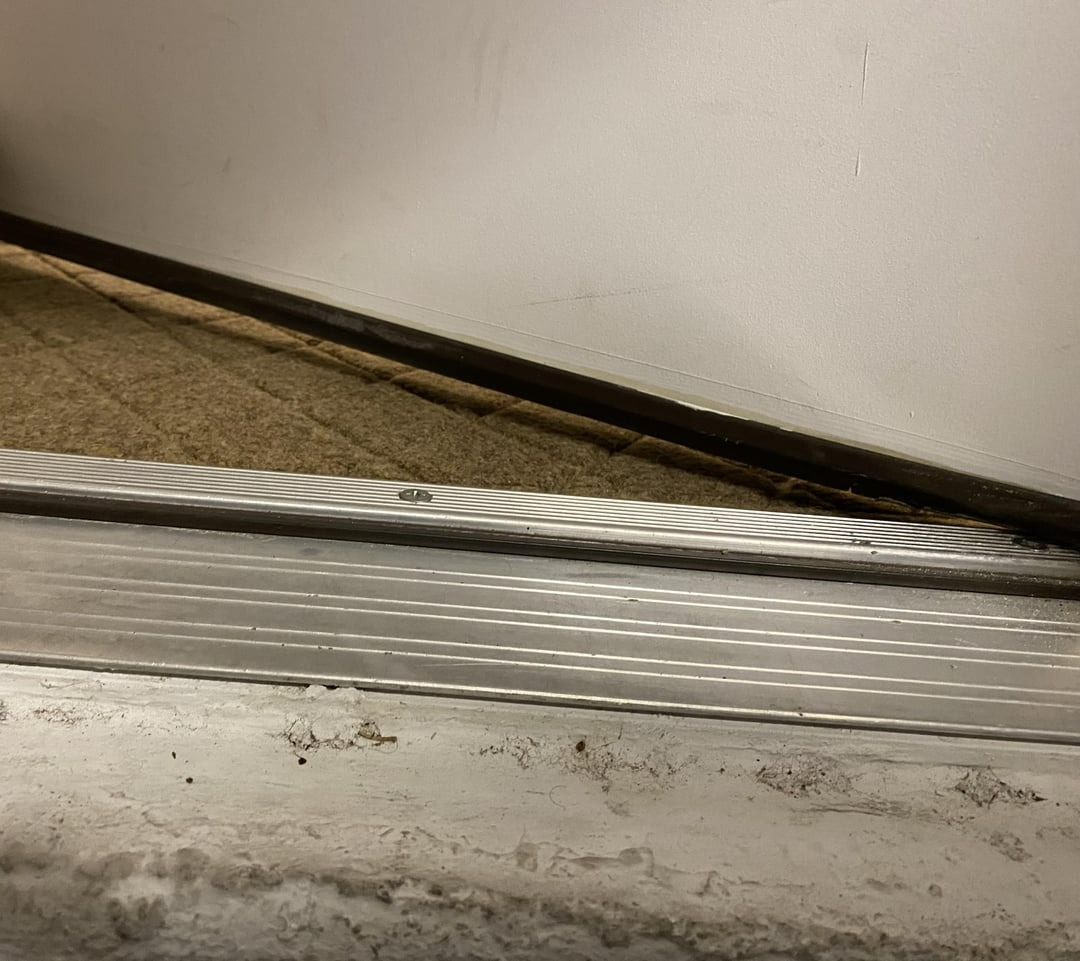
Door sweeps are simple yet effective tools in preventing spiders from crawling under doors. These devices, typically made of rubber or brush-like materials, create a tight seal between the bottom of the door and the threshold. This barrier is particularly important for exterior doors, but can also be useful for interior doors leading to basements or garages.
Installing door sweeps is a relatively easy DIY project that can make a significant difference in spider control. They not only block spiders but also help with energy efficiency by preventing drafts. Regular cleaning and replacement of worn-out door sweeps ensure continued effectiveness in spider prevention.
Use Window Screens
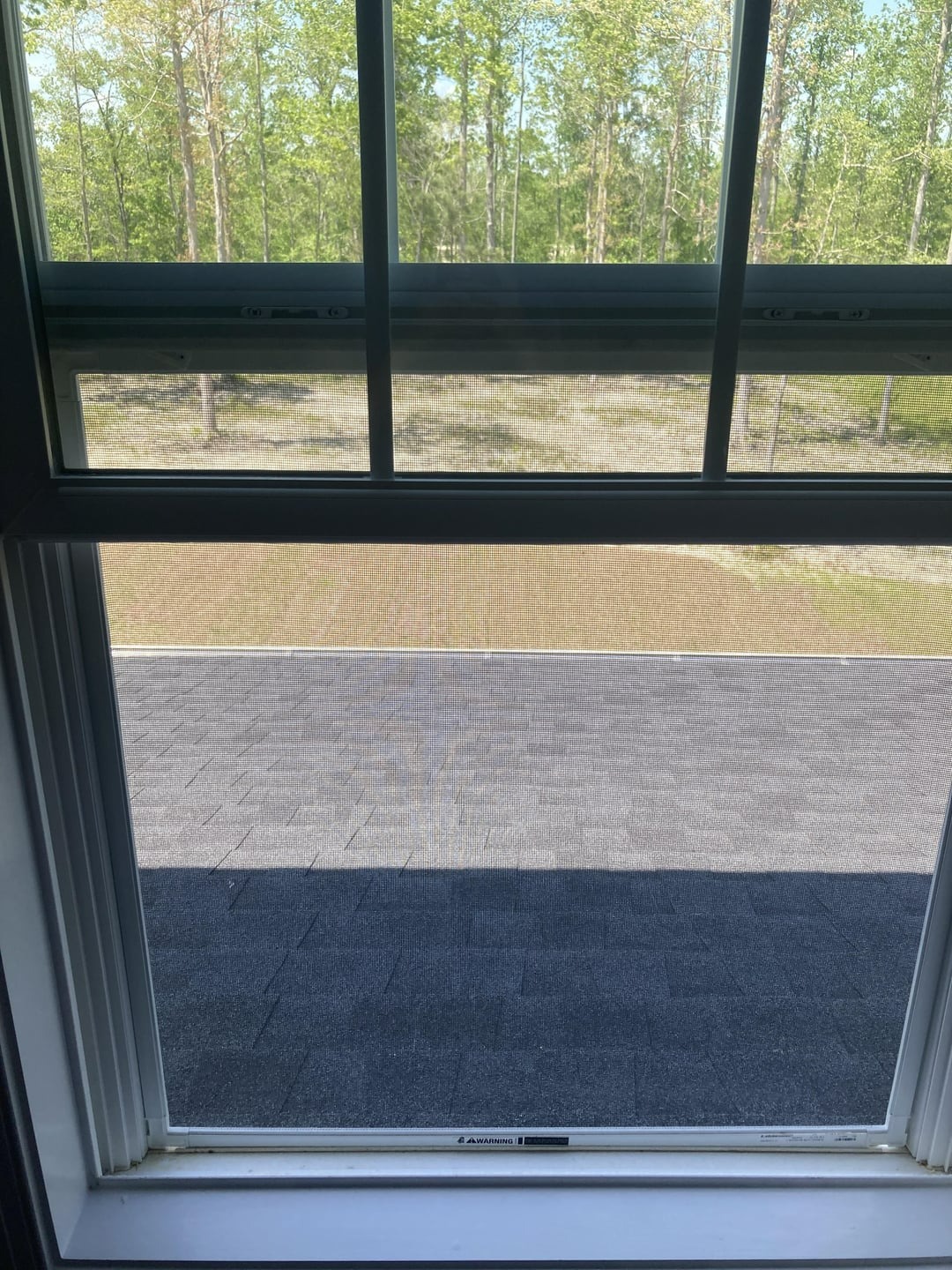
Window screens serve as a crucial line of defense against spiders and other insects entering your home. Ensure all your windows have intact, properly fitted screens without any tears or gaps. Fine-mesh screens are particularly effective at keeping out even the smallest spiders while still allowing for ventilation.
Regular inspection and maintenance of window screens are essential. Replace damaged screens promptly and consider upgrading to newer, more durable materials if your current screens are old or frequently damaged. This method not only prevents spiders but also allows you to enjoy fresh air without worrying about unwanted eight-legged visitors.
Remove Clutter
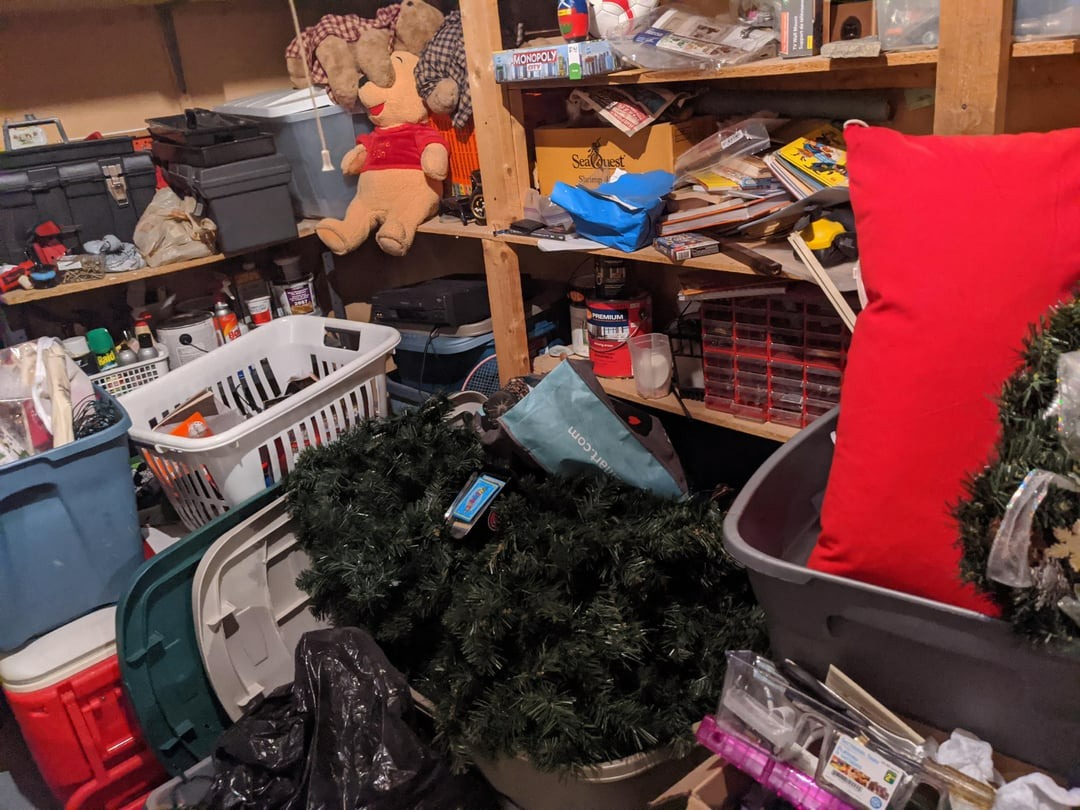
Clutter provides numerous hiding spots for spiders, making your home more attractive to them. By decluttering your living spaces, you significantly reduce the number of potential spider habitats. Focus on areas like basements, attics, and storage spaces where clutter tends to accumulate.
Implement a regular decluttering routine, organizing items in sealed containers rather than cardboard boxes, which spiders can easily hide in or behind. This not only helps with spider control but also creates a more organized, spacious living environment. Remember, a tidy home is less inviting to spiders and easier to keep spider-free.

Vacuum Regularly
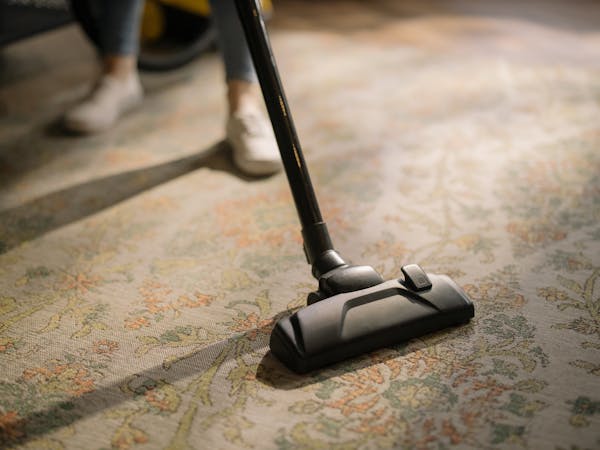
Regular vacuuming is a simple yet highly effective method for controlling spiders in your home. It removes not only visible spiders but also their webs, eggs, and potential food sources like insects. Pay special attention to corners, baseboards, and other areas where spiders tend to build webs.
Use vacuum attachments to reach high corners and crevices where spiders often hide. For best results, maintain a consistent vacuuming schedule, ideally at least once a week. This practice not only eliminates existing spiders but also disrupts their habitat, making your home less appealing for future spider residents.
Use Natural Repellents
Natural repellents offer a safe and eco-friendly approach to spider control. Peppermint oil, vinegar, and citrus-based sprays are known to repel spiders due to their strong scents. These substances can be mixed with water and sprayed around windows, doors, and other potential entry points.
While natural repellents are generally safe, it’s important to use them correctly and consistently for best results. Reapply the repellents regularly, especially after cleaning or rain if used outdoors. Remember that while these methods can deter spiders, they work best when combined with other prevention techniques for comprehensive spider control.

Keep Outdoor Lights Off
Outdoor lights, particularly white lights, attract insects which in turn attract spiders. By minimizing the use of outdoor lighting, especially near entry points, you can reduce the spider population around your home. When outdoor lighting is necessary, consider using yellow “bug lights” which are less attractive to insects.
Implement motion-sensor lights or timers to reduce the duration of light exposure. This not only helps with spider control but also conserves energy. By creating a less insect-friendly environment around your home’s exterior, you indirectly reduce the spider population by limiting their food source.

Trim Vegetation
Overgrown vegetation near your house provides an easy pathway for spiders to enter your home. Regularly trim bushes, trees, and other plants to maintain a gap between them and your house’s exterior walls. This gap makes it more difficult for spiders to access your home and removes potential hiding spots.
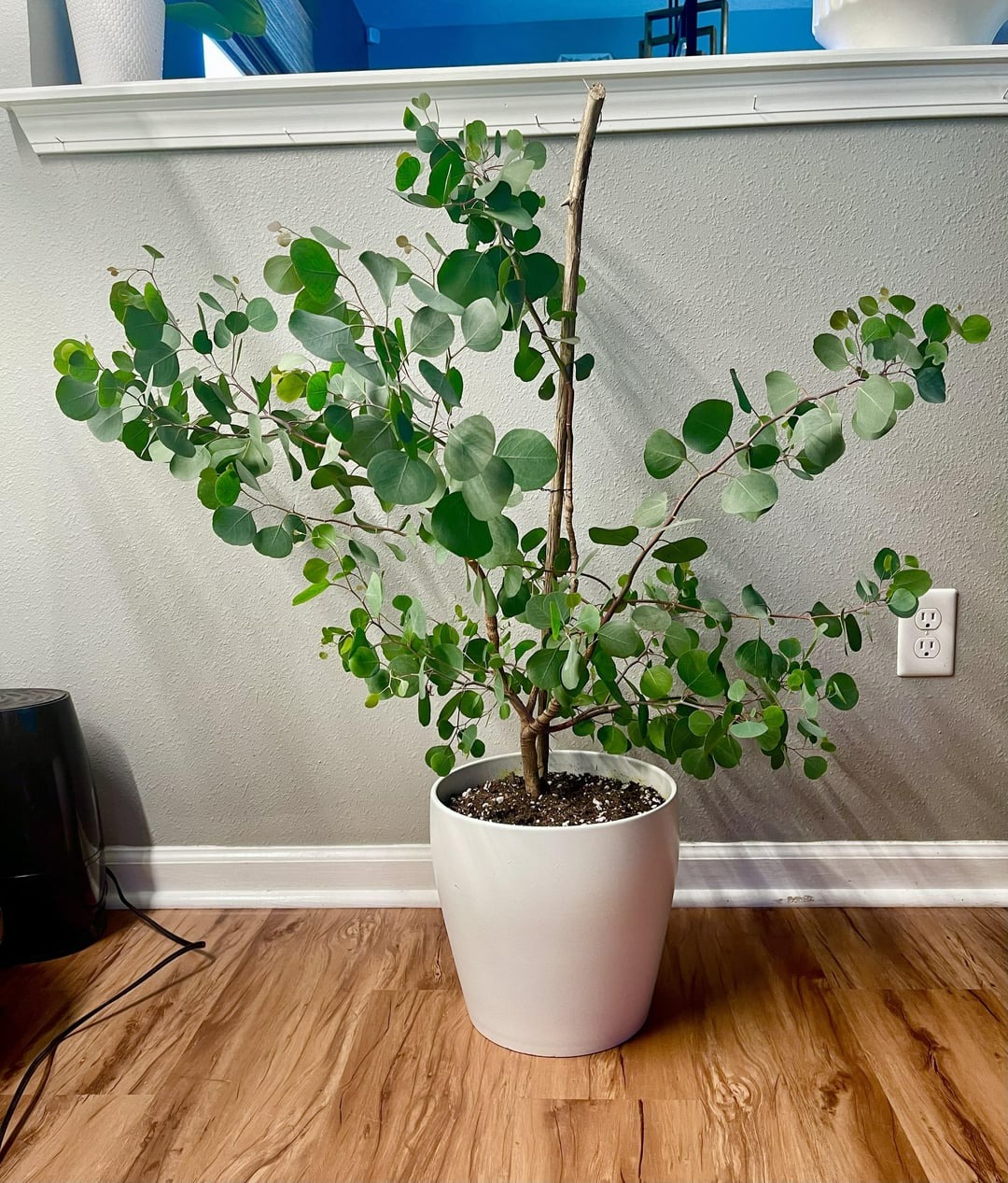
In addition to trimming, consider the types of plants near your home. Some plants naturally repel spiders and insects, such as lavender, mint, and eucalyptus. Incorporating these into your landscaping can create an additional barrier against spider intrusion while enhancing your home’s curb appeal.
Remove Outdoor Debris
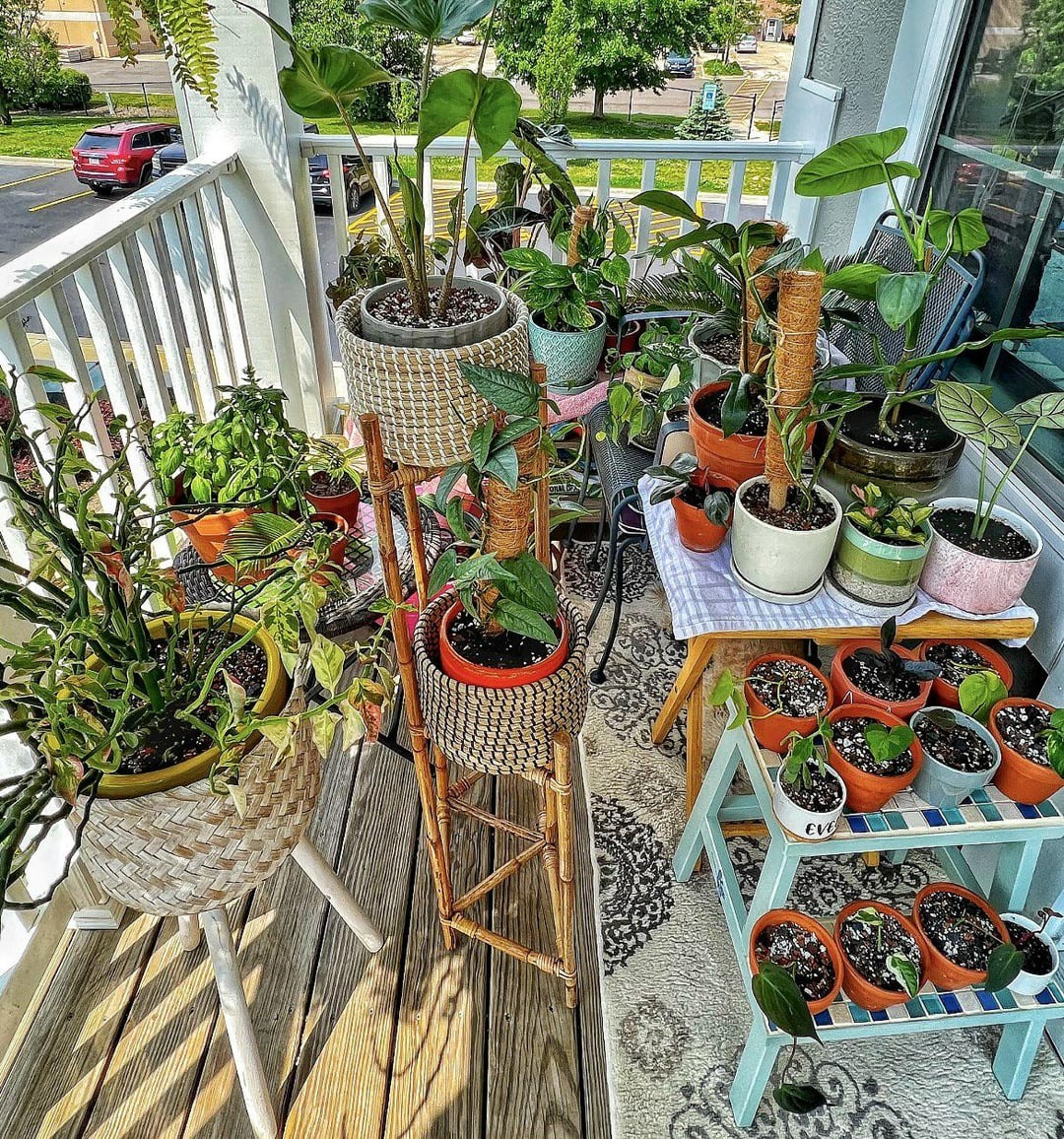
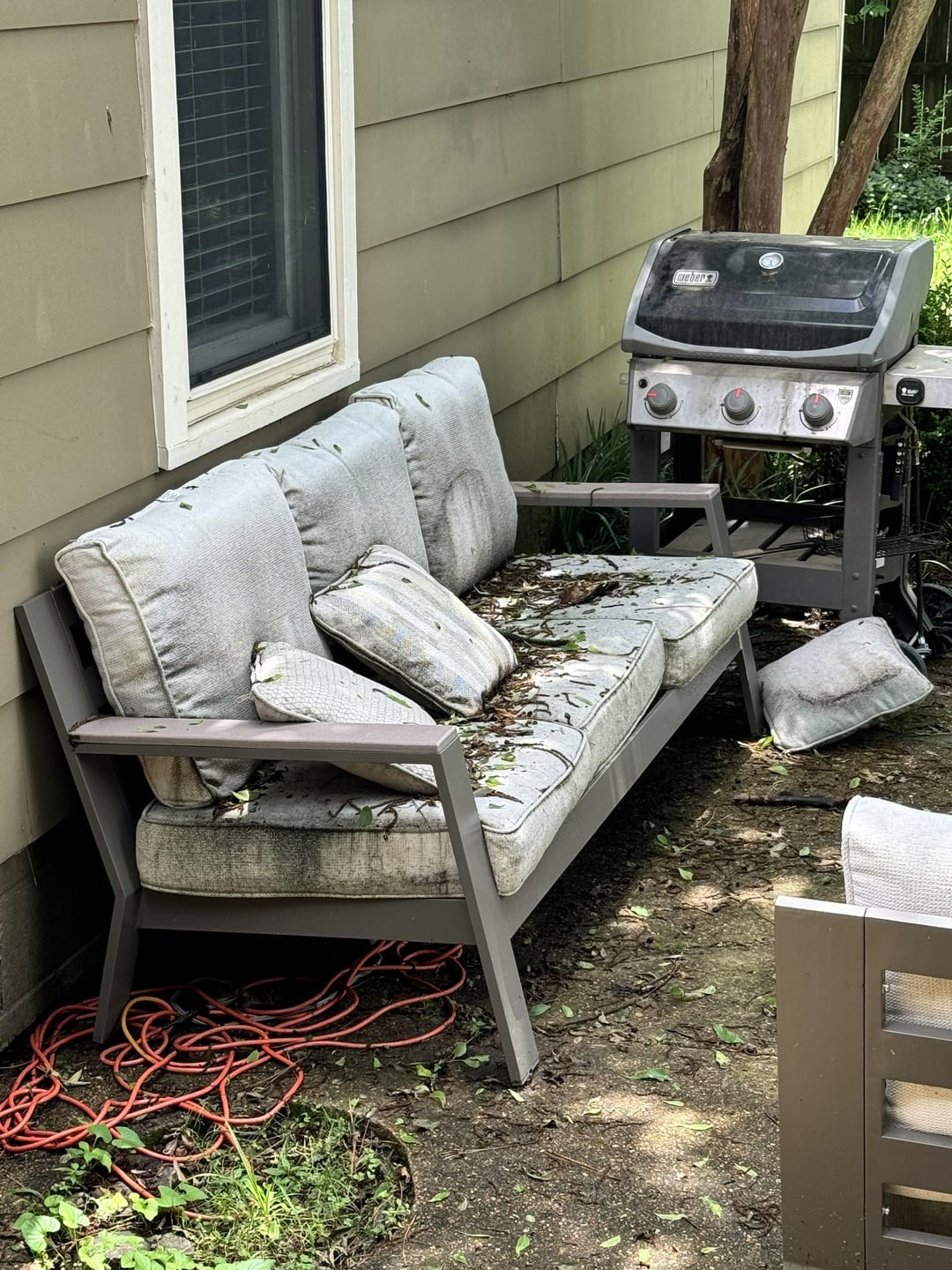
Piles of leaves, wood, or other organic matter near your home create ideal habitats for spiders. Regularly clean up yard debris, especially near the foundation of your house. Store firewood and other materials away from the exterior walls to reduce spider-friendly environments close to your home.
Implement a routine for yard maintenance, including raking leaves, removing dead plants, and organizing outdoor storage areas. This not only helps control spiders but also improves the overall appearance and health of your outdoor spaces. A well-maintained yard is less likely to harbor spiders that might eventually make their way indoors.
Use Cedar Products
Cedar has natural insect-repelling properties that can help deter spiders. Cedar blocks, chips, or oil can be placed in closets, drawers, and other spider-prone areas. The strong scent of cedar is unpleasant to spiders and many other insects, making these areas less attractive to them.
While cedar is effective, its scent diminishes over time. Refresh cedar products periodically to maintain their effectiveness. Using cedar hangers in closets or lining drawers with cedar paper can provide continuous protection while also keeping your clothes fresh and moth-free.

Reduce Moisture
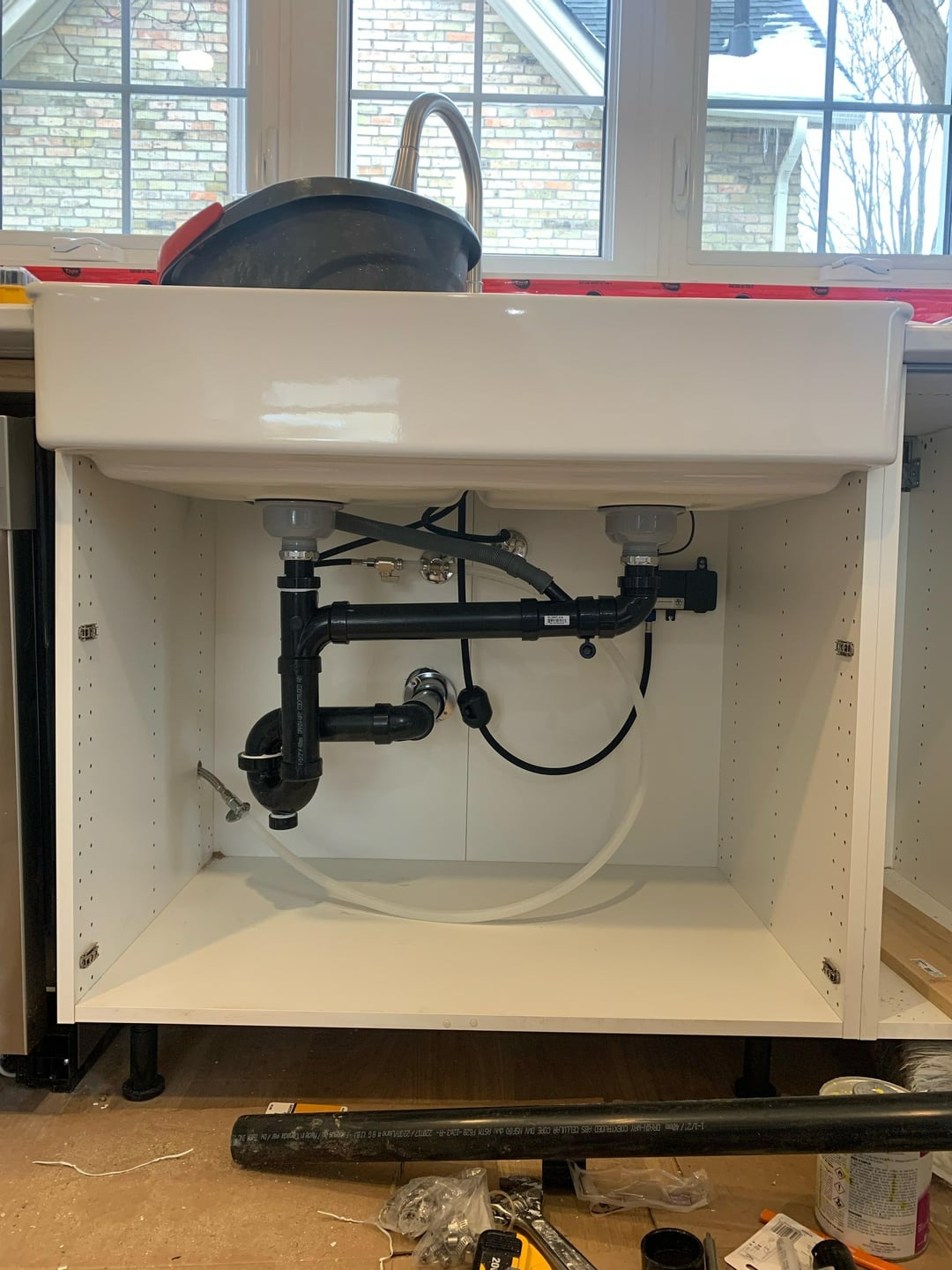
Spiders are attracted to damp environments, making moisture control an essential part of spider prevention. Fix any leaks in plumbing or roofing promptly to eliminate water sources. Use dehumidifiers in naturally damp areas like basements or crawl spaces to reduce humidity levels.
Proper ventilation is key in moisture control. Ensure bathrooms, kitchens, and laundry rooms are well-ventilated to prevent excess moisture buildup. By creating a drier environment, you not only deter spiders but also prevent mold and mildew growth, contributing to a healthier home overall.
Clean Gutters
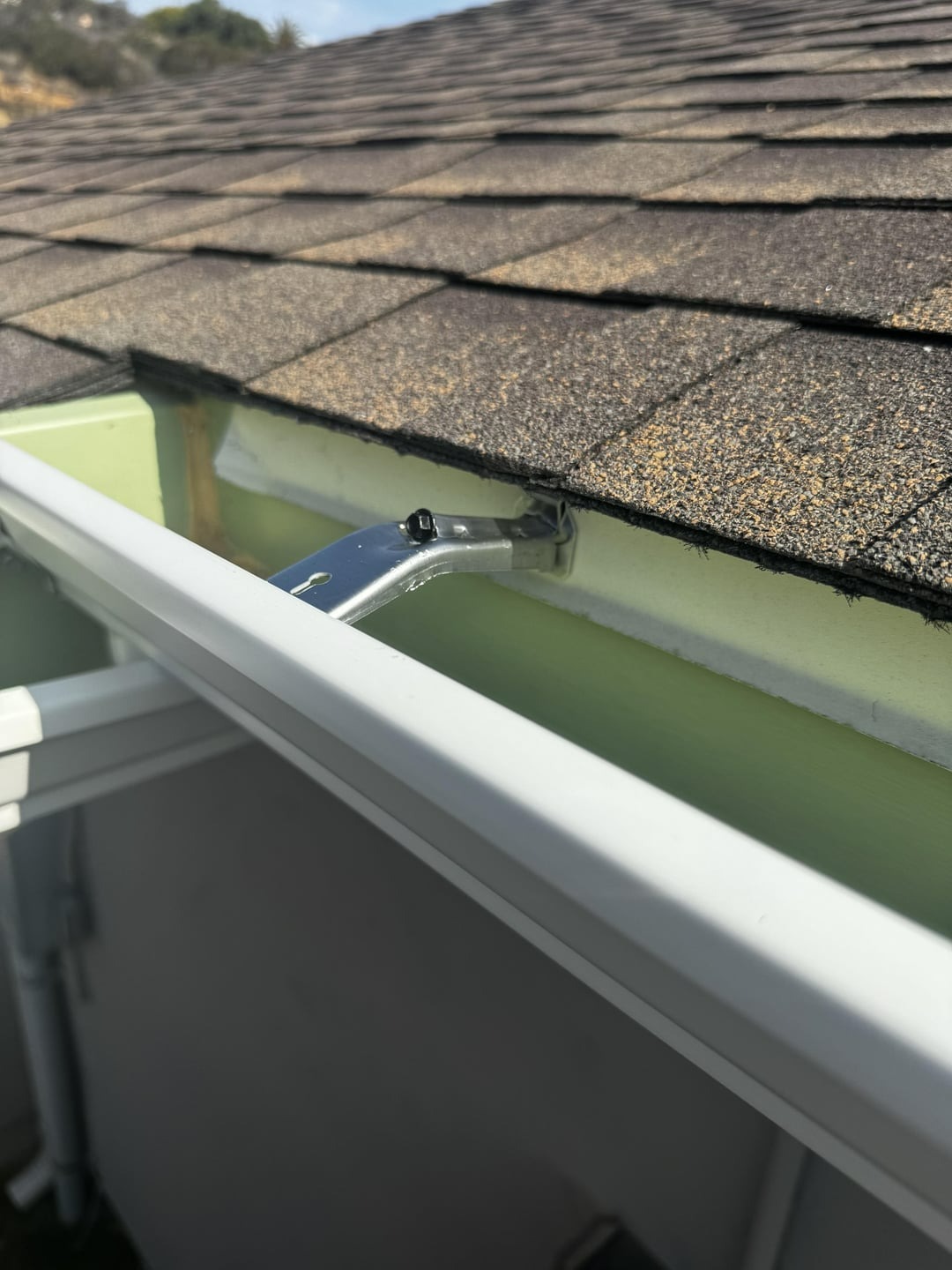
Clogged gutters can lead to water accumulation near your home’s foundation, creating an attractive environment for spiders and other pests. Regular gutter cleaning prevents this issue by ensuring proper water drainage away from your house. This maintenance task is particularly important during fall when leaves are more likely to clog gutters.
In addition to cleaning, consider installing gutter guards to reduce debris buildup. This not only helps with spider prevention but also protects your home from water damage. By maintaining clean, functional gutters, you create a less hospitable environment for spiders around the crucial areas of your home’s exterior.
Use Sticky Traps
Sticky traps are an effective, non-toxic method for catching spiders and monitoring spider activity in your home. Place these traps in corners, along baseboards, and in other areas where you’ve noticed spider activity. They not only catch spiders but also other insects that spiders prey on, helping to break the food chain.
While sticky traps are useful, they should be used as part of a broader spider control strategy. Check and replace the traps regularly, and use their placement to identify high-activity areas that may need additional attention. Remember to place traps out of reach of pets and children for safety.
Introduce Natural Predators
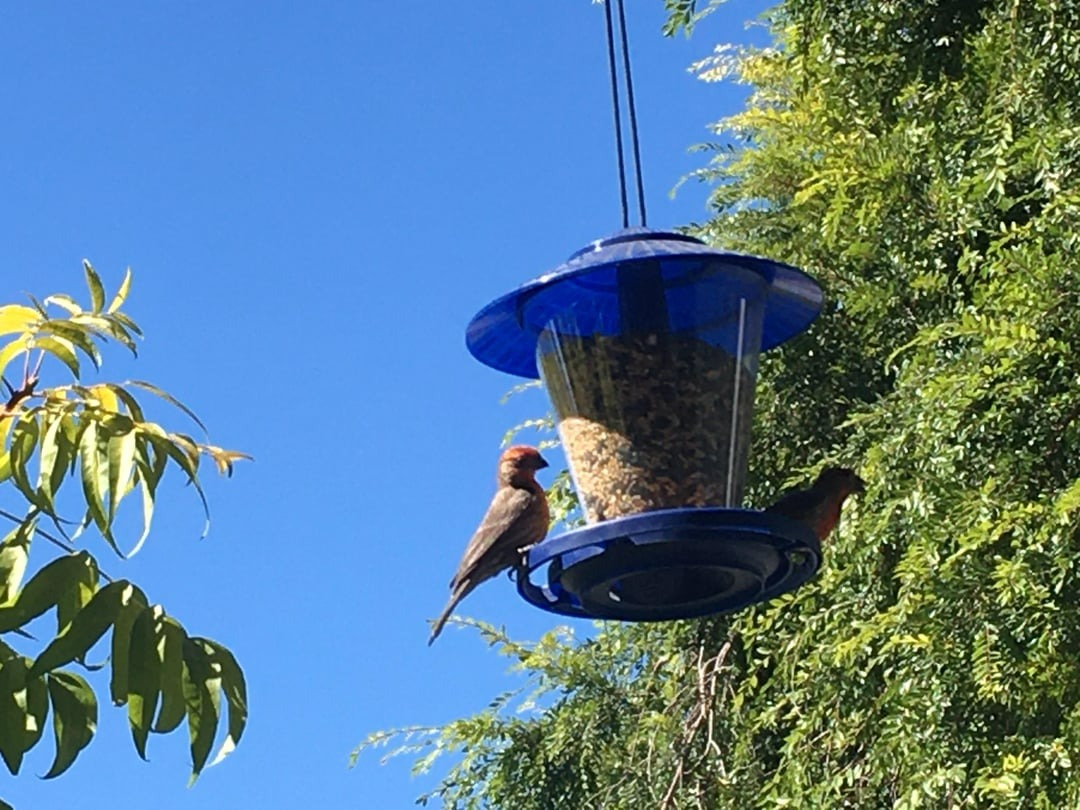
Encouraging natural spider predators, particularly birds, can help control the spider population around your home. Install bird feeders and baths in your garden to attract insect-eating birds. These birds will not only feed on spiders but also on insects that spiders prey on, helping to balance the ecosystem around your home.
While introducing natural predators is an eco-friendly approach, it’s important to maintain a balance. Avoid using pesticides that could harm beneficial birds and other predators. This method works best as part of a comprehensive, natural pest control strategy and can contribute to a more diverse and healthy garden ecosystem.
Keep Food Sealed
Proper food storage is crucial in spider prevention as it helps control the population of insects that spiders feed on. Store all food, including pet food, in airtight containers. Clean up spills and crumbs promptly, and don’t leave pet food out overnight.
Regularly clean pantry areas and dispose of expired food items. By reducing the available food sources for insects, you make your home less attractive to both the insects and the spiders that prey on them. This method not only helps with spider control but also contributes to overall kitchen hygiene and pest prevention.

Use Essential Oils
Essential oils like tea tree, eucalyptus, and lavender can be effective spider repellents due to their strong scents. Mix a few drops of these oils with water in a spray bottle and apply around windows, doors, and other potential entry points. These natural solutions are safe for most households and provide a pleasant aroma.
While essential oils can be effective, they need to be reapplied regularly as their scent fades. Experiment with different oils to find which works best in your environment. Remember that some essential oils can be harmful to pets, so research and use them cautiously if you have animals in your home.

Maintain a Clean Basement
Basements are often prime locations for spiders due to their dark, undisturbed nature. Regular cleaning and organizing of your basement can significantly reduce spider populations. Remove cobwebs, vacuum thoroughly, and organize items off the floor to eliminate hiding spots.
Ensure proper ventilation and control moisture in your basement, as damp environments attract spiders. Use dehumidifiers if necessary, and fix any leaks promptly. A well-maintained, dry basement is not only less attractive to spiders but also prevents other issues like mold growth, contributing to a healthier home environment overall.
Use Diatomaceous Earth
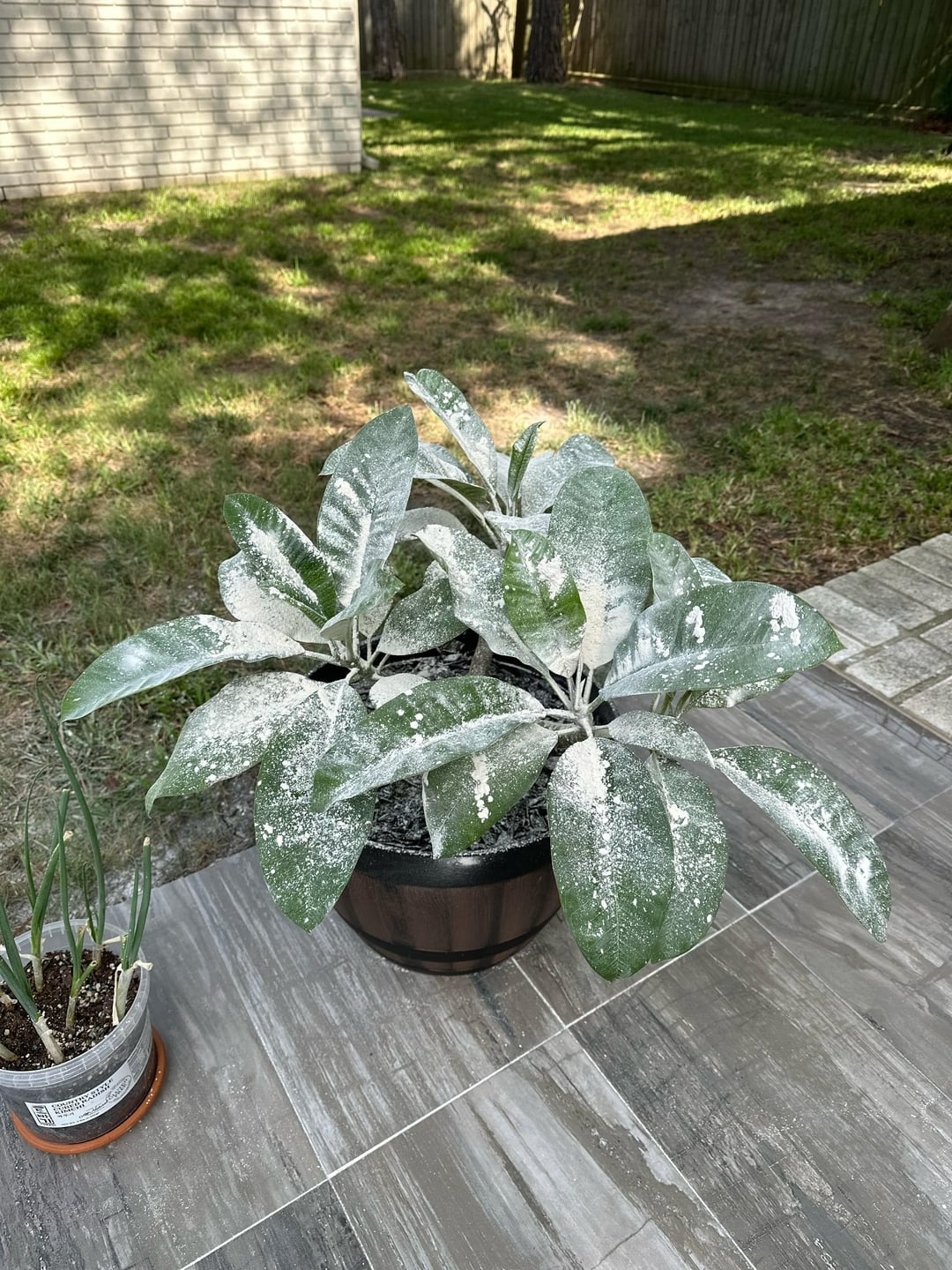
Diatomaceous earth (DE) is a natural, non-toxic substance that can effectively control spiders and other insects. Sprinkle food-grade DE in dry areas where spiders are commonly found, such as along baseboards, in corners, and near entry points. The fine, abrasive nature of DE damages the exoskeletons of spiders and insects, dehydrating them.
While DE is safe for humans and pets when used correctly, it’s important to use only food-grade DE and avoid inhaling the dust during application. Reapply after cleaning or if the area becomes damp. This method provides long-lasting protection against spiders and other pests without the use of harsh chemicals.
Implement Proper Outdoor Lighting
The type of outdoor lighting you use can significantly impact spider presence around your home. Replace white lights with yellow “bug lights” or sodium vapor lights, which are less attractive to insects. This reduces the insect population near your home, consequently reducing the food source for spiders.
Consider the placement of outdoor lights as well. Position them away from doors and windows to avoid drawing insects (and spiders) towards these entry points. Using motion-sensor lights not only helps with spider control but also improves home security and energy efficiency.

Keep Firewood Away
Firewood stacks are ideal habitats for spiders and other insects. Store firewood at least 20 feet away from your house and elevate it off the ground. This distance makes it less likely for spiders to migrate from the woodpile to your home.
When bringing firewood inside, inspect it carefully and knock each piece against another to dislodge any hiding spiders. Only bring in what you plan to use immediately to minimize the risk of introducing spiders into your home. Proper firewood storage not only helps with spider control but also keeps your wood dry and ready for use.

Use Spider-Repelling Plants
Certain plants have natural spider-repelling properties due to their strong scents or oils. Plant lavender, mint, eucalyptus, or lemon balm near entry points or in window boxes. These plants not only deter spiders but also add beauty and fragrance to your home’s exterior.
While these plants can be effective, they work best as part of a comprehensive spider prevention strategy. Maintain these plants well, as unhealthy or overgrown plants can actually create hiding spots for spiders. Remember that some of these plants, like mint, can be invasive, so plant them in containers if needed to control their spread.
Clean Exterior Siding
Regular cleaning of your home’s exterior siding removes spider webs, eggs, and potential hiding spots. Use a power washer or a long-handled brush with soapy water to clean siding, eaves, and overhangs. Pay special attention to corners and crevices where spiders often build webs.
This cleaning not only removes existing spiders but also makes your home’s exterior less attractive for new spider inhabitants. Aim to clean your siding at least once a year, or more frequently if you notice significant spider activity. This practice not only helps with spider control but also maintains your home’s appearance and can prevent damage from dirt and grime buildup.

Use Vinegar Solution
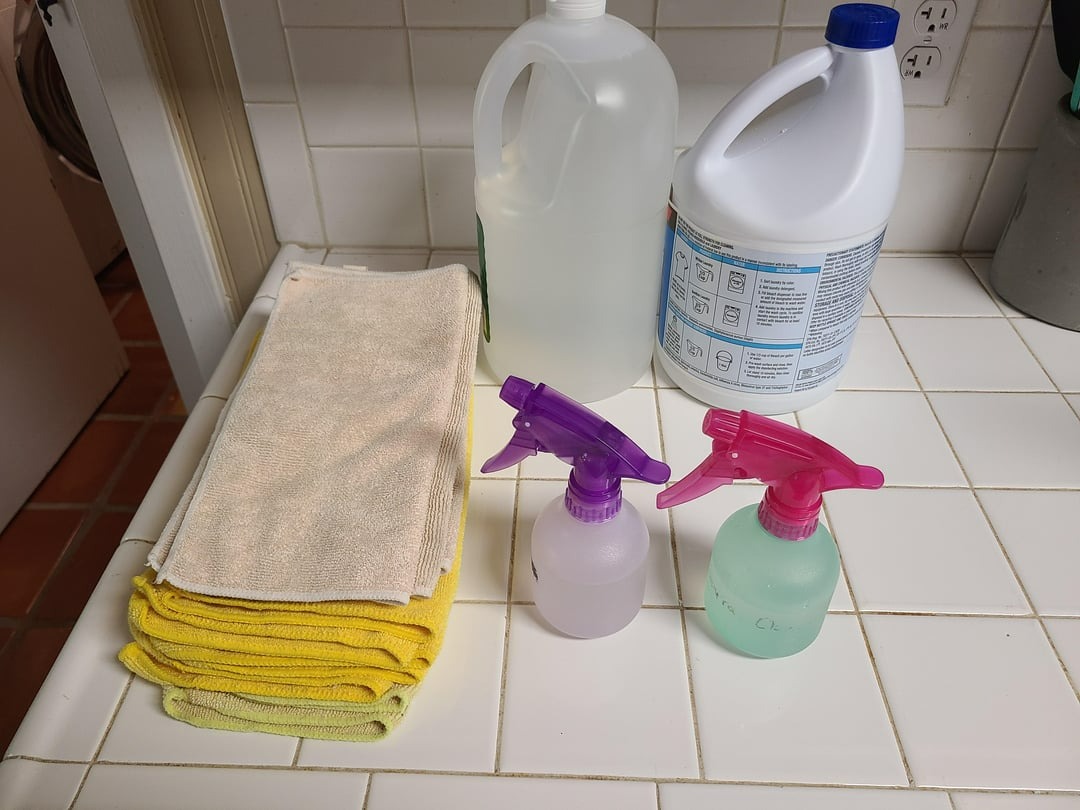
A simple vinegar solution can be an effective and natural spider repellent. Mix equal parts of water and white vinegar in a spray bottle. Apply this solution to areas prone to spider activity, such as windowsills, doorways, and corners. The strong smell of vinegar repels spiders without using harsh chemicals.
While the vinegar smell dissipates quickly for humans, it continues to deter spiders. Reapply the solution weekly or after cleaning for best results. This method is safe for use around children and pets, making it an excellent choice for eco-conscious households looking for natural pest control solutions.
Reduce Cardboard Storage
Spiders are attracted to cardboard boxes as they provide ideal hiding spots and nesting areas. Minimize the use of cardboard for storage, especially in basements, garages, and attics. Instead, opt for plastic, metal, or glass containers with tight-fitting lids.
When you must use cardboard boxes, avoid placing them directly on the floor or against walls. Elevate them on shelves and inspect them regularly for spider activity. By reducing cardboard storage, you not only deter spiders but also protect your belongings from moisture damage and make your storage areas more organized and accessible.

Use Citrus Peels
Citrus peels contain natural oils that repel spiders and many other insects. Place fresh lemon, orange, or lime peels in areas prone to spider activity, such as windowsills, near doors, or in corners. The strong citrus scent acts as a natural deterrent, making these areas less attractive to spiders.
Replace the peels regularly as they dry out and lose their effectiveness. You can also create a citrus spray by steeping citrus peels in water overnight and using the resulting liquid in a spray bottle. This method not only helps control spiders but also leaves your home smelling fresh and clean.

Use Glue Boards
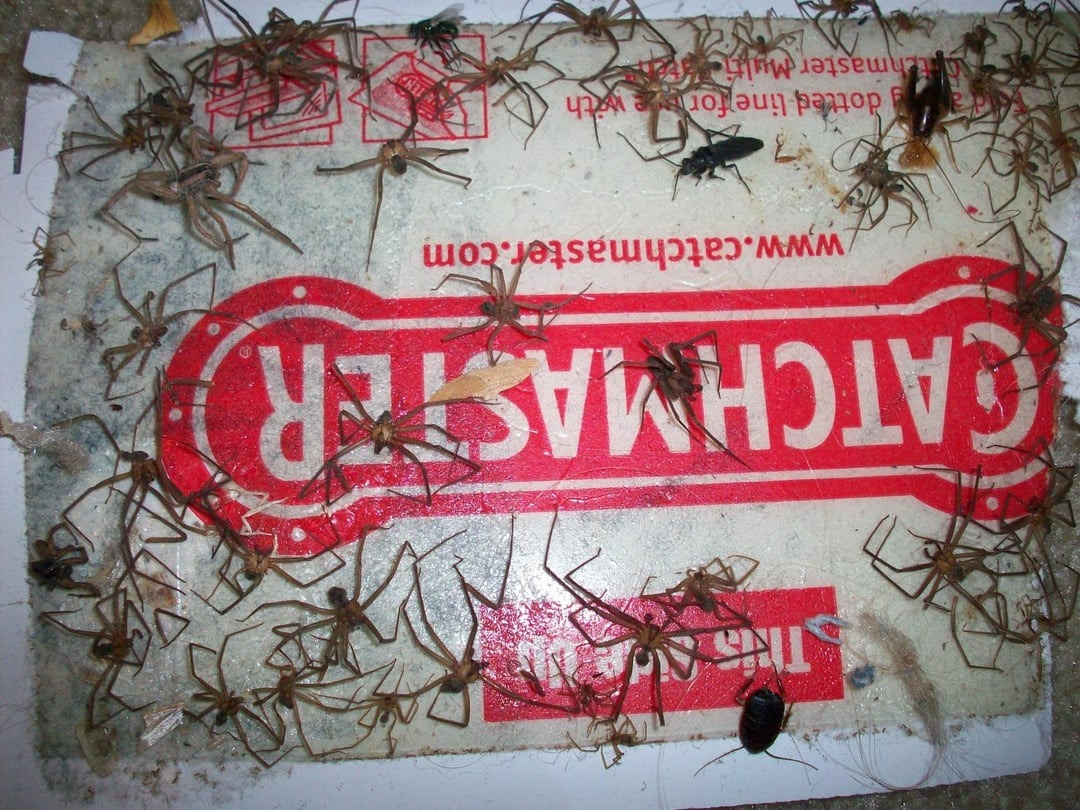
Glue boards are flat, sticky traps that effectively capture spiders and other crawling insects. Place these boards along walls, in corners, and other areas where you’ve noticed spider activity. They work by trapping spiders that walk across them, preventing further movement and reproduction.
While glue boards are highly effective, they should be used cautiously in homes with pets or small children who might accidentally come into contact with them. Check and replace the boards regularly, and use their placement to identify high-traffic areas for spiders, which may need additional prevention methods.
Implement Proper Waste Management
Proper waste management is crucial in spider prevention as it reduces the presence of insects that spiders feed on. Keep garbage bins sealed and away from the house. Regularly clean and disinfect both indoor and outdoor trash containers to prevent odors that might attract insects.
Consider composting away from your home’s foundation and ensure compost bins are properly managed to avoid creating a habitat for insects and spiders. By maintaining a clean and organized waste management system, you not only deter spiders but also contribute to a healthier, more hygienic home environment.

Use Chestnuts
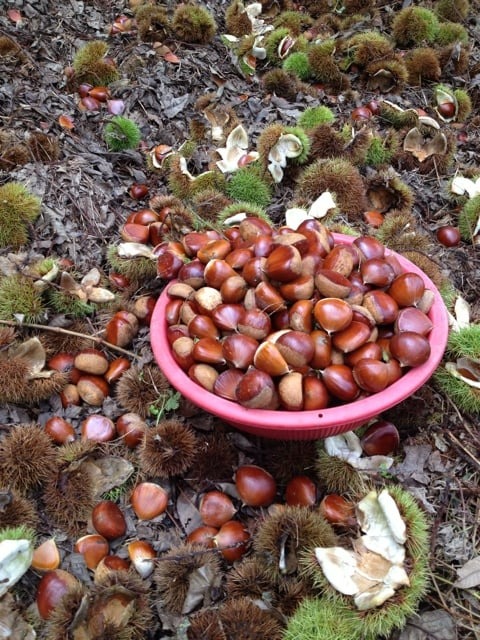
Horse chestnuts, also known as conkers, contain a compound that may repel spiders. Place these nuts in corners of rooms, on windowsills, and near potential entry points. While scientific evidence for their effectiveness is limited, many homeowners report success with this natural method.
Replace the chestnuts every few weeks as they dry out and lose potency. This method is safe, natural, and can be an interesting decorative element in your home. However, it’s best used in conjunction with other spider prevention techniques for maximum effectiveness.
Spray Vinegar on Pet Fur
If you have pets that go outdoors, they may unknowingly bring spiders into your home. Occasionally spray your pet’s fur with a diluted vinegar solution (1 part vinegar to 3 parts water) before they come inside. This natural remedy can help deter spiders from hitching a ride on your pets.
Ensure the solution is not too strong and avoid spraying near your pet’s face or eyes. This method not only helps prevent spiders but can also repel fleas and ticks. Always consult with your veterinarian before introducing new treatments to your pet’s routine to ensure it’s safe for your specific animal.

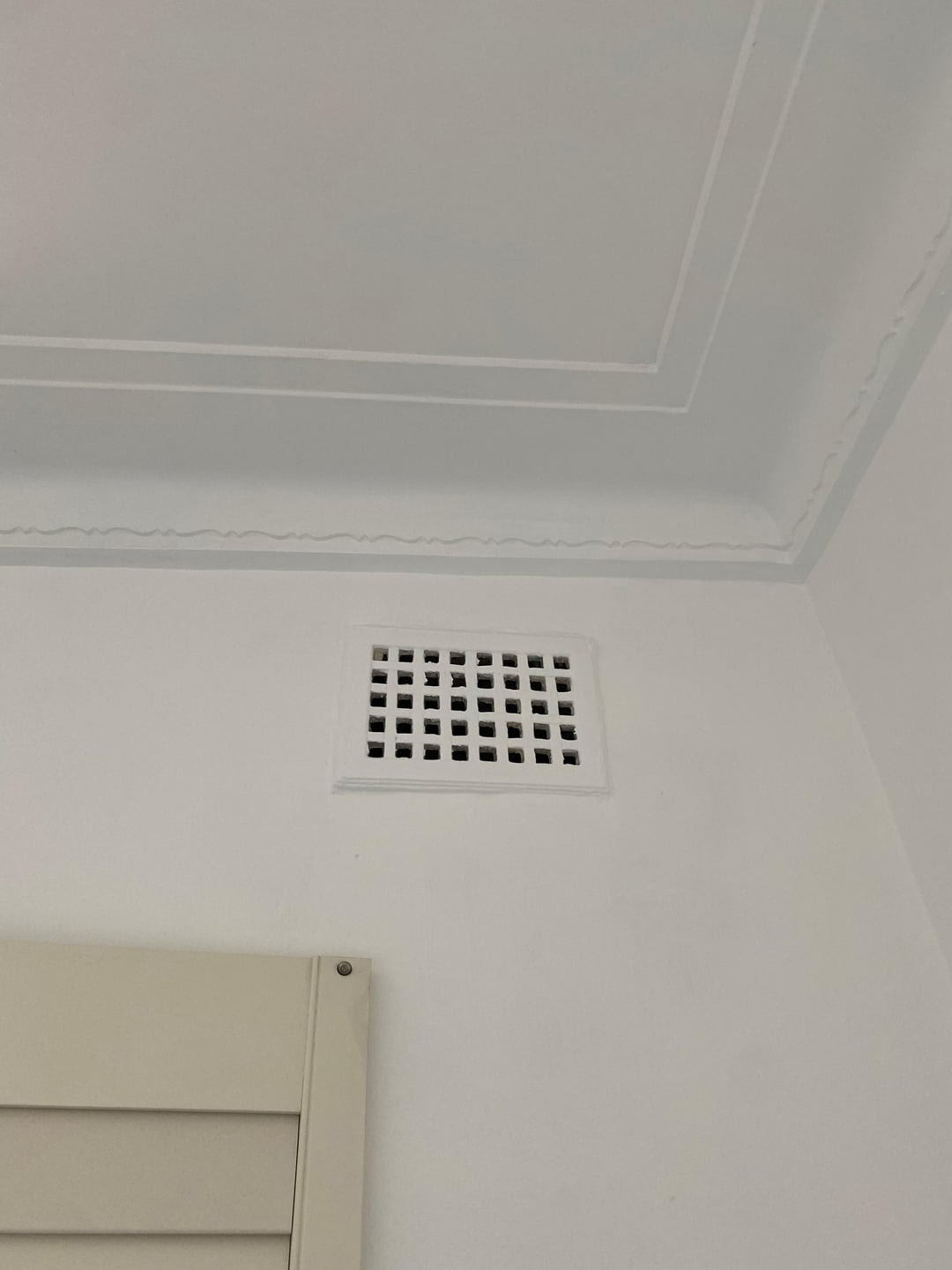
Clean Air Vents
Air vents and HVAC systems can become nesting sites for spiders if left unchecked. Regularly clean and maintain these areas to prevent spiders from establishing themselves. Use a vacuum with a long attachment to clean vents thoroughly, removing any dust, debris, or cobwebs.
Consider having your HVAC system professionally cleaned annually. This not only helps with spider control but also improves air quality and the efficiency of your heating and cooling system. Clean vents provide fewer hiding spots for spiders and contribute to a cleaner, healthier home environment overall.
Please SHARE this with your friends and family.


