


Perennial plants, garden essentials, return annually. Besides flowers, there are perennial veggies and herbs. Some pairs clash, hindering growth. Examples include aggressive and incompatible plants. Drought-tolerant and moisture-loving plants also clash. Let’s explore toxic plant roommates!
Fennel and Kohlrabi
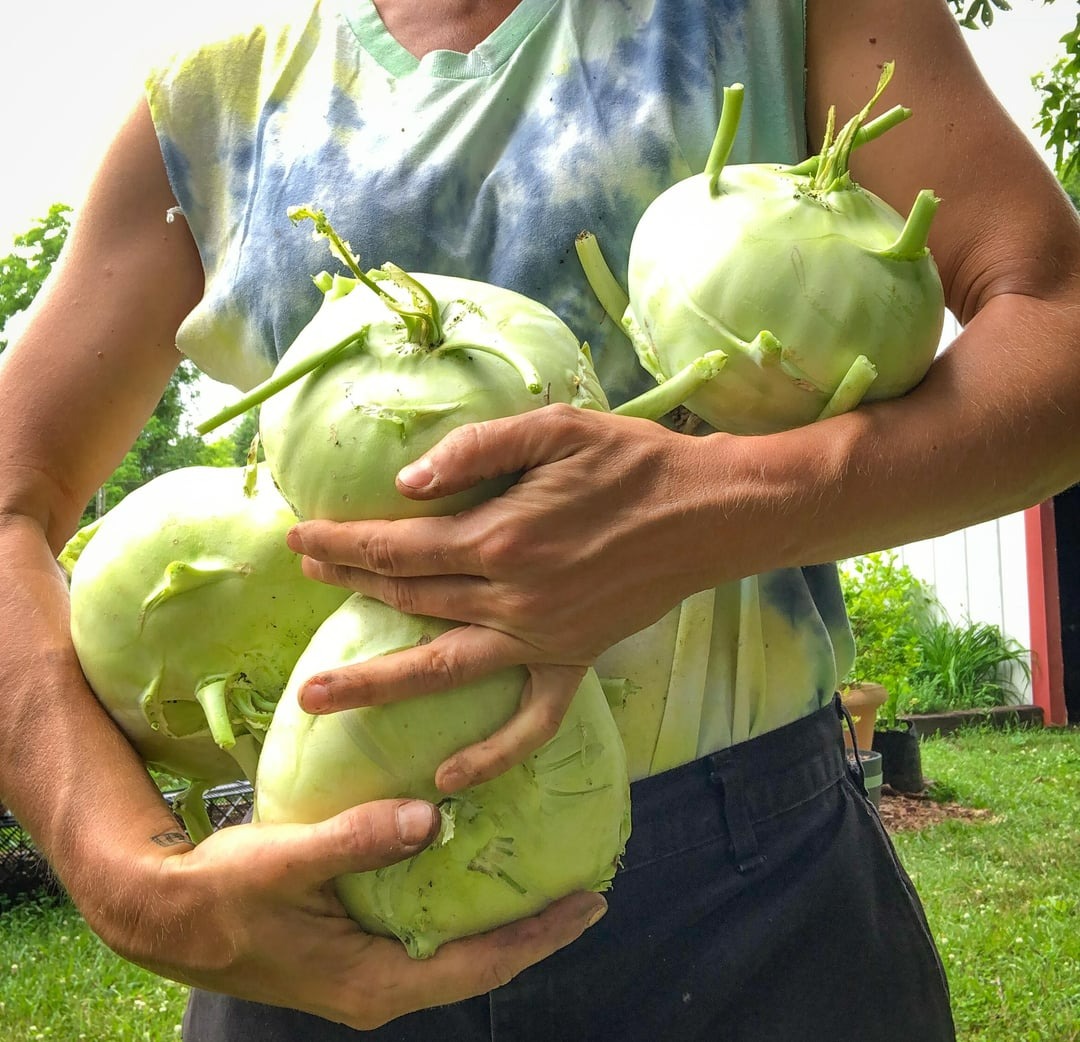
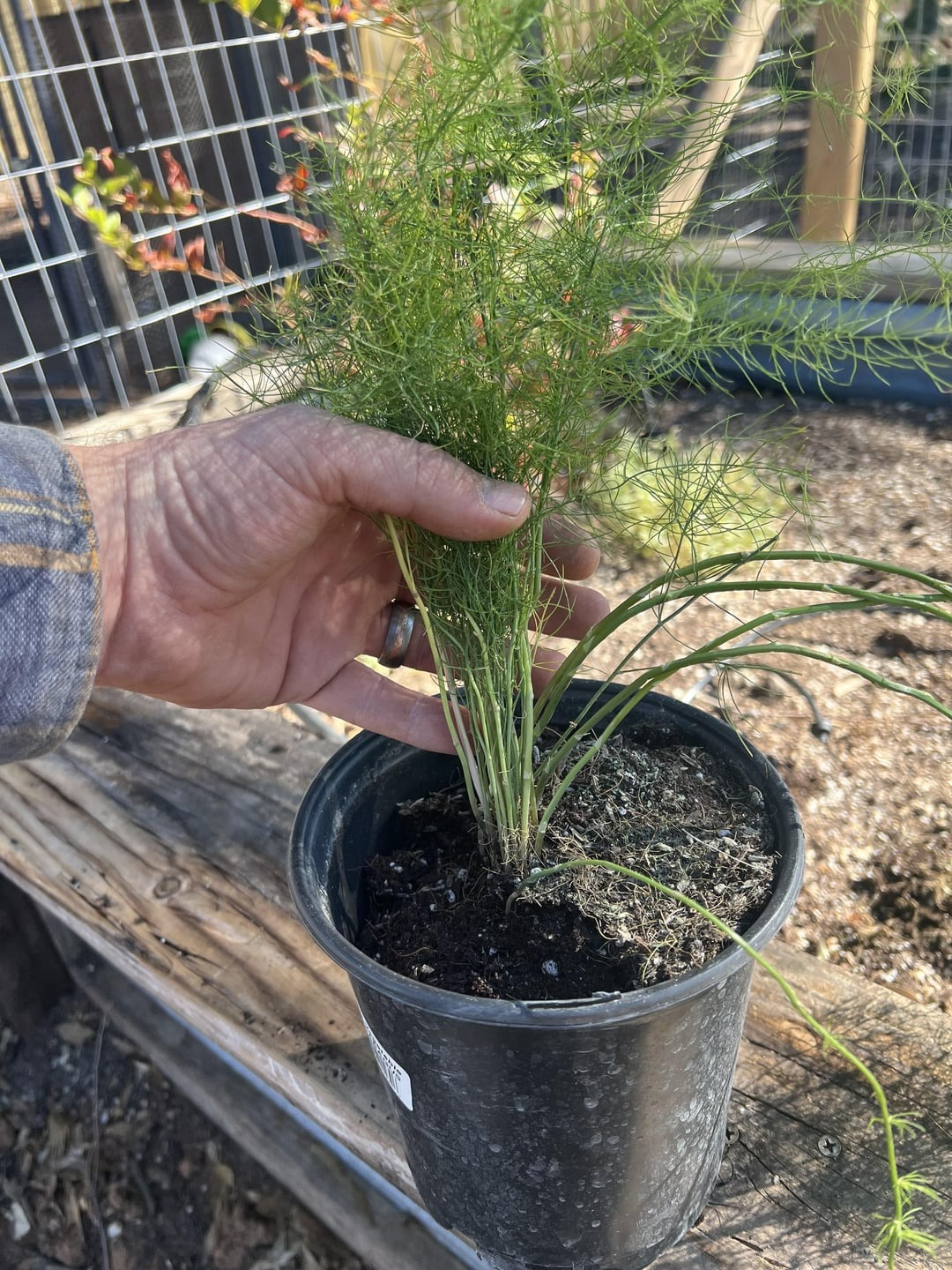
Fennel isn’t exactly hospitable to most edible plants due to its allelopathic nature, releasing chemicals that hinder neighboring plant growth. It’s like having a rude neighbor in the garden!
When it comes to unfriendly pairs, fennel and kohlrabi take the cake. Fennel not only stunts kohlrabi growth but also competes for root space and nutrients, leading to overcrowding issues. With their leafy tops and sizable bulbs, these two are bound to clash.
Gardenias and More Gardenias
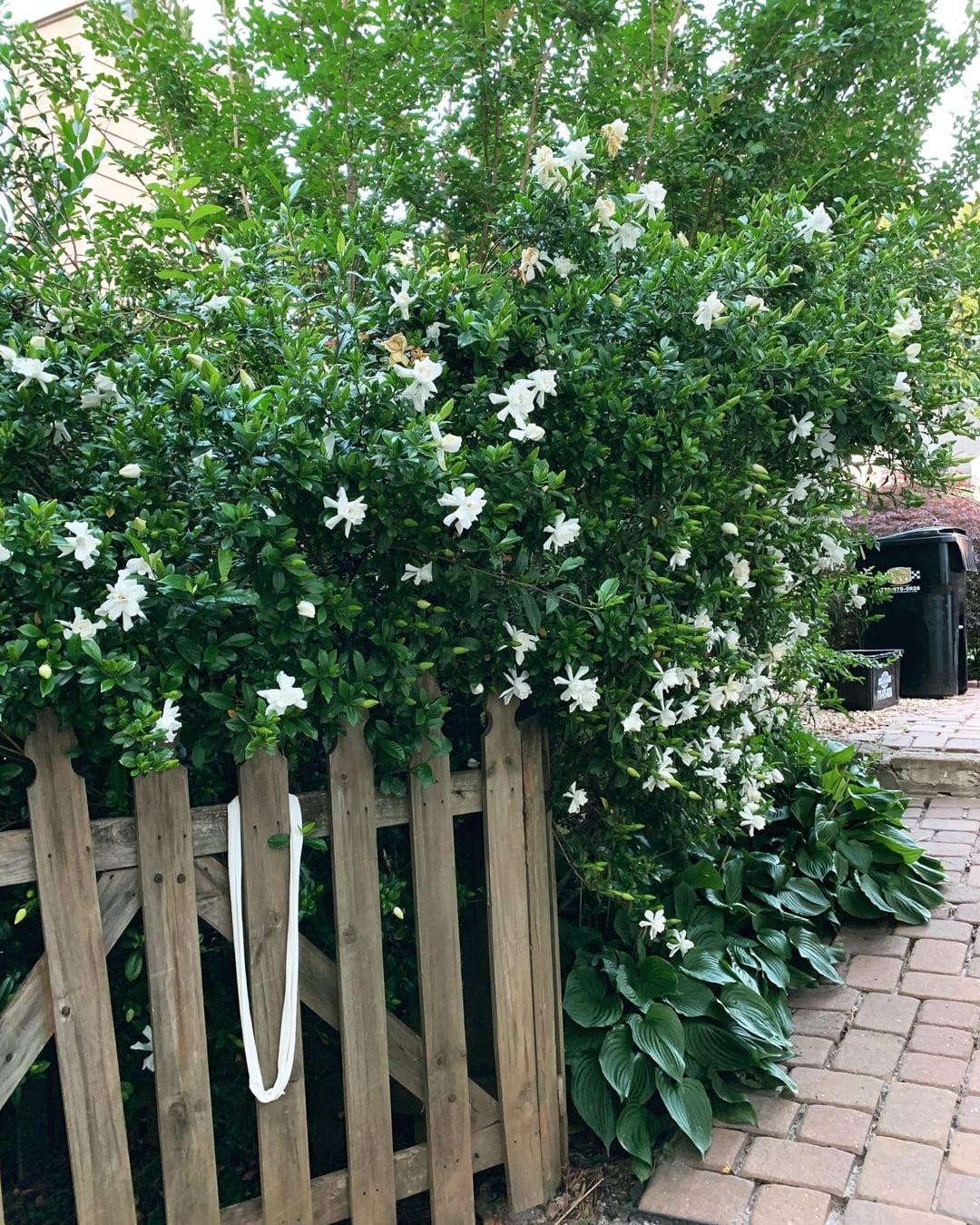
While the array of color options for gardenias is tempting, planting them all might not be wise. Despite their beauty, gardenias are prone to spreading diseases rapidly, especially among themselves.
Instead of envisioning a garden bordered by gardenia hedges, consider diversifying your planting scheme. Introducing shallow-rooted shade-loving plants between gardenias can help curb disease transmission. Hostas, boxwoods, and wax begonias are excellent choices that not only offer protection but also enhance visual appeal.
Garlic and Onions
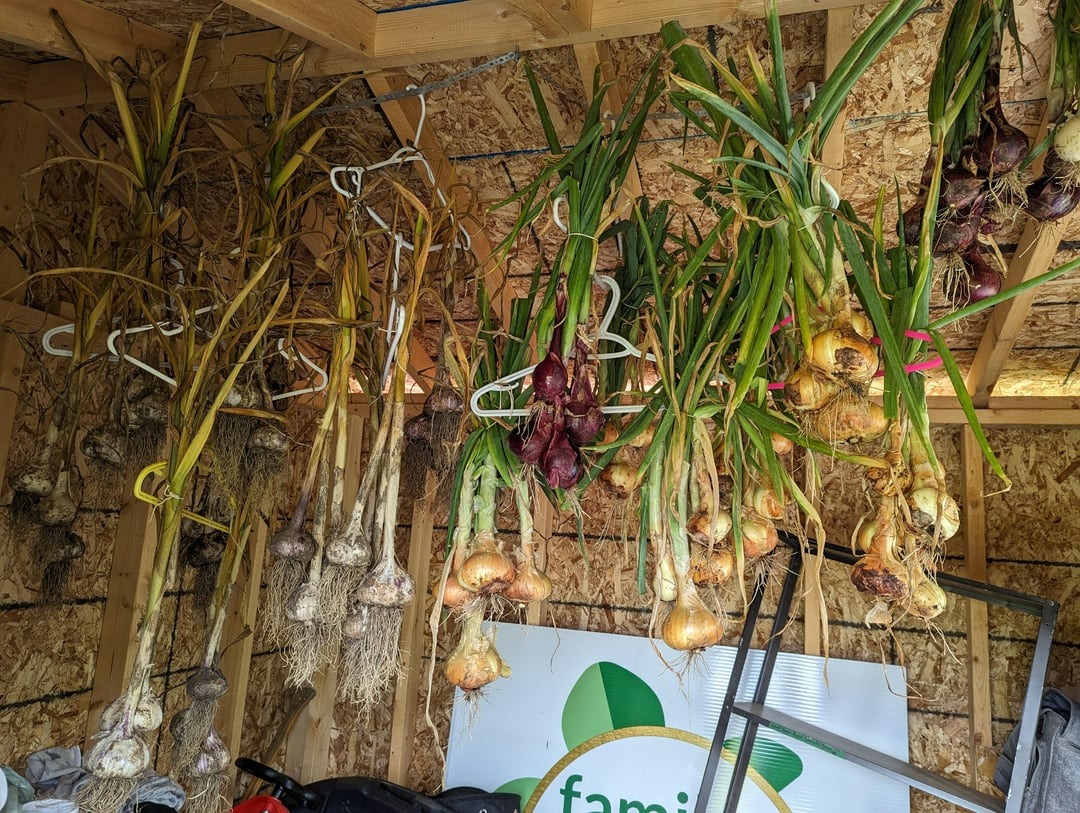
While garlic and onions are typically annuals, there are perennial varieties that offer years of aromatic bounty. However, if you opt for perennial garlic and onions, it’s best not to plant them too close together.
Both belong to the allium family and are susceptible to similar issues like pink root, Fusarium bulb rot, wireworms, and onion maggots. If one plant falls prey to disease or pests, it could easily spread to the other. Fortunately, garlic and onions each have better companions for planting.
To prevent the spread of pests and diseases, maintain distance between these perennials and opt for suitable companion plants that help deter pests.
Lavender and Hostas
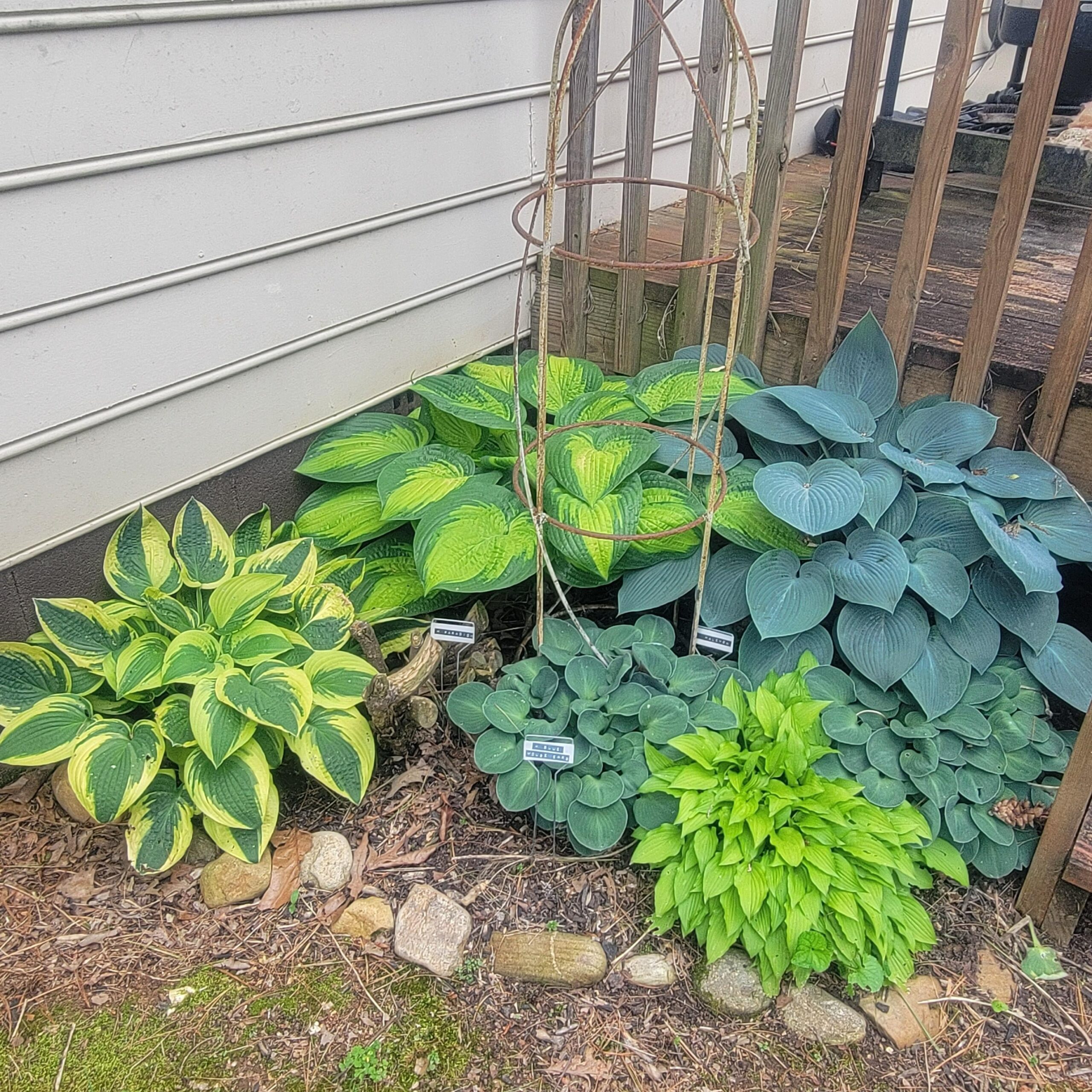
In theory, the delicate purples of lavender combined with the lush green of hostas would create a stunning landscape. However, in reality, maintaining harmony between them can be challenging. Lavender thrives in sunny, slightly dry conditions, while hostas prefer shade and regular moisture. Growing them together often results in one or both plants being discontent.
For a hassle-free garden, pair lavender with other drought-tolerant plants such as yarrow, basil, or echinacea. This ensures the plants’ happiness and saves you from unnecessary headaches.
Marigolds and Beans
Although many marigolds are annuals, certain perennial varieties like the Mexican marigold (Tagetes lucida) return reliably each year. Marigolds are often celebrated for their pest-repelling qualities, serving as a natural remedy for garden nuisances such as mosquitoes, aphids, and squash bugs.
However, despite their pest-fighting prowess, marigolds are not particularly effective against certain adversaries, such as spider mites. If planted near spider mite-prone plants like beans, they may inadvertently exacerbate the problem. To mitigate this risk, it’s advisable to separate spider mite-susceptible plants, thereby maintaining control over these pesky bugs.
Milkweed and Forget-Me-Nots
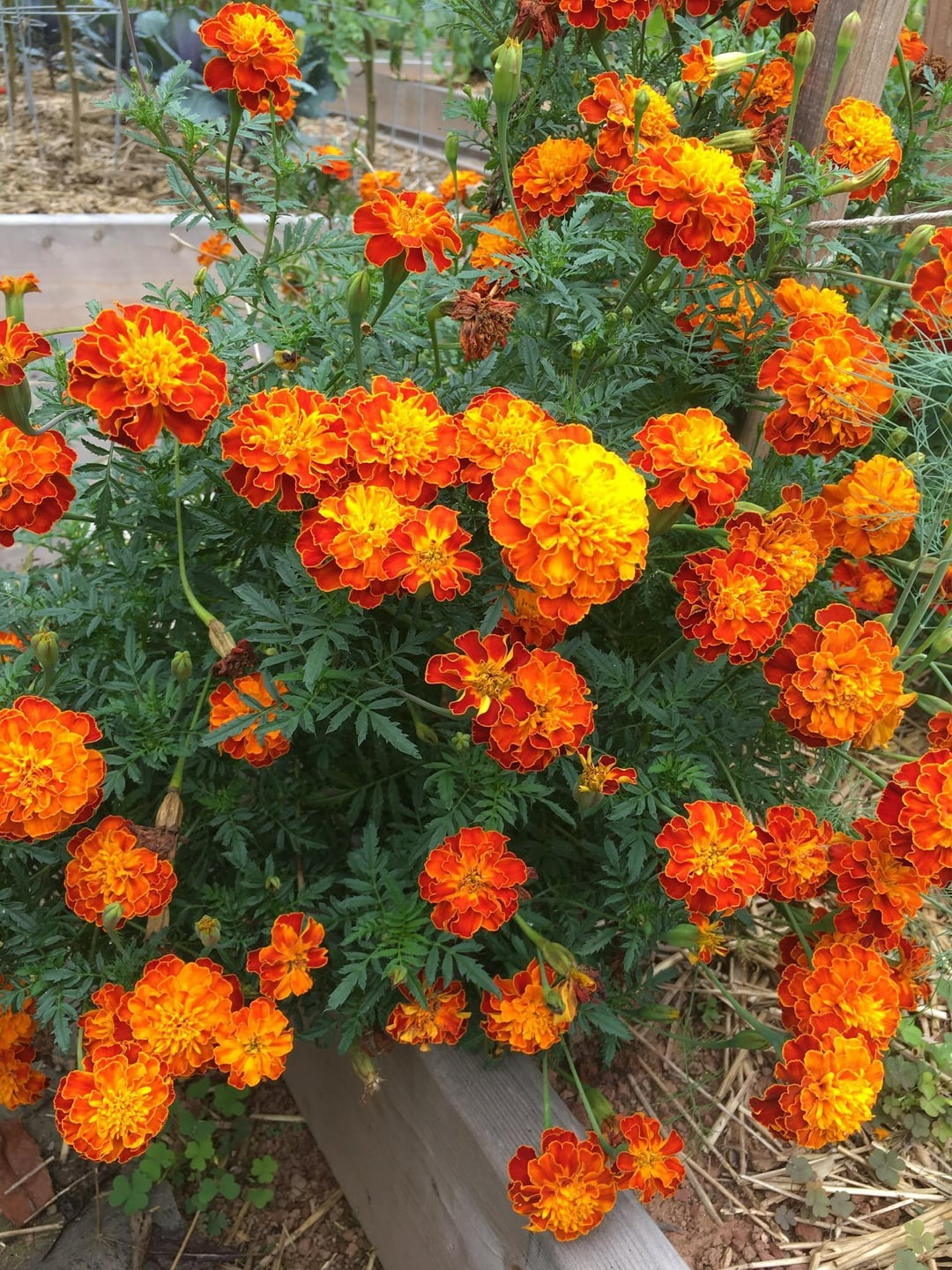
Milkweed plays a crucial role in supporting Monarch butterflies, serving as the sole food source for their larvae. If you intend to incorporate milkweed into your flower beds, it’s essential to consider compatible plant companions.
Thriving in sandy, well-drained soil and abundant sunlight, milkweed has modest water requirements. Pairing it with forget-me-nots may lead you to forget you ever planted them, as forget-me-nots can overshadow other flowers when they prioritize the contentment of milkweed.
Mint and Strawberries
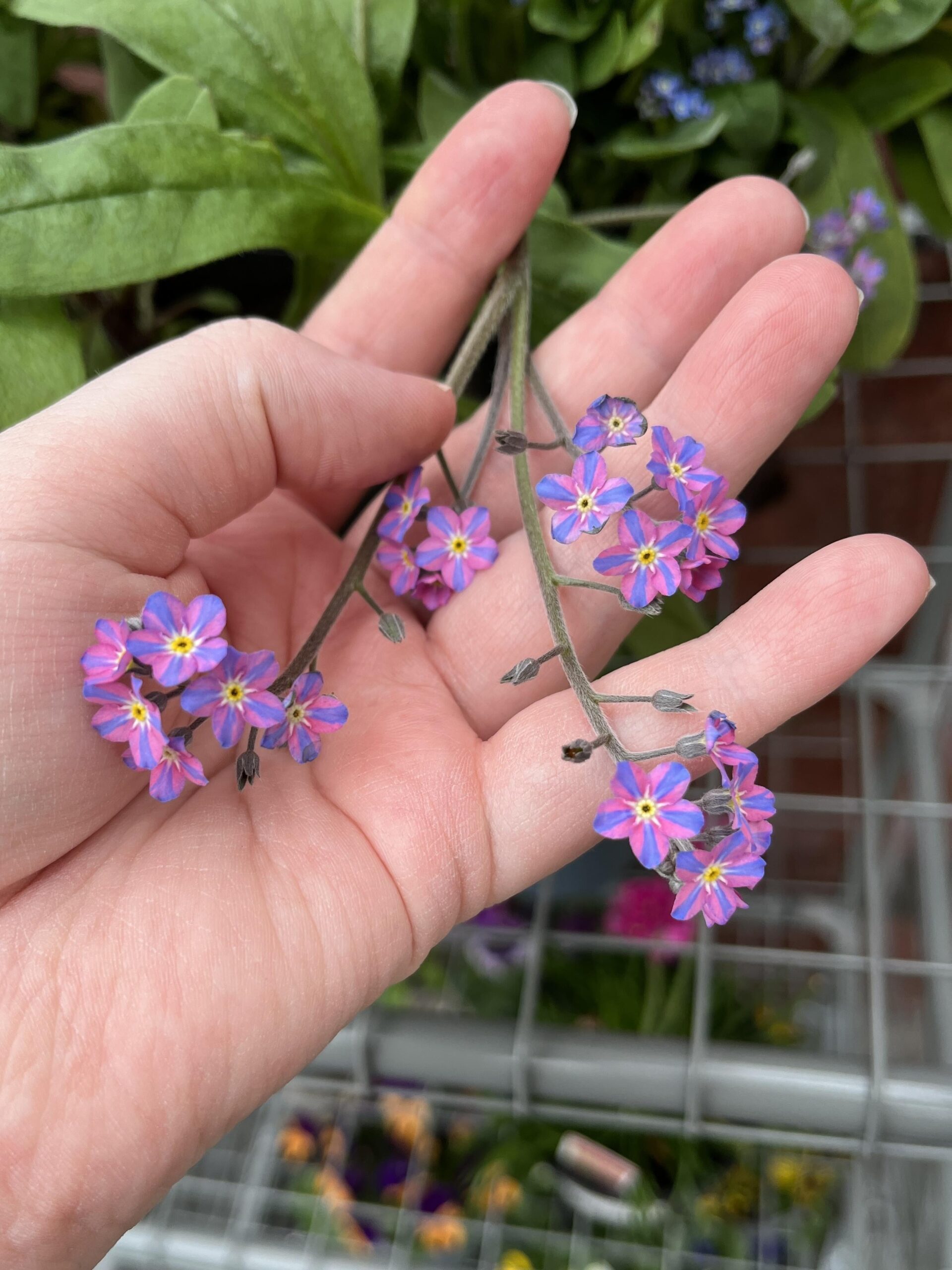
A refreshing strawberry lemonade with fresh mint sounds delightful! However, attempting to grow mint and strawberries together might not be the best idea. Both plants have a tendency to spread vigorously under favorable conditions, quickly overcrowding each other.
In such a competition, both plants risk stunted growth, but strawberries often end up on the losing side. I once disregarded advice and planted mint in my raised bed, only to find it spreading to the other side. Its lingering scent persisted even into the following year, despite my efforts to eradicate it completely!
Oregano and Basil
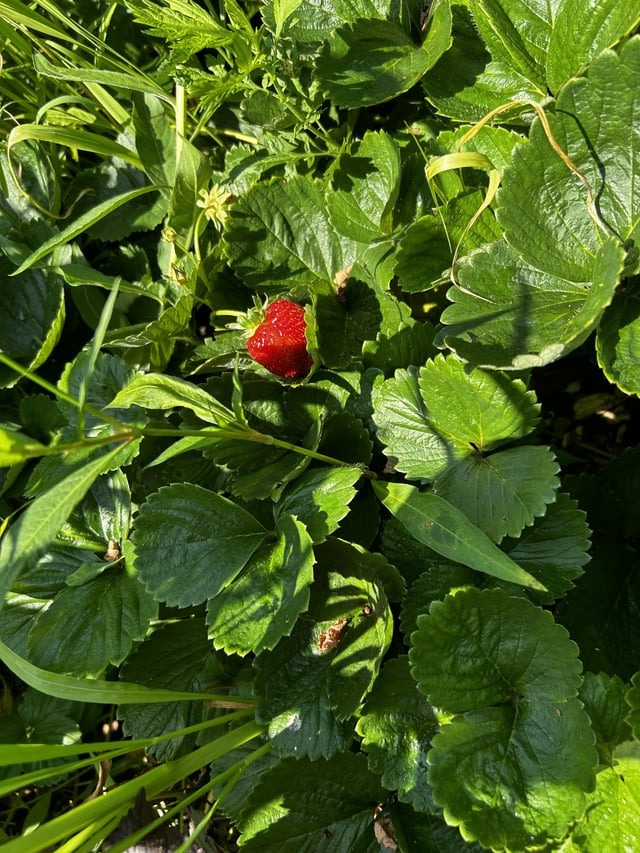
No herb garden would be complete without the fragrant duo of oregano and basil, but it’s best to keep them in separate containers. Like other combinations I’ve mentioned, these two herbs aren’t compatible due to their differing water requirements. Oregano, being more drought-tolerant, may suffer from overwatering as you try to meet basil’s needs.
Additionally, basil and oregano have shallow root systems and can compete for space if planted together in the ground. However, their leafy parts can coexist peacefully, so consider planting them in separate containers placed adjacent to each other, allowing them to be together while maintaining their individual space.
Rosemary and Cucumbers
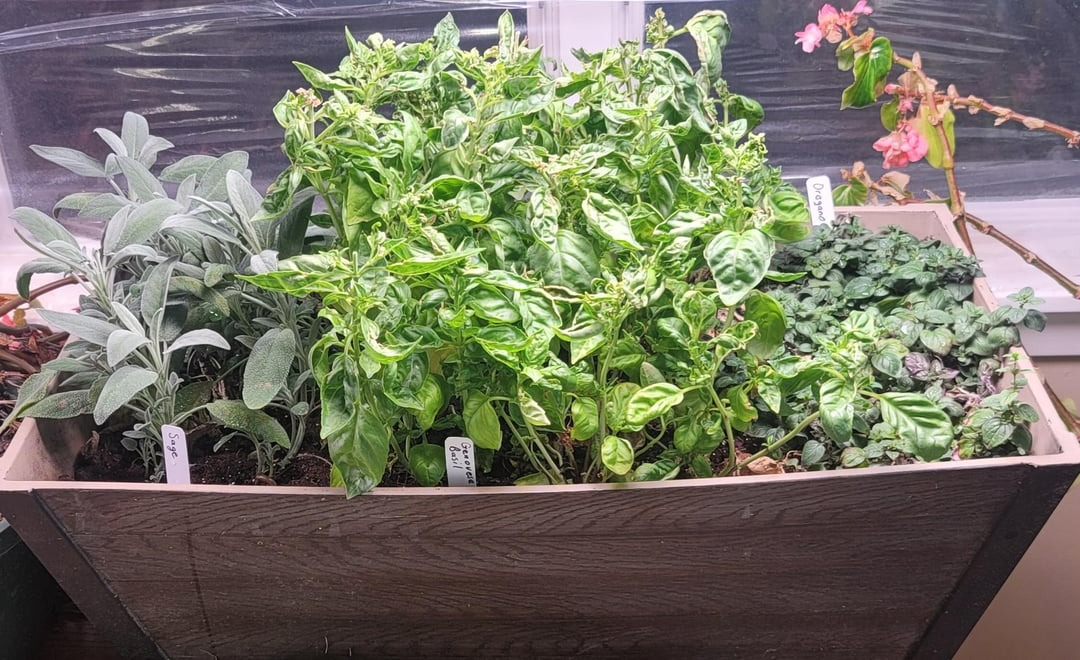
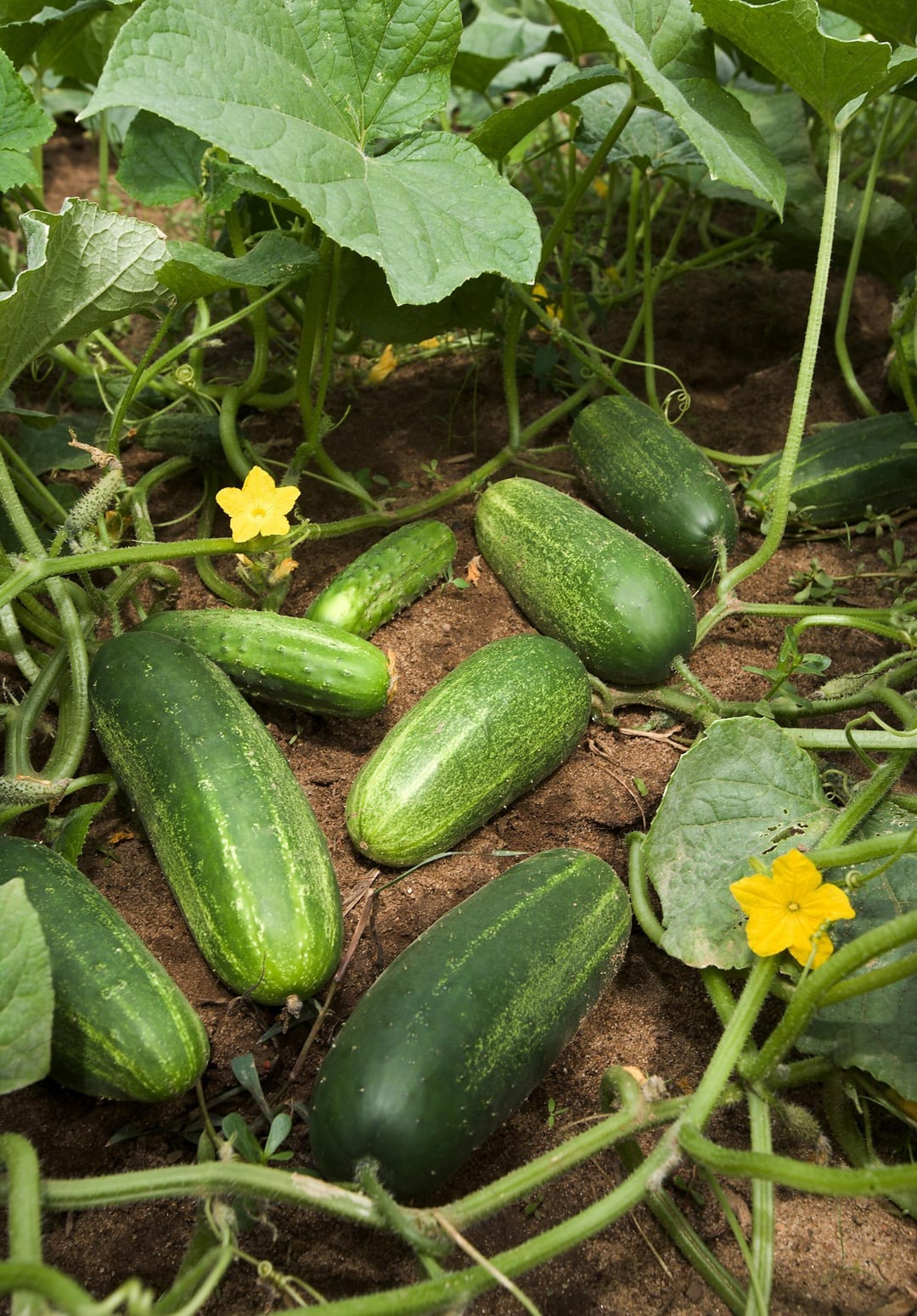
Cucumbers have a voracious thirst and demand ample water, whereas rosemary thrives with less frequent watering due to its drought-tolerant nature. Unfortunately, cucumbers won’t tolerate such conditions.
For harmonious garden planning, consider pairing rosemary with oregano, as they both appreciate similar growing conditions. Reserve the moist areas of your garden for cucumbers, ensuring they receive the hydration they crave.
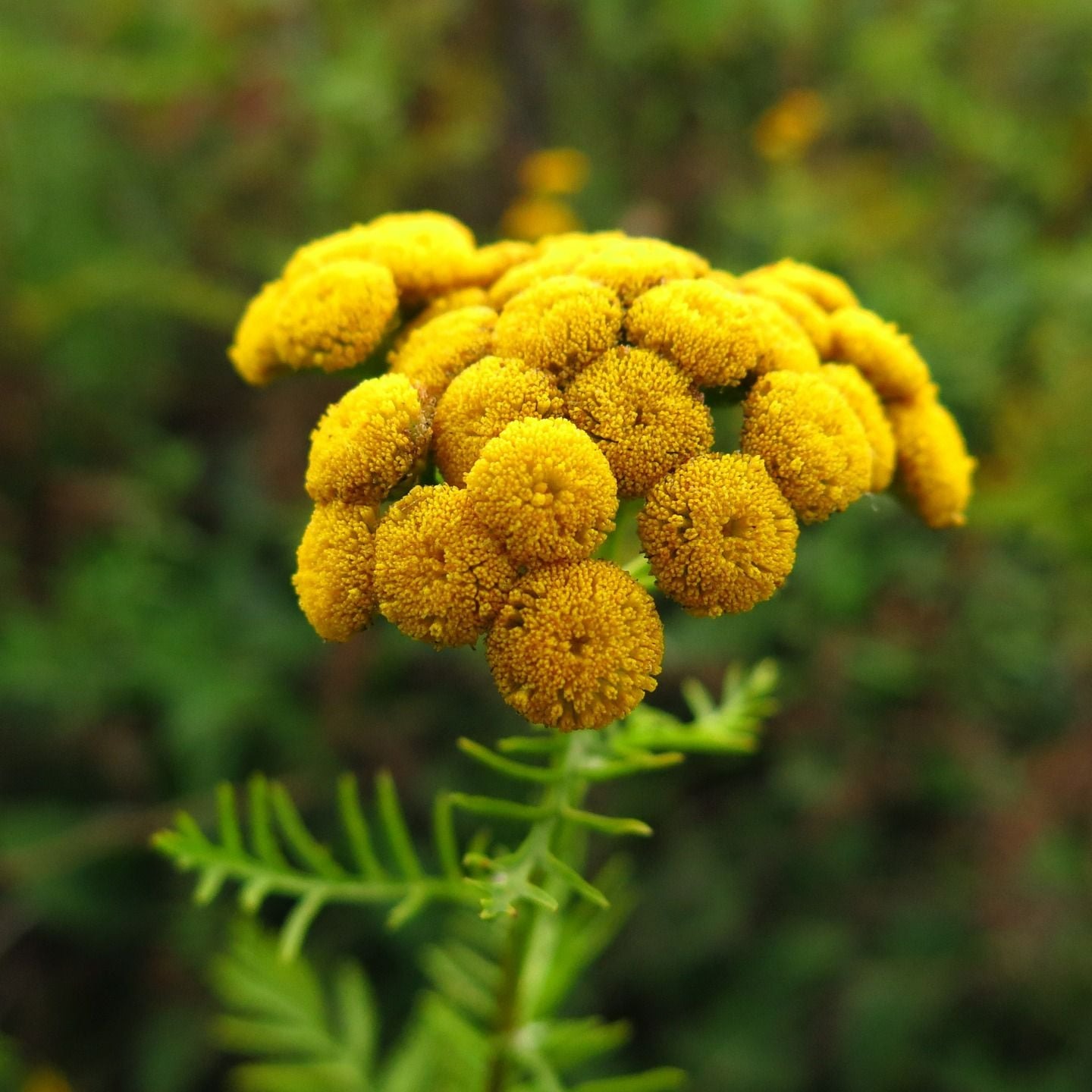
Tansy and Almost Everything
Tansy, though aggressive, shouldn’t be completely avoided. Exercise caution when planting it, ensuring it’s not listed as a noxious weed in your area. If you choose to plant it, confine it to a container and remove the flowers before they seed to manage its growth.
This vigorous plant can easily overwhelm neighboring plants, making it unsuitable for companion planting with most species. With heights reaching up to 4 feet and a spread of nearly 2 feet, shorter plants stand little chance against its dominance.
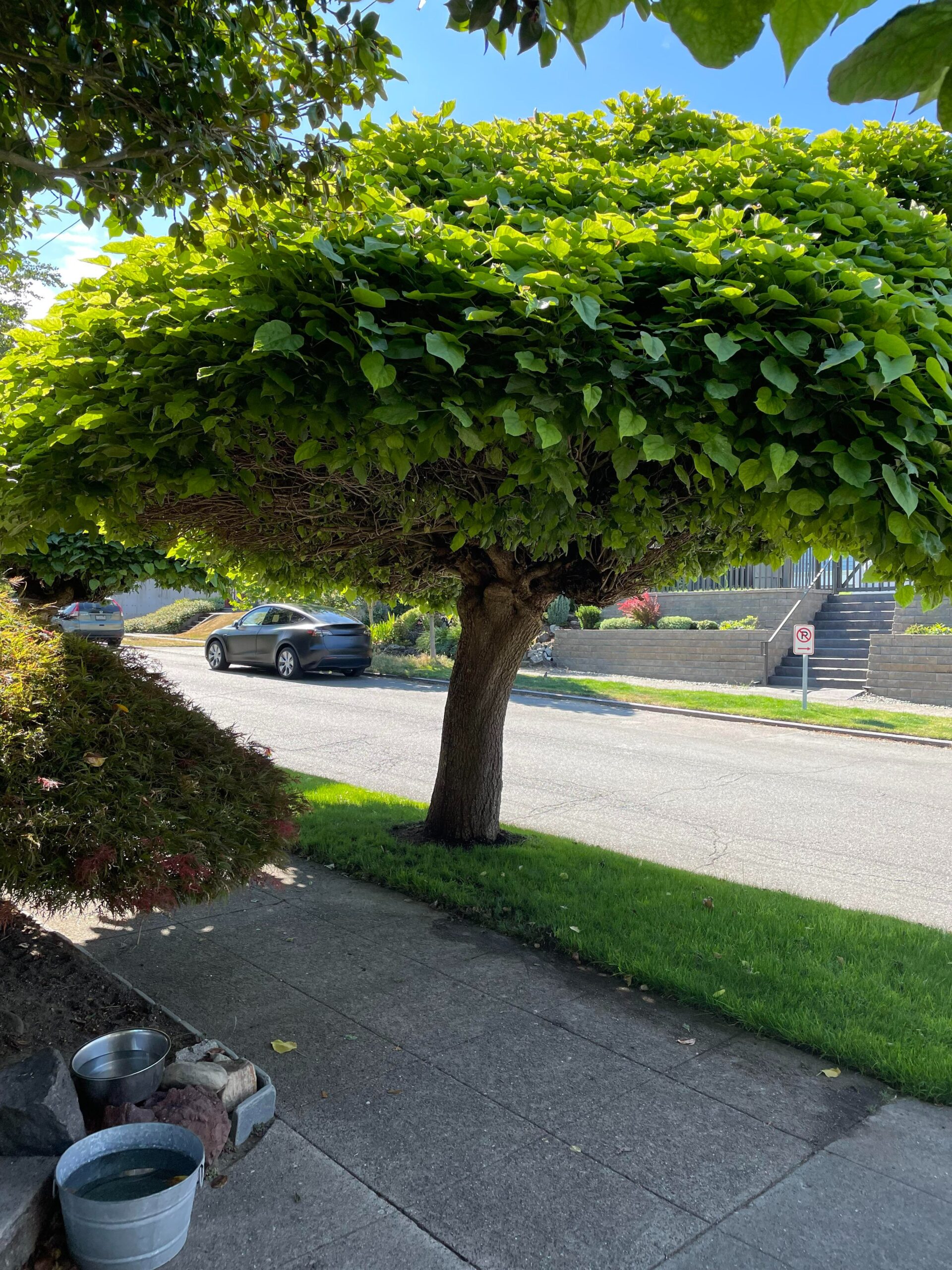
Shade Trees and Grass
It’s common knowledge that turfgrass and shady trees don’t get along. Most lawn grasses thrive in sunlight, so areas shaded by large trees often result in patches of bare soil.
While it may not be ideal for maintaining a pristine lawn, the absence of grass under shade trees provides an opportunity to mulch around the base of the tree, ensuring even moisture. However, if you’re aiming for a flawless lawn, a shade tree might present a challenge.
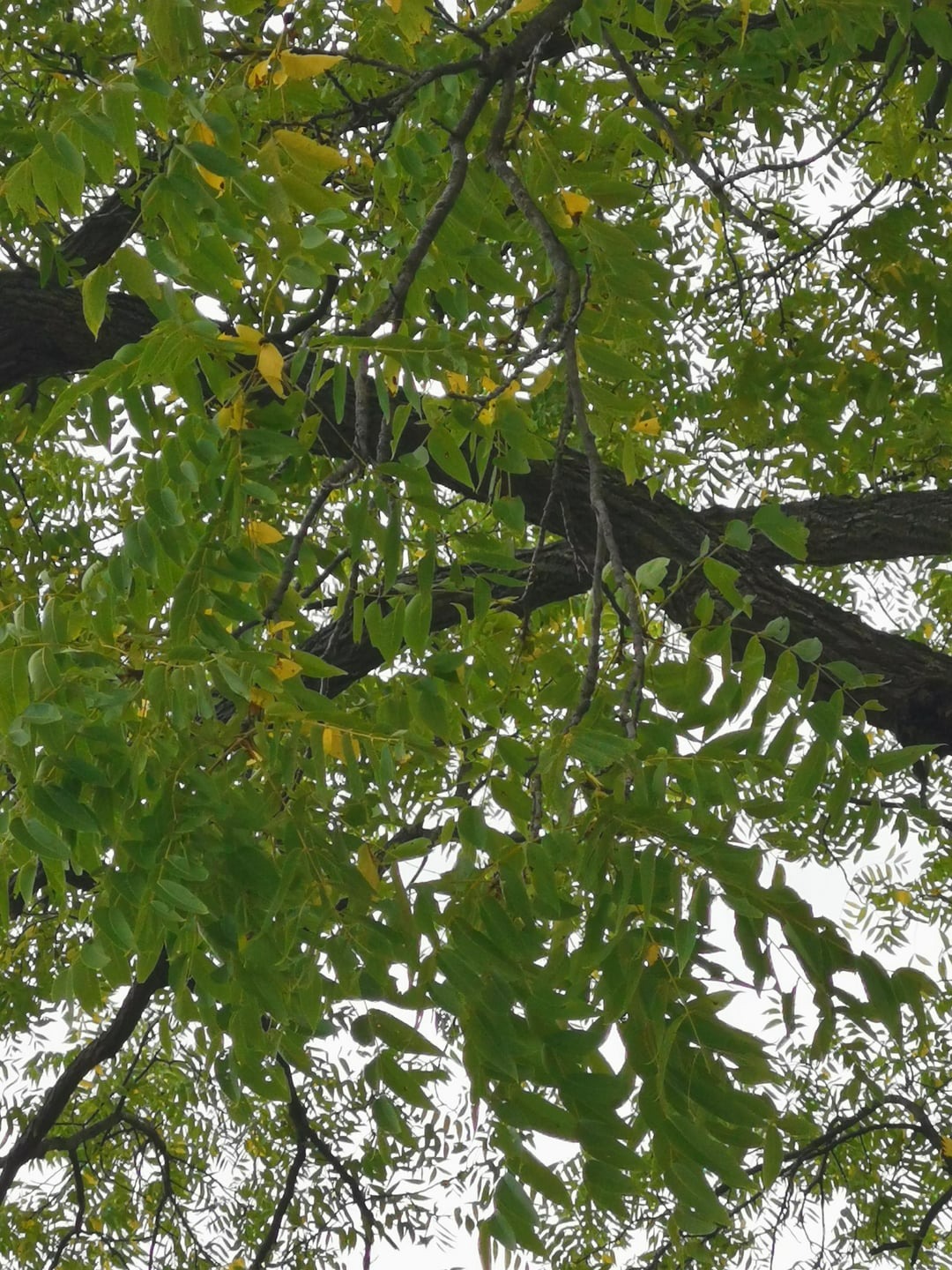
Walnuts and Many Plants
Earlier, I mentioned allelopathic plants, with walnut trees, especially black walnuts, being prime examples. They hinder the growth of various plants, including grasses, flowers, and edibles.
However, certain plants are tolerant to juglone, the compound in walnut trees that causes issues. Interestingly, these tolerant plants are often other allelopathic species that produce juglone themselves! Trees like pawpaw, hickory, and sycamore, as well as viburnum, forsythia, and black raspberry bushes, can coexist with walnuts.
For those keen on growing edibles, onions, melons, beans, and squash are viable options, although shade tolerance should be considered. Additionally, some flowers, such as calendulas, marigolds, and zinnias, demonstrate juglone tolerance.
Yarrow and Bee Balm
Yarrow shares similarities with tansy in its potential for aggressiveness under favorable conditions. With its heat and drought tolerance, yarrow tends to thrive wherever it’s planted, often growing vigorously.
However, bee balm is not a compatible companion for yarrow. Preferring moist soil, bee balm may struggle to keep pace with yarrow’s rapid spread and could ultimately be choked out.
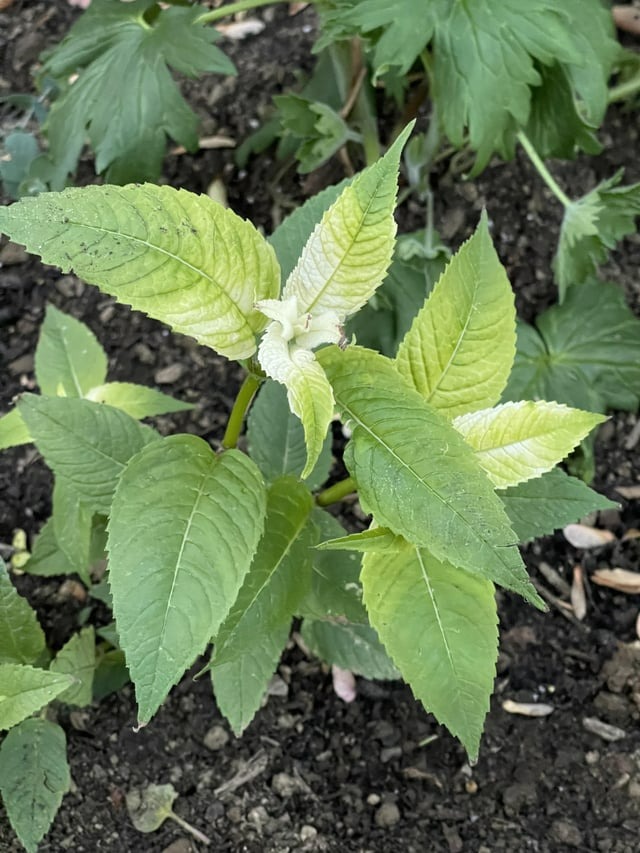
Black Walnut and Tomato Plants
Tomatoes are sensitive to juglone, which can cause wilting, stunted growth, and eventually death of the tomato plants. Gardeners should consider planting tomatoes far from Black Walnut trees or use containers to avoid the effects of juglone.
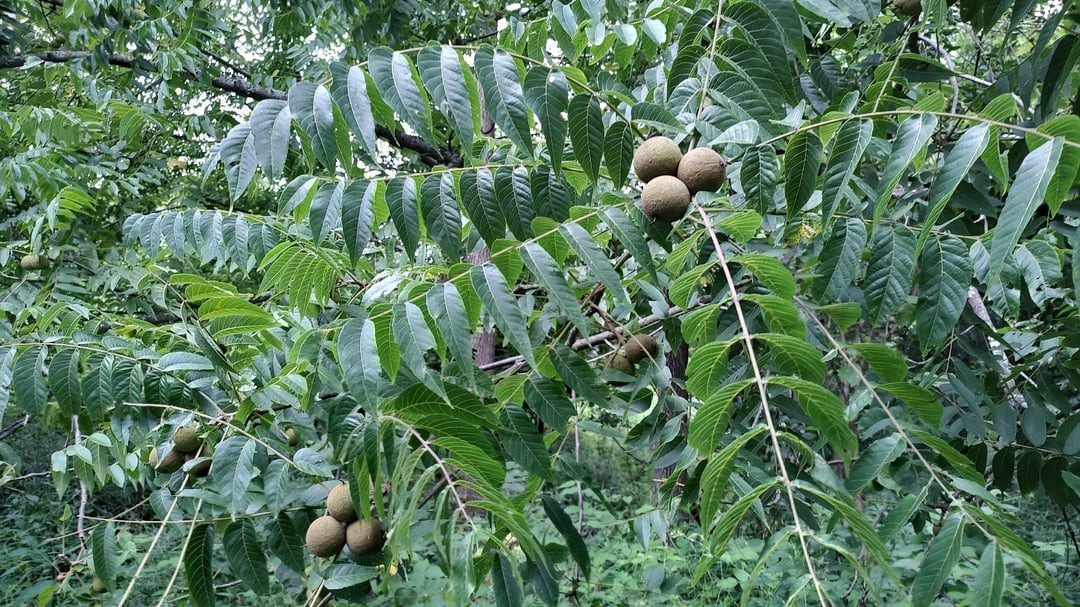
Eucalyptus and Most Garden Plants
The compounds released by Eucalyptus can suppress the germination and growth of nearby plants, making it difficult for other garden plants to thrive. This can lead to a sparse garden around the base of the tree, limiting biodiversity.
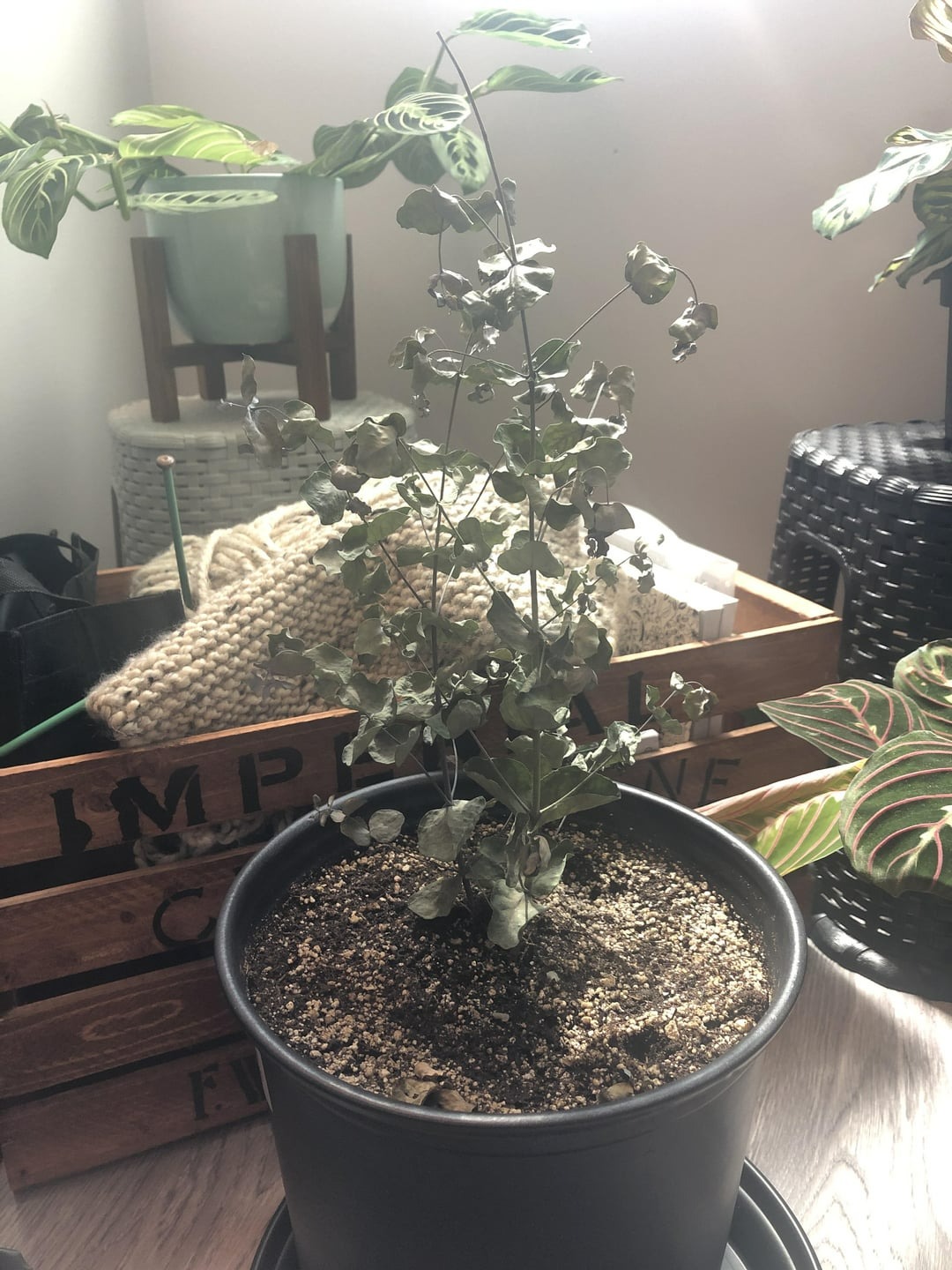
Cabbage and Strawberries
Cabbage can attract pests like aphids and caterpillars, which can easily spread to nearby strawberries. Additionally, both plants compete for similar nutrients, leading to poorer yields and quality of both crops.
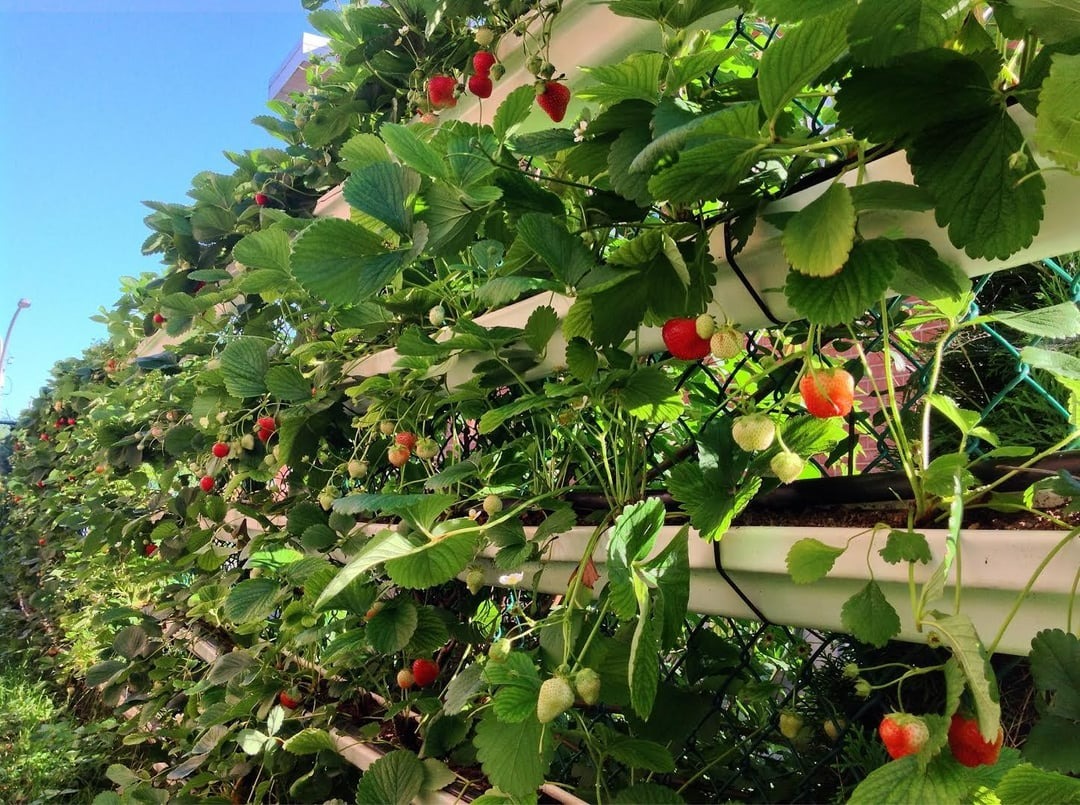
Asparagus and Garlic
The allelochemicals from garlic can interfere with the growth of asparagus spears, making them less vigorous. Planting these crops together can also complicate crop rotation plans, potentially leading to soil-borne diseases.
Sunflowers and Potatoes
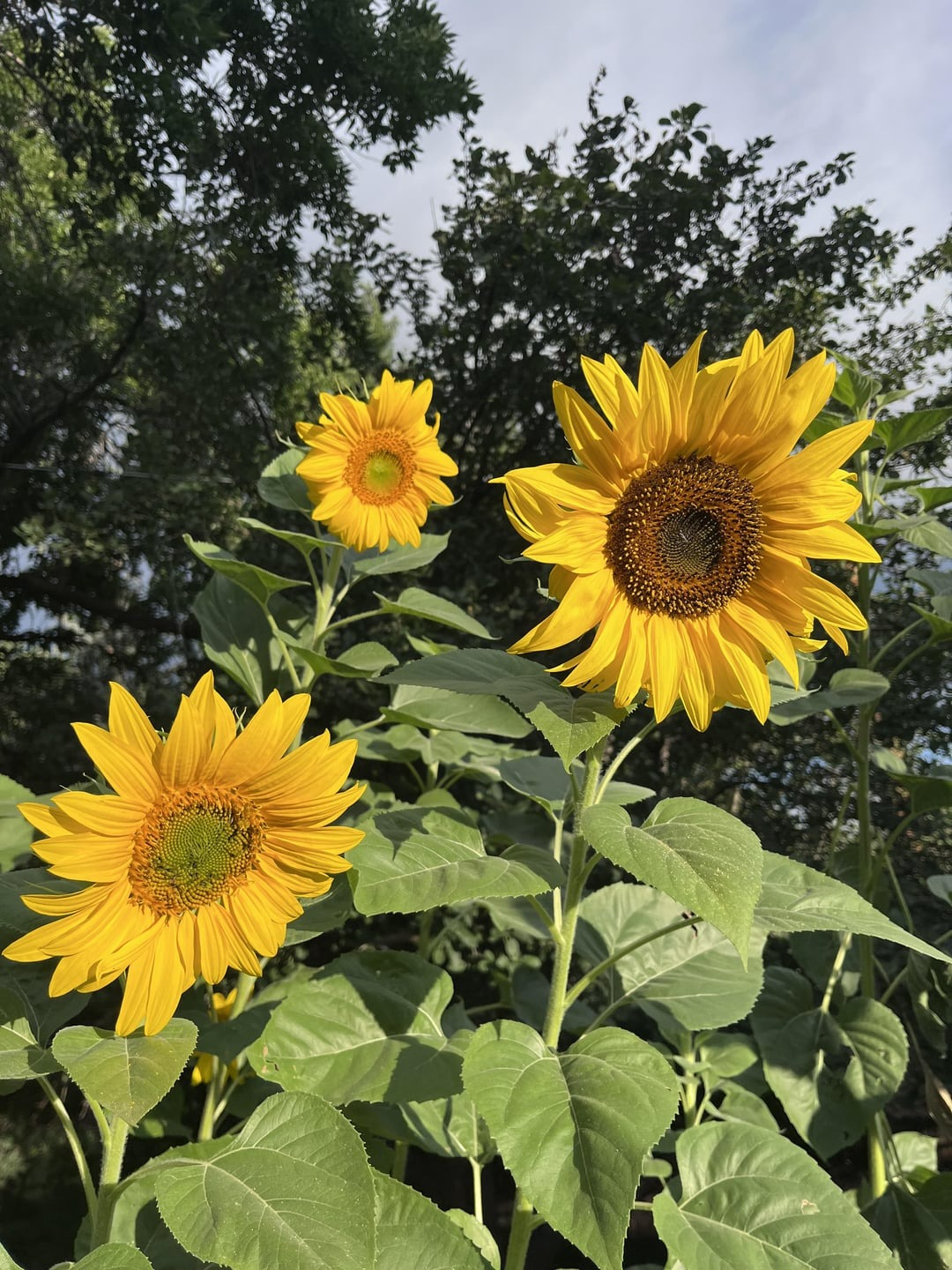
The chemicals from sunflowers can inhibit potato growth, making the tubers small and less nutritious. Moreover, sunflowers may also compete with potatoes for sunlight, as their tall stalks can overshadow the potato plants.
Peppermint and Parsley
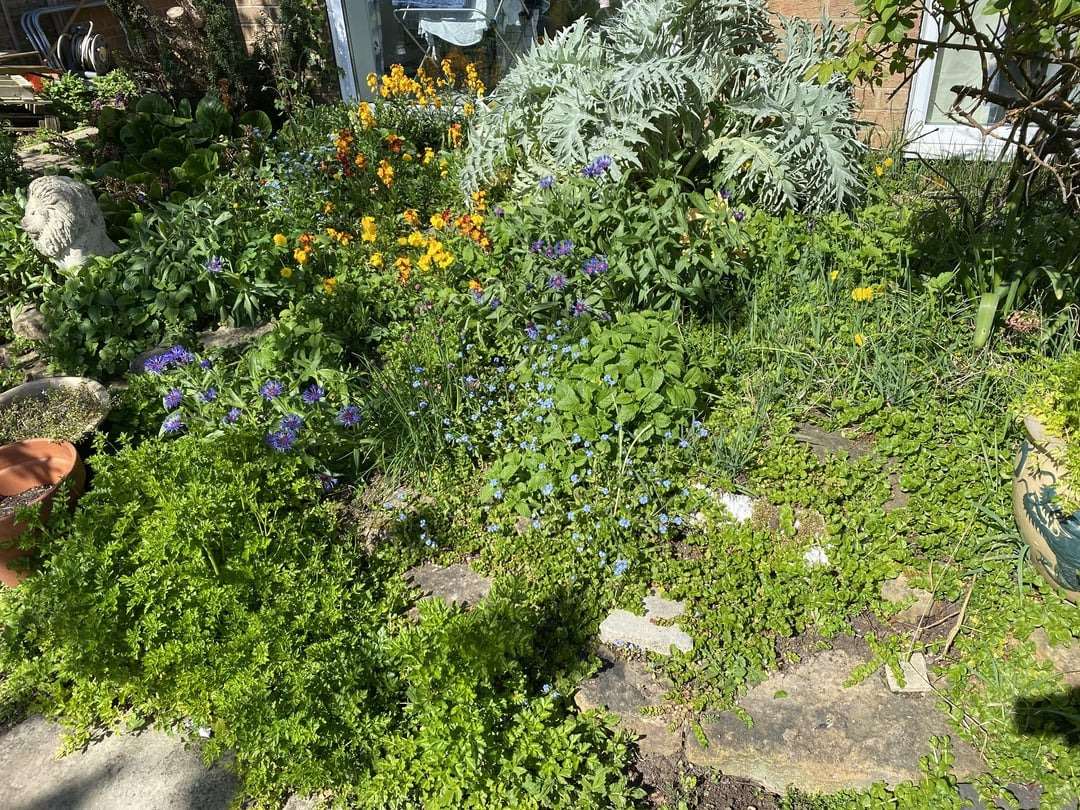
The aggressive nature of peppermint means it can quickly take over the space intended for parsley, leading to reduced light, space, and nutrients for the parsley. Over time, the parsley may become choked out entirely, struggling to compete.
Rhododendrons and Hydrangeas
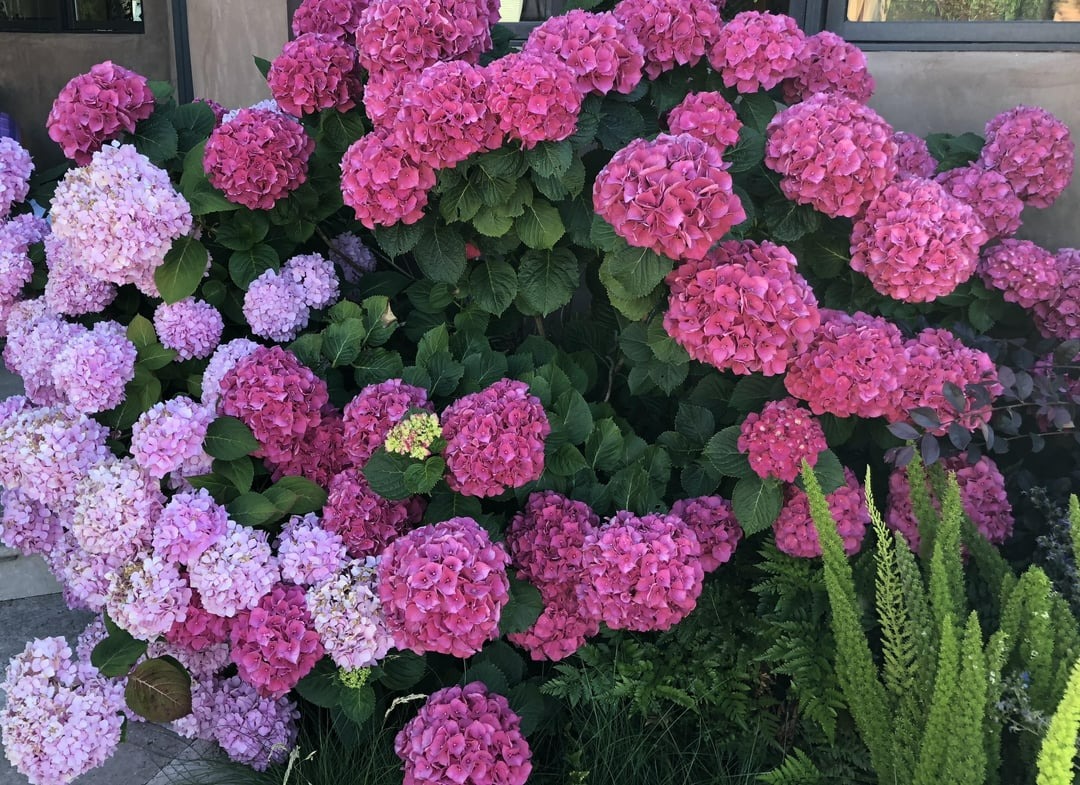
Although both enjoy acidic soil, rhododendrons are more competitive and can absorb most of the water and nutrients, leaving hydrangeas struggling to survive. The dense root system of rhododendrons also makes it hard for hydrangeas to expand.
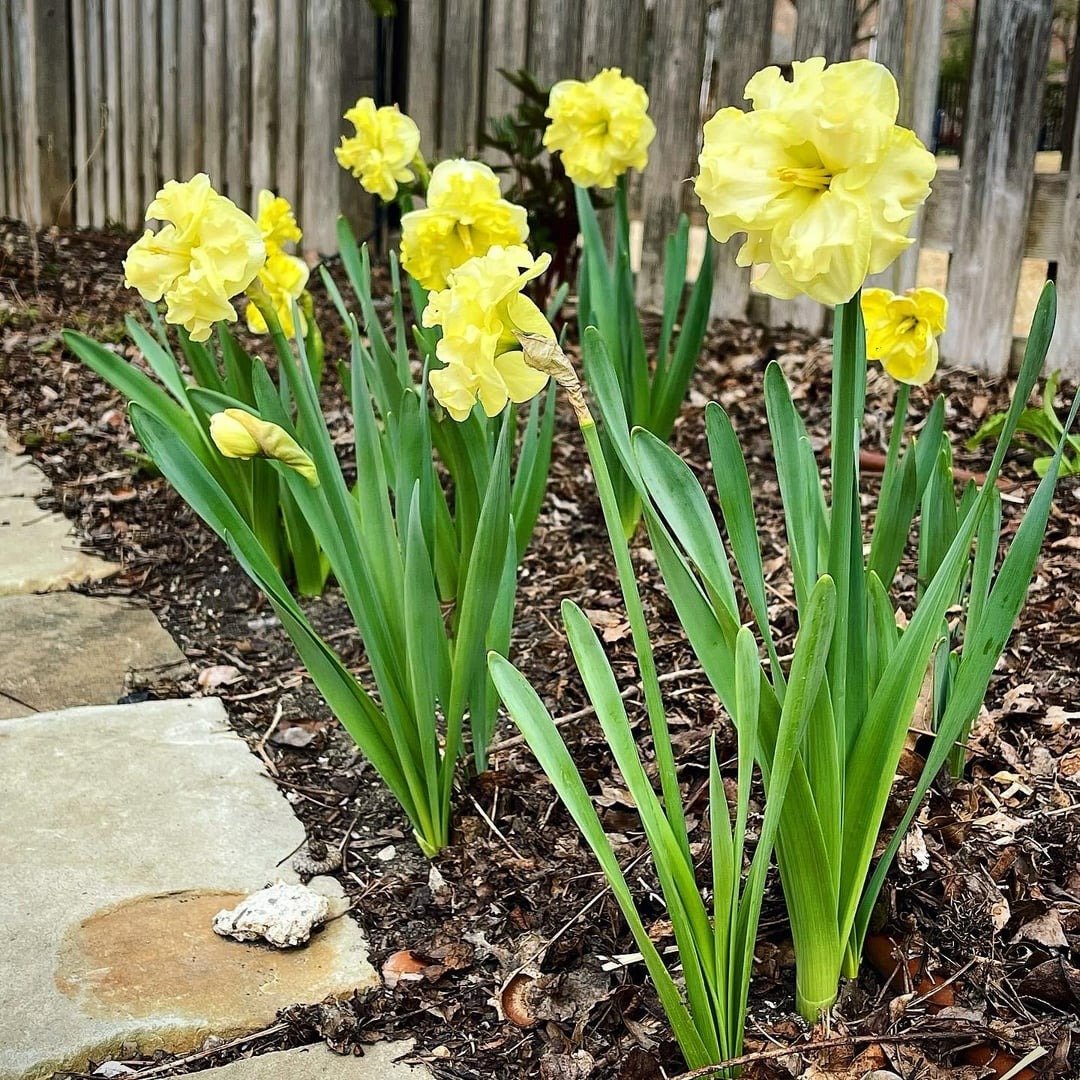
Daffodils and Creeping Ground Covers
The toxin released by daffodils can prevent ground covers from spreading, leading to bare patches in the garden. This can be particularly problematic in rock gardens or other areas where ground cover continuity is desired.
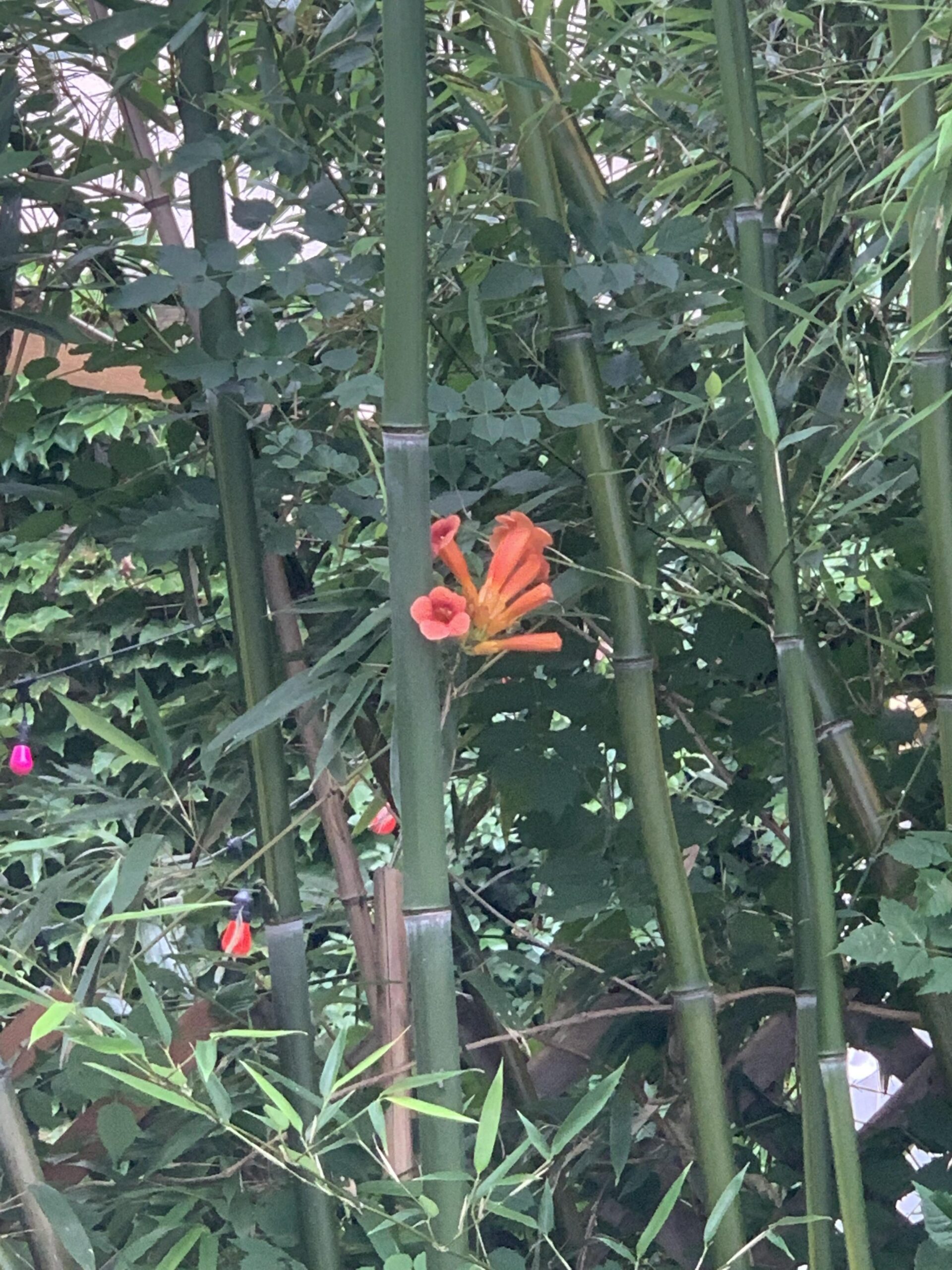
Bamboo and Flowering Perennials
Bamboo can rapidly spread through its rhizome network, overwhelming nearby perennials and reducing their ability to flourish. This can result in a monoculture of bamboo, which diminishes garden variety and aesthetics.
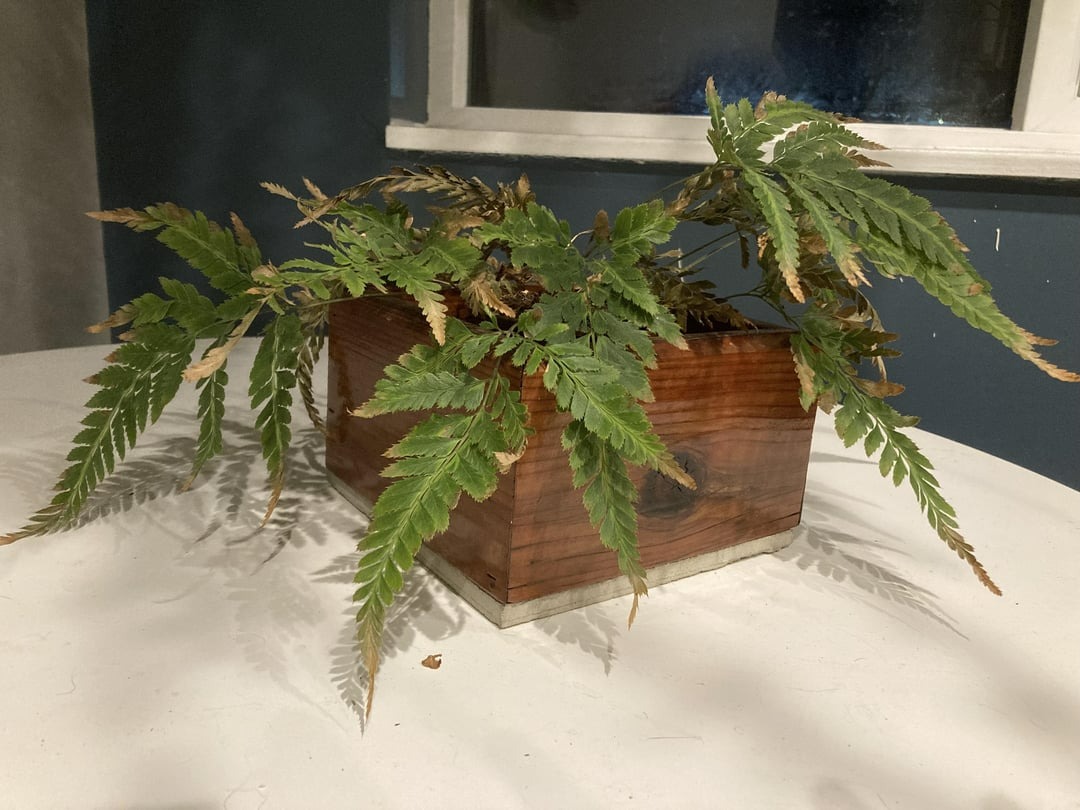
Holly and Ferns
The thick foliage of holly bushes not only creates deep shade but also results in a thick layer of acidic leaves on the ground, which can harm sensitive ferns. Ferns typically require moist, well-drained soil, which can be compromised by the dry soil condition under holly bushes.
Please SHARE this with your friends and family.


