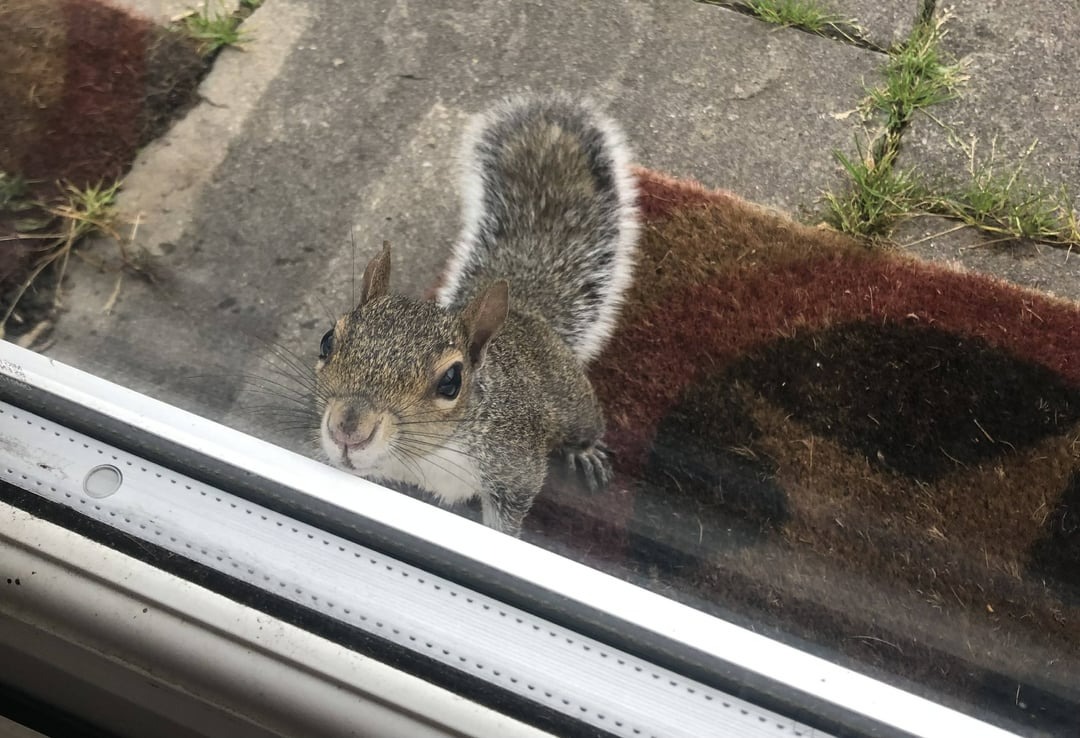
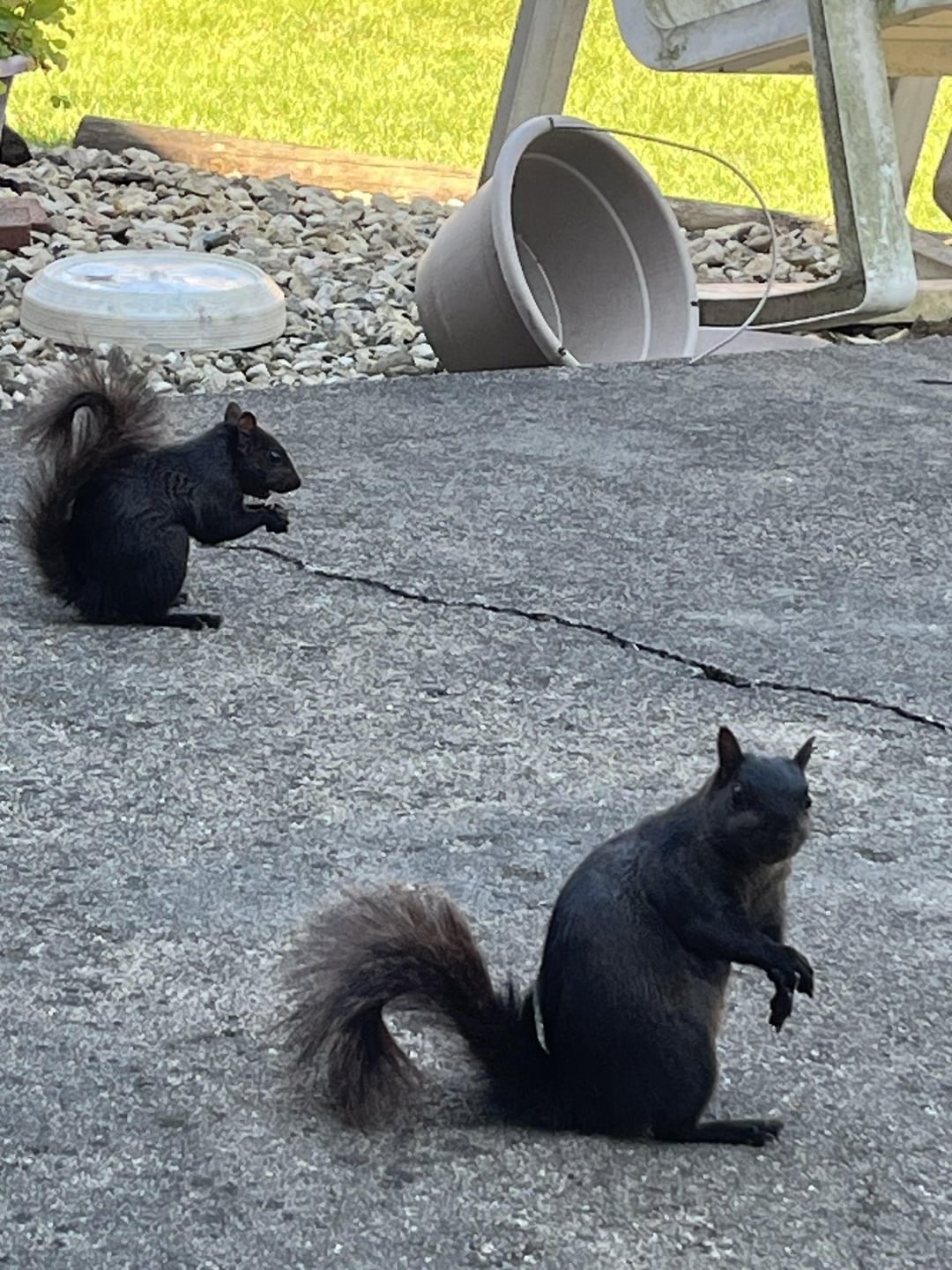
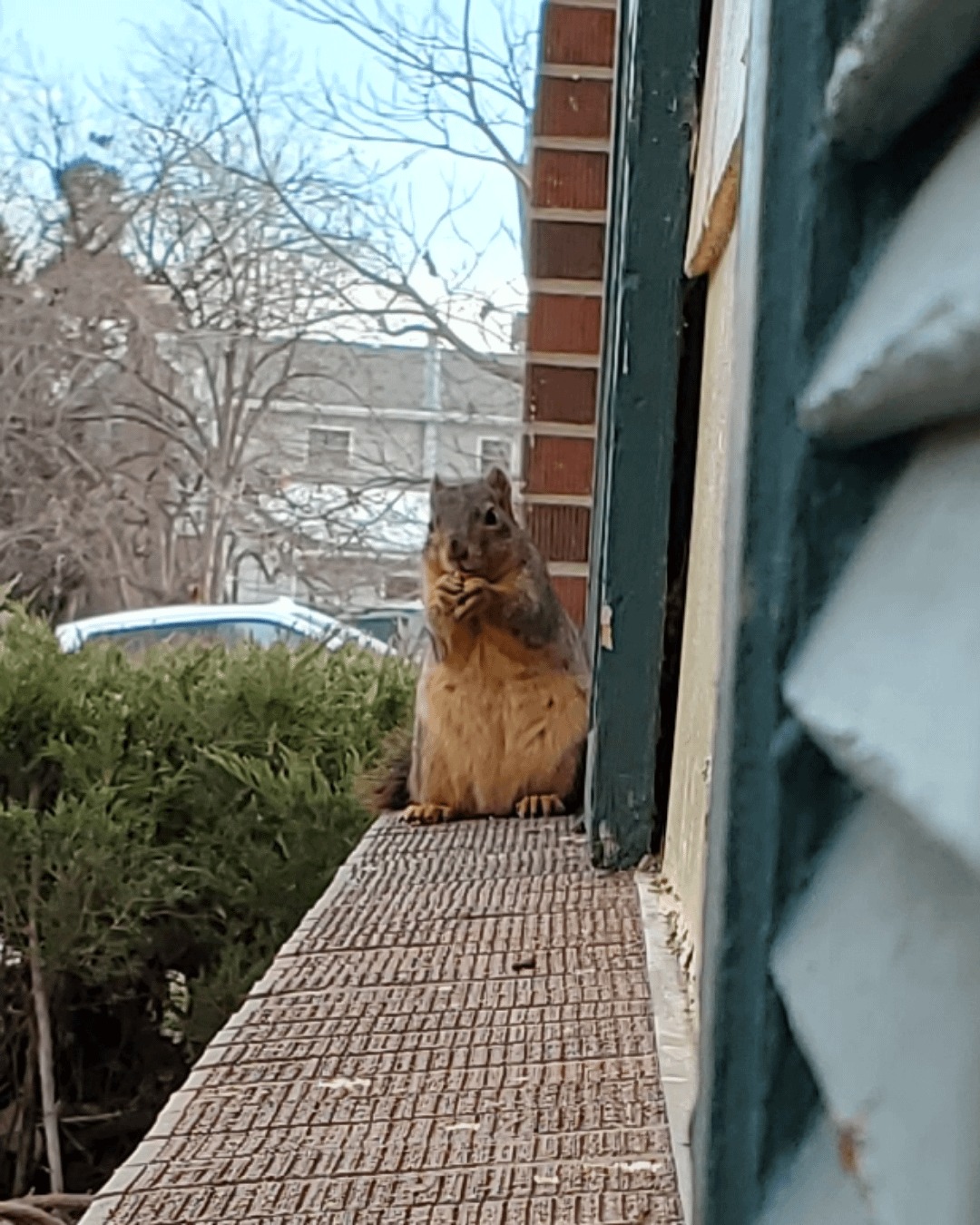
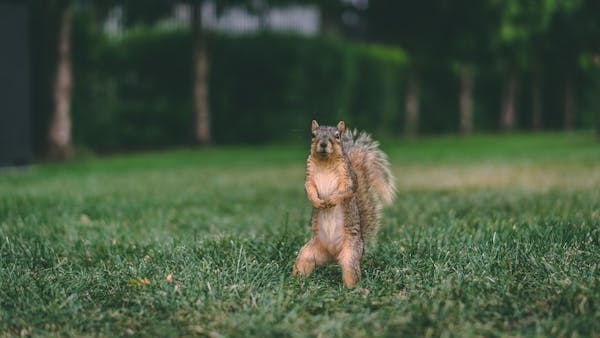
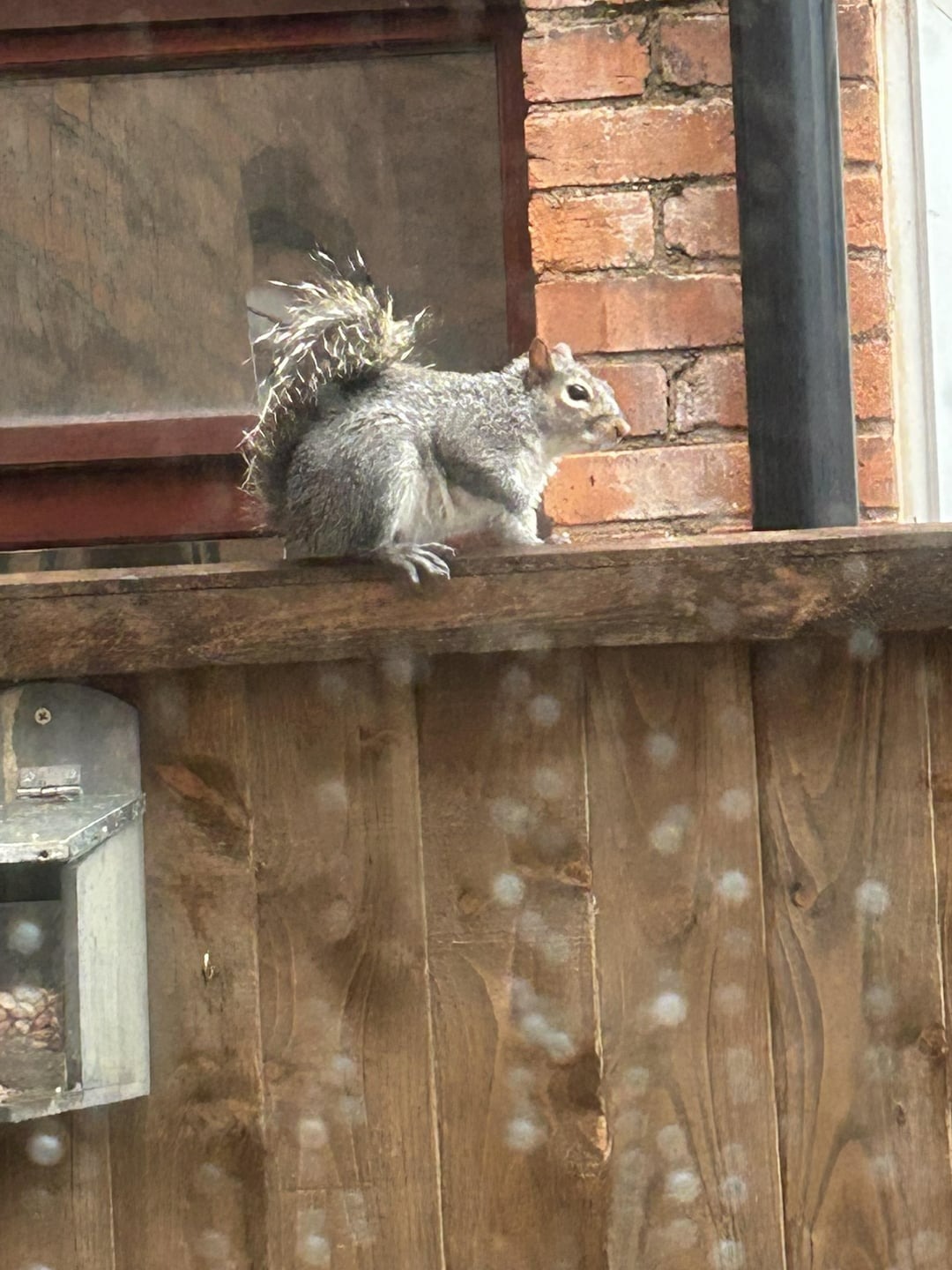
Squirrels may be cute, but they can cause big problems in your home and garden. They often raid bird feeders, chew on wires, and damage plants and attics. If you’re dealing with these pesky critters, it’s important to use safe and effective ways to get rid of them.
Seal Entry Points
Inspect your home for any gaps around eaves and soffits where squirrels might sneak in. Use materials like metal flashing or heavy-duty mesh to seal these entry points securely. Regular maintenance and inspections can help you catch new gaps before squirrels find them. This proactive approach will save you from potential damage and the hassle of removing squirrels later on.
One-Way Doors
Installing one-way doors allows squirrels to leave your home but not get back in. These devices are great for humane removal, ensuring the squirrels aren’t trapped inside. Place them at known entry points and monitor them to ensure the squirrels have left. Once you’re sure they’re gone, seal the entry permanently to prevent future invasions.
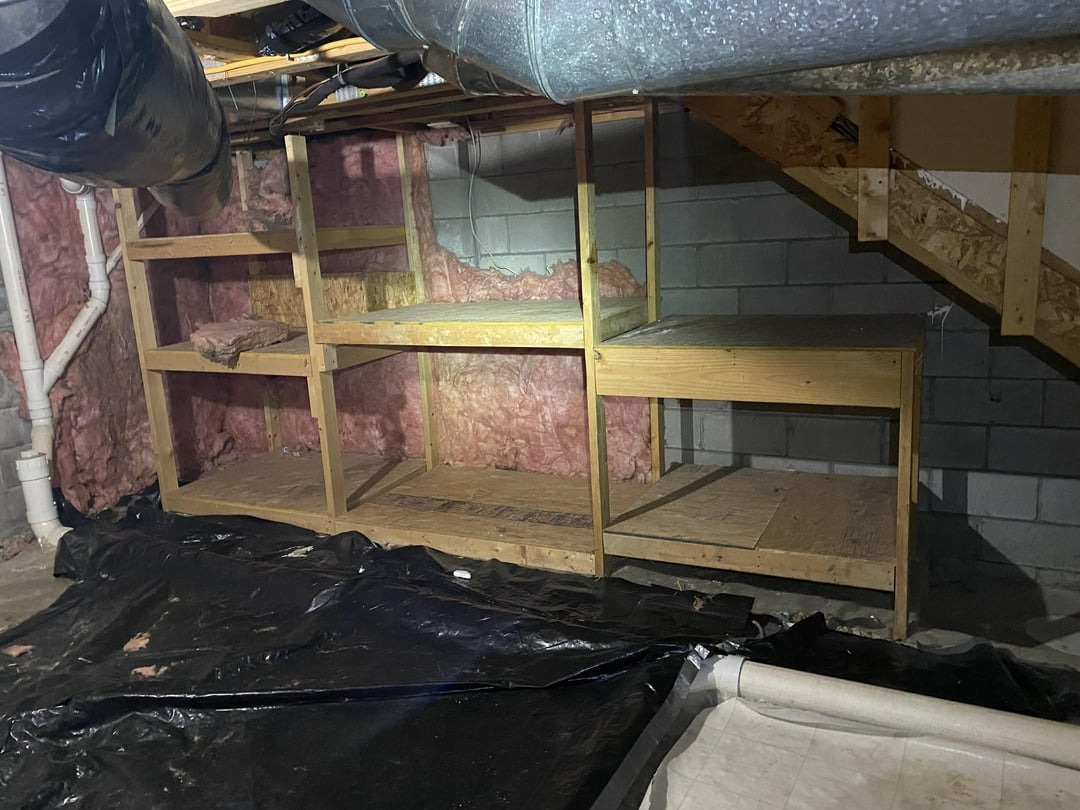
Crawlspaces can be sneaky entry points for squirrels looking to get into your walls. Regularly inspect these areas, paying close attention to any vertical gaps. Use durable materials to cover and seal these spots effectively. A thorough check can prevent squirrels from finding their way into your home’s interior spaces.
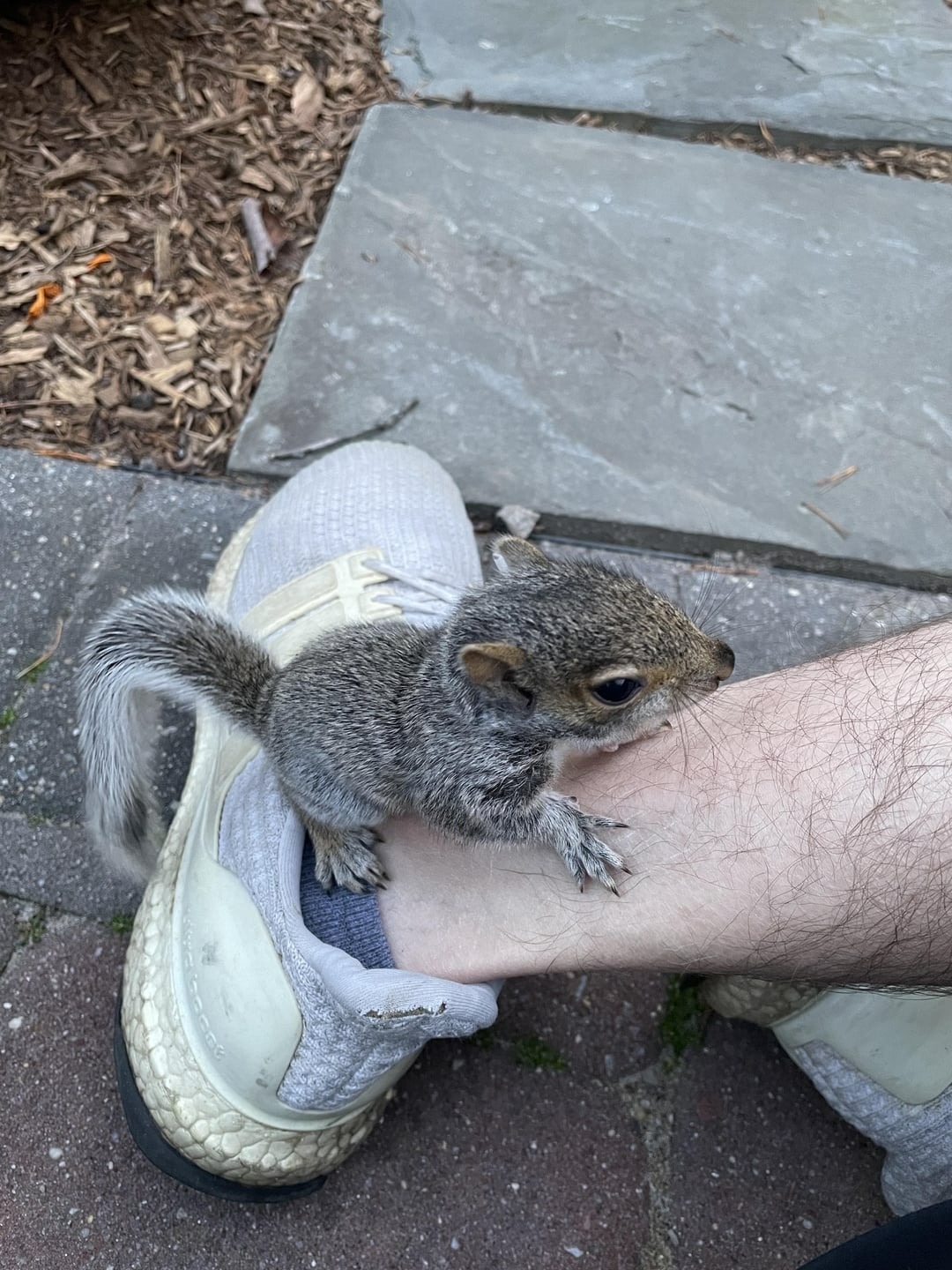
If you come across baby squirrels, it’s essential to handle the situation with care. Contact a wildlife professional to ensure the babies are humanely relocated along with their mother. Avoid handling them yourself as this can be stressful for the animals and may not solve the problem. Professionals have the right tools and knowledge to ensure a safe and humane removal process.
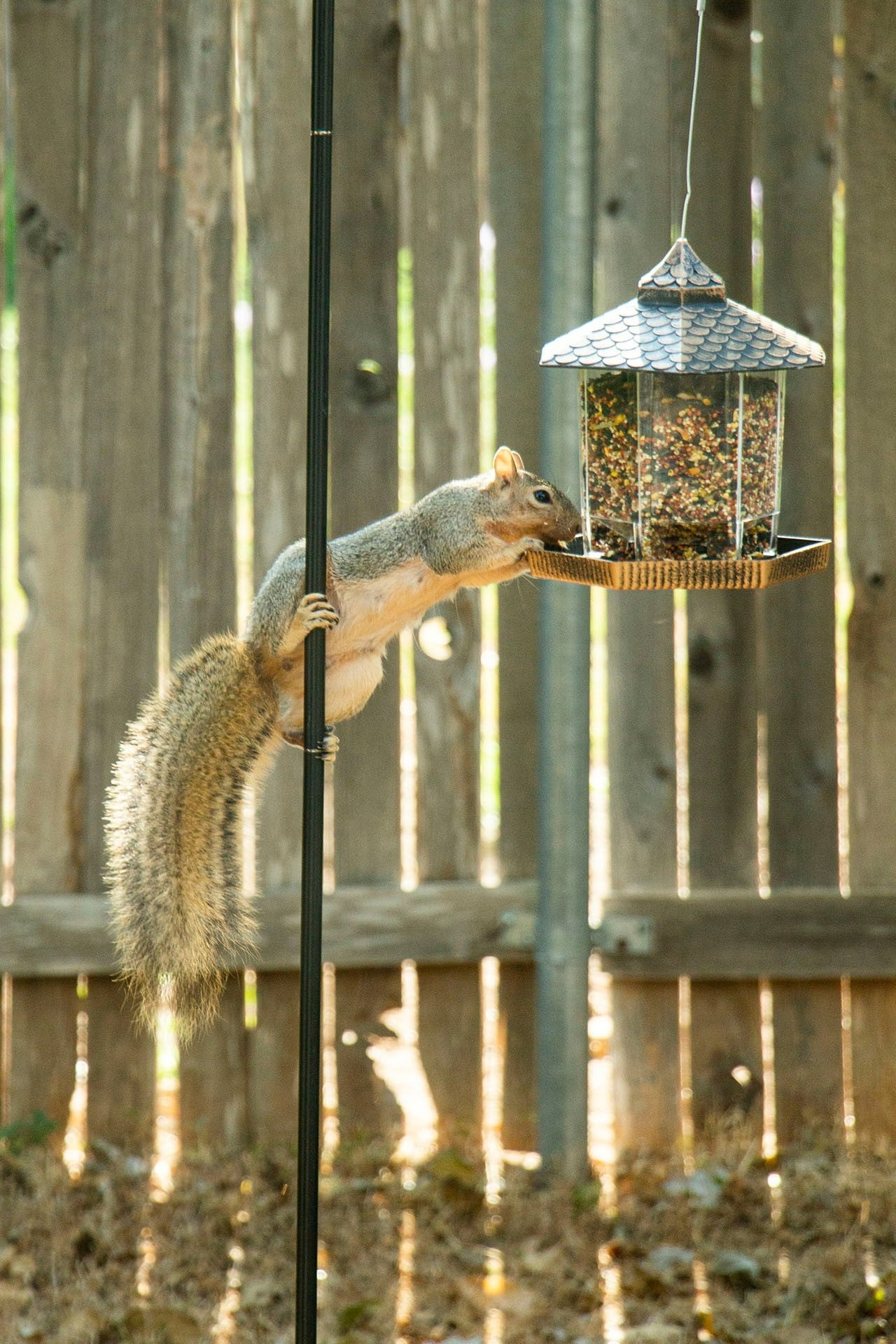
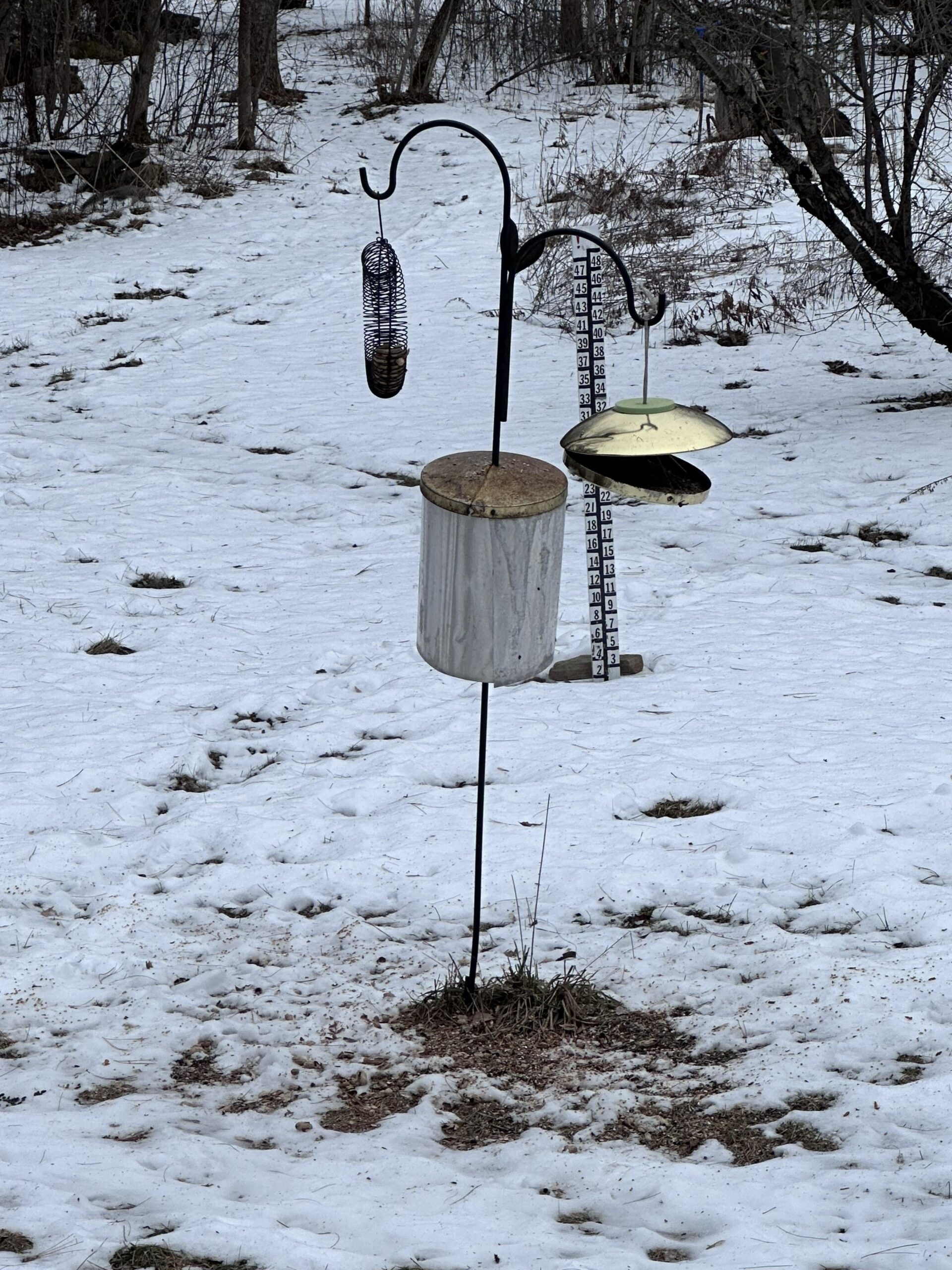
Squirrels love bird feeders, often treating them as an easy food source. Removing feeders or opting for squirrel-proof designs can help deter them. Consider placing feeders on poles fitted with baffles to prevent squirrels from climbing up. Keeping the feeding area clean from spilled seeds can also discourage squirrels from hanging around.
Keeping your yard clean is a simple yet effective way to deter squirrels. Ensure there’s no trash or discarded food lying around that might attract them. Regularly pick up fallen fruits, nuts, and other edible debris from the ground. A tidy yard not only looks better but also makes it less inviting for these pesky visitors.
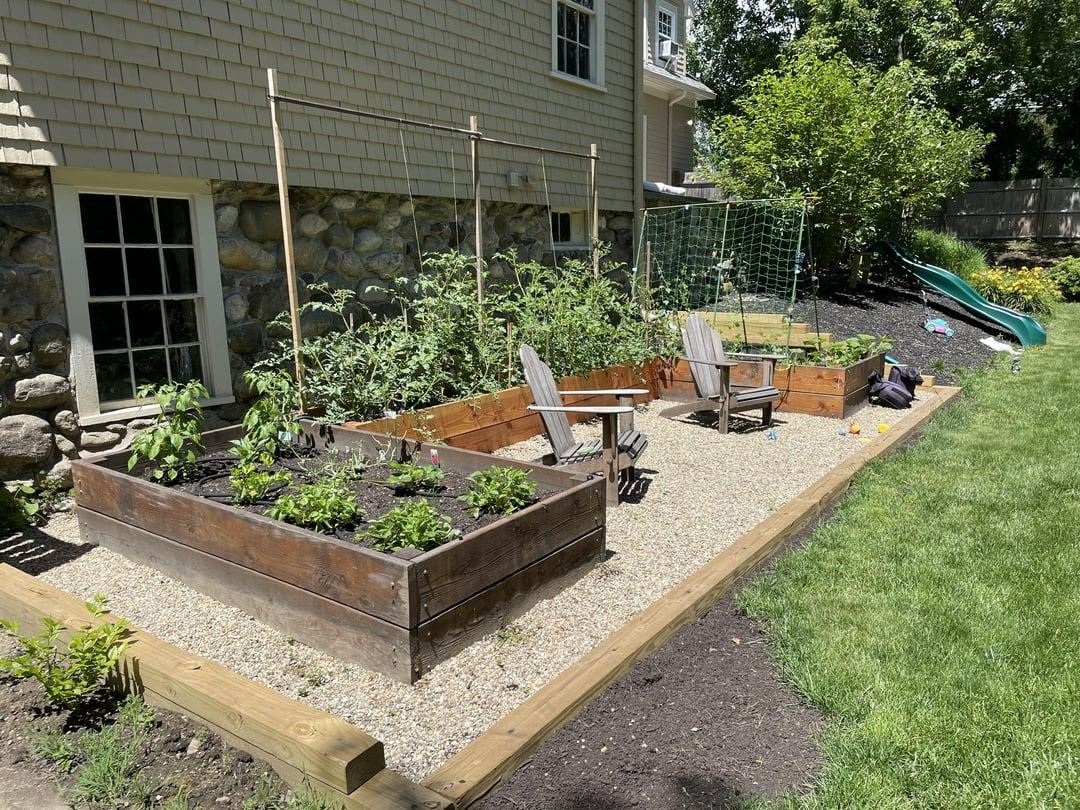
Squirrels are attracted to gardens full of fallen fruits and nuts. Regularly clean your garden to remove these tempting treats. This reduces the food supply available to squirrels, encouraging them to move elsewhere. A clean garden also helps in maintaining the health of your plants and flowers.
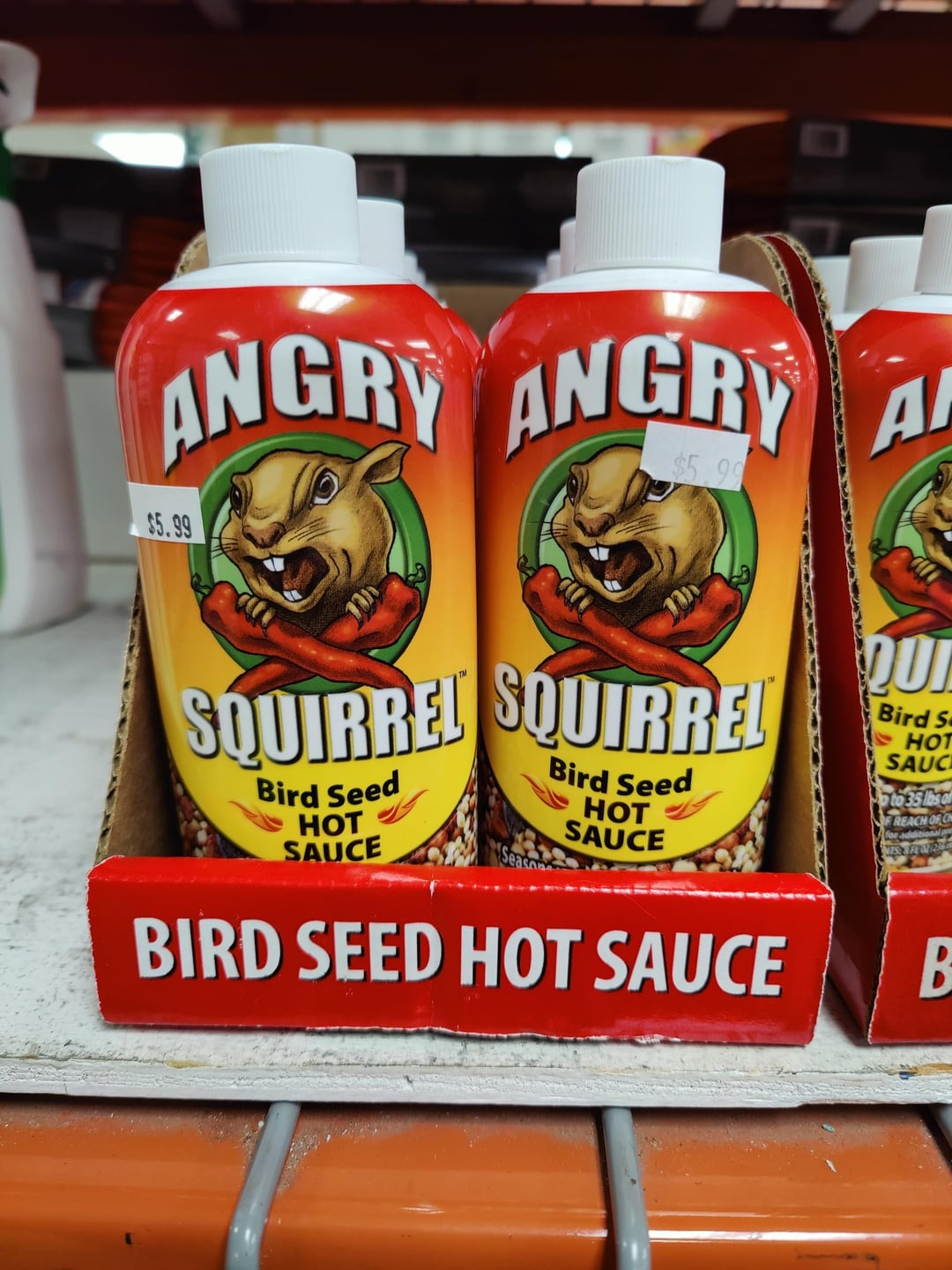
Using chemical repellents like capsaicin can keep squirrels away from your plants. Apply these repellents around your garden, but be prepared for frequent reapplications as they can wash away. These repellents are usually safe for plants but make the area unappealing to squirrels. It’s a handy method, though consistency is key to keeping squirrels at bay.
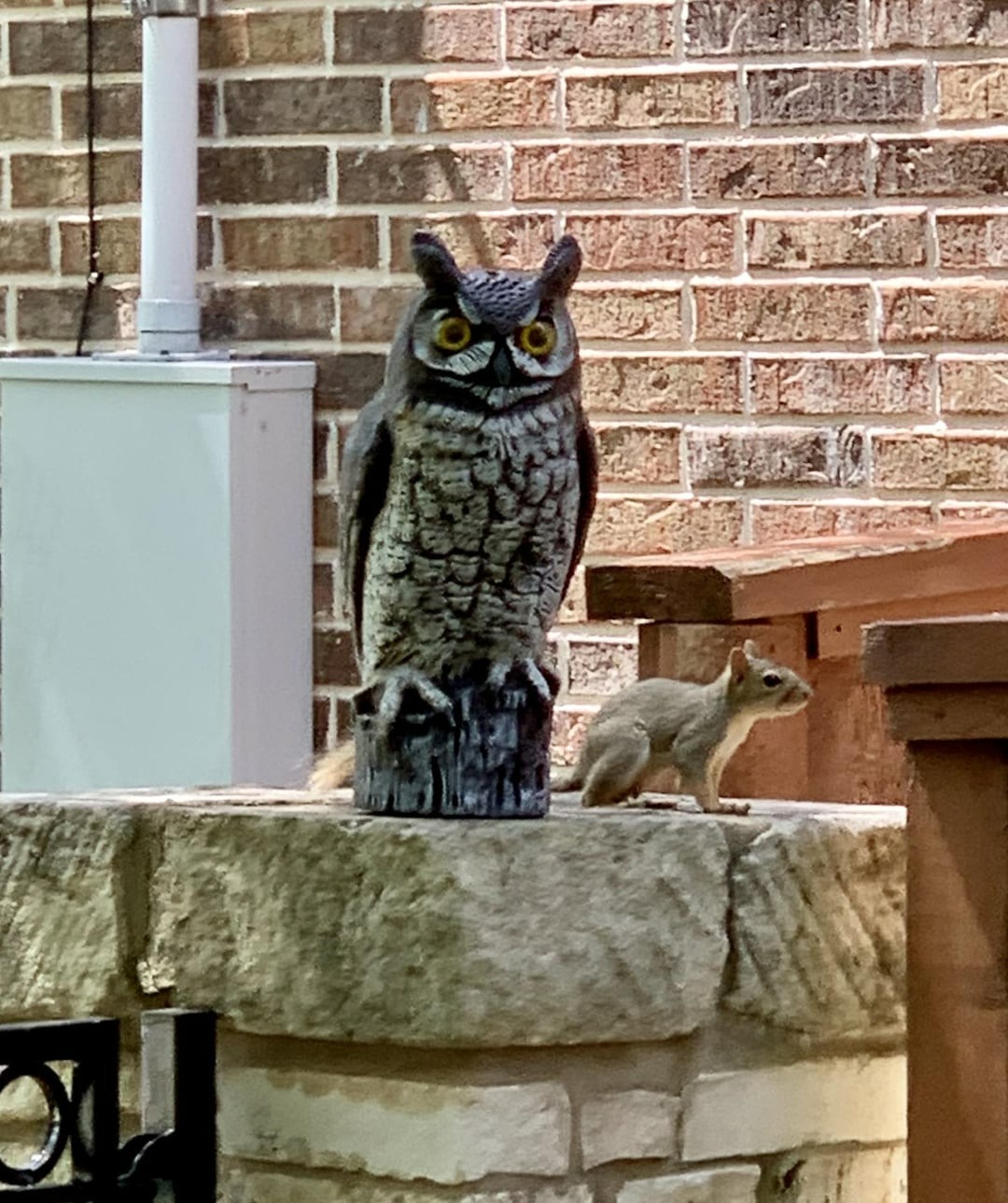
Scare tactics such as whirligigs and fake owls can sometimes deter squirrels. These visual deterrents work by startling the squirrels and making them feel unsafe. However, be aware that squirrels might get used to these tactics over time. It’s a good idea to regularly change the position or type of deterrent to keep them effective.
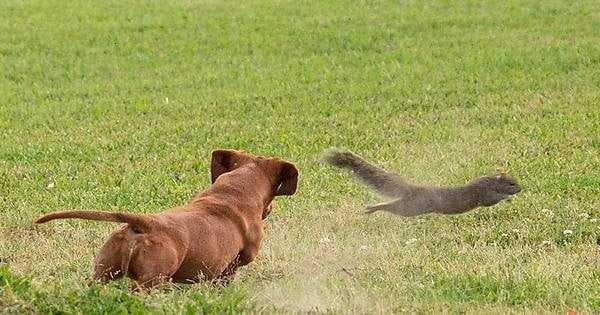
Letting your dogs or cats roam the yard can help scare squirrels away. Pets provide a natural deterrent, especially if they are outside during the times squirrels are active. However, this method works best if your pets enjoy being outside and are safe to roam. Always supervise your pets to ensure they don’t get into trouble while protecting your yard.
For persistent squirrel problems, hiring a wildlife removal professional is a smart move. Professionals know how to handle the complexities of squirrel removal safely and legally. They can also provide advice on preventing future invasions. This expert help can save you time, effort, and potential frustration.
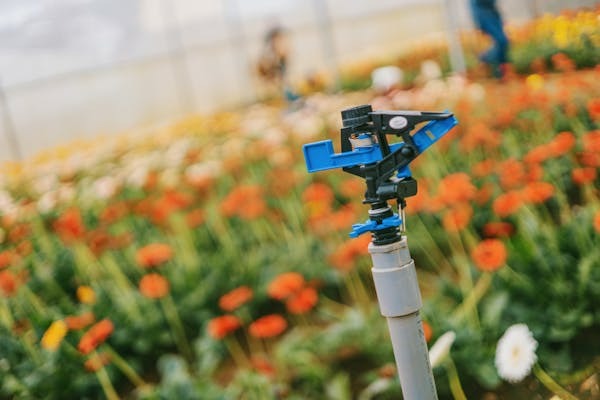
Motion-activated sprinklers are a clever way to deter squirrels. These devices startle squirrels with a burst of water whenever they approach. This unexpected response can effectively keep them out of your yard. It’s a humane and often entertaining method to keep your garden safe.
Ultrasonic repellent devices emit high-frequency sounds that are unpleasant for squirrels. These sounds are typically inaudible to humans but can drive squirrels away. Place these devices in strategic locations around your home and garden. Over time, squirrels will learn to avoid these areas, keeping your property safe.
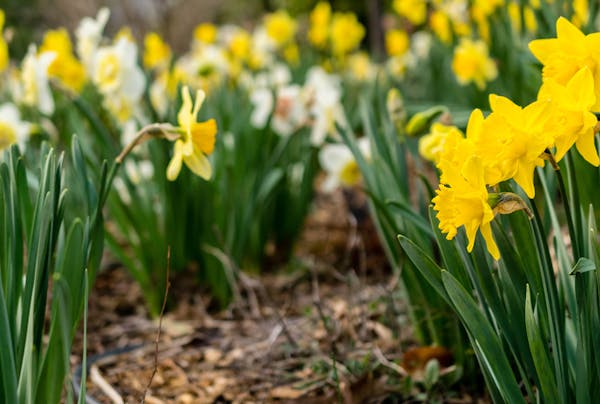
Planting bulbs like daffodils or alliums can make your garden less appealing to squirrels. These plants are generally not favored by squirrels, who tend to avoid them. Integrating them into your garden design can add beauty while serving as a natural deterrent. This method combines aesthetic appeal with practical pest control.
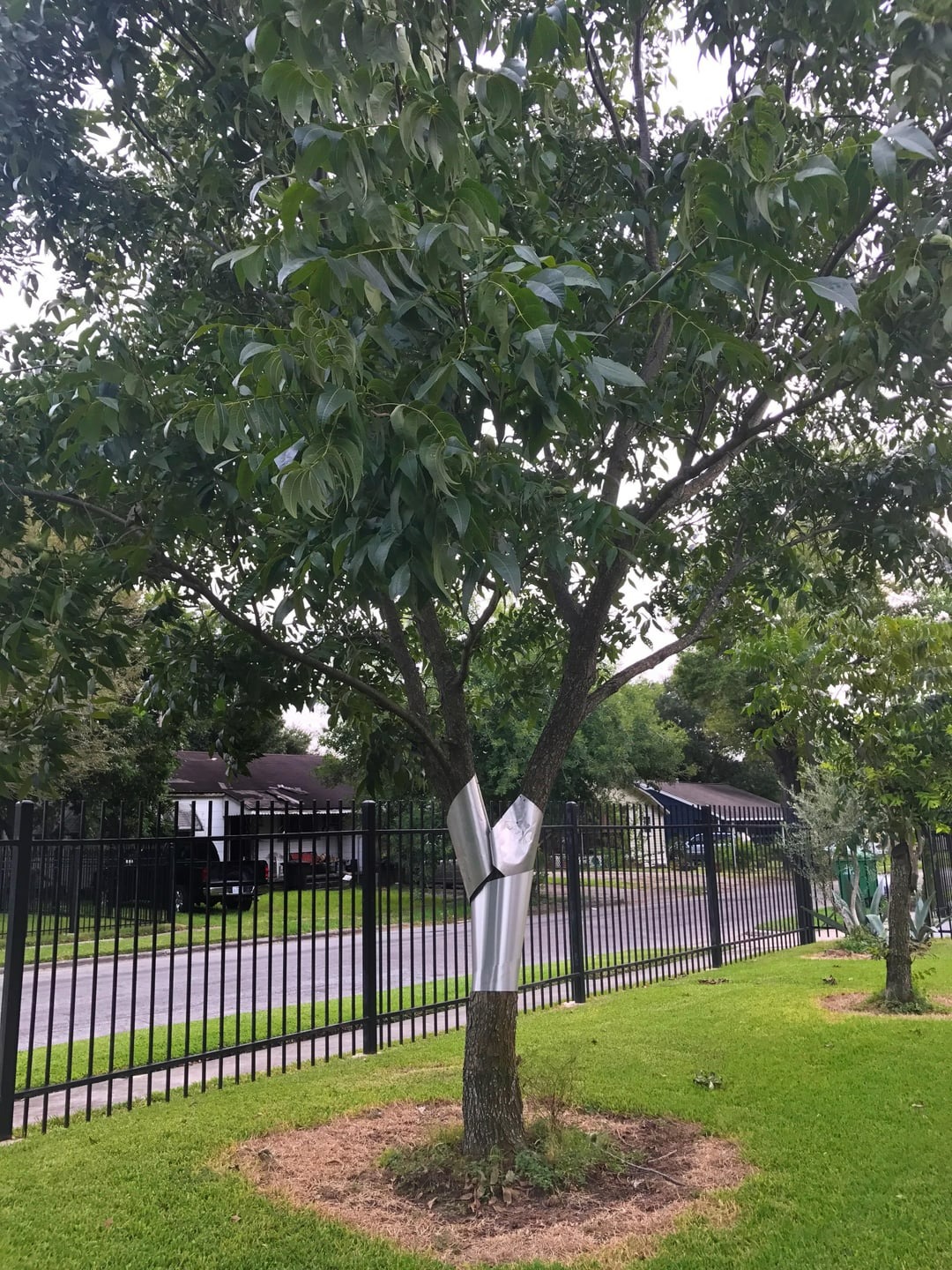
Wrapping tree trunks with smooth metal sheeting can prevent squirrels from climbing. This method creates a slippery surface that squirrels can’t grip. It’s an effective way to protect your trees and the fruit they bear. Ensure the sheeting is high enough to stop determined climbers from jumping over it.
Applying taste deterrents like hot pepper spray to your plants can make them unappealing to squirrels. These sprays are easy to apply and can be very effective. However, you may need to reapply them after rain or watering. It’s a simple yet powerful way to protect your beloved plants.
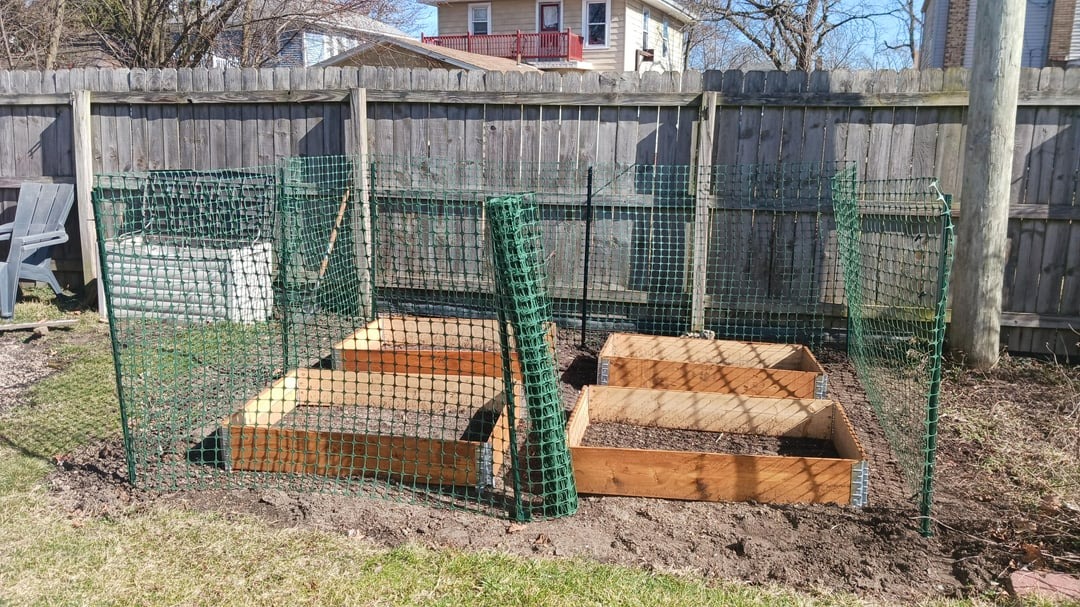
Using squirrel-proof netting over vegetable gardens and fruit trees can protect your harvest. This physical barrier prevents squirrels from accessing the produce. Ensure the netting is securely fastened and check regularly for any gaps. Netting can be a reliable way to enjoy your garden’s bounty without squirrel interference.
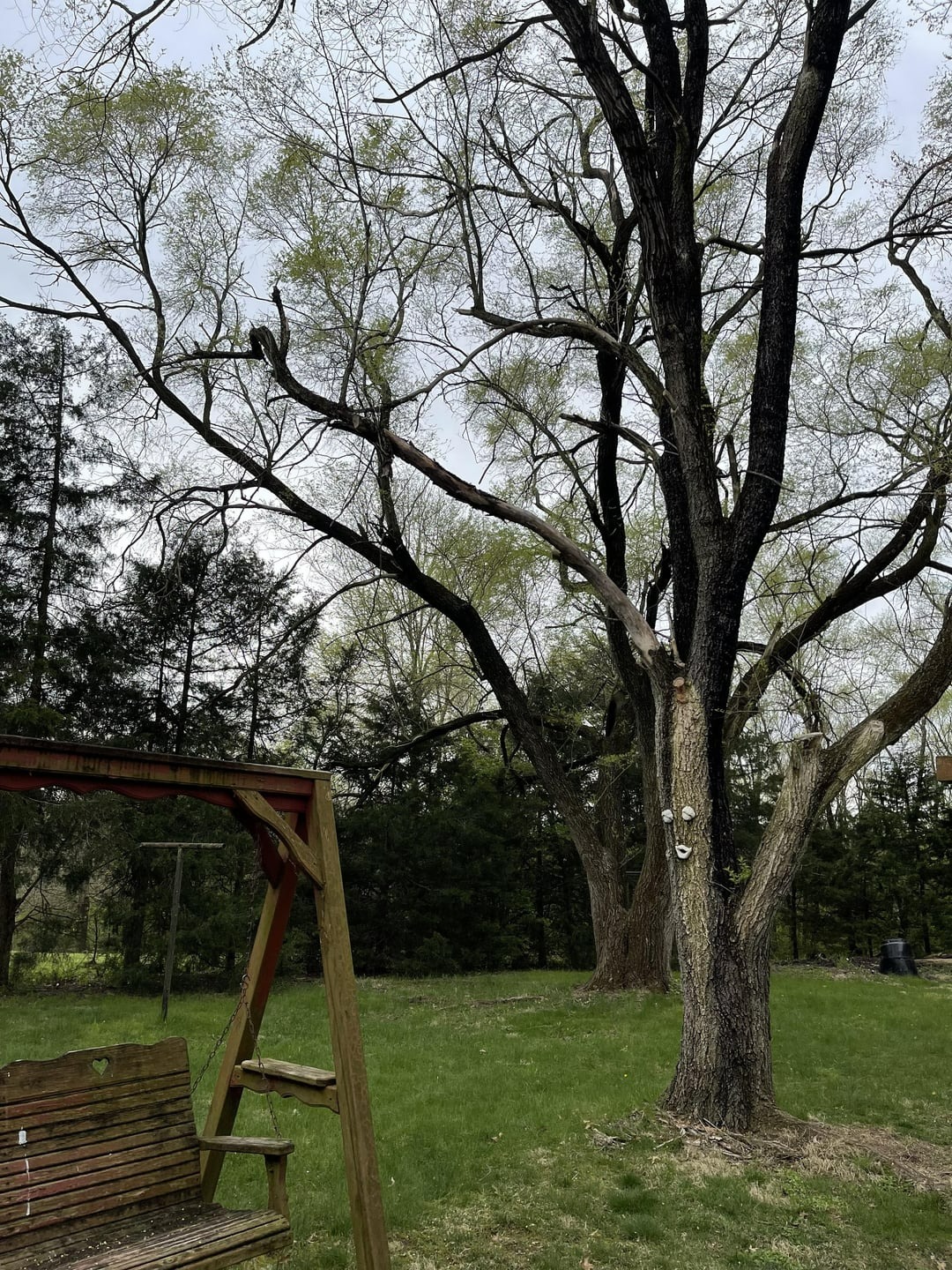
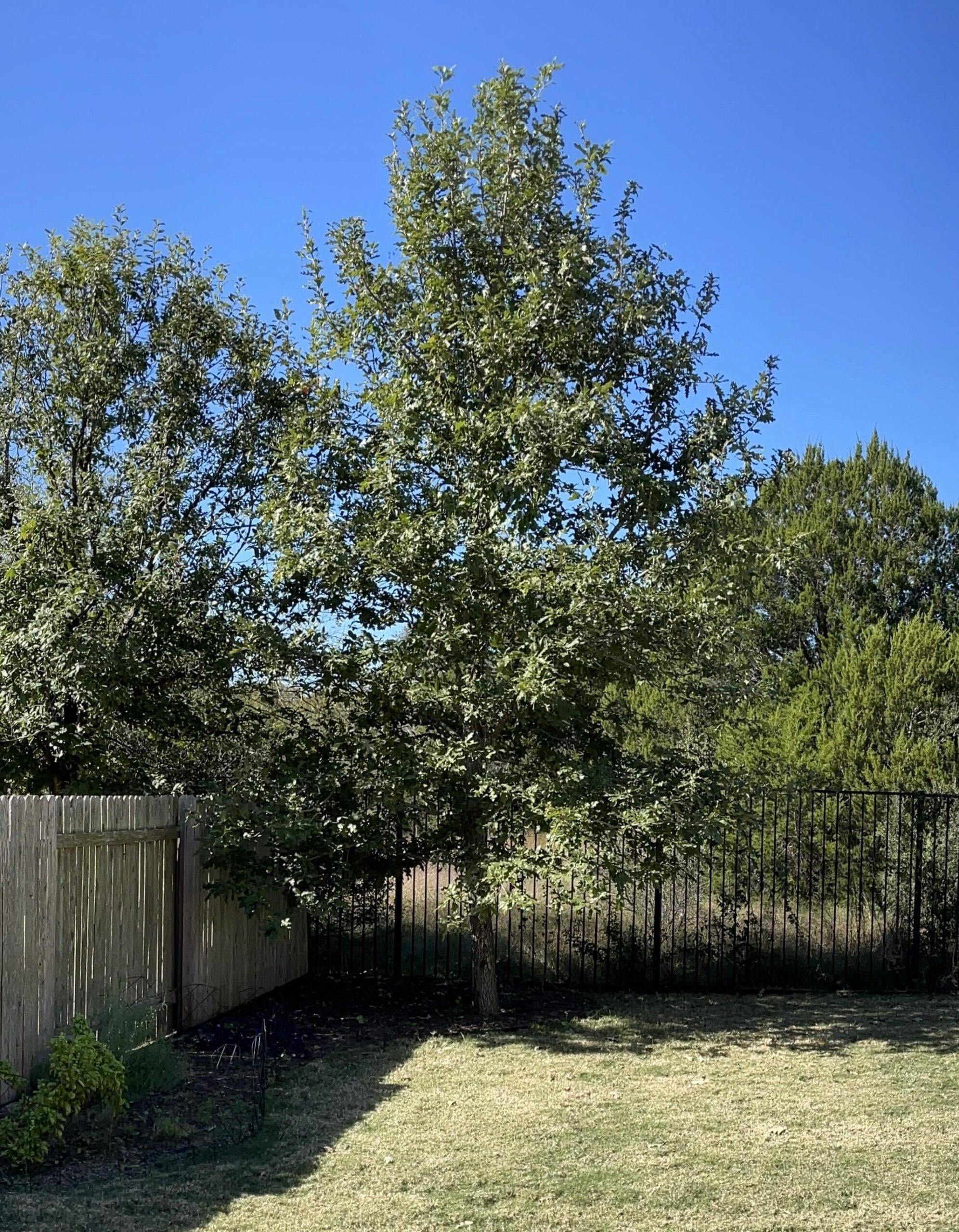
Trimming low-hanging branches that provide easy access to roofs can prevent squirrels from getting into your attic. Regularly prune trees near your home to eliminate these convenient pathways. This simple step can significantly reduce the risk of squirrels finding a way inside. It also helps in maintaining the overall health and appearance of your trees.
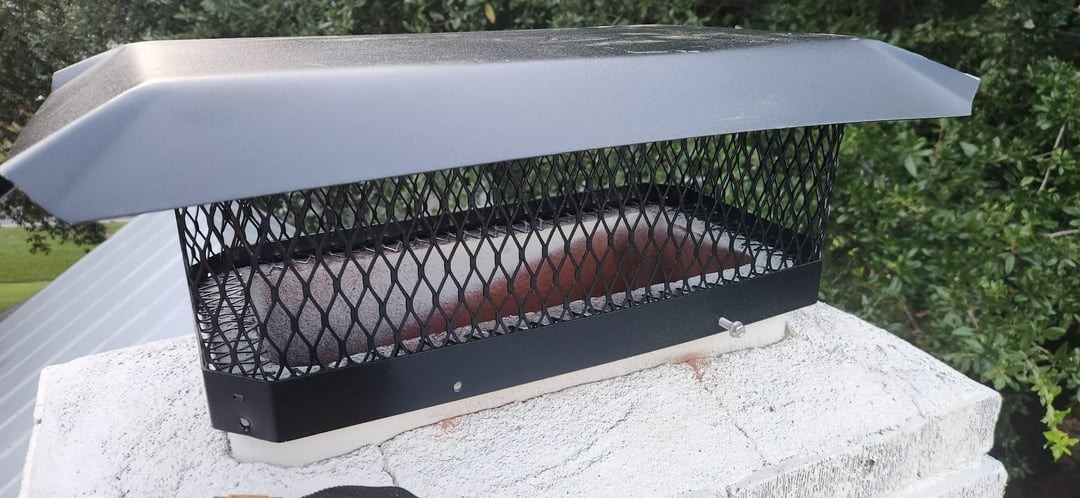
Installing chimney caps can keep squirrels from entering through your chimney. These caps are designed to allow smoke to escape while blocking animals. They are a relatively inexpensive investment that can save you from a big headache. Plus, they help prevent other critters and debris from entering your home.
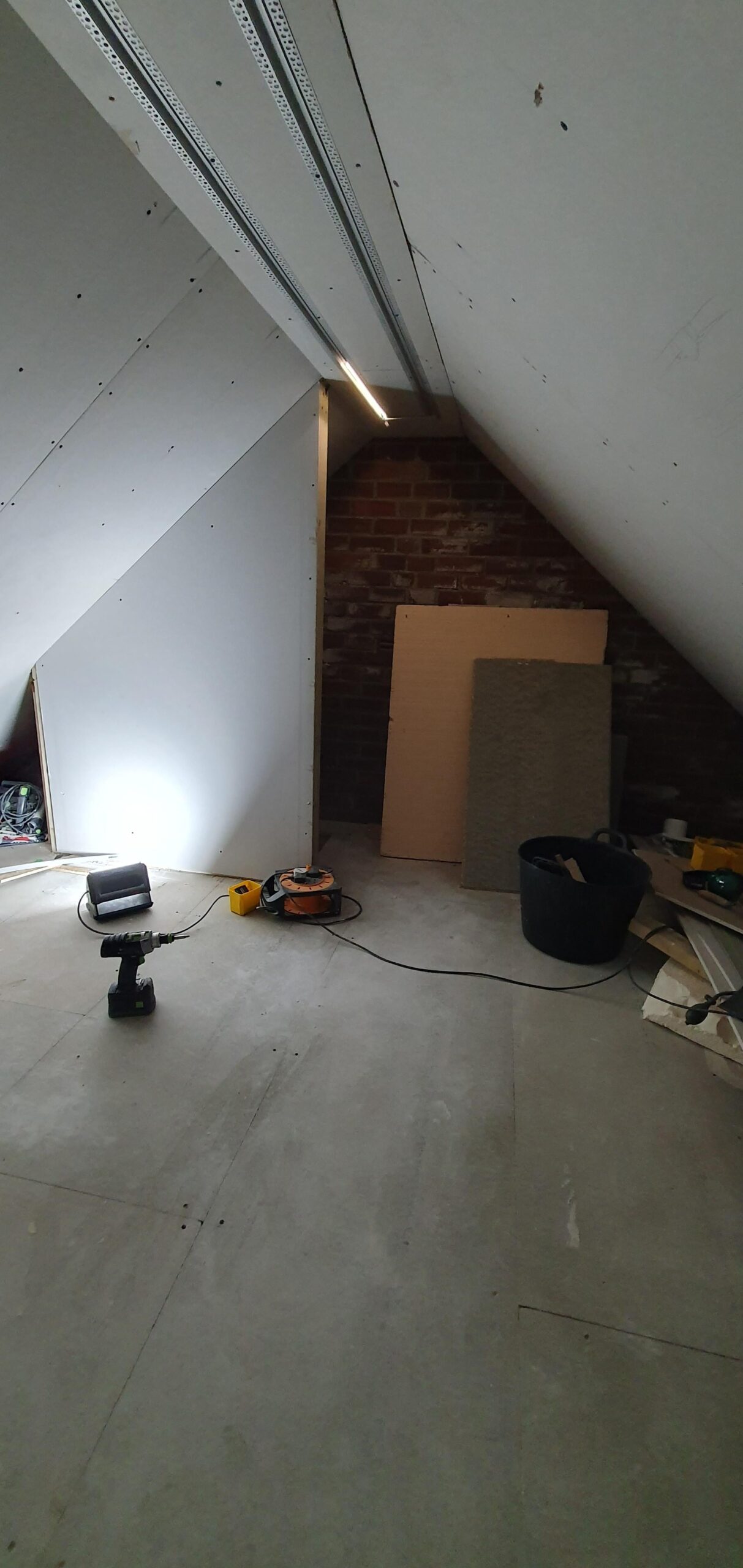
Using bright lights or strobe lights in attics can make the space less appealing to squirrels. These lights create an environment that feels unsafe and uncomfortable for them. Install lights in areas where squirrels are likely to nest. This simple change can discourage them from settling in your home.
Spreading predator urine around your property can create a natural deterrent for squirrels. This scent signals danger, prompting squirrels to stay away. Commercially available products make it easy to apply this method. It’s a natural and effective way to keep squirrels at bay.
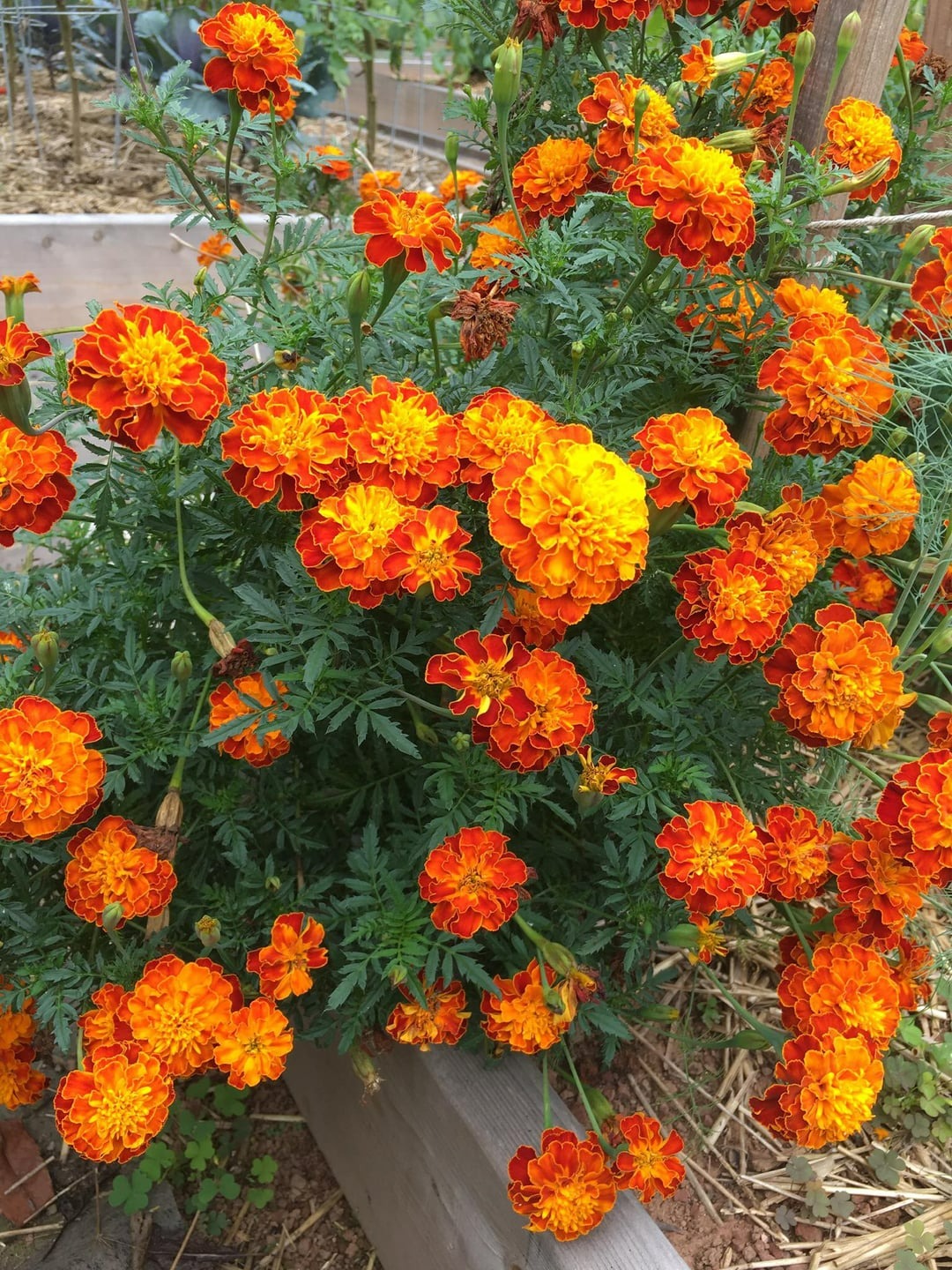
Planting mint or marigolds in your garden can help deter squirrels. These plants have scents that squirrels typically dislike and avoid. Incorporating them into your garden can enhance its beauty while keeping pests away. This approach offers a natural and fragrant solution to your squirrel problems.
Installing squirrel baffles on bird feeder poles can prevent squirrels from accessing the feeders. These baffles create a barrier that squirrels can’t climb past. They are easy to install and can be highly effective. Enjoy feeding the birds without the nuisance of squirrels stealing the food.
Keeping trees trimmed away from power lines can reduce the “highways” squirrels use to access your home. Regular pruning ensures that branches don’t provide a bridge to your roof. This preventive measure can help keep your home and garden safe. It also promotes the health and safety of the trees themselves.
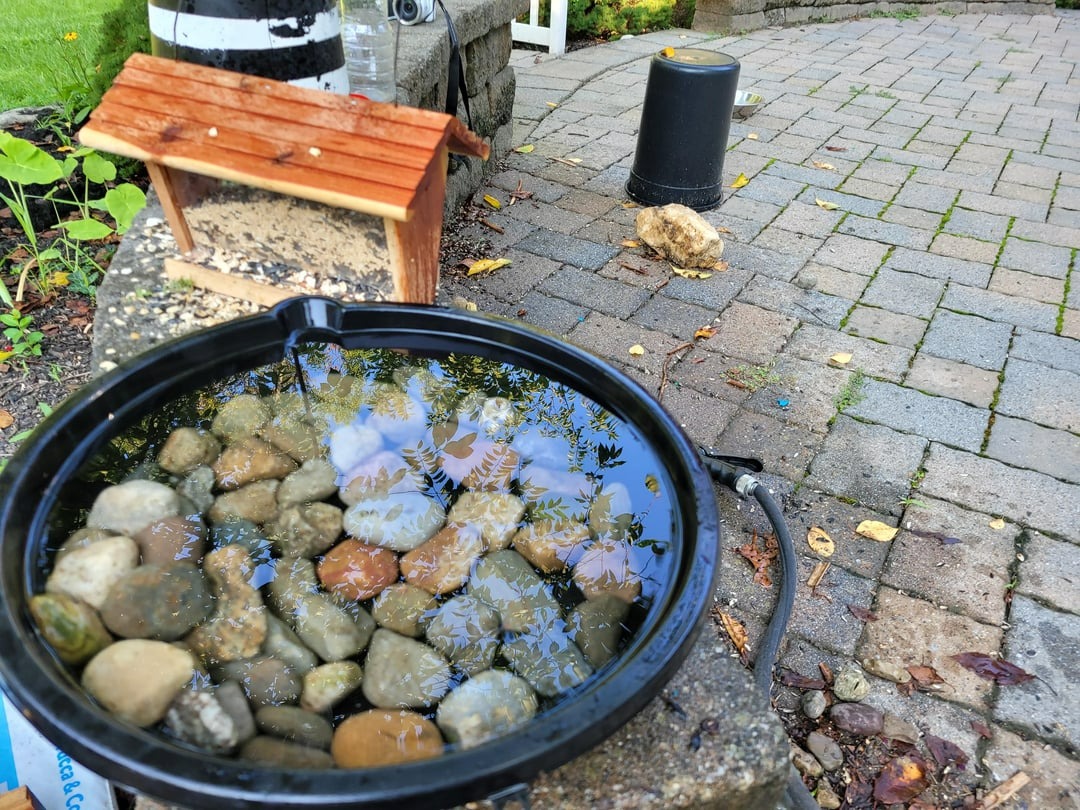
Eliminating outdoor water sources can make your yard less attractive to squirrels. Ensure that birdbaths, fountains, and other water features are not easily accessible. This small change can significantly reduce squirrel visits. It helps create a less inviting environment for these critters.
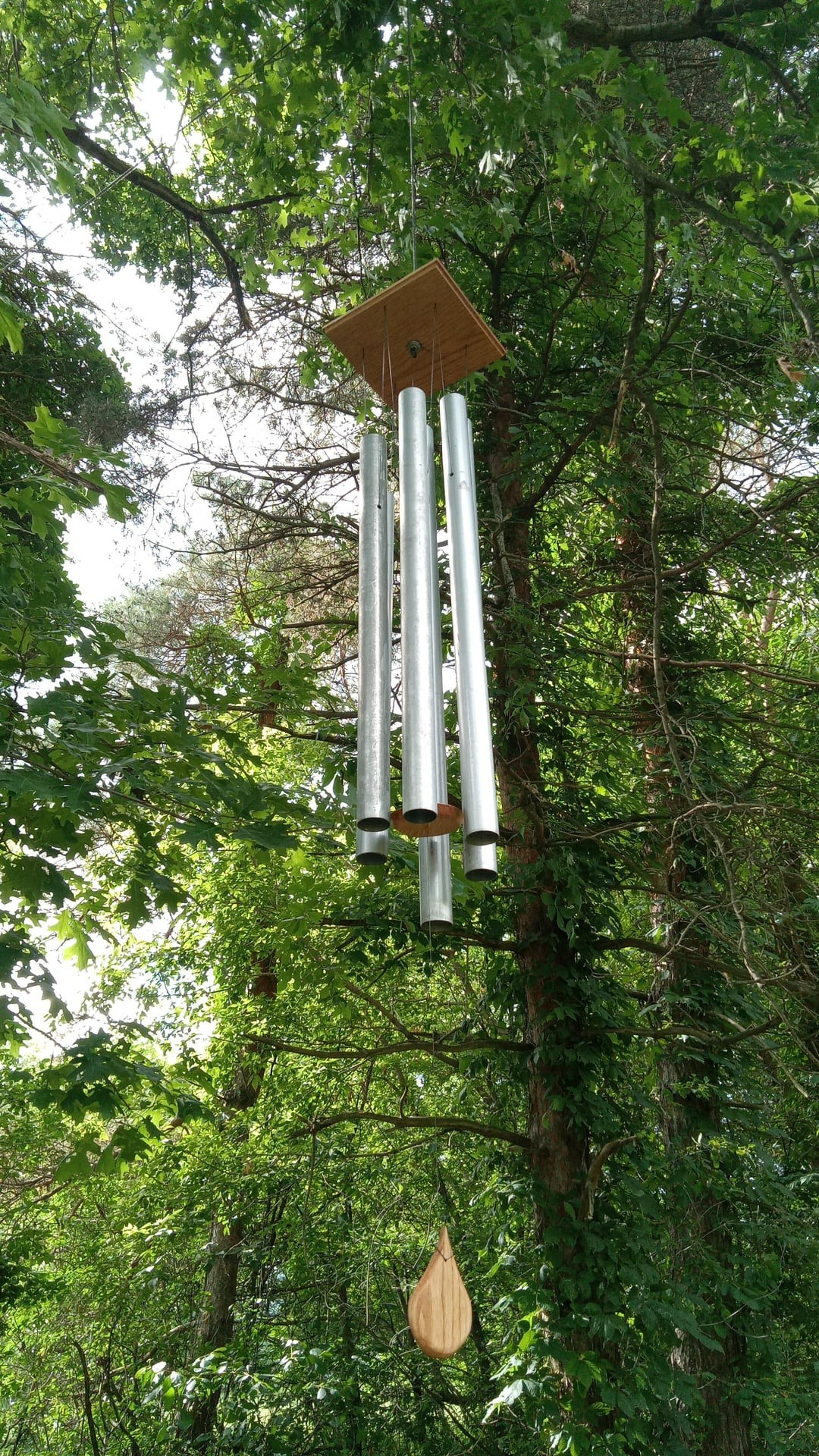
Using noise deterrents like wind chimes or radios playing talk shows can keep squirrels away. These unexpected sounds can make the environment feel unsafe to them. Place them in areas where squirrels are most active. Changing the noise regularly can keep the deterrent effective.
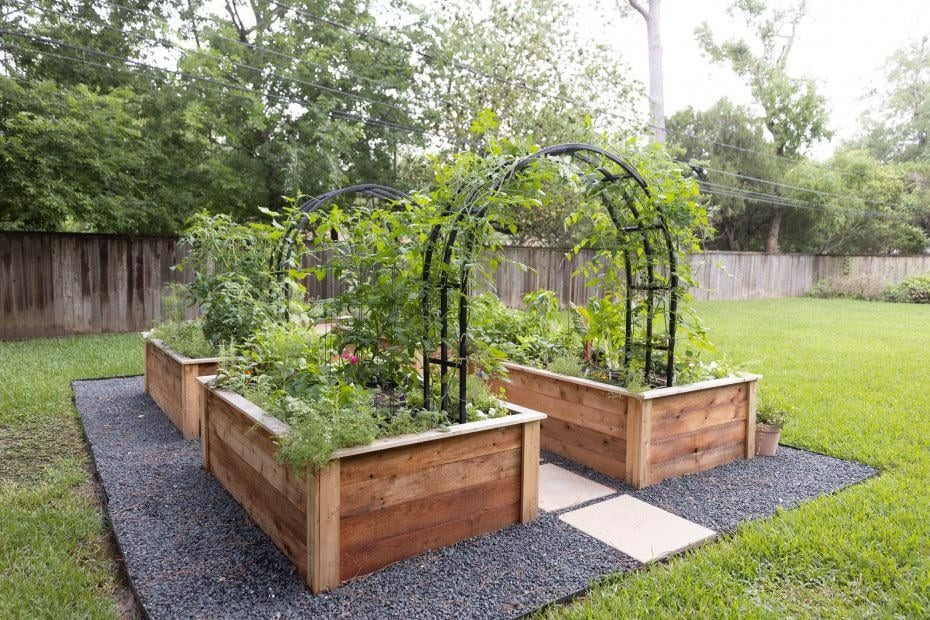
Applying a layer of gravel or rocks around plants can make digging less appealing to squirrels. This method creates a physical barrier that discourages them from disturbing your garden. It’s an easy and aesthetically pleasing way to protect your plants. Plus, it can help with overall garden drainage and maintenance.
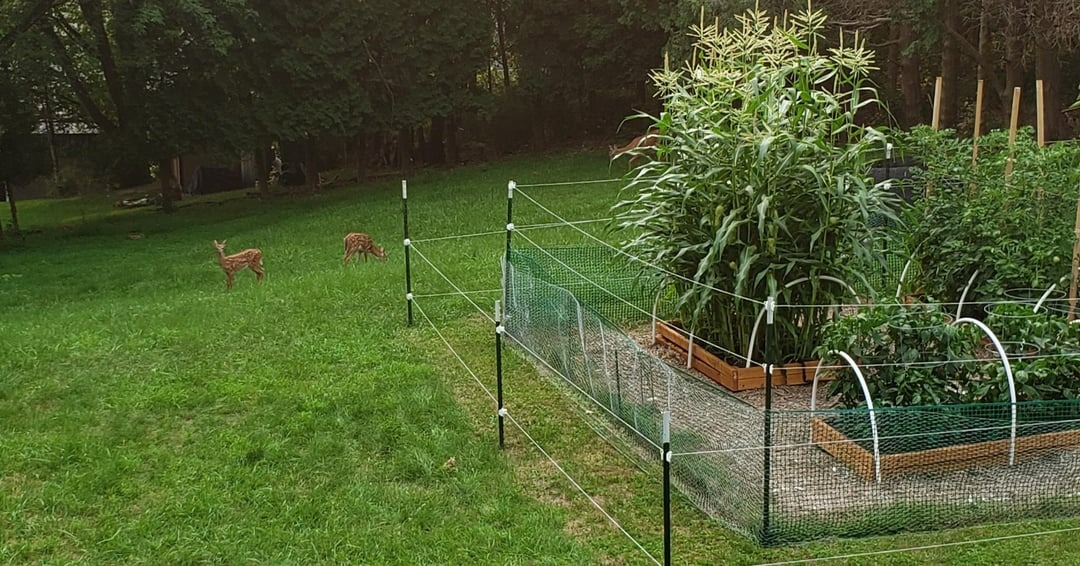
Installing electric fencing around gardens can be a powerful deterrent. Ensure it’s safe and legal in your area before setting it up. This method provides a strong barrier that squirrels are unlikely to cross. It’s an effective solution for persistent problems, though it requires careful installation and maintenance.
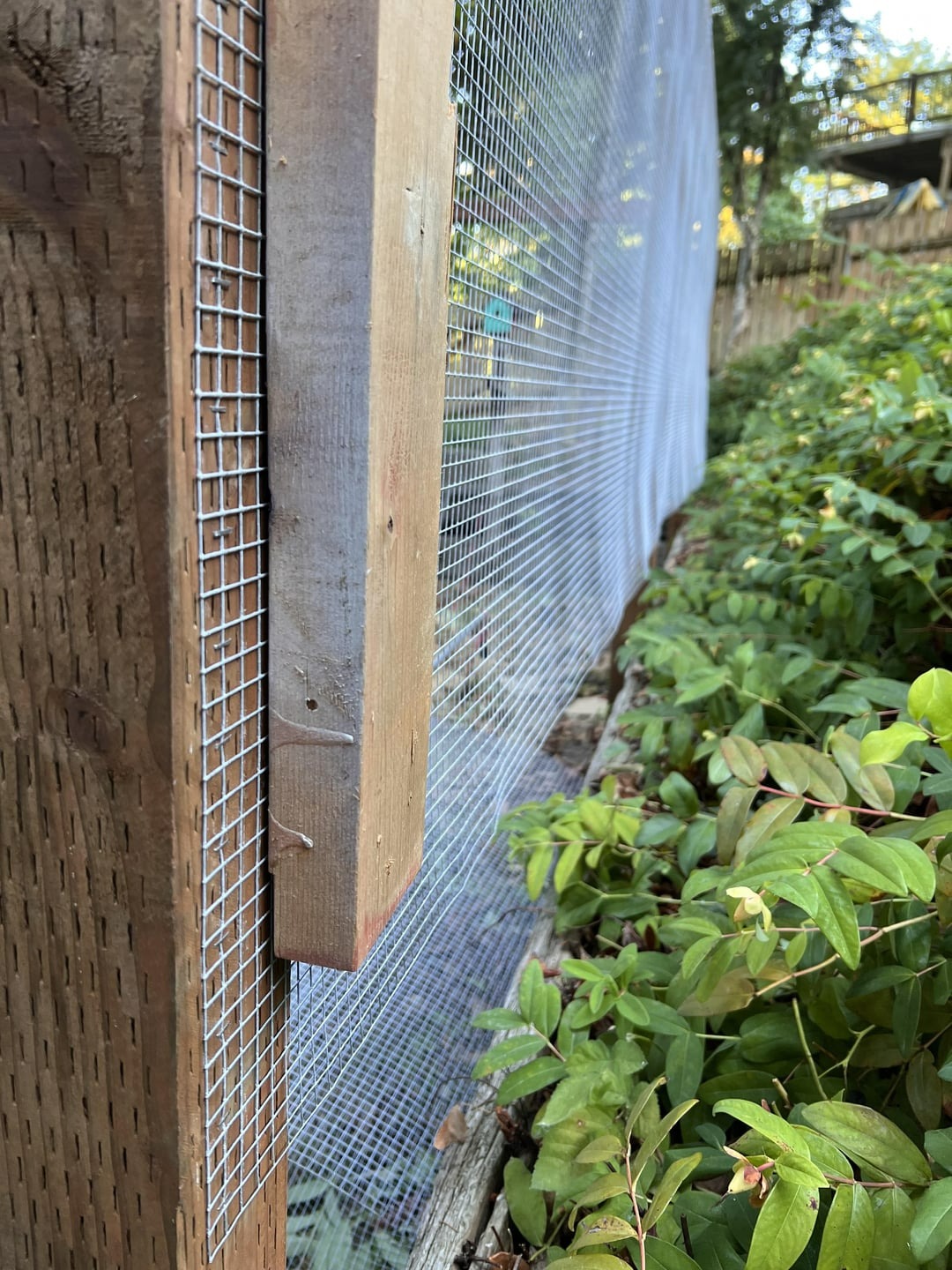
Using hardware cloth to cover soil around newly planted bulbs or seeds can protect them from squirrels. This sturdy mesh prevents digging while allowing plants to grow. It’s a practical solution for safeguarding your garden’s future growth. Regular checks will ensure it remains in place and effective.
Setting up decoy food stations away from your main garden can divert squirrels. Place food sources in areas where you don’t mind their presence. This strategy can reduce the damage to your primary garden and living spaces. It’s a simple way to coexist with squirrels while protecting your plants and home.
10+ Ways to make squirrels absolutely hate your yard
Eduardo Gaskell
07.23.24
Squirrels may be cute, but they can cause big problems in your home and garden. They often raid bird feeders, chew on wires, and damage plants and attics. If you’re dealing with these pesky critters, it’s important to use safe and effective ways to get rid of them.
Seal Entry Points
Inspect your home for any gaps around eaves and soffits where squirrels might sneak in. Use materials like metal flashing or heavy-duty mesh to seal these entry points securely. Regular maintenance and inspections can help you catch new gaps before squirrels find them. This proactive approach will save you from potential damage and the hassle of removing squirrels later on.