


As we age, our fashion choices often shift to reflect changes in lifestyle, comfort, and practicality. While personal style should never be compromised, it’s important to acknowledge that certain footwear styles may no longer offer the support or sophistication women over 50 need.
Say no to sneakers

Source: Pexels
Sneakers are undoubtedly one of the comfiest footwear options, and women over 50 don’t have to shy away from them completely.
They offer great support, making them perfect for activities like exercising or running errands. However, it’s best to reserve sneakers for these functional moments rather than wearing them as a fashion statement.
While comfort is key, opting for more polished footwear choices can elevate your overall style and ensure your look remains chic and age-appropriate.
No Flip-Flops
Flip-flops, the unofficial footwear of slackers, may be ultra-casual and convenient, but they’re not the best choice for women over 50. While they offer ease, their overly relaxed style can undermine a more polished look, making them less than ideal for anyone seeking a refined appearance.
Luckily, there are plenty of alternatives that provide the same convenience without sacrificing style. From sleek slides to elegant sandals, you can enjoy the comfort and simplicity of flip-flops without looking like a college dropout.
It’s all about choosing footwear that complements your age and lifestyle while still keeping things effortlessly chic.


Ugg Booties
Ugg boots might be making a comeback, but if you’re over 50, they’re best left behind.
Their slouchy, ultra-casual vibe doesn’t lend itself to a polished, mature look and can feel out of place in more sophisticated wardrobes. However, if you’re determined to own a pair, opt for Uggs with laces, which offer a slightly more refined appearance.
These styles add a bit of structure, making them look marginally classier while still providing the comfort that made them famous.


Goodbye Espadrilles
Espadrilles, like many slip-on shoes, are a popular choice for older women who prefer convenience over laces.
Their easy-wear style makes them a go-to option for casual days. However, their lack of structure means they offer little to no support, making them a poor choice for long-term wear.
Many who wear espadrilles for extended periods often experience foot pain due to their flimsy design. For better comfort and health, it’s wise to seek more supportive alternatives.


Kiss the Crocs Goodbye
Forget comfort—Crocs are the ultimate footwear for those who’ve thrown in the towel on style, and no one can convince you otherwise. They may be undeniably convenient, but they aren’t exactly a fashion statement.
That said, we can’t judge too harshly if you keep a pair for gardening or running quick errands. After all, we all have our practical moments.
Just don’t make them your go-to outside of the backyard!


The Sliders
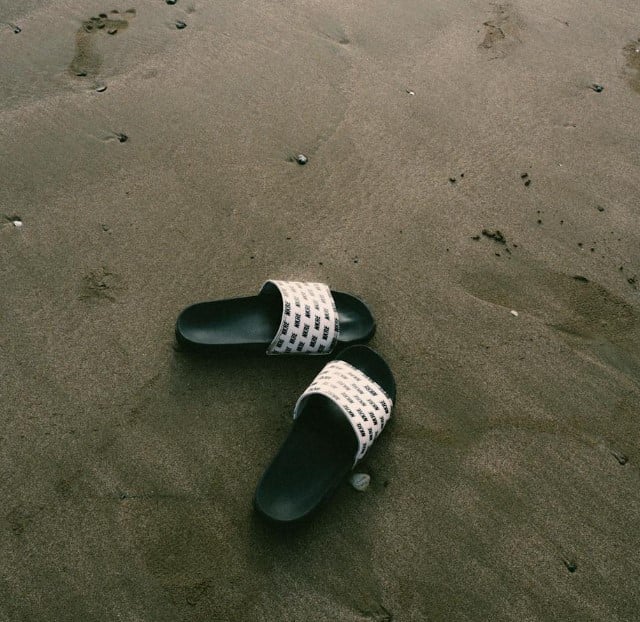
Sliders may have risen in popularity recently, but don’t think they’ll automatically boost your street cred.
While they’re trendy, they aren’t a style shortcut, especially if you’re over 50. And, please, for the love of all that is stylish, if you insist on wearing them, do not pair them with socks. That combo is a fashion disaster waiting to happen.
Some trends are best left to the younger crowd!

Wellingtons
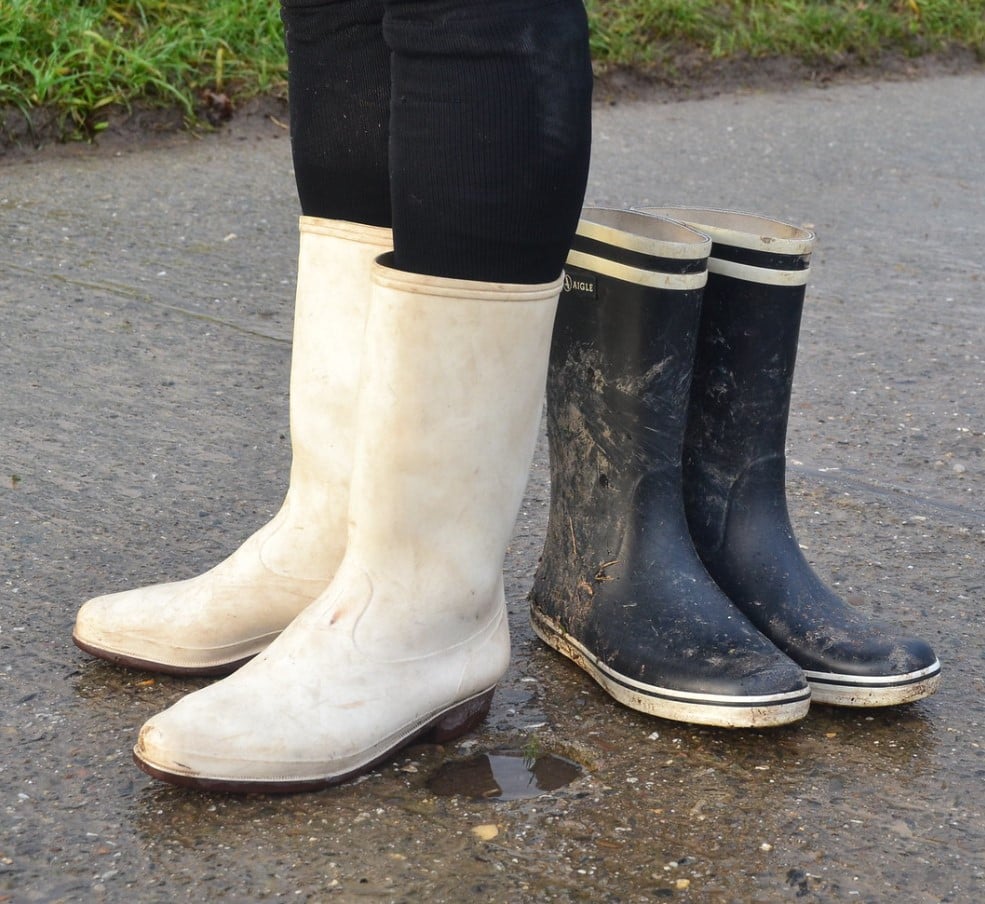
Unless you’re farming or pitching a tent, Wellington boots are best left out of your wardrobe if you’re over 50. Despite some brands being inexplicably pricey, they can’t escape the fact that they’re clunky, shapeless, and made of rubber.
These boots might be practical, but they don’t exactly scream sophistication. Even with the hefty price tag, they fall short of being stylish. Save them for muddy terrains—not everyday fashion.

Stilettos
As you age, the risk of falls increases, often due to balance issues and the fact that bones become more brittle over time. This makes it especially important to consider your footwear choices for safety and comfort.
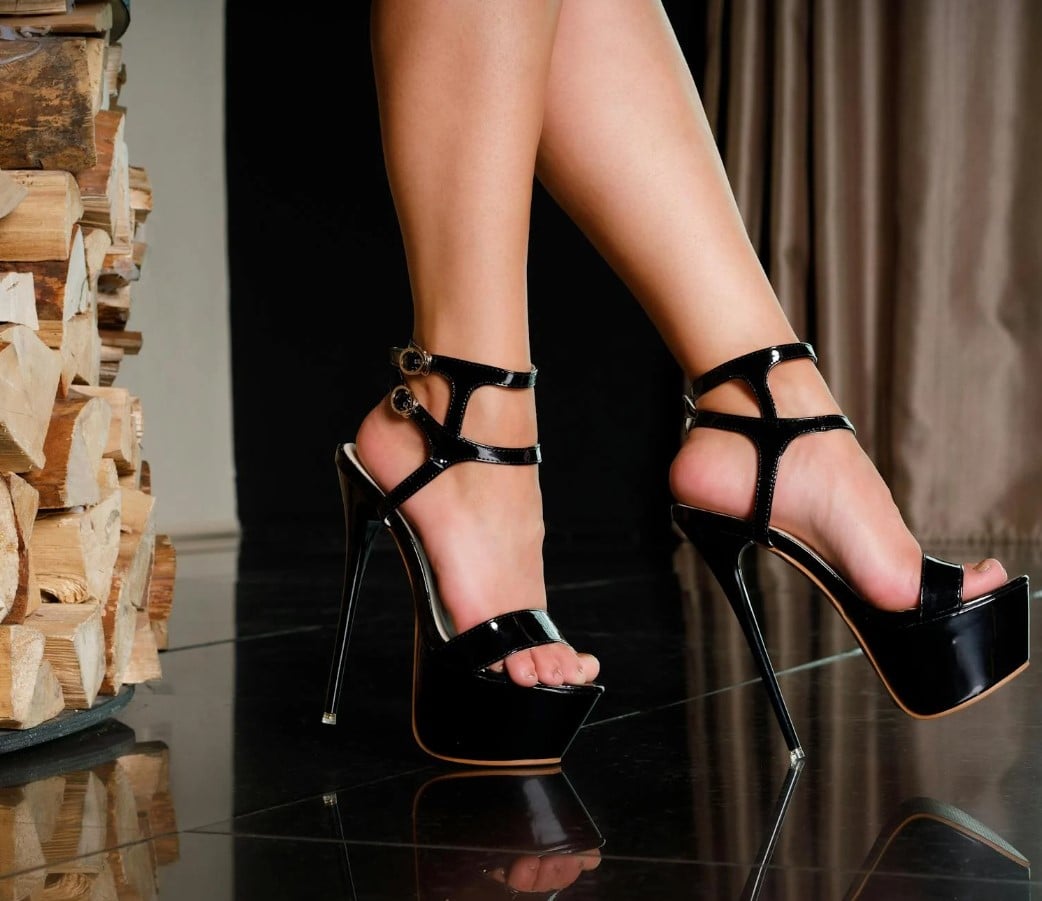
For women over 50, we strongly recommend avoiding stiletto heels, which are notorious for being the most hazardous option.
Their thin, high design offers little stability, making them a risky choice. Opting for safer alternatives can help prevent unnecessary accidents while keeping your style intact.

Cap-Toes are a No-Go
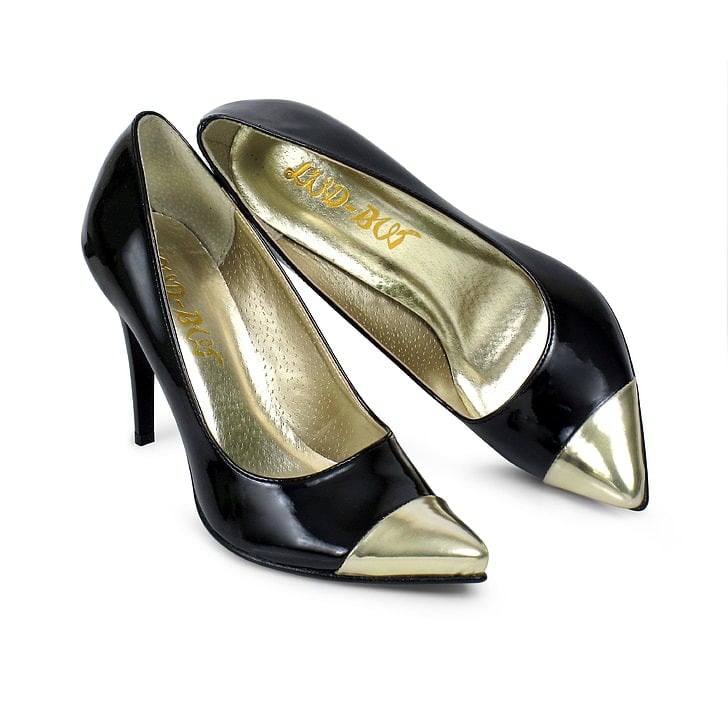
Cap-toe flats are essentially ballet flats with a capped toe, yet they seem to be worn almost exclusively by young girls. The reason for this trend is unclear, but one thing’s for sure—wearing them as an older woman can feel oddly out of place.
Despite their simplicity, these shoes often have a youthful vibe that doesn’t always translate well for mature women. It’s best to skip them if you’re over 50, as they can detract from a more polished and age-appropriate look.

Sandals Gotta Go
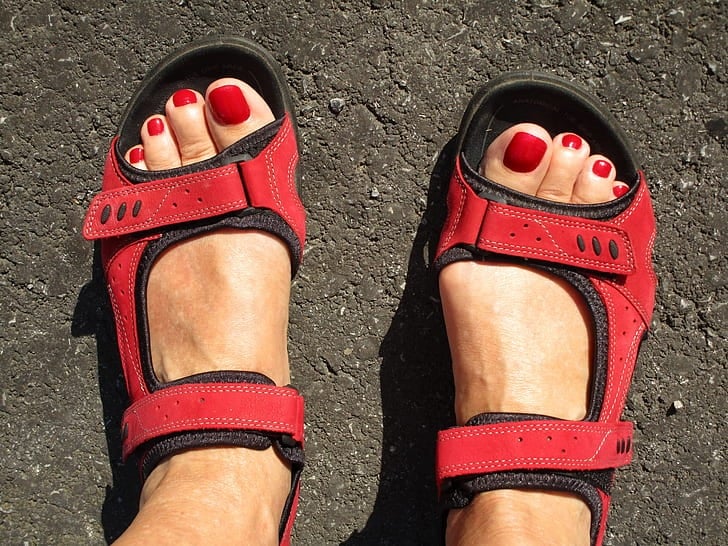
Sandals are undeniably comfortable and easy to slip on, which explains why they’re a favorite among many older women. However, this exact convenience is why you might want to reconsider wearing them.
Sandals can instantly age your look, making you appear older than you truly are.
While comfort is important, there are plenty of more stylish options that can maintain a youthful, polished appearance without sacrificing ease.

Knee-Length Boots
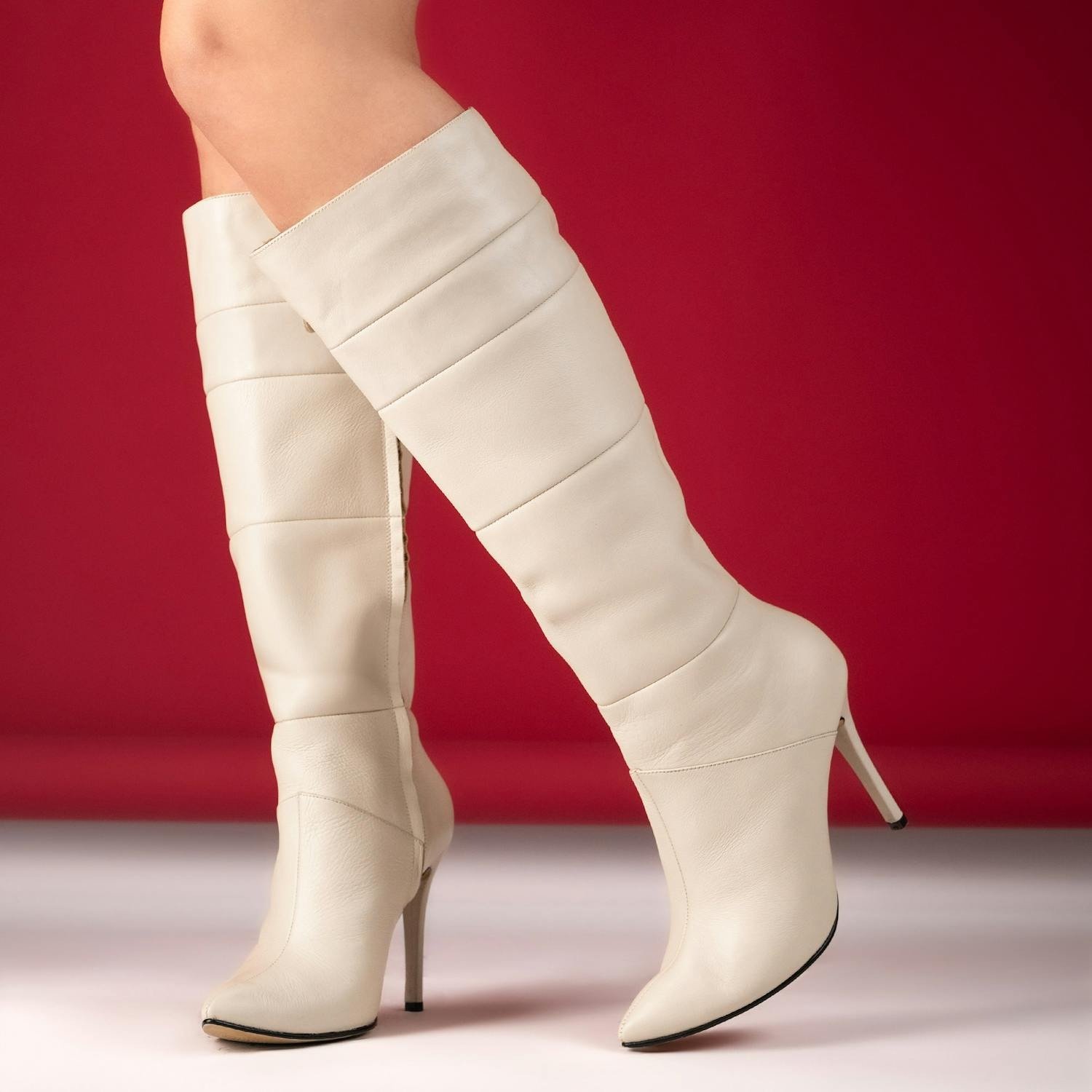
Knee-high boots are often regarded as one of the sexiest footwear options, but women over 50 might want to steer clear of them. Though there’s nothing wrong with embracing your good looks as you age, these boots can sometimes give the impression that you’re trying too hard.
Opting for more refined styles can still showcase your confidence and elegance without overdoing it.
The key is to strike a balance between chic and age-appropriate without sacrificing style.

Box-Toe Heels
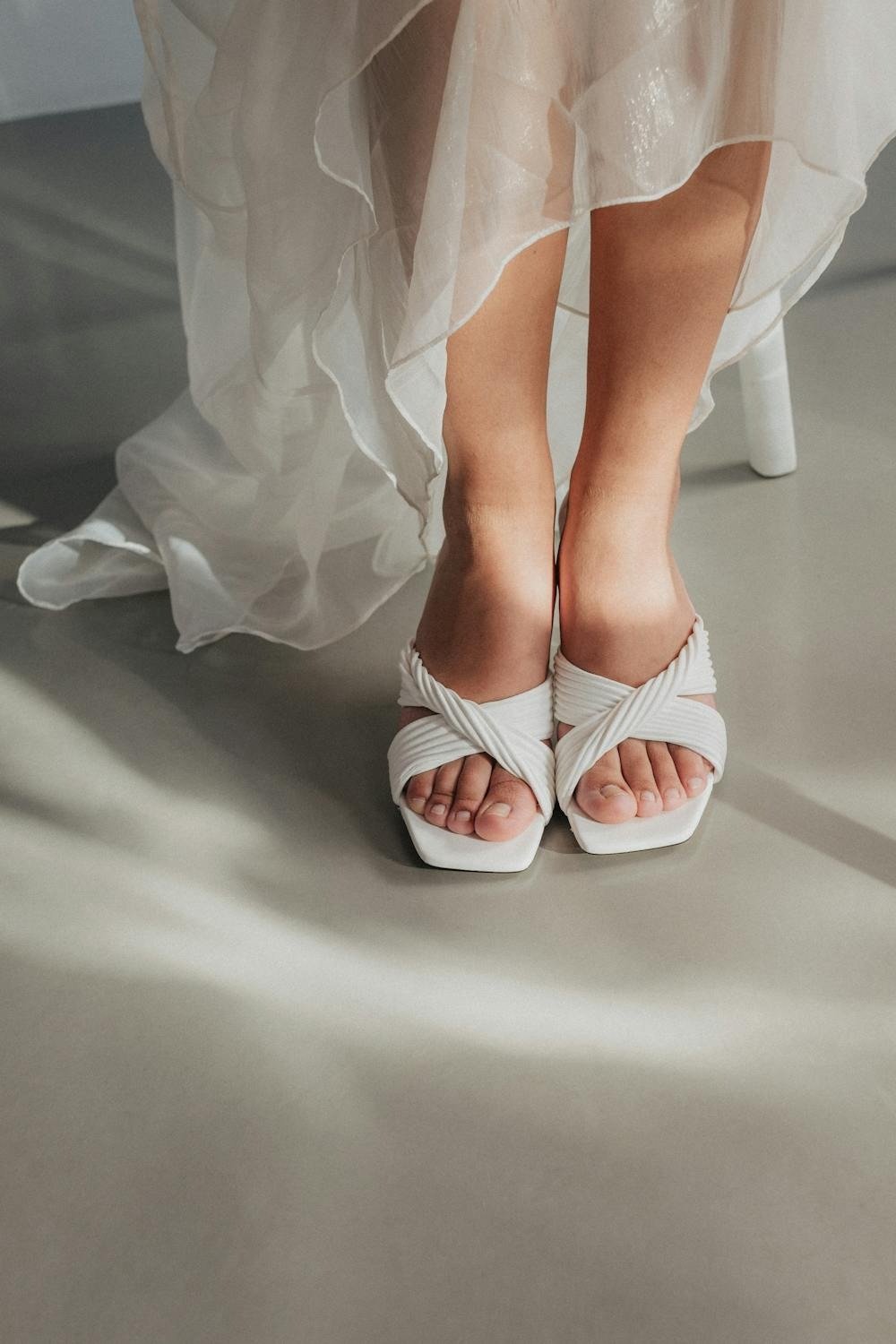
Square-toe heels are undeniably bold, but that’s exactly why women of a certain age might want to avoid them. While there’s no reason you can’t make a statement with your fashion choices as you get older, footwear may not be the best place to do so.
Bold shoes like square-toe heels can sometimes come across as trying too hard, especially in more mature wardrobes.
Instead, opt for subtler statement pieces that exude confidence without relying on overly edgy footwear.

Toe-Ring Footwear
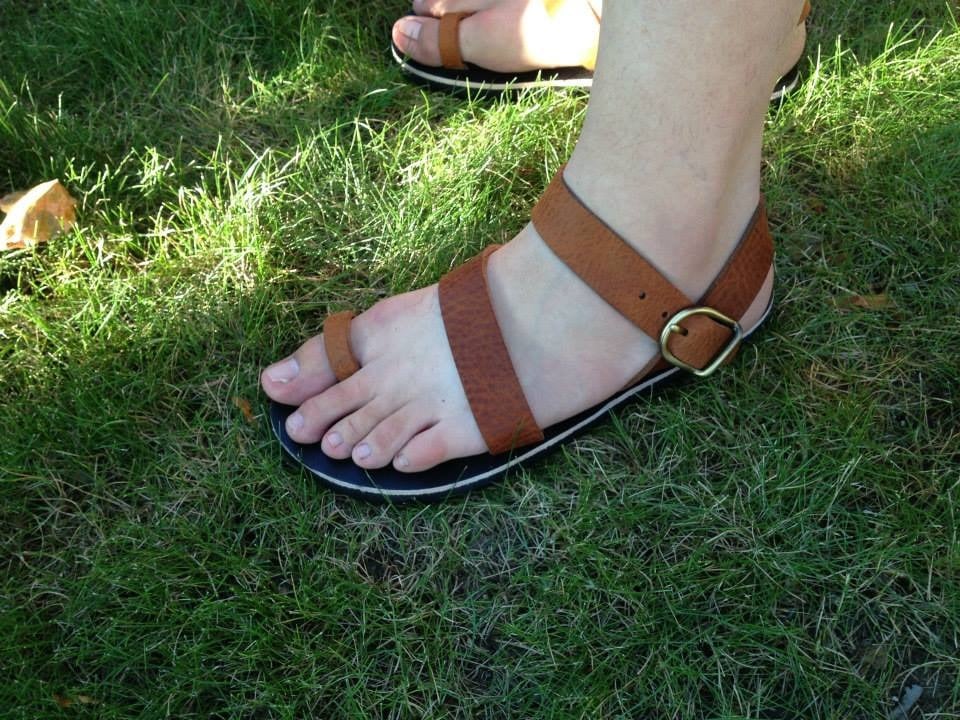
Toe-ring sandals, like regular sandals, come with their own set of issues for aging feet. They offer minimal stability and support, which can easily exacerbate existing orthopedic problems or even create new ones.
For women over 50, this lack of structure can lead to discomfort and potential injury. While they may look trendy, toe-ring sandals simply aren’t worth the risk.
It’s better to opt for shoes that provide the support and comfort your feet need.

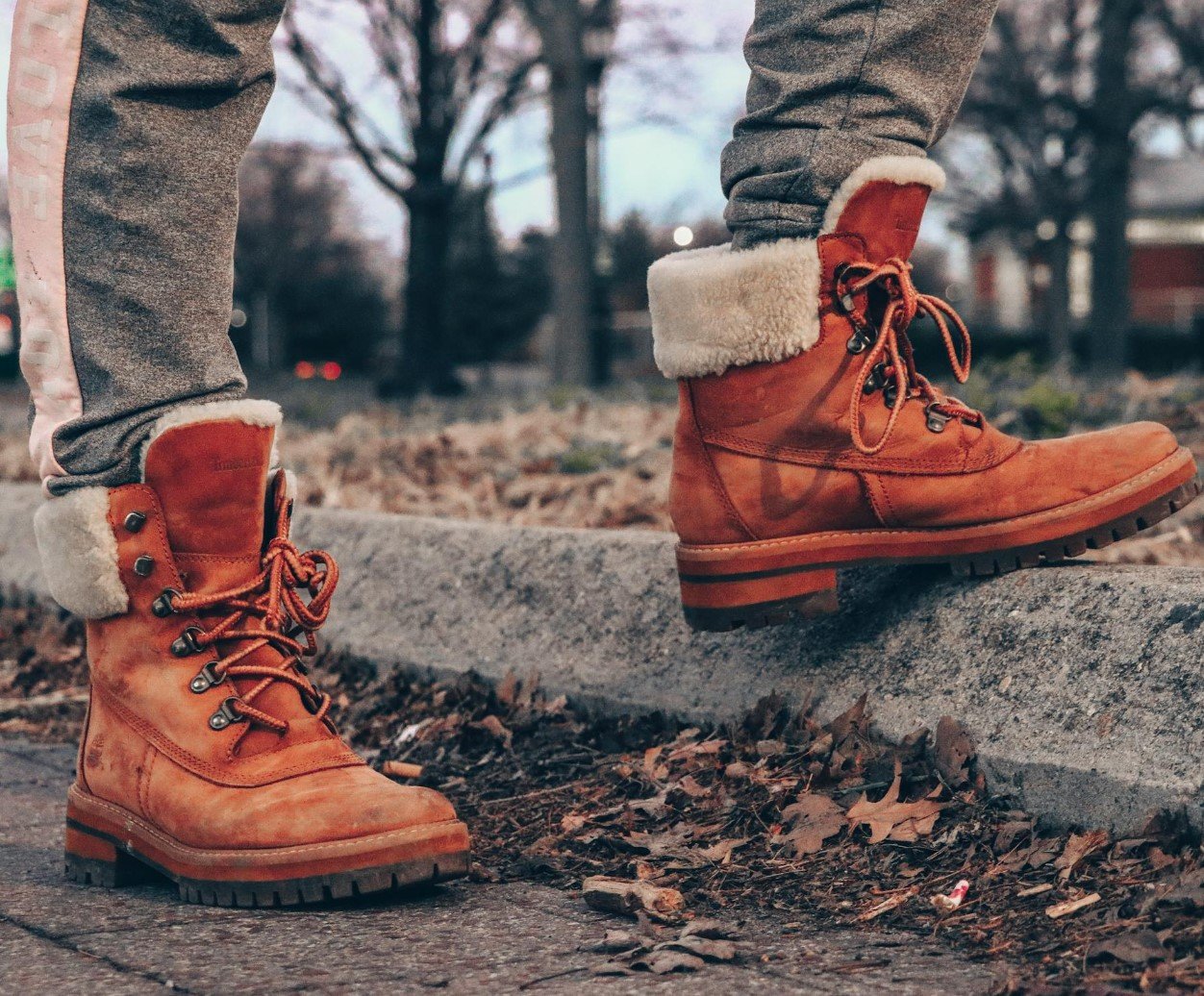
Fleece-Lined Boots
Forget what Flo Rida said—boots lined with fur are a definite no for mature women. While cozy, they can look overly casual or even juvenile, which isn’t the vibe you want to project.
And as for those apple-bottom jeans? Let’s just say they’re best left in the past, but that’s a conversation for another time.
When it comes to stylish, age-appropriate choices, there are far better options to keep you looking chic and sophisticated.

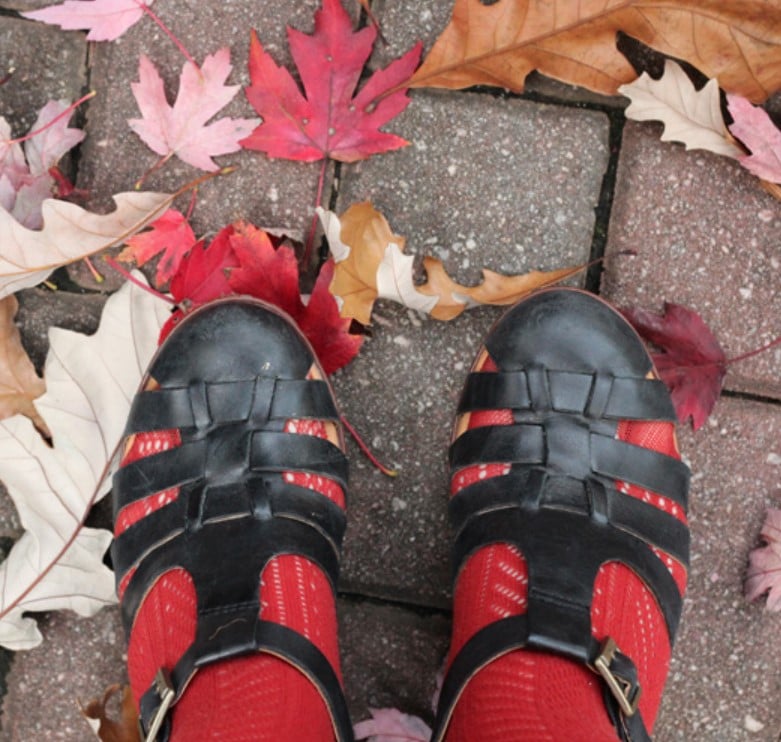
Steer Clear of Fisherman Sandals
Despite the name, fisherman sandals are more often seen on women than men. However, they aren’t a universally flattering choice. While they can make a bold statement, they’re likely to clash with the more refined and elegant outfits that suit older women.
Their chunky, casual style doesn’t always blend seamlessly with a sophisticated wardrobe. For a more polished and age-appropriate look, there are better footwear options to consider.

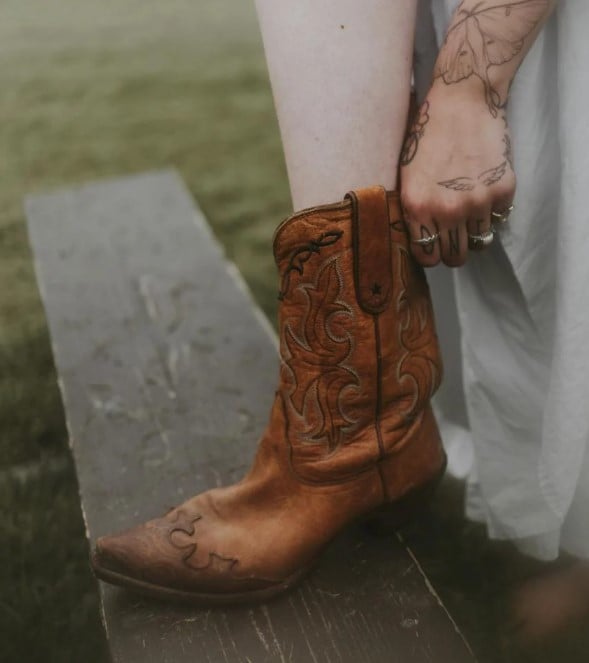
Cowgirl Boots
Gen Z may be on a mission to bring cowboy boots back into style, but as a woman over 50, it’s best to steer clear of this trend. While they might be making a comeback, cowboy boots often come across as too youthful or costume-like for a more mature wardrobe.
Of course, if you actually work on a cattle ranch, you’re more than welcome to rock them! But for everyday fashion, there are more polished options that better suit your age and style.

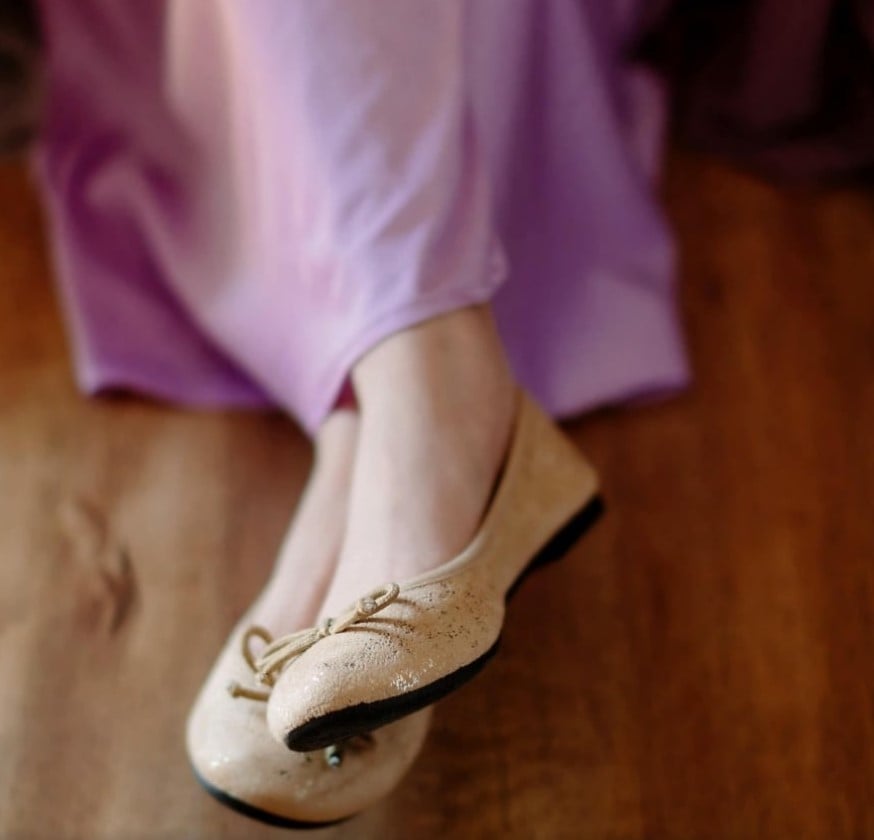
Ballet Shoes
Ballet flats are undeniably convenient and versatile, pairing easily with most outfits. However, mature women should think twice before wearing them.
These flats often lack arch support, which can lead to discomfort and even exacerbate foot, ankle, and leg problems as you age.
For healthier feet and long-term comfort, it’s better to opt for shoes that provide proper support without sacrificing style.

Wedges
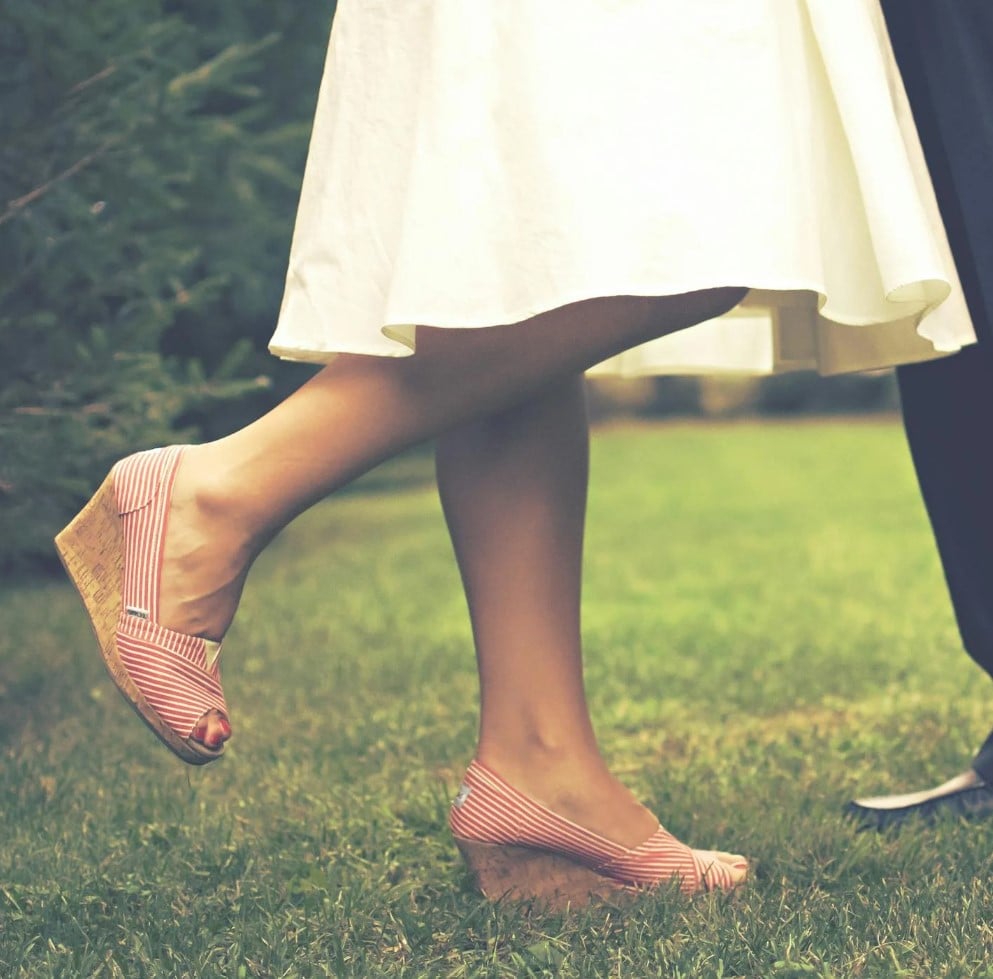
Wedge heels provide a touch of elegance like traditional heels while offering more stability, which often appeals to older women. They may reduce the risk of trips and falls, but they’re not entirely risk-free.
Despite their added support, wedge heels still place your feet and ankles in an unnatural position, which can lead to discomfort or strain over time.
For long-term foot health, it’s better to opt for footwear that promotes a more natural posture.

No More Mules
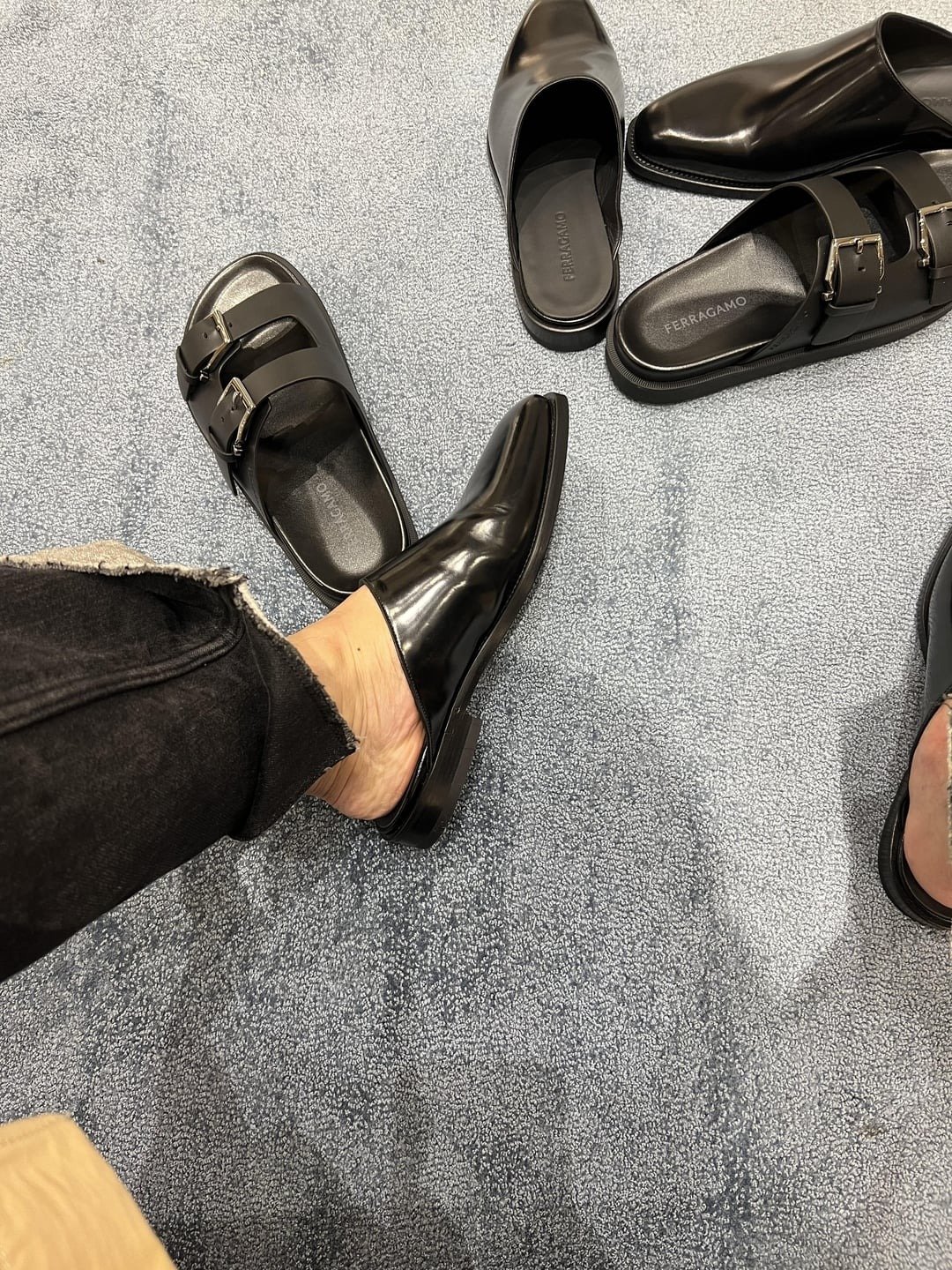
As you age, the skin on your feet tends to thicken and dry out, often leading to cracked heels.
While mules may be comfortable, they openly showcase your heels, making any cracks or dryness highly visible. For this reason, mules are not the best choice for most older women.
Opting for footwear that offers comfort and coverage can help you avoid drawing unwanted attention to cracked heels while keeping your style polished.

Hiking Boots Take a Hike
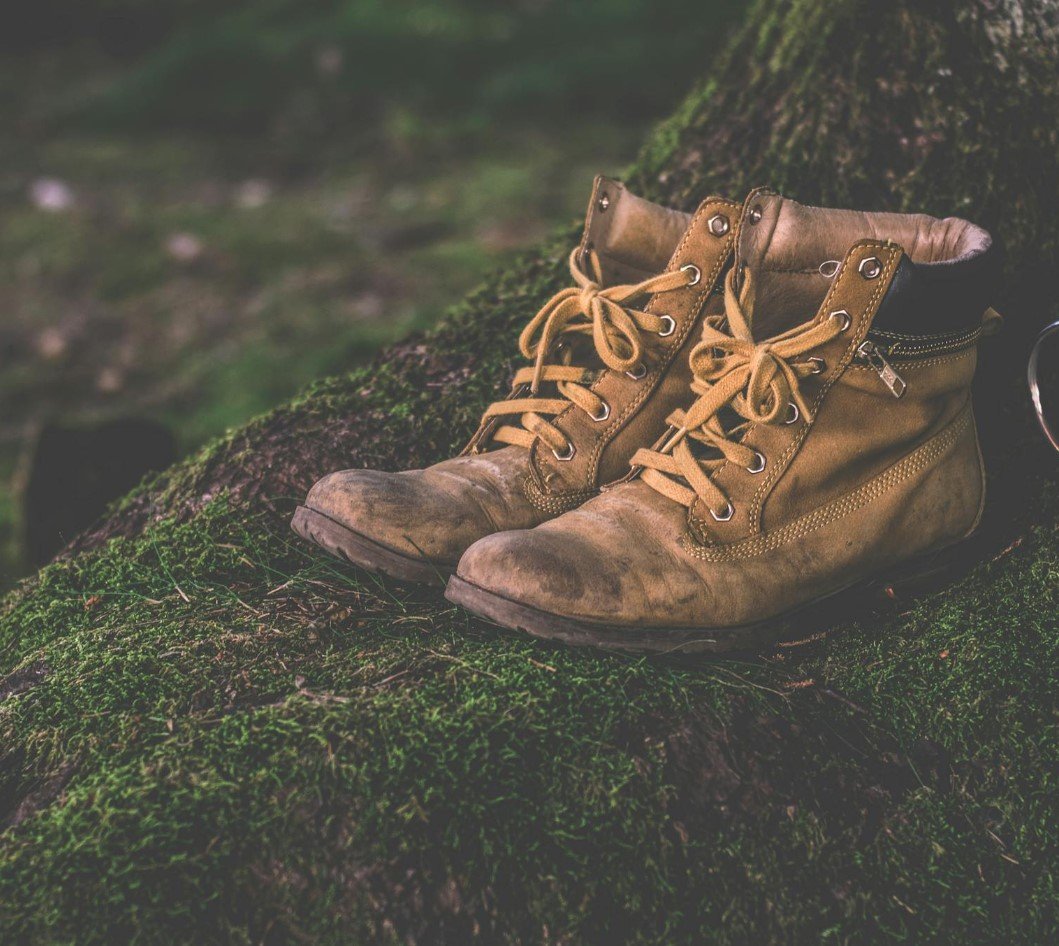
It’s perfectly fine to wear hiking boots when you’re out on the trail, but once you’re off, it’s best to switch to something classier.
For women over 50, sophisticated outfits tend to be more flattering, and hiking boots simply don’t complement these polished looks.
While practical, they clash with the refined style that many mature women gravitate toward. Save the hiking boots for outdoor adventures and opt for more elegant footwear for everyday wear.

Put the Gladiator Sandals Away
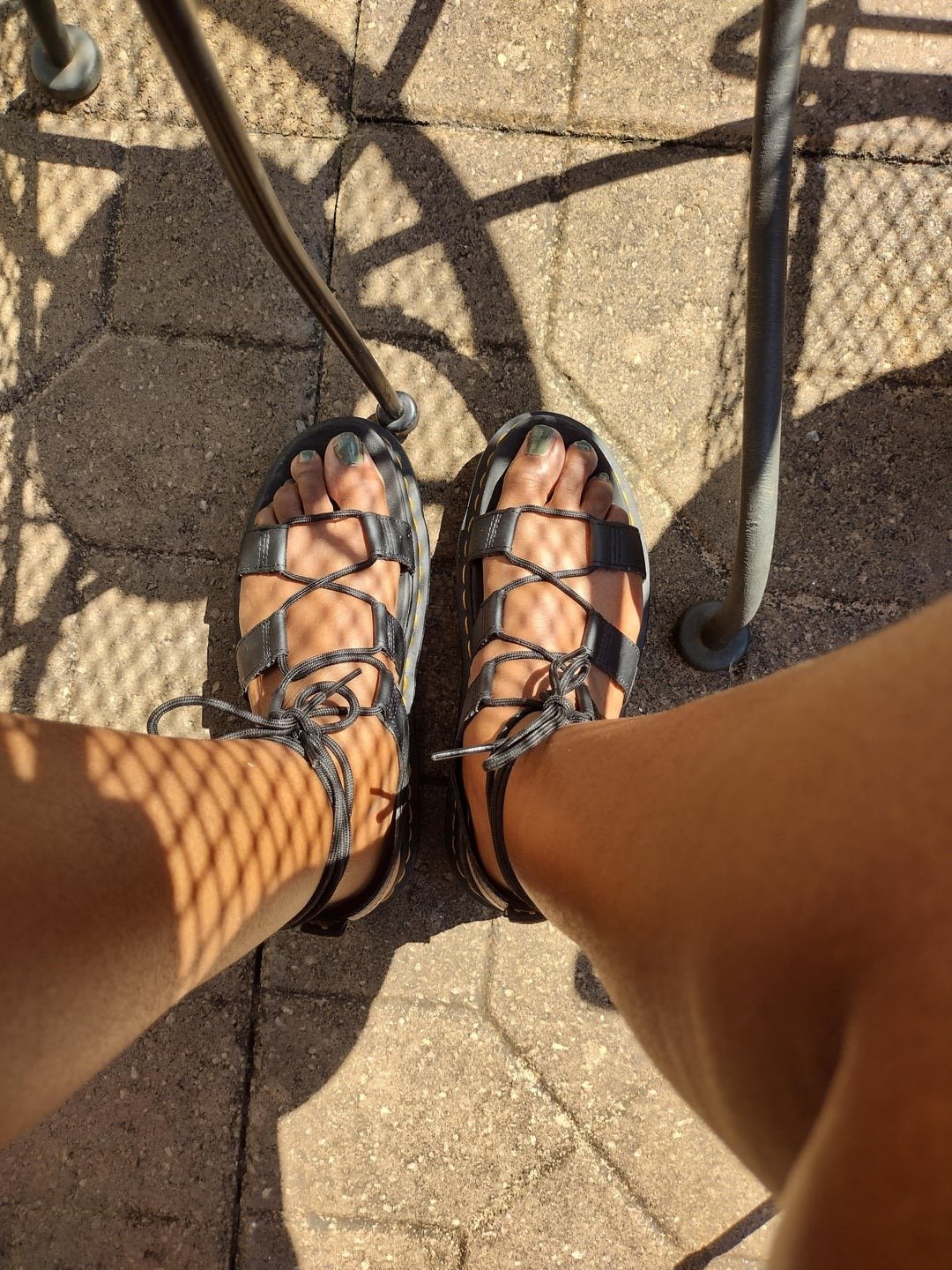
Gladiator sandals may be a hassle to put on, but there’s a bigger reason women over 50 should avoid them. The tight straps can restrict blood flow to the lower legs, potentially leading to varicose veins or, in more severe cases, dangerous blood clots.
While these sandals might look trendy, the health risks far outweigh the style benefits. Opting for more supportive and comfortable footwear can help protect your circulation and overall well-being.

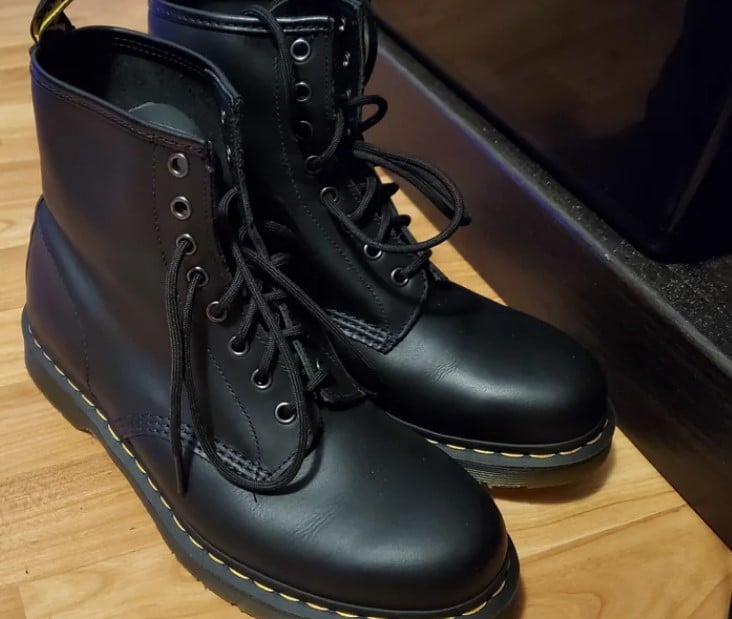
Dr. Martens
Dr. Martens have long been a favorite among edgier communities, but they’ve recently surged in mainstream popularity. Despite their trendy appeal, these clunky boots are notorious for being difficult to break in.
For older women, wearing them can lead to serious orthopedic issues, as their heavy design and stiff soles aren’t ideal for aging feet.
While they may look fashionable, it’s better to prioritize comfort and support when choosing footwear.

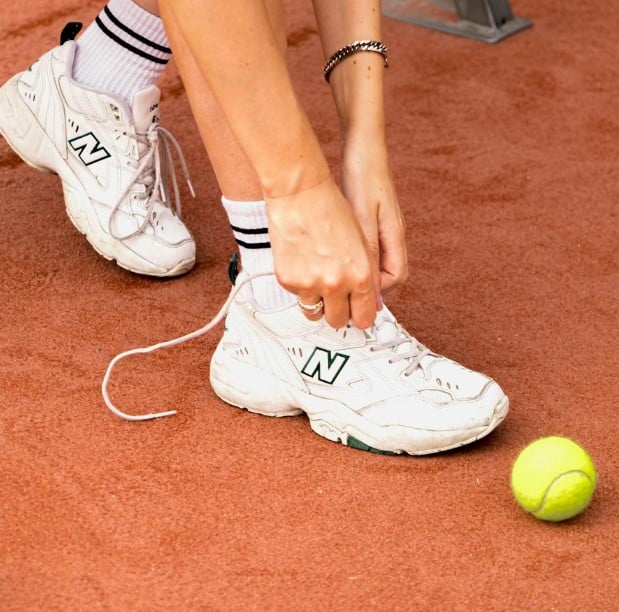
Tenny’s
If you’re an avid tennis player, owning a pair of tennis shoes is a must. However, these shoes should be reserved strictly for the court.
Just like sneakers, tennis shoes face the same style pitfalls when worn casually—they simply don’t complement more refined or stylish outfits.
So, while they’re perfect for a match, it’s best to switch to more polished footwear once you’re off the court.

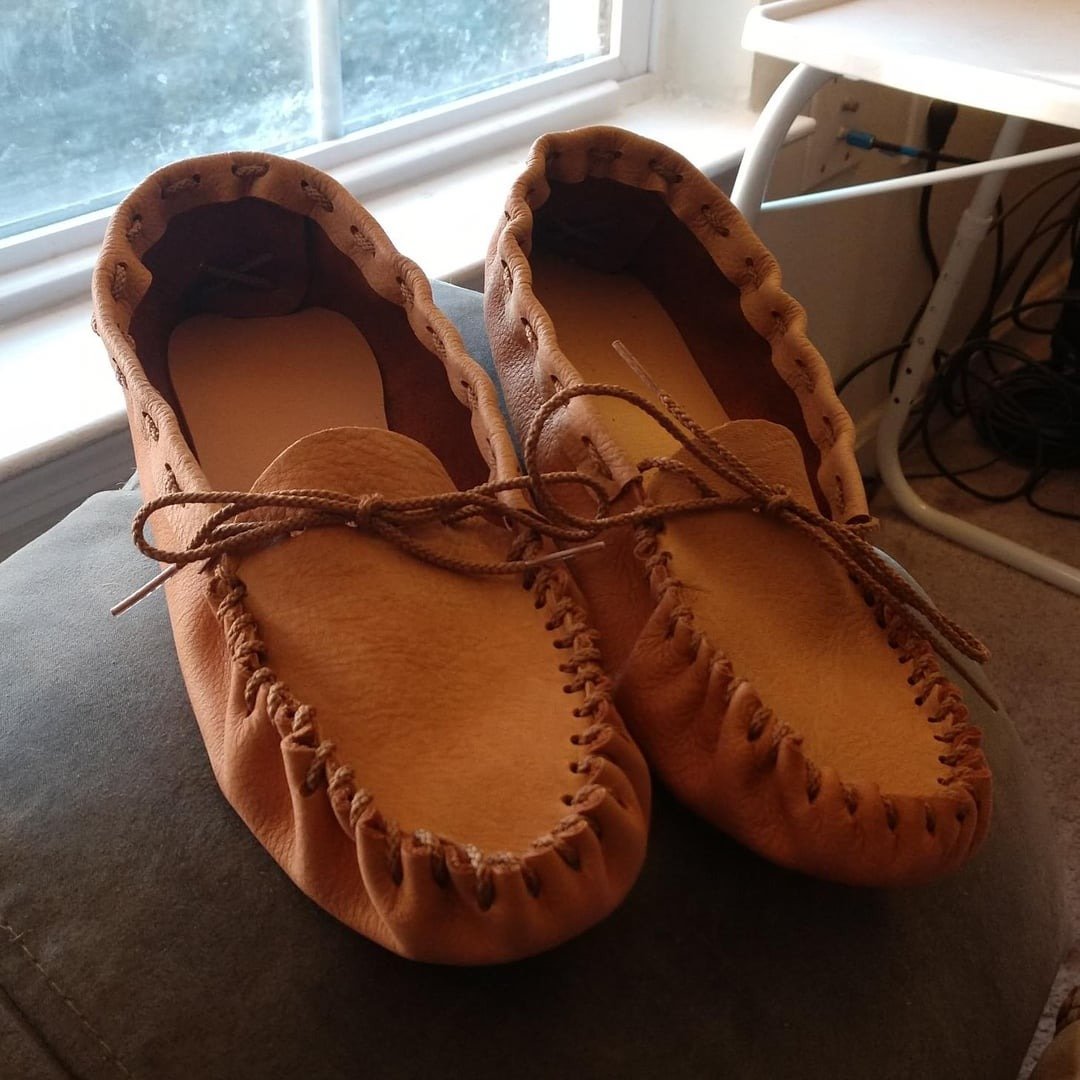
Moccasins
While many shoes on this list risk making you look like you’re trying too hard to appear youthful, moccasins pose the opposite issue. Even pricey designer versions often resemble glorified slippers for seniors.
Their overly casual, outdated style can easily age your look, and for that reason, they have no place in a modern wardrobe. Opt for something more polished to maintain an elegant and timeless appearance.

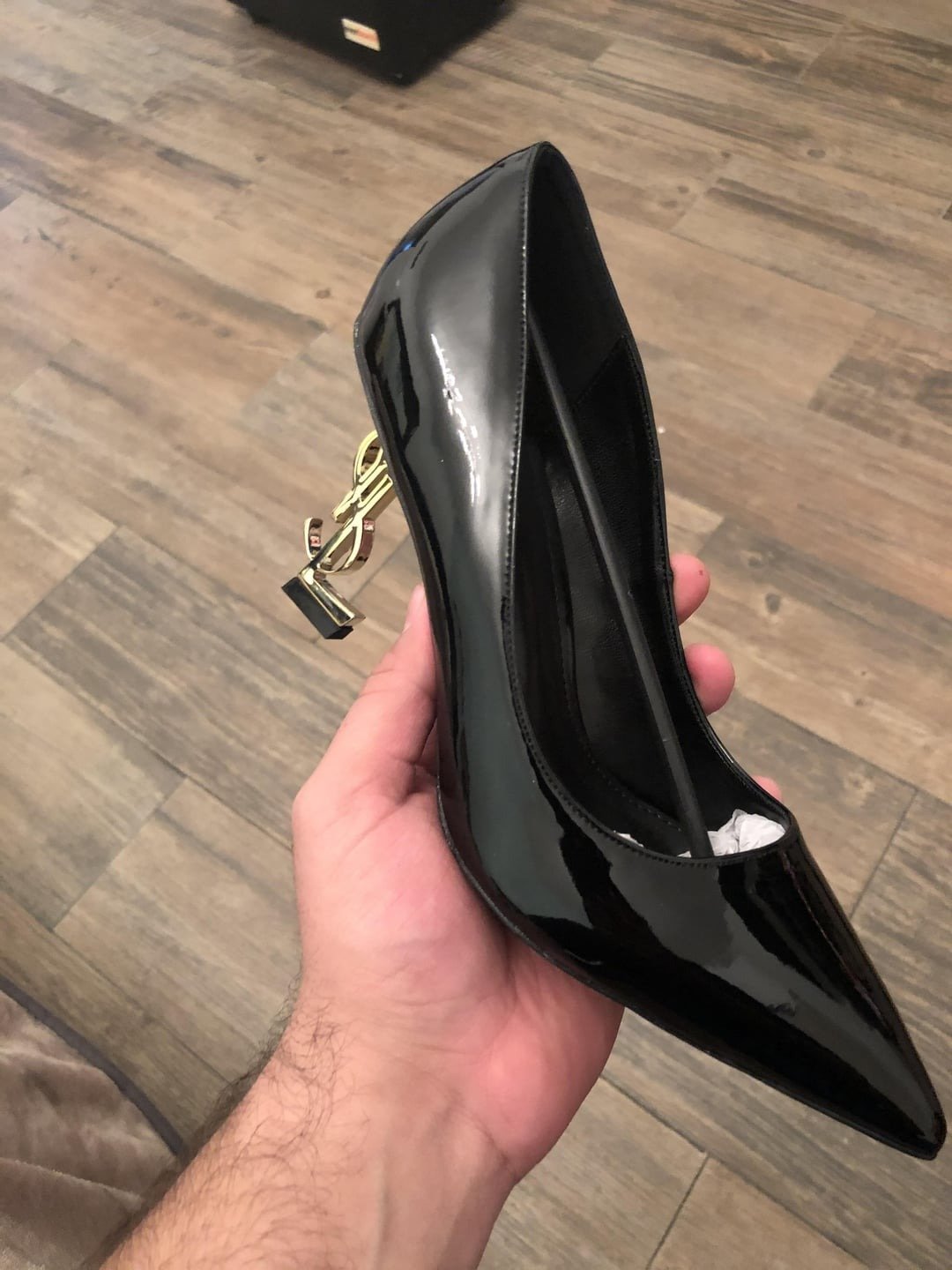
Pumps Are Off
While pumps may not be as perilous as stiletto heels, they’re still not the best choice for most women over 50. Wearing pumps all day puts significant strain on your ankles, which can be especially troublesome for aging joints.
Over time, this added pressure can lead to discomfort and even injury. Prioritizing footwear with better support and stability is essential for maintaining healthy feet and joints as you age.

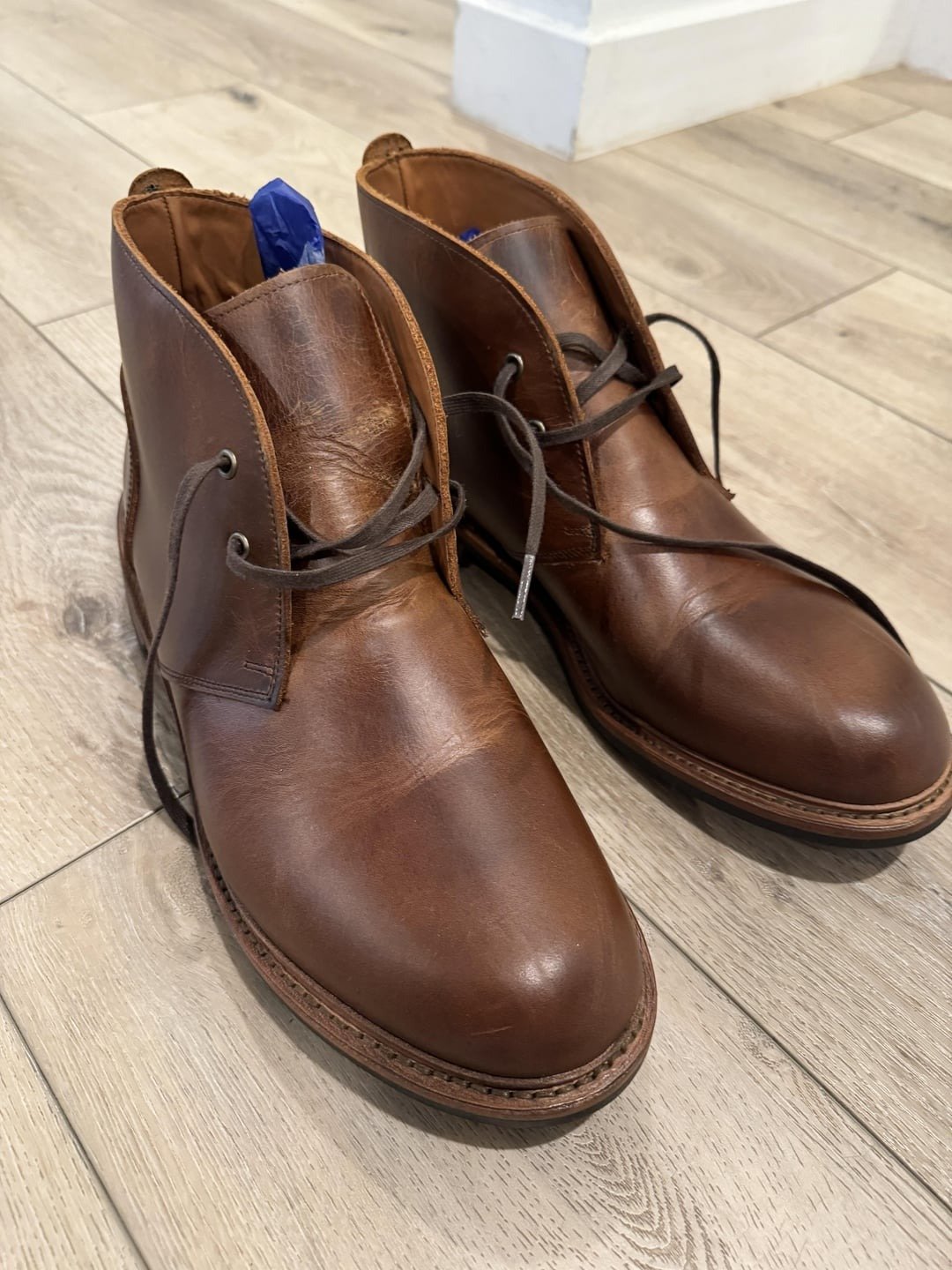
Chukkas
Chukka boots are essentially Chelsea boots with chunkier soles and laces. While Chelsea boots can still work well for older women, chukka boots should be avoided.
The reason lies in their bulky soles, which can appear too aggressive when paired with the more refined and elegant outfits that many older women prefer.
For a polished and sophisticated look, it’s best to stick with sleeker, more streamlined footwear.

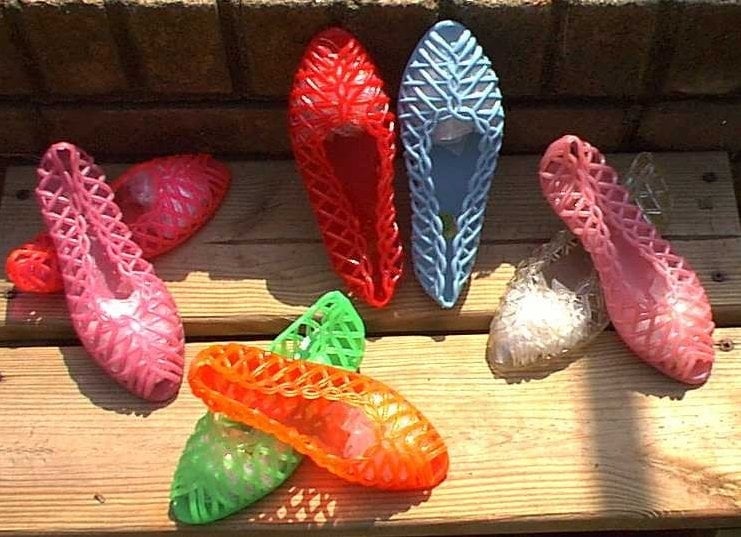
Toss the Jelly Shoes
There’s a strong argument that no one over the age of ten should wear jelly shoes, but it’s especially true for mature women.
While they may seem like a fun, practical choice for beach days, the reality is they tend to look completely out of place on anyone past their childhood years.
Despite their casual appeal, jelly shoes simply lack the sophistication and elegance that suits a more refined style. In short, they’re best left in the past.

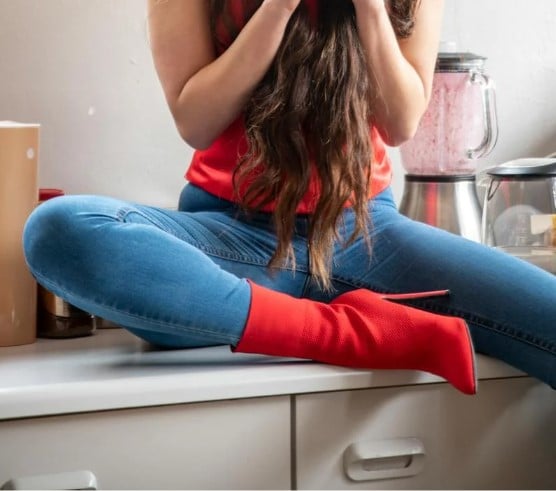
Sock Boots Are Out
Sock boots may add a sleek, refined touch to nearly any outfit, but they’re unfortunately not the best choice for older women.
The main issue lies in their excessively tall heels, which can put undue pressure on your feet and ankles, significantly increasing the risk of injury.
While they offer style, the potential for discomfort or harm simply isn’t worth it. It’s better to opt for footwear that offers both elegance and support.

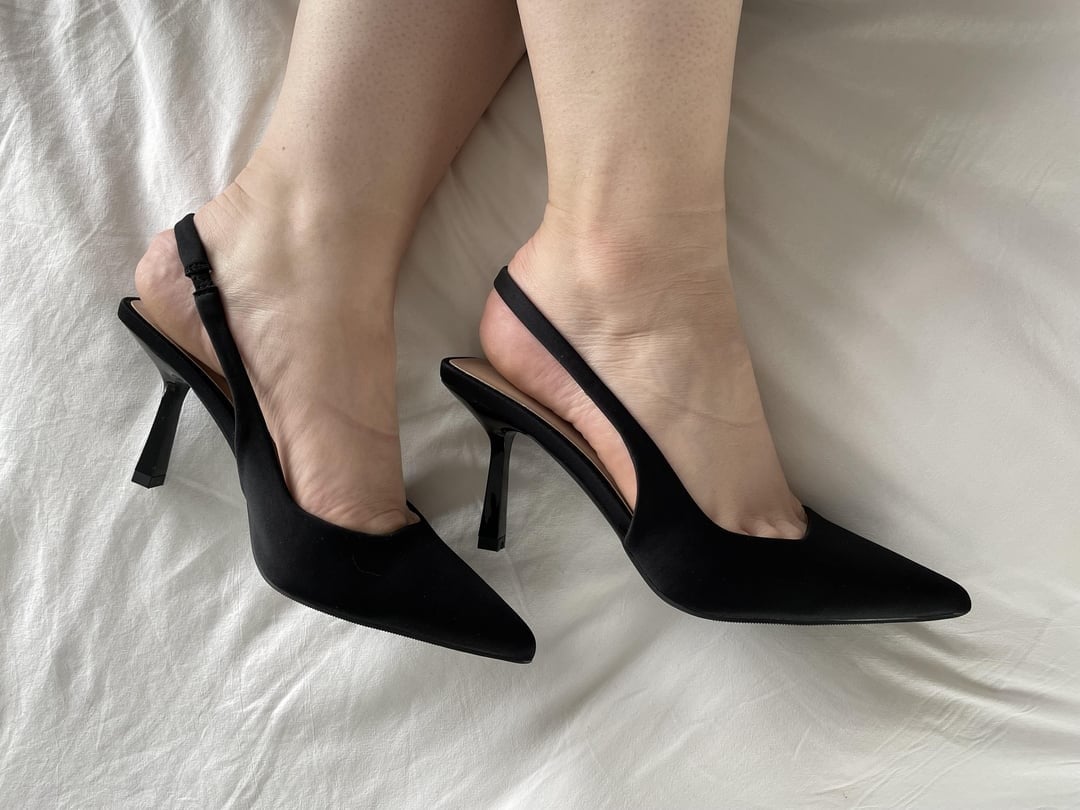
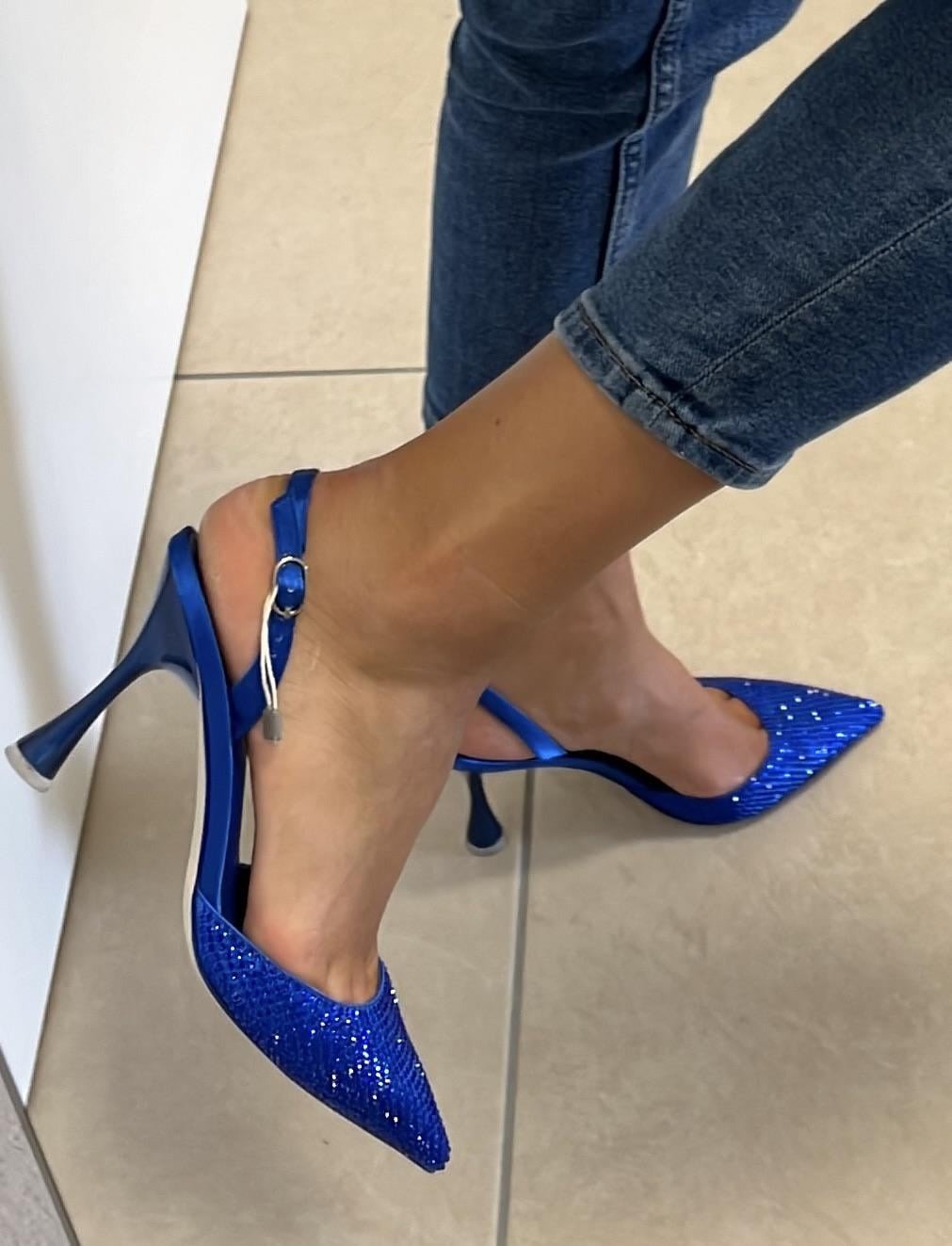
Sling Out the Slingbacks
While slingbacks may pose a lower risk of falling compared to most heels, they come with their own set of issues. The main concern lies in the strip of leather that wraps around the back of the heel, which can exert pressure and lead to joint pain over time.
Although they may offer some stability, the discomfort caused by this design makes them less than ideal for women over 50. Prioritizing comfort and support is key to avoiding unnecessary strain on your joints.

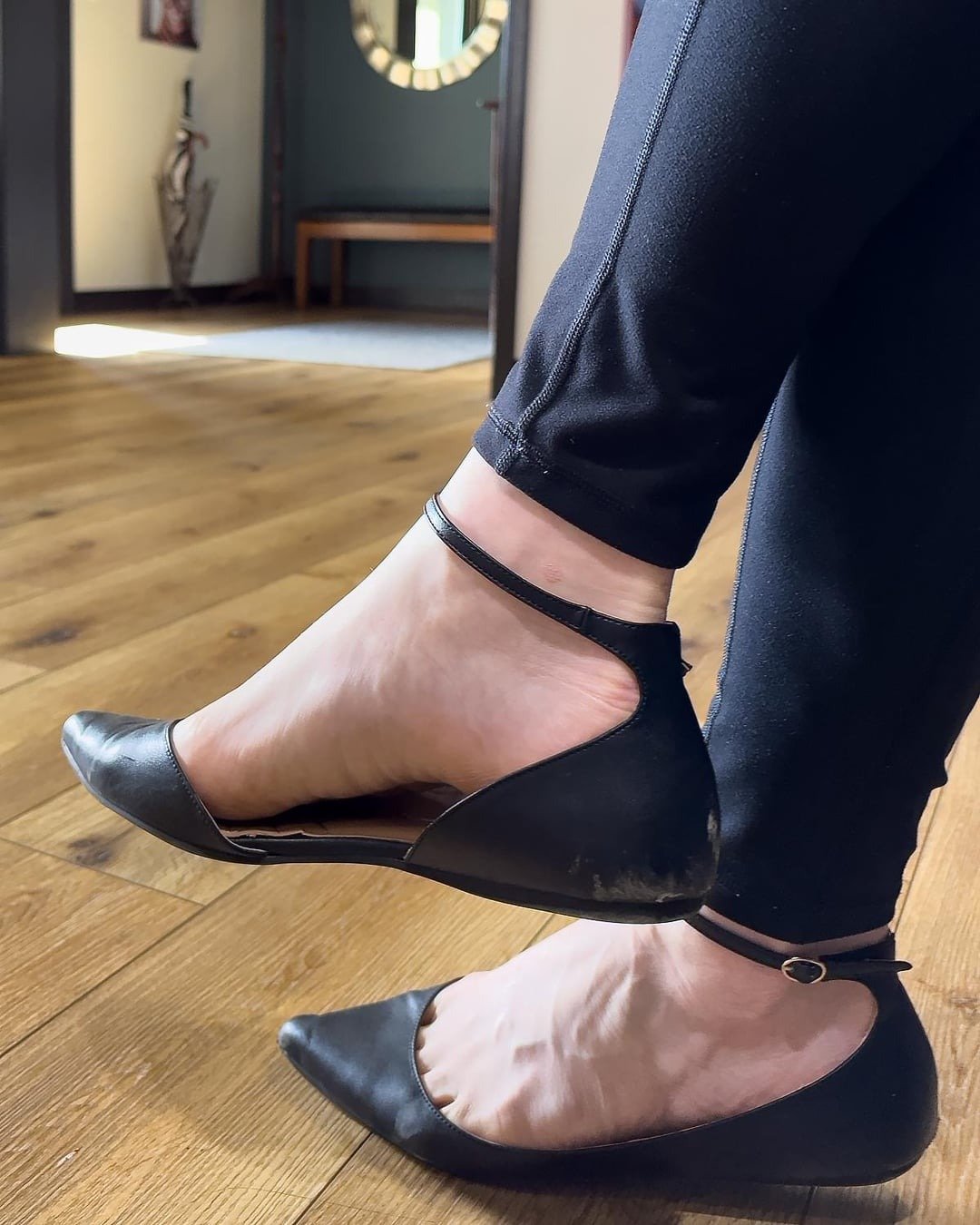
D’Orsay Flats Are Done
As mentioned earlier, aging often brings about issues with the skin on your feet. D’Orsay flats, while stylish, leave much of your foot exposed, which can worsen these problems.
Whether it’s dryness, cracking, or irritation, the lack of coverage can make things worse by exposing your feet to the elements.
For women over 50, opting for shoes that provide more protection and support can help prevent further discomfort and skin issues.

Peep-Toes Are No-Goes
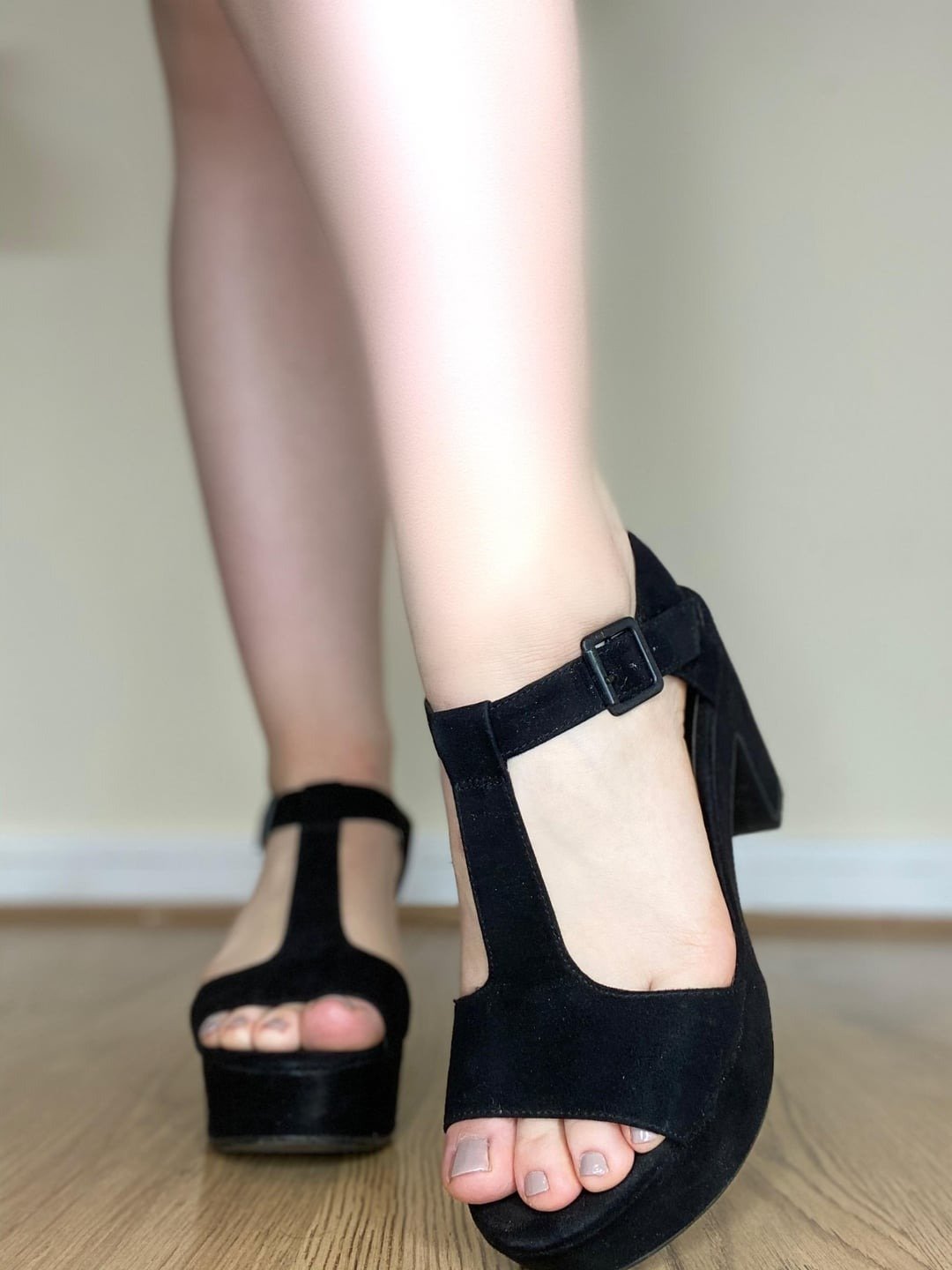
Peep-toe heels share many of the same issues as other high-heeled shoes, but the open-toed front adds an extra layer of risk. As coordination tends to decline with age, having your toes exposed can increase the likelihood of tripping or stumbling.
The combination of height and exposed toes makes them a less practical choice for older women. Opting for more stable and enclosed footwear can help prevent accidents and maintain a polished look.

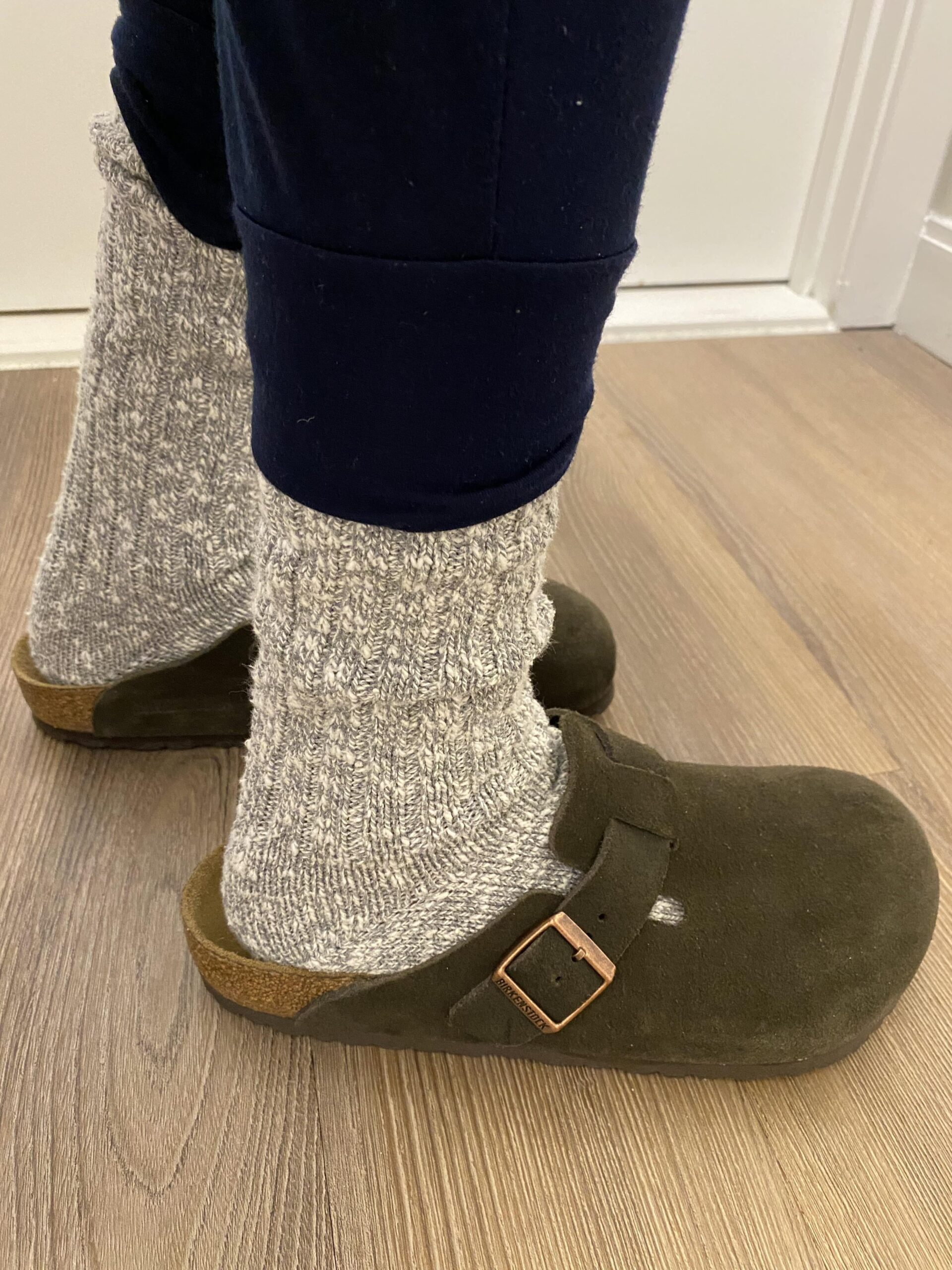
Chuck the Clogs
Surprisingly, clogs have made a fashionable comeback in recent years, often embraced by younger trendsetters. However, when worn by older women, clogs can easily give off a look that feels more “frumpy” than chic.
Their bulky design and casual feel don’t always complement the refined style that suits a mature wardrobe.

No Boat Shoes
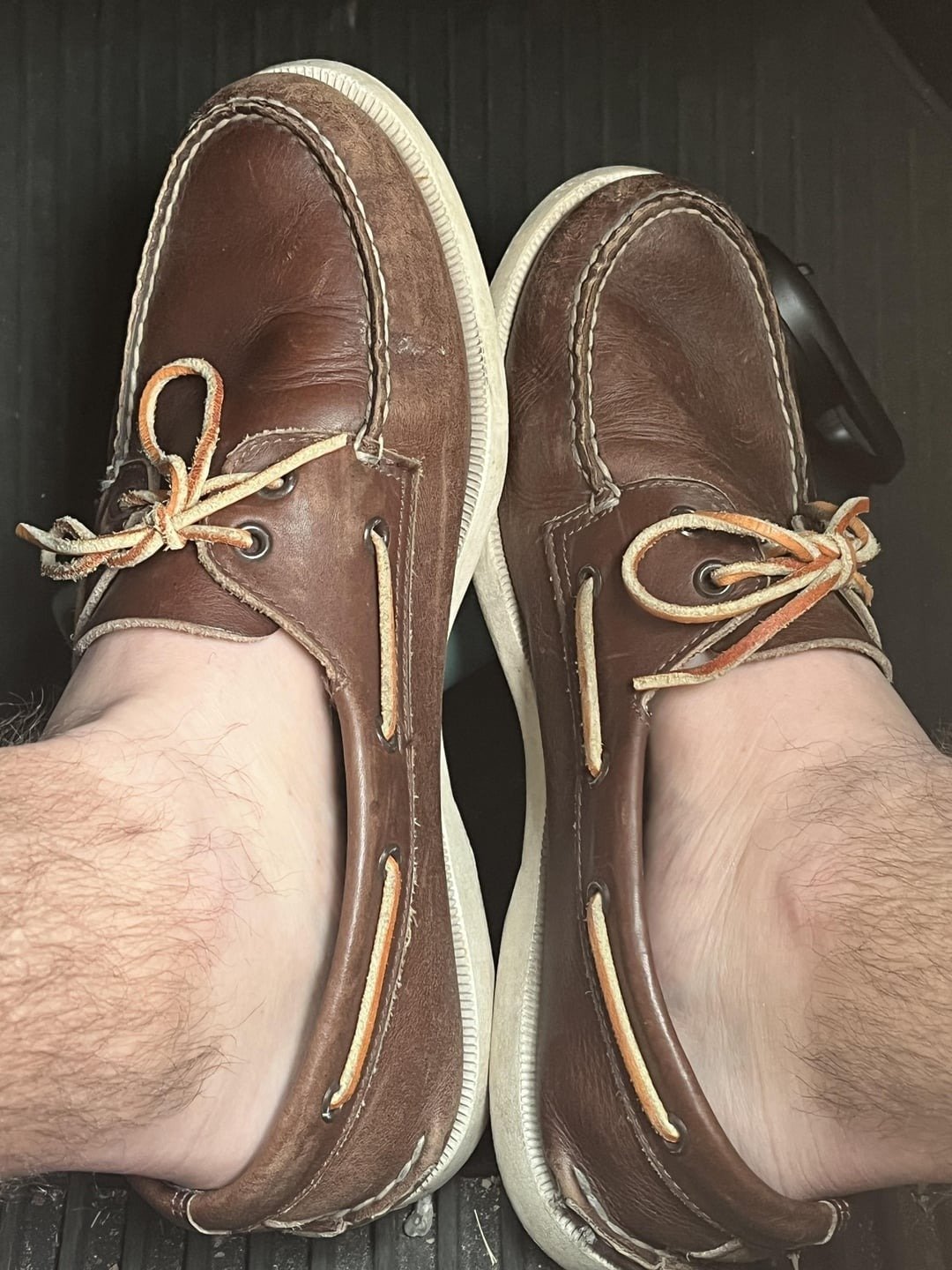
Boat shoes are popular for offering a balance of comfort and a semi-smart appearance, but they aren’t ideal for your feet, especially as you age.
The main issue is that they provide little to no support, which can lead to foot problems for older women. Without proper arch and ankle support, wearing boat shoes for extended periods can exacerbate discomfort and contribute to joint or foot issues.
For better long-term foot health, it’s wise to choose footwear that offers more structure and support.

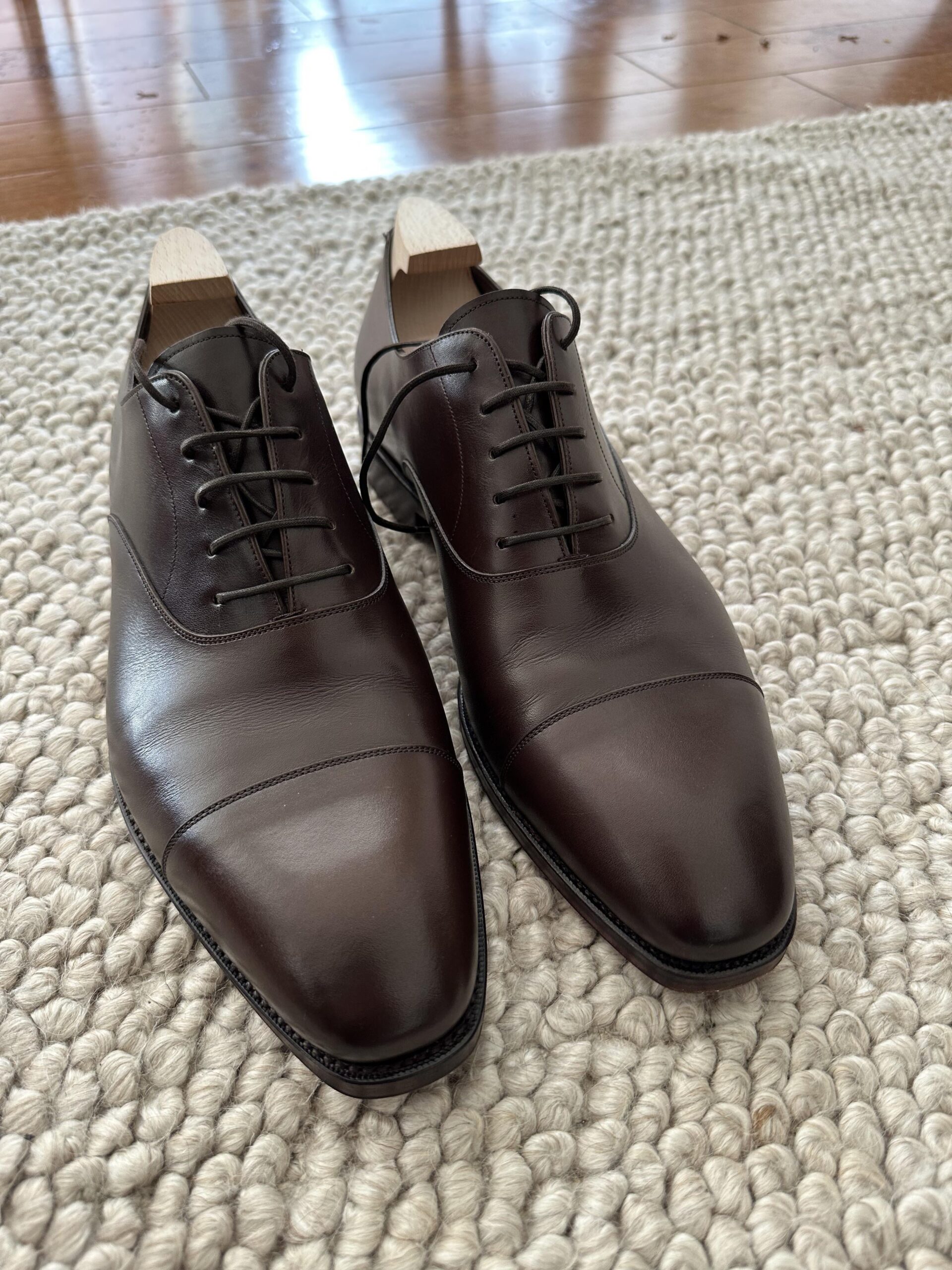
Oxford Shoes
Though traditionally worn by men, Oxford shoes are a popular choice for women looking to achieve a formal, polished appearance.
However, the rigid leather they’re often made from can create uncomfortable pressure on the feet. This can result in pain, inflammation, and stiffness, particularly for older women.
For those seeking both style and comfort, it’s important to opt for shoes that offer more flexibility and cushioning without sacrificing elegance.

Biker’s Boots
As with other activity-specific footwear, biker boots are perfectly acceptable if you actually ride a motorbike or frequently hop on as a passenger. However, wearing them purely as a fashion statement is a different story.
Their bulky, rugged design often clashes with more refined looks, and they can appear out of place when not paired with an actual biking lifestyle.
The same rule applies to biker jackets—keep them for practical use, not just for show.

Monk Shoes
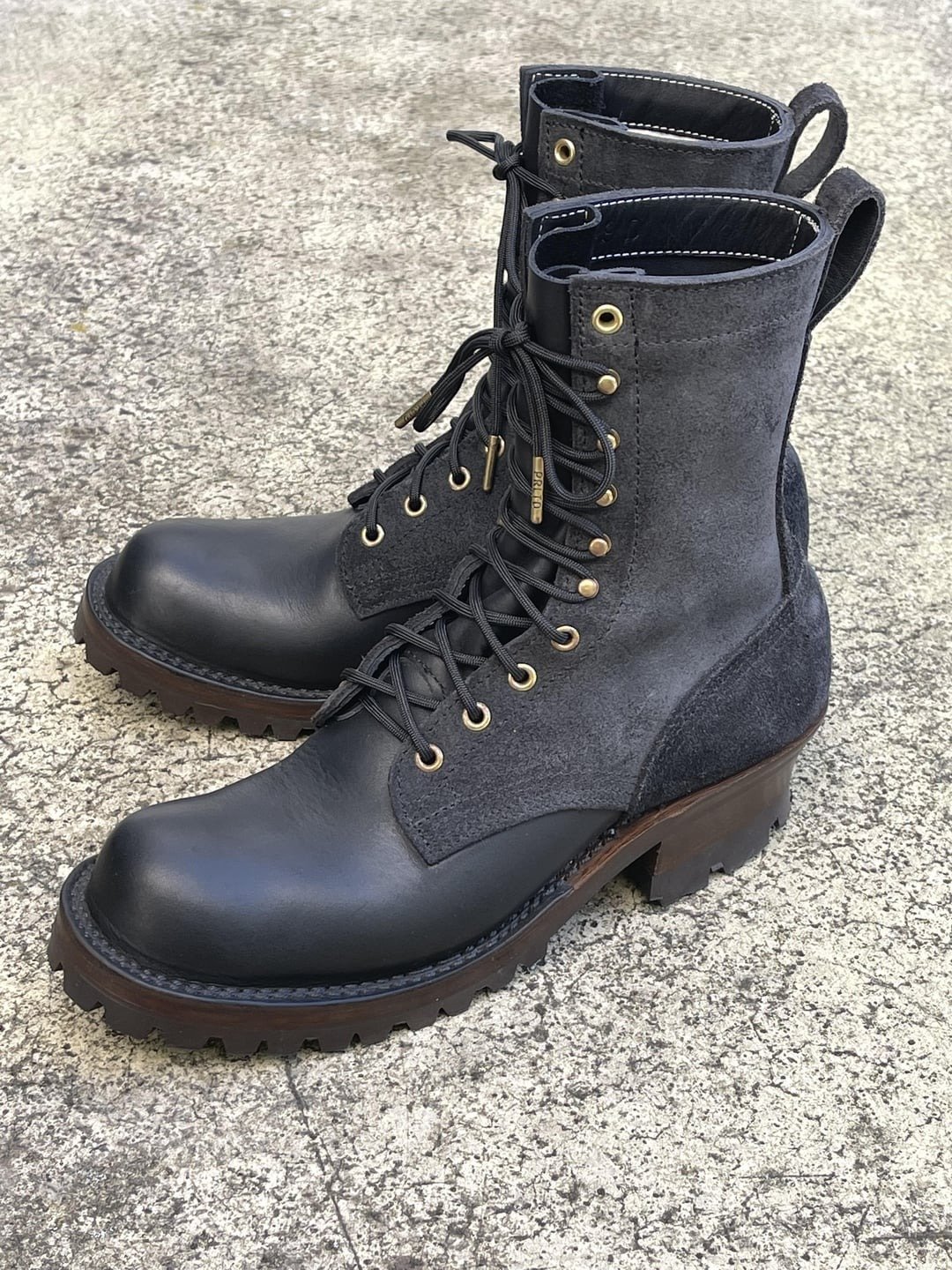
Monk shoes are quite similar to brogues, with one key difference—they use buckles instead of laces.
Unfortunately, this buckle fastening can place extra pressure on the top of the foot, leading to discomfort or even pain, especially for elderly wearers.
The rigid design around the buckle area can be problematic for those with sensitive or aging feet, making them a less ideal choice for women over 50 who prioritize comfort.

Strappy Sandals
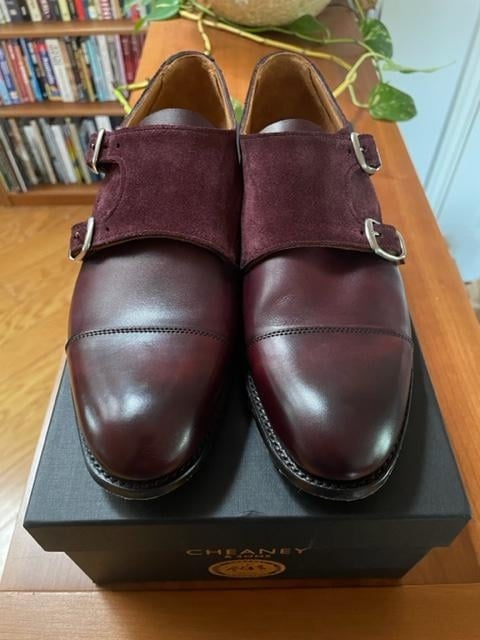
As we’ve discussed, falls become more dangerous as you age, and strappy sandals can increase that risk. The delicate strings or straps tied around your legs offer little stability and can easily cause tripping.
While they may be trendy, the potential for injury makes them a risky choice for older women. It’s better to opt for more secure, supportive footwear that keeps you safe without compromising style.

Pointy Shoes
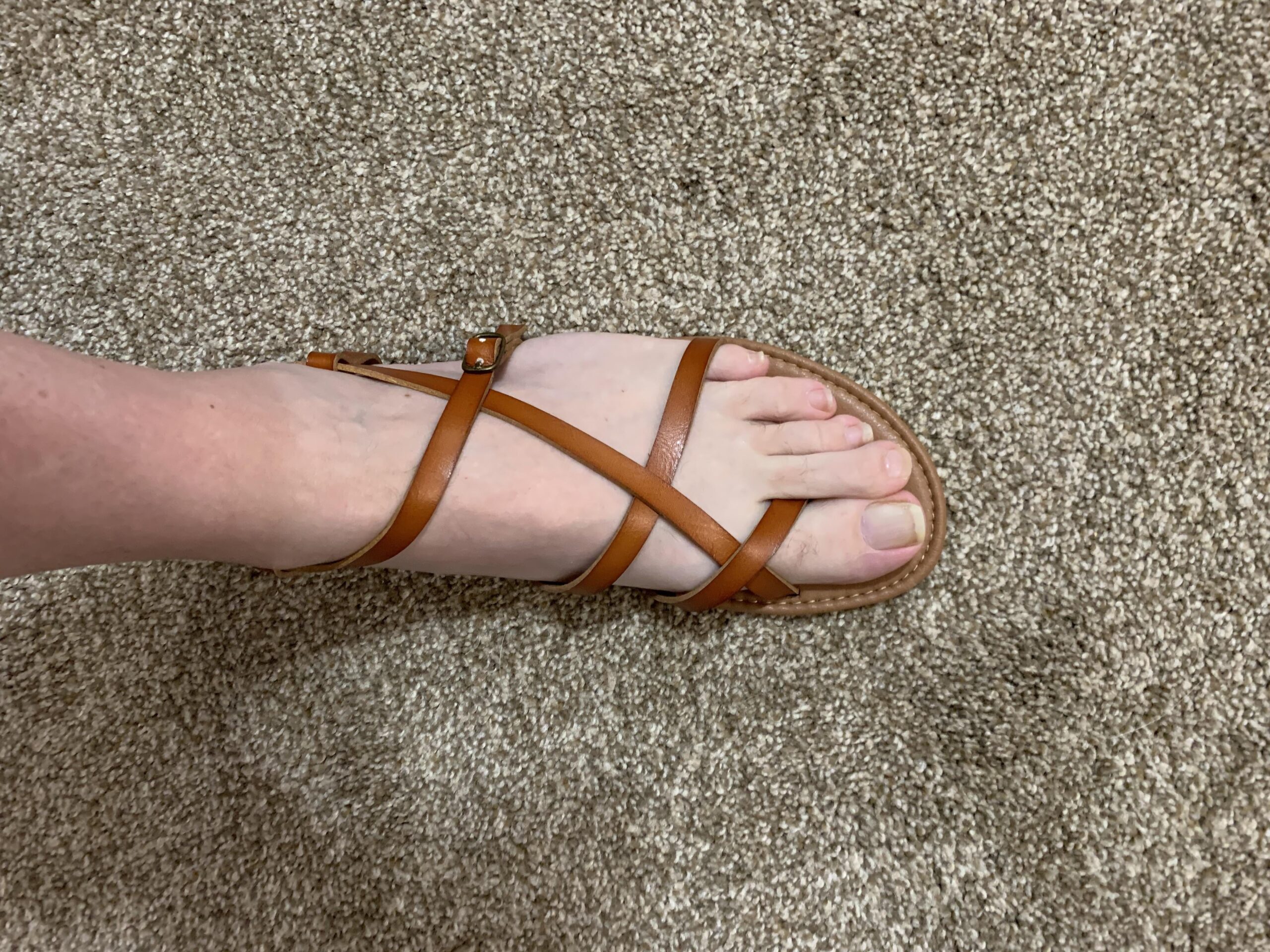
While pointy-toed shoes have a certain fashionable appeal, they put a significant amount of pressure on the feet. This may not cause too much trouble for younger women, but as you age, the discomfort becomes more pronounced.
Older women are more likely to experience pain and strain from the narrow design, making pointy-toed shoes more of a hassle than they’re worth. Opting for more comfortable, foot-friendly shoes is a smarter choice as you get older.

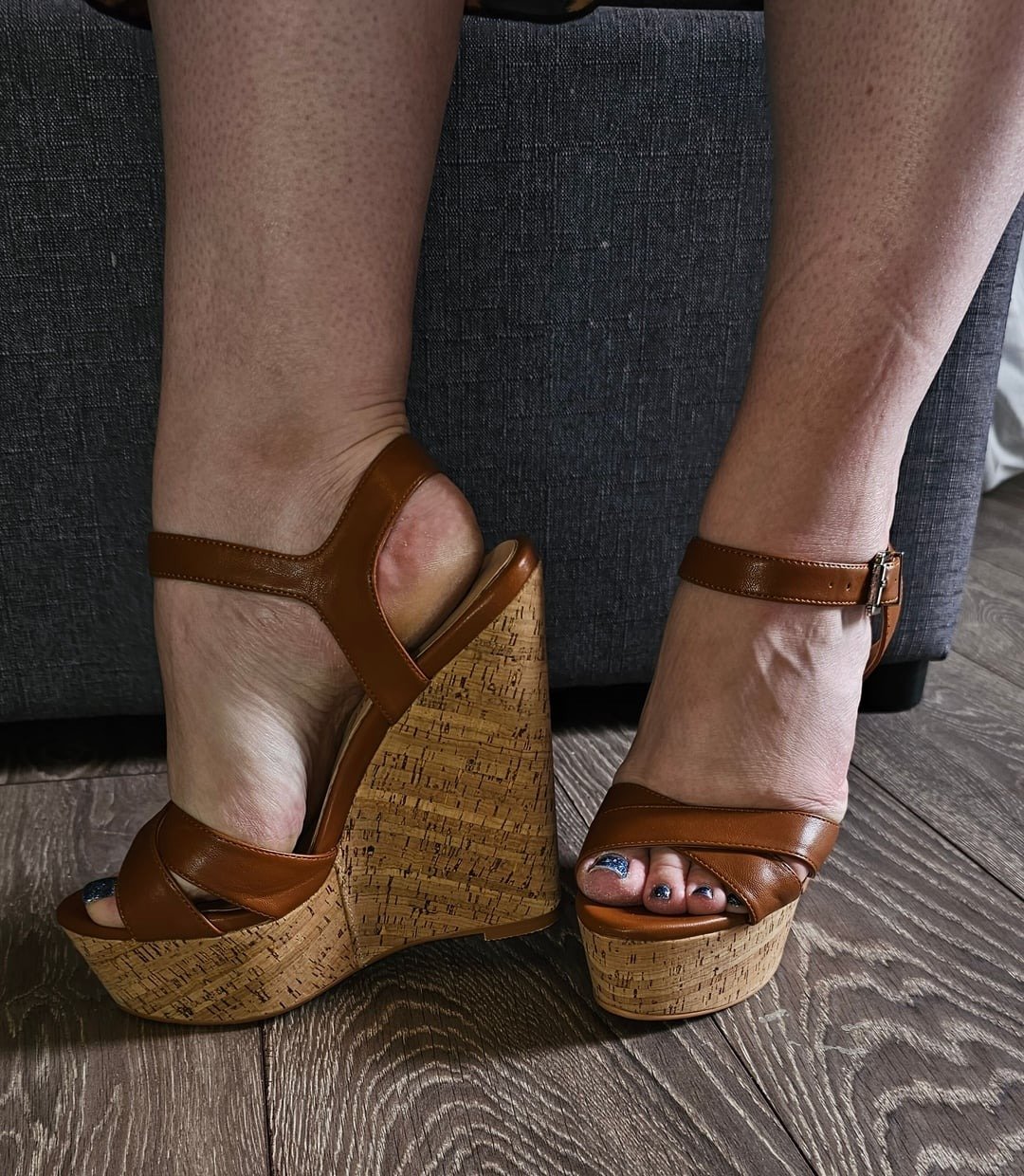
Corked Wedges
Cork wedges are often favored for their smart-casual appeal, but they may not be the best choice for women as they age.
The issue lies in cork’s tendency to deteriorate and crumble over time, which can make these shoes unstable. This instability increases the risk of falls, a serious concern for older women.
It’s wiser to opt for more durable, supportive footwear that reduces the risk of accidents.

Please SHARE this with your friends and family.