


Fats are an essential part of a healthy diet, but it’s easy to overdo it. Wondering if you’ve gone too far? Watch for these key signs.
Diarrhea

Eating too much fat can overwhelm the digestive system, leading to unabsorbed fat in the intestines. This happens because the body relies on bile to emulsify fat, but when fat intake is excessive, bile production may not keep up.
The unabsorbed fat draws water into the intestines, causing loose stools. Chronic diarrhea due to high-fat consumption can lead to nutrient malabsorption and dehydration.
Individuals with gallbladder dysfunction or insufficient bile production are particularly susceptible to this issue.
Floating Stool
Floating stools are a result of undigested fat in the stool, which happens when the body cannot adequately process dietary fat. This can occur due to insufficient bile production or a lack of the enzyme lipase, which is essential for fat breakdown.
When fat is not absorbed in the intestines, it remains in the stool, making it less dense than water.
Floating stools can indicate that fat intake exceeds the digestive system’s capacity or point to underlying conditions like pancreatic insufficiency or celiac disease.

Burping and Bloating
Excessive fat consumption can slow digestion, leading to a buildup of gases in the stomach and intestines. Fats take longer to break down compared to carbohydrates and proteins, especially when bile production is insufficient.
This results in indigestion, which manifests as burping, bloating, and a feeling of fullness.
People with digestive disorders, such as irritable bowel syndrome (IBS) or gallbladder dysfunction, may experience these symptoms more acutely when consuming fatty foods.

Shoulder Pain
Referred pain to the right shoulder or the area between the shoulder blades can be a sign of gallbladder issues related to high-fat diets. The gallbladder, located on the right side under the liver, plays a crucial role in digesting fat by releasing bile.
Gallstones or inflammation caused by a high-fat diet can irritate the gallbladder and trigger nerve connections that send pain signals to the shoulder.

Gallbladder Pain
Pain in the upper right abdomen, particularly near the lower rib cage, is a classic indicator of gallbladder distress. Overeating fat can lead to gallbladder congestion, where bile becomes thickened or stones form, causing pain and inflammation.
This condition, known as biliary colic, is often triggered by fatty meals.
In severe cases, gallbladder issues can lead to vomiting, nausea, and the need for medical interventions such as gallbladder removal.

Fatigue After Eating
High-fat meals can cause fatigue due to the digestive system’s demand for resources and energy. Fat digestion requires bile and pancreatic enzymes, which slow the overall digestive process.
The release of cholecystokinin (CCK), a hormone that aids in fat digestion, also promotes relaxation and sleepiness.
This effect is amplified when fats are consumed with large portions of carbohydrates, leading to what’s commonly referred to as “food coma” or post-meal fatigue.

Weight Gain
Fat is the most calorie-dense macronutrient, providing 9 calories per gram compared to 4 calories per gram for proteins and carbohydrates. Consuming excessive fat, especially without balancing calorie intake, can lead to weight gain over time.
While fat alone does not directly cause weight gain, pairing it with high-calorie or carbohydrate-rich diets exacerbates the issue.
Weight gain due to fat consumption is also linked to insulin resistance when coupled with high carbohydrate intake.

Nonalcoholic Fatty Liver Disease (NAFLD)
Excessive fat intake can lead to the accumulation of fat in the liver, a condition known as nonalcoholic fatty liver disease (NAFLD). This condition may cause inflammation, liver cell damage, and scarring, potentially leading to cirrhosis and liver failure if left untreated.
Diets high in unhealthy fats, particularly trans fats, are a major risk factor. Reducing fat intake and following a balanced diet can help prevent or reverse NAFLD in its early stages.
Depression
Diets high in unhealthy fats, like trans fats found in fried and processed foods, have been associated with an increased risk of mood disorders, including depression.
These fats can disrupt the balance of omega-3 and omega-6 fatty acids, which play a role in brain function and mood regulation.
Conversely, consuming healthy fats, such as those in avocados, fatty fish, and olive oil, has been shown to have protective effects against depression.
Maintaining a balanced fat intake is crucial for mental health.

High Cholesterol
Eating unhealthy fats, particularly trans fats, can raise LDL cholesterol levels and lower HDL (“good”) cholesterol. Elevated LDL cholesterol increases the risk of plaque buildup in the arteries, which can lead to heart disease and stroke.
Saturated fats, found in red meat and full-fat dairy, also contribute to higher cholesterol levels if consumed in excess.
Replacing these fats with healthier options, like monounsaturated and polyunsaturated fats, is essential for maintaining cardiovascular health.

Poor Sleep
High-fat diets can negatively impact sleep quality by disrupting the body’s circadian rhythms and hormonal balance. Excess fat consumption, particularly from unhealthy sources, is linked to fragmented sleep and increased daytime sleepiness.
Weight gain associated with high-fat diets can also contribute to sleep apnea, a condition that interrupts breathing during sleep.
Studies have shown that diets with moderate fat levels, paired with a balanced intake of other macronutrients, promote better sleep patterns.

High Blood Pressure
Excessive fat intake, especially from unhealthy fats like trans fats and saturated fats, can contribute to weight gain, which is a known risk factor for high blood pressure.
The additional body weight increases the workload on the heart and blood vessels, leading to hypertension. Moreover, some fats, particularly those found in processed foods, may directly impact arterial health by increasing inflammation.
A diet rich in healthy fats, such as those from nuts and seeds, can help manage blood pressure levels.

Diabetes
Overconsumption of fat, particularly in conjunction with high-calorie diets, can increase the risk of type 2 diabetes. Excessive fat intake contributes to weight gain, which is a significant factor in developing insulin resistance—a hallmark of diabetes.
The combination of high fat and high carbohydrate intake is especially harmful, as it promotes calorie overload and further disrupts insulin sensitivity.
Managing fat consumption alongside overall calorie intake is crucial for diabetes prevention and control.

Nausea
Eating large amounts of fat can overwhelm the digestive system, leading to nausea and discomfort. This is especially common in individuals with gallbladder issues or insufficient bile production.
Fat digestion is a slow process, and excessive intake can strain the stomach, resulting in delayed gastric emptying.
Nausea from high-fat meals may also indicate underlying digestive conditions, such as pancreatitis or biliary dysfunction.

Heart Disease
Diets high in saturated and trans fats are strongly linked to an increased risk of heart disease and stroke. These unhealthy fats contribute to arterial plaque buildup, which narrows the arteries and restricts blood flow.
Trans fats, in particular, are known to raise LDL cholesterol and lower HDL cholesterol, further exacerbating cardiovascular risks.
Replacing unhealthy fats with heart-friendly options, like omega-3 fatty acids from fish, can reduce the risk of heart disease.

Weight Loss Plateau
Consuming too much fat without adequately reducing carbohydrates can hinder weight loss progress.
High fat combined with moderate or high carbohydrate intake keeps insulin levels elevated, preventing the body from burning stored fat for energy.
This is a common issue in poorly planned ketogenic or low-carb diets where fat consumption is excessive. Balancing macronutrient intake, with a focus on reducing carbohydrates, is key to breaking through weight loss plateaus.

Acid Reflux
High-fat foods can relax the lower esophageal sphincter (LES), the muscle that prevents stomach acid from flowing back into the esophagus. This relaxation can lead to acid reflux, causing heartburn and discomfort.
Fatty foods also slow stomach emptying, which increases the likelihood of reflux. Individuals prone to acid reflux are often advised to limit their intake of fried and greasy foods to alleviate symptoms.

Nonalcoholic Steatohepatitis (NASH)
An advanced form of NAFLD, nonalcoholic steatohepatitis (NASH) occurs when fat buildup in the liver causes inflammation and damage. Overeating fat, especially unhealthy fats, accelerates the progression from simple fatty liver to NASH.
If untreated, NASH can lead to cirrhosis or liver cancer. Adopting a diet low in saturated and trans fats while increasing physical activity can help manage or prevent this condition.
Gallstones
A high-fat diet can contribute to the formation of gallstones, which are hardened deposits of bile. When the body processes excessive fat, bile becomes more concentrated, increasing the risk of gallstone formation.
Gallstones can block bile ducts, causing severe pain, nausea, and digestive problems. Maintaining a moderate fat intake and staying hydrated are essential for preventing gallstone-related complications.
Chronic Inflammation
Overconsumption of unhealthy fats, particularly trans fats and omega-6 fatty acids, can promote chronic inflammation in the body. Chronic inflammation is linked to various health problems, including cardiovascular disease, arthritis, and autoimmune disorders.
Reducing the intake of processed foods and increasing consumption of anti-inflammatory fats, like omega-3s from fish and flaxseeds, can mitigate this risk.

Reduced Digestive Enzyme Function
Consuming excessive fat can overwhelm the pancreas, which produces the enzyme lipase needed to digest fat. This can lead to undigested fat remaining in the digestive tract, causing symptoms such as bloating, gas, and abdominal discomfort.
Chronic high-fat diets can strain the pancreas, potentially leading to pancreatic insufficiency over time. Maintaining a balanced intake of fats can help preserve normal enzyme function.
Gallbladder Sludge
High-fat diets can lead to the formation of gallbladder sludge, a thick mixture of bile and cholesterol that can impair gallbladder function. Sludge formation increases the risk of gallstones and gallbladder inflammation, resulting in digestive discomfort and pain.
Reducing fat intake, particularly saturated and trans fats, is a preventive measure against this condition. Incorporating fiber-rich foods also helps promote healthy bile flow.

Hindered Nutrient Absorption
Excess fat in the digestive system can bind to certain nutrients, such as calcium and magnesium, preventing their absorption. This can result in nutrient deficiencies over time, particularly if the diet is consistently high in fat.
Additionally, excessive fat can interfere with the absorption of fat-soluble vitamins (A, D, E, and K), which are critical for maintaining overall health.

Hormonal Imbalances
Diets excessively high in fat can disrupt hormonal balance, as fats are integral to hormone production and regulation. Too much unhealthy fat, such as trans fats, can negatively affect the production of hormones like insulin and estrogen.
This imbalance may contribute to issues like weight gain, irregular menstrual cycles, and mood changes. Consuming healthy fats, such as those from nuts and seeds, is essential for supporting hormonal health.

Skin Issues
Overeating unhealthy fats, particularly trans fats and processed oils, can contribute to skin problems such as acne and increased oil production. These fats can exacerbate inflammation, which is a key factor in many skin conditions.
On the other hand, diets rich in omega-3 fatty acids can improve skin health by reducing inflammation and promoting hydration. Moderation and choosing the right types of fat are crucial for maintaining clear and healthy skin.

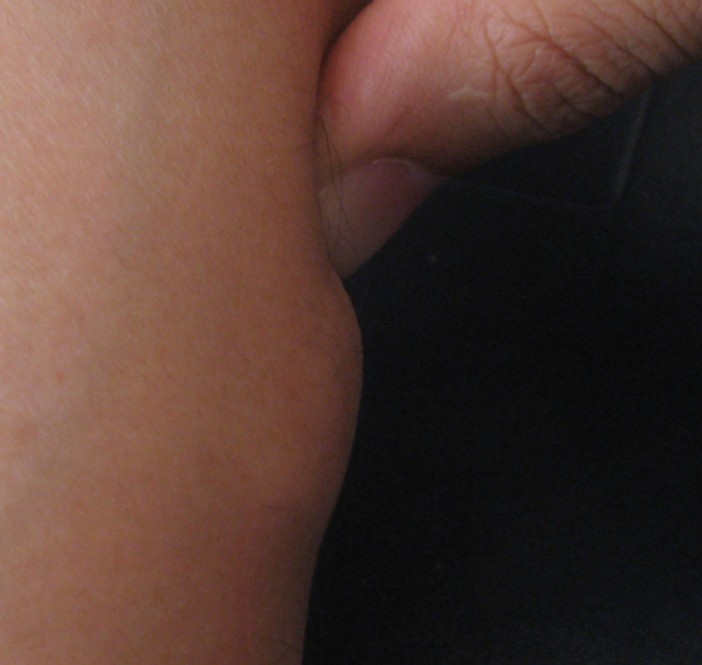
Fatty Tumors (Lipomas)
Excessive fat intake has been loosely associated with the development of lipomas, benign fatty tumors that can form under the skin. While these growths are not harmful, they may be aesthetically concerning or uncomfortable.
Although the exact cause of lipomas is not entirely understood, reducing the intake of unhealthy fats and maintaining a balanced diet may help mitigate their occurrence.
Immune System Suppression
High-fat diets, particularly those rich in saturated and trans fats, have been shown to impair immune function. Excessive fat intake can promote inflammation and weaken the body’s ability to respond to infections.
Studies suggest that replacing unhealthy fats with polyunsaturated fats, such as those found in fish and plant oils, can support a stronger immune system.

Fatty Pancreas
Overeating fat can lead to fat deposition in the pancreas, a condition known as fatty pancreas or pancreatic steatosis. This condition can impair the pancreas’s ability to regulate blood sugar and produce digestive enzymes.
Left unchecked, it may contribute to diabetes and other metabolic disorders. Reducing fat intake and engaging in regular physical activity can help prevent this issue.

Excessive Hunger
Paradoxically, a diet too high in fat can sometimes lead to feelings of excessive hunger. Fat slows digestion, which can lead to erratic blood sugar levels when paired with high carbohydrate intake.
This fluctuation can trigger cravings and overeating. Balancing fat consumption with protein and fiber-rich foods can help stabilize appetite and promote satiety.

Altered Gut Microbiota
Excess fat consumption, particularly from unhealthy sources, can negatively impact the gut microbiota, the community of beneficial bacteria in the digestive system.
A disrupted microbiome has been linked to inflammation, digestive disorders, and weakened immunity.
Diets high in saturated fats can reduce the diversity of gut bacteria, while incorporating healthy fats and fiber can support a balanced microbiome.

Please SHARE this with your friends and family.


