


Do you ever find yourself reaching for that third cup of coffee before lunch, wondering if caffeine has become your primary fuel source? Lack of sleep might be to blame, but who has time for those pesky eight hours anyway, right? We’ll explore the telltale signs that you’re not getting enough sleep—and no, just feeling “a little tired” doesn’t cover it.
You Battle Breakouts
Source: pexels
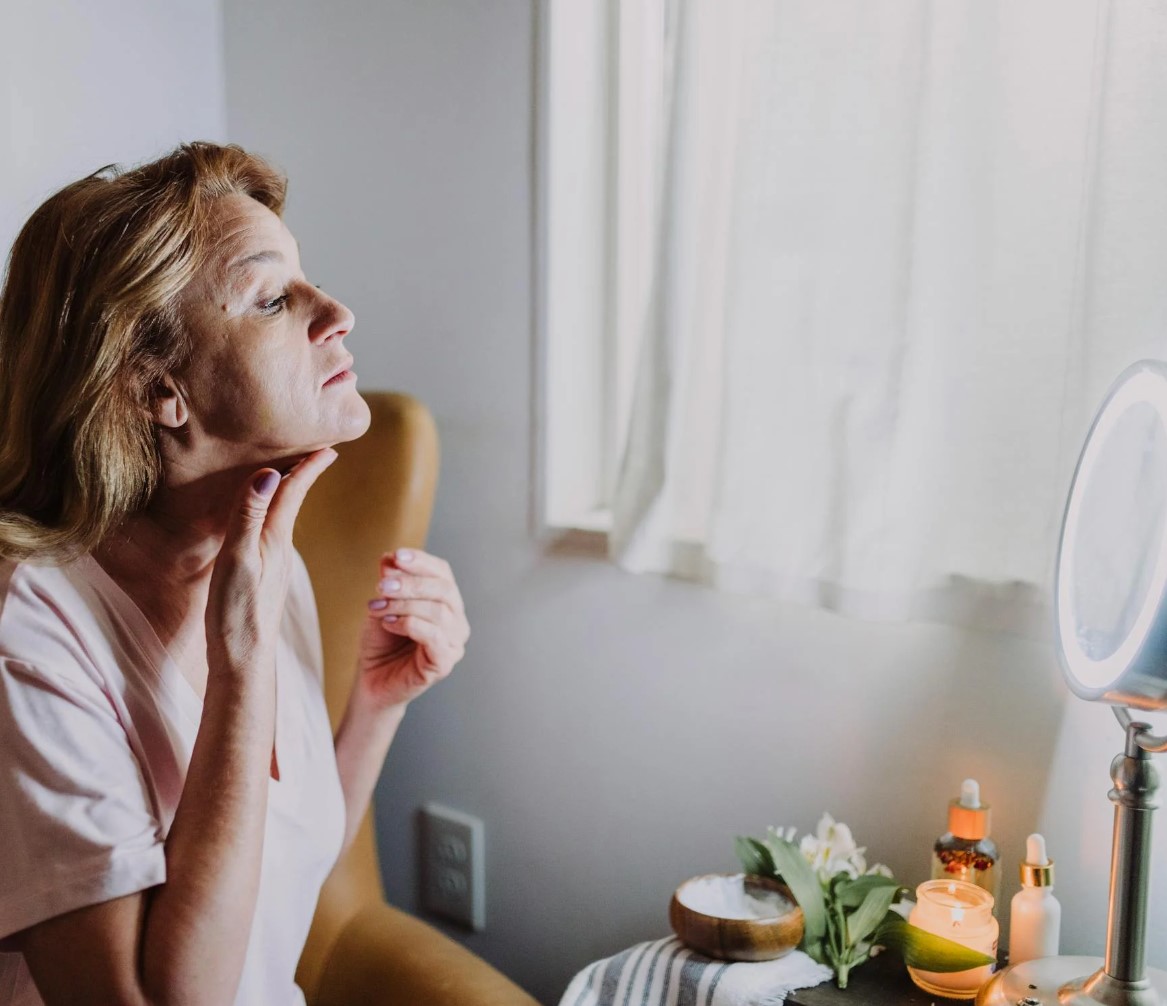
If you’re not getting good sleep, your skin may show it. Studies have found a connection between poor sleep and acne, likely due to the way sleep impacts hormone regulation. When you’re sleep-deprived, stress hormones increase, which can lead to skin inflammation and breakouts. Additionally, lack of rest weakens the immune system, making your skin more susceptible to bacteria that cause acne. Getting quality sleep helps maintain a clear complexion.
Your Eyes Don’t Look Good
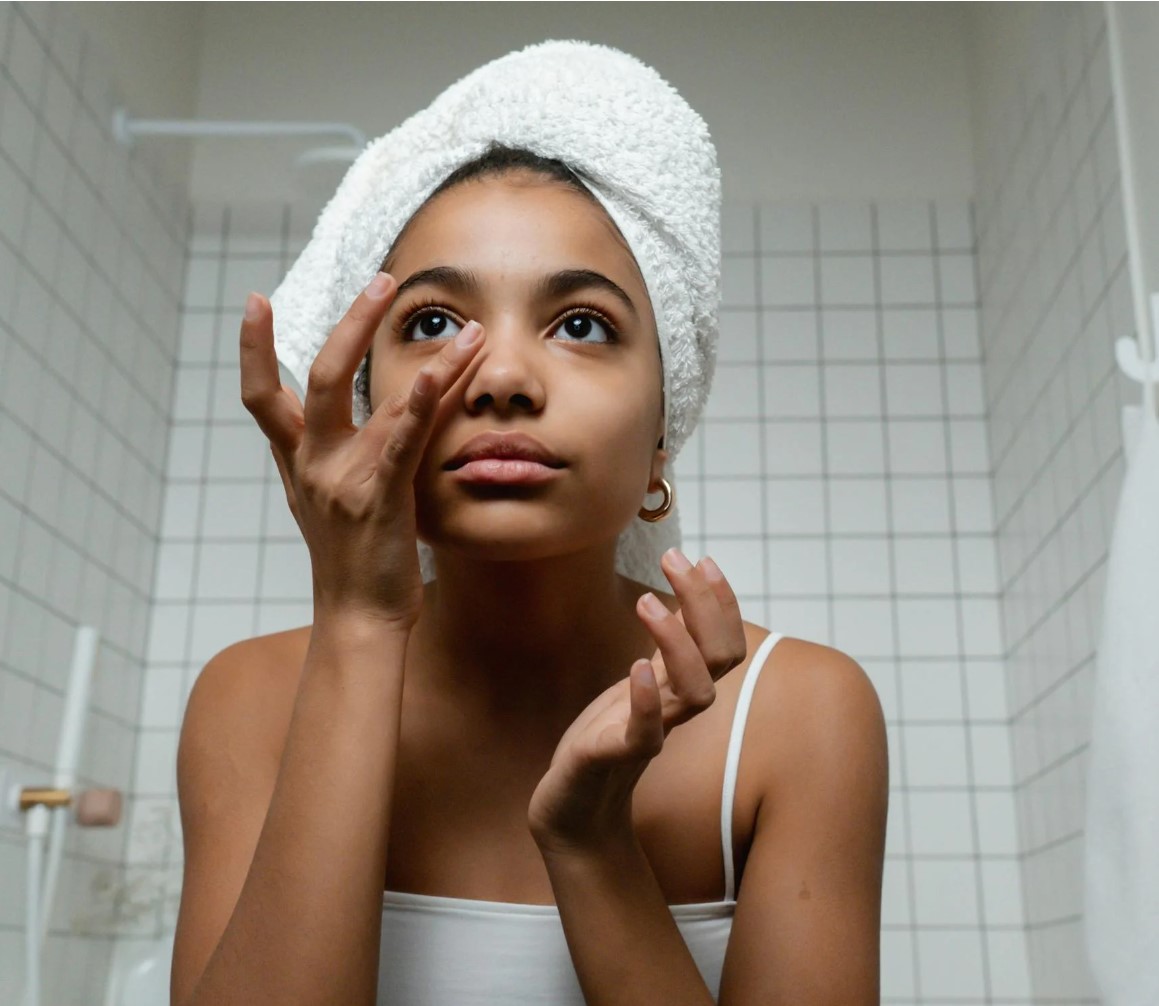
Redness, puffiness, dark circles, and bags under the eyes are telltale signs of poor sleep. When you don’t rest enough, your body doesn’t complete its full cycle of tissue repair and hormone regulation. This can result in sagging skin, fine lines, and tired-looking eyes. Studies show that chronic sleep deprivation accelerates skin aging, including increased wrinkles around the eyes. A good night’s sleep restores skin’s natural elasticity and helps you look refreshed.
You Gain Weight
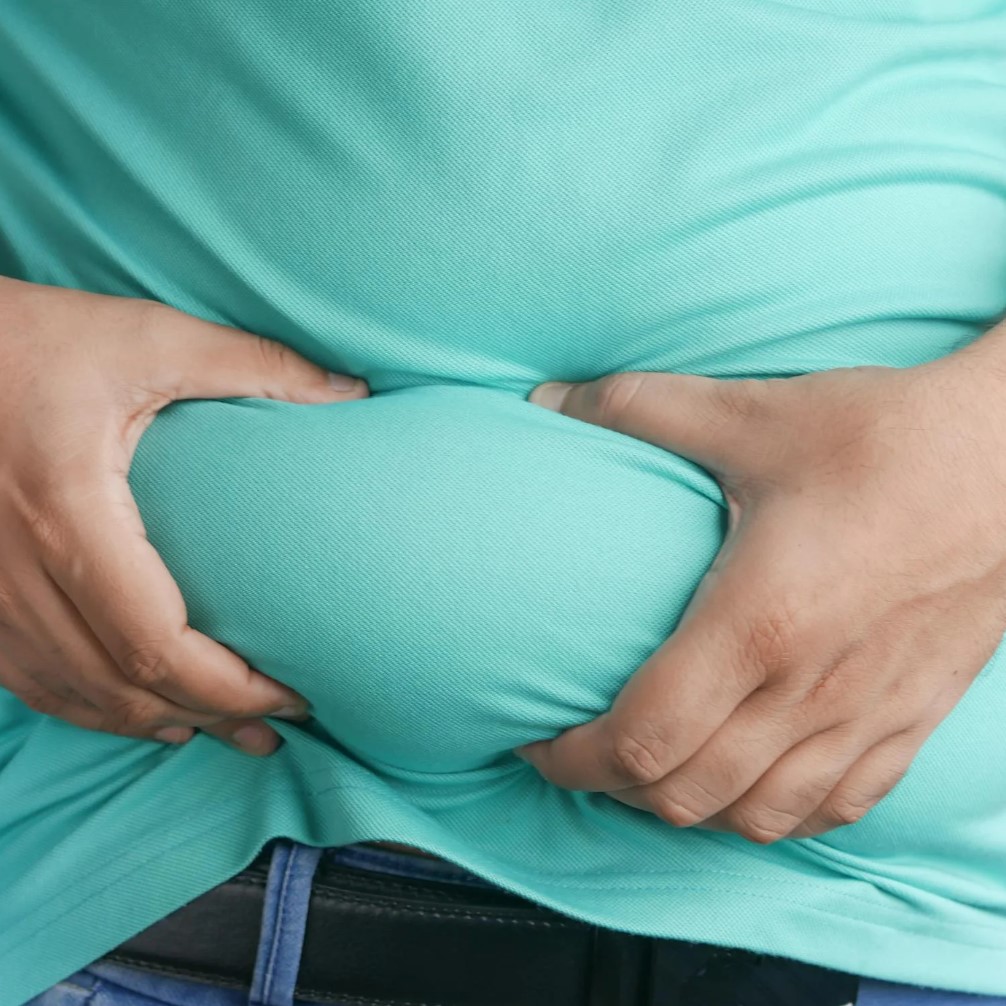
Inadequate sleep disrupts the balance of ghrelin and leptin, the hormones that regulate hunger and fullness. When sleep-deprived, people often feel hungrier and may eat more than necessary, leading to weight gain over time. Additionally, exhaustion can reduce motivation to exercise, compounding weight management issues. Research shows that people who sleep poorly tend to make poorer food choices, contributing further to weight gain. Adequate rest helps your body regulate hunger cues naturally.
You Crave Junk Food
After a night of poor sleep, you might find yourself reaching for high-calorie, high-fat foods. Studies show that sleep deprivation alters brain activity, making it harder to resist unhealthy snacks. This is partly due to impaired decision-making, as sleep-deprived individuals struggle to choose healthier options. Junk food cravings are one of the ways your body tries to boost energy quickly when you’re exhausted. Proper rest reduces these cravings, helping you make better food choices.

You Feel Moody
Irritability and mood swings are classic signs of sleep deprivation. When you’re running on little sleep, everyday annoyances feel bigger and harder to manage. Studies have shown that even minor sleep restrictions can lead to heightened feelings of anger, stress, and sadness. Quality sleep helps regulate emotions, promoting a more stable, positive outlook. Without it, emotional responses become exaggerated, making it harder to stay calm.
You Feel Depressed
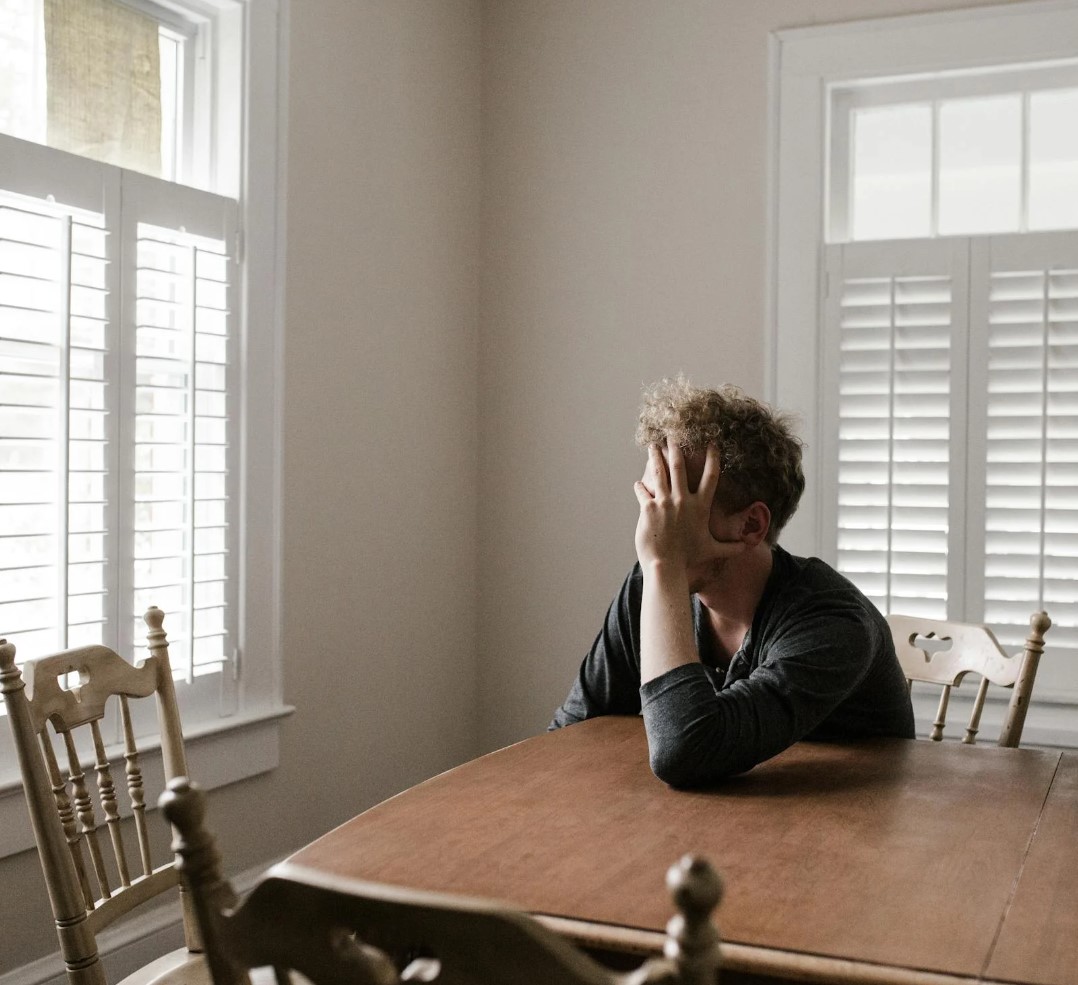
Poor sleep and depression are closely linked, often forming a vicious cycle where one worsens the other. Insufficient sleep disrupts the brain’s natural mood regulation, increasing the risk of depression. Over time, prolonged sleep issues can make people more susceptible to mental health challenges. Conversely, depression itself can disrupt sleep patterns, leading to a continuous cycle. Prioritizing rest is essential for maintaining a balanced emotional state.

Focus and Memory Feel Dim
When you lose sleep, cognitive functions like focus, memory, and concentration suffer. Even a slight reduction in sleep can cause mental fogginess and reduce productivity. Sleep is essential for memory consolidation, so without it, information is harder to retain. For tasks requiring attention, sleep deprivation leads to mistakes and oversights. Quality sleep sharpens cognitive skills, making tasks easier to manage.

Mornings Feel Crummy
Waking up feeling exhausted is a clear sign that you haven’t gotten enough restful sleep. Even after several hours in bed, poor-quality sleep can make mornings feel unbearable, leaving you groggy and unmotivated. This can impact your entire day, as low energy in the morning can lead to low productivity. A consistent sleep schedule can help improve your morning energy and mood, making the start of your day more manageable.

Immune System Weakens
Lack of sleep makes the immune system less effective, leaving you vulnerable to infections and illnesses. During sleep, your body produces cytokines, proteins that help combat infections and inflammation. When you’re not getting enough rest, the production of these proteins decreases, lowering your body’s defenses. Studies show that people who sleep poorly are more likely to catch colds and other illnesses. Prioritizing sleep strengthens immunity, helping you stay healthier.

You Struggle to Make Decisions
When you’re tired, making even simple decisions can feel overwhelming. Sleep deprivation affects the prefrontal cortex, the part of the brain responsible for decision-making and impulse control. This can lead to difficulty with choices, both big and small, as tiredness reduces mental clarity. Sleep allows the brain to recharge, enhancing its ability to weigh options effectively. With adequate rest, you’re better equipped to make sound decisions throughout the day.

Your Libido Decreases
A lack of sleep can lower your interest in intimacy and decrease libido. Fatigue reduces the production of sex hormones like testosterone, which plays a role in both men’s and women’s sexual health. Additionally, poor sleep can lead to stress and irritability, which may also impact your mood and drive. Quality rest is essential for maintaining hormone levels that support a healthy libido. Prioritizing sleep can have positive effects on both energy and intimacy levels.

You Chug Caffeine
Relying heavily on caffeine to stay awake is a common sign of sleep deprivation. While caffeine can temporarily boost alertness, excessive intake can lead to a cycle of poor sleep, as it can disrupt sleep patterns if consumed too late in the day. In the long run, high caffeine consumption can increase feelings of anxiety and worsen insomnia. Moderating caffeine intake and improving sleep habits can help break this cycle and reduce dependence on stimulants.

You Have Frequent Headaches
Sleep deprivation is a major trigger for tension and migraine headaches. When you don’t get enough rest, blood flow to the brain and neck muscles can become restricted, leading to pain. Sleep helps to reset the nervous system, so without it, the body becomes more sensitive to pain. Chronic sleep issues can exacerbate headache frequency and severity. Adequate sleep can help reduce both tension headaches and migraines.
You’re Constantly Thirsty
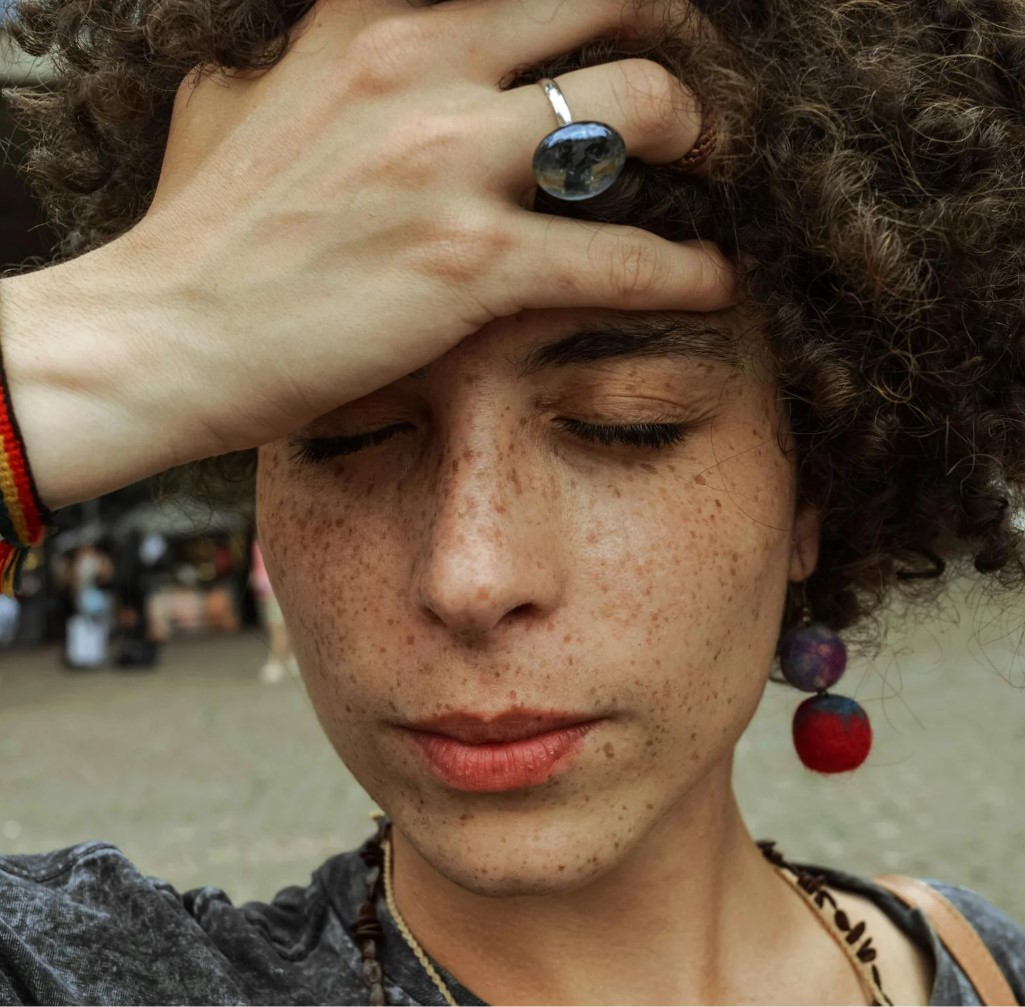
Poor sleep can interfere with the body’s regulation of hydration, often leading to increased thirst. When you’re tired, you may produce more of the hormone vasopressin, which can cause your body to retain water, creating imbalances. Additionally, exhaustion can reduce your awareness of hydration needs, causing you to overlook drinking water regularly. A regular sleep routine can help the body maintain proper fluid balance, reducing unnecessary thirst.
You Get Muscle Aches
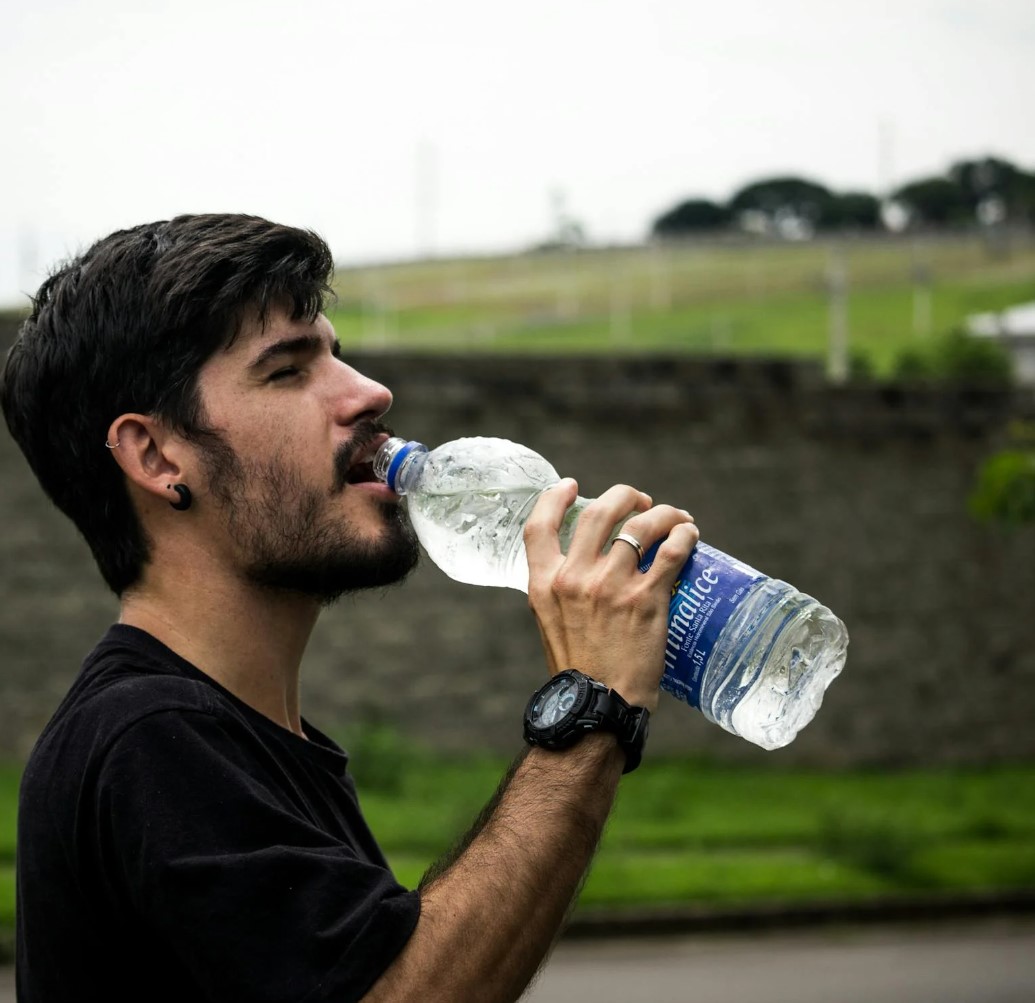
When you’re sleep-deprived, your muscles don’t get enough time to recover, which can lead to aches and soreness. Rest is essential for muscle repair and growth, especially after physical activity. Without it, the body’s ability to repair tiny tears in muscle fibers is compromised, leading to more frequent soreness. Quality sleep allows your muscles to recover fully, making you feel physically stronger and less prone to aches.

You Experience Eye Twitching
If you’ve noticed your eyes twitching frequently, lack of sleep might be the culprit. Sleep deprivation stresses the nervous system, leading to involuntary muscle contractions around the eyes. Eye twitches are usually harmless but can be annoying, especially if they happen frequently. By getting enough rest, you give your body and nervous system the chance to reset, reducing the likelihood of twitches and spasms.
You Have Digestive Issues
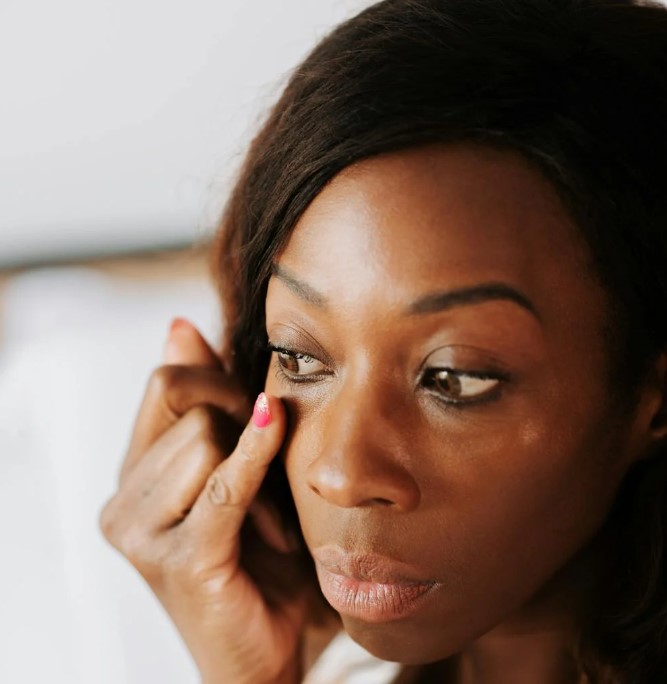
Poor sleep can interfere with digestion, leading to issues like bloating, gas, or constipation. Sleep helps regulate hormones involved in digestion, so when you’re not well-rested, these processes can slow down. Additionally, sleep deprivation can increase stress levels, which negatively impact gut health. Maintaining a regular sleep schedule helps support a balanced digestive system and can ease stomach discomfort.

You Get Night Sweats
If you wake up drenched in sweat, it could be a sign of poor-quality sleep. Sleep deprivation can disrupt your body’s temperature regulation, leading to night sweats. Hormonal imbalances caused by lack of sleep can also cause body temperature to fluctuate at night. By improving sleep quality, you give your body the chance to regulate temperature effectively, leading to a more comfortable night’s rest.
You’re Sensitive to Light
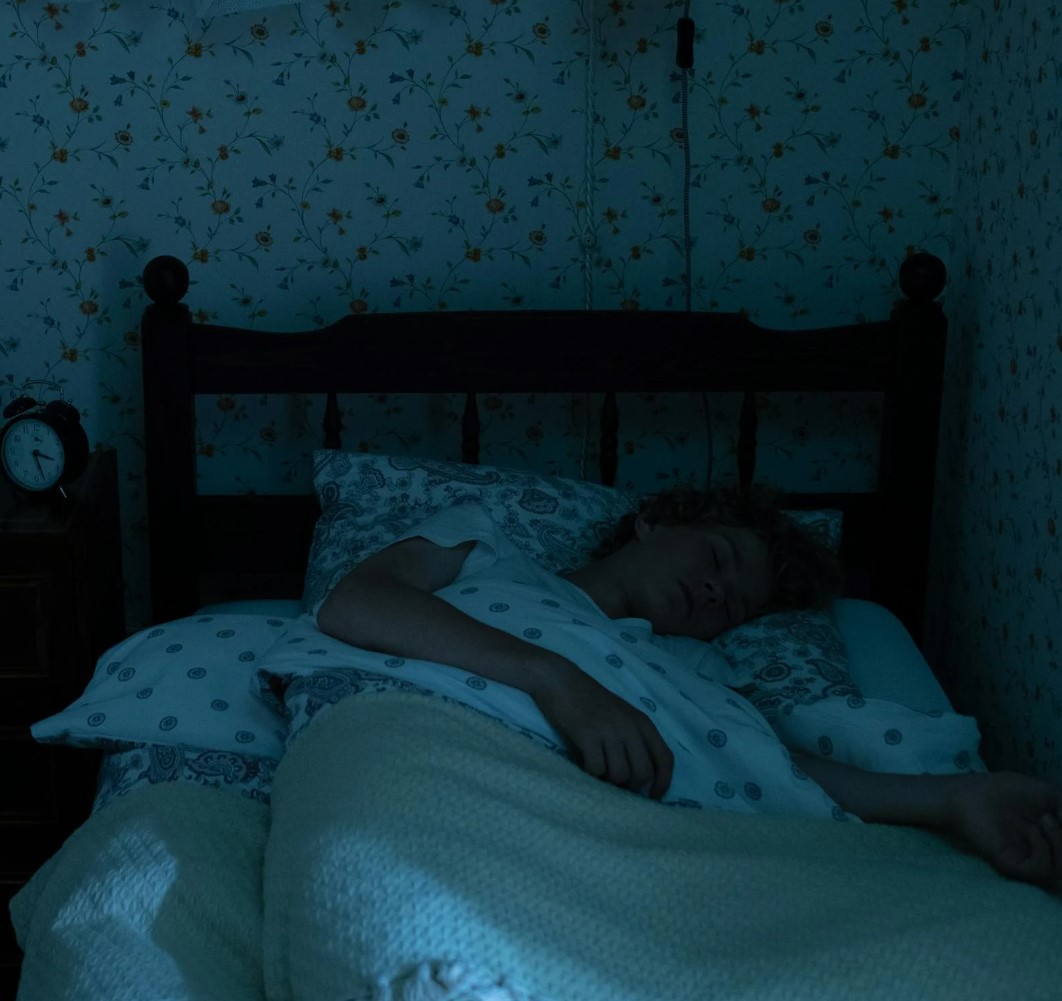
When you’re running on little sleep, you may find yourself more sensitive to bright lights. Sleep deprivation can make your eyes and brain more sensitive, causing discomfort or headaches in response to light. This heightened sensitivity can make daytime activities less enjoyable and even painful. Restoring your sleep pattern can help your body return to its normal tolerance for light exposure.
Your Patience Runs Thin
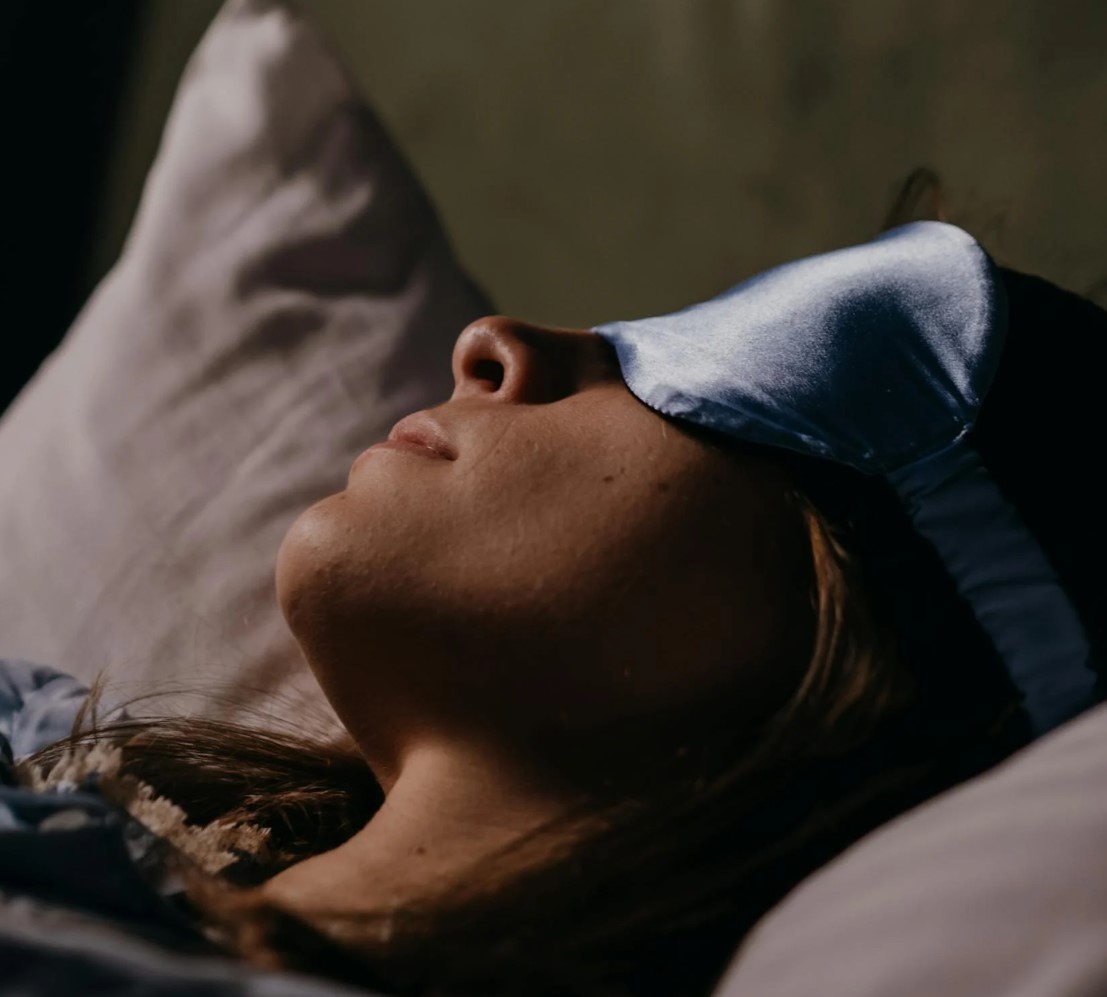
When you’re sleep-deprived, even small frustrations can feel overwhelming, leading to irritability and a shorter temper. Lack of sleep affects the brain’s ability to regulate emotions, making it harder to cope with stress. This can lead to outbursts or increased impatience in situations that might normally not bother you. Adequate sleep helps maintain emotional balance, making it easier to handle everyday stressors calmly.

You Have Decreased Creativity
Sleep deprivation hampers creativity by limiting the brain’s ability to make new connections and think outside the box. During deep sleep, your mind processes information and integrates new ideas, which enhances problem-solving and innovative thinking. Without sufficient rest, the brain struggles to access these higher-level thinking skills. Getting enough sleep helps unlock creativity by giving your mind time to recharge and reset.

Your Appetite is Unpredictable
If you find yourself fluctuating between extreme hunger and lack of appetite, sleep deprivation may be to blame. Poor sleep disrupts hunger-regulating hormones, leading to unpredictable eating patterns. You may feel ravenous at odd hours or, conversely, have little appetite during meals. By maintaining a consistent sleep schedule, you help your body regulate hunger cues more naturally

You Have Lowered Pain Tolerance
When you’re short on sleep, your body’s ability to handle pain diminishes. Studies show that people who are sleep-deprived experience heightened pain sensitivity and discomfort. Sleep allows the body to produce endorphins, which help manage pain levels naturally. A good night’s rest can make a noticeable difference in how you tolerate everyday aches and pains.
Your Skin Looks Dull
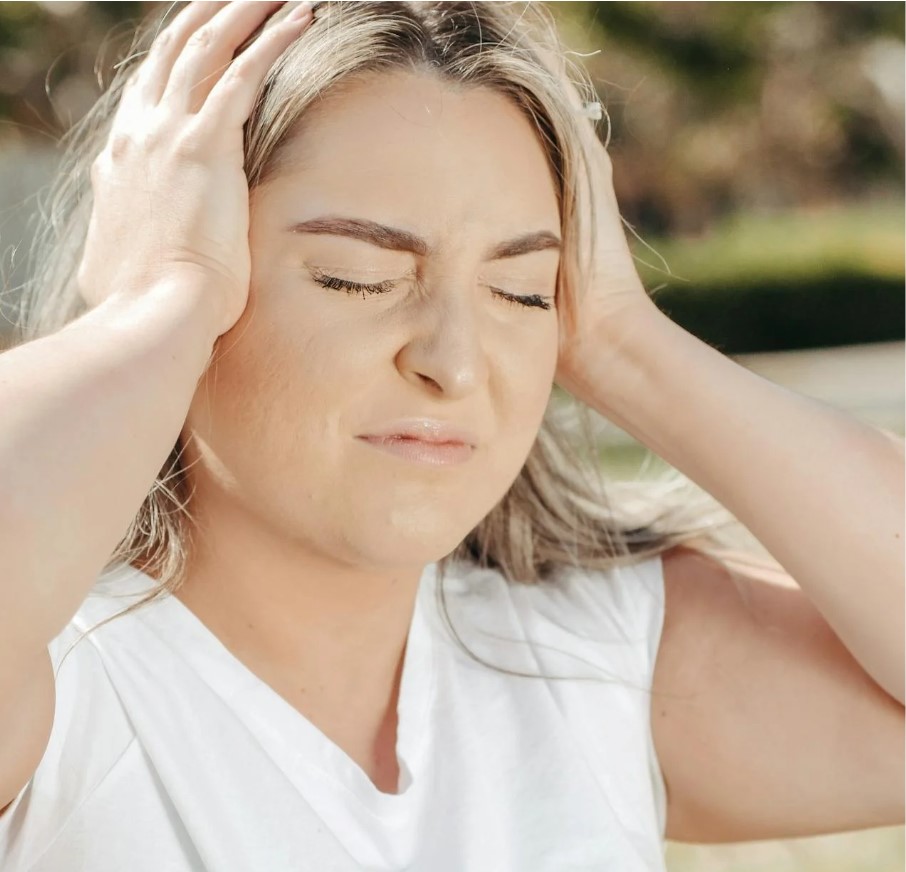
Sleep deprivation can affect your skin’s natural glow, leaving it looking dull and lifeless. During sleep, the body repairs damaged skin cells and produces collagen, which keeps skin firm and radiant. Without enough rest, skin can become pale and lose its elasticity, making signs of aging more noticeable. Quality sleep is one of the best ways to maintain a youthful, glowing complexion.

You Feel Tired After Exercising
Exercising when you’re sleep-deprived can feel much harder, as your body lacks the energy and resilience to perform at its best. During sleep, muscles recover and rebuild, which is essential for strength and endurance. Without enough rest, physical performance suffers, and even light exercise can feel exhausting. Prioritizing sleep can improve stamina and make exercise feel more rewarding.

You’re Short of Breath
Sleep deprivation can affect your breathing, making you feel short of breath or fatigued even without physical exertion. Lack of sleep puts extra strain on the cardiovascular and respiratory systems, making it harder for your body to oxygenate efficiently. This can lead to feelings of breathlessness and general fatigue. Getting adequate rest supports proper lung function and helps you breathe easier.

You Zone Out Often
If you find yourself zoning out or losing track of conversations, it could be due to a lack of sleep. When you’re sleep-deprived, your brain struggles to stay focused, and attention drifts easily. This can lead to missed details and reduced productivity, especially in situations that require concentration. Quality sleep improves mental alertness, making it easier to stay present and engaged.

You’re More Easily Startled
When you haven’t had enough sleep, your nervous system becomes more sensitive, making you more likely to be startled by loud noises or sudden movements. This heightened response is a result of your brain’s decreased ability to process sensory input calmly. Sleep helps stabilize your nervous system, allowing you to handle unexpected stimuli more comfortably. Adequate rest reduces overreactivity to sensory stimuli.
You Avoid Social Situations
Sleep deprivation can make social interactions feel exhausting, causing you to avoid them more frequently. When you’re tired, engaging in conversation and keeping up with others can feel overwhelming. Additionally, lack of sleep can lead to social anxiety and irritability, making interactions less enjoyable. A good night’s sleep can improve your social mood and make interactions feel more effortless.

You Feel “Off” Without Knowing Why
When you’re sleep-deprived, it’s common to feel generally unwell or “off” without any specific cause. This feeling of malaise can affect your mood, energy, and overall outlook on the day. Sleep is essential for mental and physical equilibrium, and without it, the body can’t reset properly. Regular, quality sleep helps you feel centered, balanced, and ready to take on daily challenges.

Your Muscles Feel Weak
If your muscles feel weak or shaky, poor sleep could be a contributing factor. During sleep, muscles repair and build strength, so a lack of rest can leave them feeling fatigued. This weakness can make even simple tasks feel strenuous and impact physical activities. A consistent sleep routine is vital for muscle recovery and to maintain strength.

You Have Trouble Regulating Body Temperature
Sleep deprivation can disrupt your body’s ability to regulate its temperature, making you feel either too hot or too cold at unusual times. This is because sleep influences your body’s circadian rhythm, which plays a key role in temperature regulation. When sleep-deprived, your internal thermostat is thrown off balance, leading to discomfort. Getting enough rest allows your body to maintain a stable temperature throughout the day.

You Overreact Emotionally
When you’re low on sleep, emotions can feel more intense and harder to control. Sleep deprivation affects the brain’s emotional regulation, making minor inconveniences or stresses feel overwhelming. Studies show that sleep helps modulate responses to emotional stimuli, so without it, people often experience heightened reactions. Quality sleep is essential for managing emotions effectively and maintaining composure.

You Experience Unusual Food Cravings
Sleep deprivation often leads to unusual or intense food cravings, particularly for sugary or high-fat foods. When you’re tired, your body looks for quick sources of energy, leading to cravings for comfort foods. This can disrupt a balanced diet and may contribute to unwanted weight gain. Restful sleep helps regulate appetite and reduces the likelihood of intense cravings.

You Have Trouble Solving Problems
If you’re finding it difficult to solve problems or think critically, lack of sleep could be to blame. Sleep is essential for cognitive functions like decision-making, problem-solving, and logical reasoning. When you don’t get enough rest, your brain struggles to analyze information and find solutions. By prioritizing sleep, you enhance your ability to think clearly and solve problems effectively.

You’re Forgetful About Small Details
Sleep is crucial for memory consolidation, so when you’re sleep-deprived, remembering small details becomes more challenging. Even a minor sleep deficit can impact your ability to recall names, dates, or tasks. Without enough rest, your brain doesn’t have the chance to solidify memories, leading to frequent forgetfulness. Adequate sleep is key for retaining information and staying organized.

You Rely on Sugar for Energy
When you’re tired, it’s common to reach for sugary snacks as a quick energy boost. However, this habit can create a cycle of energy crashes and further fatigue. Sleep helps regulate blood sugar and energy levels, so without it, the body seeks quick fixes like sugar. A good night’s sleep helps reduce the urge for sugary snacks and supports stable energy throughout the day.

You Feel Less Motivated
A lack of sleep can leave you feeling unmotivated or uninterested in activities you usually enjoy. Fatigue reduces dopamine production, which plays a key role in motivation and pleasure. This can make it hard to get excited about work, hobbies, or socializing. By getting adequate sleep, you restore your body’s natural drive and increase your enthusiasm for daily life.

You Get Frequent Colds
Sleep deprivation weakens the immune system, making it easier for viruses like the common cold to take hold. Without enough rest, your body’s production of infection-fighting cells decreases, leaving you vulnerable to illness. Studies have shown that people who sleep less are more likely to catch colds than those who get adequate rest. Consistent sleep strengthens your immune response, helping you stay healthier.

Please SHARE this with your friends and family.


