


Want to reach 100 years old? There are some signs that show you’re on the right track. Healthy habits, strong friendships, and a positive attitude can all contribute to a long life. Here are the key signs that you’re adding both years and joy to your life.
You’re female

It has been known for some time that women generally live longer than men, although the reasons for this discrepancy remain a topic of discussion. This difference is likely due to a mix of biological factors, such as hormone levels, and various social influences. Men often engage in riskier behaviors, which may contribute to their shorter life expectancy compared to women.
Eating East African and Asian cuisine
Turmeric, an ingredient with a history spanning 4,000 years, has long been a staple of health in various cultures. A study has found that curcumin, a powerful antioxidant found in turmeric, is associated with increased longevity in animals. While conclusive evidence in humans is still pending, its benefits are hard to ignore. Diet plays a significant role in determining lifespan, and turmeric is definitely a worthwhile addition.

Source:
Marta Branco via Pexels
You like coffee
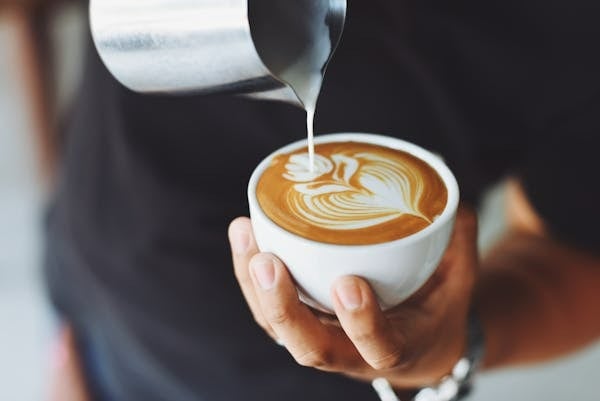
According to a 2015 Harvard study, moderate coffee consumption may reduce the risk of premature death. Drinking three to five cups a day is linked to lower chances of dying from cardiovascular and neurological diseases, likely due to the antioxidants in coffee that help reduce inflammation and insulin resistance. However, these benefits apply only to black coffee—not to sugary drinks like a double chocolate mocha frappuccino with whipped cream.
Source:
Chevanon Photography via Pexels
Having a life-long partner
A 2013 study from Duke University involving 5,000 participants revealed that individuals who never married were nearly twice as likely to die prematurely compared to those in stable marriages. Even when accounting for other factors, having a loving and supportive partner significantly improves health outcomes. Since happiness and stress levels greatly influence health, being in a loving relationship can be beneficial for your well-being.

Source:
Pixabay via Pexels
Eating whole-grain foods
A healthy diet is crucial for improving overall health and increasing lifespan. Whole grains are especially beneficial because they contain essential nutrients like polyphenols, which can lower the risk of death from cancer, diabetes, respiratory diseases, and cardiovascular diseases. Additionally, a 2013 study found that adults with higher levels of polyphenols in their urine had a 30% lower mortality rate compared to those with lower levels.

Source:
marianna ole via pexels
Eating seafood regularly
Incorporating fish and other seafood into your diet can significantly influence your lifespan. These foods are high in omega-3 fatty acids, which provide numerous health benefits. Increased levels of omega-3 can lower the risk of dying from heart-related conditions by up to 35% and reduce overall mortality risk by 27%. Additionally, seafood is a good source of iron and zinc, both essential for healthy circulation.

Source:
chait goli via pexels
Being a social person
An analysis of 148 studies with nearly 310,000 participants found that individuals with strong social connections have a 50% higher chance of survival compared to those who experience social isolation. This finding remained consistent across various factors, including age, sex, cause of death, and initial health status. In fact, social isolation was shown to have a mortality impact comparable to other major risk factors, such as smoking and alcoholism.

Source:
Vlada Karpovich via Pexels
Having an animal companion
Many studies have demonstrated that owning a pet offers numerous benefits, including increased happiness and reduced feelings of loneliness. Active pets, particularly dogs, can significantly enhance a person’s well-being. For instance, owning a dog encourages regular physical activity, which promotes cardiovascular health. When combined with the psychological benefits of having a furry companion, these factors may contribute to a lower risk of long-term mortality.

Source:
kat smith via pexels
You don’t smoke
Non-smokers generally live about 10 years longer than regular smokers. While the life expectancy gap narrows with heavier smoking, quitting can still greatly extend your lifespan. For example, quitting before age 40 can reduce the risk of death from smoking-related diseases by nearly 90%. It’s also important to note that vaping or using e-cigarettes is not a safer alternative, as they are equally harmful.

Source:
Basil MK via Pexels
You read often
If you enjoy curling up with a good book (or e-reader) by the fire instead of watching TV, you might be boosting your life expectancy. A study by the National Library of Medicine found that, on average, avid readers live 23 months longer than those who primarily watch TV or read newspapers and magazines. That’s enough time to read about 1/19th of *The Lord of the Rings*!

Source:
pixabay via pexels
Having a healthy body weight
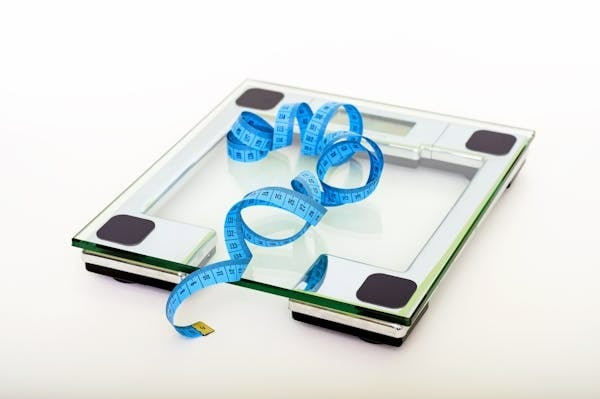
Maintaining a healthy weight is essential for a fulfilling life. Experts define a healthy BMI (Body Mass Index) as a score between 18.5 and 24.9. A higher BMI can increase the risk of cardiovascular problems and diabetes, while being underweight can also be harmful, putting strain on organ function. However, simple height and weight calculations may not provide an accurate BMI assessment. Consulting healthcare professionals can offer personalized guidance based on your unique body composition.
Source:
Pixabay via Pexels
You eat breakfast
Breakfast isn’t necessarily more important than other meals, and many common breakfast foods can be unhealthy. However, individuals who regularly eat breakfast often share several traits linked to longevity, such as good time management, financial stability, and a positive living situation. A satisfying breakfast can also help prevent unhealthy snacking between meals, contributing to better overall health.

Source:
julian jagtenberg via pexels
Regular check-ups
As we age, both our bodies and minds become more vulnerable, making it crucial to regularly assess your health and schedule check-ups. If you aim to live to 100, it’s essential to maintain your health and avoid losing major organs before reaching the halfway point, as this can complicate the later years. Don’t let embarrassment prevent you from attending important doctor’s appointments.

Source:
cottonbro studio via pexels
Having a family
You might expect that the stress of raising children could shorten a parent’s lifespan, but research from Sweden indicates the opposite. For individuals over 80, having children can significantly enhance life expectancy due to social and mental factors, including being part of a strong support network.

Source:
harrison haines via pexels
Sleeping like a baby
Those who enjoy a consistent sleep schedule will be pleased to know that their nightly routines may boost their longevity. A study from Harvard found that both insufficient and excessive sleep can significantly reduce life expectancy. While the intricacies of sleep are complex and not completely understood, it’s clear that maintaining a healthy, regular sleep routine is beneficial for your well-being.

Source:
emma filer via pexels
You hate sitting still
A sedentary lifestyle is one of the primary contributors to conditions like heart disease and diabetes, independent of how much exercise you get. Prolonged sitting for more than three hours a day can reduce your lifespan by a year. If you have an office job, make it a habit to stand up and stretch at least once an hour to help counteract the effects of sitting.

Source:
Andrea Piacquadio via Pexels
You floss
While it may sound cliché to say it’s “endorsed by nine out of ten dentists,” there is truth to the claim that flossing helps prevent gum disease—especially when combined with regular brushing. Gum disease has been linked to serious health issues, including kidney and heart disease, and daily flossing can reduce your risk of developing these conditions by up to 30%. Additionally, dental care can be quite costly in the U.S. without insurance, so taking care of your oral hygiene can help reduce that financial stress.

Source:
sora shimazaki via pexels
Drinking in moderation
While excessive alcohol consumption has clear and dangerous consequences, you don’t need to completely abstain to live a long life. An analysis of over 100 studies found no significant differences in longevity between moderate drinkers and those who abstain entirely. However, drinking in excess is certainly detrimental to your health in the long run.

Source:
helena lopes via pexels
Knowing your family history
A significant portion of our potential life expectancy is established even before we are born. Some hereditary conditions may become evident during development, while others can remain hidden in recessive genes. Understanding your family history can help you avoid unpleasant surprises later on, as an ounce of prevention is worth a pound of cure. Be sure to discuss health issues with your family to stay informed.

Source:
rdne stock project via pexels
You’re financially secure
Health and wealth are interconnected in several unfortunate ways. While having money provides access to better healthcare, the advantages go beyond that. Wealth allows you to buy fresh, unprocessed ingredients, live in areas free from industrial pollution, and save for emergencies—all of which contribute to a longer life. Although money may not guarantee happiness, it can certainly facilitate a healthier lifestyle.

Source:
Redrec via Pexels
You don’t overeat
It’s becoming increasingly evident that refined and processed foods impact our metabolism through our gut microbiome. While research is ongoing, we already know that excessive calorie consumption is associated with poorer health outcomes. The problem lies not only in the calorie-dense foods themselves but also in the quantity consumed. Typically, these calorie-dense foods are high in fat, sugar, and salt.

Source:
helena lopes via pexels
Eating nuts
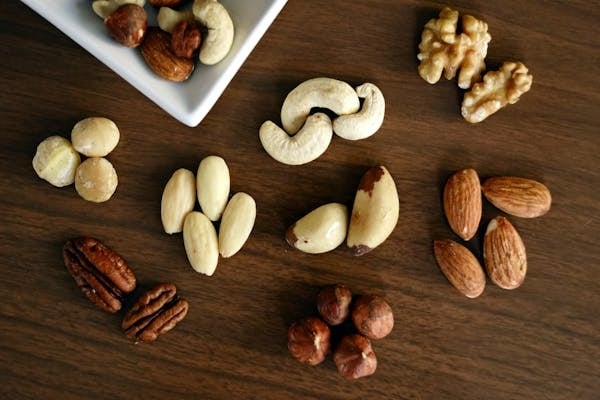
We spent centuries feeding these foods to birds, and now they come with a hefty price tag—well done, everyone! Birds enjoy them for a reason: they are packed with essential nutrients needed for life. These foods provide proteins, fibers, minerals, salts, and sugars, making them a complete dietary package linked to a 39% reduction in the risk of premature death. Additionally, their fiber content can help lower high cholesterol levels.
Source:
Marta Branco via Pexels
Eating plenty of ginger
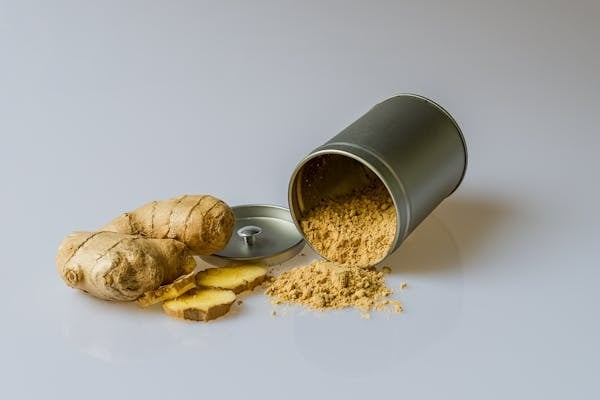
Ginger has been used as a remedy for various ailments since around 3000 BC, although its exact origin is unknown. It doesn’t grow naturally, suggesting it was cross-bred at some point, resulting in over 115 bioactive compounds. Many of these have already been discussed, but ginger presents them all in a delicious, warming form. Additionally, ginger is known for its ability to combat inflammation in the body.
Source:
pixabay via pexels
You practice yoga
People often criticize yoga, but it has been practiced for thousands of years and can easily be done at home while watching TV. Its popularity endures for a reason. In addition to improving key indicators of longevity like leg strength and walking speed, yoga emphasizes mindfulness and reflection—both crucial for a long and happy life.

Source:
elina fairytale via pexels
Playing a musical instrument
Any task or hobby that demands hand-eye coordination helps keep your brain agile and engaged as you age, and music is one of the most culturally significant forces in our lives. It promotes personal growth, fosters social connections, and exposes you to a shared language with endless complexities to explore, enriching your daily experience. Staying mentally engaged through activities like music can lower your risk of brain-related diseases, such as dementia and Alzheimer’s.

Source:
Juan Pablo Serrano via Pexels
You get plenty of time outside
Spending time in nature is beneficial for your mental well-being, and vitamin D is crucial for longevity. While you can obtain vitamin D from various fruits and supplements—especially if you don’t get much sunshine—being outdoors is a fantastic way to boost your vitamin D levels. Adequate vitamin D is associated with a 26% improvement in health outcomes.

Source:
oleksandr p via pexels
You swim
You’ve likely heard swimmers touting the health benefits of their sport, and it turns out they may have a valid point. Swimmers tend to live longer than many others, even among top athletes. Swimming provides a full-body cardio workout, engaging muscles you might not even realize you have, which can contribute to a longer lifespan—though it does come with the downside of possibly ingesting other people’s urine.

Source:
Mali Maeder via Pexels
You don’t drive as much
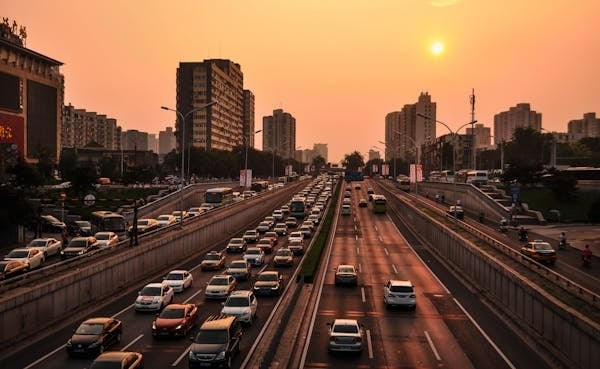
While driving is convenient and often necessary, it also involves several factors that aren’t great for your health, all within a confined space. Stress, prolonged sitting, and exposure to pollution during even the safest car trips can accumulate and reduce life expectancy over time. In contrast, people who don’t rely on cars for transportation tend to walk more by default, promoting better overall health.
Source:
Furkanvari via Pexels
You’re secure with sexuality
As a physically and, at its best, emotionally strenuous and satisfying experience, sex offers several well-known short-term benefits. A 2022 study found that simply believing sex is an important aspect of human health positively impacts longevity, particularly for those who actively engage in their sexuality. Additionally, struggling with one’s identity can harm mental health, which in turn can negatively affect physical health.

Source:
cottonbro studio via pexels
You dabble in vegetarianism
You don’t need to eliminate meat entirely; the key takeaway from this list is that moderation is more important than any single factor. A study involving nearly 100,000 Seventh-Day Adventists, who promote vegetarianism, found that women on this diet lived seven years longer than their counterparts, while men lived ten years longer. The more vegetables you can incorporate into your diet, the better!

Source:
valeria boltneva via pexels
You take skincare seriously
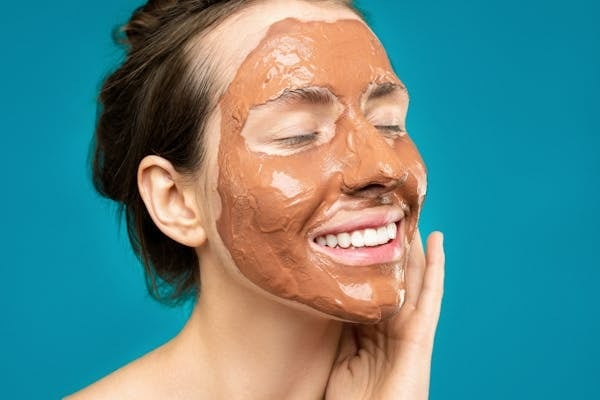
Our skin serves as a protective barrier, much like a winter coat that needs to last a lifetime, but its internal structure can be fragile. While it’s important to care for what’s beneath the skin, remember that it’s exposed to the elements 24/7. Factors like heat, humidity, frost, dust, debris, UV light, and free radicals can all contribute to conditions that affect your life expectancy. So, don’t forget to wear your sunscreen!
Source:
shiny diamond via pexels
Drinking plenty of water
This should be the top priority: drink more water. Hydration is essential for life and vital for your body’s functions. While life expectancy is severely limited without water, staying adequately hydrated in later years is associated with a lower risk of numerous health conditions. Ultimately, staying hydrated supports the proper functioning of your skin and organs.

Source:
Fernanda Latronico via Pexels
You spend your time learning
There are many observed connections between high intelligence scores (IQ) and longer life expectancy, but equating intelligence solely with IQ test results can be misleading. The same conditions that foster high scores often contribute to increased life expectancy, as having the freedom to pursue knowledge enhances life quality. Keeping your brain engaged in learning is one of the best ways to maintain its health.

Source:
lisa fotios via pexels
Using social media
Just as real-world social interactions are linked to better health outcomes, our online social lives can offer similar benefits. However, it’s important that your online activity complements, rather than replaces, your offline social connections or becomes something you overly rely on. Social media can also be a valuable tool for staying informed about current events and continuing your education.

Source:
Kerde Severin via Pexels
You play golf
Golf is another example where the activity itself isn’t necessarily the main cause of its positive outcomes. While it’s not an intense cardio workout, golf can be great for mental health. However, if you have the money and access to play, you’re likely already on track for a long and happy life. Just be careful not to over-backspin a shot into a hornet’s nest!

Source:
markus spiske via pexels
You’re a shepherd
Or at least consider them a worthy role model—either approach works. Some of the highest life expectancies are found on islands like Sardinia, Italy. Here, semi-isolated sheep herders, who live a lifestyle full of manual labor and fresh, vegetarian-based diets, often surpass 100 years of age. But don’t go adopting sheep in the hope of eternal life—it’s not quite that simple!

Source:
Gül Isik via Pexels
You like beans and pulses
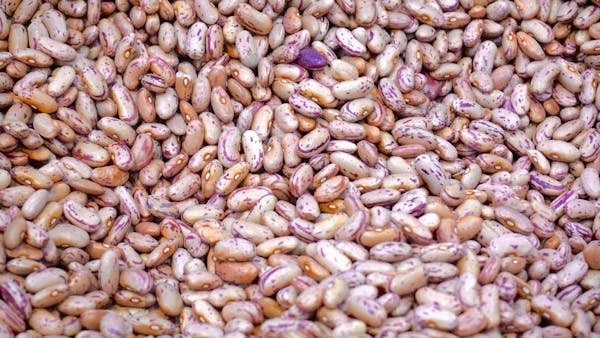
In most raw forms and even some processed ones, these foods can sustain you through almost anything. Most people likely aren’t consuming the right kinds or amounts of fiber, as it’s often overlooked in favor of proteins or starches. Communities with diets centered around fresh fruits and pulses tend to enjoy much longer lifespans. The Mediterranean diet, which emphasizes these elements, is widely regarded as the healthiest in the world.
Source:
digital buggu via pexels
Having light naps
While too much sleep is generally linked to reduced longevity, many of us likely aren’t getting enough due to modern lifestyles. Siestas, or midday naps, are common in many cultures, and studies suggest they provide health benefits for those who listen to their body’s signals and nap when needed. If you’re regularly getting less than eight hours of sleep at night, incorporating a short nap could help balance your rest and improve overall well-being.

Source:
meruyert gonullu via pexels
You’re short
With all the buzz around Napoleon again, it’s worth noting that shorter people, like the famed leader, actually tend to live longer on average than their taller counterparts. Studies suggest that shorter individuals may enjoy a couple of extra years, possibly because their hearts don’t need to work as hard to circulate blood over longer distances. So, perhaps Napoleon didn’t need to feel so insecure after all—his height could have been a longevity advantage!

Source:
Jinto Mathew via Pexels
You don’t work in the oil industry
Occupations in the oil extraction and refinery industries are among the most dangerous in the world, with high fatality rates plaguing both primary and secondary production sectors. But it’s not just those industries—jobs like pizza delivery driving also come with their own set of risks. Construction divers, with their perilous work environments, earn hefty salaries for good reason. So if you’re aiming to make it to 100, perhaps a lottery win might be your safest bet!

Source:
Jan-Rune Smenes Reite via pexels
Please SHARE this with your friends and family.


