


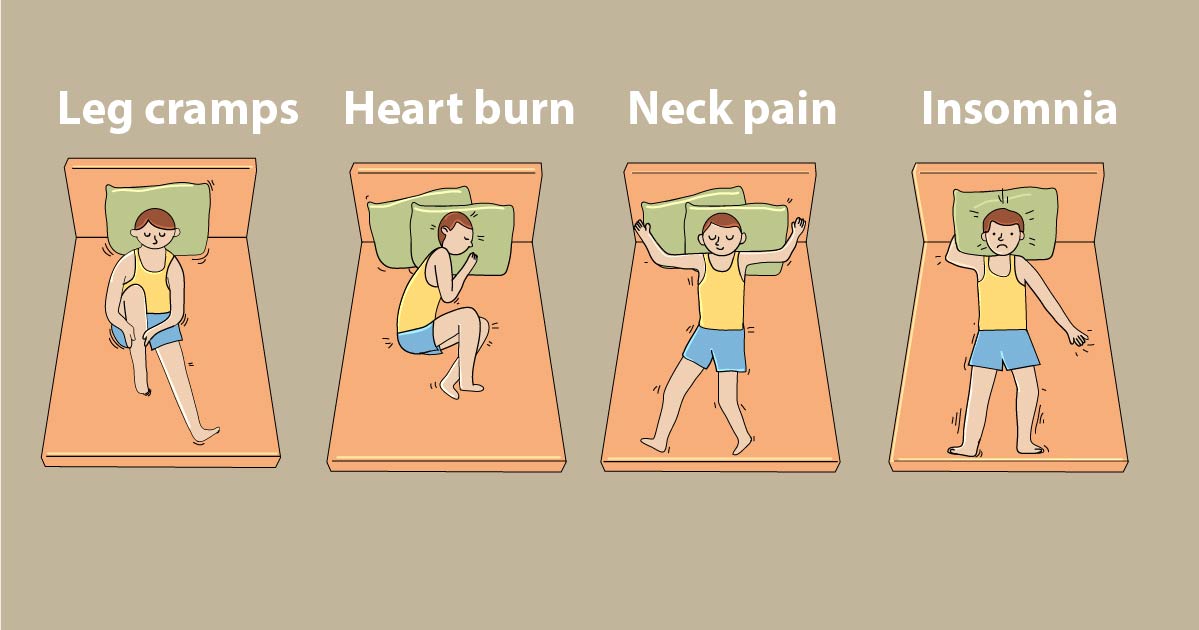
Back pain. Neck pain. Tossing and turning. Snoring. Leg cramps. Everyone has their own unique set of sleep issues that keep themselves – and their partner, if they have one – up all night long. For many people, sleeping is EXHAUSTING!
Fortunately, sleep scientists (yes, there’s such a thing!) have discovered ways to cure all of your sleepless nights. By following these recommendations, you may be able to fix all of your frustrating sleep troubles for good!
Neck / Shoulder Pain & Waking Up With Headaches
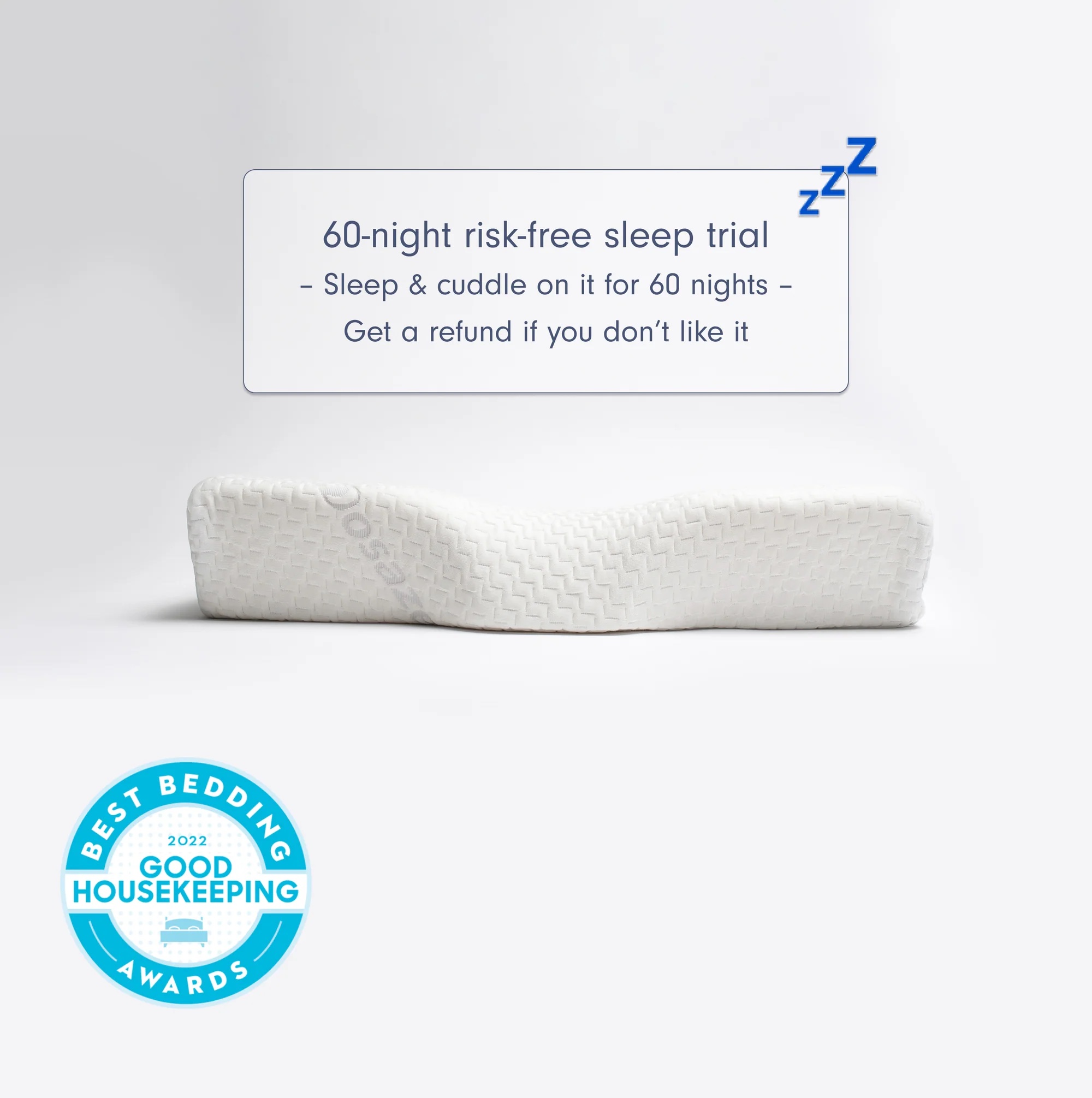
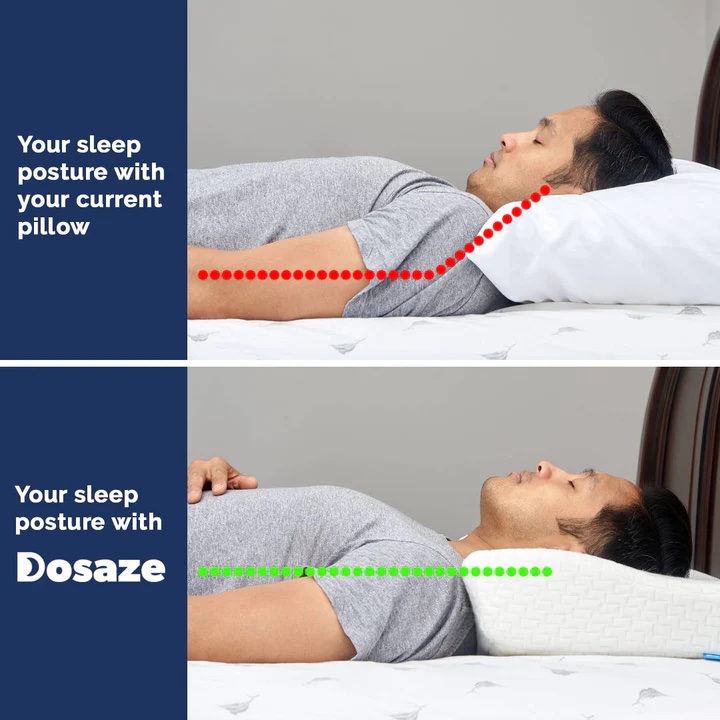
If you suffer from neck pain, your neck needs better support and alignment while you sleep. This pain can potentially cause you to wake up with tension headaches. Consider using the Dosaze Contoured Orthopedic Pillow – it keeps your neck and spine aligned with an innovative contour.
This drastically reduces the neck pain you’ll experience and reduces the chance you’ll wake up with a headache. You can give it a try for 60 nights, and if it doesn’t help you, can return it for a full refund.
Back Pain
If you wake up with a stiff or sore back, it’s extremely important that you maintain the normal curves of your spine. You can do this by doing the following:
Get a new mattress. An overly soft mattress is bad for people with bad backs. If your mattress is soft, look into getting a firmer one.
Sleep on your back. Individuals with back pain sleep best on their backs and with a pillow under their knees. The pillow helps to restore the natural curve of the spine as well as to reduce tension in the tendons. If you need additional support, place a small rolled towel under your lower back.
Like sleeping on your stomach? There’s a position for you too! Place a pillow under your lower abdomen and pelvis so that the small of your back is not inclined to bend forward.
Or maybe you’re a side sleeper? Sleep in the fetal position by drawing your legs up towards your chest and keeping your spine naturally arched. Place a small pillow between your knees to take tension off your lower back.
Acid Reflux / GERD
If you suffer from Acid Reflux / GERD, you want to elevate your head above your chest and sleep on an incline. A Wedge Pillow is a great option to do this.
You Can’t Wake Up
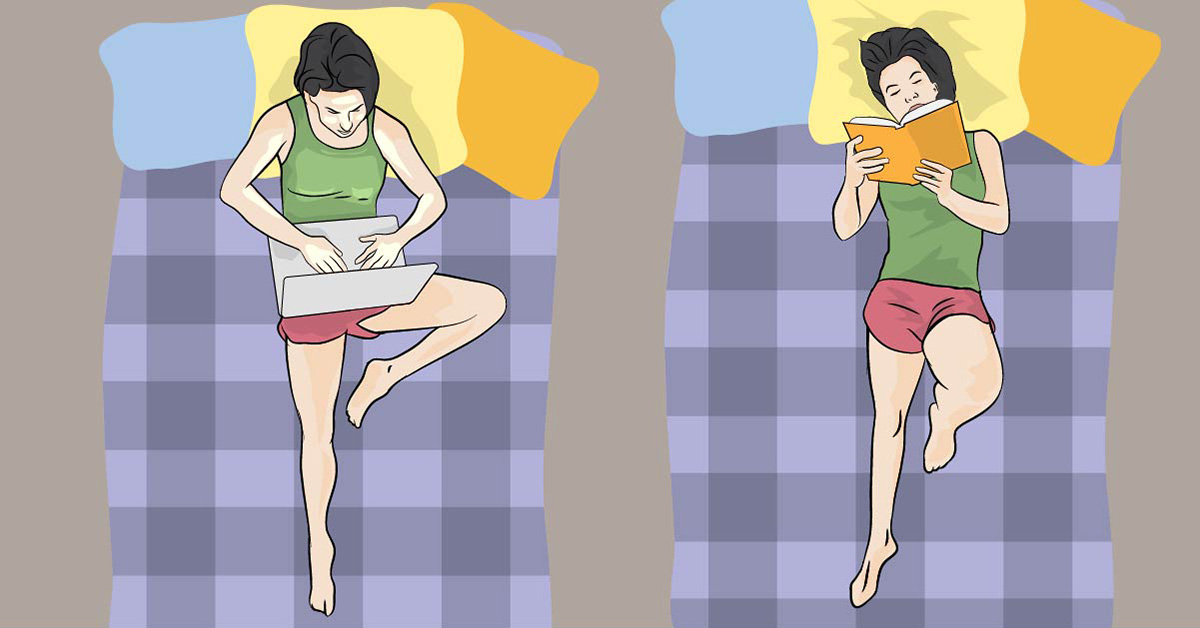
Can’t wake up? Easy. Go to bed at the same early time each night, then set your alarm for the same time every morning (even on weekends). After a couple of week’s of doing this, your body’s internal alarm clock will start pushing you out of bed before your actual alarm even starts to go off.
Snoring
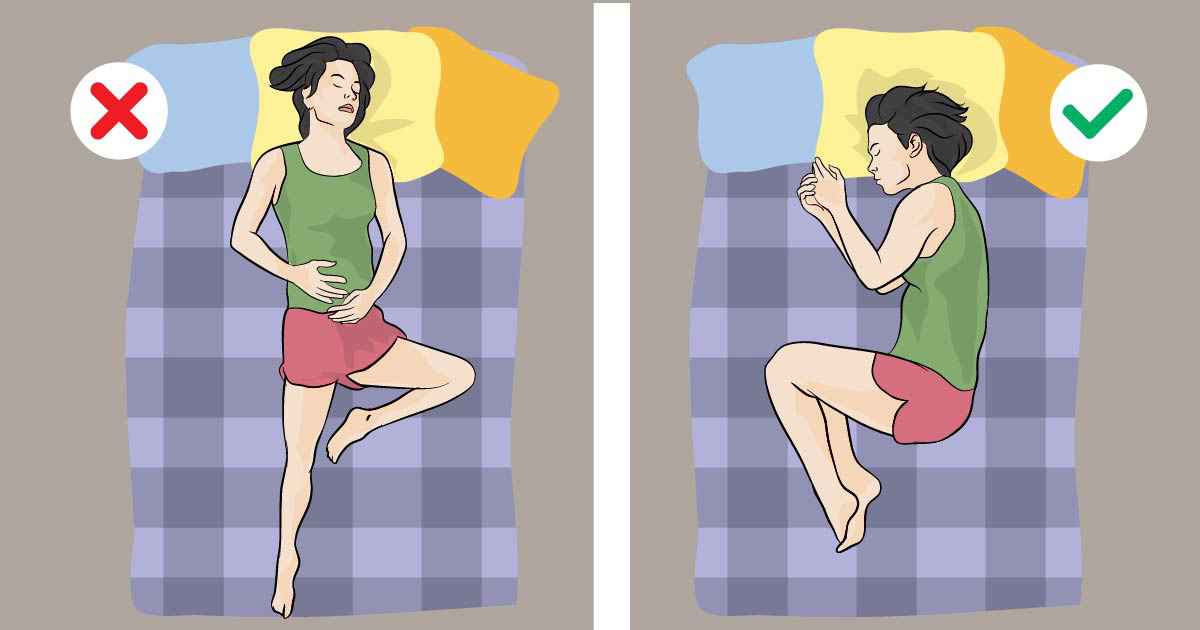
Snoring is one of those things that keeps other people up, and can actually harm a relationship. Fortunately, if you’re a snorer, there are things you can do to ensure your partner has a peaceful night’s sleep.
Avoid sleeping on your back. Sleeping on your back allows your throat tissues to sag and your tongue to fall backward into your throat, narrowing the airway, thereby causing the snoring.
Choose your pillow wisely. Overly soft pillows tend to exacerbate snoring, as they allow you to tilt your head back even more. If you want to use a soft pillow, place another pillow beneath it for more elevation.
Sleep on your side. With your head lying in its natural position, there will be no way for your airflow to become restricted.
Exercise the muscles of your tongue and throat. This will help strengthen them and reduce snoring.
Leg Cramps
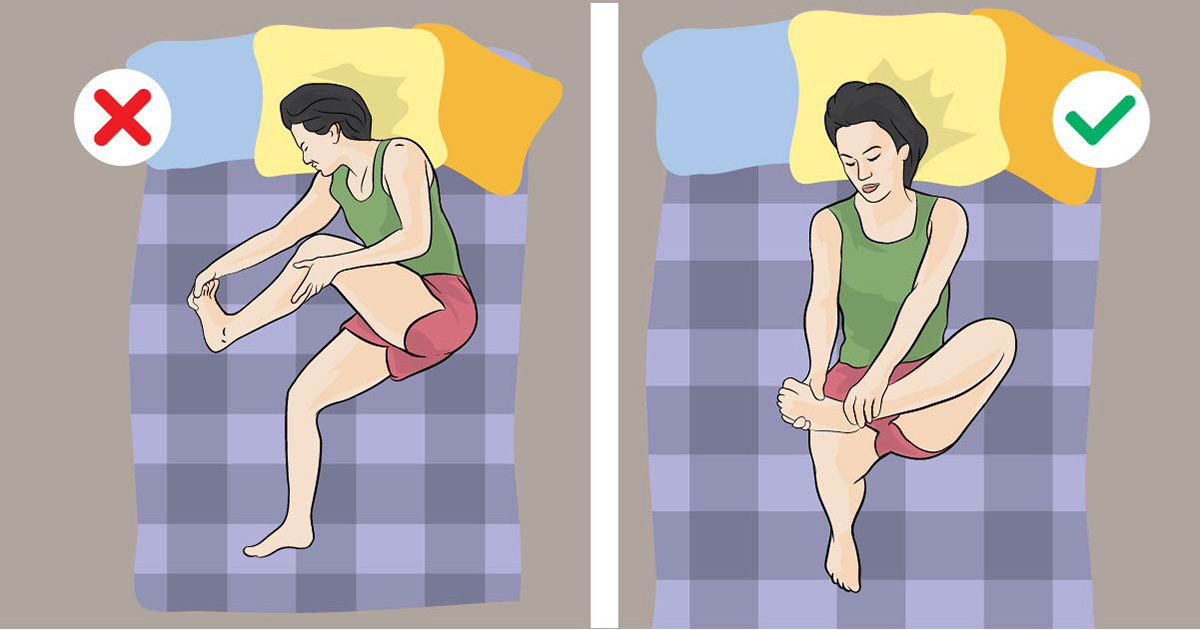
Have you ever stretched just a little too much while sleeping and woken up with a screaming pain in your calves or other leg muscles? Charley horses are PAINFUL with a capital “P,” and despite popular belief, are not just a byproduct of dehydration.
Almost 80% of people suffer from leg cramps while sleeping, and can be related to some sort of nerve damage, disease, or lack of trace elements. If you get leg cramps in your sleep often, talk to a doctor. However, if it’s an occasional issue, simply stop the cramps as they arise by stretching the calf muscle. You can also try stretching or massaging your legs before bedtime.
Laying Awake
One reason so many people are unable to fall asleep these days is because of electronics. The blue light from phones, iPads and laptops affects our sleep cycles and urges your mind to stay awake when your body says it wants to sleep. I know it may be difficult but put all electronics away even as much as an hour before bedtime.
Additionally, don’t consume any caffeine at least six hours before bedtime. This means no chocolate – sorry!
Don’t just exercise in the mornings – come up with an afternoon routine too. This will help tone your whole body, improve circulation, and prepare your body for bed at a decent hour (as it will be exhausted!).
Frequent Waking
If you frequently wake up in the middle of the night, it may have something to do with your room’s temperature. The ideal sleeping temperature is 20-22 degrees Celsius.
Furthermore, don’t consume alcohol before bedtime, as alcohol disrupts the water balance in your body and negatively affects your sleep cycle.
Additional Sleep Problems
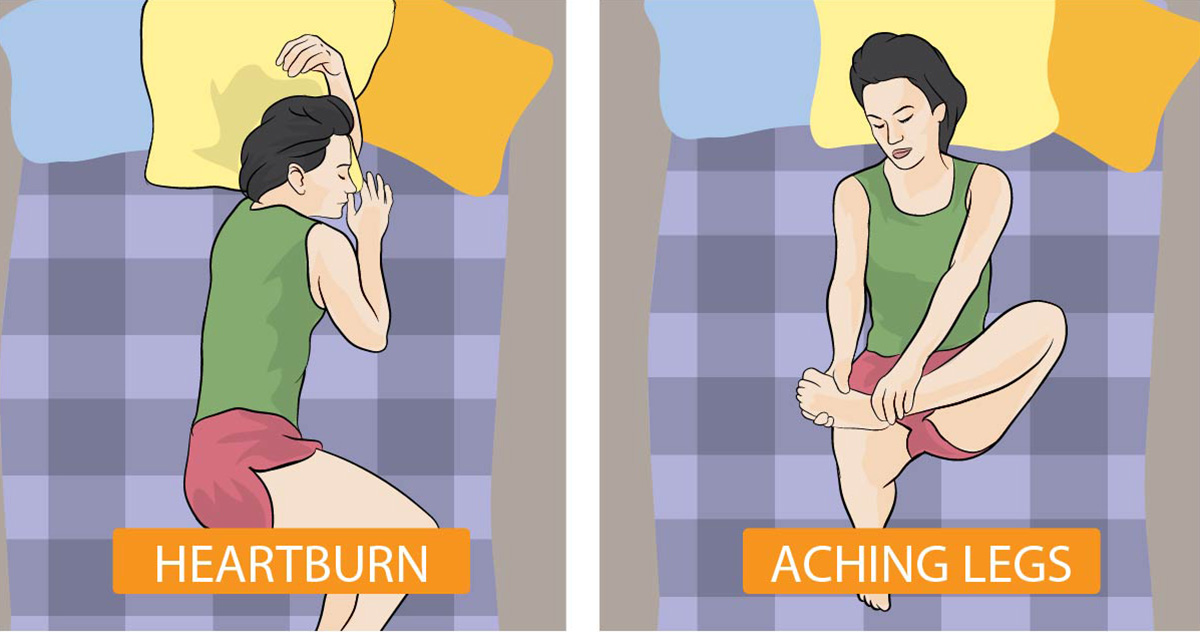
If your legs ache at night, keep your legs lifted with a roll pillow or the foot of your bed. This will allow the venous blood to run downward, alleviating pain. Also, try lightly massaging your legs before settling down for the night, and avoid consuming any caffeine at least six hours before crawling into bed.
There you have it! Test out these great sleep tips, then let us know how you sleep!
Please SHARE this with your friends and family.
H/T: Bright Side


