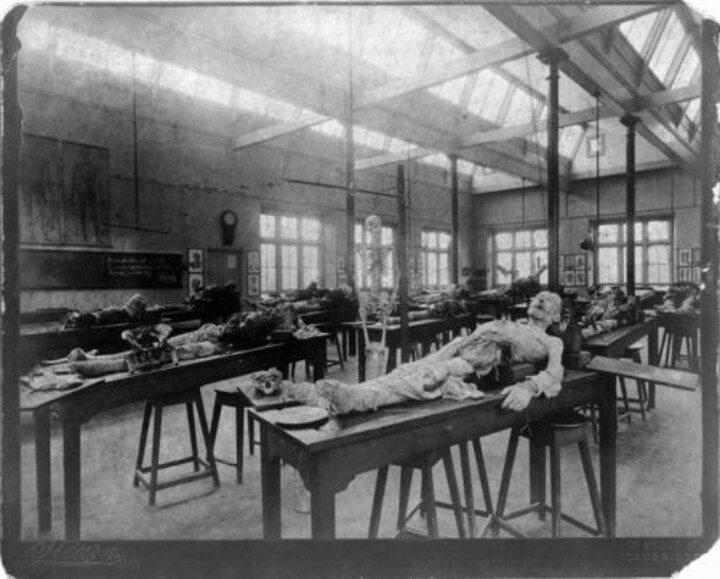
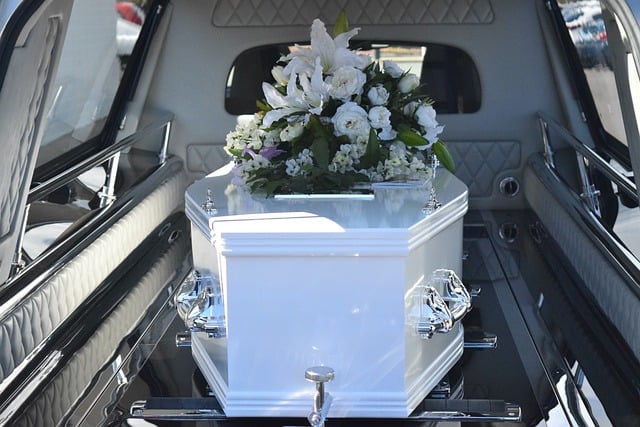
Contemplating our post-mortem fate is a common, albeit unsettling, curiosity. While the mysteries of human consciousness persist, the physical process of decay begins immediately, with decomposition in a casket unfolding over an extended period. Pre-burial preparations can slow this process, emphasizing the humbling reality that, despite our significance in life, we ultimately become dust and bones.
Self-Digestion Immediately Occurs
Post-mortem, decomposition initiates promptly through autolysis, where the body engages in self-digestion. Deprived of oxygen, cells break down and release membranes, primarily starting in the liver and brain due to their high water and enzyme content.
Rigor Mortis Sets In After Two To Six Hours
During self-digestion, the body’s internal temperature decreases in tandem with the cessation of blood flow, causing the blood to thicken and arteries, veins, and capillaries to harden. This phenomenon, known as rigor mortis, manifests within two to six hours post-mortem, resulting in the characteristic stiffness and immobility of corpses.
Rigor mortis typically persists for approximately 24 hours. After its conclusion, blood settles in the body region closest to the ground during death, forming a red-brown post-mortem stain. For instance, if someone fell headfirst, a blotchy stain would appear on the face. Within 8 to 10 hours post-mortem, other body parts start exhibiting a bluish tinge.
Two to three days post-mortem, the process of putrefaction commences, marked by a pungent odor caused by microorganisms in the intestines. These organisms, outlasting the body, begin to consume the intestines, spreading to the thighs and stomach after a few days. Putrefaction results in a foul smell resembling rotten eggs and methane, accompanied by side effects such as a protruding tongue, a greenish patch on the belly, and fluid oozing from the mouth and nostrils.
Fingernails And Hair Don’t Grow, But They Do Start To Look Bigger
Contrary to common belief, fingernails and hair do not continue to grow after death. The illusion of growth arises because, as the skin dries out, hair and fingernails may seem more prominent. In reality, hair starts falling out rapidly. As the skin recedes, both fingernails and toenails only give the appearance of increased length.
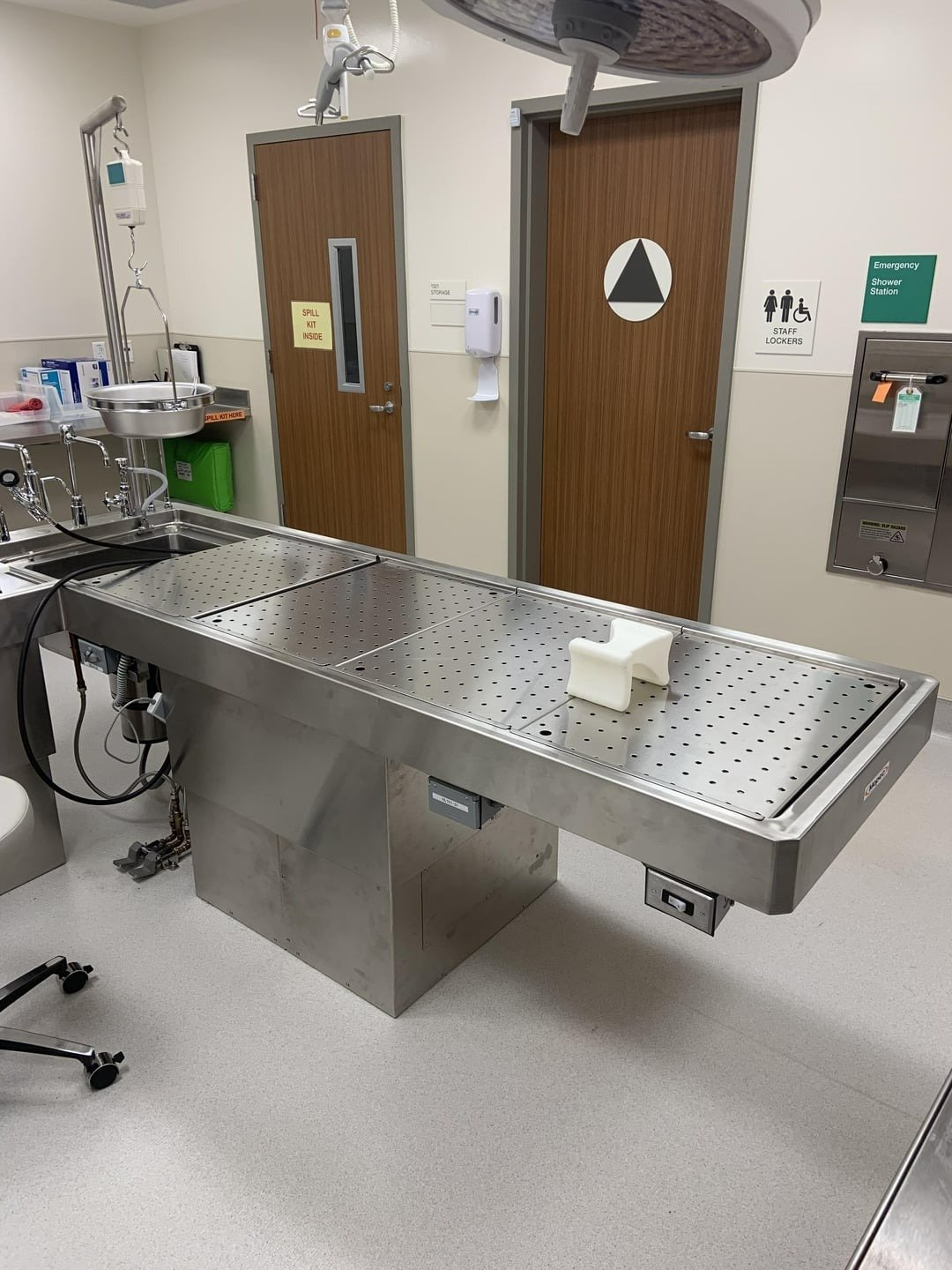
Typically, when putrefaction sets in, arrangements have usually been made to transport the body to a funeral home. While embalming can slow down decomposition, it doesn’t entirely prevent it. In the embalming process, a funeral director begins by bathing the body and addressing rigor mortis through massages to relax the muscles.
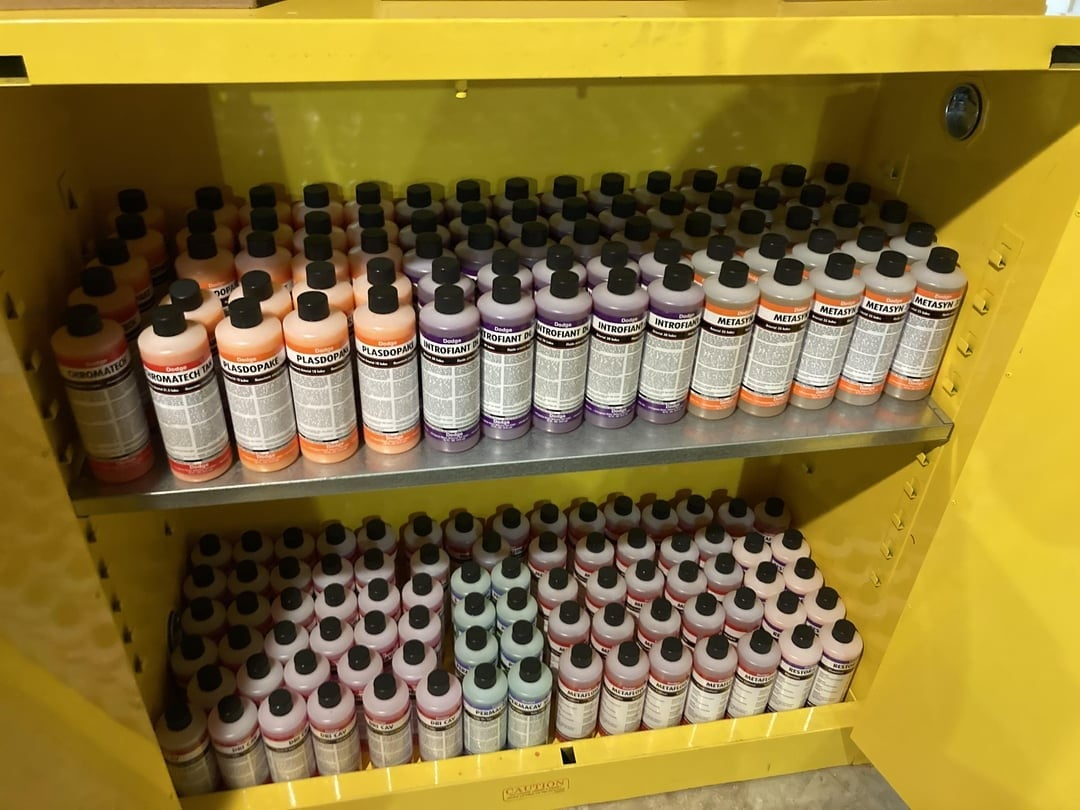
Embalming chemicals play a crucial role in slowing putrefaction by halting cellular activity associated with decomposition. Funeral directors utilize machinery to drain blood from the arteries, replacing it with embalming fluids. Additionally, they may manage gas drainage and use cotton to prevent any potential leakage.
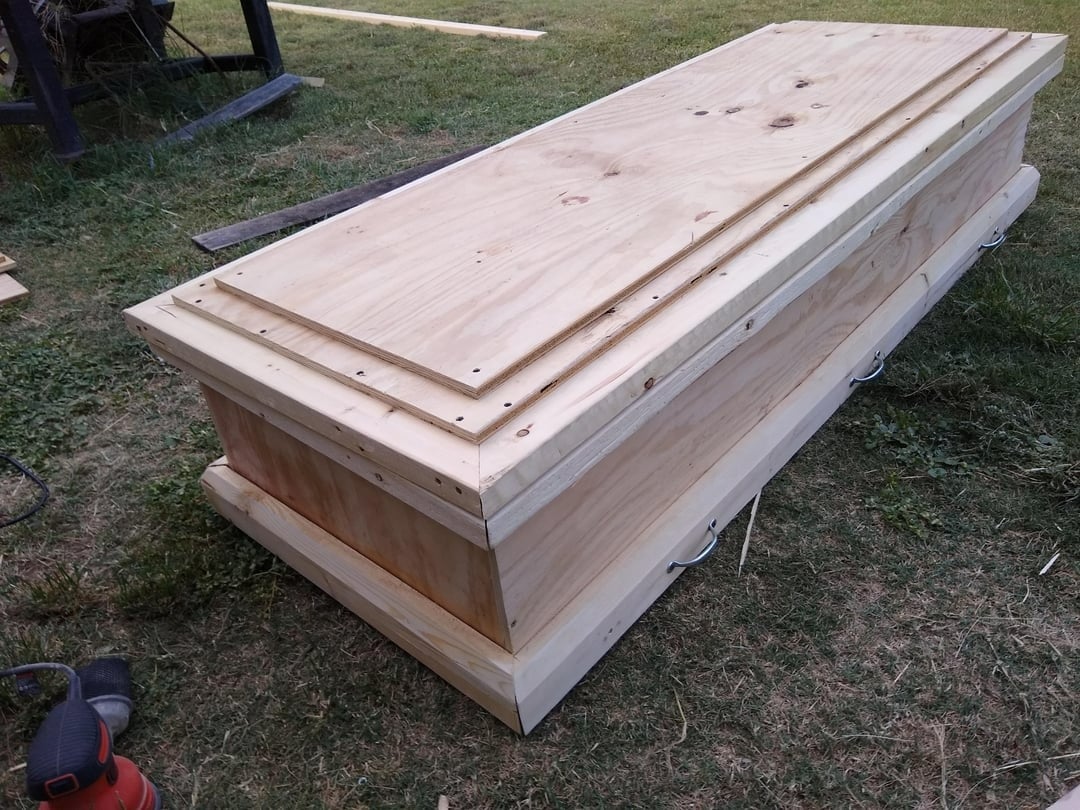
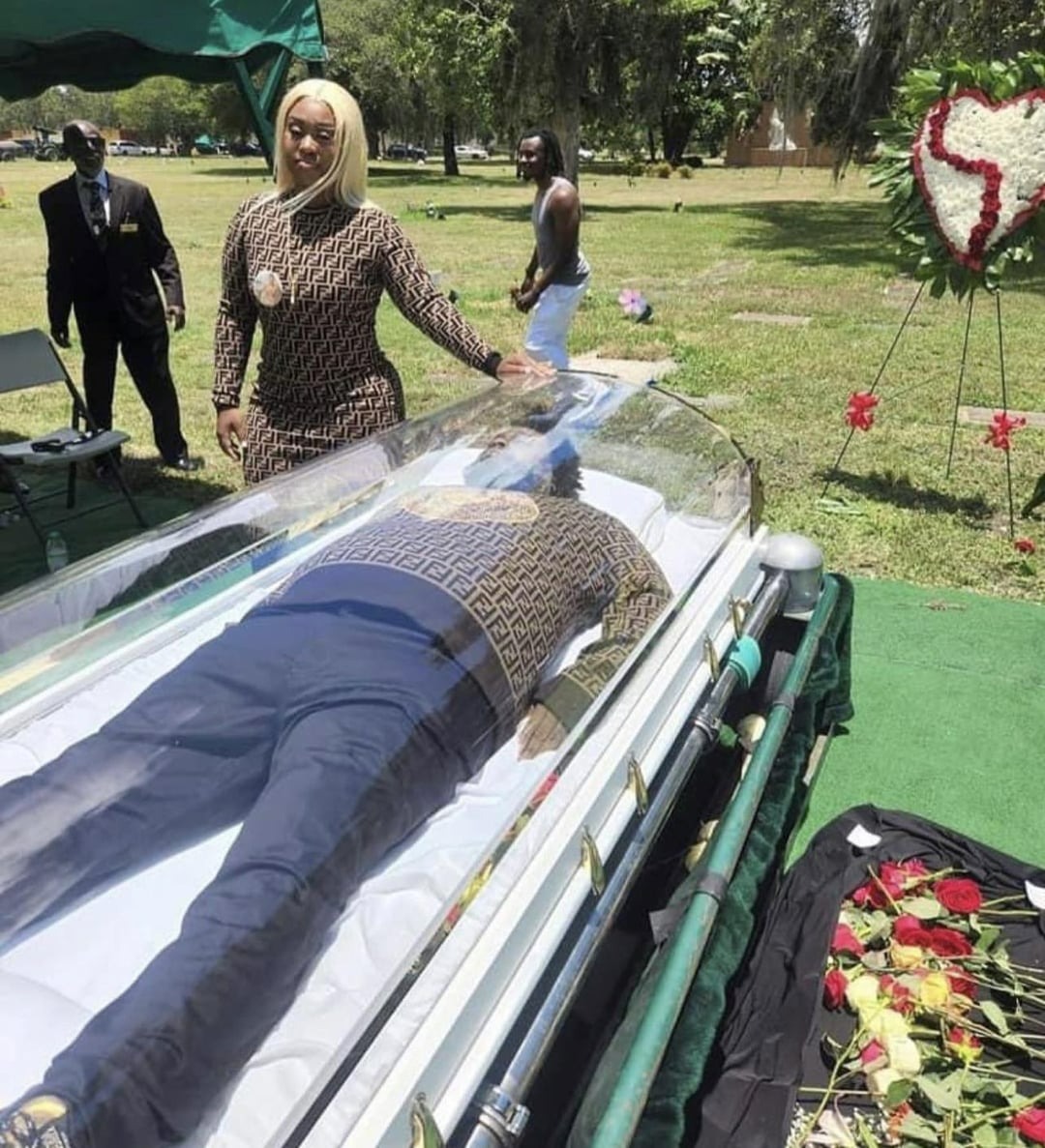
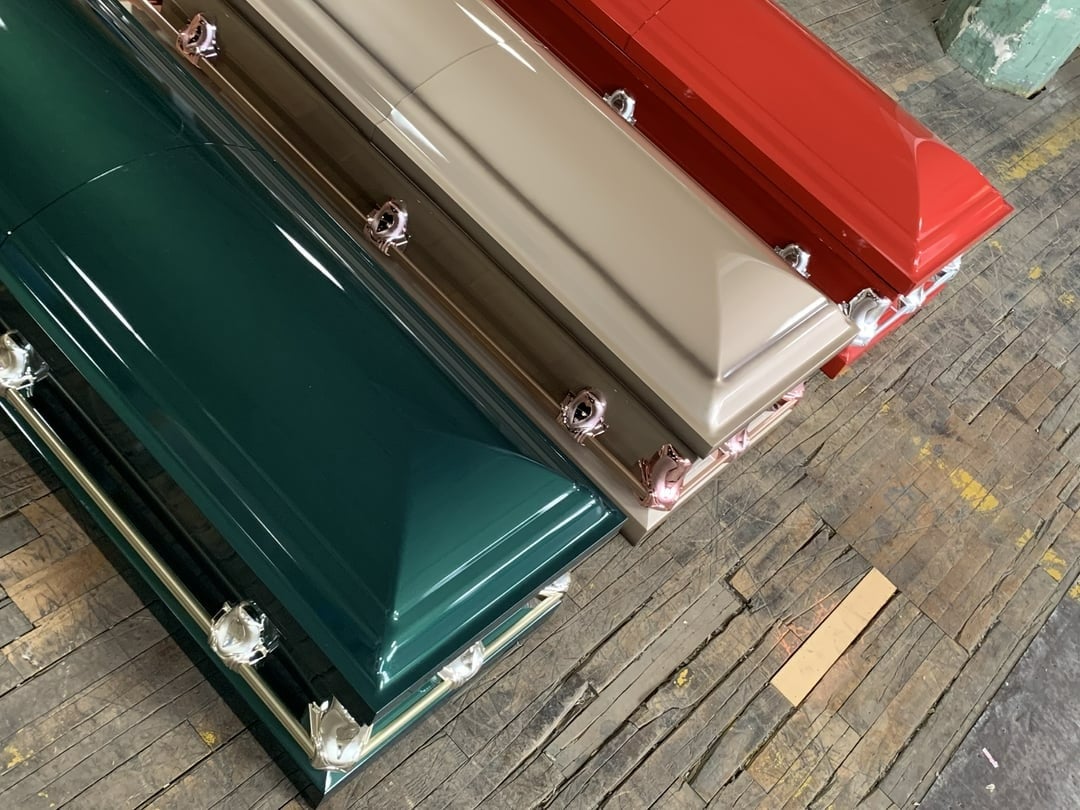
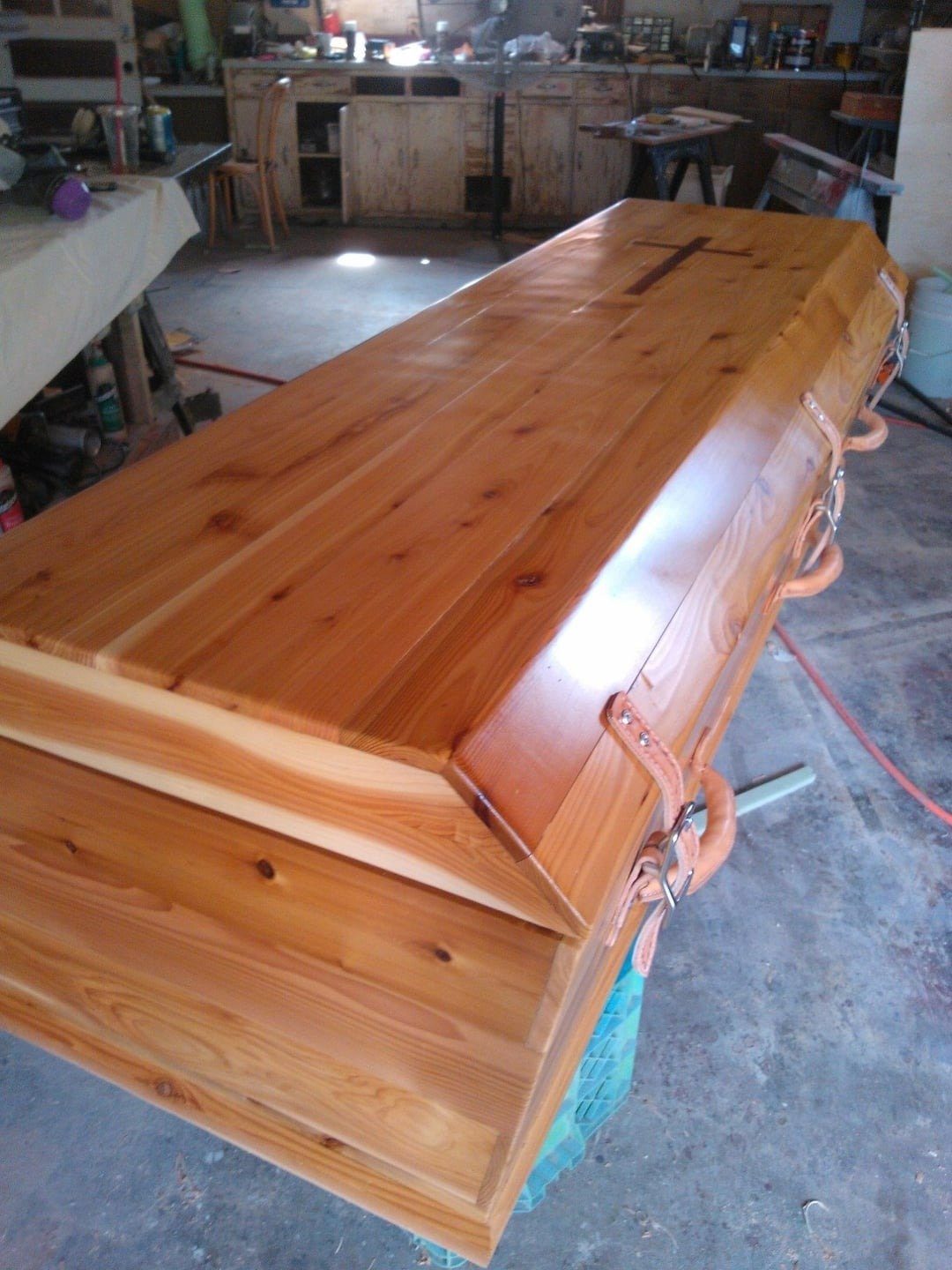
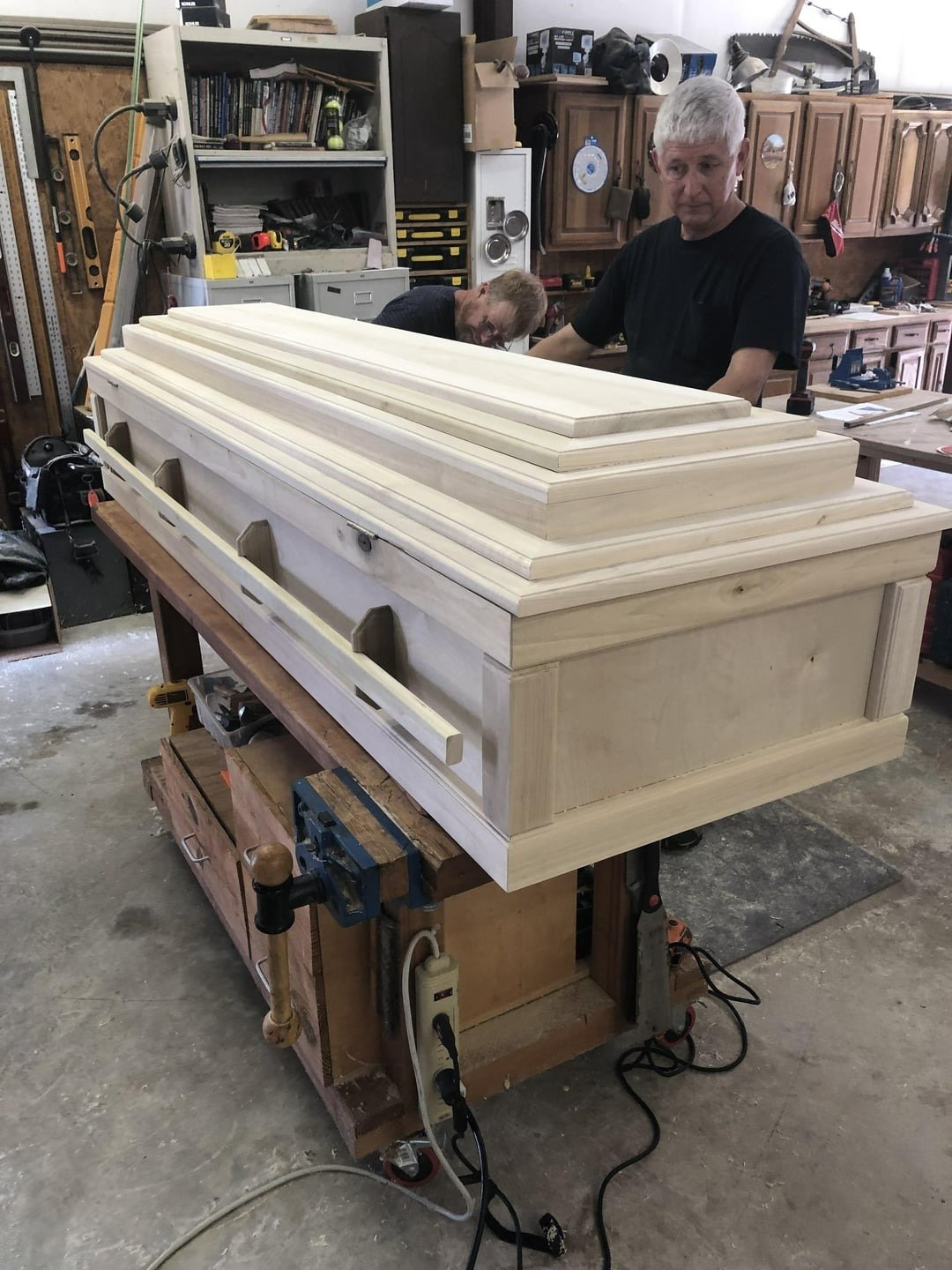
At the time of burial, considerable decomposition has already taken place, but the rate varies significantly based on environmental conditions. Natural burial without a coffin or embalming typically spans 8 to 12 years. The inclusion of a coffin and/or embalming fluids can extend this period, with the specific type of funerary box playing a role.
For the swiftest decomposition, a burial at sea is the expedited route, as underwater conditions accelerate the process fourfold.
In general, the human body undergoes significant changes and becomes unrecognizable approximately 8 to 10 days after death. During this time, blood continues to decompose, and the accumulation of gas in the organs and abdomen occurs. Natural bacteria aiding in decomposition cause the body to take on a deep reddish color.
Over the following weeks, additional changes become apparent, including the loss of teeth and nails.
Between 10 to 24 days post-mortem, depending on conditions, the body enters the post-decay phase. Natural chemical reactions strip most flesh from the bones during this period, resulting in a reduction of the strong smell associated with earlier decomposition stages. A mild, cheese-like odor may linger. With less organic matter to degrade, decomposition slows down. In this phase, areas like the abdomen, which have more flesh, may still exhibit some soft tissue, but the body becomes predominantly skeletal.
Approximately 24 days after burial, the deceased enters the dry stage, during which most flesh has decomposed or been consumed by insects. What remains is primarily cartilage, bones, and dried skin. Exposure to natural elements, like sunlight, can expedite this process.
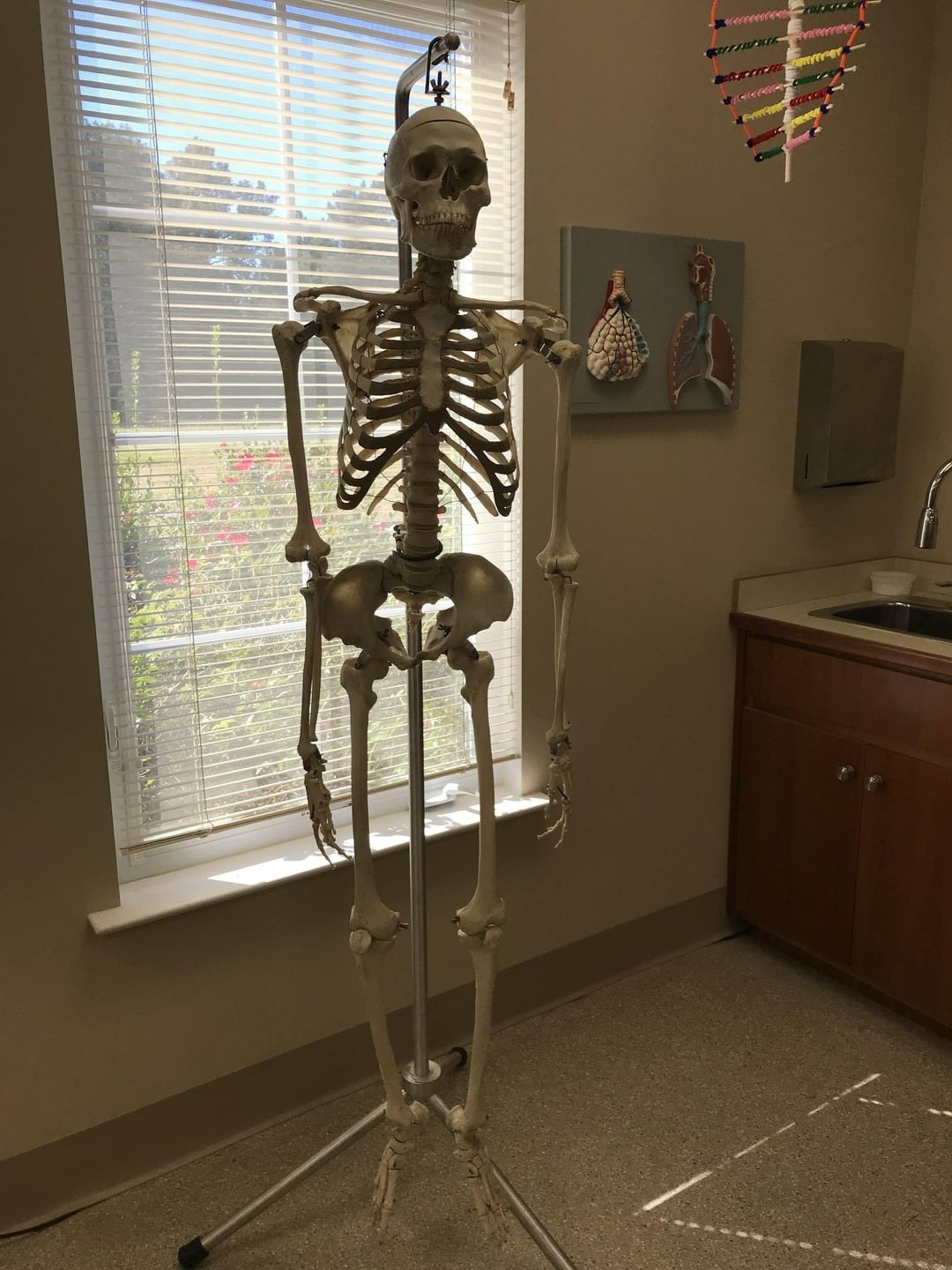
Skeletonization duration is influenced by factors like temperature, the body’s condition at burial, and the coffin type. This process spans from a few weeks to several decades. Eventually, diagenesis, the last stage of decomposition, is reached, characterized by the loss of all moisture in the body, leaving behind increasingly fossilized bones.
Pallor mortis, or “paleness of death,” occurs within minutes after death when the heart ceases to pump. With the halt in blood flow, gravity causes the blood to pool in the lowest parts of the body, resulting in pale skin. The healthy appearance in living individuals is attributed to the presence of blood. This pooling becomes evident in the fourth stage of death, known as livor mortis. Individuals with inherent paleness due to a lack of melanin or those with anemia may experience pallor mortis more rapidly than others.
The “coldness of death” sets in rapidly after the heart stops pumping warm blood throughout the body. Without the circulation of fresh, warm blood, the body adjusts to the temperature of its surroundings. Although it generally takes about an hour for a body to lose its “living” temperature, various factors, such as clothing, can influence this process. Insulating layers slow down the onset of algor mortis, but wet clothes can expedite it. Additionally, the amount of body fat plays a significant role, with thinner bodies experiencing a faster temperature drop. The body’s temperature begins to rise again during the sixth stage, which is the decomposition phase.
Livor mortis, known as the “bluish color of death,” occurs when blood pools in the body’s lower parts after the heart stops beating. In the first six hours, pressing on the skin turns it white, but after 10 hours, stains become permanent as the blood congeals. The skin later appears “marbled” due to hemoglobin breakdown, accompanied by signs like blood spots from ruptured capillaries.
Putrefaction is a crucial decay stage where internal bacteria break down the body, turning organs into liquids and gases. This process leads to bloating, with liquids and gases causing distinct smells and potential skin rupture. Flies lay eggs on the body, producing maggots that aid in the breakdown. Higher body fat accelerates this process due to increased moisture attracting more bacteria. Extreme temperatures below 50 degrees F or above 118 degrees F hinder putrefaction, as the necessary organisms cannot function in those conditions.
The sixth stage, also known as decomposition, true decomposition, or biotic decomposition, is the final phase where the body is broken down into smaller organic bits until only the skeleton remains. This stage, more intricate than the bacterial breakdown in putrefaction, is influenced by factors like temperature, submersion, animal activity, size, age, and dietary habits. Omnivores tend to have more post-mortem bacteria, causing faster decomposition compared to their vegan and vegetarian counterparts.
Submerging a body in water affects various stages of decomposition. Algor mortis, the cooling of the body, sets in faster in water, and the body’s temperature dissipates more rapidly. In livor mortis, blood doesn’t pool at the bottom but rather “floats” to the top. Complete submersion slows down putrefaction due to colder temperatures and reduced oxygen, hindering bacterial activity.
In saltwater, the presence of insects such as flies is deterred, impeding the breakdown process. Conversely, warm freshwater with wildlife accelerates decay similarly to an exposed environment. The water temperature also plays a role; extremely cold water, around 44 degrees F, can lead to the formation of adipocere, a waxy substance that encases and preserves the body for weeks longer than usual.
Here’s What Happens To Your Body During The 8 Stages Of Death
Eduardo Gaskell
10.04.24
Contemplating our post-mortem fate is a common, albeit unsettling, curiosity. While the mysteries of human consciousness persist, the physical process of decay begins immediately, with decomposition in a casket unfolding over an extended period. Pre-burial preparations can slow this process, emphasizing the humbling reality that, despite our significance in life, we ultimately become dust and bones.
Self-Digestion Immediately Occurs
Post-mortem, decomposition initiates promptly through autolysis, where the body engages in self-digestion. Deprived of oxygen, cells break down and release membranes, primarily starting in the liver and brain due to their high water and enzyme content.