One of the best things about the U.S. is the variety each state offers, with something unique for everyone. You can relax in slow seaside towns along crystal-clear beaches in one state, and then drive over to the next to find cabin hideaways in the mountains. That’s why retirees can be found in nearly every state. However, some places are undoubtedly more popular for retirement. So, we ranked them, considering factors like population, state taxes, local economies, and what each state offers to seniors.
50) Hawaii
When many think of paradise in the U.S., Hawaii often comes to mind. With its stunning beaches and tropical climate, it might seem like the perfect retirement spot. But not so fast—Hawaii actually ranks last on our list. The state’s cost of living is a significant drawback, standing around 87% higher than the national average. This high expense has even led to many locals being priced out of the islands. Hawaii’s population is around 1.4 million, with about 282,451 residents aged 65 or older. Additionally, there’s a state sales tax of about 4%, further impacting affordability for retirees.
49) California
California has long been a top choice for living and retirement, offering everything from picturesque beaches to vibrant cities and quiet, remote areas. Yet, it’s also the second most expensive state to live in, making affordability a challenge. The state is densely populated with around 39 million residents, including 4.29 million aged 65 and older. California’s sales tax is approximately 7.25%, but that’s minimal compared to the high costs of housing and living, especially in popular areas. Despite these drawbacks, California’s allure remains strong, and the dream of retiring there isn’t likely to fade anytime soon.
Massachusetts is an attractive option for East Coast retirees, boasting rich history and renowned cities like Boston. The state is known for its charm and ability to modernize, drawing in those who enjoy a blend of old and new. However, healthcare costs in Massachusetts rank among the highest in the country, which can be a significant factor for retirees. With a population of approximately 6.9 million—nearly 1 million of whom are aged 65 or older—Massachusetts has a 6.25% sales tax. One thing to keep in mind, though, is the climate; winters can be particularly cold, which may be a drawback for some retirees.
Alaska offers a retirement haven for those drawn to remote wilderness, stunning national parks, and abundant wildlife. Its rugged beauty and serene seaside towns make it an enticing option. While Alaska’s cost of living is about 32% above the national average, low taxes help offset this—especially since it has no statewide sales tax. The state’s population is relatively small, at roughly 736,556, with around 110,000 residents aged 65 or older. However, Alaska ranks lower on many retirement lists primarily due to its harsh climate. The extreme cold and sometimes dangerous conditions may be a challenge for retirees unaccustomed to or unprepared for such weather.
New Jersey is a favored retirement destination, known for its diverse amenities and proximity to New York City, accessible by a short train ride. With a population of about 9.3 million, around 1.6 million of whom are 65 or older, New Jersey offers vibrant communities and varied lifestyles, from beach towns to quiet suburbs. The sales tax is moderate at 6.625%, which many retirees find reasonable. However, the cost of living and healthcare expenses are notably high, which can complicate retirement plans for those considering settling in the Garden State.
Connecticut is an appealing retirement option for those drawn to New England’s scenic small towns and stunning fall foliage. With a population of about 3.6 million, roughly 590,000 residents are aged 65 and up, adding to its strong retirement community. Despite its beauty, Connecticut’s cost of living is 24% above the national average, which, paired with relatively high property and other taxes, can be a barrier. However, the state offers a 6.35% sales tax and a variety of job opportunities for retirees who wish to keep working, providing some financial flexibility.
New York is a unique retirement option, offering both bustling urban centers like New York City and vast rural landscapes. The state’s population is around 20.2 million, with 3.5 million residents aged 65 or older. While NYC is packed with endless amenities and cultural offerings, its cost of living is one of the highest in the nation. Sales tax starts at 4%, though local rates can increase depending on the area, creating high tax burdens in some regions. However, retirees in New York, regardless of location, will find a wide array of activities and experiences to enjoy.
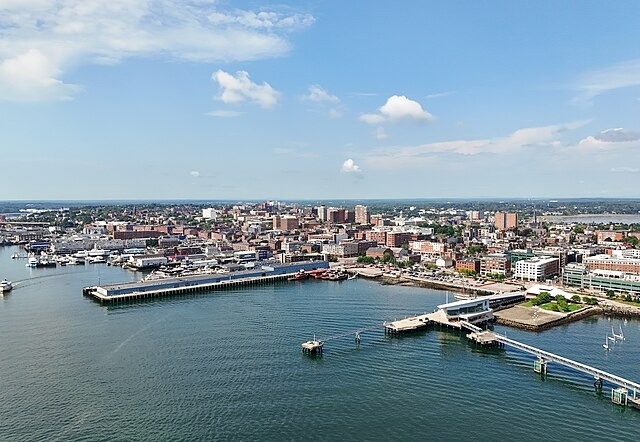
Rhode Island may be the smallest state, but it’s rich in history and coastal charm. Known for its seafood and scenic coastal towns, it offers a unique appeal. However, its cost of living is about 22% higher than the national average, and the sales tax is relatively high at 7%. With a population of around 1.1 million, only about 199,100 residents are aged 65 or older. While it ranks lower on affordability, Rhode Island’s historic character and coastal beauty make it an attractive option for retirees who can manage the higher expenses.
The Pacific Northwest is a retirement favorite, and Washington is a prime example of its appeal. With charming mountain towns, lush forests, and abundant outdoor activities, the state offers an ideal backdrop for nature enthusiasts. Washington’s cost of living can be affordable in certain areas, though some places are notably pricier. With a population of 7.8 million and around 1.35 million residents aged 65 or older, it’s a popular choice among retirees. The statewide sales tax is 6.5%, but local taxes can vary significantly..
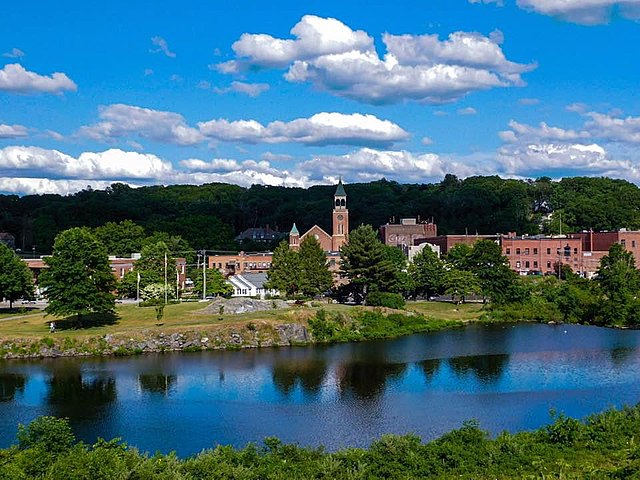
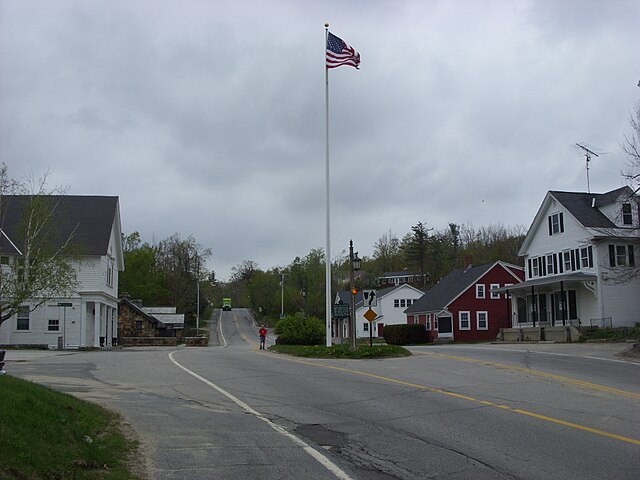
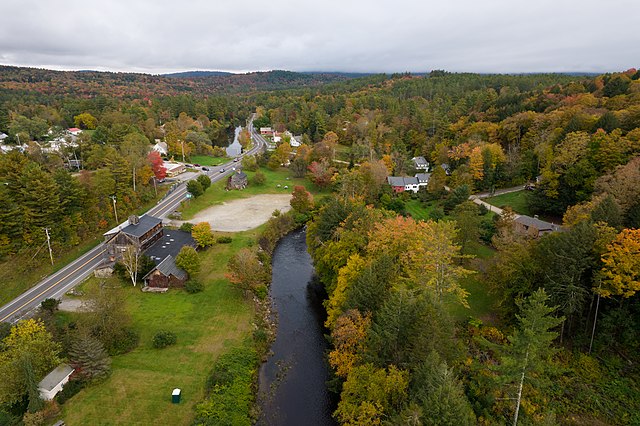
New Hampshire stands out as a favored retirement destination in New England, boasting stunning fall foliage, quaint small towns, and ample opportunities to connect with nature. With a population of about 1.4 million, including approximately 253,864 seniors, the state has a vibrant community of older residents. Notably, New Hampshire has no sales tax, which is a significant perk for retirees. While the cost of living is around 18% higher than the national average, the absence of taxes on retirement income helps offset expenses.
Oregon, nestled in the Pacific Northwest, offers a wealth of charming towns, beautiful beaches, and excellent hiking opportunities, making it an appealing retirement choice for nature enthusiasts. The state is home to approximately 4.2 million residents, with around 781,200 seniors. One of the major advantages of living in Oregon is the absence of sales tax, which can make everyday expenses more manageable. Additionally, healthcare costs in the state are about 2.6% lower than the national average, further enhancing its attractiveness for retirees. However, it’s worth noting that the cost of living can be on the higher side, and Oregon is known for its rainy climate, which may be a consideration for those who prefer sunnier locales.
Maryland certainly lives up to its reputation, offering a blend of scenic coastline and ample job opportunities for retirees. With a population of approximately 6.2 million, including around 1 million seniors, the state provides a vibrant community for those looking to connect. Retirees in Maryland enjoy the second-highest household income in the U.S., which speaks to the financial viability of living there. However, potential residents should be aware of the high cost of living and various taxes, including estate and inheritance taxes, which can impact financial planning. The sales tax rate stands at about 6%, which is relatively moderate.
Colorado has become a popular retirement destination, thanks to its stunning scenery and charming mountain towns. With a population of about 5.9 million, the state maintains a relatively low population density, which can be appealing for those seeking a quieter lifestyle. However, the growing number of retirees has contributed to rising housing costs. While the sales tax is a manageable 2.9%, prospective residents should still be prepared for higher overall living expenses. Notably, around 875,800 residents are aged 65 and older, reflecting the state’s attractiveness to seniors.
Vermont is an appealing option for retirees considering New England, offering a low population of around 643,064, with approximately 132,471 residents aged 65 and older. The state boasts relatively affordable healthcare costs compared to the national average, making it attractive for seniors. Retirees can enjoy the charm of idyllic towns nestled in the Vermont countryside, providing a serene environment for relaxation. However, it’s worth noting that while Vermont’s cost of living is lower than some other New England states, it is still higher than the national average, which retirees should keep in mind when planning their finances.
Delaware offers a unique blend of charm and practicality for retirees, known for its picturesque small towns, stunning fall foliage, and significant role in early American history. While the state stands out for its tax benefits, including no taxes on Social Security benefits and some pensions, the cost of living is about 11% higher than the national average. With a population of around 1 million, including approximately 201,000 residents aged 65 and older, Delaware provides a community of peers for seniors. Additionally, the absence of a sales tax makes it more appealing for those on a fixed income.
Virginia is a state rich in history and natural beauty, offering a blend of outdoor activities and cultural experiences. With a population of about 8.6 million, including around 1.4 million residents aged 65 and older, Virginia provides a vibrant community for retirees. The state’s sales tax is relatively low at 5.3%, and healthcare costs are notably affordable. While Virginia’s urban areas have their charm, featuring a lively local music scene and a mix of age groups, they may not appeal to those seeking the hustle and bustle of larger cities. However, the proximity to Washington, D.C., allows residents to easily access a wider array of amenities and activities.
Utah may not be the first state that comes to mind when considering high taxes, but it actually ranks as having the 15th highest tax burden in the U.S. Its sales tax is around 6.1%, which is fairly average. However, residents enjoy access to excellent healthcare and stunning national parks, contributing to the state’s appeal. Utah’s diverse terrain includes both forests and desert landscapes, offering a variety of outdoor activities. With a population of approximately 2.7 million, including about 315,900 residents aged 65 and older, Utah presents a unique option for retirees looking for a blend of natural beauty and recreational opportunities.
Many retirees choose to settle in Nevada due to its favorable tax environment, including the absence of an income tax, which is partially supported by the state’s substantial revenue from casinos, particularly in Las Vegas. With a population of approximately 2.9 million, Nevada has about 478,500 residents aged 65 and older, making for a significant senior community. The sales tax in Nevada is around 6.85%. However, it’s important to note that much of the state is desert, so retirees should enjoy the arid landscape, as options for greenery and lush environments are limited. Additionally, temperatures can vary greatly, becoming quite hot in the summer and cold in the winter.
Minnesota is often associated with its harsh winters, but it’s also known for its abundant outdoor activities and high quality of life, particularly for retirees. The state ranks number one for retiree health, largely due to its robust healthcare system, which tends to be more affordable compared to many other states. Minnesota has a population of approximately 5.7 million, with about 950,000 residents aged 65 and older. The sales tax is 6.875%, and the state utilizes various taxes, including income and Social Security taxes, to help manage and reduce healthcare costs.
The Dakotas are among the most sparsely populated states in the U.S., with South Dakota featuring a land area that’s large but a population of only about 909,824. Of that population, around 159,219 residents are 65 or older, making it an attractive option for retirees. South Dakota is known for its low taxes, including a sales tax of just 4.5%, which contributes to its appeal. The state offers ample opportunities for outdoor activities, from national parks to scenic landscapes. However, harsh winters can be a significant drawback, and those seeking larger urban environments may find the state’s cities—while vibrant—smaller than what they desire.
Montana is a nature lover’s paradise, celebrated for its breathtaking mountain landscapes and iconic national parks. While it may lack the large or iconic cities found in some neighboring states, its rural charm can be appealing for those seeking a countryside lifestyle. The state has a population of about 1 million residents, with around 196,000 individuals aged 65 or older. Although Montana does not have a sales tax, it compensates with higher taxes in other areas.
Over the past couple of decades, Arizona has become a leading destination for retirees, attracting a significant influx of residents from out of state. The state’s population stands at approximately 7.5 million, with around 1.4 million individuals aged 65 or older. Arizona’s warm climate and stunning scenery, including the iconic Grand Canyon, make it a haven for outdoor enthusiasts. The sales tax in Arizona is 5.6%, but it’s important to note that retiree income tends to be about 10% lower than the national average.
“Vibrant” might not be the first word that comes to mind when considering North Dakota, but cities like Fargo consistently defy expectations, often ranking highly on travel and food lists. The state also provides plenty of outdoor activities for residents to enjoy. With a population of about 780,588, North Dakota is sparsely populated, with 125,674 individuals aged 65 or older. The sales tax is 5%, and overall tax rates are relatively low. However, like its neighbor to the south, North Dakota experiences harsh winters, and its cities may not satisfy those seeking a larger metropolitan environment.
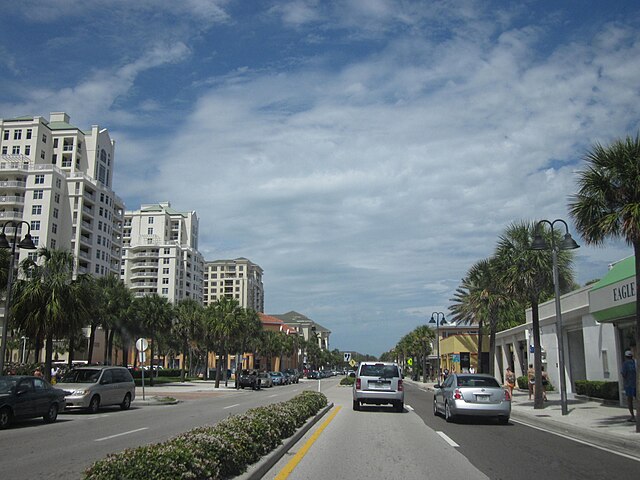
If you ask most people to name a state synonymous with “retiree,” many would likely say Florida. The state’s beautiful beaches have attracted more retirees than some states have residents. However, this popularity comes with challenges. While Florida maintains relatively low taxes, including a sales tax of 6%, the abundance of tourists during the summer months has led to a decline in small, charming beach towns, and many condos have a cookie-cutter appearance. Nevertheless, Florida’s size means that with some effort, it’s still possible to discover areas with the classic “old Florida” atmosphere. Additionally, the southern part of the state offers retirees a more Caribbean vibe. Florida’s total population is around 22.2 million, with approximately 4.7 million individuals aged 65 or older.
Wyoming is celebrated for its stunning landscapes and national parks, offering an abundance of outdoor activities that can keep even the most dedicated hikers entertained for extended periods. With a population of around 581,381, Wyoming is the least populated state in the U.S., even trailing behind Alaska and much smaller Vermont. This low population density might be appealing to those seeking solitude and natural beauty. The state’s sales tax is set at 4%, and it also does not levy an income tax. Therefore, if vast expanses of wilderness, majestic mountains, and open skies are what you’re after, Wyoming is certainly worth considering as a retirement destination.
Maine stands out among its New England neighbors for several reasons, primarily economic factors. The cost of living in Maine is approximately 2% below the national average, making it more affordable than some surrounding states. While Maine does tax retirement income, it does not tax Social Security benefits. Additionally, the state is renowned for its delicious seafood and picturesque seaside towns. With a population of about 1.4 million, including around 305,200 residents aged 65 or older, Maine offers a vibrant community for retirees. The sales tax is 5.5%, but it’s worth noting that retirement income in Maine can be somewhat lower than in other regions.
Pennsylvania offers numerous advantages for retirees, highlighted by Pittsburgh being named the top city for retirees by Forbes. The state boasts a diverse range of living environments, from bustling cities to charming small towns and serene rural areas. With a population of around 13 million, including approximately 2.3 million residents aged 65 or older, Pennsylvania presents a vibrant community for older adults. The state’s healthcare system is also commendable. However, concerns about the state’s financial situation loom, with predictions of potential tax increases on the horizon, though the specifics remain uncertain. Currently, the sales tax in Pennsylvania is set at 6%.
Wisconsin often brings to mind images of cheese, cows, and farmland, but it also features vibrant cities like Green Bay, home of the Packers, and Milwaukee, the birthplace of Harley Davidson. The state provides decent tax breaks for lower-income residents, although the cost of living can be high depending on the area. Additionally, healthcare costs tend to be above average compared to other states. Wisconsin’s population is approximately 5.9 million, with about 1.1 million individuals aged 65 or older. The sales tax in the state stands at 5%.
Illinois often finds its identity overshadowed by its largest city, Chicago, which draws much of the attention. While Chicago has its charm, the state boasts a cost of living that’s approximately 4% lower than the national average. Illinois has a population of about 12.6 million, with around 2.1 million residents aged 65 or older. The sales tax is set at 6.25%. However, like Pennsylvania, there are concerns that Illinois may face financial challenges in the near future.
Idaho is an excellent option for those seeking abundant outdoor activities and a connection to nature, thanks to its location near Washington, Oregon, Montana, and Wyoming. With a population of about 1.9 million, including around 315,400 residents aged 65 or older, the state offers a welcoming environment for retirees. The sales tax stands at 6%, and the cost of living is approximately 5% lower than the national average, enhancing its economic appeal. However, some may find that its largest city, Boise, while not small, lacks the size and vibrancy of larger metropolitan areas.
Like Arizona, New Mexico has become a popular retirement destination in the Southwest, attracting many with its tranquil desert atmosphere and abundant sunshine. The state features a mix of vibrant cities and remote areas, offering a variety of living environments. With a population of approximately 2.1 million, including around 388,500 residents aged 65 and older, New Mexico provides a welcoming space for retirees. The sales tax is set at 5%, and the overall cost of living is below the national average.
North Carolina offers a diverse range of environments, appealing to various lifestyles. With a population of about 10.7 million, including approximately 1.8 million residents aged 65 and older, the state features mountains, an extensive coastline, charming small towns, and bustling cities. The sales tax is 4.75%, and the cost of living is relatively low compared to many other regions, although it can vary by location. However, potential retirees should consider that average incomes in the state are not particularly high, which might pose challenges for those looking to work or stay active after retirement.
South Carolina ranks just above North Carolina, boasting great weather and abundant outdoor activities. Cities like Charleston frequently receive high marks for their culinary scene and travel appeal. The cost of living in South Carolina is about 7% lower than the national average, and the sales tax is around 6%. The state’s population is approximately 5.3 million, with about 985,500 residents aged 65 and older. While summers can be quite humid, this is typical for the region. However, it’s worth noting that income levels in South Carolina are not particularly high, which could impact financial stability for retirees.
Georgia offers a diverse range of options for residents, from urban living in Atlanta to more rural settings. With a population of approximately 10.9 million, about 1.6 million are aged 65 and older. The state has experienced significant population growth in recent years, leading to crowded cities. Sales tax is relatively low at 4%, and overall taxes tend to be favorable. Summers in Georgia can be hot and humid, typical for the region, but there are ample opportunities for outdoor activities like kayaking and enjoying the many rivers throughout the state.
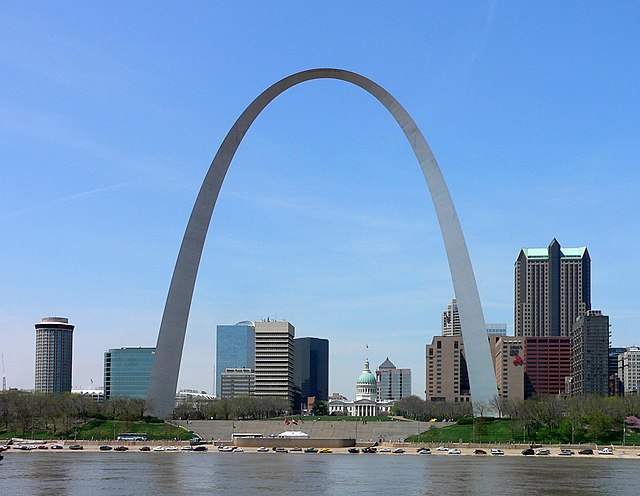
Missouri is notable for its blend of Southern and Midwestern culture, with a population of about 6.2 million, including around 1.1 million residents aged 65 and older. The state boasts a sales tax of 4.225%, making it relatively affordable, while the cost of living is approximately 10% lower than the national average. Missouri offers numerous outdoor activities and vibrant urban experiences, particularly in cities like St. Louis. However, it’s important to note that, similar to other states with low living costs, income levels in Missouri tend to be modest, and healthcare quality does not rank as highly as in some other states.
Texas has experienced significant population growth due to an influx of residents from other states, offering a diverse range of cities and rural areas. With a population of approximately 30 million, including around 3.9 million residents aged 65 and older, Texas is known for its affordable cost of living, which is about 10% lower than the national average. The state’s sales tax stands at 6.25%, and it is recognized for generally low tax rates. Texas ranks highly on retirement lists due to its variety of attractions, including a large coastline and cities with unique identities that blend Southern and Southwestern cultures.
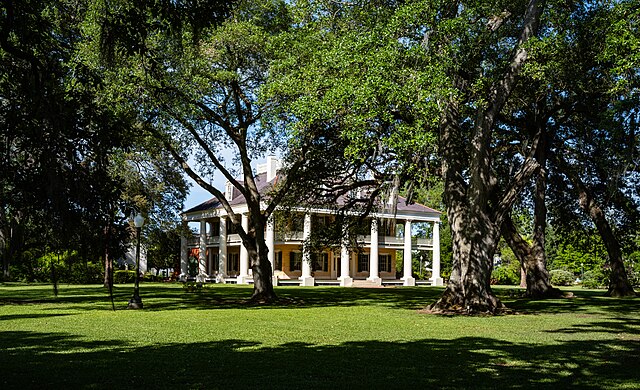
Louisiana ranks high on the list of attractive states for retirees due to its rich culture, diverse nature, and vibrant food and music scenes. The state is home to about 4.6 million people, with approximately 759,000 residents aged 65 or older. Sales tax in Louisiana is 4.45%, and like Texas, it generally has low overall tax rates. Although incomes tend to be lower, the cost of living is also affordable. For those seeking a city atmosphere, New Orleans stands out as a major draw. The state features numerous fishing villages where residents can enjoy fresh seafood at reasonable prices.
Nebraska is an often-overlooked option for retirement, and it offers some compelling advantages. The cost of living is significantly low, approximately 12% below the national average. While it may not be the first state that comes to mind, Omaha is a sizable city with around 1.3 million residents, contributing to the state’s total population of about 2 million. Approximately 328,000 residents are aged 65 or older. The sales tax in Nebraska is 5.5%, but it’s important to note that the state taxes both Social Security and retirees’ income.
Tennessee ranks high on the list of desirable retirement states for several reasons. First, the cost of living is quite low, approximately 12% below the national average. Despite having large cities like Nashville and Memphis, real estate remains affordable in many areas. For those preferring smaller cities, Chattanooga often ranks highly in quality of life assessments. The state’s population is about 7.1 million, with 1.2 million residents aged 65 or older. While the sales tax is relatively high at 7.1%, other taxes are generally low. Additionally, healthcare in Tennessee is surprisingly affordable, making it an attractive option for retirees.
Ohio offers a mix of urban and rural living, featuring large cities like Columbus, Cincinnati, and Cleveland alongside more tranquil areas. What sets Ohio apart from its Midwestern neighbors is its notably low cost of living and the absence of a Social Security tax. However, it’s important to note that incomes in the state tend to be on the lower side, so careful budgeting may be necessary. Ohio has a population of around 11 million, with approximately 2.1 million residents aged 65 or older. The sales tax is set at 5.75%, making it relatively manageable for retirees.
Michigan ranks well for retirees due to its low cost of living, which is about 12% lower than the national average, and generally low taxes. However, there are expectations for potential tax changes in the near future. The state offers a blend of iconic cities and expansive wilderness, along with access to the Great Lakes for water-based activities. Michigan’s population is approximately 10.3 million, with around 1.9 million residents aged 65 or older. The sales tax is set at 6%, making it a relatively affordable option for those considering retirement.
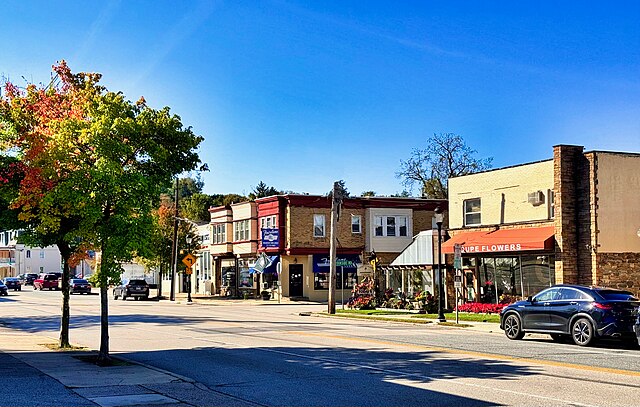
Iowa may bring to mind images of cornfields, but it also boasts cultural recognition, as Iowa City is designated a “City of Literature” by UNESCO for its commitment to teaching creative writing, joining the ranks of cities like Edinburgh and Dublin. The state has no Social Security tax, though it does tax income, with a sales tax rate of 6%. Many Iowa cities score well for retirement potential, and there are ample rural areas for those seeking to connect with nature.
Alabama has become a popular destination for newcomers, thanks in part to its cost of living, which is 13% below the national average. The state generally has low taxes, with a sales tax rate of 4%. Outdoor enthusiasts will find plenty to enjoy, as Alabama offers diverse natural landscapes and urban areas like Birmingham, Huntsville, and Mobile. However, residents should be aware of the state’s susceptibility to extreme weather, including hurricanes, tornadoes, and heavy summer rain, along with high humidity levels during the warmer months.
Kansas is gaining recognition as an appealing place to live, particularly due to its low taxes, although there are concerns that these may increase soon. The state features notable cities like Kansas City and Wichita, along with smaller, charming towns and numerous state parks for outdoor enthusiasts. With a population of about 2.9 million, approximately 484,300 residents are 65 or older. Kansas has a sales tax of 6.5%, but potential future tax changes should be considered when evaluating the overall financial landscape.
Kentucky stands out for its low cost of living, which is 14% below the national average, making it an attractive option for retirees. The state is characterized by charming small towns and beautiful natural landscapes. However, potential retirees should be aware of the high healthcare costs and lower average incomes. Kentucky’s sales tax is 6%, and its population is approximately 4.5 million, with around 796,650 residents aged 65 or older. While there aren’t any major cities, the existing cities offer vibrant communities for those seeking a lively atmosphere.
Mississippi is known for its exceptionally low cost of living, making it an appealing option for retirees. The southern part of the state features charming fishing villages and picturesque scenic drives, while the Mississippi Delta is famous for being the birthplace of blues and rock ‘n’ roll. The state boasts some of the lowest taxes in the nation; however, incomes, particularly among seniors, tend to be quite low. With a population of approximately 2.9 million, about 487,200 residents are aged 65 or older. Notably, the sales tax is relatively high at 7%, but other taxes remain low, contributing to the state’s overall affordability.
Indiana presents a mixed landscape for potential retirees. While the state has a higher sales tax at 7%, it also boasts a cost of living that is 15% lower than the national average. Indiana features a significant urban center in Indianapolis, alongside numerous rural areas and small towns for those seeking a quieter lifestyle. With a total population of around 6.6 million, about 1.1 million residents are aged 65 or older. It’s worth noting that, like many Midwestern states, Indiana experiences cold winters, which may be a consideration for those looking for a warmer climate.
Oklahoma stands out for its appealing qualities across various metrics. With its picturesque countryside and rich history, the state also boasts vibrant cities and a low tax rate, with sales tax at 4.5%. While the cost of living is affordable, it’s important to note that healthcare services, particularly for seniors, may not be as robust, with concerns about the quality of nursing homes. However, Oklahoma’s favorable weather and a population of approximately 4 million, including around 648,000 seniors, create a welcoming environment for retirees looking to socialize and connect with others.
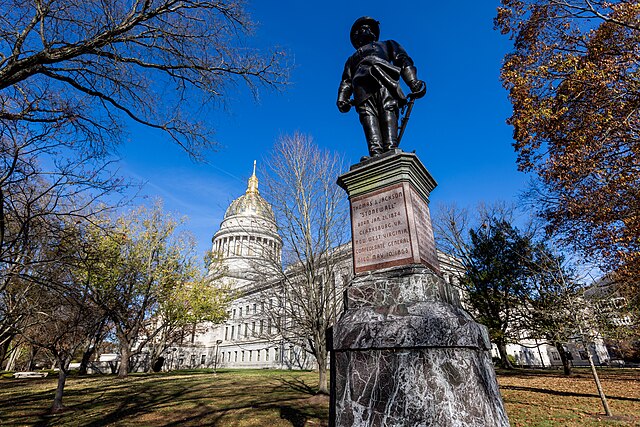
West Virginia offers a chance for those dreaming of a peaceful life amidst nature, with a cost of living that’s 17% lower than the national average. The state is rich in natural beauty, featuring numerous outdoor areas and charming mountain towns. However, it’s important to consider that incomes in West Virginia are generally lower, and unemployment has posed challenges in recent years. Additionally, healthcare quality is often cited as a concern, frequently ranking near the bottom compared to other states. With a population of around 1.8 million, including about 372,600 seniors, West Virginia presents an affordable option for retirees looking to enjoy a tranquil lifestyle. Sales tax in the state is set at 6%.
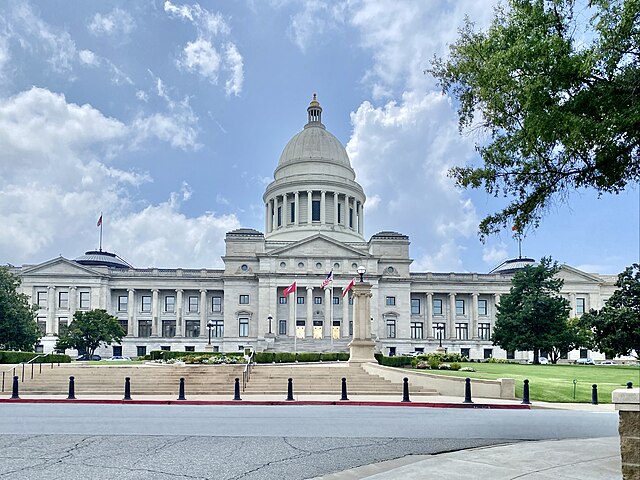
Arkansas tops the list as an unexpected yet appealing retirement destination, offering a blend of features found in the best states for retirees. The state excels in outdoor activities and, although it lacks major cities, it boasts several vibrant medium-sized cities that provide a variety of amenities. With a cost of living 17% lower than the national average, Arkansas is budget-friendly for retirees. The population stands at approximately 3.1 million, with about 542,500 residents aged 65 or older. However, potential retirees should note that the sales tax is 6.5%, and the income tax rates are not particularly low, which may impact overall financial considerations.
One of the best things about the U.S. is the variety each state offers, with something unique for everyone. You can relax in slow seaside towns along crystal-clear beaches in one state, and then drive over to the next to find cabin hideaways in the mountains. That’s why retirees can be found in nearly every state. However, some places are undoubtedly more popular for retirement. So, we ranked them, considering factors like population, state taxes, local economies, and what each state offers to seniors.
50) Hawaii
When many think of paradise in the U.S., Hawaii often comes to mind. With its stunning beaches and tropical climate, it might seem like the perfect retirement spot. But not so fast—Hawaii actually ranks last on our list. The state’s cost of living is a significant drawback, standing around 87% higher than the national average. This high expense has even led to many locals being priced out of the islands. Hawaii’s population is around 1.4 million, with about 282,451 residents aged 65 or older. Additionally, there’s a state sales tax of about 4%, further impacting affordability for retirees.