Even if you have the most basic historical knowledge, you are probably aware of the period called the Middle Ages. Sadly, many think that it was a very dull time, which is very far from the truth. How could such a long period be tedious? So many things happened during it!
Education wasn’t a privilege for all
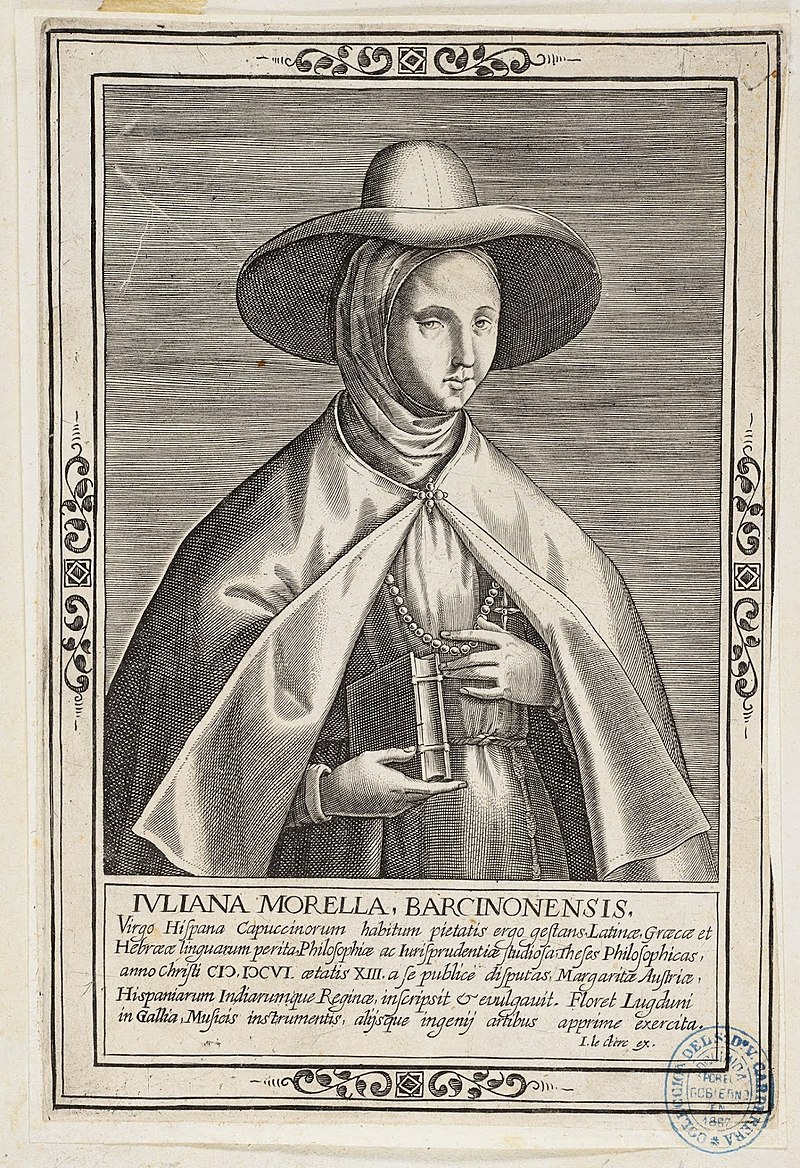
A proper education was difficult to come by during medieval times, so if women wanted to receive a higher education, they had to join a convent. This led to the fact that many of the earliest female intellectuals were nuns. For example, Sister Juliana Morell is believed to be the first woman in the Western world ever to earn a university degree.
Books were expensive for a reason
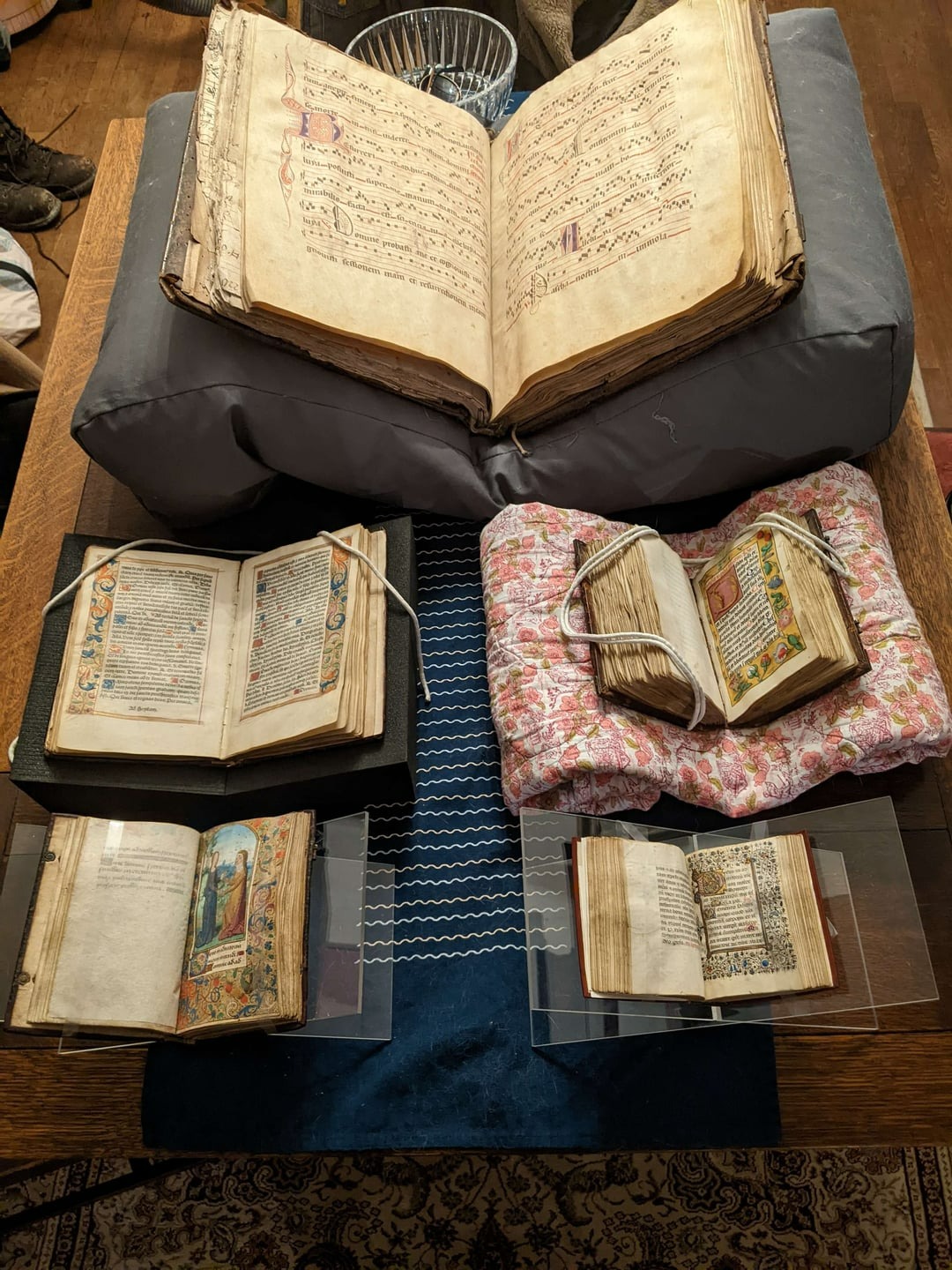
Medieval books were made of parchment, a writing material created from specially prepared untanned animal skins. A professional parchmenter would spend weeks preparing a single skin, which contributed to the high cost of books during that time.
In the Middle Ages, salt was extremely valuable and often called “white gold.” Its value was so high that roads were built specifically for transporting it. One of the most famous of these roads was the Old Salt Route in Northern Germany.
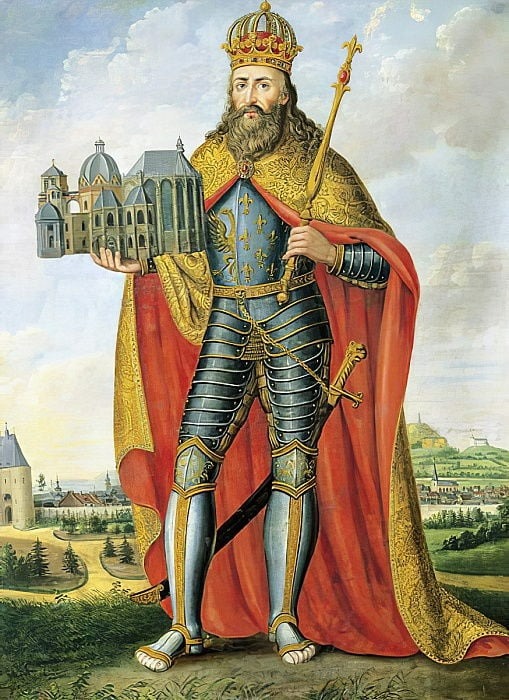
Charlemagne, the medieval emperor who ruled much of Western Europe from 768 to 814, is often referred to as the father of Europe. In addition to this title, he was the father of up to 18 children. Known for being a devoted parent, he encouraged his children’s education and was so fond of his daughters that he didn’t allow them to marry during his lifetime.
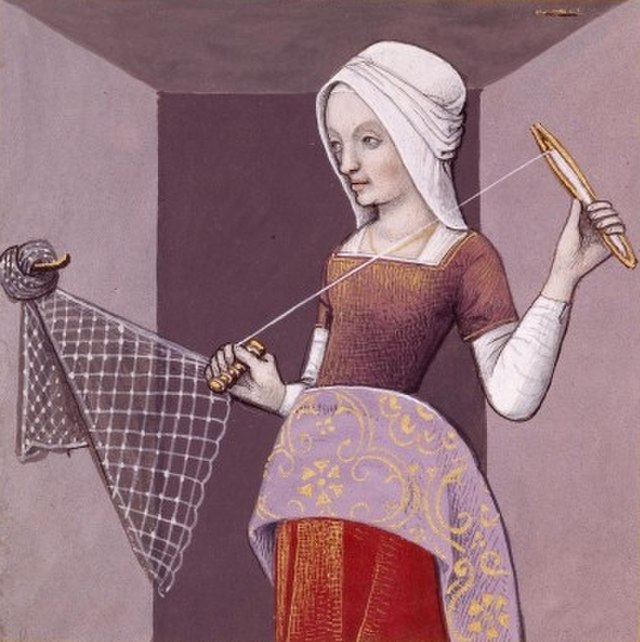
In the Middle Ages, only the wealthiest women owned metal sewing needles. Those who couldn’t afford them used needles made from natural materials such as bone, boar bristles, and wood.
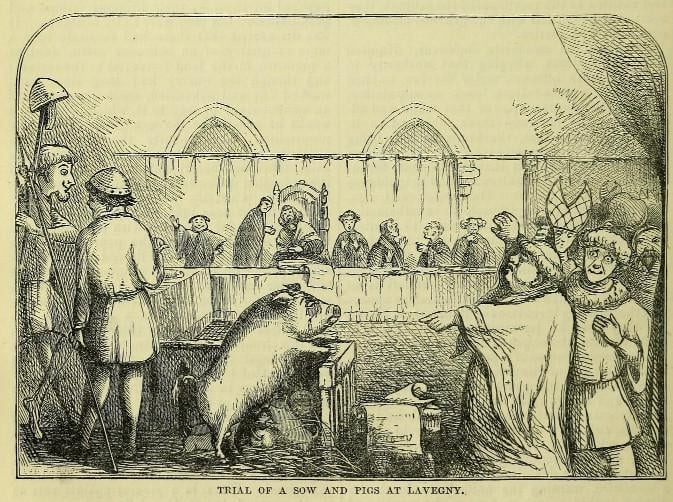
Since the 13th century, animals, including insects, could be tried and convicted of crimes. If found guilty, they were sentenced to death. These trials included human witnesses and even lawyers in ecclesiastical courts.
Between 1315 and 1322, western Europe endured an extended period of heavy rainfall, with some regions experiencing up to 150 consecutive days of rain. This weather severely hindered farmers in planting, growing, and harvesting crops, threatening the availability of staple foods like bread. Coupled with harsh winter conditions, this period led to a significant mortality rate, with around 10-15% of people in England perishing during these years.
Until the Tudor and Elizabethan eras (1485-1603), swans were commonly eaten by the aristocracy. Their consumption as a delicacy ceased when all swans in England were declared the property of the monarch.
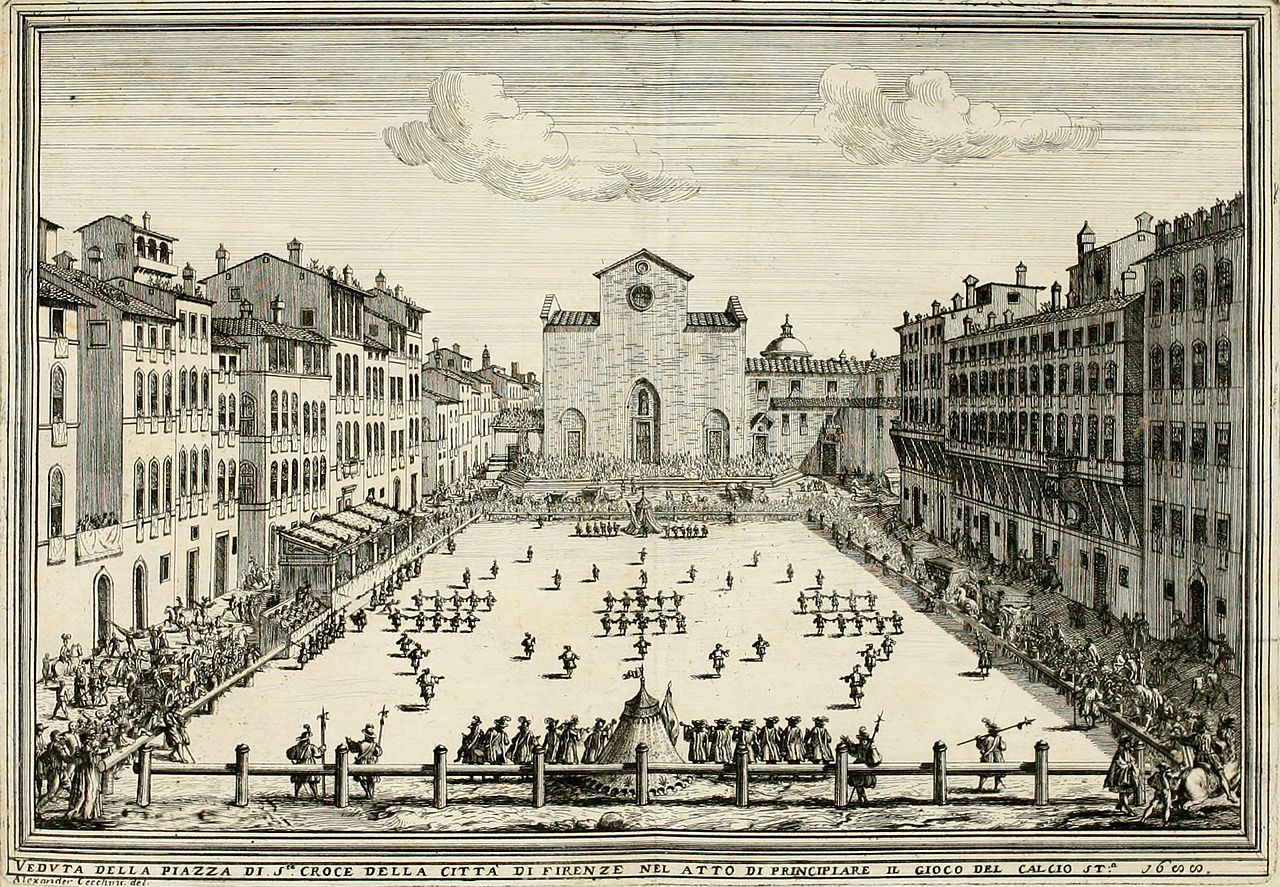
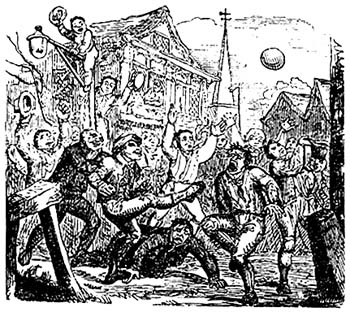
In Medieval Europe, inflated pig bladders were used as early footballs. Over time, these bladders were covered in leather to maintain their round shape for a longer period.
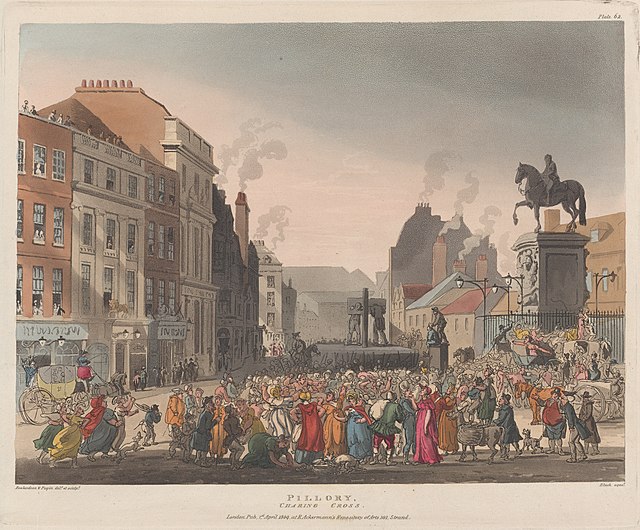
In the Middle Ages, there were various punishments for criminals that may seem strange and terrifying by today’s standards: wearing a white sheet while apologizing, donning animal masks or humiliating badges, suffocation in mud, and other unusual methods.
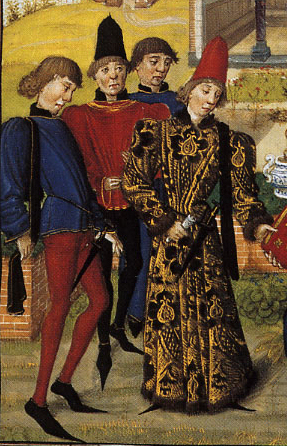
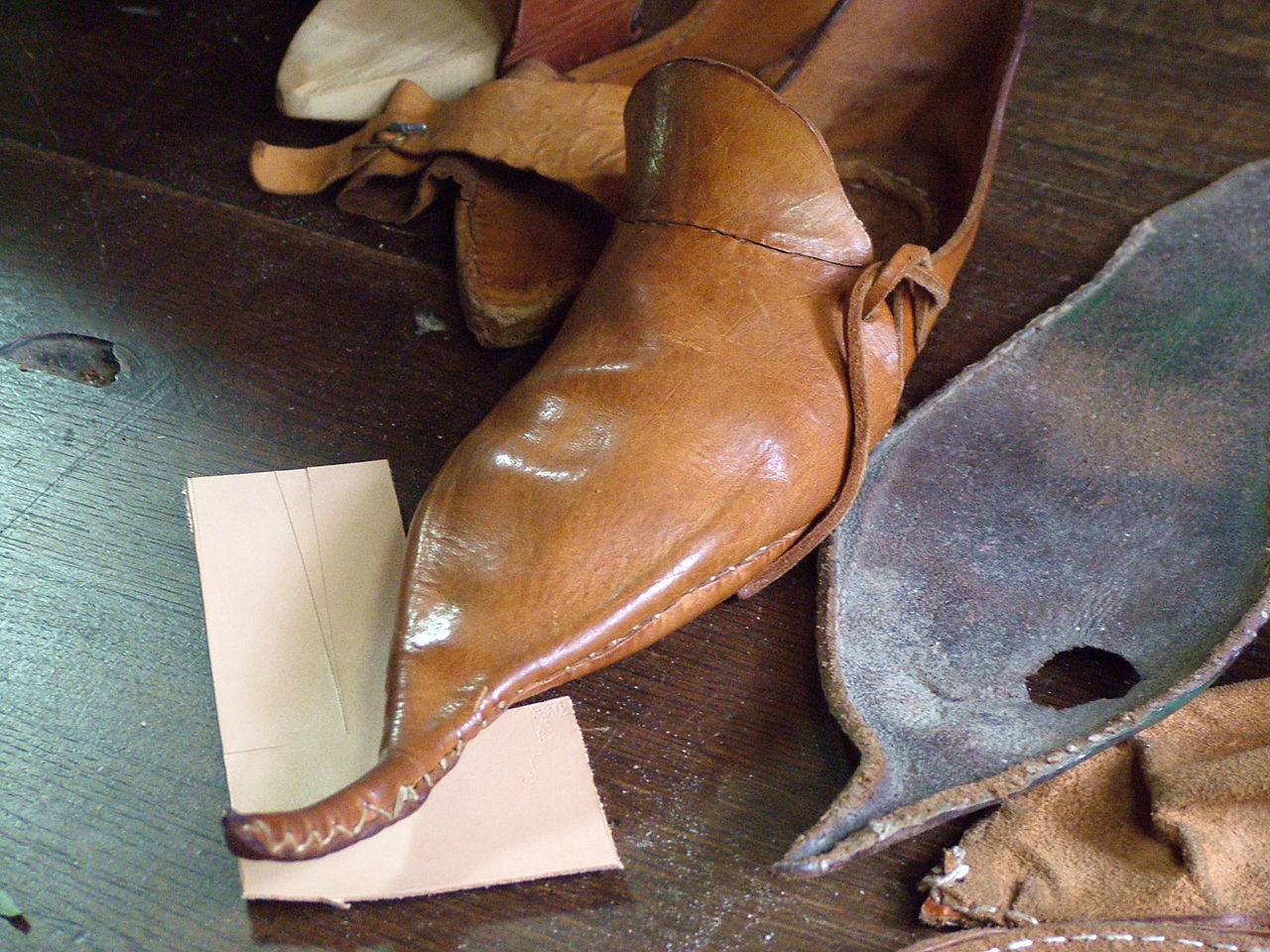
In the mid-14th century, both men and women wore shoes known as crakow, named after the city Kraków in Poland. These shoes, also called poulaine or pikes, were long, pointed, and often spiked. They occasionally drew criticism from Christian writers of the era who condemned them as demonic. Kings taxed these shoes as luxuries, restricting their use to the nobility.
During the Middle Ages, tattoos served various purposes. They were sometimes used as a form of punishment for criminals. Christian pilgrims also got tattoos to display their devotion and commemorate their journeys to holy sites. Additionally, certain professions or individuals from specific social statuses, such as knights showing allegiance to a lord or kingdom, and sailors marking their experiences at sea, also used tattoos.
In the Middle Ages, the privileged class sought to display their status through rare and exotic possessions. Alongside their wealth, they prized items such as brightly colored silk, spices, and exotic animals like monkeys, tropical birds, and even tigers, which had to be sourced and transported from distant lands.
The term “Dark Ages” was coined by Renaissance scholars who idealized ancient Greece and Rome as humanity’s peak periods. They viewed the Middle Ages with disdain, considering it a chaotic era devoid of great leaders, scientific achievements, and significant artistic accomplishments.
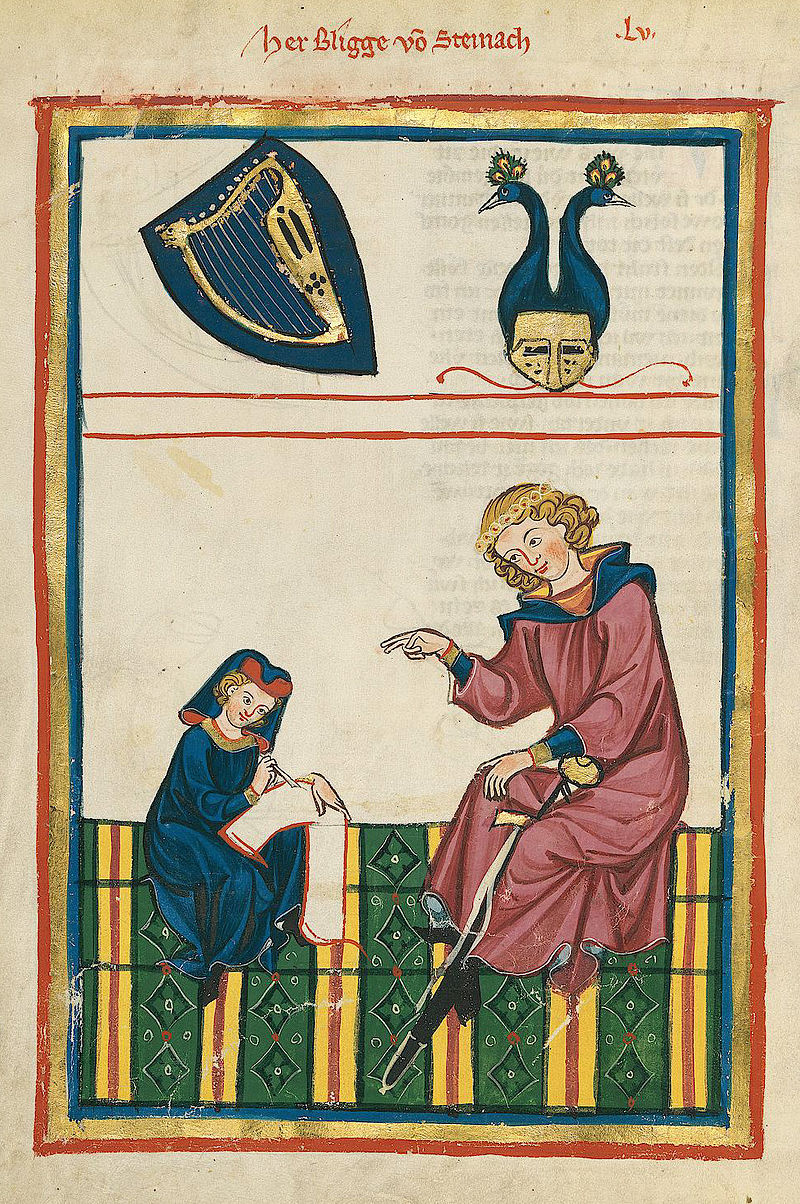
In medieval times, writers typically did not write down their own texts because the act of writing, or being a scribe, was often considered a task for those who were not highly educated. Instead, writers would dictate their thoughts to scribes who would transcribe their words.
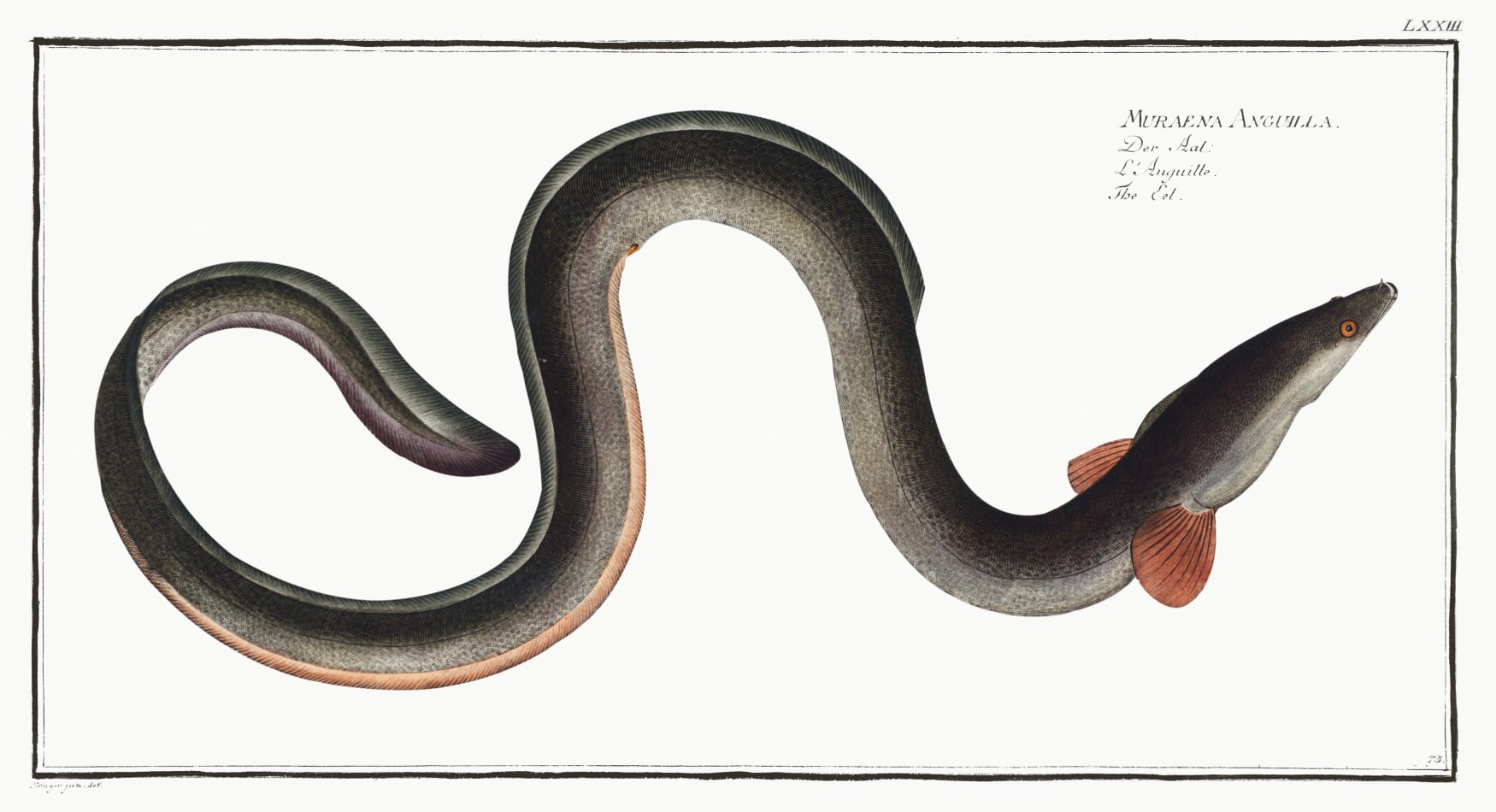
In medieval England, eels were used as a form of currency. Transactions involving eels ranged from small amounts to tens of thousands of these fish. Peasants used eels to pay for various expenses, including rent. Eels were considered somewhat of a cross between a delicacy and a common item. The reasons for the decline in eel transactions over time remain unknown.
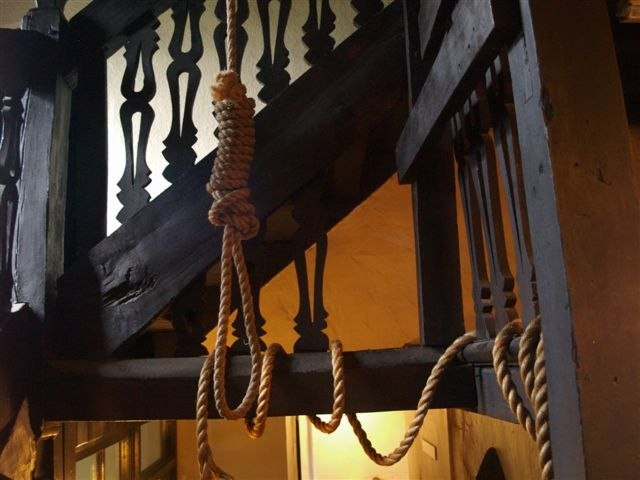
In the Medieval era, spectators at public executions often sought artifacts associated with the condemned, such as the hangman’s noose, which was believed to possess special powers. For instance, people suffering from ailments would wrap the rope around their heads in the belief that it could cure headaches and fevers. Gamblers and card players believed that owning a piece of a noose would bring them luck in their games.
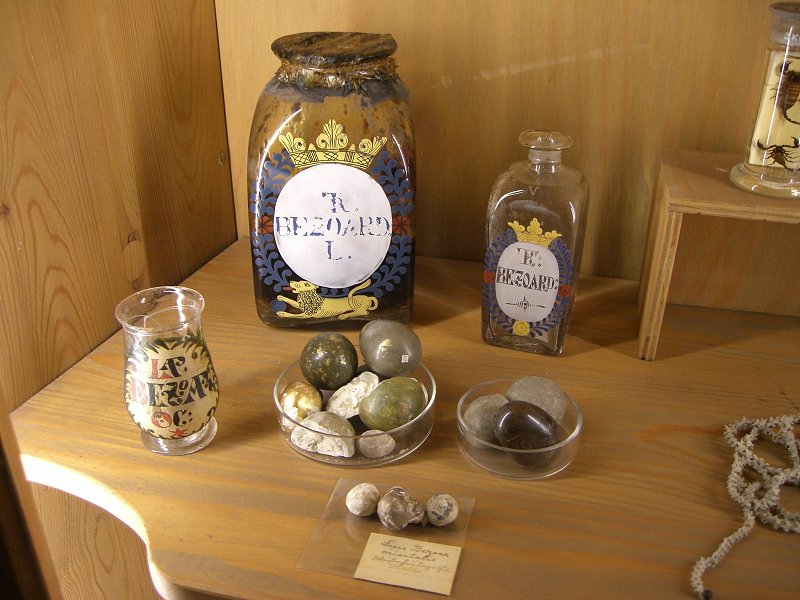
Around 1000 A.D., bezoars, which are hardened, pearl-like clumps of indigestible matter found in the stomach lining of animals, became revered as mystical good luck charms in Europe and Asia. They were worn as protective amulets, often set in gold, and believed to possess curing powers. Specifically, they were thought to contain a small amount of toxin that could act as an antidote to poisons. Bezoars were also believed to aid in treating conditions such as dysentery and epilepsy. During the Black Death, they were placed on the bodies of plague victims in hopes of healing their sores.
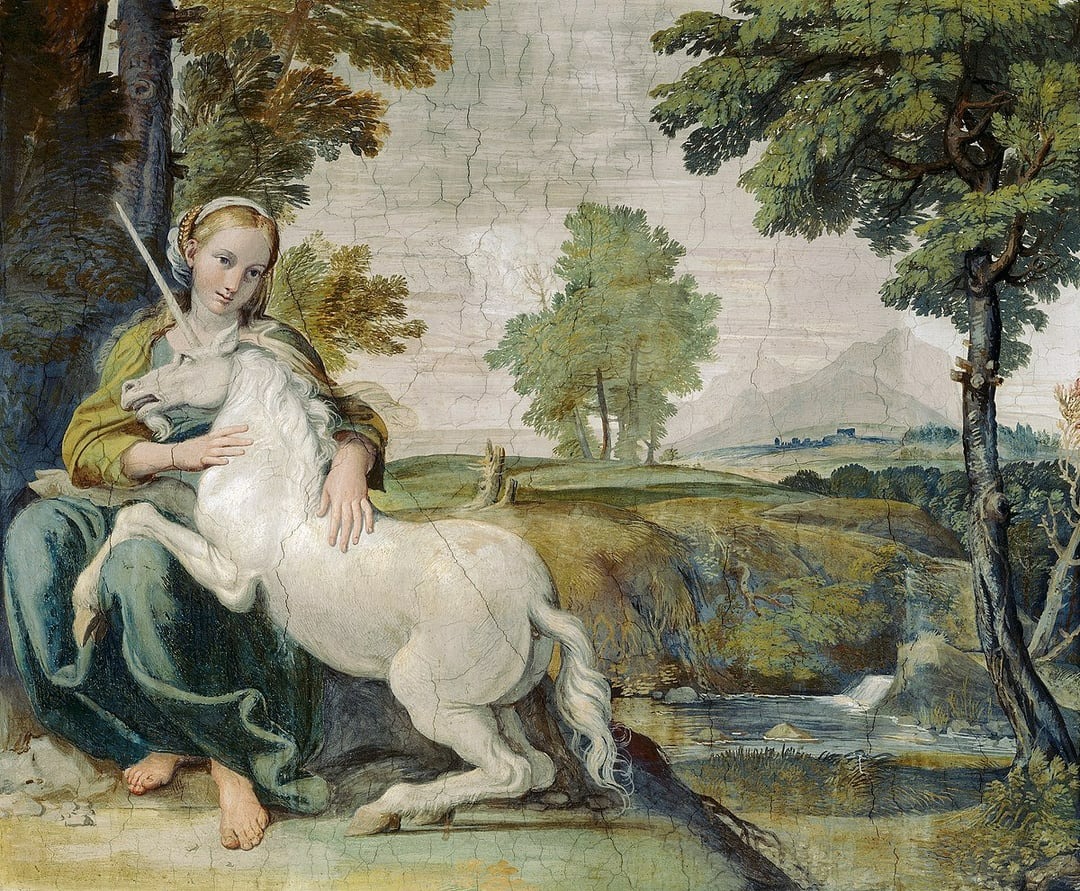
Due to a mistranslation, medieval people often believed that the Bible compared Jesus to a unicorn. As a result, unicorns frequently appeared in medieval religious art.
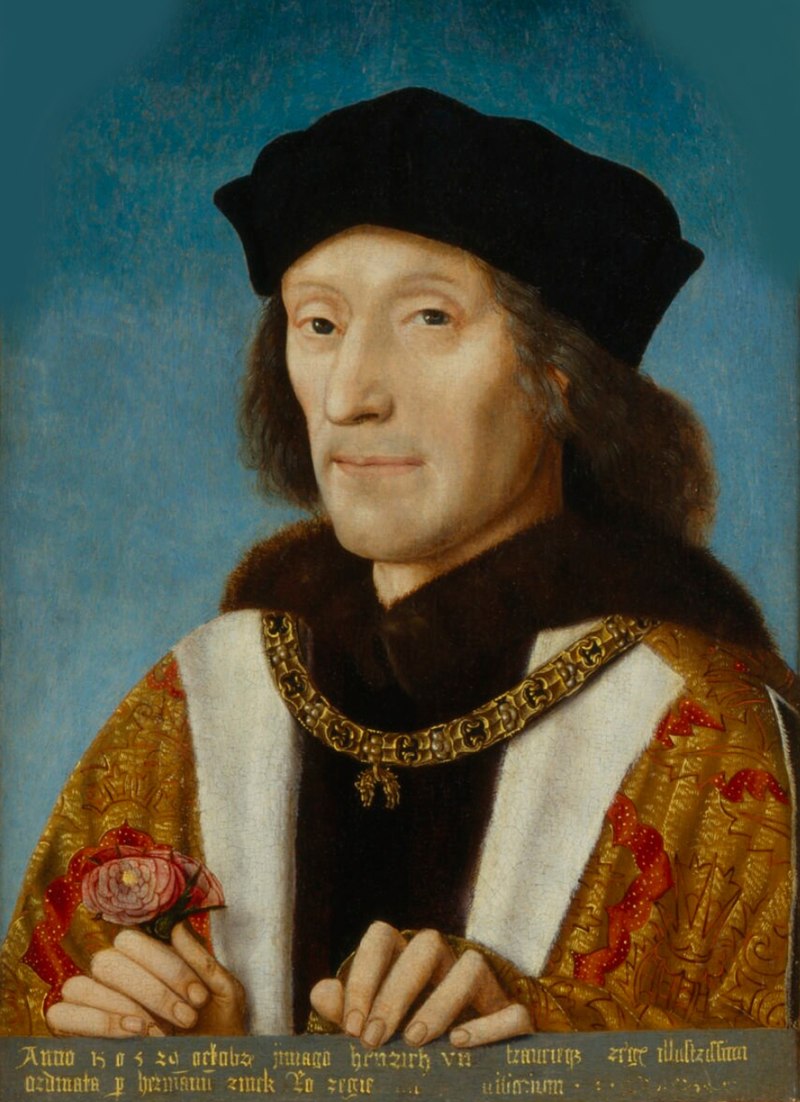
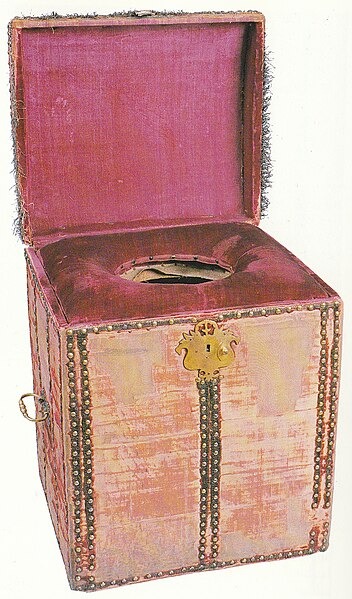
Originating in the late Middle Ages and gaining prominence during the Early Modern period, the position was said to have been created by King Henry VII in the 1490s. The Groom of the Stool was a male attendant responsible for tending to the king’s needs in the privy, including bringing chamberpots, providing water and towels, and disposing of waste. He also monitored the king’s bodily outputs and reported to the royal physician about his health. Over time, especially in the 16th and 17th centuries, the Groom of the Stool’s duties expanded, eventually overseeing the royal bedchamber.
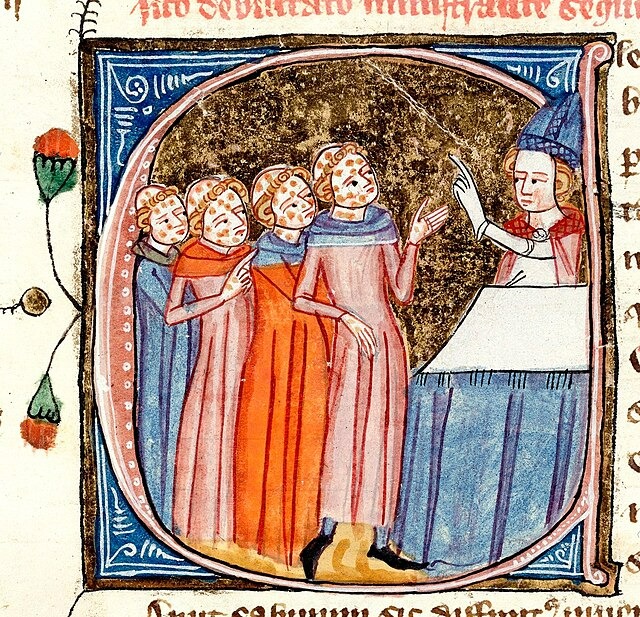
In the Middle Ages, a disease known as leprosy, now called Hansen’s disease, became prevalent in communities across England. It affects the skin, mucosal surfaces of the upper respiratory tract, peripheral nerves, and eyes. During medieval times, it was sometimes referred to as the “living death” because its victims were often treated as if they were already dead. Funerals were arranged to declare those with the disease “dead” to society, after which their relatives could claim their inheritance.
During the medieval period, a man’s social status could be reflected by the length of his shoes. To elongate their shoes and signify higher social standing, some men used materials such as whalebone.
Some scholars prefer the term “medieval” instead of “Middle Ages” because the latter can imply that the period was insignificant or less significant in historical context.
In 1314, football was officially banned in England through more than 30 royal and local laws. This action was prompted by complaints from London merchants to King Edward II of England about the “great noise in the city caused by hustling over large balls from which many evils may arise, which God forbid.”
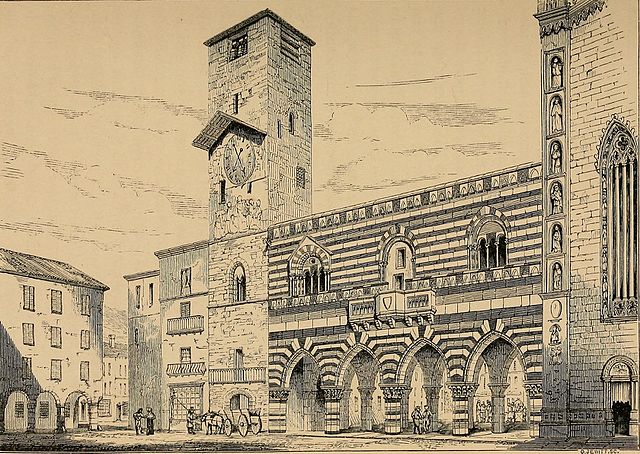
The invention of mechanical clocks is thought to have originated from the development of tower clocks in the region spanning Germany and Italy between 1270 and 1300.
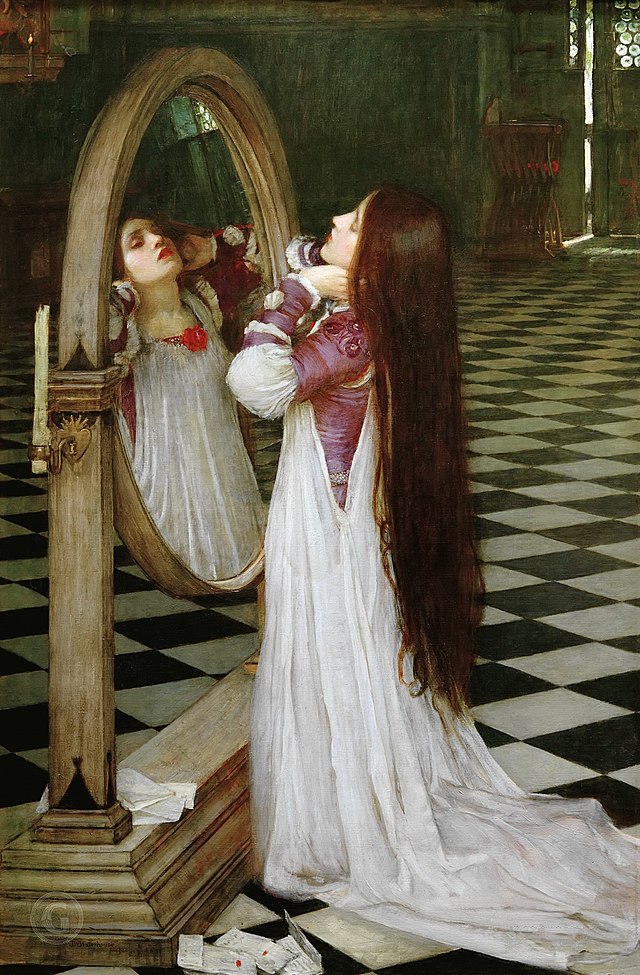
In medieval times, mirrors were not as reflective as modern ones, so people had only a vague idea of their own appearance. Additionally, mirrors were considered luxury items primarily owned by upper-class women.
In medieval times, there were two main types of dances. The first was the farandole, a line dance where participants held hands, allowing the leader to keep their left arm free. Dancers moved in a winding labyrinth pattern, often clockwise, and the leader occasionally performed additional movements.
The second type was the branle, characterized by a side-to-side movement. It was typically danced by partners, either in lines or circles, alternating large sideways steps to the left with an equal number of smaller steps to the right.
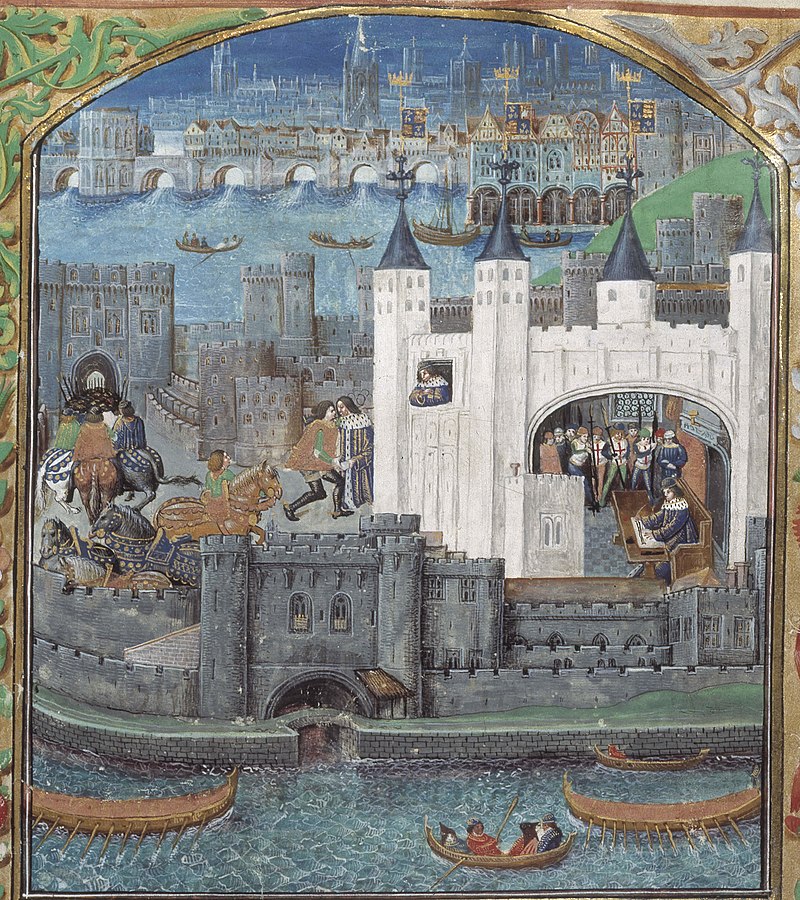
The Tower of London was originally constructed as a battlement but later became a prison after King Henry I ascended to the throne in 1100. One of his initial actions was to order the arrest of Ranulf Flambard, the Bishop of Durham, marking the tower’s shift to a place of imprisonment.
In the Middle Ages, people believed that bad weather could be caused by individuals who committed serious sins such as murder, incest, or stirring up family disputes. Additionally, there was a belief that witches and sorcerers could cause bad weather intentionally to harm crops and communities.
Even if you have the most basic historical knowledge, you are probably aware of the period called the Middle Ages. Sadly, many think that it was a very dull time, which is very far from the truth. How could such a long period be tedious? So many things happened during it!
Education wasn’t a privilege for all
A proper education was difficult to come by during medieval times, so if women wanted to receive a higher education, they had to join a convent. This led to the fact that many of the earliest female intellectuals were nuns. For example, Sister Juliana Morell is believed to be the first woman in the Western world ever to earn a university degree.