


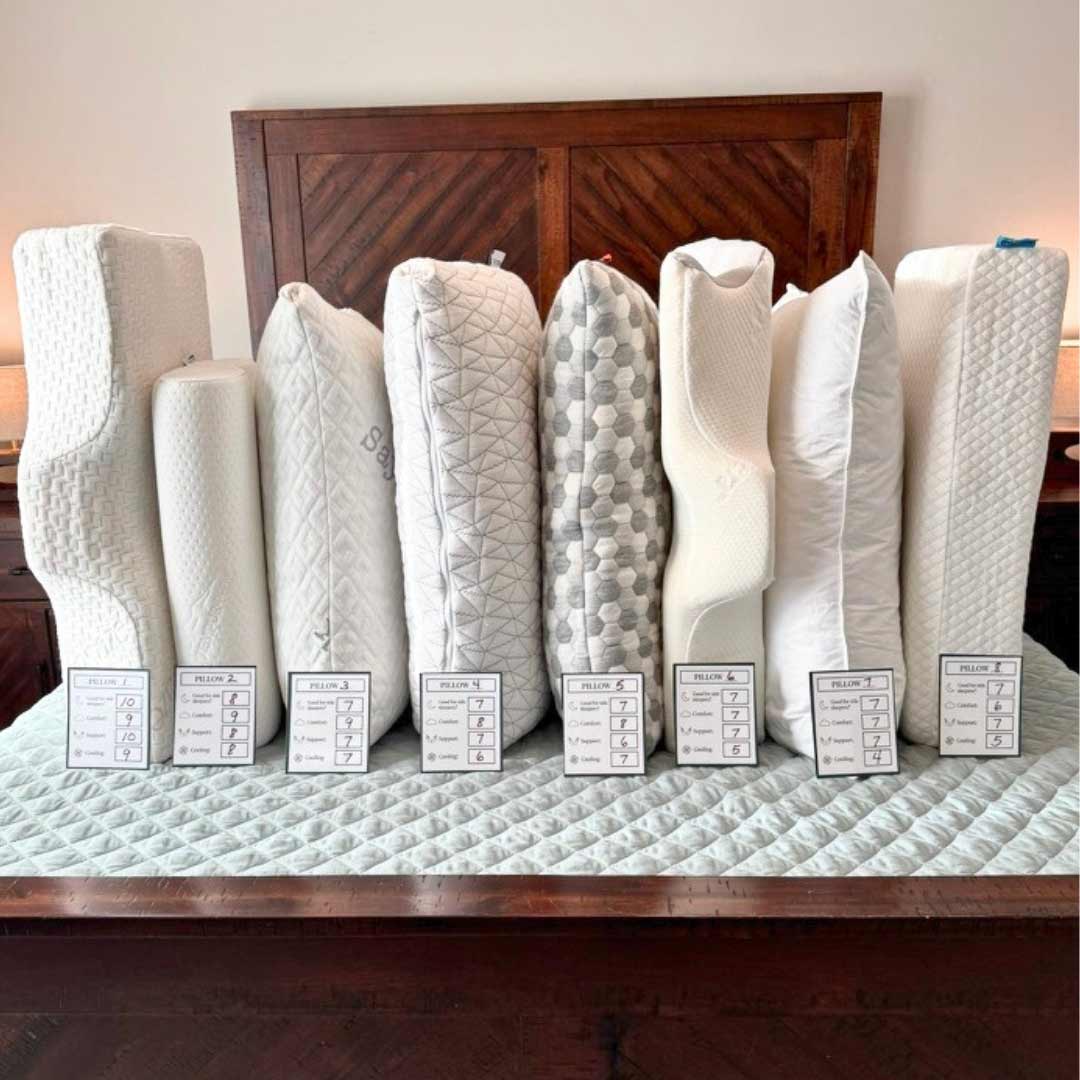
Shoulder pain from sleeping is one of the most common complaints I hear — and I dealt with it myself for years. The wrong pillow creates a chain reaction: your shoulder compresses into the mattress, your neck tilts out of alignment, and you wake up stiff and sore. After weeks of testing 9 popular pillows specifically for how they handle shoulder pressure, I found clear winners and losers.
The biggest lesson from my testing: your pillow’s loft and shape matter more than its fill material when it comes to shoulder pain. A pillow that properly fills the gap between your shoulder and head takes the pressure off your shoulder joint entirely.
How We Tested
We ranked the options according to:
- Comfort
- Support
- Durability
- Value
- Cooling

Check out the full review below!

The Dosaze excels at shoulder pain relief because its winged contour design addresses the root cause: the gap between your shoulder and head. The raised edges support side sleepers while the lower center works for back sleeping — meaning your shoulder never bears excess weight regardless of position.
Why We Like It for Shoulder Pain
Shoulder pain during sleep almost always comes down to one thing: your pillow isn’t filling the gap between your shoulder and your head. When that gap isn’t filled, your shoulder compresses into the mattress to compensate, and you wake up sore. The Dosaze Contoured Orthopedic Pillow solves this with its winged contour shape — the raised edges are the exact right height to bridge that shoulder gap for side sleepers.
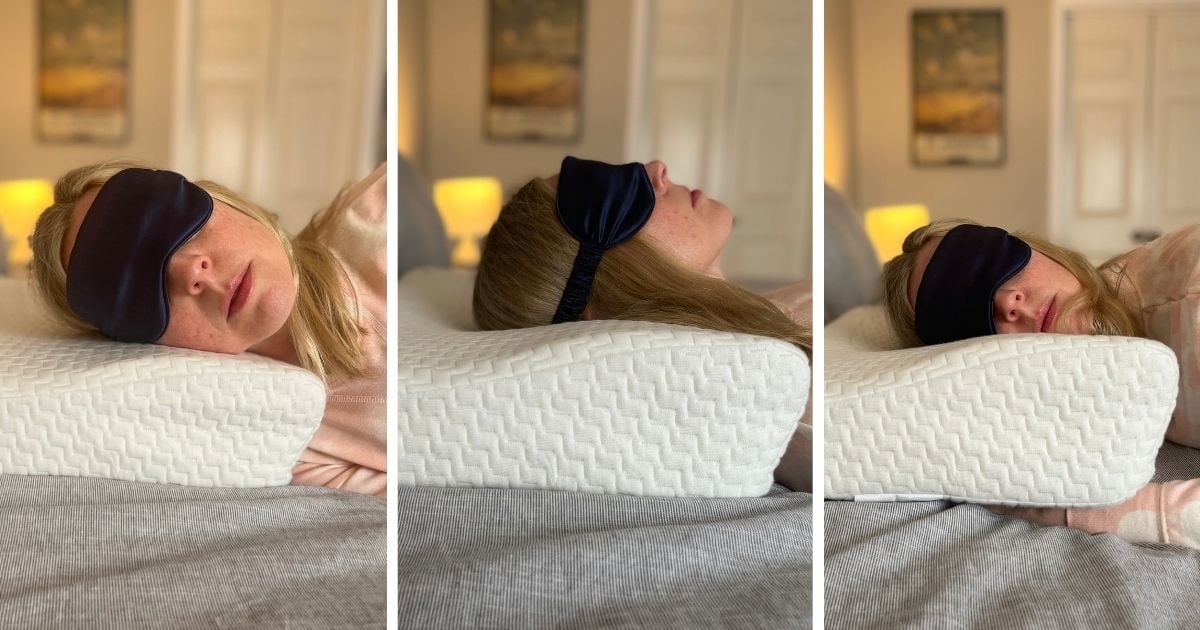
What makes this pillow stand out from other contour designs is the wing shape. Unlike single-wave contour pillows, the wings cradle your head from both sides, preventing it from rolling and pulling your shoulder out of alignment. The CertiPUR-US certified memory foam has the ideal firmness — supportive enough to maintain the shoulder gap, but soft enough that it doesn’t create pressure points on your ear or temple.
Combination Sleeping
Most shoulder pain sufferers naturally shift positions during the night to find relief. The Dosaze handles this beautifully: the lower center section accommodates back sleeping (where shoulder pain is less of an issue), while the higher wings engage when you roll to your side. Your shoulder never takes on extra load because the pillow height adjusts with your position.
Cooling and Comfort
The bamboo rayon cover sleeps noticeably cooler than polyester covers on competitors. This matters for shoulder pain — inflammation and heat can aggravate joint pain, so a cooler sleep surface helps. The 60-night trial and 3-year warranty give you plenty of time to assess whether it’s truly reducing your shoulder pain.

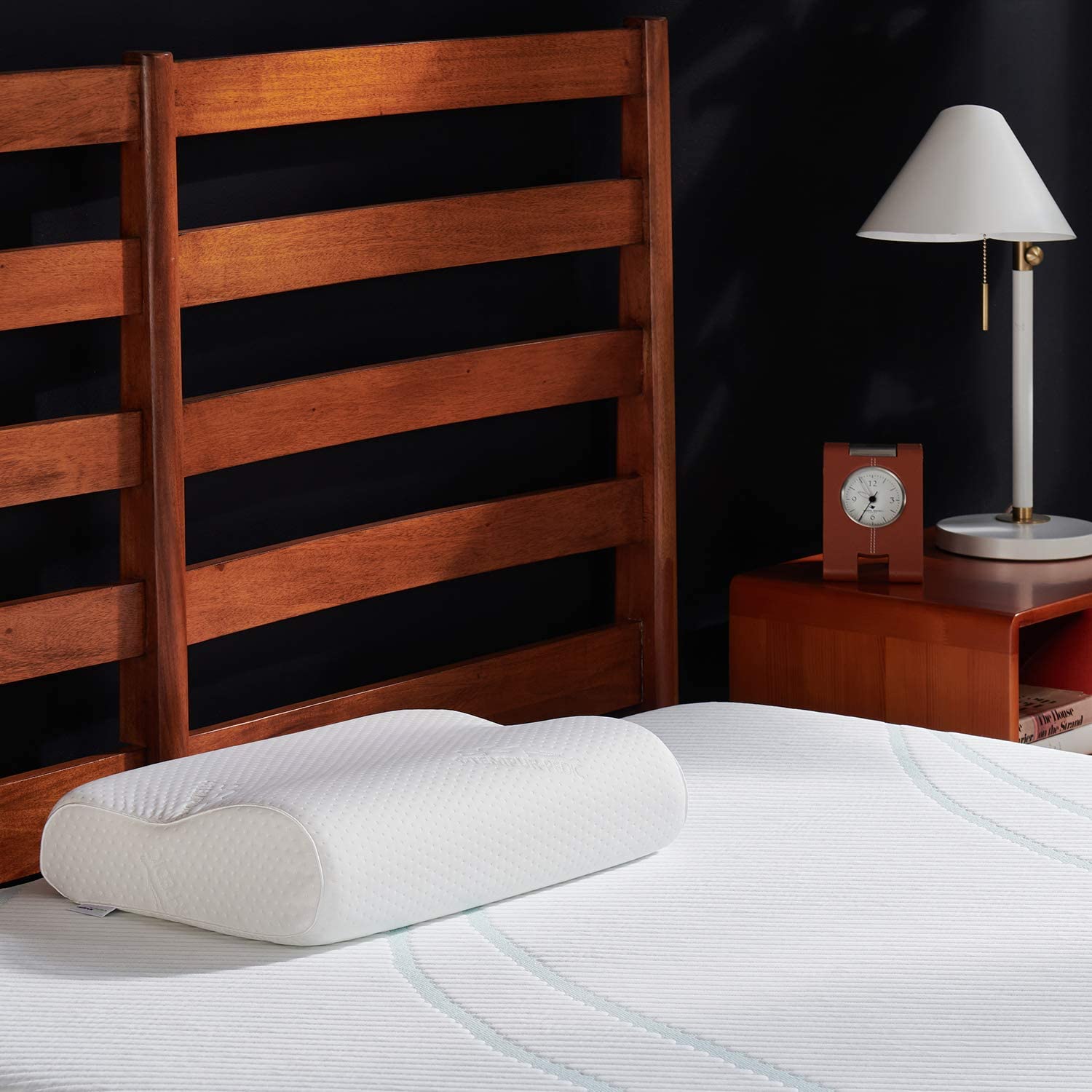
The TEMPUR foam is dense and supportive, which helps maintain the shoulder gap, but the single-wave contour only addresses vertical alignment. Your head can still shift side-to-side, pulling your shoulder out of position. The foam also felt uncomfortably firm against the ears during side sleeping.
Why We Like It for Shoulder Pain
Tempur-Pedic’s TEMPUR foam is genuinely premium — it’s dense enough to maintain its shape and keep the shoulder gap filled throughout the night. The contour design provides good vertical neck alignment, which indirectly helps shoulder pain by keeping your spine straight. If material quality is your top priority, this is hard to beat.

Where It Falls Short
The single-wave contour only addresses up-and-down alignment. During side sleeping, your head can still shift horizontally, which pulls the shoulder forward or backward and creates strain on the joint. For shoulder pain specifically, you need a pillow that locks your head in place — and this one doesn’t quite do that.
The foam is also quite firm, which creates noticeable pressure on the ears during side sleeping. When you’re already dealing with shoulder discomfort, adding ear pressure makes it harder to find a comfortable position and stay in it.
Value Assessment
At this price point with only a 30-day return window, it’s a risky buy for shoulder pain sufferers. Many people need 4-6 weeks to know whether a pillow is truly helping their pain. The 5-year warranty is strong, but the trial period is too short.

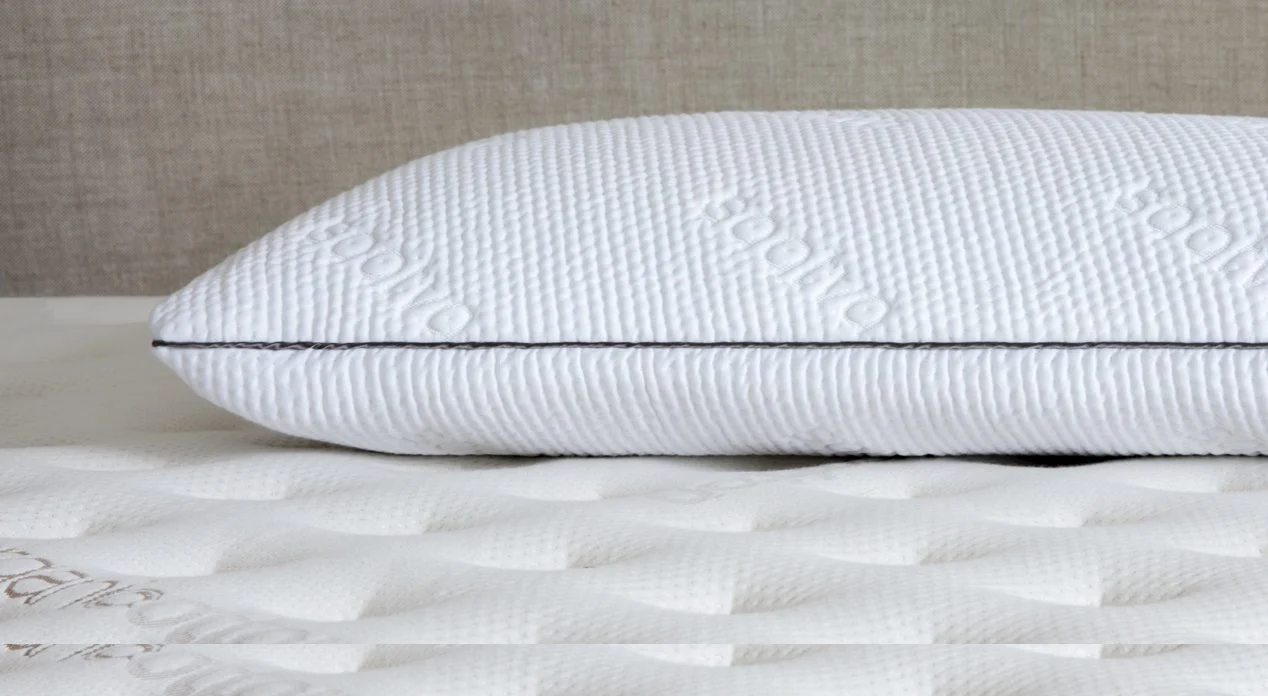
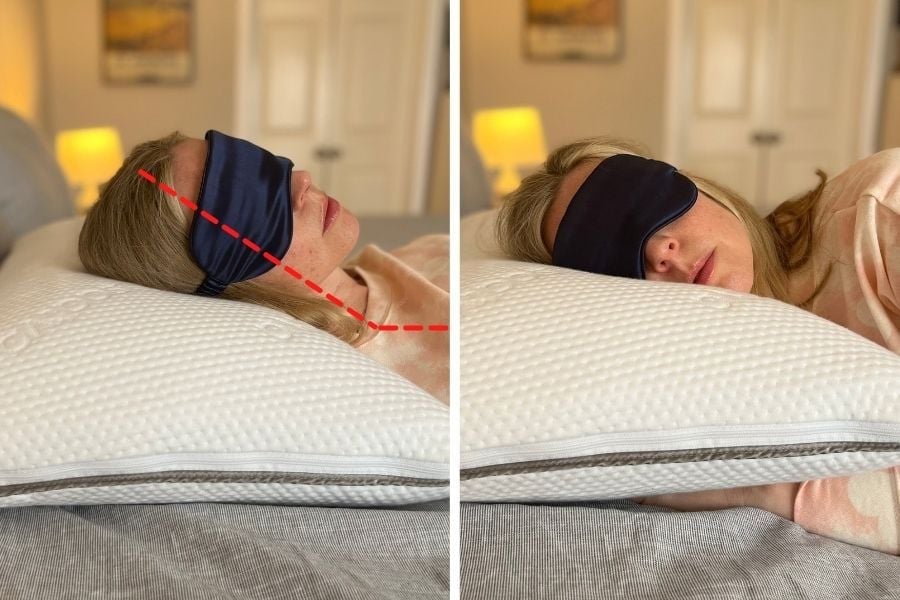
Premium materials with good cooling, but the traditional rectangular shape does nothing to address shoulder pain mechanics. The pillow relies entirely on foam conformity to create alignment — which isn’t enough when you need consistent shoulder gap support.
Why We Like It for Shoulder Pain
The graphite-infused foam sleeps cooler than standard memory foam, which is a genuine benefit for shoulder pain — heat and inflammation go hand in hand, and a cooler pillow can help reduce overnight swelling in the shoulder joint. The dual-layer foam-latex construction provides responsive support that conforms reasonably well to your head and neck.
Where It Falls Short
For shoulder pain specifically, this pillow misses the mark. The traditional rectangular shape with no contouring means there’s nothing structurally addressing the shoulder-to-head gap. When you lie on your side, the foam compresses but doesn’t have enough height variation to prevent your shoulder from bearing too much weight.
The springy latex feel also creates a subtle bounce-back that can push against tender shoulder areas. If your shoulder pain is acute, this resistance can be uncomfortable during the night.
Who It’s Best For
Hot sleepers with mild shoulder discomfort who want premium materials. The cooling properties are genuinely helpful for inflammation, but the lack of ergonomic design means it won’t solve the root cause of most shoulder pain.

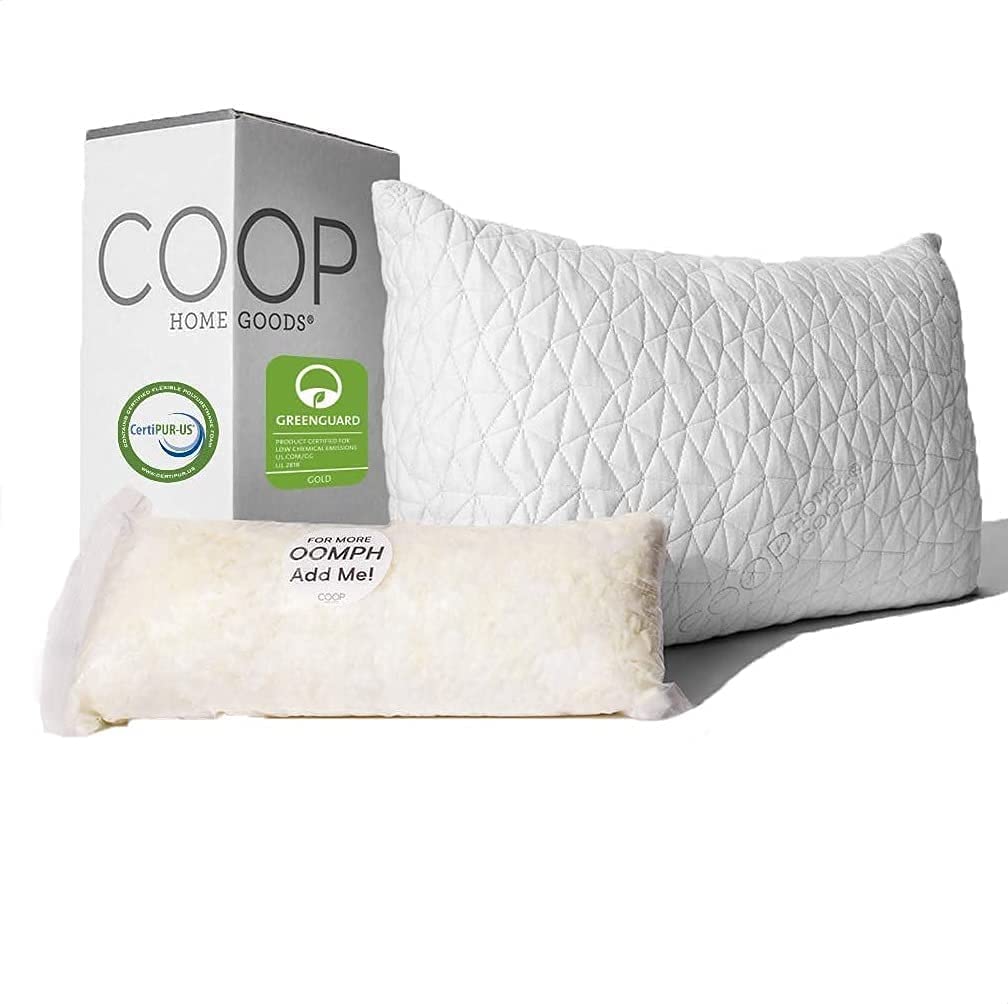
The adjustability is great for finding the right initial height for your shoulder gap, but the shredded fill shifts during the night. You can start with perfect alignment and wake up with the fill bunched to one side, leaving your shoulder unsupported. A 100-night trial gives you time to decide.
Why We Like It for Shoulder Pain
The ability to add or remove shredded fill is valuable for shoulder pain because everyone’s shoulder-to-head gap is different. You can dial in the exact loft height you need so your shoulder isn’t compressed when side sleeping. The 100-night trial is generous enough to truly evaluate whether the pillow is helping your pain.
Where It Falls Short
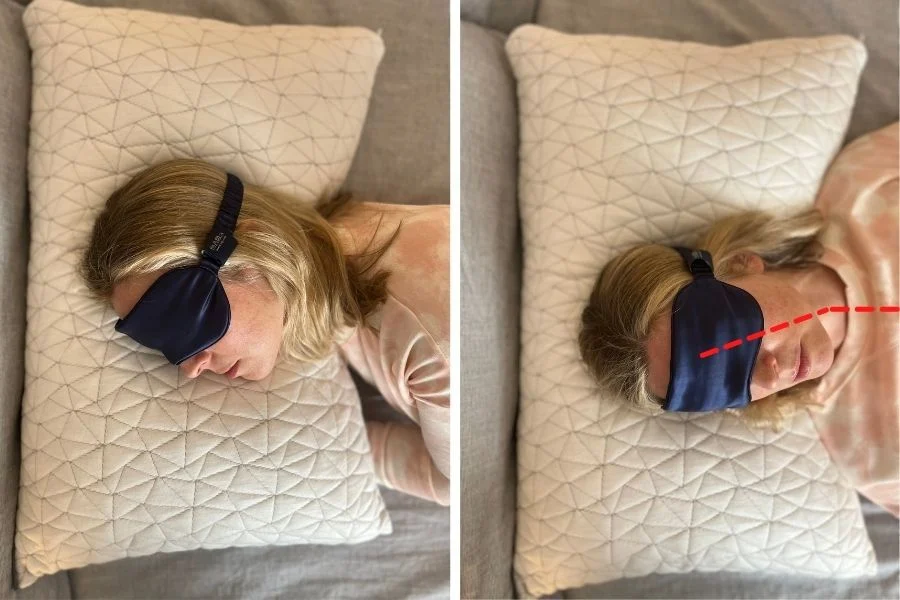
The fundamental problem is that shredded fill moves. You can set it up perfectly before bed, but as you shift positions throughout the night, the fill migrates. By morning, the foam has bunched up in spots and thinned out in others — meaning your shoulder gap support isn’t consistent. For shoulder pain that wakes you up at 3am, this inconsistency is a real issue.
The mixed memory foam and polyester fill also doesn’t provide the same structural support as a solid foam contour. It compresses more easily, which means less reliable support for the shoulder gap over time.
Who It’s Best For
People with mild shoulder discomfort who want to experiment with different loft heights. The adjustability makes it a good diagnostic tool — if you find that a certain height helps, you can then invest in a contoured pillow that maintains that height structurally.

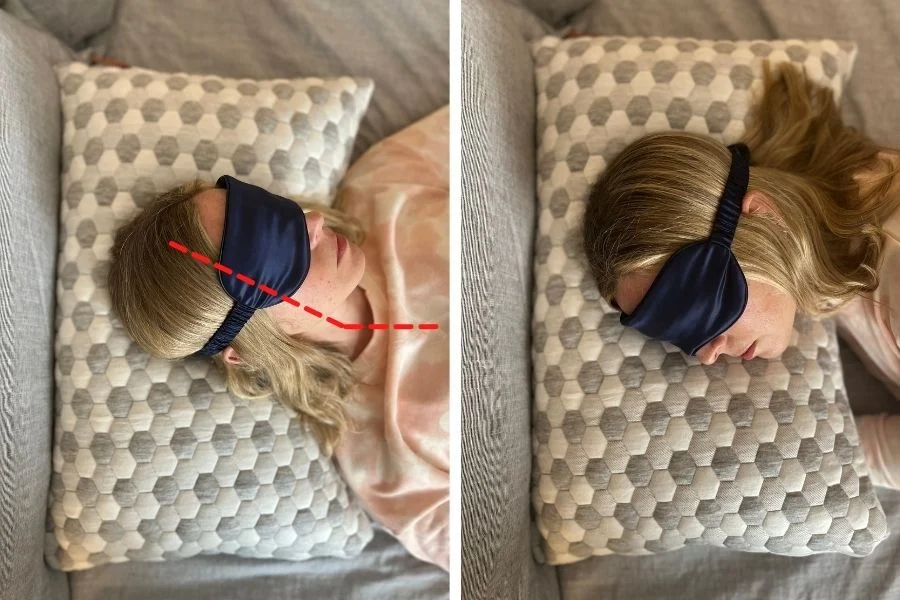
The kapok fiber is an interesting natural material, but for shoulder pain relief it falls short. The fill shifts more than pure memory foam, making it even less reliable for maintaining shoulder gap support. The copper-infused cover may offer mild anti-inflammatory benefits, but the overall design doesn’t address the mechanics of shoulder pain.
Why We Like It for Shoulder Pain
The copper-infused cover is marketed for cooling and antimicrobial properties, and copper has been associated with anti-inflammatory benefits. If your shoulder pain involves inflammation, there’s a theoretical benefit here. The 120-night trial is also the most generous on this list, giving you plenty of time to evaluate its impact on your shoulder pain.
Where It Falls Short
Kapok fibers are lighter than memory foam, which means they migrate even more during the night. The shoulder gap support you set up at bedtime won’t be there at 2am. During testing, I consistently woke with neck and shoulder stiffness because the fill had shifted away from where I needed it most.
The textured copper cover also doesn’t feel smooth against skin, which is an added irritation when you’re already dealing with shoulder discomfort and trying to find a comfortable position.
The Bottom Line
An interesting material with a generous trial period, but it doesn’t solve the mechanical problem behind shoulder pain. The fill is too unstable to maintain consistent support where your shoulder needs it.
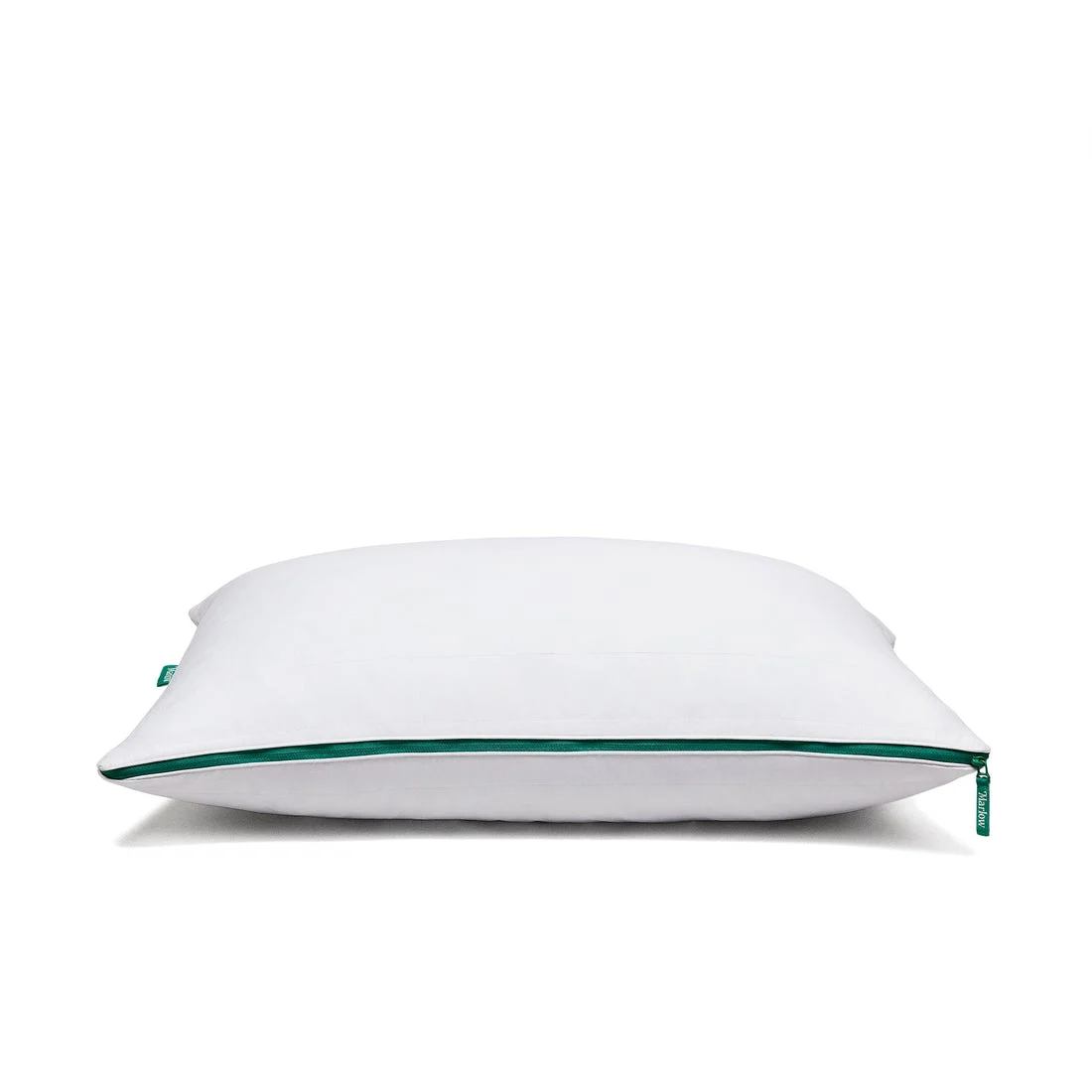
The zip-based adjustment is clean and mess-free, and solid foam is better than shredded fill for maintaining shoulder support. But with only two height options and no contouring, the odds of it perfectly matching your shoulder gap are slim. If one of the two heights works for you, it’s a solid option.
Why We Like It for Shoulder Pain
Unlike shredded-fill pillows, the Marlow uses solid memory foam — which means the loft height you set stays consistent throughout the night. For shoulder pain sufferers, this reliability is important. The zip system also means you aren’t dealing with the mess of removing fill when your shoulder is already sore.
Where It Falls Short
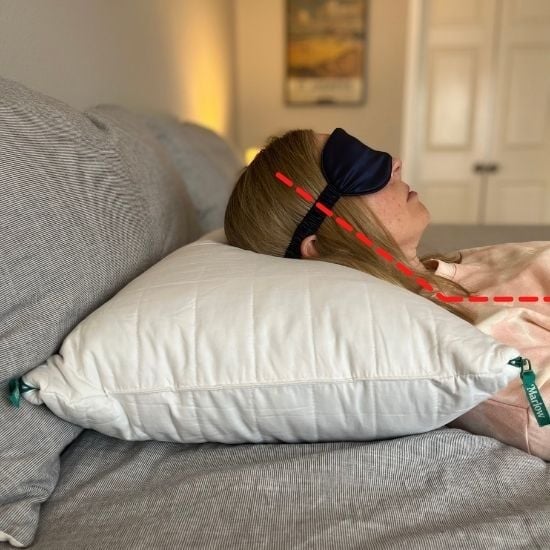
Two height options is a coin flip for shoulder pain. During testing, the higher setting pushed my head too far up, creating a downward angle on my shoulder. The lower setting was better but still didn’t feel precisely dialed in. With shoulder pain, even a half-inch of height difference matters, and having only two options is limiting.
The uniform height across the pillow is also a drawback. When you switch from side to back sleeping, you need a different height — but the Marlow provides the same loft regardless of position.
Who It’s Best For
People who prefer a simple, mess-free pillow and happen to find that one of the two heights works well for their shoulder gap. The solid foam construction is a real advantage over shredded fill for consistent support.
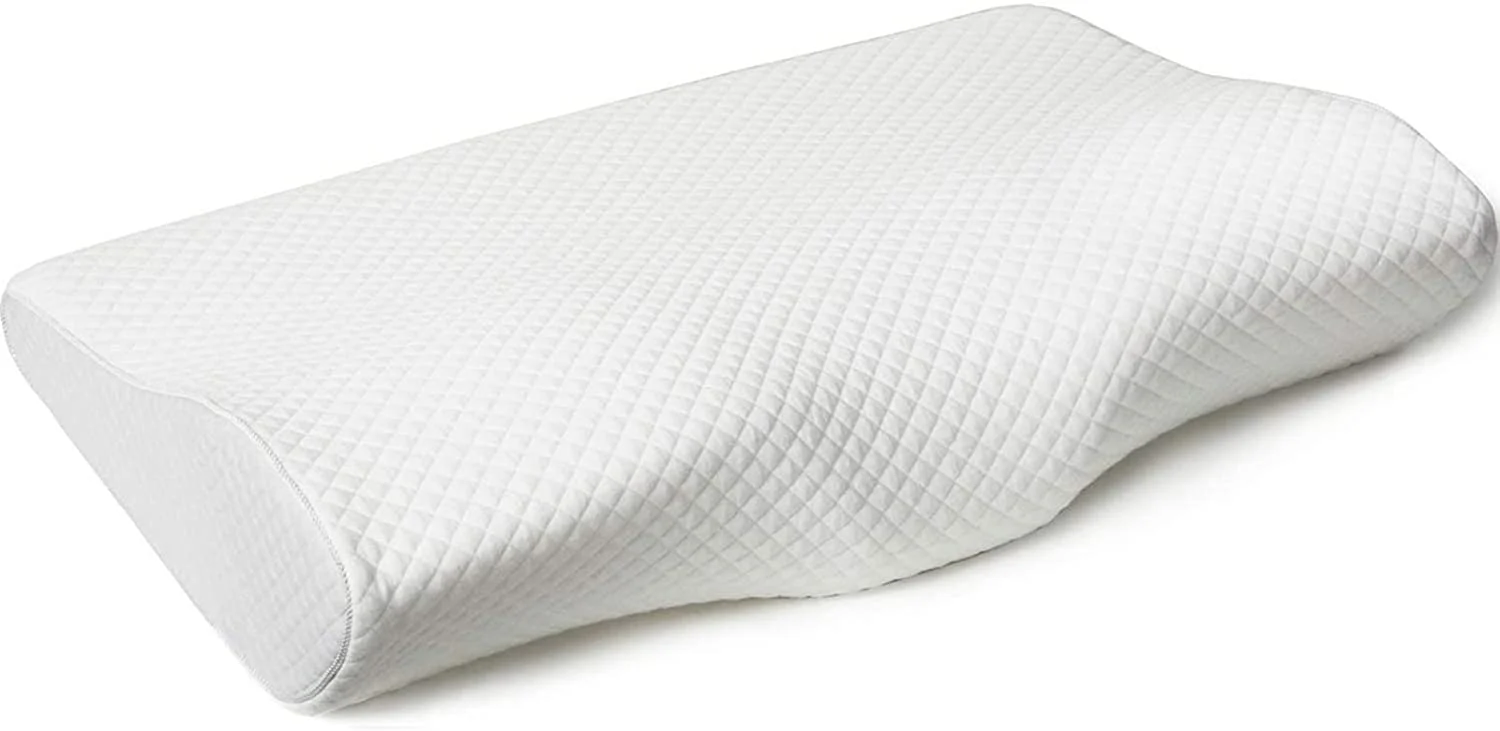
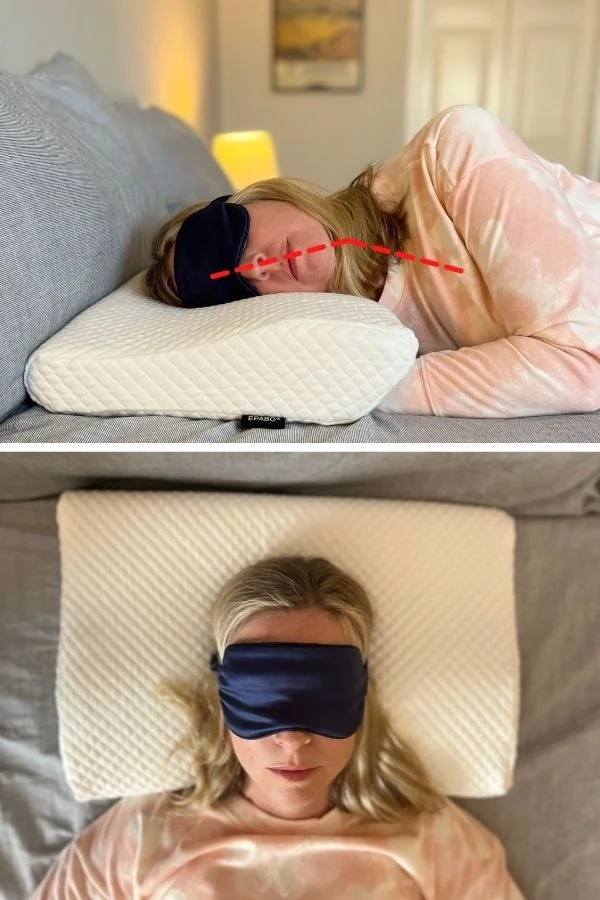
The contour shape is the right idea for shoulder pain, but the execution falls short. The pillow is physically too small, leaving a gap between the pillow edge and your shoulder — which means your shoulder still bears weight. The overly firm, uncertified foam creates additional pressure points rather than relieving them.
Why We Like It for Shoulder Pain
At its price point, the EPABO at least attempts the right approach — a contour design that creates different heights for different sleep positions. This is fundamentally what shoulder pain sufferers need. If you’re on a strict budget and want to test whether a contour pillow concept works for you before investing more, it serves as an entry point.
Where It Falls Short
The biggest problem for shoulder pain is the pillow’s size. It’s physically smaller than competitors, which leaves a gap between where the pillow ends and where your shoulder meets the mattress. During testing, I felt like 100% of my body weight was on my shoulder — I was sinking into the mattress to reach the pillow rather than the pillow reaching me. This defeats the purpose entirely.
The uncertified foam is also noticeably firmer than premium alternatives, which creates pressure points on the side of your head and ear. When you’re already dealing with shoulder pain, adding discomfort elsewhere makes it harder to sleep.
The Bottom Line
You get what you pay for. The concept is right but the execution — undersized dimensions, firm uncertified foam, scratchy cover, no warranty — makes this a gamble that probably won’t pay off for serious shoulder pain.
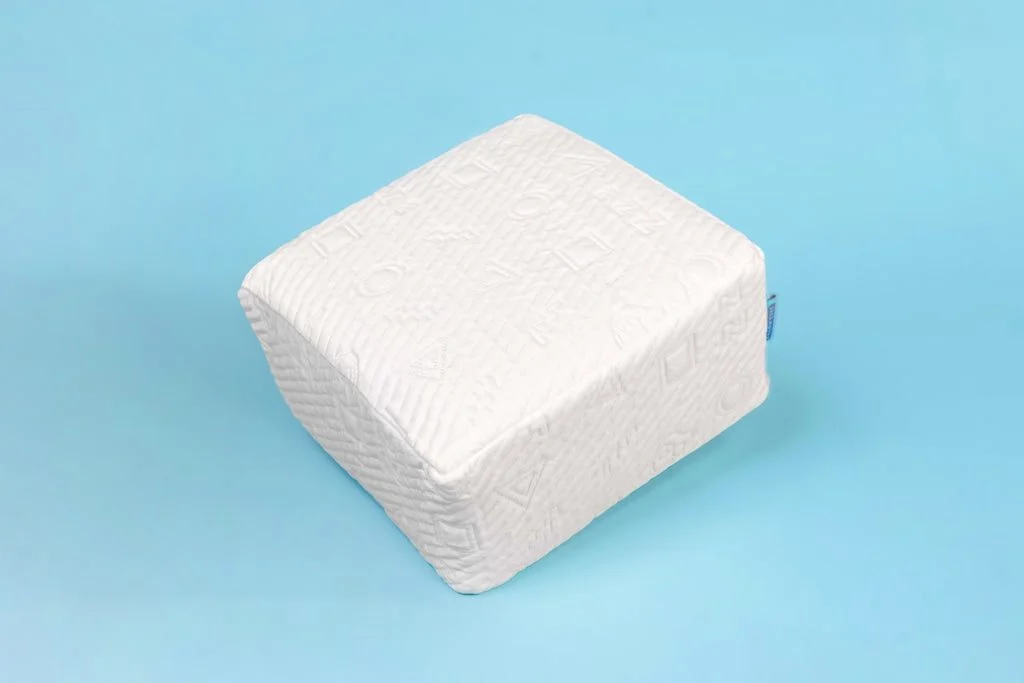
The cube shape directly addresses the shoulder gap problem, and during strict side sleeping it does take pressure off the shoulder. But the moment you roll onto your back, the cube is far too tall and creates new problems. For shoulder pain sufferers who shift positions seeking relief, this inflexibility is a dealbreaker.
Why We Like It for Shoulder Pain
The Pillow Cube takes the most direct approach to the shoulder gap problem: it’s tall enough to completely fill the space between your shoulder and head. In strict side sleeping position, this works — your shoulder doesn’t compress into the mattress because the pillow is doing all the support work. If you never move from your side, the concept is sound.
Where It Falls Short
Shoulder pain sufferers tend to shift positions during the night seeking relief. The moment you roll onto your back, the Pillow Cube’s height pushes your head forward at an extreme angle, which can actually create new shoulder strain as your upper body compensates for the misalignment. It’s a one-trick pony, and shoulder pain usually demands versatility.
The foam quality is also a step below premium options. It sleeps warm and has a firmer feel that can create pressure on the side of your head — not ideal when you’re already uncomfortable.
The Bottom Line
If you are exclusively a side sleeper and never change positions, the Pillow Cube’s shoulder gap support is worth trying with the 60-day trial. For everyone else — especially those who shift positions to manage shoulder pain — the complete lack of versatility makes this hard to recommend at $134.
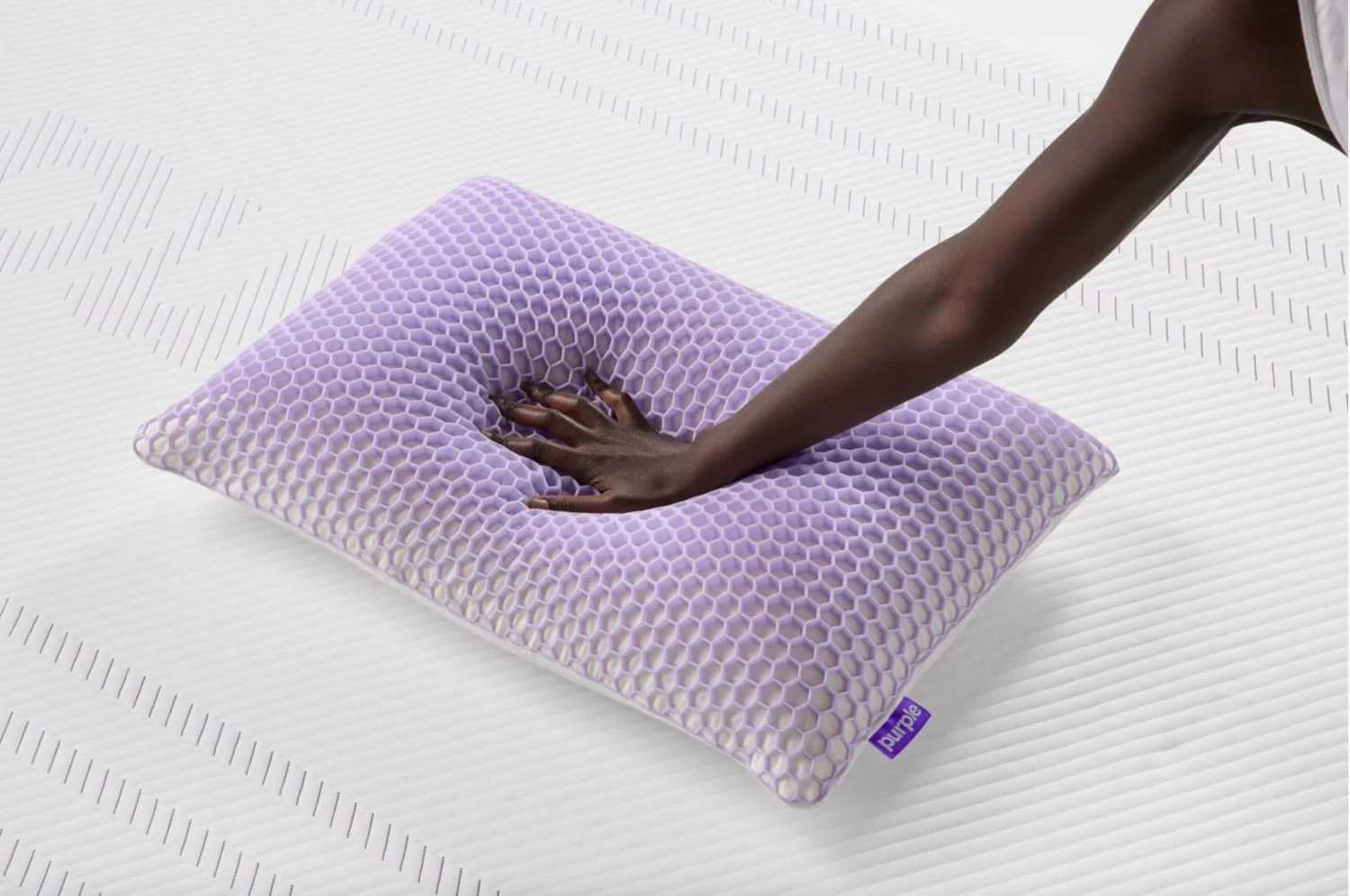
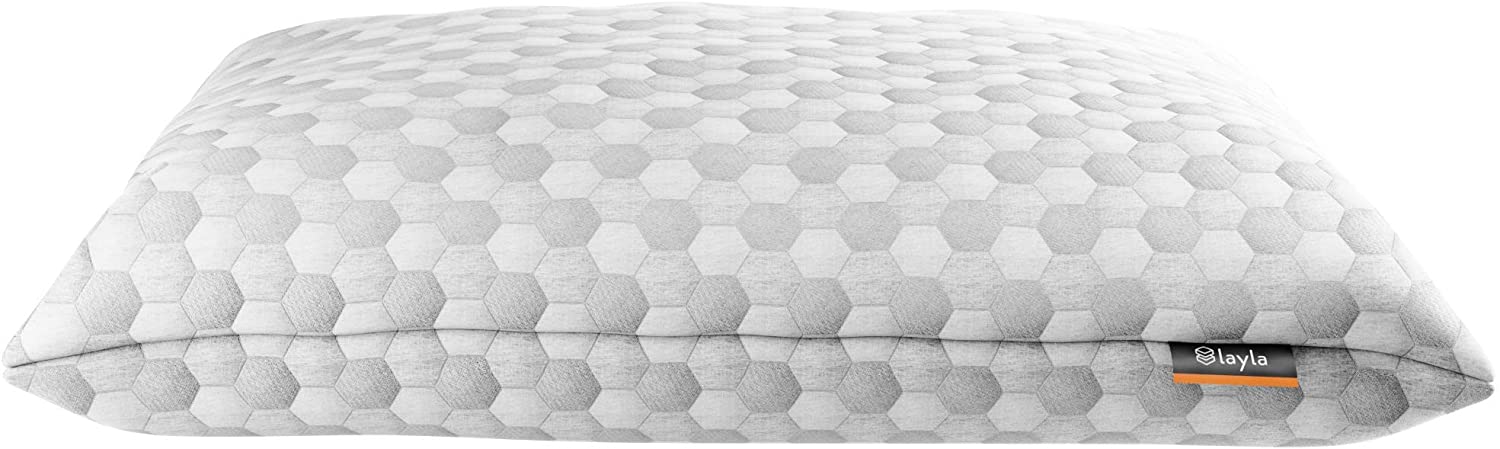
The Purple Harmony is the best cooler on this list, and cooling genuinely helps with inflamed shoulders. But the springy, bouncy grid actively works against stable shoulder alignment. Every small movement creates oscillations that shift your head position, pulling on the shoulder joint. For cooling alone it’s worth considering, but it won’t fix the root cause of your shoulder pain.
Why We Like It for Shoulder Pain
If your shoulder pain involves inflammation — and most does — the Purple Harmony’s cooling is a legitimate therapeutic benefit. The grid technology creates constant airflow, and the Talalay latex core doesn’t trap heat like memory foam. A cooler sleep surface can meaningfully reduce overnight swelling in the shoulder joint.
Where It Falls Short
The springy, jiggly feel is the Harmony’s biggest problem for shoulder pain. The latex-grid combination bounces and oscillates with every movement. For a shoulder pain sufferer, every micro-adjustment sends ripples through the pillow that shift your head and neck position — which pulls on the shoulder. You need stability, and this pillow provides the opposite.
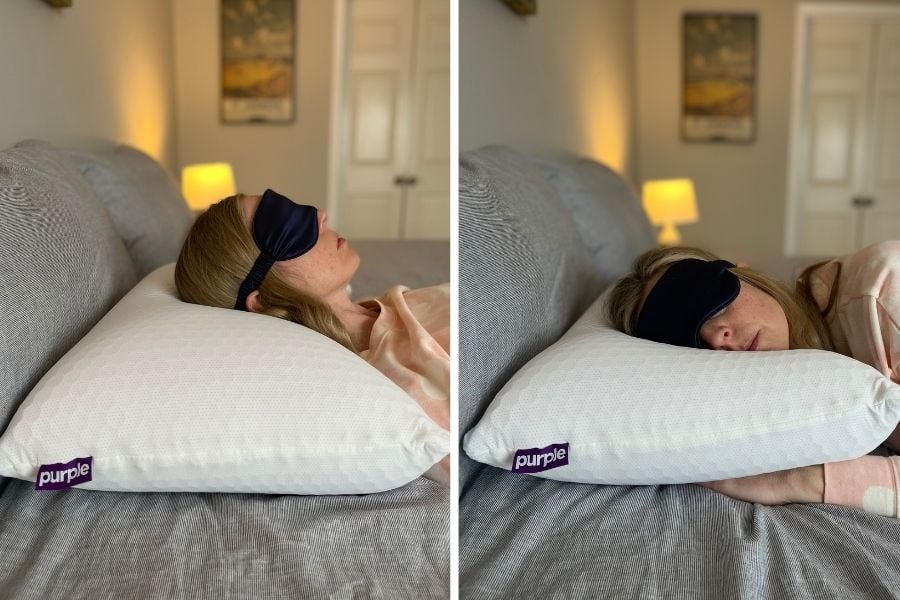
The pillow also lacks any contouring or height variation, so there’s nothing structurally filling the shoulder gap during side sleeping. You’re relying entirely on the grid’s flex to conform, and the bounce-back means it doesn’t stay conformed.
The Bottom Line
If inflammation is your primary issue and you want the best cooling available, the 100-night trial makes it worth trying. But for mechanical shoulder pain caused by poor alignment and pillow gap, this won’t solve the problem.
Conclusions
For most sleepers (side, back, and combination) with shoulder pain, I highly recommend the Dosaze Contoured Orthopedic Pillow. The winged contour design, the quality of the foam, and the cooling bamboo cover are all best in class. And if you don’t like it, you have 60 full days to return. That being said, you can try any of the pillows on this list and see for yourself, hopefully risk free.
Pillow FAQ for Shoulder Pain
Why does my shoulder hurt after sleeping?
Shoulder pain from sleeping is usually caused by your pillow not filling the gap between your shoulder and head. When this gap isn’t supported, your shoulder compresses into the mattress, bearing weight it shouldn’t. Over time, this creates strain, inflammation, and pain in the shoulder joint. A properly contoured or high-loft pillow can eliminate this by supporting your head at the right height.
What type of pillow is best for shoulder pain?
Contoured orthopedic pillows with raised edges work best because they fill the shoulder-to-head gap consistently. The key is a pillow that maintains its height throughout the night — solid contoured foam is better than shredded fill for this purpose. Look for CertiPUR-US certified memory foam for safety and quality.
Should I sleep on my back if I have shoulder pain?
Back sleeping takes pressure off the shoulder joint entirely, so it can help. However, most people naturally shift to side sleeping during the night. A pillow with different heights for different positions — like a winged contour design — lets you sleep comfortably in both positions without aggravating your shoulder.
How long does it take for a new pillow to help shoulder pain?
Most people notice a difference within 1-2 weeks, but it can take up to 30 days for your body to fully adjust. This is why trial periods matter — look for at least a 60-day trial so you can give the pillow a fair chance. If your shoulder pain hasn’t improved after 30 days, the pillow likely isn’t the right fit.
Disclosure: HomeHacks has relationships with some of the products listed in this article. We may earn a commission if you purchase any of the products on this list.
