


Many traits we inherit from our moms go beyond just looks. From physical characteristics like eye color and hair texture to personality traits and health predispositions, a mother’s genetic influence plays a crucial role in shaping who we are. Understanding these inherited traits gives insight into the unique blend of nature that contributes to our individuality.
Mood

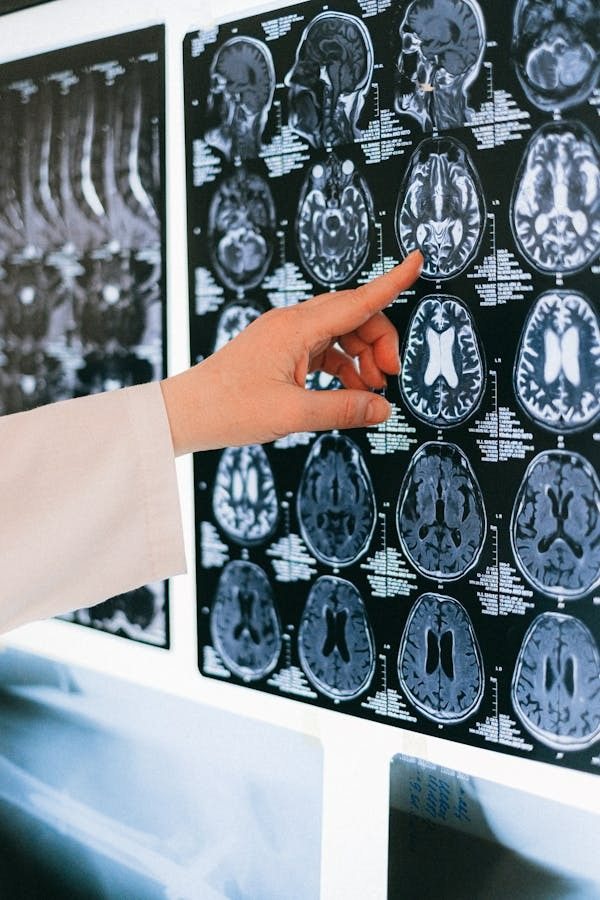
Mothers may pass down genetic traits that influence the structure of the corticolimbic system, the part of the brain responsible for regulating emotions. Research indicates that this system’s structure and function can predispose individuals to mood disorders like depression or anxiety, especially in daughters. This genetic influence suggests that if your mother struggles with mood regulation, you might be at higher risk of inheriting emotional vulnerabilities. While maternal inheritance plays a significant role, lifestyle factors, environment, and coping strategies also impact how mood disorders manifest. Daughters, in particular, are more likely to mirror their mother’s emotional responses due to this inherited brain structure.
Sleeping Patterns
If your mom struggles with sleep, whether it’s falling asleep, staying asleep, or waking up too early, there’s a strong chance you might have inherited similar patterns. Research published in the journal Sleep Medicine shows that insomnia and other sleep behaviors tend to be passed from mother to child, often affecting sleep schedules, rest quality, and overall health. This genetic link can impact circadian rhythms, influencing whether you’re a night owl or early riser. While sleep hygiene practices can help mitigate some issues, inherited tendencies may still dictate how easily you can maintain a healthy sleep cycle. If sleep problems run in your family, managing your sleep environment and habits can be crucial.

Aging
The rate at which you age may be influenced by maternal genetics, particularly through mitochondrial DNA, which is inherited exclusively from mothers. Animal studies have shown that mitochondrial DNA plays a critical role in aging, potentially determining how cells break down and how long they remain healthy. While these findings are still being explored in humans, there is evidence that the way we age, including skin health, energy levels, and even susceptibility to age-related diseases, may be partially determined by maternal genes. Mitochondria-related research continues to shed light on the aging process, with a focus on how maternal inheritance affects longevity and age-related changes.

Ability to Lose or Gain Weight
Your metabolism, and thus your tendency to gain or lose weight, could be heavily influenced by genes inherited from your mother. Researchers have found that maternal genetics play a significant role in how the body stores fat, metabolizes food, and uses energy. While lifestyle factors like diet and exercise are crucial in managing weight, your genetic predisposition can make it easier or harder to achieve certain fitness goals. If your mother struggled with weight management or had a particular body shape, you might inherit similar tendencies. However, with healthy habits, you can often counterbalance the genetic component and improve your metabolic outcomes.

Attention Deficit Hyperactivity Disorder (ADHD)
Research suggests that if your mother has low levels of serotonin, a neurotransmitter that regulates mood and focus, you may be more likely to develop ADHD. Serotonin-related genes passed down from mothers seem to influence attention span, impulsivity, and overall cognitive function. Children of mothers with lower serotonin production may have a harder time focusing, regulating their emotions, or controlling hyperactivity. While environmental factors also play a role, these inherited traits can predispose individuals to ADHD symptoms, making it important for families with a history of ADHD to monitor and manage these tendencies.

Pain Tolerance
Research suggests that pain tolerance may be genetically inherited, and your mother’s ability to tolerate pain could influence yours. Variations in genes that regulate how the body processes pain signals can be passed down, potentially making some people more or less sensitive to pain. This genetic link may explain why certain individuals experience pain more intensely or have a higher threshold for discomfort. Environmental factors and personal experiences can also play a role, but the underlying sensitivity may come from maternal genetic contributions.

Menopause and Menstruation Timing
The age at which you start menstruating and the timing of menopause may be influenced by your mother’s genetic makeup. Research has shown that daughters often follow similar patterns to their mothers when it comes to reproductive milestones. If your mother experienced early menopause or started menstruating at a particular age, there’s a likelihood you may follow a similar timeline. While lifestyle factors also contribute, genetics play a significant role in these key reproductive stages.

Intelligence
Studies have consistently shown that a child’s intelligence is strongly correlated with their mother’s IQ. Research from Glasgow’s Medical Research Council found that maternal IQ is one of the most reliable predictors of a child’s intellectual ability, with children typically scoring within 15 points of their mother’s IQ. This suggests that while intelligence is shaped by both genetics and environment, the maternal genetic contribution plays a significant role. Additionally, factors like education, socioeconomic status, and parental involvement also influence a child’s cognitive development, but the mother’s influence is particularly strong.

Breast Shape and Size
The size and shape of your breasts are largely determined by genetics, and traits related to breast development can be passed down from your mother. If your mother has a particular breast shape or size, there’s a good chance you may inherit similar characteristics, although paternal genetics also play a role. Breast size is influenced by factors like tissue composition, fat distribution, and hormonal levels, many of which are inherited. In addition to genetics, lifestyle and weight changes can affect breast appearance, but maternal genetics provide the baseline structure.

Sense of Humor
Your sense of humor is shaped in part by the environment you grew up in, and many people inherit their comedic style from their mothers. While humor itself is not genetically coded, the way you respond to jokes, what you find funny, and even how you deliver a punchline can be influenced by your mother’s personality and the humor you were exposed to in childhood. If your mother has a witty, dry, or silly sense of humor, it’s likely that your comedic tendencies will reflect what you’ve learned from her. This shared humor often becomes a bonding element in families.

Voice Pitch
The pitch of your voice is influenced by a combination of genetic factors, and for women, it’s often inherited from their mothers. If your mother has a naturally high-pitched or low-pitched voice, it’s likely that your voice will fall within a similar range. Voice pitch is determined by the length and thickness of the vocal cords, both of which are shaped by inherited traits. While external factors like vocal training can affect how we speak, the natural pitch of our voice often mirrors that of our parents, particularly our mothers.

Laugh Style
Although not strictly genetic, the way you laugh is often influenced by your mother through early childhood interactions. Children tend to mimic their parents’ expressions, gestures, and vocalizations, so the style of laugh you develop may be shaped by how your mother laughs. Whether it’s a loud, hearty laugh or a soft giggle, these tendencies are learned and passed down through observation and imitation. Over time, your laugh becomes part of your personality, often reflecting the emotional environment you grew up in.

Dimples
Dimples are a dominant genetic trait, meaning that if your mother has dimples, there’s a strong likelihood that you or your siblings may inherit them as well. These small indentations on the cheeks are caused by variations in the underlying facial muscles, which are passed down through family genetics. While some people have prominent dimples that are visible when they smile, others might have more subtle ones. If your mother has dimples, the odds are higher that you’ll share this charming facial feature.

Freckles
Freckles are small spots that appear on the skin, especially in response to sun exposure, and their occurrence is largely genetic. If your mother has freckled skin, particularly on her face or arms, you may inherit this trait as well. Freckles are more common in people with fair skin and lighter hair, and the tendency to develop them is linked to a gene that affects how your skin produces melanin. While freckles are usually harmless, they often appear more pronounced after sun exposure, reflecting the genetic sensitivity passed down from your mother.

Height
Your height is influenced by the genetic contributions of both parents, but your mother’s genes play a significant role in determining how tall or short you’ll be. If your mother is tall or short, you may inherit similar height tendencies, although the combination of your father’s genetics will also factor in. Researchers have identified several genes related to height, and many of these are inherited from your mother’s side. Environmental factors, like nutrition during childhood, can also impact how these genes are expressed, but your mother’s height is a strong indicator of your potential stature.

Nose Shape
Your nose shape, including features like the width of your nostrils, the height of your nasal bridge, and the overall structure, is heavily influenced by your mother’s genetics. If your mother has a distinct nose shape, you may notice similar characteristics in your own facial structure. Nose shape is a complex trait affected by many genes, and while both parents contribute, maternal genetics can play a dominant role in shaping your appearance. Traits like a wide or narrow nose, a high or low nasal bridge, and even the tip of the nose can all be inherited from your mother.

Baldness (for Men)
Male pattern baldness is often associated with genes on the X chromosome, which men inherit from their mothers. This means that if baldness runs in your mother’s family, you might be at a higher risk of experiencing hair loss. While baldness can also be influenced by your father’s genetics, the maternal contribution plays a significant role, especially in men. If men on your mother’s side—such as her brothers or father—are bald, this may increase your chances of inheriting this trait.

Lactose Intolerance
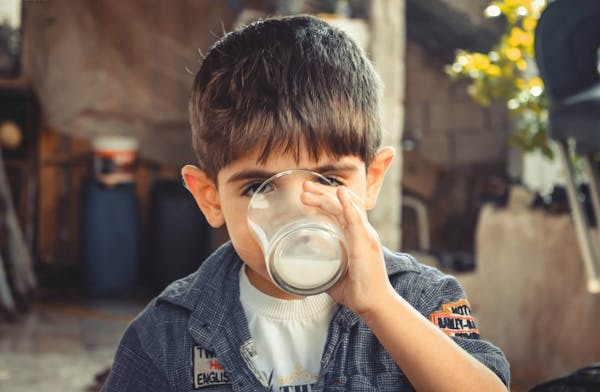
Lactose intolerance is the inability to digest lactose, the sugar found in milk, and is often inherited genetically. If your mother is lactose intolerant, there’s a good chance you may inherit the same condition. Lactose intolerance tends to develop as people age, as the body produces less lactase, the enzyme needed to digest lactose. This genetic trait is passed down through families, and if it runs on your mother’s side, you may find yourself unable to digest dairy products without discomfort.
Body Odor
The scent of your body odor is influenced by specific genes that control how your sweat interacts with bacteria on your skin, and these genes can be passed down from your mother. Some people have a naturally strong body odor, while others have a milder scent, and this is often determined by genetics. If your mother has a particular odor profile, you may inherit similar traits in how your body processes sweat and odors. While hygiene and diet play a role, the basic characteristics of body odor are largely genetic.

Nail Biting
Nail biting, also known as onychophagia, may have a genetic component, meaning that if your mother was prone to biting her nails, you might inherit the tendency. This habit is often associated with stress, anxiety, or even boredom, and while environmental factors play a role, genetics may influence your predisposition to develop the habit. Many people who bite their nails find it difficult to stop, suggesting that a combination of inherited tendencies and learned behavior, often from childhood, contributes to this behavior. If your mother bit her nails, you might find it harder to kick the habit yourself.

Allergies
If your mother suffers from allergies, whether they are seasonal (like hay fever), food-related, or even asthma, there’s a good chance you could inherit a predisposition to these allergic reactions. Allergies are often influenced by genetics, and if your mother is allergic to certain triggers, you may be at a higher risk of developing similar sensitivities. Your immune system’s tendency to overreact to certain allergens, such as pollen, dust, or particular foods, can be passed down through maternal genes. Though environmental factors also play a role, family history is one of the strongest predictors of allergic tendencies.

Motion Sickness
If your mother experiences motion sickness, you may inherit the same tendency due to genetic influences on the vestibular system, which controls balance. This system affects how your body processes movement, and when it becomes overwhelmed, you may feel dizzy, nauseous, or disoriented in cars, boats, or other moving vehicles. Motion sickness is thought to be partially hereditary, and if your mother has a strong reaction to motion, there’s a higher likelihood that you will as well. Managing these symptoms often involves environmental factors, but the root cause may be inherited from your mother.

Migraines
Migraine headaches are often passed down through maternal genetics, and if your mother experiences migraines, there’s a strong possibility you may inherit a predisposition to them. Migraines are associated with specific genetic mutations that affect how the brain processes pain and environmental triggers, such as light, sound, or stress. If your mother suffers from debilitating headaches, this genetic influence could increase your likelihood of experiencing similar symptoms. While migraines are influenced by both genetics and environmental factors, maternal inheritance is a significant factor in determining susceptibility.

Dandruff
If your mother experiences dandruff, you might inherit a genetic predisposition to it as well. Dandruff is often caused by seborrheic dermatitis, a skin condition that affects the scalp and causes flaking. This condition tends to run in families, and if your mother struggles with dandruff, you may find that you share a similar sensitivity. Environmental factors, such as stress or weather changes, can exacerbate dandruff, but genetics play a strong role in whether you’re prone to it.

Cold Sensitivity
If your mother is particularly sensitive to cold weather or has poor circulation, you may inherit similar traits related to cold sensitivity. Genetics can influence how well your body regulates temperature and responds to colder environments. Individuals with inherited cold sensitivity may feel colder more often and may struggle to stay warm in lower temperatures. This trait is often tied to how blood circulates through the body, and if your mother is prone to cold hands and feet, you might experience the same.

Acne
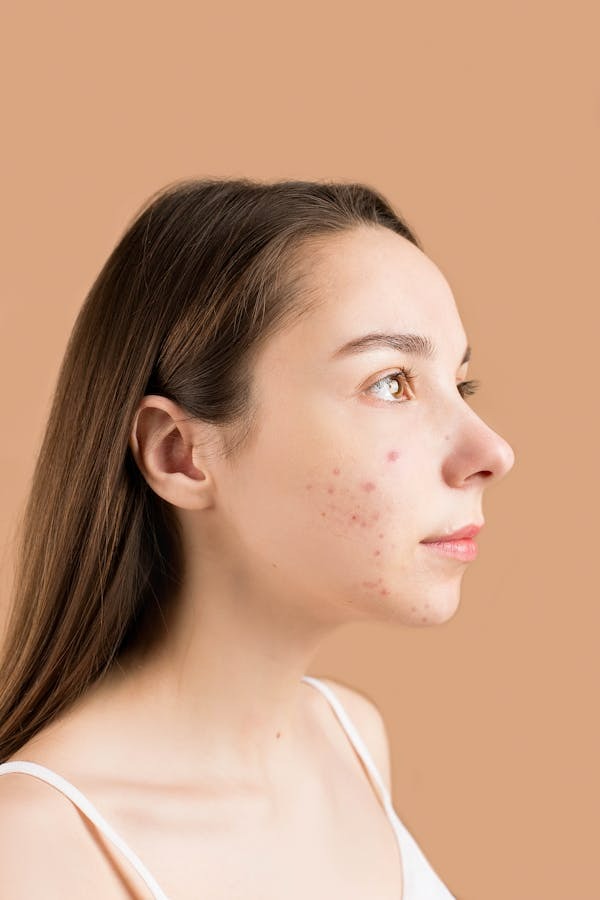
A predisposition to acne, whether during adolescence or adulthood, can be inherited from your mother. Hormonal fluctuations, sebum production, and skin sensitivity—all of which contribute to acne—are influenced by genetic factors. If your mother had acne issues, you may be more likely to experience similar skin problems, especially during hormonal changes like puberty or pregnancy. While skincare routines can help manage acne, genetics play a significant role in determining how prone you are to breakouts.
Body Hair
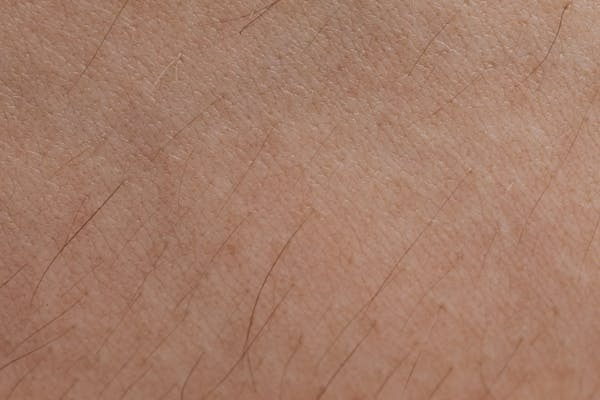
The thickness, color, and distribution of body hair are traits that can be passed down from your mother. If your mother has thick, dark body hair, there’s a good chance you may inherit similar hair growth patterns. Genetics also influence where body hair is more prominent, such as on the arms, legs, or face. While body hair is a mix of contributions from both parents, maternal genetics can strongly influence how much or how little hair you have and where it grows.
Face Shape
Your face shape, whether it’s round, oval, square, or heart-shaped, is often inherited from your mother’s genetics. Key facial features, such as the height of your cheekbones, the width of your jawline, and the structure of your chin, are passed down through maternal genes. If your mother has a distinct face shape, there’s a good chance you’ll share similar characteristics. These genetic traits influence the overall appearance of your face, contributing to the unique combination of features you inherit.

Voice Loudness
The natural volume and loudness of your speaking voice may be influenced by your mother’s genetics. If your mother has a loud, booming voice, you might have inherited a similar vocal projection, or if she speaks softly, you may have a quieter speaking style. The physical characteristics of the vocal cords and the respiratory system, both of which contribute to voice loudness, can be passed down from your mother. Your environment also plays a role, but the genetic basis for voice volume often comes from maternal influence.

Body Shape (Apple or Pear)
Your overall body shape, particularly where you tend to store body fat, can be strongly influenced by your mother’s genetics. If your mother has an apple shape, where weight is primarily carried in the midsection, or a pear shape, with weight stored in the hips and thighs, you may inherit a similar distribution. These patterns are determined by genes that control how your body stores fat. While lifestyle factors like diet and exercise also influence body shape, your genetic predisposition plays a large role in determining your natural form.

Caffeine Sensitivity
Your ability to process caffeine and how your body reacts to it can be passed down through maternal genetics. Some people are highly sensitive to caffeine, experiencing jitters or insomnia after even a small amount, while others can consume large quantities with little effect. If your mother is sensitive to caffeine, you may inherit this trait due to variations in genes that affect how the body metabolizes the stimulant. This sensitivity can determine how much coffee or tea you can comfortably consume without feeling over-stimulated.

Immune System Strength
The strength and efficiency of your immune system are influenced by a combination of genetics and environmental factors, with your mother’s genetic contribution playing a significant role. If your mother has a strong immune system, you may inherit a greater ability to fend off infections, recover quickly from illnesses, or resist certain diseases. Conversely, if your mother has a weaker immune system or a history of autoimmune disorders, you might inherit a predisposition to similar immune-related issues. While environmental factors like diet and lifestyle can strengthen your immune system, your genetic baseline often comes from your mother.

Lips Shape and Fullness
The shape and fullness of your lips, whether they are thin, full, or somewhere in between, are often inherited from your mother. Genetic factors that influence lip structure can determine traits like the prominence of your cupid’s bow, the fullness of your lower lip, or whether your lips have a natural curve. If your mother has fuller lips, you may notice a similar trait in your own facial features, as lip shape is passed down through generations.

Cheekbone Structure
The height and prominence of your cheekbones are often inherited from your mother’s genetic makeup. High, pronounced cheekbones are a dominant feature that can be passed down, giving you a similar facial structure to your mother. If she has well-defined cheekbones, there’s a good chance you may inherit this aesthetic trait. Cheekbone structure contributes to the overall shape of your face and is one of the key features that determine your facial appearance.

Mitochondrial Diseases
Mitochondrial diseases are passed down exclusively through mitochondrial DNA, which children inherit from their mothers. These chronic and often debilitating disorders can affect almost any part of the body, particularly organs that require a lot of energy, such as the brain, muscles, heart, and liver. Conditions such as Alzheimer’s, muscular dystrophy, and diabetes have been linked to mitochondrial dysfunction, and these diseases affect about 1 in 5,000 people. Symptoms of mitochondrial disorders are highly varied, which often leads to misdiagnoses, making early detection and understanding of family history crucial for proper treatment.
Eye Conditions
Your eye health, including conditions like myopia (nearsightedness) or astigmatism, can be inherited from your mother. Research indicates that pathological myopia, a severe form of nearsightedness, is particularly likely to be passed down maternally. Additionally, traits like color blindness are linked to the X chromosome and more commonly inherited by sons from their mothers. Understanding your mother’s eye health can give insight into potential risks, and regular check-ups can help manage inherited vision problems.

Exercise Endurance
Your ability to sustain physical activities like running, cycling, or other endurance exercises can be influenced by genes inherited from your mother. Certain genes that impact muscle composition, metabolism, and cardiovascular efficiency may be passed down, affecting your stamina and endurance levels. While training and lifestyle choices also play a major role, some individuals inherit a genetic predisposition to excel in endurance activities. These maternal genetic factors can influence how effectively your body uses oxygen and recovers from prolonged exertion.

Physical Features
Many of the physical traits you possess, such as hair color, skin tone, and even hair texture, are inherited from your mother’s genetic makeup. Specific features like a widow’s peak, freckles, or varicose veins can also be passed down from your maternal side. These physical traits are often a combination of both parents’ genetics, but in many cases, the influence of the mother’s genes is more noticeable. Knowing which features run in the family can also help you predict potential health-related physical traits, such as the likelihood of developing skin conditions or vein issues.

Sneezing at the Sun (Photic Sneeze Reflex)
The photic sneeze reflex, a condition where people sneeze when exposed to bright light, such as sunlight, is believed to be genetically inherited. If one of your parents sneezes in sunlight, there’s about a 50% chance that you will too. This quirky trait, sometimes referred to as “ACHOO Syndrome,” is harmless but highlights how certain reflexes can be passed down through family genetics. While not everyone has it, if your mother has this reflex, there’s a good chance you might inherit it as well.

Gum Health
Your predisposition to gum health issues, such as gum disease or gingivitis, can be inherited from your mother. Genetics play a crucial role in determining the strength and structure of your gums, and if your mother has experienced dental problems, you may be at higher risk for similar conditions. Factors like how your body responds to plaque and inflammation are influenced by your genetic makeup, so keeping an eye on your gum health is important, especially if your mother has a history of gum issues.
Please SHARE this with your friends and family.


