


More than just material possessions, we often inherit subtle traits from our grandmothers.
Let’s explore the fascinating ways in which physical characteristics, personality quirks, and even behavioral tendencies can be passed down through generations, creating a unique and enduring family legacy.
Eye Color
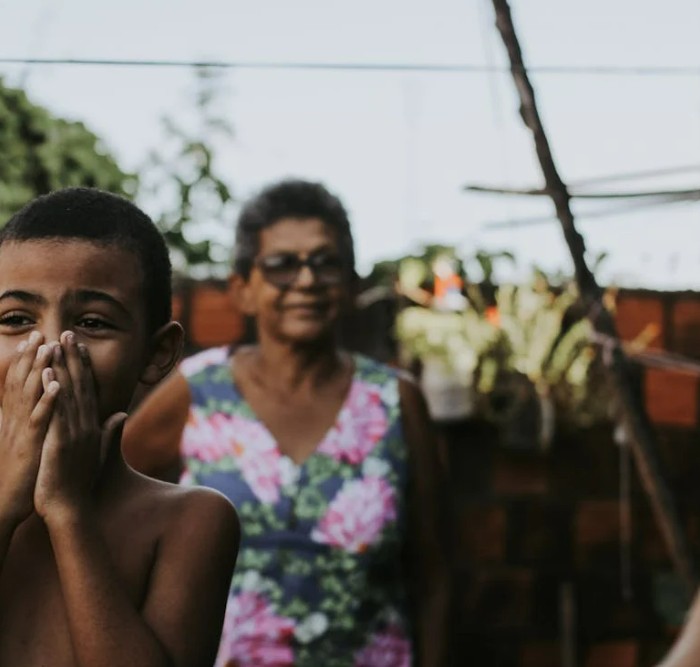
Eye color is determined by multiple genes that control the amount and type of pigment in the iris.
Although traditionally described as a simple dominant (brown) and recessive (blue) trait, modern research shows that it’s more complex, with genes like OCA2 and HERC2 playing significant roles.
A grandmother’s genetic contribution can influence whether you have brown, blue, green, or hazel eyes—even if it skips a generation.
Environmental factors and age can subtly change eye color intensity, but the fundamental hue is genetically influenced.
Observing the eye colors within your family tree often reveals intriguing patterns of inheritance.
Hair Color and Texture
Hair color is influenced by the relative amounts of two types of melanin (eumelanin and pheomelanin), with multiple genes involved.
Variations from blonde and brown to black and red can all be found in the same family, and a grandmother’s genes can play a direct role in determining your shade.
Texture (straight, wavy, curly) is also genetically influenced, though it can sometimes shift slightly over a person’s lifetime due to hormonal changes.
Family history often shows patterns—for example, consistently curly hair on one side of the family tree.
Even if your parents don’t share your hair characteristics, you might inherit that “hidden” gene from your grandmother.
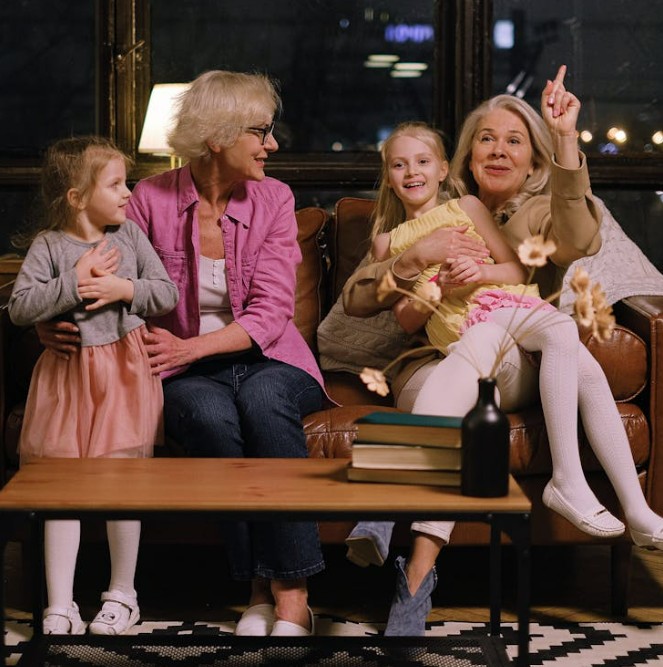
Widow’s Peak
A widow’s peak is a distinct, V-shaped point in the hairline at the center of the forehead. It is often treated as a dominant trait in basic genetics examples, though the true inheritance pattern can be more complex.
If your grandmother has a widow’s peak, there’s a notable chance her descendants might display one, too. In some cases, it may appear subtly or change with hairline shifts over time (like receding hairlines).
Genetic combinations from both sides of the family ultimately determine whether a widow’s peak appears, but spotting one in a grandparent is often a good indicator of its potential in later generations.
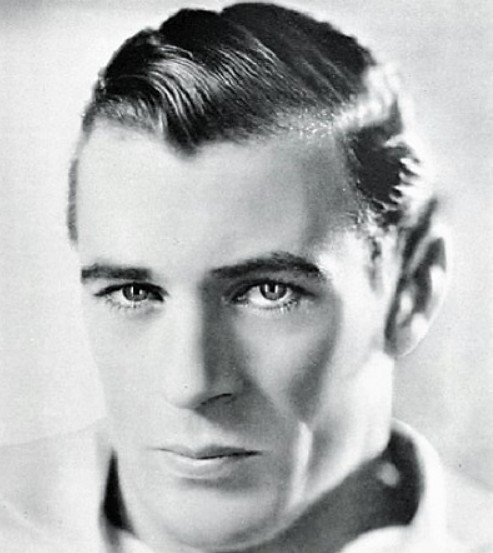
Dimples
Cheek dimples are small indentations that appear when some people smile, often viewed as a classic “dominant” trait. However, genetics is more nuanced, and the expression can vary in prominence.
If your grandmother has noticeable dimples, it raises the possibility of you or your children inheriting them.
Dimples can also sometimes diminish or become less visible with age, making inheritance patterns trickier to observe.
Researchers believe multiple genes could be involved, and thus, dimples may pop up even if they haven’t appeared for a generation or two.

Freckles
Freckles are small brownish spots on the skin, typically appearing more prominently after sun exposure. They are associated with genes that control melanin production—especially variations near the MC1R gene, which is also linked with red hair.
A grandmother who is prone to freckling might pass on the predisposition, though sun exposure levels influence how visible they become.
In many families, freckles are common in childhood and can fade somewhat into adulthood.
While freckles can appear anywhere on the body, they are most noticeable on the face and arms, where sun exposure is highest.

Body Shape and Fat Distribution
Patterns of body shape and where fat is stored—whether around the hips, thighs, abdomen, or elsewhere—can run in families.
A grandmother’s build may show up in her grandchildren if they inherit similar genetic factors regulating metabolism, appetite, and fat storage. Hormones and lifestyle choices (diet, exercise) significantly modify how these genes are expressed.
Thus, even if you inherit a predisposition for a certain body shape, healthy habits can influence the degree to which that shape appears.
Noticing a familial resemblance in body type can motivate discussions about nutrition and exercise within the family.

Smile Lines or Facial Wrinkle Patterns
The way your face ages—including the development of smile lines and other wrinkles—can have a hereditary component.
If your grandmother has distinctive lines around her eyes or mouth, you may notice a similar pattern emerging as you age, influenced by collagen and elastin genes.
Environmental factors such as sun exposure, smoking, and skincare routines also play a major role in wrinkle formation.
While you can’t change the genes, practicing good skincare can help mitigate environmentally driven aging signs. Genetics often sets the stage, but lifestyle factors direct how the play unfolds.
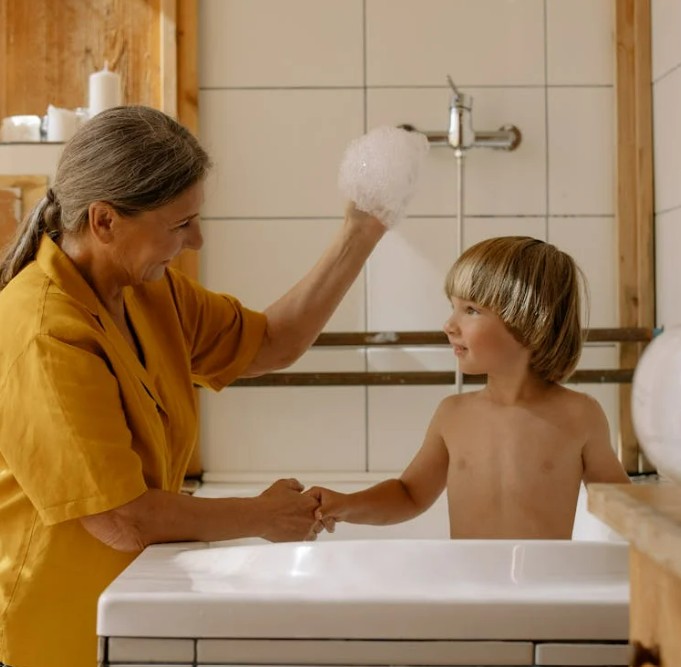
Earlobe Attachment
Earlobes can be broadly categorized as “free” (hanging below the point where the ear meets the head) or “attached” (directly connected without a distinct lobe).
Traditional genetics lessons often label free earlobes as a dominant trait, but modern research suggests multiple genes can influence the exact shape.
You might closely resemble your grandmother’s ear structure if you share the same genetic combinations.
Some people exhibit a form halfway between free and attached earlobes, reflecting the complexity of inheritance. Observing family members’ earlobes can be a fun and visual way to explore shared genetics.
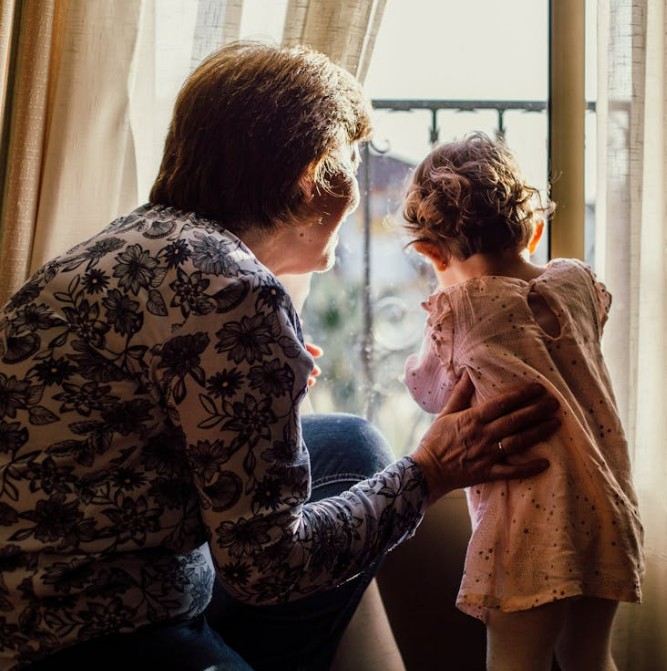
Nose Shape
The shape of the nose involves several genetic factors influencing the size of the nostrils, the bridge, and the tip. You might notice strong familial resemblances, such as a “family nose” that appears across multiple generations.
A grandmother’s genes can mix with those of other ancestors, resulting in shared features like a prominent bump or a narrow bridge.
Environmental aspects like injuries or surgeries can also alter the apparent shape, so genetics isn’t the only factor.
Despite these variables, a noticeable similarity to a grandmother’s nose is often a telltale sign of inherited facial structures.
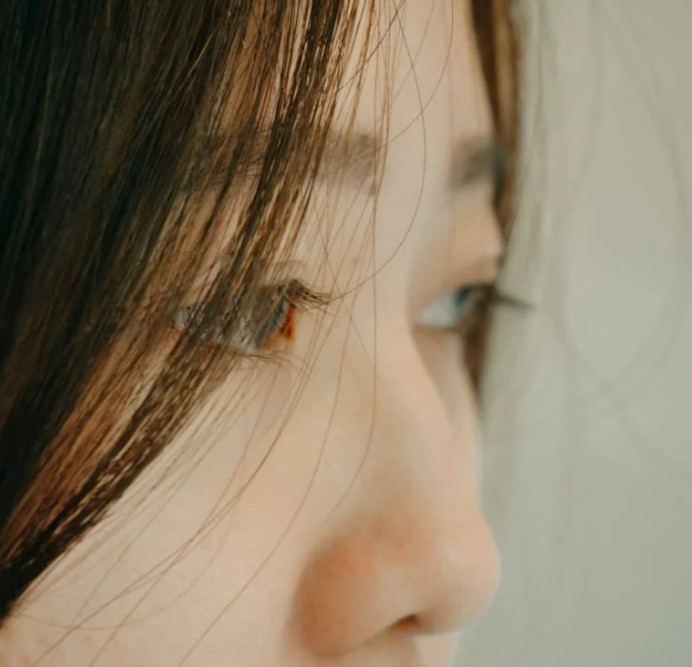
Chin Cleft (or “Cleft Chin”)
A cleft chin is a small dimple or indentation in the center of the chin. Commonly presented as a dominant trait, it can show variable expression; some clefts are quite pronounced while others are subtle.
If your grandmother has a cleft chin, you or your siblings might inherit it, although it can skip generations if combined with certain recessive genes.
Because facial fat distribution changes over time, the visibility of a cleft can also shift, making inheritance patterns less obvious. When clearly present, a cleft chin provides a distinctive familial hallmark.

Ear Shape
Beyond earlobe attachment, specific ear features—like the curvature of the helix or a small bump known as Darwin’s tubercle—can be passed down.
Families sometimes remark on a recognizable “ear shape” that appears from one generation to the next. Since multiple genes are involved, a grandmother’s ears could resemble yours or those of other relatives more closely.
Environmental factors (such as injuries) typically don’t alter these inherited shapes significantly. Comparing family photos often reveals just how consistently ear shape can be transmitted.
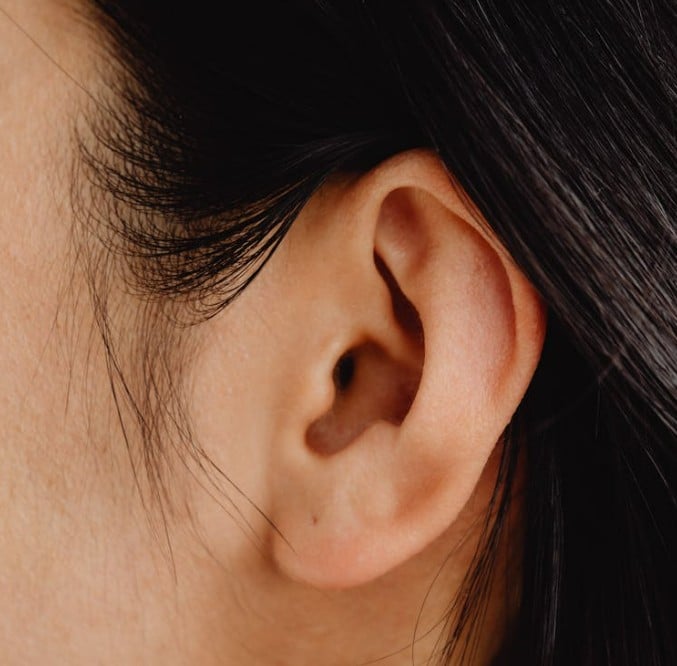
Color Blindness (X-linked Forms)
Most common forms of color blindness (such as red-green color blindness) are linked to genes on the X chromosome.
A grandmother who carries the gene on one of her X chromosomes may pass it to her children, potentially affecting grandchildren—especially if she passes it to a son who could then pass it to his daughters as a carrier state.
If you’re male, you only need to inherit one affected X chromosome to express color blindness; females generally need two affected X chromosomes to be fully color-blind.
This is why color blindness is more prevalent in males than in females.
Although often referred to as “color blindness,” many people with this condition simply have difficulty distinguishing certain shades rather than seeing no color at all.
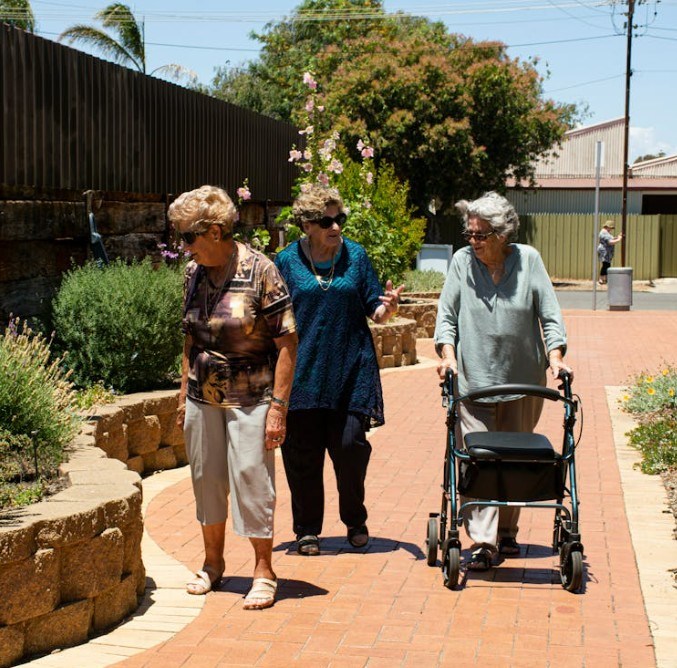
Certain Health Predispositions (e.g., BRCA Mutations)
Certain genetic mutations, such as those in the BRCA1 or BRCA2 genes, significantly increase the risk for breast and ovarian cancer. If your grandmother carried such a mutation, there is a possibility she passed it down to her children, who in turn could pass it to you.
Inherited predispositions do not guarantee one will develop cancer, but they do raise the risk and influence medical screening recommendations.
Genetic testing can identify these mutations, helping families make informed decisions about surveillance and prevention. Family health history is crucial in identifying patterns and guiding early interventions.

Lactose Tolerance or Intolerance
Whether you can digest lactose (the sugar in milk) into adulthood depends on specific genetic variants that affect the lactase enzyme.
In many global populations, lactase production declines after childhood, leading to lactose intolerance, while certain genetic changes support continued lactase production (lactase persistence).
A grandmother with a particular genetic variant for lactase persistence can pass it to her descendants, making them more likely to digest dairy comfortably.
However, even those with the gene for lactase persistence can experience mild intolerance if the diet or gut microbiome changes. Observing which side of the family has a history of lactose intolerance can reveal if you inherited this trait from your grandmother.

Taste Sensitivity (e.g., PTC Tasting)
The ability to taste certain bitter compounds—like phenylthiocarbamide (PTC)—is closely linked to a specific gene (TAS2R38). People can be classified broadly as “tasters” or “non-tasters,” though there’s a range in sensitivity.
If your grandmother is a strong taster, you may have inherited the same variant that makes bitter foods (like kale or Brussels sprouts) taste more intense.
Not everyone perceives the same level of bitterness, so even among tasters, sensitivity can vary. Testing for PTC sensitivity with simple paper strips can reveal interesting family patterns.
Handedness (Partial Genetic Influence)
Handedness—whether you favor your right or left hand—has a genetic component, but it is not strictly determined by a single gene. If your grandmother or other relatives are left-handed, you may see a higher incidence of left-handedness in that branch of the family.
However, environmental factors and random variation also play a role, so you can’t always predict it with certainty.
While right-handedness is more common worldwide, families with multiple left-handed individuals are a clear demonstration of the genetic influence.
Observing these patterns can offer insight into how genes and environment intersect in everyday traits.

Mannerisms Influenced by Genes and Environment
Certain mannerisms—like the way you walk, gesture, or display facial expressions—can have a subtle genetic basis, though they are also heavily shaped by environment and imitation.
You may have a laugh or a way of speaking that closely mirrors your grandmother, stemming from both learned behavior and inherited predispositions affecting muscle control or temperament.
Studies on identical twins separated at birth have shown remarkable similarities in mannerisms, suggesting a genetic component. Still, observing and mimicking a loved one can reinforce these traits.
This blend of nature and nurture makes mannerisms a fascinating area of family resemblance.
Blood Type (ABO System)
The ABO blood group system involves four primary types—A, B, AB, and O—determined by variations in specific genes.
A grandmother’s genetic makeup contributes one of the alleles you carry, influencing your final blood type (in combination with your other parent’s contribution).
Knowing a grandparent’s blood type can help predict or explain patterns in the family’s blood types.
However, remember that each person inherits exactly two alleles (one from each biological parent), so the resulting blood type can vary from grandparent to parent to child.
Blood types also come with the Rh factor (positive or negative), adding another layer to inheritance.
Rh Factor (Positive/Negative)
The Rh factor is a protein found on the surface of red blood cells, commonly referred to as “positive” if present and “negative” if absent.
Inheritance of the Rh factor follows Mendelian patterns, where each parent contributes one allele (positive being dominant over negative).
A grandmother’s Rh status can play a part in determining yours, in combination with what you inherit from your other grandparent.
While it doesn’t usually affect daily life, it can be important in pregnancy, as Rh incompatibility between mother and fetus requires medical monitoring.
Knowing your grandmother’s Rh status (if recorded) can help piece together your family’s overall blood type profile.
Please SHARE this with your friends and family.


