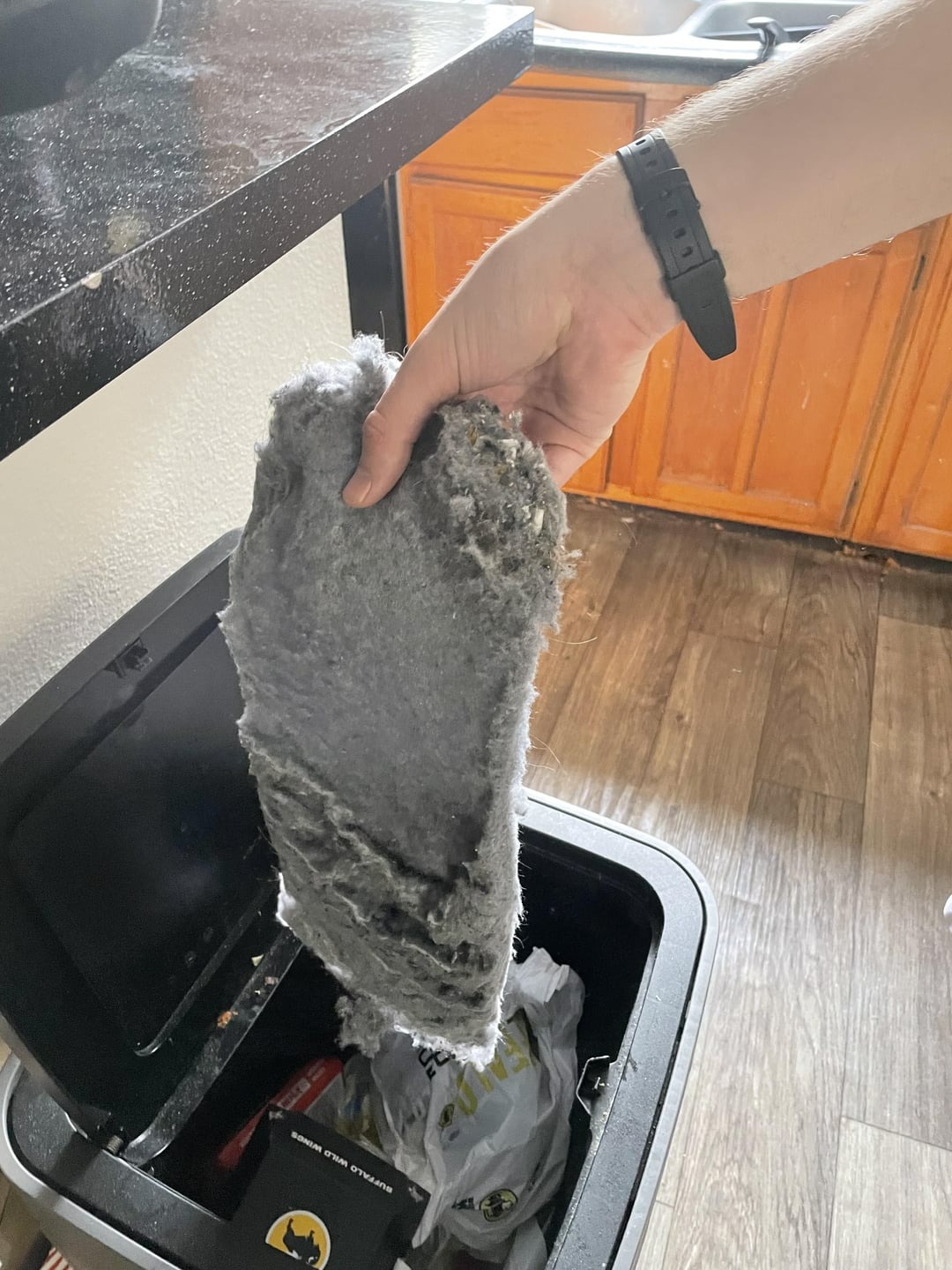
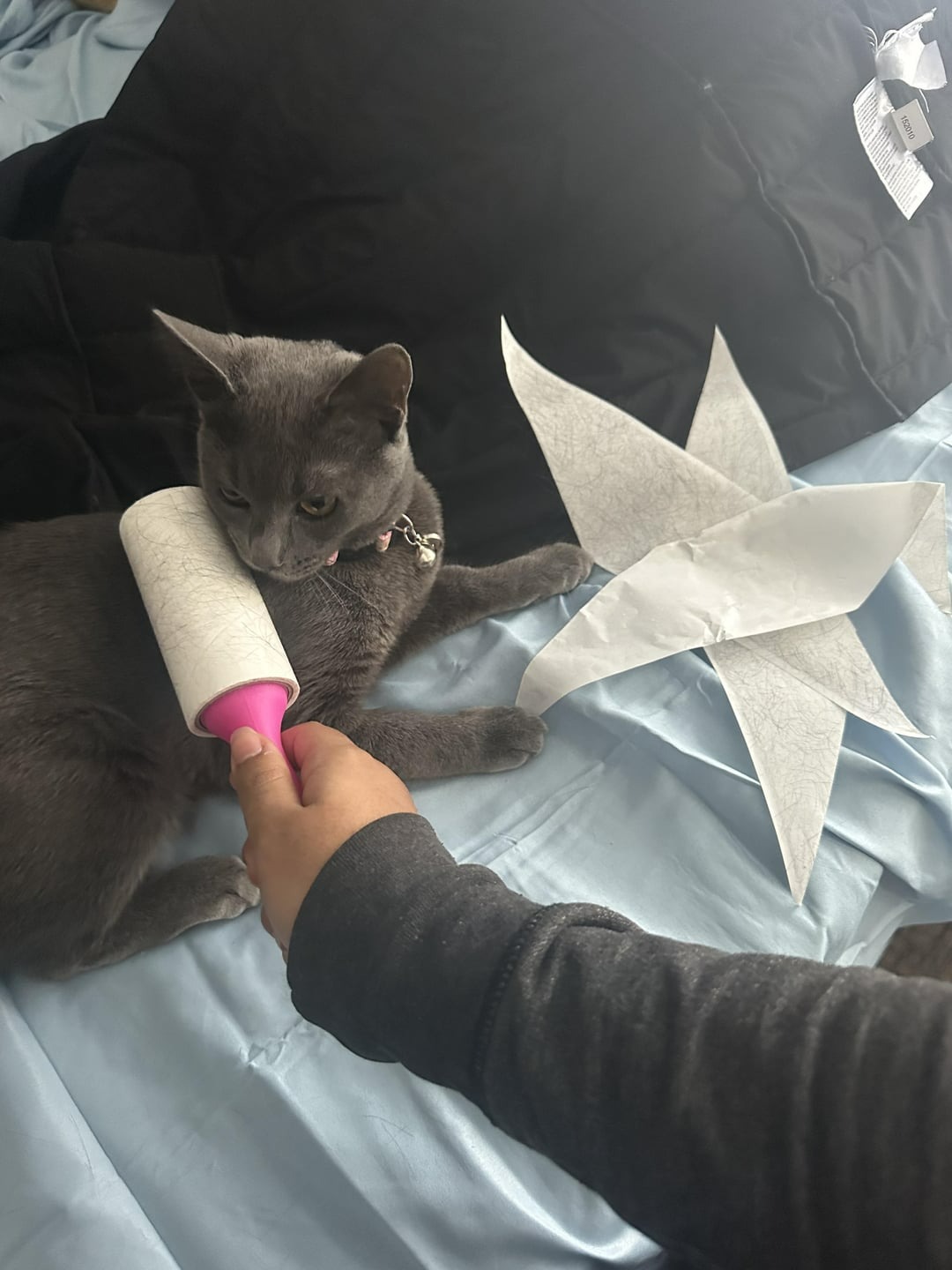
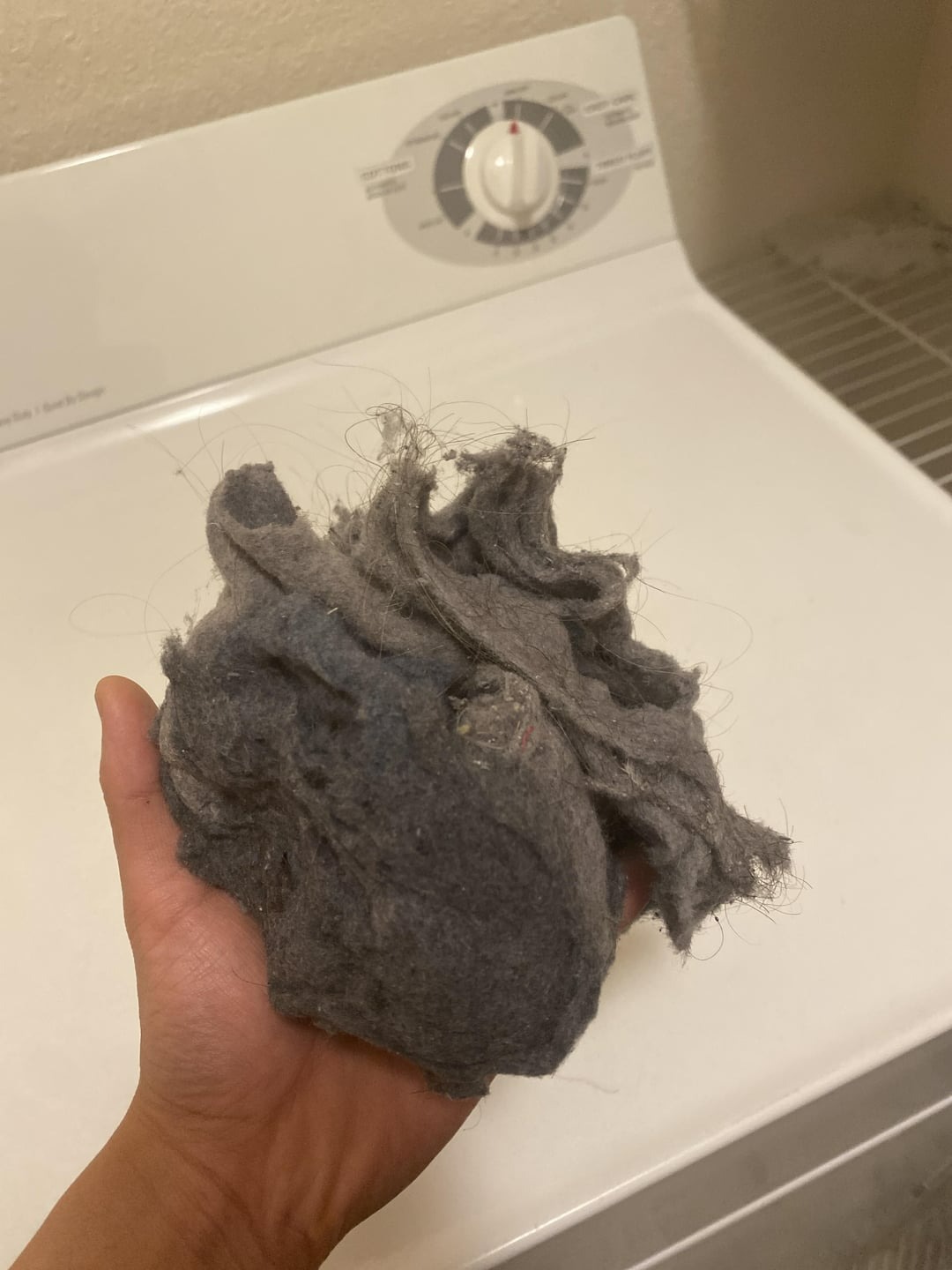
While 80% of U.S. households use clothes dryers, leading to a significant accumulation of lint, this overlooked waste poses a hidden danger, causing thousands of fires annually. Beyond the lint trap, homeowners often neglect cleaning the dryer vent. Rather than discarding lint, save and repurpose it with expert tips for a cleaner lint trap and dryer vent.
Fire starter
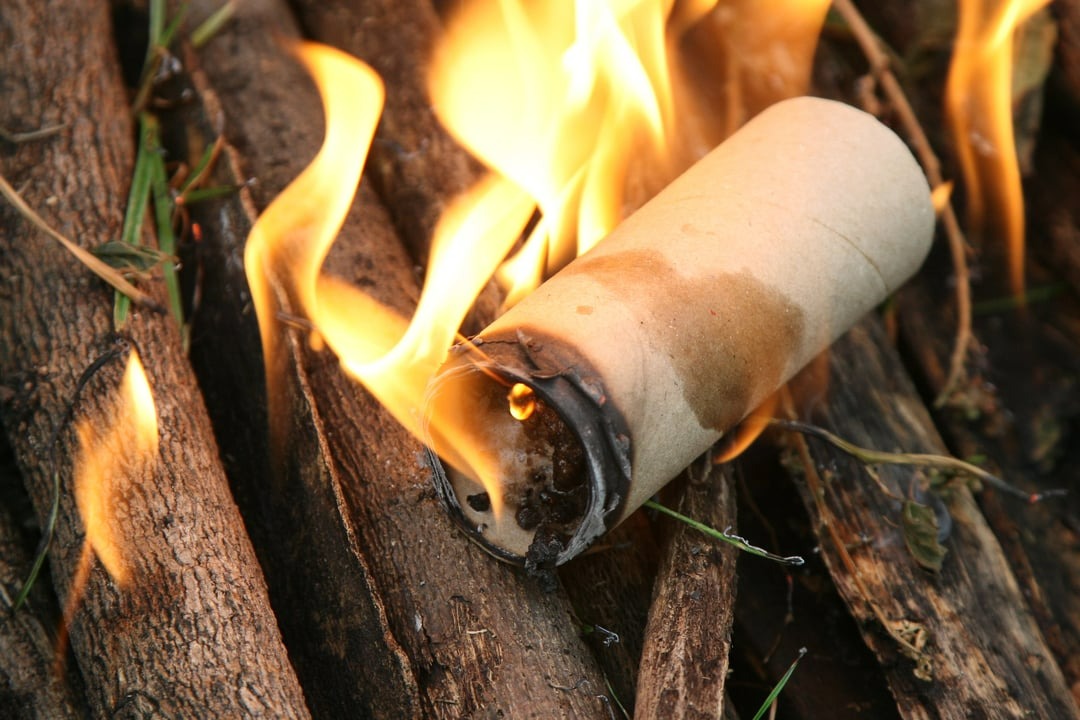
Revive a damp camping experience with DIY dryer lint fire starters. Kevin Busch suggests filling empty toilet paper rolls with dryer lint, sealing the ends with wax paper that acts as an effective wick for lighting. Alternatively, use paper egg cartons, fill the segments with lint, pour melted candle wax over them, and once hardened, cut out the sections. These homemade fire starters burn for approximately 15 minutes, providing a reliable solution for outdoor adventures.
Modeling clay
Combine dryer lint, glue, warm water, and dish soap, and you’ll create a delightful gloppy substance that kids enjoy playing with. Kevin Busch notes that wet dryer lint resembles modeling dough, offering a cost-effective alternative to crafting clay. This upcycled material is ideal for shaping, and once it dries, children can paint or decorate their creations. While your little ones’ masterpieces are drying, explore other imaginative applications for dryer sheets.
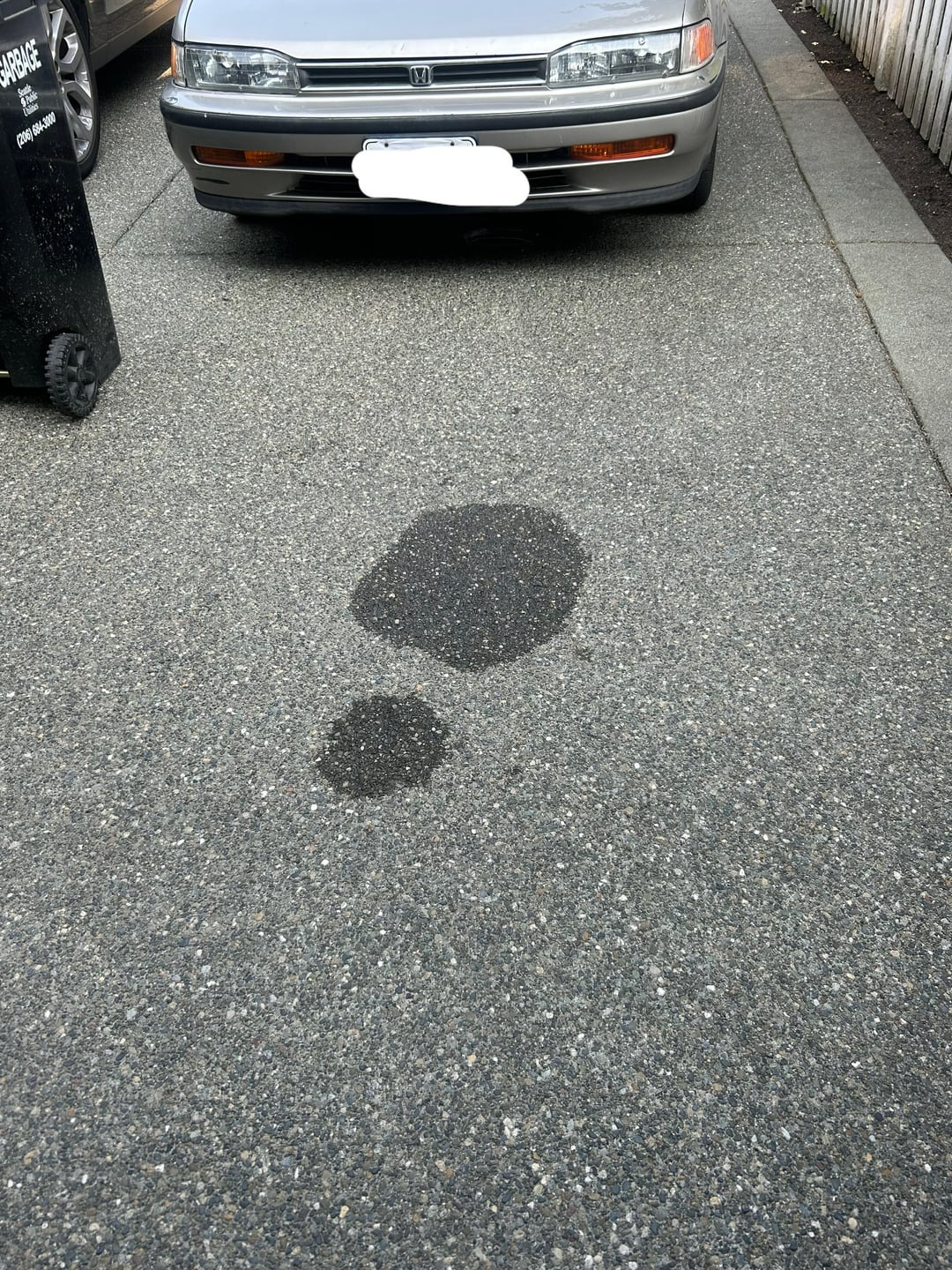
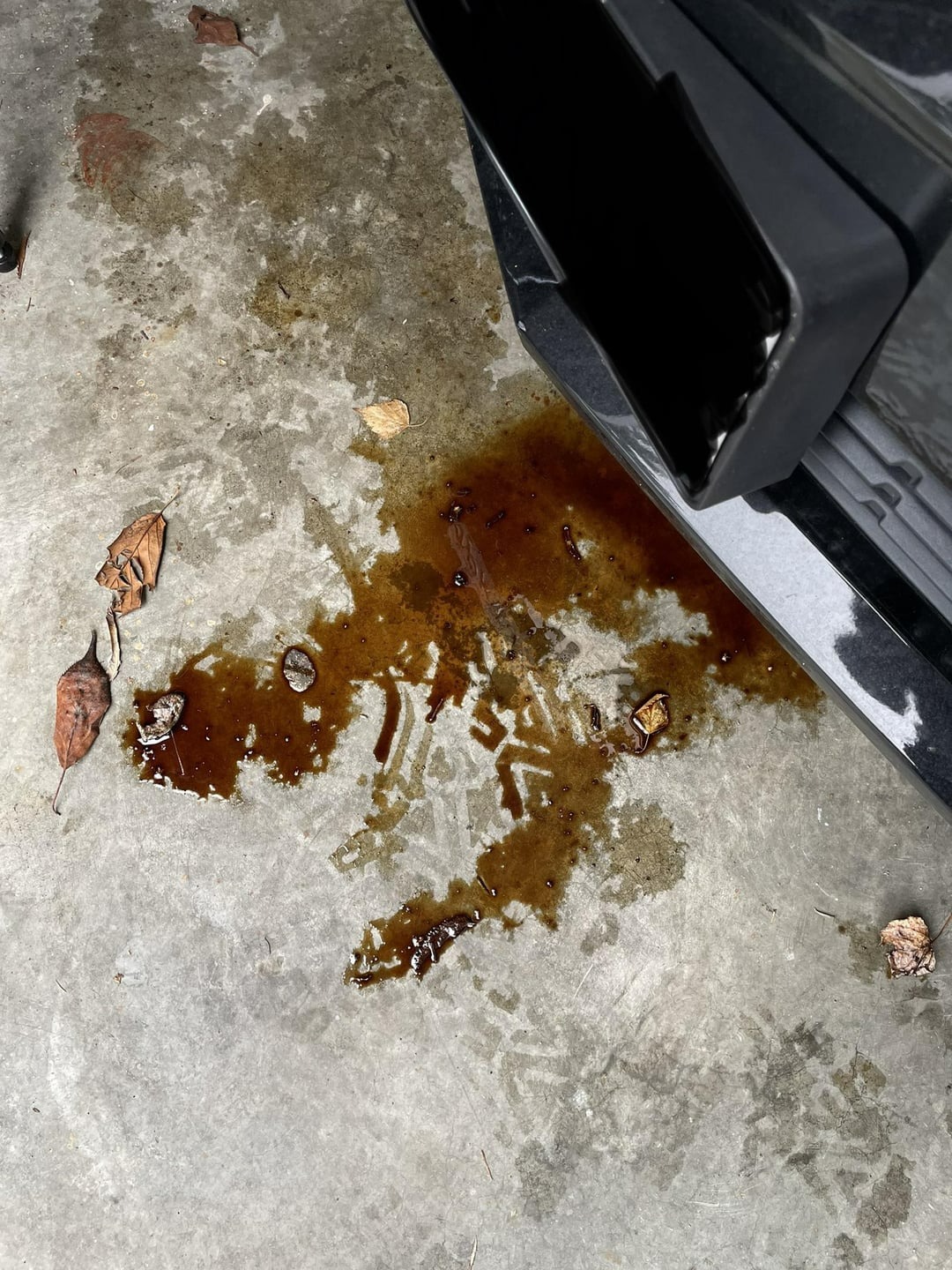
Just as your shirt soaks up spills, dryer lint can do the same. Instead of discarding it, keep a bag of dryer lint in your garage or workshop for quick clean-ups when you spill oil or glue. Avoid putting oily rags in the dryer. After using lint for cleanup, simply dispose of it since it’s already considered waste. For persistent oil stains, Kevin Busch recommends covering the affected area with lint for 24 hours, repeating the process for optimal results.
Ditch the paper packets and plastic containers for your sewing supplies—create an organized pincushion with a single sock and dryer lint. This affordable DIY solution not only tidies up your sewing space but also repurposes lint as a cost-effective stuffing material for various projects, as suggested by Kevin Busch. However, exercise caution and avoid using dryer lint in projects near flames, emphasizing its highly flammable nature (excluding kids’ toys).
With Americans averaging around 300 laundry loads per household annually and shipping 21.6 billion packages in 2021, there’s a perfect match: dryer lint. Abundant and soft, it can be repurposed to secure valuables for mailing. Flatten it into sheets to line packages or envelopes, or use it as protective padding for small fragile items placed inside larger boxes. Rather than buying packing materials and recycling them later, a more eco-friendly approach is to use readily available dryer lint for sustainable packaging.
For creative individuals, dryer lint proves to be a versatile addition to papier-mâché projects such as kids’ crafts and holiday decorations. Enhance the standard newspaper-and-flour paste by incorporating dryer lint for added texture. Apply the mixture to forms or shape it according to your preferences.
Taking it a step further, you can craft dryer-lint paper. Soak lint, blend it, sieve the fibers, and press them using a mold and deckle—traditional paper-making tools—to create unique handmade paper.
In the garage, utilize the same bag of dryer lint, initially saved for spills, to apply oils and lubricants to tool handles, metalworking projects, and car parts. Employ a small tuft of dryer lint on the end of a wooden stick or awl as a cost-effective substitute for cotton swabs. This makeshift tool allows for easy and affordable cleaning of crevices, removal of excess oil, and precise detail work in tasks like painting, car repair, and other mechanical projects.
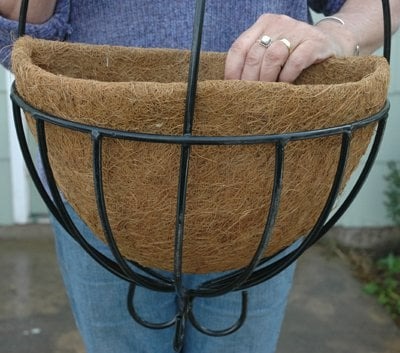
While dryer lint may not be ideal for composting due to the presence of non-biodegradable materials like nylon and polyester, and potential residues from dryer sheets or fabric softeners, there’s a practical use for it in gardening. Line plant pots with dryer lint to absorb and retain water, providing a denser medium for plants. This method also prevents soil from falling out of the pot’s drainage hole. However, caution is advised against using lint near animals and wildlife, especially birds, as it contains detergent, fabric softener, and synthetic materials. These chemicals may be harmful when ingested, and when birds use it for nests, it can absorb water, dry, and crumble, potentially compromising nest structure.
25+ Unexpected Dryer Lint Uses That Are Weirdly Awesome
Eduardo Gaskell
01.11.24
While 80% of U.S. households use clothes dryers, leading to a significant accumulation of lint, this overlooked waste poses a hidden danger, causing thousands of fires annually. Beyond the lint trap, homeowners often neglect cleaning the dryer vent. Rather than discarding lint, save and repurpose it with expert tips for a cleaner lint trap and dryer vent.
Fire starter
Revive a damp camping experience with DIY dryer lint fire starters. Kevin Busch suggests filling empty toilet paper rolls with dryer lint, sealing the ends with wax paper that acts as an effective wick for lighting. Alternatively, use paper egg cartons, fill the segments with lint, pour melted candle wax over them, and once hardened, cut out the sections. These homemade fire starters burn for approximately 15 minutes, providing a reliable solution for outdoor adventures.