Let’s be honest: not every musician who has achieved major success is actually all that talented. This is especially true for those in bands, where playing alongside truly skilled performers can help mask one’s own limitations. Many band members have benefited from the talent of their colleagues, and we’ve focused on a few examples here. Some of these musicians may not measure up to their bandmates, while others have little to no real talent at all.
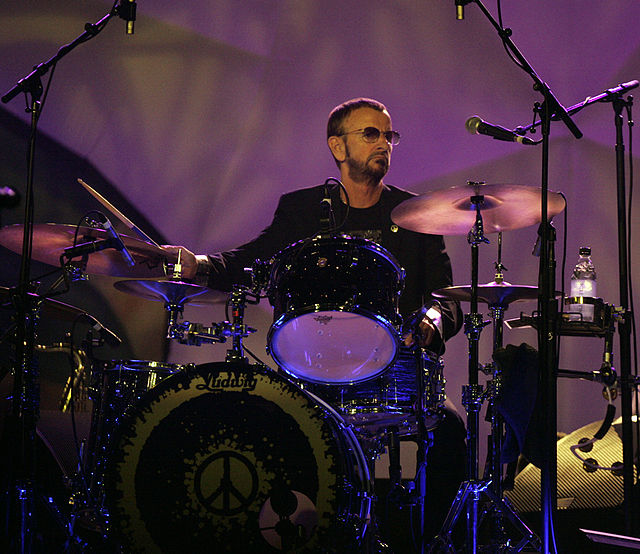
Ringo Starr – The Beatles
It’s been said before, and it will be said again: The Beatles might be the most influential band in rock history, credited with groundbreaking innovations that shaped the genre – but Ringo Starr had little to do with that. His basic drumming and vocals were no match for the talent of his bandmates, and while it’s become a common critique, it’s still true that Ringo simply wasn’t performing at the same level as the rest of the Fab Four.
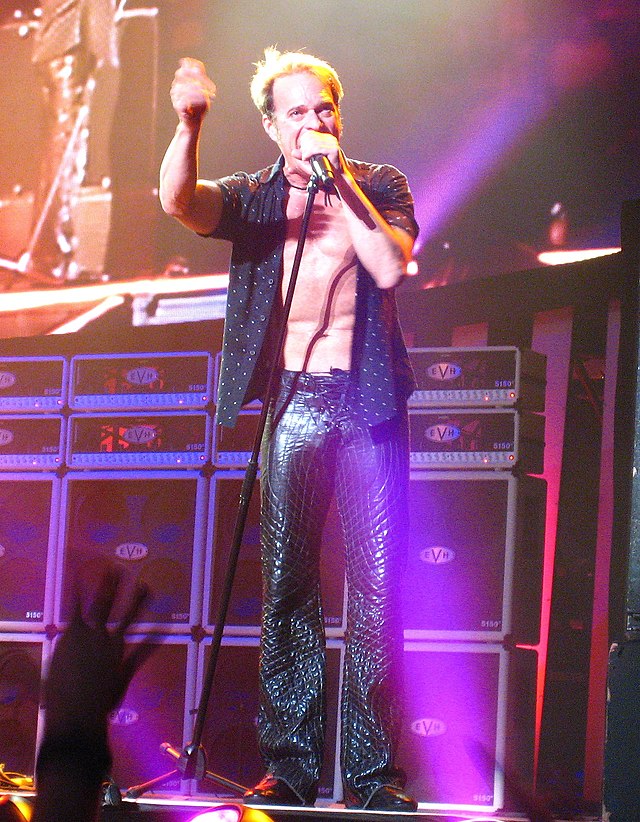
David Lee Roth – Van Halen
Van Halen revolutionized hard rock in the 1980s, largely due to Eddie Van Halen’s masterful guitar skills. Alex Van Halen’s drumming and Michael Anthony’s bass also deserve plenty of credit. However, David Lee Roth’s vocals often fell short. During live performances, he focused more on showmanship than staying in tune or keeping time, resulting in a visually impressive show that didn’t always sound great.
When the lead of a girl group is as extraordinarily talented as Beyoncé Knowles, the supporting members face an uphill battle. Michelle Williams, while not a bad singer, doesn’t possess the same vocal range or power as her Destiny’s Child bandmates, Knowles and Kelly Rowland. Often under-utilized, it sometimes raised the question of why she was in the group, and she has since garnered the least musical recognition compared to her peers.
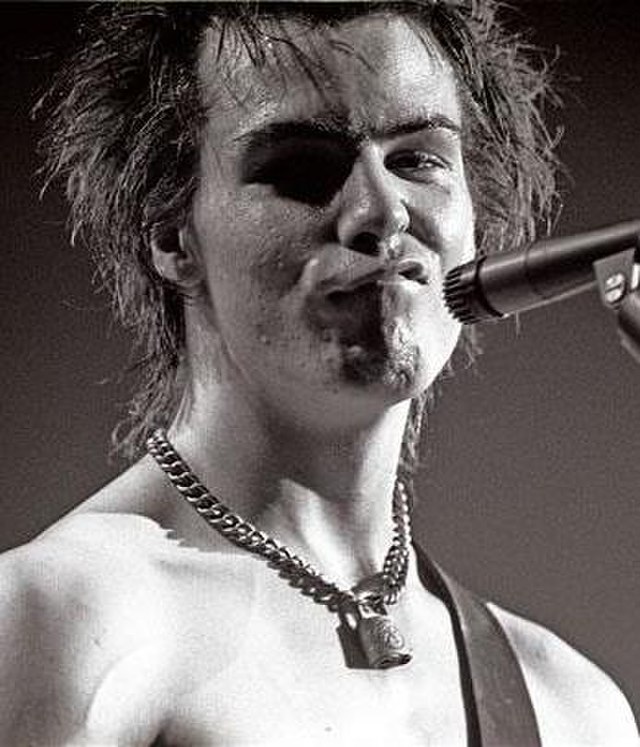
Musicianship was never the top priority in punk rock, but many of the genre’s greats – including Sex Pistols guitarist Steve Jones – had at least a basic level of skill with their instruments. Sid Vicious, however, was brought in as the Sex Pistols’ bassist largely for his looks, attitude, and friendship with Johnny Rotten. His almost complete lack of ability on the bass proved to be a significant drawback for the band, resulting in several underwhelming live performances.
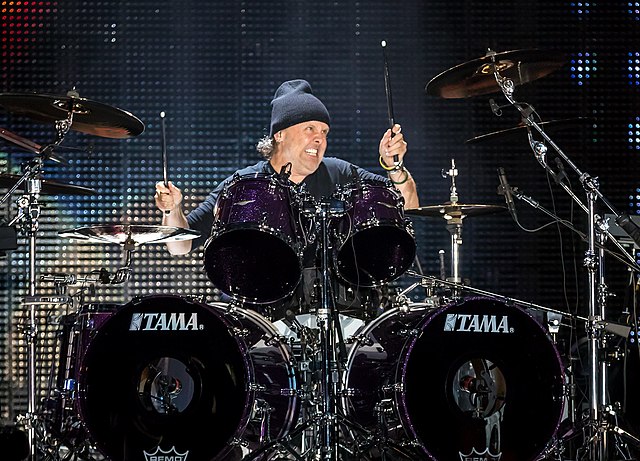
As a founding member and co-songwriter of Metallica, Lars Ulrich has undeniably played a key role in the band’s rise to becoming one of rock’s biggest success stories. However, opinions are more mixed when it comes to his drumming skills. While Ulrich is known for his fast and aggressive playing style, many critics point out that his rhythm can be inconsistent and sloppy.
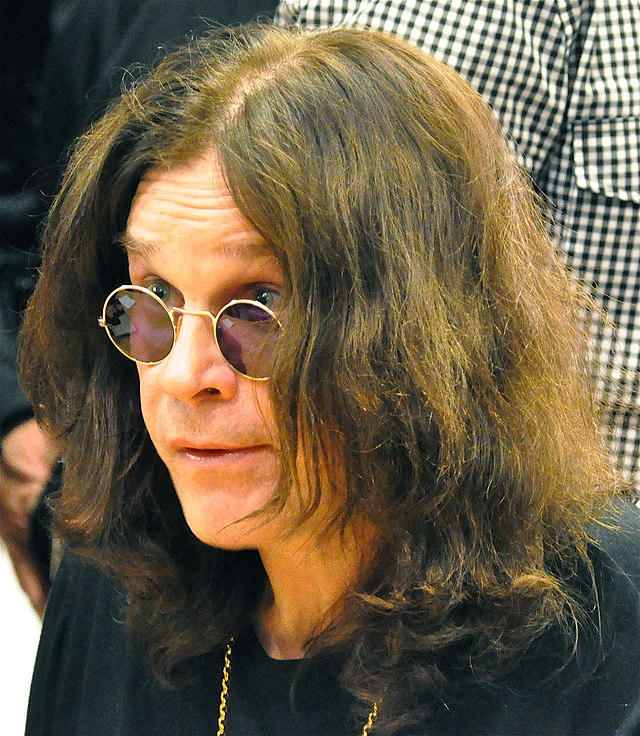
While it’s hard to picture heavy metal pioneers Black Sabbath without Ozzy Osbourne, there’s no denying that he was the weakest link in the band’s original lineup. Vocally, Ozzy’s range was limited, preventing the band from exploring the broader musical styles they would later embrace with Ronnie James Dio and other lead singers. His live performances were more famous for his wild antics, like the infamous bat incident, than for his vocal prowess.
The Spice Girls’ massive success was never solely about their music, but even so, the iconic 90s British girl group had two standout vocalists in Emma Bunton and Melanie C, with Melanie B and Geri Halliwell capable of carrying a tune. Then there was Victoria Beckham, née Adams, whose main contribution seemed to be standing there with a stern expression. Her brief and ill-fated solo career only confirmed that Posh Spice was easily the weakest link in the group.
It might feel like an easy target, but there’s little debate that Meg White of the White Stripes isn’t exactly a standout drummer, despite some recent shifts in public opinion. Jack White has defended his ex-wife and former bandmate, arguing that her simplistic style suited the band’s raw, bluesy, lo-fi sound. However, many music fans remain unconvinced, questioning whether her drumming truly added to the duo’s appeal.
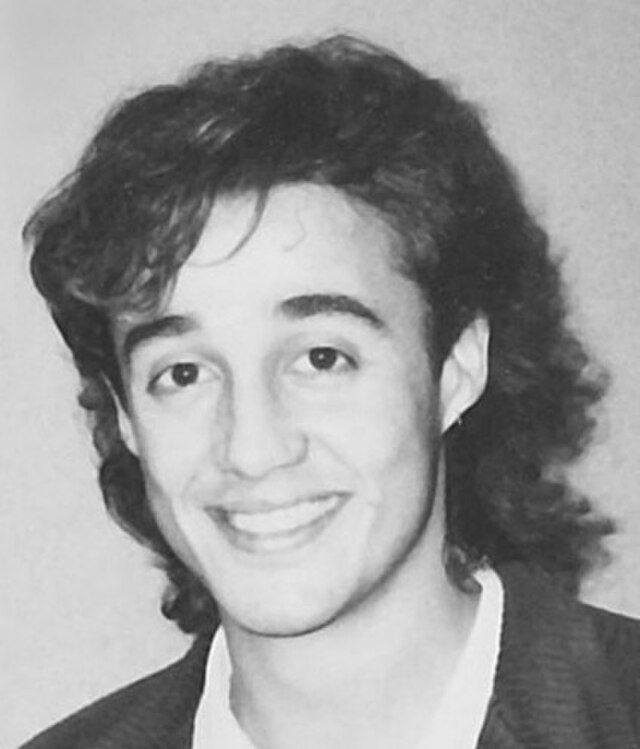
Wham! may have been a duo in name, but it’s undeniable that the British 80s pop group owed their massive success to the talent and charisma of lead singer and songwriter George Michael. Most fans can barely recall Andrew Ridgeley’s contributions, and his disappearance from the music scene after Wham! disbanded speaks volumes about his role in the group’s success.
The immense fame and infamy surrounding Courtney Love and her late husband, Kurt Cobain, have often overshadowed the fact that her band, Hole, was quite talented. Although Love was the lead singer, rhythm guitarist, and principal songwriter, her lack of musicianship and vocal ability, coupled with her larger-than-life persona, often led people to overlook the skills of guitarist Eric Erlandson and the band’s rotating cast of bassists and drummers.
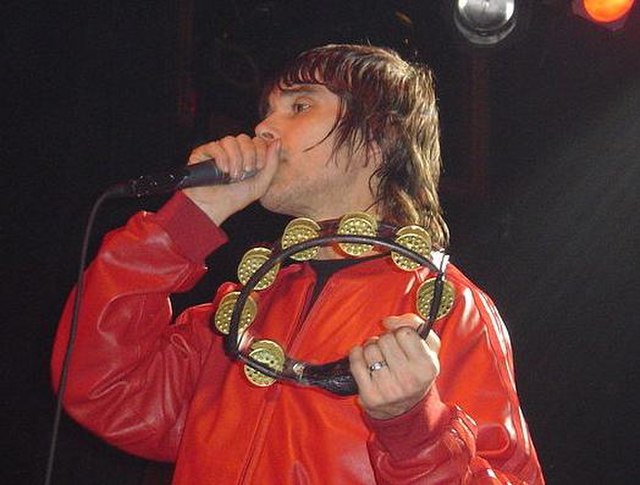
When The Stone Roses burst onto the scene at the end of the 1980s, they dominated the British indie music landscape and, alongside the Happy Mondays, made Manchester a cultural hotspot. However, while frontman Ian Brown’s stage presence and confidence are undeniable, his vocal limitations have always been glaringly obvious, especially when compared to the talent of his skilled bandmates.
Irish stadium rock superstars U2 have been one of the world’s biggest bands since the 1980s, but their musicianship has often sparked debate. Among the band members, bassist Adam Clayton stands out for his lack of effort, typically sticking to basic root notes and rarely contributing anything particularly noteworthy to the music.
Robert Smith is the only member of The Cure that most people can recall, and for good reason: he has been the band’s sole consistent member, shaping their musical direction throughout the years. Lol Tolhurst, the band’s second-longest-serving member, began as the drummer but later switched to keyboards when he struggled to keep up with the increasing complexity of their music.
Kenney Jones earned respect as a drummer for his work with The Small Faces and The Faces, but he faced a challenging task when asked to replace the late Keith Moon in The Who. Moon’s flamboyant playing and showmanship were integral to the band’s success, and Jones, with his more grounded and workmanlike style, simply couldn’t match that energy.
It feels uncomfortable to speak negatively about Richey Edwards, the former rhythm guitarist and lyricist of Manic Street Preachers, especially considering his troubled life and the fact that he disappeared in 1995 and is now legally declared dead. However, it’s difficult to overlook that Edwards contributed little musically to the Welsh rock band; in fact, his musical skills were so limited that his guitar was frequently left unplugged during performances.
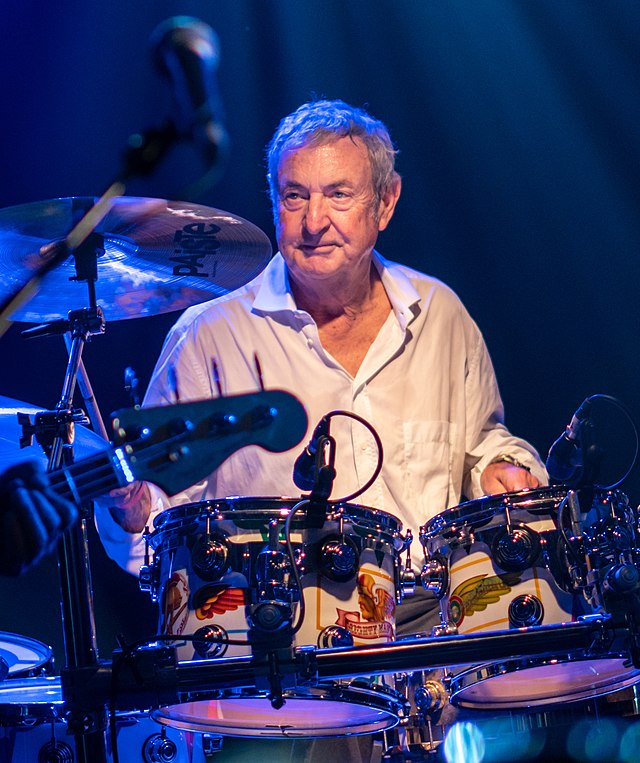
While Pink Floyd is often hailed as pioneers of progressive rock, their music didn’t quite achieve the same level of sophistication as many of the genre’s greats. A significant factor in this was the limitations of drummer Nick Mason, whose straightforward style prevented the band from experimenting with the unconventional time signatures and faster-paced sounds that other prog rock acts often embraced.
The Smashing Pumpkins emerged as one of the most significant and technically skilled alt-rock bands of the 90s, celebrated for their epic and intricate musical arrangements. D’Arcy Wretzky, as a female bassist in the male-dominated grunge scene, was a pioneer of the ‘cool female bassist’ era. However, even at the peak of their success, it was widely known that Wretzky’s musical abilities were limited, resulting in frontman and lead guitarist Billy Corgan handling most of the bass parts in the studio.
Britpop pioneers Blur became one of the UK’s biggest exports in the 1990s, thanks to their charisma and musicianship. While bassist Alex James certainly had the charisma, his musical skills were lacking. Although his limitations didn’t significantly hinder Blur’s sound, it was clear that James contributed the least to the band, often content to be the pretty face rather than a driving musical force.
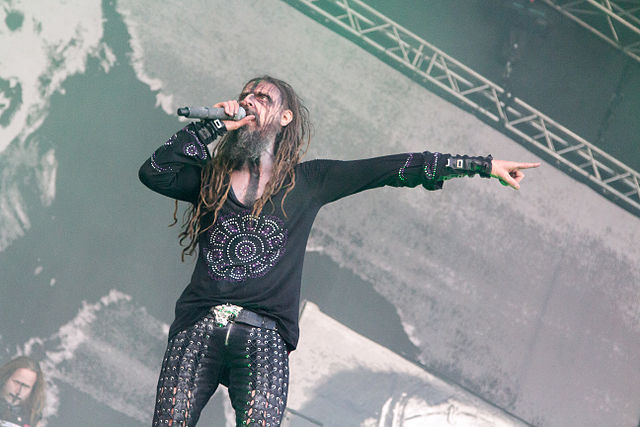
Despite Rob Zombie’s significant and lasting success as a solo artist and his side career as a horror filmmaker, it may seem strange to label him the weakest link of the band that brought him fame. However, while Zombie has a unique aesthetic, his vocal performance has largely been characterized by constant tuneless shouting, and his lyrics, although often intentionally campy, tend to be rather forgettable.
William Goldsmith has the unfortunate distinction of being an original member of the Foo Fighters, yet his contributions have largely gone unheard on their recordings. Band leader Dave Grohl, an accomplished drummer in his own right, was unhappy with Goldsmith’s studio performances and ended up re-recording nearly all the drum parts himself. Discontent with this situation, Goldsmith ultimately left the band, paving the way for the late Taylor Hawkins to take his place.
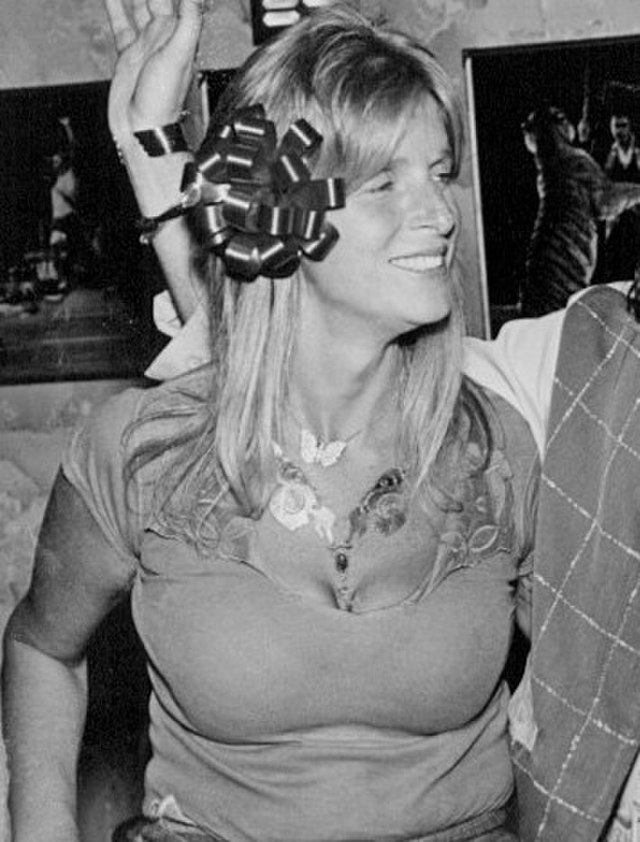
Linda McCartney is primarily remembered for her early work as a photographer, her efforts in promoting vegetarianism, and her courageous battle with cancer, which tragically cut her life short. However, it’s widely acknowledged that she was not a particularly skilled singer or keyboard player, despite her lengthy tenure performing alongside her husband, Paul McCartney, in his post-Beatles supergroup, Wings.
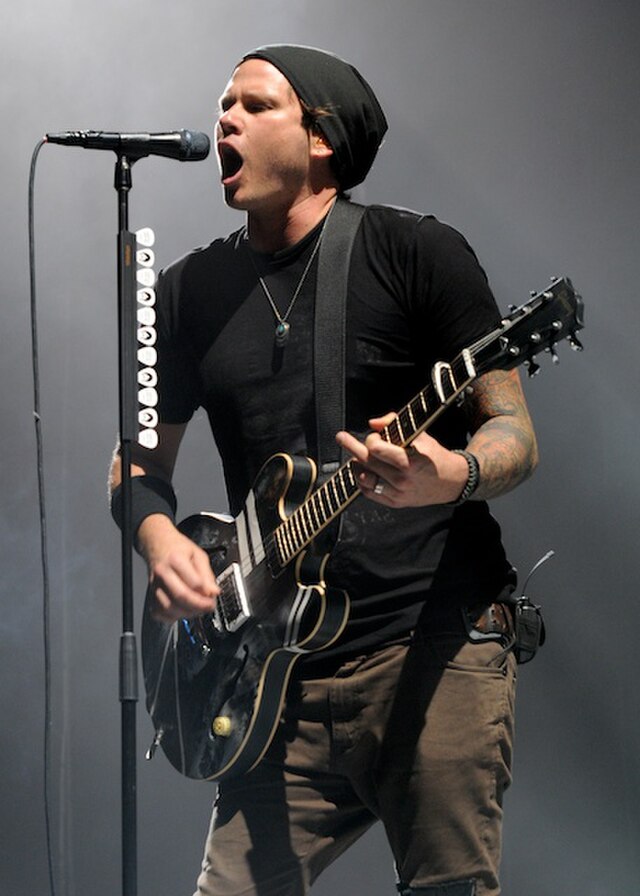
Like many punk rock bands, Blink-182’s music doesn’t rely on advanced musicianship, so it’s fair not to be too critical of Tom DeLonge’s basic guitar technique and sound. However, his distinctive vocal style, which seems to come almost exclusively from his nostrils, can be a major turnoff for some listeners, making the band’s music difficult to enjoy.
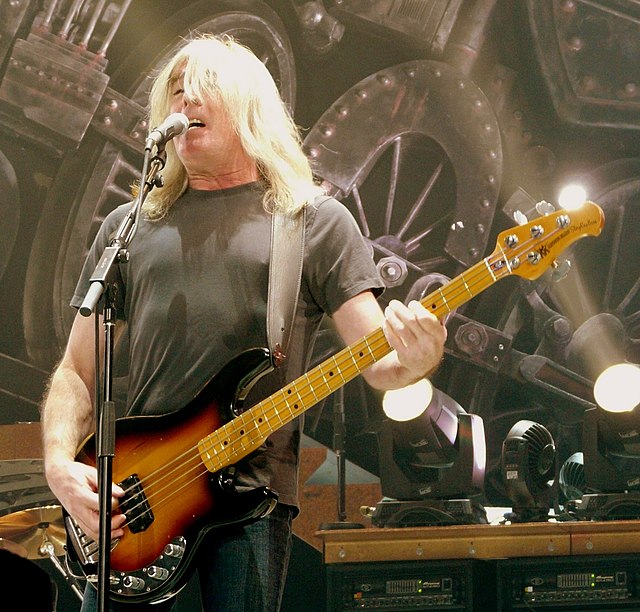
Cliff Williams hails from Romford, East London, which is quite a distance from Australia, the home of AC/DC. When the band sought a new bassist in the late 70s, it was surprising that they needed to look so far for someone whose contributions mainly consisted of playing root notes on every track. While AC/DC’s simplicity is undoubtedly part of their appeal, Williams doesn’t bring anything particularly noteworthy to the band’s legacy in rock history.
After the departure of original guitarist Bernard Butler, the Britpop band Suede aimed to refresh their sound by bringing in keyboard player Neil Codling. However, the extent of Codling’s contributions is questionable, as he often seemed to do little more than hold down single notes for extended stretches.
From 2010 to 2015, One Direction was undeniably the biggest boy band in the world, and Harry Styles’ subsequent success in both music and film clearly highlights where the real talent resided. In contrast, Louis Tomlinson stood out as the least charismatic and least memorable member of the British quintet, and his performance skills aren’t particularly noteworthy.
Since their debut in the early 90s, the Wu-Tang Clan has become one of the most acclaimed and commercially successful hip hop acts, producing icons like RZA, Method Man, Ghostface Killah, and ODB. However, U-God tends to be less prominent in discussions about the group, likely due to his less distinct personality, which often causes him to blend into the background. While he isn’t necessarily untalented, U-God simply doesn’t stand out among the other members of the Wu-Tang Clan.
Since their debut in 2010, K-pop boy band BTS has achieved unprecedented success, becoming the first South Korean act to reach stadium superstardom worldwide. While each member holds significance for their devoted Army, even the most loyal BTS fans generally agree that J-Hope is the least endearing member of the energetic group.
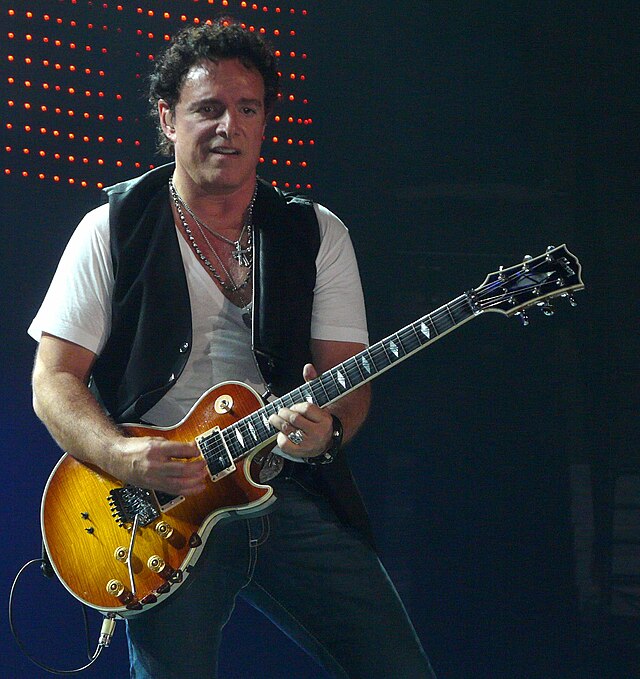
Much of the music that came out of the early 70s prog-rock scene has not aged well, and the same can be said for the more pop-oriented rock of the 80s. Journey, straddling both genres, embodies this trend. While they are undoubtedly skilled musicians, their lack of taste can be quite striking, especially with guitarist Neal Schon, whose flamboyance often veers into self-parody.
Folk rock quartet Crosby, Stills, Nash & Young is considered one of the original supergroups, but one member has always stood out as significantly less impressive than the others. While Graham Nash’s voice blends well in their iconic four-part harmonies, his lead vocals tend to be too reedy, and his quaint, cutesy songs are by far the least compelling in the band’s catalog.
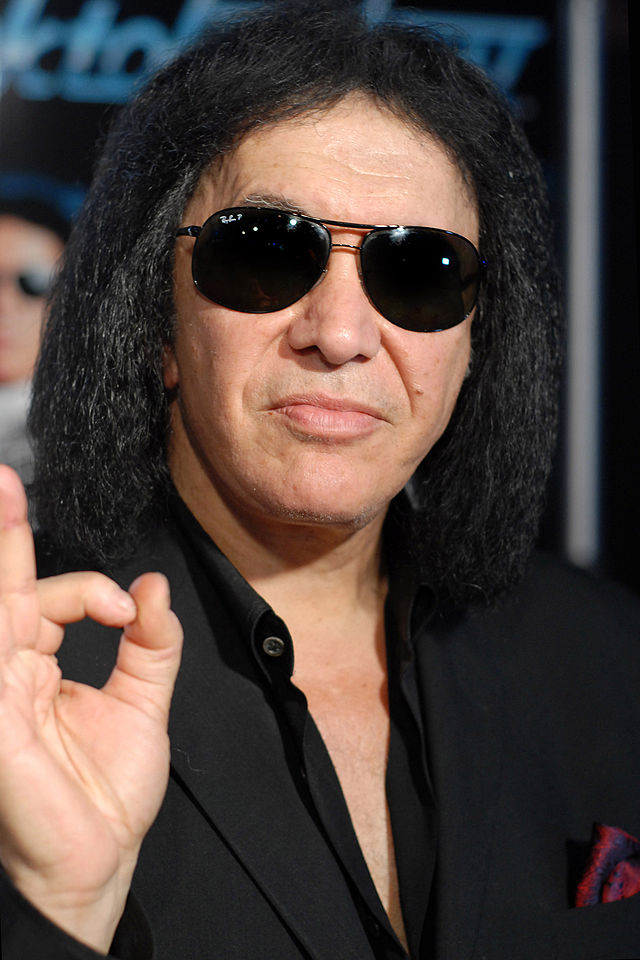
The prowess of stadium rock superstars Kiss as showmen is undeniable, but their skills as musicians and songwriters are far more contentious. Founder Gene Simmons may be the biggest showman of the group, but as a vocalist and bassist, he leaves much to be desired. Behind the elaborate makeup, there’s not much to commend.
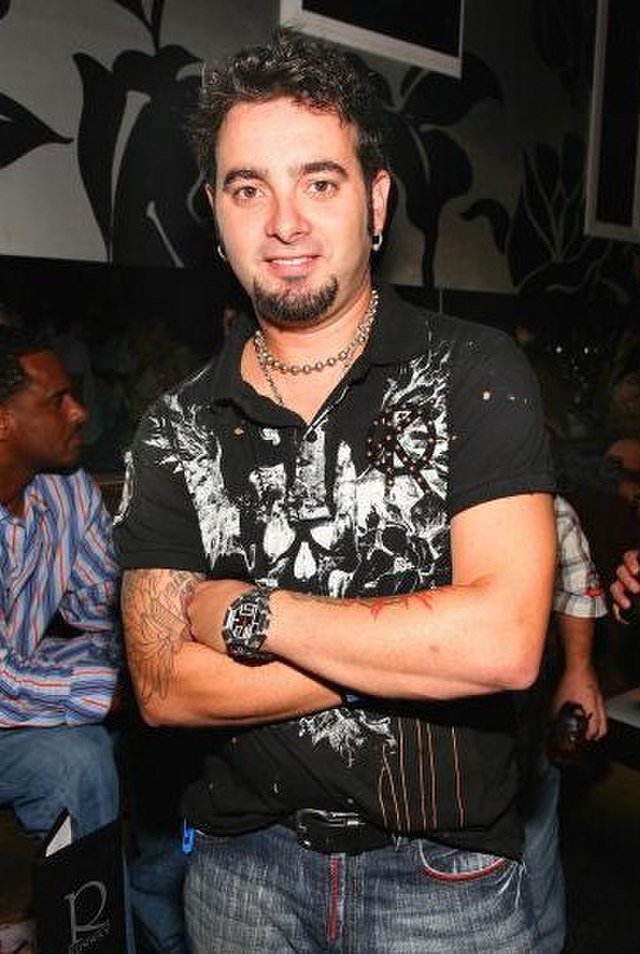
While every successful boy band has a passionate fanbase, there are often factions that rally behind specific members. However, was Chris Kirkpatrick ever truly anyone’s favorite in NSYNC? Although he gained some recognition for being mentioned in Eminem’s “Without Me,” there’s not much else that stands out about him.
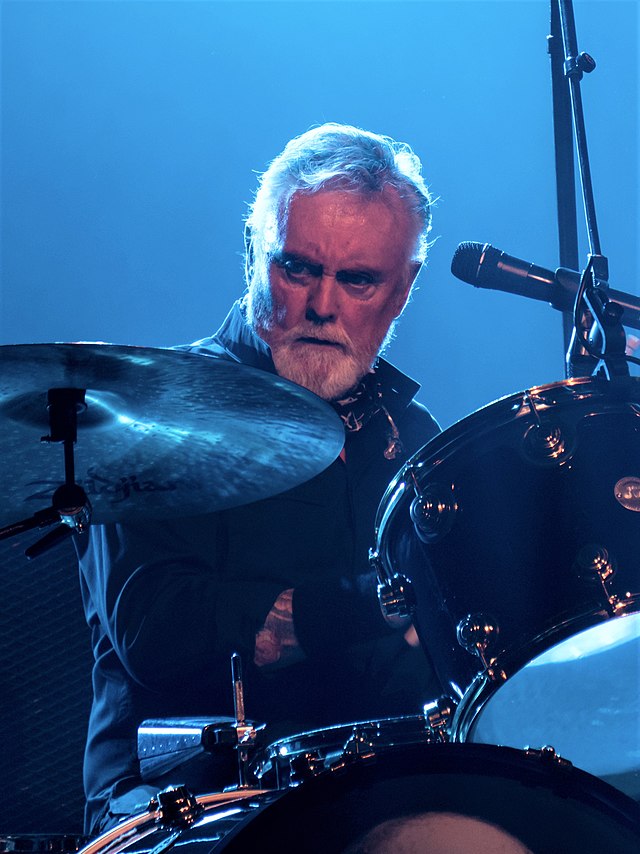
With the powerhouse vocals of Freddie Mercury and the virtuoso guitar work of Brian May, British rockers Queen achieved legendary status. While drummer Roger Taylor certainly contributed to their success, he doesn’t exemplify his craft in the same way as his bandmates. Honestly, the less said about his songwriting contributions (like “I’m In Love With My Car”) the better, though his place in the Rock and Roll Hall of Fame is firmly established.
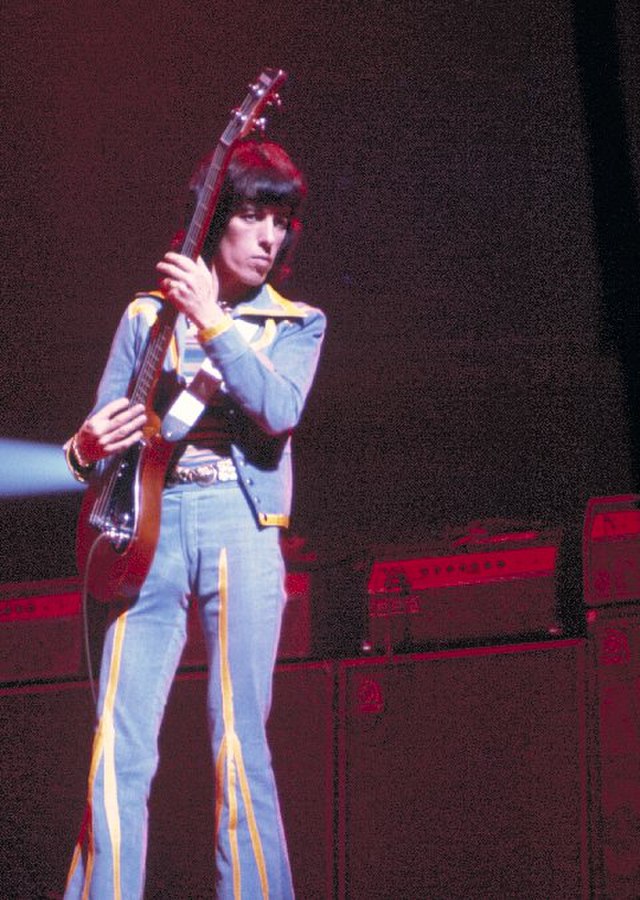
The Rolling Stones have dominated the rock ‘n’ roll scene for over 60 years, and it’s telling that original bass player Bill Wyman has been absent for more than half of that time with little fanfare. While it’s not to say Wyman is a poor musician, he has consistently faded into the background, especially in a band featuring the larger-than-life personalities of Mick Jagger and Keith Richards.
Replacing founding member Dee-Dee Ramone was always going to be a challenge. When Christopher Joseph Ward joined as C.J. Ramone and became the new bassist in 1989, the band, which continued for another seven years, never quite recaptured its original essence. While C.J.’s straightforward playing style was acceptable, his youthful demeanor and attitude felt out of sync, and his songwriting contributions often missed the mark.
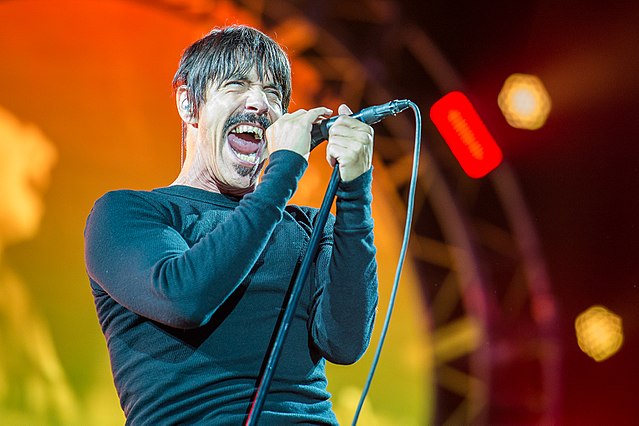
When The Red Hot Chili Peppers burst onto the scene in the early 80s, they offered a unique mix of punk, funk, and hip-hop. However, their sound has since transformed into a more generic brand of stadium rock. Throughout this evolution, one constant has been frontman Anthony Kiedis’s off-putting showmanship and vocals, which often detract from the remarkable musicianship of his bandmates.
The Velvet Underground, renowned for their subversive approach to music in the 60s, made waves with their decision to include a female drummer, Moe Tucker. While many admire her experimental style, listeners often find it challenging to appreciate the percussion without questioning whether it’s simply the sound of someone hitting random objects.
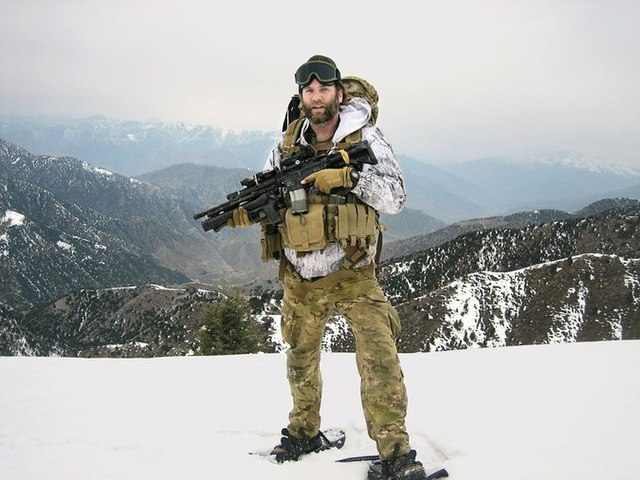
Nirvana’s iconic second album *Nevermind* is often celebrated for its classic three-piece lineup, overshadowing the fact that the band originally started as a quartet with second guitarist Jason Everman. While Everman appears on the cover of their first album, *Bleach*, recordings of his contributions are limited. Ultimately, he proved to be a poor fit for the band and was let go, later joining Soundgarden, where he faced a similar fate.
Member of the United States Army, serving with Everman in Afghanistan via wiki
Boy bands often seem to include a member whose primary role is to support the more popular members, and Howie Dorough of the Backstreet Boys is a prime example. As the least charismatic member of the group, he mainly gained attention due to his association with the more prominent stars, ending up on the bedroom walls of teenage girls simply because of who he was standing beside.
Given that Blackpink is a quartet, there’s less room for filler compared to many K-pop groups, which often have eight or nine members. However, Rosé is frequently seen as the weak link in the group, contributing less individual flair than her bandmates, which can overshadow her talents in the ensemble.
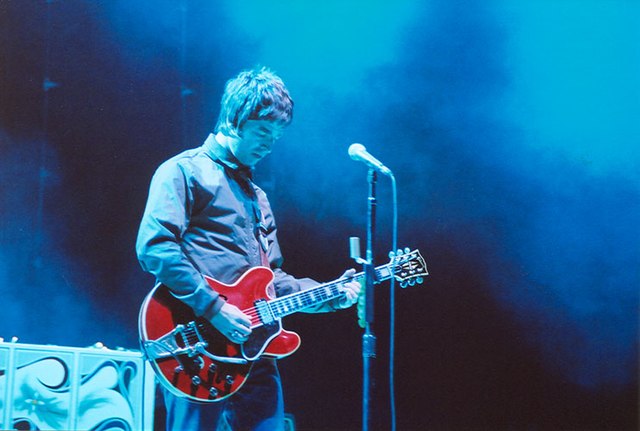
Diehard fans of Oasis often attribute the band’s success solely to Noel Gallagher, the principal songwriter and lead guitarist. However, despite this reverence, his songs can be seen as derivative and lazy, his guitar playing is fairly mediocre, and his vocal abilities are frequently compared to the unpleasant sound of fingers on a chalkboard.
Let’s be honest: not every musician who has achieved major success is actually all that talented. This is especially true for those in bands, where playing alongside truly skilled performers can help mask one’s own limitations. Many band members have benefited from the talent of their colleagues, and we’ve focused on a few examples here. Some of these musicians may not measure up to their bandmates, while others have little to no real talent at all.
Ringo Starr – The Beatles
It’s been said before, and it will be said again: The Beatles might be the most influential band in rock history, credited with groundbreaking innovations that shaped the genre – but Ringo Starr had little to do with that. His basic drumming and vocals were no match for the talent of his bandmates, and while it’s become a common critique, it’s still true that Ringo simply wasn’t performing at the same level as the rest of the Fab Four.