


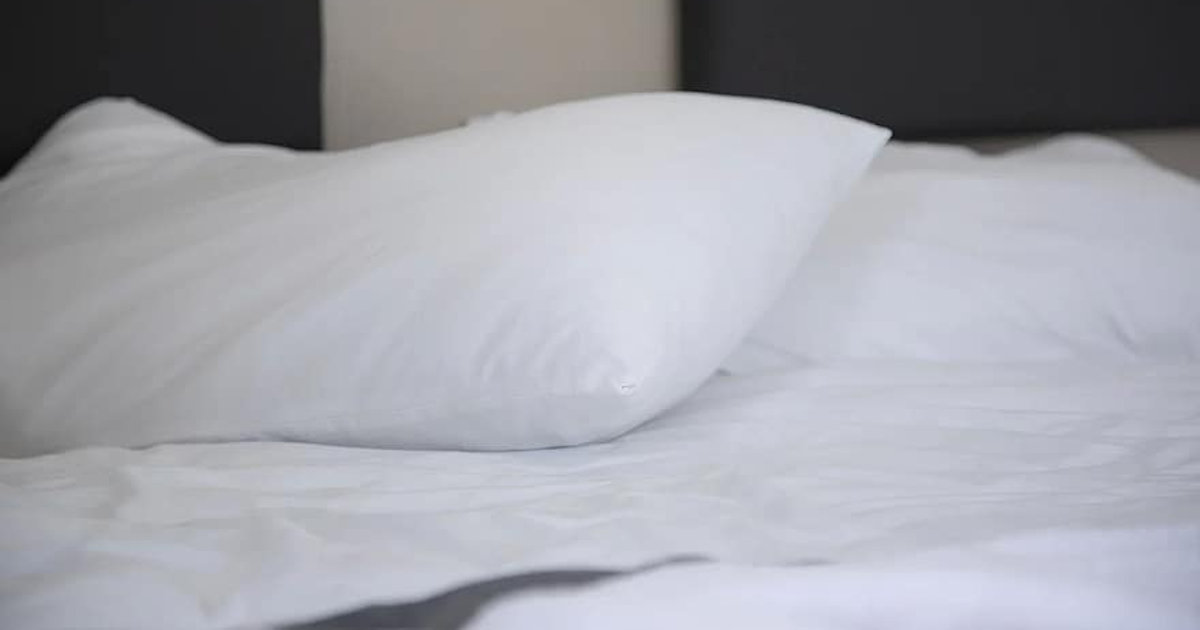


A lot of people might overlook pillow protectors. Maybe you do too.
Your pillow—whether feather or synthetic—already comes in its own case. And that case is often a high thread count. Then you buy pillowcases that go with your bedding and slip your pillows in them.
Why on earth would you need yet another case, or pillow protector, as they are called?
I’ll tell you why. And then, because you’ll immediately want to buy one or more, I’ll let you in on the best ones you can buy.
The Benefits of Pillow Protectors
First, pillow protectors are more than just another case. They’re typically snug fitting with one zippered end. They come in a variety of fabrics or materials, with the better-quality cases offering better protection. They create a waterproof but breathable barrier between the pillow and the pillowcase—and ultimately your skin.
The layer of protection not only means less wear and tear on your expensive pillows, but it also stops allergens from coming in direct contact with you.
But it protects you from a lot more than that, and it’s because of the following that I started using pillow protectors years ago.
Protection against bed bugs, dust mites, bacteria, and fluids.

Image 2 Wikipedia Image 3 Pixabay Image 4 Pixabay
It was the dust mites that got me. I remember reading that about 10% of the weight of a pillow that was a few years old could be made up of dead dust mites and their droppings. The older the pillow, the more weight.
You can check AchooAllergy.com for more scary dust mite facts.
I change my pillows regularly, but still. That little factoid had me running out and buying pillow protectors.
In my case, it wasn’t because I was allergic to them, as many people are. I was just completely grossed out. But those who are allergic will suffer sleep disturbances when they are sleeping with their nose pressed against an irritant.
Bed bugs, while more often found in mattresses, can end up in pillows as well.
Finally, a waterproof case is a protection against the fluid itself, whether you sweat or drool during the night. But it will also protect you from the bacteria that could grow because of it.
If you are already convinced you need a pillow protector, read on. I have some suggestions for the best pillow protectors below.
Types of Pillow Protectors.
Since there are a variety of things they can protect us from, pillow protectors aren’t all made the same. They will have different features, depending on specific requirements. Bed bugs might not be an issue for you, but you may create puddles of drool on your pillow each night.
Hypoallergenic pillow protectors. The object of these cases is to absorb and block and allergens that could irritate someone during the night. And this isn’t limited to dust mites. These protectors can also be helpful for those with pollen or pet dander allergies. And for anyone with mold allergies, they provide protection against mildew growth within the pillow.
Waterproof pillow protectors. These are great for those who tend to have night sweats and anyone who may drool. The case provides a waterproof barrier, making it impossible for any type of liquid or moisture to penetrate. They’re typically made from either polyurethane or vinyl, although polyurethane is the preferred choice since it’s more breathable and quieter. It won’t make that crackly sound when you move.
Bedbug pillow protectors. Bedbugs are commonly found in mattresses, but they often lay eggs in pillows as well. Frankly, if you have bedbugs, you ultimately need more than a pillow protector. As this WireCutter article says, “Encasements aren’t a cure-all against future infestations.” But, if after solving the problem, there is a fear of them returning, getting the correct pillow protector is an excellent idea, as it will be impossible for future bedbugs to enter the pillow.
Down pillow protectors. For anyone who uses a feather pillow, they do know the level of maintenance required. While it is possible to wash them in the machine, getting them properly dry again can be a difficult task. So using a pillow protector can cut down on the amount of washing necessary. And they also have the added bonus of keeping the feathers inside and not poking you in the face.
The Best Pillow Protectors
Our best overall pillow protector: Dosaze SilverTech Pillow Protector – CHECK PRICE

This pillow protector is the cream of the crop, the crème de la crème. In all of our testing, this was the only material that was waterproof through multiple washes. In addition, we loved that it wasn’t loud or crinkly under our pillowcase (like a lot of plasticky pillow protectors are).
The silver treatment is also a great touch – the silver makes the pillow protector antimicrobial, so it really protectors your pillow.
You can extend the life of your pillow by several years when using this Dosaze protector. Thanks to its many features, it covers all the bases due to its silver-infused fabric. This fabric is naturally antimicrobial and treated with a stain repellent solution. It also has a waterproof lining.
Pros.
- Proprietary fabric that will protect your pillow and extend its life for years.
- The fabric is soft to the touch, while still being waterproof and antimicrobial.
- It’s quiet. There are no crackling noises that could interrupt your sleep.
- Hidden zipper that full encases your pillow (protecting it from dust mites)
- 60-day return policy.
Cons.
- None
Best cotton/polyester blend pillow protector: Everlasting Comfort Waterproof Pillow Protector – CHECK PRICE

This protector is made from an 80% Cotton, 20% Polyester blend and is 100% waterproof. It promises to protect from any bodily fluids, or spilled liquid. It’s also hypoallergenic so well protected against bedbugs, dust mites, pollen, and an array of other allergens. It’s also feather proof, which is a great option for any who prefer not to be poked by the feathers and their pillows.
Pros.
- Thanks to the high cotton content this is a breathable protector.
- A lifetime replacement policy.
- Soft to the touch.
- Machine washable.
- Compatible with any type of pillow.
Cons.
- Not recommended for warm sleepers
- Some reviewers claim that the pillow protector does let some liquid through
- Some reviewers say that it can be be crinkly and loud
Best allergy-proof pillow protector: National Allergy 100% Cotton Bed Bug, Dust Mite & Allergy Control Pillow Protector – CHECK PRICE

If you are an allergy sufferer, this might be one of the best protectors for you. This protector has been certified as asthma and allergy friendly by a third-party laboratory. National Allergy’s patented Allersoft fabric is made in the US from pure cotton with a tight we that will not allow allergens to pass through.
Pros.
- Excellent choice for anyone with allergies thanks to its patented anti-allergy fabric.
- It’s very quiet.
- Soft to the touch.
- 100% cotton.
- Lifetime warranty.
Cons.
- Not waterproof, so choose a different protector if you are worried about moisture.
Best bed bug pillow protector: SafeRest Premium Hypoallergenic Bed Bug Proof Zippered Waterproof Pillow Protector – CHECK PRICE

I can’t think of a single person who wouldn’t do anything they could to protect themselves from bedbugs. If they are a cause of concern for you this pillow protector is designed with bedbug protection in mind. This is not to say they don’t address other issues such as allergens and moisture resistance. They are just the best choice for bedbugs.
Pros.
- Breathable
- Machine wash and dry.
- Micro-zippers for enhanced bedbug protection.
- Also protects from allergens and liquids.
- PVC free.
- 10-year warranty.
Cons.
- Some problems with the micro zippers breaking.
- Balloon effect due to it being so airtight.
Best cooling pillow protector: Niagara Sleep Solution Bamboo Pillow Protectors – CHECK PRICE

If you are a hot sleeper, you know that different coatings or waterproofing properties can make your bedding much warmer. Which is the last thing you want. Ironically, many pillow protectors that offer protection against moisture will create more moisture because they make you sweat. If that’s the case for you, you need something like these bamboo pillow protectors. Bamboo is well-known for its cooling properties.
Pros.
- Cooling.
- Fabric is soft to the touch.
- Quiet
- Quality zippers.
- Can be washed at high temperatures.
Cons.
- Only semi-waterproof, not fully waterproof.
- Some buyers report quality control issues.
In my opinion, pillow protectors are a necessity. And after reading this you may feel so as well. Hopefully, our research is helpful, and you can find one that best suits your needs.
Please SHARE this with your friends and family.


